
Elvas: The Complete Travel Guide (2026)
Last reviewed: September 2026 · key facts checked against Wikidata
Elvas Travel Guide: Everything You Need to Know (2026)
Elvas is a UNESCO World Heritage fortress city of 20,706 residents perched in Portugal’s Alentejo region, just 8 kilometres from the Spanish border at Badajoz. Founded as a strategic military stronghold, it holds the title of the world’s largest bulwark fortification system — a ring of star-shaped bastions and aqueducts that has survived intact for 400 years. Sitting 200 kilometres east of Lisbon at the crossroads of the Iberian Peninsula, Elvas rewards slow travellers who skip the tourist conveyor belt.
Three Things Not to Miss in Elvas
- Walls and Star-Fort Bastions — The largest preserved bulwark fortification on Earth — 7.5 km of intact 17th-century walls encircle the entire city.
- Amoreira Aqueduct — A 7.5 km Renaissance aqueduct with 843 arches, still standing after nearly 500 years of continuous use.
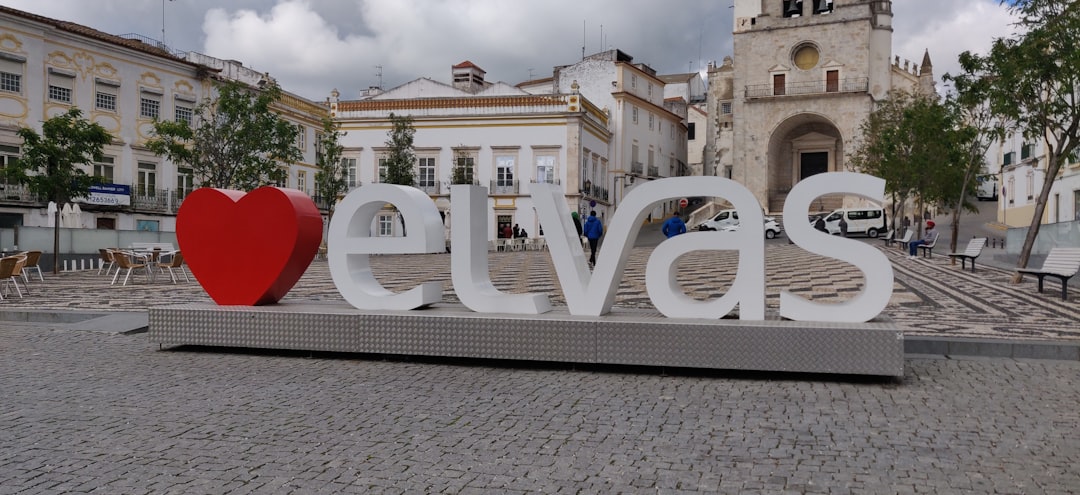
- Praça da República and Se Cathedral — A photogenic square where a converted Moorish mosque became a cathedral in 1570, ringed by azulejo-tiled facades.
Scroll down for our complete travel guide with tips on getting there, where to stay, costs and more.
Getting to Elvas from the Airport
How do I get to Elvas from Lisbon or Madrid?
Take a direct bus or drive — no train stops inside Elvas itself. In my experience, the easiest option from Lisbon is the Rede Expressos coach, which covers the 200 km journey in roughly 2.5 hours and costs around €15–€18 each way. From Madrid, it is a 4-hour drive via the A5/E90 motorway across the border at Badajoz. The honest caveat most guides skip: there is no direct international bus from Madrid — you must cross to Badajoz first (a short taxi ride) and connect from there. I recommend renting a car if you plan to explore the surrounding Alentejo countryside, as local bus frequency drops sharply on weekends.
Which airport is closest to Elvas?
Lisbon Humberto Delgado Airport (LIS) is the primary gateway, sitting 195 km west of Elvas — roughly a 2-hour drive on the A6 motorway. My tip: Badajoz Airport (BJZ) in Spain is only 15 km away and occasionally has budget Vueling or Iberia flights from Madrid or Barcelona, but frequency is low and rental car options are limited. What surprised me: many travellers overlook Évora as a stopover hub — it is only 80 km southwest and better connected by regional bus. I recommend flying into LIS and renting a car at the airport for the most flexibility, especially since Elvas itself has no urban transport network worth mentioning.
How long does the journey to Elvas take from Lisbon?
By car on the A6 motorway it takes approximately 2 hours from central Lisbon. The Rede Expressos bus runs in about 2.5–3 hours but drops you at the edge of town, requiring a short taxi to your accommodation. I recommend leaving Lisbon before 9:00 AM to avoid heavy westbound traffic on return days — the A6 near Lisbon is notorious for Friday-afternoon congestion. Honest caveat: the toll cost from Lisbon to Elvas adds roughly €12–€15 in motorway fees each way for a car with a Via Verde transponder, which most rental firms charge additionally. Factor this into your budget.
Do I need a rental car to explore Elvas properly?
For Elvas city alone, no — the historic centre is entirely walkable within a 1.5 km radius. However, I strongly recommend a rental car for the surrounding region. The Alentejo plains, the Cromeleque dos Almendres megalithic circle near Évora, and the hilltop village of Monsaraz are all within 90 minutes but unreachable without private transport. Rental prices from LIS airport start at around €35–€50 per day for a compact car in shoulder season. Warning: Elvas has extremely limited parking near the historic walls during peak summer weekends — park at the Portas de Olivença car park and walk in.
Moving Around Elvas
What are the best areas to stay in Elvas?
Stay inside or immediately adjacent to the walled old town — this is non-negotiable for atmosphere. The streets around Praça da República and Rua de Alcamim put you within a 5-minute walk of every major sight. My tip: the Convento da Cartuxa area on the southern edge of the walls is quieter and has a handful of guesthouses. Avoid booking accommodation near the N4 road corridor — it is noisy with cross-border lorry traffic at all hours. For families, the residential neighbourhood of Santo António just outside the walls offers parking and better value with a short 10-minute walk into the fortress core.
What does accommodation cost per night in Elvas?
Budget guesthouses and turismo rural rooms start at €45–€60 per night. A solid mid-range hotel such as the Hotel Elxadai Park runs €75–€110 in peak summer. The only true boutique option inside the walls charges around €120–€150 per night in July and August. What surprised me: Elvas has virtually no international chain hotels, which keeps quality more personal but also means fewer last-minute availability options. My tip: book a room in a casa rural (farmhouse stay) just outside the walls for €55–€80 — they typically include breakfast and offer far more character than any standard hotel in town.
How far in advance should I book accommodation in Elvas during high season?
Book at least 6–8 weeks ahead for July and August visits. Elvas has a small accommodation stock — probably fewer than 20 licensed establishments in the historic centre — so it fills faster than the city’s modest fame might suggest. The honest caveat: the city swells with day-trippers crossing from Badajoz on weekends, and locals from Lisbon visit for long weekends in June and September. If you are travelling around Semana Santa (Easter week), book 3 months in advance — Spanish visitors flood across the border. For shoulder months like April, May, or October, a 2-week lead time is usually sufficient.
Are there special or unique accommodation types in Elvas?
Yes — agritourism stays (agroturismo) on working cork oak and olive estates surrounding Elvas are genuinely special and found nowhere else in this density. Estates within 15–25 km of the city offer private pool access, farm dinners, and cork-harvest experiences in September for around €90–€130 per night. In my experience, staying one night inside the walls and one night on an estate gives the perfect balance of history and landscape. Another underrated option: solar tourism — restored 18th-century manor houses (solares) converted into guesthouses, typically costing €100–€140 but including breakfast and a sense of aristocratic Alentejo life that no hotel can replicate.
Choosing a Neighbourhood in Elvas
What are the must-see sights in Elvas?
Three sights are genuinely unmissable. First, the star-fort bastions and defensive walls — walk the full 7.5 km circuit for free and at your own pace; it takes about 90 minutes. Second, the Amoreira Aqueduct on the western approach to the city — 843 arches stretching across the plain is one of the most arresting engineering sights in Portugal. Third, the Museu de Arte Contemporânea de Elvas (MACE) inside a converted palace — a surprisingly world-class collection including works by Paula Rego. Entry costs €3, and in my experience it is one of the most underrated contemporary art museums in the entire country. All three are within a 20-minute walk of each other.
What can I experience for free in Elvas?
Most of Elvas is free. Walking the entire UNESCO-listed fortification circuit costs nothing and takes about 90 minutes at a comfortable pace. The Amoreira Aqueduct is fully accessible 24 hours a day. Praça da República with its distinctive black-and-white Portuguese cobblestone patterns and the exterior of the Sé Cathedral are free to admire. The Forte de Santa Luzia viewpoint offers panoramic views over the Alentejo plains at no charge. My tip: the Thursday morning market at the Mercado Municipal is free to browse and gives a true picture of local Alentejo life — dried figs, smoked sausages, and handmade cork goods sold by farmers, not tourists.
Which day trips are possible from Elvas?
Badajoz, Spain is just 8 km east — a 15-minute drive or taxi ride — and worth a half-day for its own Alcazaba fortress and vibrant market scene. Évora, the Alentejo’s cultural capital, is 80 km southwest, about a 1-hour drive, and pairs perfectly with Elvas as a 2-day loop. Campo Maior, only 15 km north, is famous for its extraordinary Festival das Flores (Flower Festival held every few years) and a formidable castle. What surprised me: Mérida in Spain, a Roman city with a 2,000-seat theatre, is only 70 km northeast — easily a day trip and dramatically underused by tourists based in Elvas.
What local specialities should I try in Elvas?
Elvas is famous across Portugal for ameixa de Elvas — a plum preserved in sugar syrup that has been produced here since the 16th century and holds a Protected Designation of Origin. Try them at any local bakery for around €4–€6 for a small jar. For savoury food, order sopa de cação (dogfish soup), migas (bread-based side dish), and borrego assado (roast lamb) — all staples of Alentejo cuisine. I recommend Restaurante Aqueduto near the aqueduct for an honest local meal averaging €12–€18 per person without wine. The local Alentejo wines — especially from the Portalegre sub-region — are criminally underpriced at €8–€14 a bottle in shops.
Top Sights in Elvas
What makes Elvas unique compared to other Portuguese cities?
Elvas is the only city in the world where the entire urban fabric — streets, churches, and civilian buildings — sits inside a UNESCO-listed military fortification that was never breached in battle. It is also one of the few places in Europe where you can stand on a Portuguese bastion and see a Spanish fortress (Badajoz) with the naked eye, 8 km away. What surprised me: unlike Évora or Óbidos, Elvas has not been gentrified for mass tourism — you eat in restaurants where construction workers have lunch, and locals actually live inside the walls year-round. That authenticity, in a UNESCO site, is increasingly rare in 2026.
How many days should I spend in Elvas?
2 full days is the ideal minimum; 3 days if you want to add a day trip. Day 1: walk the walls, visit MACE, and eat lunch at the market. Day 2: explore the aqueduct in morning light, drive to Campo Maior or Badajoz, and return for a long Alentejo dinner. My honest caveat: Elvas has limited nightlife and entertainment — by 9 PM most of the town is quiet. If you need urban buzz after dark, Badajoz across the border has a lively tapas scene. I do not recommend spending more than 3 nights in Elvas without incorporating a broader Alentejo road trip — it is best as an anchor point, not a sole destination.
When is the best time to visit Elvas?
April, May, September, and October are optimal. Spring brings wildflower-covered plains surrounding the fortress and temperatures around 18–22°C — ideal for walking the walls without heat exhaustion. September is my personal favourite: the cork harvest is underway on surrounding estates, summer crowds have thinned, and the light on the limestone bastions in late afternoon is extraordinary. Avoid July and August if you are heat-sensitive — Alentejo regularly hits 38–42°C and the fortress walls offer zero shade. What surprised me: December and January are cold and quiet but atmospheric, with the aqueduct wreathed in morning mist and virtually no other visitors present.
What are local festivals and events worth attending in Elvas?
The Festa da Cidade (City Festival) in mid-October celebrates Elvas’s anniversary with free concerts, street food, and military re-enactments inside the fortress — genuinely worth timing your trip around. Semana Santa (Holy Week) processions in March or April fill the narrow streets inside the walls with candlelit religious processions that feel unchanged from the 17th century. My tip: the Feira de Março (March Fair) brings regional agricultural products, crafts, and live music to the areas outside the walls for about 10 days — an honest local market with no tourist pricing. Check the Câmara Municipal de Elvas website for exact 2026 dates, as these festivals shift annually.
Where to Eat in Elvas
How does weather in Elvas affect what activities I can do?
Weather dictates everything here. The wall walk (7.5 km circuit) is brutal in July and August heat — start before 8:00 AM or after 6:00 PM to survive it. The Amoreira Aqueduct sits in open farmland with zero shade, so a midday visit in summer is genuinely dangerous. In my experience, indoor visits to MACE and the Museu Militar are best saved for the hottest hours of the afternoon. Spring rain (mostly November through February) rarely lasts more than a morning, so outdoor sightseeing remains feasible in winter. My honest warning: the Alentejo plain in August is one of the hottest environments in Western Europe — always carry 1.5 litres of water minimum.
How crowded does Elvas get in peak season?
By the standards of Lisbon or Porto, Elvas never gets truly overcrowded. Peak weekend days in July and August bring a noticeable influx of Spanish day-trippers from Badajoz and Portuguese families on Alentejo road trips, but the fortress is large enough to absorb them. The Praça da República and the Amoreira Aqueduct get busiest between 10:00 AM and 1:00 PM. My tip: arrive at the fortress walls at sunrise — you will have the entire circuit to yourself for at least 2 hours, even in August. What surprised me: MACE is often empty even on summer weekends — a world-class museum you can enjoy in near-total solitude.
How safe is Elvas for travellers?
Elvas is extremely safe — I felt entirely comfortable walking the fortress walls alone after dark. Petty crime is essentially non-existent inside the historic centre. The honest caveat: the N4 border road corridor between Elvas and Badajoz has occasional vehicle break-ins at roadside rest stops, so never leave valuables visible in a parked car. The border crossing area at Caia is monitored but attracts some cross-border smuggling activity — irrelevant to tourists but worth knowing. Emergency services are provided by the Centro de Saúde de Elvas for minor issues; serious medical care requires the Hospital de Portalegre, 50 km north. Overall, Elvas ranks among the safest small cities in southern Portugal.
Is English widely spoken in Elvas?
Less than in Lisbon or the Algarve — plan accordingly. In my experience, younger staff at hotels and MACE speak functional to good English, but restaurant owners, market vendors, and most shopkeepers operate entirely in Portuguese and Spanish. Spanish actually gets you further here than English, given the proximity to Badajoz. My tip: download Google Translate with the Portuguese offline pack before you arrive — it handles menus, signs, and basic conversations reliably. Learning five Portuguese phrases — obrigado (thank you), faz favor (excuse me/please), quanto custa (how much), uma mesa para dois (a table for two), and a conta (the bill) — will earn you genuine warmth from locals and better service.
Before You Go to Elvas
What is the daily budget for visiting Elvas?
A realistic budget traveller can manage on €55–€70 per day including a guesthouse bed, a set-menu lunch (€10–€12), a restaurant dinner (€14–€18), and museum entries. A mid-range day — decent hotel, two proper restaurant meals, wine, and a day trip to Badajoz — costs €100–€130 per person. Honest caveat: Elvas is slightly more expensive than comparable Alentejo towns like Estremoz or Portalegre due to its UNESCO status driving accommodation demand. Transport costs are the wildcard — if you have a rental car from Lisbon, factor €40–€55 per day for the vehicle plus €12 in tolls each way. Food and attractions are genuinely affordable by any European standard.
How does public transport work in and around Elvas?
Public transport in Elvas is minimal. Rede Expressos runs 2–3 daily coaches between Lisbon (Sete Rios terminal) and Elvas, stopping at Évora en route. Regional buses operated by Rodoviária do Alentejo connect Elvas to Portalegre (50 km, 1 hour) and Badajoz (8 km, 20 minutes) on weekdays, with reduced weekend frequency. There is no train station in Elvas — the nearest rail connection is Évora, 80 km away. Within the city, there is no urban bus network — everything inside the walls is on foot. My tip: the Badajoz bus (around €3 each way) is genuinely useful for a half-day cross-border trip without needing a car.
Which apps do you recommend for visiting Elvas?
I recommend four apps. Google Maps with offline Elvas maps downloaded — GPS works perfectly even in the narrow lanes inside the fortress. Rede Expressos app for booking and checking coach times between Lisbon and Elvas. Google Translate with Portuguese offline pack for restaurant menus and conversations. MB Way — Portugal’s dominant mobile payment app — is accepted at most local shops and restaurants; setting it up requires a Portuguese bank account, but a Revolut or Wise card achieves the same contactless payment result without setup. What surprised me: Wi-Fi coverage inside the fortress walls is patchy — download everything before exploring. There is no dedicated Elvas tourism app worth recommending in 2026.
Elvas at a Glance
| Population | 20,706 |
|---|---|
| Currency | EUR (€) |
| Official language | Portuguese |
| Time zone | UTC±00:00 |
Source: Wikidata, retrieved September 2026.
Portugal › Elvas
More Destinations in Portugal
Essential Resources for Planning Your Trip to Elvas
- Visit Elvas, “Queen of the Border” | Unesco’s Alentejo near … — official visitor information, passes & events
- Wikipedia: Elvas — history, geography & background
- Wikivoyage: Elvas — community travel guide & practical tips
- Museu de Arte Contemporânea de Elvas – Lonely Planet — expert itineraries & travel inspiration
- THE 15 BEST Things to Do in Elvas (2026) — hotels, restaurants & traveller reviews
- Visiting crowd-free world heritage towns like Elvas in … — how to get around
- Numbeo: Cost of Living in Elvas — current prices & cost comparison
- Timeanddate: Elvas Weather & Climate — forecasts & climate statistics
- Travel without leaving a trace – how to tackle overtourism I …
More Perspectives on Elvas
- 2026 Elvas Travel Guide: must-see attractions, popular food, …
- ELVAS TRAVEL GUIDE 2026: Explore Portugal’s Fortresses …
- Elvas Travel Guide 2026: Expert Tips & Reviews
Elvas Travel Videos
Watch these videos for a visual preview before your trip:
- Top 5 Things To Do in Elvas, Portugal
- Ep.73: Elvas, PORTUGAL – Why is it UNESCO world heritage listed? Is Elvas worth visiting?
- Top 15 Things To Do In Elvas, Portugal
Elvas Travel Discussions on Reddit
Real traveller experiences and community advice:
- Any suggestions on offbeat places to visit in Portugal …
- Going to Badajoz from Lisbon with a Schengen visa question
- Forte de Nossa Senhora da Graça, Portugal 🇵🇹 : r/castles
Data Sources
This page was compiled using data from Wikipedia, Wikidata, Open-Meteo (climate), Numbeo (cost of living) and REST Countries. Information is updated regularly.