
Gozo: The Complete Travel Guide (2026)
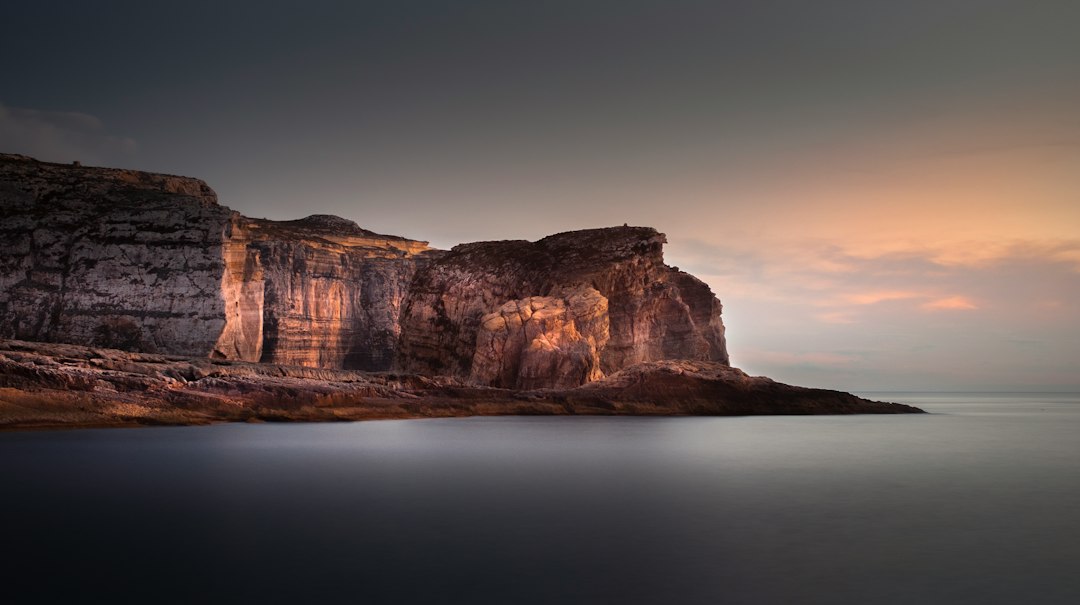
Last reviewed: October 2026 · key facts checked against Wikidata
Gozo Travel Guide: Everything You Need to Know (2026)
Gozo is the second-largest island in the Maltese archipelago, covering approximately 67 km² and sitting just 6 km north of Malta across the Gozo Channel. With a resident population of 31,446, this compact Mediterranean island sits at 195 m above sea level at its highest points and is known for its Ġgantija Temples, among the oldest free-standing stone structures on Earth. English is an official language alongside Maltese, making Gozo one of the most accessible island destinations in the Mediterranean for English-speaking travellers.
Three Things Not to Miss in Gozo
- Ġgantija Temples — UNESCO-listed Neolithic temples dating back over 5,500 years, predating Stonehenge and the Egyptian pyramids.
- Ramla Bay — Gozo’s largest beach, with distinctive red-orange sand stretching roughly 500 m along the island’s north coast.
- Victoria Citadel (Il-Kastell) — A 17th-century fortified hilltop city offering panoramic views across the entire island from its 60 m-high bastions.
Scroll down for our complete travel guide with tips on getting there, where to stay, costs and more.
Getting to Gozo: Ferry or Flight
How do I get to Gozo — by flight or ferry?
Ferry from Malta is the standard route — the crossing takes about 25 minutes. Gozo has no commercial airport of its own, so all air arrivals land at Malta International Airport (MLA) in Luqa, then connect to the ferry. A helicopter service operated by Maltese Airlines previously ran but check current availability before 2026, as schedules change seasonally. The ferry is reliable year-round, running roughly every 45 minutes day and night. Tip: flying into Malta and taking the ferry is cost-effective and adds no significant delay to your journey.
Which airport or port is the best starting point for Gozo?
Malta International Airport (MLA) in Luqa is your only realistic starting point. From MLA, take a taxi or X1 Tallinja express bus to Ċirkewwa ferry terminal on Malta’s northern tip — bus journey is approximately 1 hour. From Ċirkewwa, the Gozo Channel Line ferry crosses to Mġarr Harbour on Gozo in about 25 minutes. Mġarr is a small port with car-hire offices, taxis and a bus terminus. Worth knowing: arriving at MLA late at night is fine — the ferry runs 24 hours, though late-night departures are less frequent, approximately every 90 minutes after midnight.
How long does the Gozo ferry crossing take?
The Gozo Channel Line ferry crossing takes approximately 25 minutes from Ċirkewwa (Malta) to Mġarr (Gozo). Ferries depart roughly every 45 minutes during the day, operated by Gozo Channel Company. The total door-to-door journey from Malta International Airport to Gozo is typically 1.5 to 2 hours, including the bus or taxi ride north to Ċirkewwa. In peak summer months (July–August), vehicle queues at Ċirkewwa can add 30–60 minutes if you are travelling with a rental car — foot passengers board faster and can skip the vehicle queue entirely.
What does a Gozo ferry or flight cost?
The Gozo Channel Line ferry costs approximately €4.65 per adult for a foot-passenger return ticket (check gozochannel.com for the current 2026 tariff). Taking a car on the ferry adds roughly €15–€20 return depending on vehicle size. There are no commercial direct flights to Gozo. Budget flights to Malta International Airport (MLA) from major European hubs — London, Rome, Amsterdam — typically range from €40 to €150 return depending on the season and airline (Ryanair, Air Malta/KM Malta Airlines). Tip: book Malta flights early for summer 2026, as capacity is limited and prices spike sharply in July and August.
Are overnight ferries to Gozo worth it?
No overnight ferry service runs between Gozo and continental Europe — the ferry only connects Gozo to mainland Malta. The Gozo Channel Line does operate night crossings between Ċirkewwa and Mġarr roughly every 90 minutes after midnight, but these are practical transport links, not tourist cruise experiences. For travellers arriving at Malta Airport on a late flight, the 24-hour ferry means you can still reach Gozo the same night. A direct Sicily–Malta ferry service (operated by Virtu Ferries) arrives at Valletta’s Grand Harbour, not Ċirkewwa, so you’d still need onward transport north to the ferry.
Getting Around Gozo
Do I need a rental car or scooter on Gozo?
A rental car is strongly recommended for Gozo — the island’s interior villages and cliff-top viewpoints are poorly served by buses. The island measures just 14 km long by 7 km wide, making driving very manageable. Car hire from agencies at Mġarr Harbour or Victoria typically costs €25–€45 per day in shoulder season, rising in July–August. Scooters are available from around €20–€30 per day but Gozo’s rural roads can be narrow and uneven. Worth knowing: you drive on the left (British system). Fuel stations are concentrated around Victoria (Rabat) — fill up there rather than relying on rural spots.
Are there buses between towns on Gozo?
Yes, Gozo has a public bus network operated by Malta Public Transport, but service is infrequent and route coverage is limited. All routes radiate from Victoria Bus Terminus in the island’s centre. Key routes link Victoria to Marsalforn, Xlendi, Mġarr and Ramla Bay (seasonal). Frequency ranges from every 30 to 60 minutes on main routes, less on rural ones. A single fare costs approximately €1.50 (verify at publictransport.com.mt). Tip: buses are fine for reaching the main villages but impractical for spontaneous exploration of Gozo’s numerous coves and inland ruins — for those, a rental car saves significant time.
What does a rental car cost on Gozo — and where do I hire one?
Expect to pay roughly €25–€45 per day for a small rental car on Gozo in shoulder season (May, June, October). In peak summer (July–August) rates climb to €50–€70 per day. The most convenient hire locations are directly at Mġarr Harbour (where you disembark the ferry) and in Victoria, the island capital. Local operators such as Gozo Garage and international chains like Avis and Europcar have desks there. Book at least 4–6 weeks ahead for July–August to secure availability and better rates. Worth knowing: many local operators require a minimum age of 21 and a credit card deposit rather than a debit card.
Which parts of Gozo are accessible without a car?
Victoria, Marsalforn and Xlendi are all reachable by bus from the Victoria terminus without a car. The historic Victoria Citadel and the main Ġgantija Temples (in Xagħra, connected by bus route 307) are accessible by public transport. Marsalforn, Gozo’s most popular dive and watersports village, has regular bus connections. However, remote beaches like San Blas Bay, the Dwejra Inland Sea area and most rural valley walks require a car or a hired taxi. Organised day tours departing from Mġarr cover multiple sights — operators like John’s Tours Gozo offer jeep safaris for around €25–€35 per person as a car-free alternative.
Can I cycle around Gozo?
Cycling is possible on Gozo but challenging due to steep hills, narrow rural lanes and summer heat. The island is only 14 km × 7 km, so distances are manageable, but elevation changes are significant — the interior plateaus sit around 150–195 m above sea level, with sharp descents to coastal villages like Xlendi and Marsalforn. E-bike rental is available from shops in Victoria and Marsalforn for approximately €20–€35 per day and makes hilly terrain much more practical. Tip: cycling is best suited to the cooler months — October to May — when temperatures stay below 25°C. In July–August, midday cycling is genuinely hazardous in the heat.
Where to Stay on Gozo
Which town on Gozo should I base myself in?
Victoria (also called Rabat) is the most practical base, sitting centrally and giving easy access to all parts of the island. It hosts the island’s main market, restaurants, bus hub and the dramatic Citadel. For a coastal atmosphere, Marsalforn on the north coast suits divers and water-sports enthusiasts, while Xlendi on the southwest offers a quieter bay with good seafood restaurants. Mġarr, though convenient for ferry arrivals, has limited dining and accommodation options. We recommend Victoria or Xlendi for a first visit — both sit within a 10–15 minute drive of Gozo’s main sights including Ġgantija and Ramla Bay.
What does accommodation cost per night on Gozo?
Budget guesthouses in Gozo start from about €50–€70 per room per night in shoulder season. Mid-range boutique hotels and converted farmhouses — a characteristic local option — typically cost €90–€160 per night. Upscale properties such as Kempinski Hotel San Lawrenz or boutique retreats near Sannat charge €200–€350+ per night in peak season. Self-catering farmhouses with pools, a popular choice, rent from roughly €800–€1,500 per week for a property sleeping four. Worth knowing: Gozo accommodation tends to be 10–20% cheaper than equivalent properties on Malta, making it better value — but availability in July and August is tight.
Which area of Gozo suits which travel style?
Victoria suits history lovers and those wanting central access; the Citadel, local markets and most bus routes are here. Marsalforn attracts divers and younger travellers — it has Gozo’s most concentrated dive operators and a lively seafront promenade. Xlendi is calmer, suits couples and those seeking good seafood in a scenic bay setting. Xagħra is ideal for culture-focused travellers, with direct access to Ġgantija Temples and a quieter village pace. Rural farmhouse rentals in the interior — around Gharb or Kerċem — suit families and self-catering travellers wanting privacy with a pool. Compare to Malta’s St Julian’s, which is larger and noisier — Gozo broadly offers a more relaxed island pace.
How far in advance should I book accommodation on Gozo?
Book at least 3–4 months ahead for July and August 2026 — Gozo’s accommodation stock is limited given the island’s size, and popular farmhouses and boutique hotels sell out by April or May. For the shoulder months of May, June, September and October, booking 4–6 weeks ahead is generally sufficient. Winter (November–March) rarely requires advance booking except over Christmas and New Year. Worth knowing: Gozo attracts a significant number of UK, German and Italian repeat visitors who book early every year, so last-minute availability in peak summer is genuinely scarce. We recommend setting up price alerts on Booking.com for your target dates from January 2026 onwards.
Are there good apartments or farmhouses with sea views on Gozo?
Yes — Gozo is particularly well known for its converted stone farmhouses, many with private pools and countryside or sea views. These self-catering properties are a signature accommodation type on the island and sleep 4–8 guests for roughly €900–€2,000 per week depending on size and season. Specialist rental platforms Gozo Farmhouses (gozofarmhouses.com) and Farmhouses Gozo list verified properties. Sea-view apartments are concentrated around Xlendi, Marsalforn and the cliffs near Dwejra. Tip: properties marketed as having “sea views” in Gozo’s interior sometimes mean distant horizon glimpses rather than direct waterfront — check photos carefully and confirm with the host before booking.
Best Time to Visit Gozo
When is the best time to visit Gozo?
The best months to visit Gozo are June, September and October — warm enough for swimming and outdoor sightseeing, without the intense heat and crowds of July–August. Based on verified climate analysis, the best travel months are June through November. September and October offer sea temperatures around 24–26°C, comfortable air temperatures and noticeably smaller crowds at key sites like Ġgantija Temples and Ramla Bay. April and May are excellent for walking, cycling and culture without beach heat. Winter is mild (rarely below 10°C), uncrowded and cheap, but many coastal restaurants and watersports operators close from November to March.
What is the weather on Gozo like throughout the year?
Gozo has a classic Mediterranean climate — hot, dry summers and mild, wetter winters. July and August are the driest and hottest months, with air temperatures regularly exceeding 32°C and very little rainfall. Spring (April–May) is warm and green after winter rain, ideal for walks through the countryside. Autumn (September–November) brings occasional short rain showers but remains largely sunny and warm. Winter (December–February) is the rainy season — not ideal for beach holidays but perfectly fine for cultural visits to the Citadel and temples. Gozo’s position as a small island means sea breezes moderate summer heat, but midday sun in July is intense — factor in sun protection.
When does Gozo get overcrowded, and how bad is it?
Gozo is at its most crowded in July and August, driven by Maltese families crossing for weekends and European summer holiday makers. The Ċirkewwa–Mġarr ferry can have vehicle queues of 1–2 hours on Friday afternoons and Sunday evenings in peak summer. Beaches like Ramla Bay fill by 10 a.m. on summer weekends. However, Gozo remains significantly quieter than Malta’s north coast resorts — it has no large resort hotel strips comparable to St George’s Bay in St Julian’s. Foot passengers experience minimal queuing even in August. The island’s population of 31,446 keeps the scale intimate even in season compared to Malta’s busier tourist zones.
Is there a worthwhile shoulder season on Gozo?
Yes — May, June, September and October are Gozo’s strongest shoulder months and we strongly recommend them. Accommodation costs drop 20–30% versus peak August rates, the ferry never queues for foot passengers, and major sites like Ġgantija Temples and the Citadel are uncrowded. Sea temperatures in September reach 26°C — warm enough for swimming and snorkelling. Diving operators in Marsalforn remain fully active through October. Compare this to peak July, when daily budgets rise and the island receives its maximum visitor pressure. October is particularly good for hikers and cyclists exploring the Wied il-Mielaħ canyon and coastal paths without summer heat.
When does the beach and watersports season begin on Gozo?
The beach season effectively begins in May, when sea temperatures reach approximately 19–20°C — cool but swimable for many visitors. By June, water temperatures rise to around 23°C and most watersports operators in Marsalforn and at Dwejra open fully. Peak beach conditions run from June to October, with August sea temperatures around 27°C. Diving is possible year-round in Gozo — operators like Atlantis Gozo in Marsalforn run winter dive programmes when the Mediterranean visibility is at its finest (often 30–40 m). Ramla Bay’s beach facilities, including sun-lounger hire, typically operate from May to October.
What Gozo Costs
What does a daily budget cost on Gozo?
A realistic daily budget on Gozo runs €60–€90 per person for mid-range travel, excluding accommodation. This covers a rental car share (roughly €15–€20 per person per day split between two), meals at local restaurants (€12–€18 for a main course), entry to Ġgantija Temples (approximately €10), and drinks. A tight backpacker budget — using buses, cooking from supermarkets in Victoria and staying in guesthouses — can be managed for around €35–€50 per day. Gozo is modestly cheaper than Malta’s tourist centres for food and accommodation, though car hire and ferry costs apply to both islands similarly.
Is Gozo more expensive than mainland Malta?
Gozo is generally 10–20% cheaper than Malta’s main tourist areas such as Valletta, Sliema and St Julian’s. Restaurant prices in Victoria and village trattorias are noticeably lower than Sliema waterfront equivalents — a pasta dish or local rabbit stew costs roughly €10–€14 in a Gozo village versus €14–€20 on the Malta seafront. Accommodation is also cheaper on average. However, the ferry crossing and any rental car costs are additional expenses not applicable if you stay entirely in Malta. Tip: buying groceries at Victoria’s market or Pavi Supermarket significantly cuts food costs compared to eating out every meal.
What expenses on Gozo are unavoidable?
The ferry crossing and local transport are unavoidable costs — even foot passengers pay approximately €4.65 return on the Gozo Channel Line. If you bring or hire a car, ferry vehicle costs add €15–€20 return. Car hire itself is a near-essential expense given the bus network’s limitations — budget €25–€45 per day. Entry to Ġgantija Temples (Gozo’s headline UNESCO site) costs approximately €10. Sun cream and bottled water in July–August are practical necessities — buy water at Victoria supermarkets rather than paying tourist-spot prices of €2–€3 per bottle. Wi-Fi is available at most hotels and many cafés, so a local SIM is optional but convenient.
What does food cost on Gozo — local versus tourist prices?
A meal at a local Gozitan village restaurant costs roughly €10–€16 per person, including a main course like fenkata (rabbit stew) or fresh fish. Tourist-facing restaurants in Xlendi Bay or Mġarr Harbour charge €16–€25 for mains. A coffee costs around €1.50–€2 at local cafés versus €2.50–€3.50 at waterfront spots. Fresh pastizzi (ricotta or pea-filled pastry) from bakeries in Victoria cost under €0.50 each. We recommend eating at restaurants in inland villages — Gharb, Xagħra or Kerċem — for the most authentic food at the lowest prices. Avoid buying drinks directly on Ramla Bay beach if cost matters.
What are the best beaches on Gozo?
Ramla Bay is Gozo’s finest and largest beach, with striking orange-red sand stretching approximately 500 m and clear turquoise water — it is roughly a 15-minute drive from Victoria. San Blas Bay is a tiny, secluded cove with similar red sand, accessible only by a steep footpath (about 10 minutes’ walk) — no facilities but exceptional beauty. Xlendi Bay is a sheltered inlet ideal for snorkelling, with a promenade lined with restaurants. Marsalforn Bay is rocky but the hub of the island’s diving scene. Worth knowing: Gozo has no large sandy beaches apart from Ramla — most swimming spots are rock platforms or small shingle coves, which differ significantly from the sand beaches of Malta’s Mellieħa Bay.
Beaches & Experiences on Gozo
What are the top sights on Gozo beyond the beaches?
The Victoria Citadel (Il-Kastell) is the unmissable cultural sight, a fortified walled city rebuilt in the 17th century after an Ottoman raid, with a cathedral, museums and panoramic bastions overlooking the whole island. Ġgantija Temples in Xagħra are UNESCO-listed Neolithic structures over 5,500 years old. The Dwejra Inland Sea — a natural rock tunnel leading to open ocean — was the filming location for scenes in Game of Thrones. Wied il-Mielaħ (Window Rock) is a natural limestone arch above the sea. For a day trip comparison, Malta’s Valletta (about 90 minutes door-to-door via ferry and bus) offers a denser concentration of Baroque architecture if you want urban sightseeing.
What watersports are available on Gozo?
Scuba diving is Gozo’s standout watersports activity — the island is rated as one of the Mediterranean’s top dive destinations, with sites like the Blue Hole at Dwejra (a submerged rock chimney reaching about 50 m depth) attracting divers year-round. Dive packages with operators like Atlantis Gozo in Marsalforn cost roughly €35–€55 per boat dive. Snorkelling, kayaking and paddleboarding are available at Xlendi and Ramla Bay. Windsurfing and kitesurfing operate from Marsalforn in summer. Boat tours circumnavigating the island with stops at sea caves typically cost €20–€35 per person — check operators at Mġarr Harbour.
What is the culinary highlight on Gozo?
Fenkata — slow-braised rabbit stew — is Gozo’s signature dish and a defining experience of the island’s food culture. It is typically served with roasted potatoes and vegetables and costs around €12–€16 at inland village restaurants. Gozo is also known for its Gbejna — a local fresh or dried sheep’s-milk cheese often served with cracked black pepper and capers. Fresh fish caught locally, particularly lampuki (mahi-mahi) in autumn, appears on most waterfront menus. We recommend eating Gbejna and freshly baked Maltese bread as a starter at a Victoria market café before exploring the Citadel. The Xlendi waterfront restaurants offer some of the best fish settings on the island.
Which parts of Gozo are still off the beaten track?
The village of Gharb on Gozo’s northwest tip remains genuinely quiet — it has a beautiful Baroque church, the Folklore Museum and surrounding farmland with minimal tourist infrastructure. San Blas Bay requires a steep walk down a valley path and has no road access, keeping it uncrowded even in August. The Ta’ Ċenċ cliffs near Sannat offer dramatic coastal walking with no facilities and very few visitors. Wied il-Mielaħ (the remaining natural rock arch, since the Azure Window collapsed in 2017) is far less visited than Dwejra’s Inland Sea. Compared to the tourist volume on Malta’s Sliema promenade, almost all of Gozo’s inland area feels genuinely unhurried.
How many days do I need on Gozo?
A minimum of 3 full days allows you to see Gozo’s key sights without rushing, covering the Citadel, Ġgantija Temples, Ramla Bay and Dwejra. 5–7 days suits those who want to add scuba diving, boat trips, hiking the Ta’ Ċenċ coastal path and a day trip back to Valletta (about 90 minutes door-to-door). Gozo is small — 14 km × 7 km — so longer stays are about pace and activities rather than volume of sights. Worth knowing: Gozo works well as a 2–3 day extension to a longer Malta trip, since the two islands are so close. Spending all of a one-week Maltese holiday exclusively on Gozo risks running out of major attractions unless diving or slow travel is your focus.
Gozo at a Glance
| Population | 31,446 |
|---|---|
| Currency | EUR (€) |
| Official language | Maltese, English |
| Time zone | UTC+01:00 |
Source: Wikidata, retrieved October 2026.
Malta › Gozo
Essential Resources for Planning Your Trip to Gozo
- Gozo Tourism Association calls for travel restrictions … — official visitor information
- Wikivoyage: Gozo — community travel guide & practical tips
- Wikipedia: Gozo — history, geography & background
- We went to the island of Gozo today. They say that … — how to get there and around
- Gozo travel – Malta, Europe — itineraries & inspiration
Data Sources
Key facts on this page (population, currency, language, time zone) come from Wikidata, climate figures from Open-Meteo. The retrieval date is shown next to the facts table.