
Malta: The Complete Travel Guide (2026)
Last reviewed: August 2026 · key facts checked against Wikidata
Malta Weather by Month: When to Go
| Month | Day | Night | Sea | Rain days | Rain mm | Wind km/h | Good for |
|---|---|---|---|---|---|---|---|
| Jan | 16° | 12° | 17° | 8 | 38 | 31 | Hike |
| Feb | 16° | 12° | 16° | 6 | 42 | 29 | Hike |
| Mar | 17° | 13° | 16° | 6 | 33 | 30 | Hike |
| Apr | 19° | 14° | 17° | 4 | 16 | 28 | Hike |
| May | 22° | 17° | 19° | 3 | 20 | 26 | Hike |
| Jun | 28° | 21° | 24° | 1 | 3 | 21 | Swim |
| Jul | 31° | 24° | 27° | 0 | 1 | 20 | Swim |
| Aug | 31° | 25° | 27° | 1 | 5 | 19 | Swim |
| Sep | 28° | 23° | 27° | 5 | 30 | 22 | Swim |
| Oct | 24° | 20° | 24° | 7 | 60 | 24 | SwimHike |
| Nov | 21° | 17° | 22° | 11 | 72 | 27 | – |
| Dec | 17° | 14° | 19° | 9 | 43 | 30 | Hike |
Sources: ERA5 reanalysis via Open-Meteo, 2016–2025 (10-year average) for air temperature, rain and wind (average daily maximum); Open-Meteo Marine API, 2023–2025 for sea surface temperature. A rain day has at least 1 mm. Area averages; individual years vary.
Malta Travel Guide: Everything You Need to Know (2026)
Malta, an archipelago of 316 square kilometres in the central Mediterranean, packs a staggering density of history into a space smaller than many cities — it has been continuously inhabited for over 7,000 years and hosts three UNESCO World Heritage Sites. With a population of 553,214 spread across the main islands of Malta, Gozo, and Comino, this is one of Europe’s most densely populated nations. Located just 80 km south of Sicily, it punches far above its weight as a destination, combining Baroque architecture, crystal-clear water, and year-round accessibility with English as an official language.
Three Things Not to Miss in Malta
- Valletta — Europe’s Smallest Capital — A Baroque masterpiece founded in 1566, packed with Grand Master palaces and St. John’s Co-Cathedral into just 0.8 sq km.
- Ħal Saflieni Hypogeum — A 5,000-year-old underground burial complex with only 80 visitors allowed daily — one of the rarest prehistoric sites on Earth.
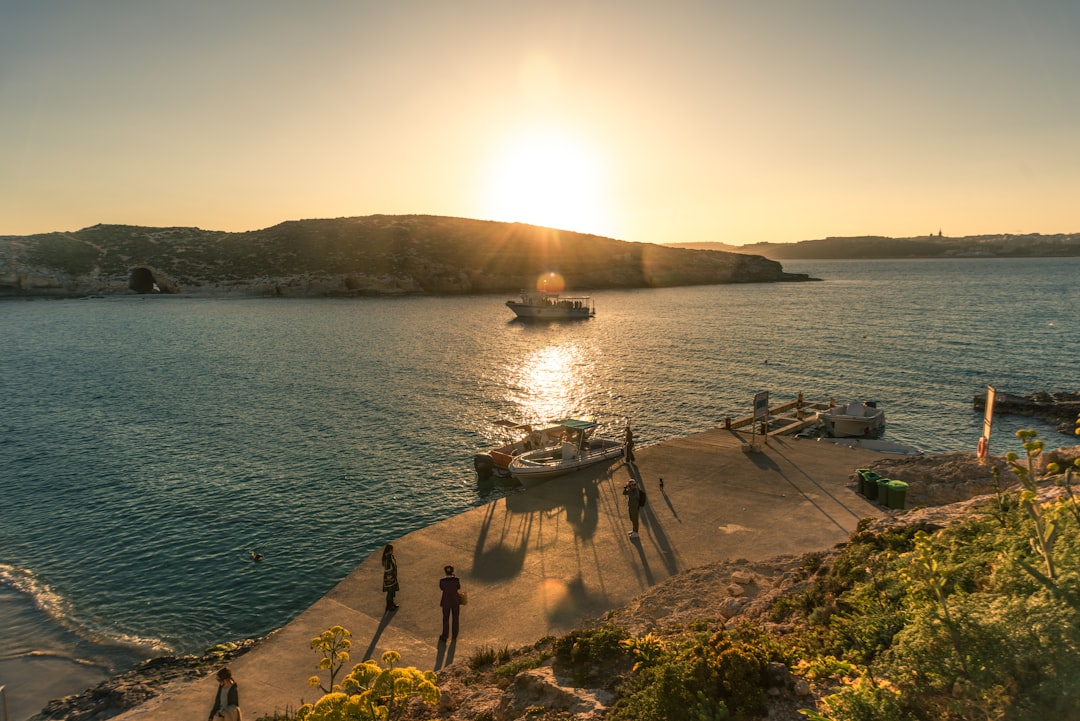
- Blue Lagoon, Comino — An impossibly turquoise lagoon surrounding an uninhabited island, reachable by a 25-minute ferry from Cirkewwa.
Scroll down for our complete travel guide with tips on getting there, where to stay, costs and more.
How to Reach Malta
Which airports are the best entry points to Malta?
Malta International Airport (MLA) is your only option — and it works perfectly. In my experience, MLA is one of Europe’s most efficient small airports, handling arrivals in under 20 minutes from touchdown to taxi rank. It sits just 7 km south of Valletta in Gudja. Direct flights connect from over 50 European cities, with Ryanair, Air Malta’s successor KM Malta Airlines, and easyJet operating the busiest routes. My tip: flights from London Gatwick or Rome FCO are cheapest if booked 8-10 weeks out, typically landing under €80 return. The caveat most guides skip — there is no second airport, so weather delays in winter occasionally cause knock-on chaos across the whole island.
How do I get from Malta Airport to my first accommodation?
Take the X2 Express Bus to Valletta for €2 per journey — it runs every 20 minutes and takes 30 minutes. In my experience, this is the single best-value airport transfer in the Mediterranean. The Valletta bus terminus is central, and from there you can reach Sliema, St. Julian’s, or Birgu by onward bus. Taxis from MLA to Valletta run around €15-18 via the official white cabs or the eCabs app. Avoid the unofficial touts inside arrivals — they charge €30+ for the same ride. What surprised me is that rideshare apps like Bolt now operate in Malta and undercut both taxis and touts, often arriving in under 4 minutes.
What transport options are there within Malta?
Malta Public Transport buses cover the whole island with a flat fare of €2 daytime or €3 after 11pm. A 7-day pass costs €21 and pays for itself within four days of regular use. In my experience, routes between Valletta, Sliema, St. Julian’s, Marsaxlokk, and Mdina run reliably every 10-20 minutes. For Gozo, a ferry from Cirkewwa to Mġarr costs €4.65 return and takes 25 minutes. The honest caveat: buses run late by 5-15 minutes during July and August peak season due to tourist overcrowding. Bolt and eCabs fill that gap effectively. Ferries between Valletta and Sliema via the Marsamxett Harbour crossing cost €1.50 and offer a gorgeous alternative to the bus.
Do I need a rental car in Malta?
No — and I actively recommend against it for first-time visitors. Malta’s roads are narrow, signage is chaotic, and parking in Valletta and Sliema is nearly impossible. Buses and Bolt cover 95% of tourist sites without the stress. My recommendation: rent a car only if you plan to explore southern Malta’s cliff roads around Dingli or want a self-guided loop of the island at your own pace. Rental cars cost around €30-45 per day from Europcar or Avis at MLA. The critical warning most guides omit — Maltese drivers are aggressive by northern European standards, roundabouts are treated as optional, and insurance excess waivers are worth paying for (€8-12/day extra).
How good is the public transport network between Malta’s regions?
Better than its reputation, but with real limitations. In my experience, the bus network connecting Valletta to all major towns runs efficiently between 5:30am and 11:00pm. The Valletta-to-Marsaxlokk route takes 45 minutes on Bus 81. Getting to Gozo requires combining Bus 41 to Cirkewwa plus the Gozo Channel ferry — total journey time from Valletta is about 75 minutes. What surprised me is that direct buses between non-Valletta towns are rare — almost every route funnels through the Valletta terminus, adding time. My tip: use the Tallinja app to plan routes in real time; it shows live bus positions and saves genuine frustration. Night owl buses run on weekends between Paceville and key areas.
Finding a Base in Malta
Which regions of Malta should I stay in?
Stay in Sliema or St. Julian’s for nightlife, restaurants, and seafront promenades — this is where the majority of hotels, restaurants, and the ferry to Valletta converge. Valletta itself suits culture-focused travellers; Ursola Guest House and boutique properties inside the walls put you steps from St. John’s Co-Cathedral. For a quieter, more authentic experience, I recommend Marsaskala or Marsaxlokk in the south, where fishing boats outnumber tourists. Gozo’s Victoria (Rabat) and Xlendi Bay are ideal for those wanting slow travel and dramatic cliffs. The caveat: Paceville in St. Julian’s is genuinely loud until 4am year-round — avoid hotels within 400 metres if you need sleep before midnight.
What does good accommodation cost per night in Malta?
Expect to pay €80-130 per night for a solid 3-star hotel in Sliema or St. Julian’s in 2026. Boutique hotels inside Valletta’s walls, like Casa Ellul or The Xara Palace in Mdina, run €180-280. Budget guesthouses and hostels in St. Julian’s start at €20-30 per dorm bed. In my experience, apartments on Gozo via direct booking offer the best value — a sea-view farmhouse conversion rents for €70-100 per night in shoulder season. The honest truth most booking sites hide: resort fees and tourism levies added at checkout can add €5-15 per night beyond the headline price. Always check the final total before confirming.
When should I book hotels in Malta — how far in advance?
Book 3-4 months ahead for July and August travel — Malta’s peak season is among the most compressed in the Mediterranean, with hotels filling from late June. For shoulder months like May, October, or November, booking 4-6 weeks out is sufficient and often yields last-minute discounts of 15-20%. What surprised me: Easter week in Malta is extraordinary due to the island’s Catholic processions, but hotels in Valletta and Birgu sell out by January for that period. My tip: boutique properties in Gozo have fewer rooms and disappear faster than mainland Malta hotels — if Gozo is your plan, treat it like peak-season booking regardless of the month.
When is the best time to travel to Malta?
Based on verified climate data, the best months to visit Malta are May, June, August, September, October, and November. In my experience, May and October are the sweet spot — warm at 22-25°C, uncrowded relative to summer, and with lower hotel rates. June offers the longest daylight hours, ideal for beach days and evening Valletta walks. August is the busiest month but also coincides with Malta’s extraordinary Santa Marija village festa celebrations. September is arguably perfect: sea temperature peaks at 26°C, crowds thin after August, and accommodation drops by 20-30%. Avoid July if you dislike heat and crowds — temperatures hit 34°C and the Blue Lagoon becomes genuinely overwhelming.
How does peak season affect prices in Malta?
Peak season (July-August) inflates prices across the board — hotels cost 30-50% more than October rates, and popular ferry routes to Comino add surcharges. In my experience, a Sliema 3-star hotel that costs €85 in October easily hits €135 in August. Restaurant prices in tourist areas like Spinola Bay in St. Julian’s stay broadly stable year-round, but quality drops as kitchens get overwhelmed. The hidden cost most travellers miss: Blue Lagoon day-trip boats from Sliema cost €15-20 in May but rise to €25-35 in August with overcrowded departures. Flights from northern Europe to MLA roughly double between April and July. My tip: a late-September trip is the most cost-efficient version of a full Maltese summer experience.
When to Travel to Malta
Which regions of Malta have different climate zones?
Malta is small enough that no dramatic climate zones exist between regions — but differences are real and worth knowing. The northwest coast around Golden Bay and Mellieħa is more exposed to the Majjistral wind from the northwest, making it cooler and occasionally rough for swimming between November and March. The south and southeast — around Marsaxlokk and Marsaskala — are sheltered and feel warmer in spring and autumn, making them ideal early-season beach spots. Gozo, being slightly further north and more elevated at Ta’ Ċenċ cliffs (reaching 130 metres), catches more rainfall and is noticeably greener than the main island. In winter, Gozo feels genuinely rural and quiet — a completely different texture from Malta’s busier south.
What are the rainy seasons in Malta?
Malta’s rainy season runs from October through February, peaking in December and January. In my experience, rain arrives in short, intense bursts rather than grey all-day drizzle — a November downpour typically lasts 30-90 minutes before clearing. Annual rainfall averages around 560mm, almost all falling in those winter months. The honest caveat: October, which I recommend as a travel month, can include 3-5 rainy days per week in a wet year — always carry a compact umbrella. What surprised me is how dramatically rain can flood Valletta’s steep streets — Merchants Street in particular becomes ankle-deep within minutes of a heavy shower. Summer (June-August) is essentially zero rainfall — sun is essentially guaranteed.
What does a trip to Malta cost per person per day?
Budget travellers spending wisely can manage on €55-70 per day — hostel dorm, bus travel, street food pastizzi, and one paid attraction. Mid-range travellers in a 3-star Sliema hotel, eating at local restaurants, and taking a day trip should budget €120-160 per day. Comfort travellers at boutique hotels with dinners at places like Noni in Valletta and private tours will spend €220-300+. My experience: the biggest daily variable is accommodation — it represents 50-60% of total daily spend. What most budget guides omit: entry fees add up fast — the Ħal Saflieni Hypogeum costs €35, the Tarxien Temples €10, and Upper Barrakka Gardens is free but surrounding heritage sites are not. Plan attraction costs separately.
How expensive is food in Malta?
Food in Malta spans a wide range. A pastizz (flaky pastry with ricotta or mushy peas) costs just €0.25-0.35 from a local pastizzeria — the best value snack in the Mediterranean. A sit-down lunch at a local Maltese ftira sandwich shop runs €5-8. A mid-range dinner for two with wine at a non-tourist restaurant in Birgu (Vittoriosa) costs around €40-55. Spinola Bay waterfront restaurants in St. Julian’s charge €60-90 for two with no quality premium over inland alternatives. In my experience, the best-value full meal is a Maltese rabbit stew (stuffat tal-fenek) at a village restaurant in Mġarr, Gozo — around €12-15 per person. Supermarket groceries at LIDL Malta are notably cheaper than restaurant prices.
What hidden costs should I expect when visiting Malta?
Tourism ecotax: €0.50 per person per night is charged by most hotels — minor but real. The bigger surprise is that Blue Lagoon boat trips from Sliema include a landing fee that operators sometimes hide until boarding (€3-5 extra). Private guided tours of the Grand Master’s Palace in Valletta cost €10 beyond the base entry. Airport departure lounges at MLA charge for access — the free departures hall is fine but crowded. My most overlooked warning: Comino has no ATMs and limited card acceptance, so bring cash for any purchases there. Finally, driving fines are aggressively issued in Valletta — if you rent a car, one illegal parking ticket runs €25-50 and rental companies add an administration fee of €30 on top.
Daily Costs in Malta
How much cash should I bring to Malta?
Bring €100-150 in cash for a one-week trip — sufficient for pastizzeries, village markets, Comino boat landing fees, and tips. Malta’s currency is the Euro (€), and card acceptance is excellent in Valletta, Sliema, and St. Julian’s. However, cash remains essential in Gozo’s rural villages, traditional market stalls, and at the Sunday fish market in Marsaxlokk. In my experience, ATMs at HSBC and Bank of Valletta branches charge no withdrawal fee for Visa/Mastercard holders — avoid the standalone airport ATMs which charge €3-5 per withdrawal. My tip: withdraw cash at an in-branch ATM on Republic Street, Valletta on your first day rather than relying on tourist-area machines.
Which credit cards are accepted in Malta?
Visa and Mastercard are universally accepted in hotels, restaurants, and shops in tourist areas. American Express is accepted at approximately 60% of upscale restaurants and major hotels but rejected at smaller businesses. In my experience, contactless payment — including Apple Pay and Google Pay — works reliably across Valletta, Sliema, and St. Julian’s, even at ferry ticket counters. The caveat: a handful of traditional restaurants in Gozo’s inland villages are cash-only — I was caught out at an excellent place in Gharb with no card terminal. My tip: travel with a Revolut or Wise card to avoid foreign transaction fees — standard UK or US bank cards often charge 1.5-3% per transaction, which adds up over 10 days.
Which regions of Malta must I not miss?
Valletta is non-negotiable — as Europe’s smallest capital and a UNESCO World Heritage Site, it rewards a full day minimum. The Three Cities (Birgu, Bormla, Isla) directly across the Grand Harbour offer Valletta’s depth of history at 10% of the tourist volume. Gozo deserves at least 2 nights — the island feels genuinely different from Malta, with the Azure Window’s former cliff, Ggantija Temples, and Xlendi Bay. In the south, Marsaxlokk on a Sunday morning — when the fish market fills the entire waterfront — is one of Malta’s most authentic experiences. My tip: the Dingli Cliffs at sunset, reaching 253 metres above sea level, are consistently Malta’s most underrated view and entirely free to visit.
What are the tourist highlights of Malta?
The Ħal Saflieni Hypogeum in Paola — a 5,000-year-old underground necropolis with only 80 visitors per day — is Malta’s most extraordinary and hardest-to-book sight. St. John’s Co-Cathedral in Valletta houses two Caravaggio masterpieces and is arguably the finest Baroque interior in Europe. Mdina, the ancient walled city, earns its medieval nickname but visit before 9am or after 5pm to see it without crowds. The Megalithic Temples of Ggantija on Gozo, dating to 3600 BC, predate Stonehenge by 1,000 years and charge only €10 entry. What surprised me: the Lascaris War Rooms beneath Valletta’s bastions — where Allied WWII operations were coordinated — is wildly undervisited and takes only 90 minutes to explore properly.
What experiences in Malta are found nowhere else on Earth?
The Ħal Saflieni Hypogeum is genuinely singular — a 5,000-year-old hand-carved underground temple complex with 30 chambers at three levels, used simultaneously as temple and burial site. The Maltese feast (festa) season from May to September is unlike anything in mainland Europe — individual villages fire hundreds of petards, carry baroque statues through narrow streets, and ignite fireworks displays that rival professional shows. Attending the Feast of Santa Marija in Mosta on August 15 as a local rather than tourist requires knowing someone — but simply standing outside the Rotunda Church at midnight is extraordinary. In my experience, the limestone architecture glowing golden at sunset over the Grand Harbour from the Upper Barrakka Gardens is a view that exists nowhere else in the Mediterranean.
Malta Region by Region
Which areas of Malta are overcrowded — and what are quieter alternatives?
Blue Lagoon on Comino in July and August is dangerously overcrowded — boats arrive every 15 minutes and the beach holds perhaps 300 people comfortably but sees 2,000+ daily. My alternative: take a private luzzu boat from Marsalforn on Gozo to the quieter Crystal Lagoon on the north side of Comino — same turquoise water, dramatically fewer people. Mdina between 10am and 4pm in summer is wall-to-wall tour groups — visit at 7am for a genuinely peaceful experience. Valletta’s main tourist drag along Republic Street is best avoided at midday in August. Instead, walk Merchants Street or explore the Lower Barrakka Gardens, which locals use but tourists skip. Marsaskala and St. Thomas Bay in the southeast remain genuinely uncrowded even in peak season.
How many days do I need to see Malta?
A minimum of 5 days covers Malta’s core highlights without rushing — 2 days in Valletta and surroundings, 1 in the Three Cities and Marsaxlokk, and 2 on Gozo. For a thorough experience including Comino, the temple circuit, southern cliffs, and slower village time, 8-10 days is ideal. In my experience, travellers who allocate only 3 days leave having seen Valletta and nothing else, and always wish they had more time. The caveat: the Ħal Saflieni Hypogeum must be booked weeks or months in advance, so build your itinerary around its availability rather than treating it as a spontaneous add-on. My recommended sequence: fly in, Valletta first, Gozo in the middle, Blue Lagoon second-to-last, Mdina on the final morning.
Do I need a visa to visit Malta?
Malta is a Schengen Area member, so EU/EEA and Swiss citizens enter freely with an ID card. Citizens of the UK, USA, Canada, Australia, and New Zealand receive 90-day visa-free entry under standard Schengen rules — no stamp, no pre-approval needed in 2026. The caveat worth knowing: the EU Entry/Exit System (EES) is expected to be operational in 2026, requiring biometric registration at first Schengen entry — budget an extra 10-15 minutes at MLA’s passport control on arrival. South African, Indian, and Chinese passport holders require a Schengen visa applied for via the Maltese consulate in their country — processing takes 15-30 days. My tip: check visaguide.world for current requirements specific to your passport rather than relying on airline websites.
What languages are spoken in Malta?
Both Maltese and English are official languages, and English is spoken fluently by virtually the entire population — this is genuinely the most English-friendly non-anglophone destination in Europe. In my experience, ordering food, asking directions, negotiating with landlords, or reading menus in English works 100% of the time across both islands. Maltese is a fascinating Semitic language with Arabic roots layered with Italian and English borrowings — locals appreciate any attempt at a basic greeting like ’Bonġu’ (good morning). Italian is widely understood, particularly among older Gozitans. The surprise most travellers don’t expect: Maltese TV broadcasts partly in English, English-language bookshops are common, and even village bakeries have English signage — language barriers are essentially zero.
What cultural rules do I need to know before visiting Malta?
Malta is 95% Roman Catholic and takes religious spaces seriously — cover shoulders and knees when entering any church, including St. John’s Co-Cathedral (scarves are available at the door). During village festas, respect the procession routes — do not cut through a religious procession for a shortcut. Topless sunbathing is technically illegal on public beaches and frowned upon strongly — stick to resort pool areas. In my experience, Maltese social life is warm and direct — locals will give detailed help if you ask for it. The honest caveat: tipping is not mandatory but is expected at sit-down restaurants — 10% is standard, and leaving nothing after a full meal is noticed. Smoking remains common in outdoor restaurant areas — there is no social stigma around it as you might find in northern Europe.
Local Know-How for Malta
How safe is Malta for travellers?
Malta is one of Europe’s safest destinations — violent crime targeting tourists is extremely rare. In my experience, walking Valletta at 2am or returning from Paceville late at night felt entirely comfortable. Petty theft (phone snatching, bag grabs) does occur in crowded St. Julian’s Paceville nightlife areas — keep phones in pockets rather than on bar tables. The honest warning most guides omit: road safety is a genuine concern — Malta has one of the EU’s higher road accident rates per capita, and pedestrian crossings are frequently ignored by drivers. Always look both ways twice. Rip currents at exposed northwest beaches like Golden Bay have caused tourist fatalities — heed local warning flags strictly. The emergency number is 112, and English-speaking operators respond immediately.
What health precautions should I take before visiting Malta?
No vaccinations are required for EU/UK/US travellers visiting Malta. The most relevant health issue is sun exposure — Malta receives over 3,000 hours of sunshine annually and UV index reaches 10-11 in July and August. Use SPF50+ and reapply every 90 minutes on beach days. In my experience, tap water in Malta is safe to drink but tastes strongly of desalination minerals — most locals and visitors buy bottled water (€0.50 per 1.5L at supermarkets). The healthcare system is solid: Mater Dei Hospital in Msida is Malta’s main public hospital and offers free emergency treatment for EU citizens with a valid EHIC/GHIC card. Non-EU travellers must show travel insurance — medical bills for non-covered tourists can reach €200-400 for minor emergency treatment.
What SIM card or eSIM options are available in Malta?
Buy a GO Mobile or Epic (formerly Vodafone Malta) SIM at the airport or any town centre branch for €10-15, which includes 10-15GB of data — sufficient for a 10-day trip with maps, messaging, and social media. In my experience, GO Mobile has slightly better rural coverage on Gozo. EU travellers with an EU SIM can roam at domestic rates — no additional SIM purchase needed. For non-EU visitors, an eSIM from Airalo costs around €8 for 5GB and can be activated before departure — I recommend this as the most friction-free option. Coverage is excellent across Malta and Gozo but drops in the Ħal Saflieni Hypogeum and some underground sites — download offline maps via Maps.me before visiting those locations.
Which apps do you recommend for visiting Malta?
Tallinja — Malta’s official public transport app — is essential: live bus tracking, route planning, and the ability to load credit onto your Tallinja card. Bolt replaces taxis for 30-40% less than traditional cabs and works reliably across both islands. Gozo Channel app for booking and checking ferry times between Cirkewwa and Mġarr. Heritage Malta lists opening hours, ticket prices, and booking links for all 25 official heritage sites including the Hypogeum. For restaurants, TheFork has Malta listings and occasionally offers 25-50% discounts on non-peak reservations at good Valletta restaurants. Download Google Maps offline for all of Malta before arrival — mobile data can be patchy in narrow limestone alley areas of Mdina and the Three Cities.
What are the most common traveller mistakes in Malta?
The biggest mistake: not booking the Ħal Saflieni Hypogeum in advance — it sells out weeks ahead and there is no same-day entry. Second: arriving in Mdina between 10am and 4pm in summer and wondering why it feels like a theme park. Third: skipping Gozo entirely due to perceived complexity — the ferry takes 25 minutes and the island is Malta’s best-kept open secret. Fourth: renting a car for the full trip without needing one — parking stress in Valletta is severe. In my experience, the mistake that costs the most money is eating every meal on Spinola Bay’s waterfront in St. Julian’s — identical food costs 40% more than 3 streets inland. Finally: underestimating July and August heat — midday sightseeing at 34°C on unshaded limestone streets is genuinely exhausting without planning morning-only activity schedules.
Malta at a Glance
| Population | 553,214 |
|---|---|
| Currency | EUR (€) |
| Official language | Maltese, English |
| Time zone | UTC+01:00 |
Source: Wikidata, retrieved August 2026.
Essential Resources for Planning Your Trip to Malta
- UNESCO World Heritage Sites — official visitor information, passes & events
- Wikipedia: Malta — history, geography & background
- Wikivoyage: Malta — community travel guide & practical tips
- Malta travel – Lonely Planet | Europe — expert itineraries & travel inspiration
- THE 15 BEST Things to Do in Malta (2026) — hotels, restaurants & traveller reviews
- Explore Malta — how to get around
- Numbeo: Cost of Living in Malta — current prices & cost comparison
- Timeanddate: Malta Weather & Climate — forecasts & climate statistics
More Perspectives on Malta
- The ultimate Malta travel guide
- Malta Travel Guide (2026): Everything You Need to Know
- Tips for a trip to Malta : r/TravelHacks
Malta Travel Videos
Watch these videos for a visual preview before your trip:
- MALTA TRAVEL TIPS FOR FIRST TIMERS | 20+ Must-Knows Before Visiting Malta + What NOT to Do!
- Malta Travel Guide: Best Things To Do in Malta 2026 4K
- Malta Wasn’t What We Expected… It Was Better
Malta Travel Discussions on Reddit
Real traveller experiences and community advice:
- First time in Malta – not what I expected : r/solotravel
- Tips for a trip to Malta : r/TravelHacks
- Malta: Where the Sea Still Glows, but the Cracks Run Deep
Diving in Malta
Few places pack this much diving into so little coastline: wrecks, caverns and reliable visibility almost year-round, all within a short drive. FindADive lists more than 50 dive centres in Malta and Gozo, so you can compare certification agencies and ratings before you book.
Data Sources
This page was compiled using data from Wikipedia, Wikidata, Open-Meteo (climate), Numbeo (cost of living) and REST Countries. Information is updated regularly.