
Guinea: The Complete Travel Guide (2026)
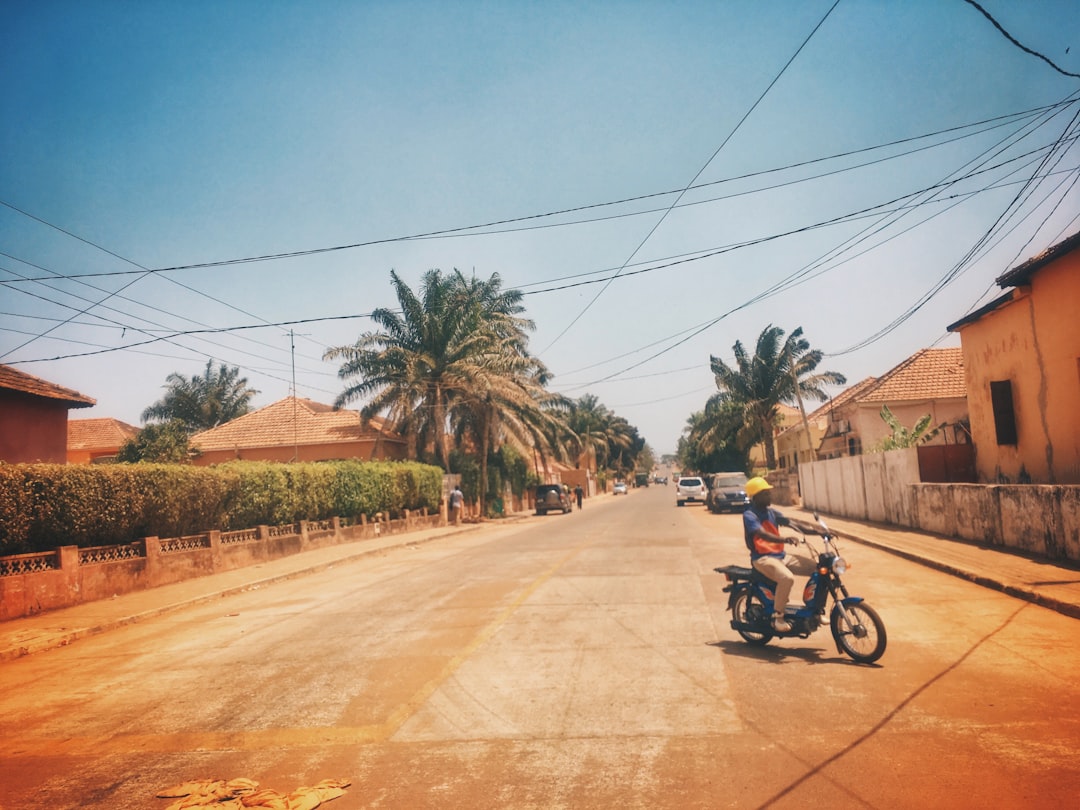
Guinea Travel Guide: Everything You Need to Know (2026)
Guinea, officially the Republic of Guinea (not to be confused with Guinea-Bissau or Equatorial Guinea), is a West African nation of 12,717,176 people bordering the Atlantic Ocean with Conakry as its sprawling coastal capital. The country rises dramatically from mangrove coastlines to the Fouta Djallon highlands, which top out above 1,500 meters and serve as the source of the Niger, Gambia, and Senegal rivers. Founded as a French colony in 1891 and independent since 1958, Guinea remains one of Africa’s least-visited destinations — which, for the adventurous traveler, is precisely its appeal.
Top 3 Highlights at a Glance
- Fouta Djallon Highlands — West Africa’s most dramatic plateau landscape, with waterfalls dropping over 400 meters into forested valleys.
- Îles de Los (Los Islands) — Three white-sand islands just 10 km offshore from Conakry, reachable by pirogue in under 30 minutes.
- Mount Nimba Strict Nature Reserve — UNESCO World Heritage site harboring endemic species including the viviparous toad, found nowhere else on Earth.
Scroll down for our complete travel guide with tips on getting there, where to stay, costs and more.
Getting There & Transport
Which airports are the best entry points into Guinea?
**Conakry International Airport (CKY)** is Guinea’s only viable international entry point. In my experience, there is no realistic alternative — all major international connections land here. **Air France** operates from Paris, **Brussels Airlines** from Brussels, and **Royal Air Maroc** connects via Casablanca. The airport sits roughly **13 km** from the city center. What surprised me: the airport is functional but very basic — no reliable ATMs inside the terminal, so arrive with **euros or US dollars** in cash. Transit through Casablanca is generally the smoothest and cheapest routing from Europe, typically running **€600–900 return**. Domestic airstrips exist in **Labé** and **Kankan** but serve only infrequent charter flights.
How do I get from the airport to my first accommodation in Guinea?
Take a pre-negotiated taxi directly from the arrivals hall — **do not** use unmarked vehicles. In my experience, the standard fare from **CKY airport to Kaloum** (the central business district) is roughly **150,000–200,000 Guinean francs (GNF)**, approximately **$15–20 USD** at current rates. The journey takes **30–60 minutes** depending on Conakry’s notorious traffic, which can stretch to **2 hours** during evening rush hour. My tip: arrange your hotel to send a driver — almost every guesthouse offers airport pickup for a fixed fee, and it eliminates the aggressive negotiation outside arrivals. There is no airport bus or rail link whatsoever. Avoid arriving after dark if possible.
What transport options are there within Guinea?
Guinea has four realistic in-country transport options. **Bush taxis (sept-place Peugeot 504 wagons)** are the backbone — departing from **Madina Gare** in Conakry to all major towns for **50,000–150,000 GNF** depending on distance. **Minibuses** operate the same routes cheaper but slower. **Private car hire with driver** costs roughly **$80–120 USD per day** and is the most comfortable overland option. **Domestic charter flights** to Labé exist but are unreliable. The honest caveat: roads outside Conakry range from poor to appalling — the **Conakry to Labé route (420 km)** takes **6–8 hours** in a good vehicle. There is no functioning passenger rail network. Budget double your estimated travel time.
Do I need a rental car in Guinea?
Yes, for independent travel outside Conakry, a 4WD rental with driver is essentially mandatory. In my experience, self-drive rental is technically available but impractical — roads are unmarked, GPS coverage is patchy, and breakdowns in remote areas are genuinely dangerous. I recommend hiring through your hotel or a Conakry-based agency like **Elgui Tours**. Expect to pay **$100–150 USD per day** including driver and fuel. The honest trade-off: a driver also acts as translator and local fixer, which is invaluable in rural **Fouta Djallon** where French and Pular dominate and signage is absent. For Conakry city only, taxis and moto-taxis are sufficient and much cheaper.
How good is the public transport network between regions of Guinea?
Bluntly: it is functional but uncomfortable and slow. Sept-place taxis connect **Conakry to Kindia (135 km, ~2.5 hours)**, **Conakry to Labé (420 km, ~7 hours)**, and **Conakry to N’Zérékoré (900 km, 16+ hours)**. Departures happen when vehicles are full, typically early morning from **Madina Gare**. My tip: arrive at the gare by **6:00 AM** for the best chance of a full vehicle departing quickly. What most guides omit: the condition of vehicles is highly variable — check tyres and brakes before committing. The **Guinea Forest Region** in the southeast is the hardest to reach by public transport, often requiring a change in **Kissidougou** and significant wait times.
Accommodation
Which regions should I stay in when visiting Guinea?
Guinea divides into four natural regions, each worth considering. **Conakry and the coastal zone** for your arrival base and the Îles de Los. **Fouta Djallon (Labé, Dalaba, Pita)** for highland trekking, waterfalls, and Fula culture — this is where most adventurous travelers spend the majority of their time. **Haute Guinée (Kankan, Faranah)** for savanna landscapes and the source of the Niger River. **Guinée Forestière (N’Zérékoré, Macenta)** for rainforest, Mount Nimba, and extraordinary biodiversity. My honest caveat: **Conakry itself** is chaotic and not particularly pleasant — I recommend spending no more than **2 nights** there before heading inland to Fouta Djallon, which is the clear highlight of the country.
What does good accommodation cost per night in Guinea?
Expect to pay **$40–80 USD** per night for a clean, reliable guesthouse or mid-range hotel. In **Conakry**, the **Hôtel Mariador** and **Noom Hotel** represent the top end at **$120–200 USD** per night. In **Labé** (Fouta Djallon), solid guesthouses run **$25–50 USD**. Budget options exist at **$10–20 USD** but expect cold water, no reliable electricity, and mosquito nets that need inspection. What surprised me: Guinea has virtually no international hotel chain presence outside Conakry, so accommodation quality is highly variable and rarely bookable online in advance — you often pay cash on arrival. Always confirm room availability by phone before traveling.
When should I book hotels in Guinea — how far in advance?
For Conakry’s top hotels like **Noom Hotel**, book **4–6 weeks** in advance, especially around business travel peaks in October–November. For guesthouses in **Labé, Dalaba, or Kindia**, advance booking is rarely possible online — most require a **WhatsApp message or phone call** directly to the property. My tip: use a local tour operator like **Fouta Trekking** to pre-confirm beds in Fouta Djallon villages, where accommodation is in family compounds and capacity is genuinely limited to **4–8 guests**. The honest caveat: overbooking and no-shows are common — always reconfirm **24 hours before arrival** and have a backup option in mind. Peak NGO and business travel season fills Conakry hotels faster than tourist season.
When is the best time to travel to Guinea?
**November through February** is the optimal window — dry, cooler, and with navigable roads. In my experience, **December and January** offer the clearest skies and the most comfortable temperatures in Fouta Djallon at around **22–26°C**. The **harmattan wind** from December to February brings haze but also pleasantly dry air. My tip: for waterfall photography in Fouta Djallon, visit in **November** when rivers are still full from the rainy season but roads have dried out enough to be passable. Avoid **June through September** entirely if road access matters — the **Guinea Forest Region** becomes near-impassable by vehicle and even 4WDs get stuck on key routes. The honest trade-off: dry season means lower water levels at some iconic falls like **Chutes de la Soumba**.
How does peak season affect prices in Guinea?
Guinea’s peak season effect is modest compared to more tourist-heavy destinations. **December–January** sees hotel prices in Conakry rise by roughly **20–30%** as business travelers, diaspora visits, and the small adventure tourism community converge. In **Fouta Djallon**, the price impact is minimal because accommodation is family-run and not dynamically priced. What most guides omit: Guinea’s true demand driver is **NGO and UN staff movement**, not leisure tourism — this means that political events or humanitarian crises elsewhere in West Africa can suddenly fill Conakry hotels regardless of season. Flight prices from Europe spike noticeably around **Christmas and New Year** — I’ve seen Paris–Conakry fares jump from **€600 to €1,100** in peak weeks. Book flights **8–10 weeks** ahead for the best rates.
Best Time to Visit
Which regions of Guinea have different climate zones?
Guinea spans three distinct climate zones across its territory. The **coastal zone around Conakry** has a tropical wet climate — it receives over **4,300 mm of rain annually**, making it one of the wettest capitals in Africa. The **Fouta Djallon highlands** (1,000–1,537 m altitude) are significantly cooler and drier, with nights dropping to **10–15°C** from December to February — bring a fleece. **Haute Guinée** (Kankan, Faranah) transitions to Sudanian savanna with a more pronounced dry season and temperatures exceeding **40°C** in March–April. **Guinée Forestière** (N’Zérékoré) is the most consistently humid zone with heavy rainfall year-round. My tip: pack layers specifically for Fouta Djallon — the temperature swings between midday and midnight genuinely surprise first-time visitors.
What are the rainy seasons in Guinea?
Guinea has one main rainy season running from **May through October**, peaking in **July and August** when Conakry receives over **1,000 mm per month** — among the highest monthly rainfall figures on Earth for a capital city. In the **Fouta Djallon**, the rains arrive slightly later (June) and end earlier (September). The **Guinea Forest Region** has the least defined dry season, with rain possible in virtually every month. What most guides omit: even in the dry season, **isolated convective storms** can occur in November — they’re brief but intense. The practical impact: after heavy rains, the **N’Zérékoré road via Kissidougou** regularly washes out for days. Always check road conditions locally before departing for the forest region between May and October.
What does a trip to Guinea cost per person per day?
A realistic daily budget for Guinea runs as follows: **budget traveler $40–60 USD/day** (guesthouse, local food, sept-place transport), **mid-range $80–130 USD/day** (private guesthouse or hotel, restaurant meals, private taxi), **comfort traveler $180–250 USD/day** (top Conakry hotels, private driver, guided excursions). In my experience, the biggest cost variable is **transport** — hiring a 4WD with driver for a week in Fouta Djallon adds roughly **$700–900 USD** to your total trip cost. Food is genuinely cheap at the local level — **$2–4 USD per meal** at a local restaurant. What surprised me: **park entrance fees** and **guide fees** at sites like Mount Nimba add up quickly at **$20–40 USD per visit**.
How expensive is food in Guinea?
Food is one of Guinea’s genuine bargains. A full meal at a local **maquis** (informal restaurant) costs **3,000–8,000 GNF ($0.30–0.80 USD)** — typically rice with a peanut or palm oil sauce. A proper sit-down meal at a mid-range restaurant in **Conakry’s Kipé or Ratoma** neighborhood runs **$5–12 USD**. The top restaurants in Conakry serving international cuisine charge **$15–25 USD per person**. My tip: the street food around **Madina market** is outstanding and safe if you choose busy stalls with visible turnover — grilled fish with attiéké (cassava couscous) for **$1.50 USD** is my consistent go-to. The honest caveat: outside Conakry and Labé, restaurant choice shrinks dramatically — you eat what the family cooks, which is fine but inflexible.
What hidden costs should I expect when visiting Guinea?
Several costs blindside first-time visitors to Guinea. **Police and checkpoint fees**: unofficial road tolls of **5,000–10,000 GNF per checkpoint** are common on rural routes — your driver handles these, but budget for them. **Photography permits**: military sites, bridges, and government buildings technically require permits; attempting to photograph them without one risks equipment confiscation. **Yellow fever card check**: without a valid yellow fever certificate you will be denied boarding — replacement vaccination abroad costs **$150–300 USD**. **Currency exchange losses**: exchanging dollars at street rates vs. bank rates can differ by **10–15%**. My tip: carry small denomination **USD bills ($1, $5, $10)** — they are universally accepted and avoid the exchange rate problem entirely for small transactions.
Budget & Costs
How much cash should I bring to Guinea?
Bring **$500–800 USD in cash** for a 10-day trip as a baseline, more if hiring a private vehicle. Guinea is overwhelmingly a **cash economy** — outside the top 3 hotels in Conakry, card payments are non-existent. ATMs exist at **Ecobank** and **Banque Islamique de Guinée** branches in Conakry but regularly run out of cash or fail to accept foreign cards. In my experience, ATMs in **Labé** work perhaps **50% of the time** — never depend on them. Bring a mix of **USD and euros** (both clean, unfolded, post-2013 printed notes) as these exchange well at **bureaux de change** in Madina market. Do not bring traveler’s checks — they are unredeemable in Guinea.
Which credit cards are accepted in Guinea?
Credit card acceptance in Guinea is extremely limited. **Visa** is accepted at **Noom Hotel** and a handful of top Conakry restaurants and supermarkets like **Supermarché Princesse**. **Mastercard** has even less penetration. **Amex** is effectively useless. In my experience, even when a business displays a card terminal, it often fails due to connectivity issues — always have cash as backup. The honest trade-off: carrying large amounts of cash creates security risk, but it is the only reliable payment method for **95% of transactions** in Guinea. My tip: withdraw the maximum daily limit (**typically $300–400 USD equivalent**) whenever you find a working ATM in Conakry, because you may not find another functioning one for days.
Which regions of Guinea must I not miss?
**Fouta Djallon** is non-negotiable — the highland plateau around **Labé, Dalaba, and Pita** with its extraordinary waterfalls, traditional Fula villages, and trekking trails is the single most rewarding destination in Guinea. **The Îles de Los** (Roume, Tamara, Kassa), accessible in **20 minutes by pirogue** from Conakry’s **Boulbinet pier**, offer pristine beaches that feel utterly remote despite being minutes from a capital city. **Guinea Forestière around N’Zérékoré** and the **Mount Nimba reserve** rewards those willing to make the long journey south with UNESCO-level biodiversity. What I’d skip: **Haute Guinée** (Kankan region) unless you have a specific cultural or research purpose — the savanna landscape is less visually dramatic and the travel time is punishing.
What are the tourist highlights of Guinea?
Guinea’s highlights concentrate in three clusters. **Chutes de Kinkon** near Pita — a spectacular **100-meter waterfall** accessible by a short hike, one of West Africa’s most impressive. **Chutes de la Soumba** near Kindia — best visited in November when water volume peaks. **Îles de Los** for beach days without the crowds of better-known West African islands. **Dinguiraye mosque** — a historically significant 19th-century Islamic site in Haute Guinée. **Conakry Grand Mosque** — one of West Africa’s largest, completed in 1982. My honest assessment: Guinea’s highlights are largely **natural rather than architectural** — travelers coming for cultural monuments will be underwhelmed, but those seeking dramatic landscapes and genuine off-grid adventure will be richly rewarded.
What experiences in Guinea are found nowhere else?
Three experiences are genuinely unique to Guinea. First, **trekking between Fula villages in Fouta Djallon** on ancient cattle paths — staying in family compounds where tourism infrastructure is so minimal that you are often the first foreign guest in months. Second, **visiting the source of the Niger River** near **Faranah** — one of Africa’s great rivers begins here as a modest stream, and standing at its origin is a genuinely moving geographical experience. Third, **the Baga masks and sacred forest ceremonies** in the coastal Baga communities near **Boké** — though access requires a local guide and advance community permission. What surprised me: Guinea’s traditional music scene, particularly **djembe and balafon** in Conakry’s **Hamdallaye** district, is among the most vital in West Africa.
Regions & Highlights
Which areas of Guinea are overcrowded — and what are quieter alternatives?
Guinea has the opposite problem from overcrowding — it is dramatically undervisited. The closest thing to a tourist crowd is **Îles de Los on weekends**, when Conakry residents fill the beaches of **Île de Roume**. My tip: visit the islands on a **Tuesday or Wednesday** when you may genuinely have beaches to yourself. In Fouta Djallon, **Dalaba** receives more visitors than nearby **Pita** — for quieter trekking with equally beautiful scenery, base yourself in **Pita** instead. The honest caveat: in Guinea, ‘overcrowded’ means perhaps **20–30 other tourists** at a site — the infrastructure challenge here is the opposite of over-tourism. The real barrier to exploration is road quality and security, not crowds.
How many days do I need for Guinea?
A meaningful Guinea trip requires a minimum of **10–12 days**. My recommended allocation: **2 nights in Conakry** (acclimatize, visit Îles de Los), **4–5 nights in Fouta Djallon** (Labé, Dalaba, waterfall trekking), **2 nights near Kindia** (Chutes de la Soumba), and **1 travel day buffer** for road delays. To add **Guinée Forestière and Mount Nimba**, add **4–5 additional days** — the journey from Labé to N’Zérékoré alone is **12+ hours**. What most guides omit: Guinea’s roads mean every itinerary needs at least **1–2 buffer days** built in — I’ve had Conakry to Labé take **11 hours** after a rain-damaged bridge caused a 3-hour detour. For a first-time West Africa trip, **14 days minimum** is realistic.
Do I need a visa for Guinea?
Yes — almost all nationalities require a visa in advance. Citizens of **ECOWAS countries** (including Senegal, Mali, Ivory Coast) enter visa-free. Most Western passport holders must obtain a **tourist visa** either from a Guinean embassy or, increasingly, via the **e-visa portal at evisa.gov.gn**. The e-visa costs approximately **$100–120 USD** and takes **3–5 business days** to process. In my experience, the online system works but occasionally goes offline — apply at least **3 weeks before departure** to allow for re-submission if needed. A **yellow fever vaccination certificate is mandatory** — you will be turned away at boarding without it. Bring both the physical **Carte Jaune** and a digital copy. Visas on arrival exist in theory but are unreliable in practice.
What languages are spoken in Guinea?
**French is the official language** and is essential for navigating hotels, government, and educated urban professionals. However, **Pular (Fula)** is the most widely spoken native language in Fouta Djallon, and **Malinké** dominates in Haute Guinée. In Conakry, **Susu** is the dominant street language. In my experience, English is spoken by fewer than **5% of the population** — primarily NGO staff, hotel receptionists at top properties, and some younger educated Guineans. My tip: learning **10–15 French phrases** is genuinely transformative for this destination — even basic French is enough to negotiate transport, order food, and show respect. In Fouta Djallon villages, learning even **3 words of Pular** (like ‘Jam waali’ for good morning) generates extraordinary warmth.
What cultural rules do I need to know before visiting Guinea?
Guinea is **approximately 85% Muslim** — cultural sensitivity around Islamic practices is essential. During **Ramadan**, eating, drinking, or smoking in public during daylight hours is deeply disrespectful and should be avoided. **Dress modestly** outside beach areas — women should cover shoulders and knees in all non-resort contexts, and men should avoid sleeveless shirts in mosques or villages. Always **ask permission before photographing people** — in Fouta Djallon, many women will decline, and pressing the matter causes real offense. My tip: greetings are paramount in Guinean culture — always greet before any transaction or question, even briefly. Refusing food or drink offered by a host is considered rude — accept and taste, even if you just sip. **Left-hand etiquette**: never offer money or food with the left hand.
Practical Tips
How safe is Guinea for travelers?
Guinea carries **moderate risk** that requires active management, not avoidance. Conakry has genuine petty crime — **pickpocketing in Madina market** and **phone snatching** from vehicle windows in traffic are the most common threats. Armed robbery exists but rarely targets tourists directly. The **Guinea Forest Region** near the Liberia and Sierra Leone borders requires current security assessment before travel — check **UK FCDO or US State Department advisories** within **72 hours of departure**. Political instability: Guinea experienced a military coup in 2021 and **protests can escalate rapidly** — avoid any political gatherings. What surprised me: outside Conakry, rural Guinea feels remarkably safe — village hospitality is genuine and opportunistic crime is rare. My firm rule: no walking after dark in Conakry, ever.
What health precautions should I take before visiting Guinea?
**Yellow fever vaccination is legally mandatory** — no exceptions, carry your Carte Jaune. Beyond that, take **malaria prophylaxis** (Malarone or doxycycline) — malaria transmission is year-round and intense. Recommended vaccines include **Hepatitis A, Hepatitis B, Typhoid, Meningitis (MenACWY), and Rabies** if venturing into rural areas. **Cholera** outbreaks occur periodically — do not drink tap water anywhere in Guinea; use sealed bottled water only. In my experience, the **pharmacies in Conakry’s Kaloum district** stock most basic medications but not specialist drugs — bring everything you need from home. The nearest reliable **international-standard medical facility** is in **Dakar, Senegal (750 km away)** — comprehensive travel insurance with **medical evacuation coverage** is not optional, it is essential.
What SIM card or eSIM options are available in Guinea?
**Orange Guinée** is the best network for coverage and data reliability — pick up a SIM at the **Orange flagship store on Boulevard du Commerce** in Kaloum, Conakry, for approximately **5,000 GNF ($0.50 USD)**. Bring your passport for registration. A **1 GB data bundle** costs roughly **15,000 GNF ($1.50 USD)**; a **5 GB bundle** runs approximately **50,000 GNF ($5 USD)**. **MTN Guinea** is a viable alternative with comparable coverage in urban areas. The honest caveat: **4G coverage** exists in Conakry and Labé but drops to **2G or nothing** in most of Fouta Djallon’s highland villages and the Forest Region. **eSIM support** exists via providers like Airalo for Guinea but roaming rates are far less competitive than buying locally — get the local Orange SIM on day one.
Which apps do you recommend for traveling in Guinea?
My essential app list for Guinea: **Maps.me or OsmAnd** with Guinea offline maps downloaded before arrival — Google Maps coverage is poor outside Conakry. **WhatsApp** is the universal communication platform for hotels, drivers, and guides — every contact you need operates via WhatsApp. **XE Currency** for real-time GNF exchange rate checks. **iOverlander** for off-grid accommodation and road condition reports from recent overlanders. **Flightradar24** for tracking the few airlines serving CKY, which frequently have unofficial delays. My honest tip: **download offline French translation on Google Translate** — you will use it constantly. There is no Uber or ride-hailing app in Guinea; **Heetch** launched briefly but is unreliable — negotiate directly with taxi drivers or have your hotel call a trusted driver.
What are common traveller mistakes in Guinea?
The top mistakes I see travelers make in Guinea: **Underestimating road times** — every route takes at least **50% longer** than Google Maps suggests; a 200 km journey can take all day. **Not confirming accommodation by phone** — showing up unannounced in **Labé or Kindia** and finding the only guesthouse full is a real scenario. **Carrying large USD bills** — $100 bills are often refused or subject to poor exchange; bring **$20s and smaller**. **Ignoring the harmattan haze** for photography — January skies in Fouta Djallon are often milky white; November has better visibility. **Skipping the Îles de Los** because they seem ‘too close to the capital’ — they are genuinely beautiful and many travelers regret not visiting. **Not hiring a local guide** in Fouta Djallon — trails are unmarked and a guide costs just **$20–30 USD per day**.
Guinea at a Glance
| Population | 12,717,176 |
|---|---|
| Currency | Guinean franc (FG) |
| Official language | French, languages of Guinea |
| Time zone | UTC±00:00 |
Source: Wikidata, retrieved August 2026.
Essential Resources for Planning Your Trip to Guinea
- Guinea Travel Advisory | Travel.State.gov — official visitor information, passes & events
- Wikipedia: Guinea — history, geography & background
- Wikivoyage: Guinea — community travel guide & practical tips
- Guinea travel – Africa — expert itineraries & travel inspiration
- THE 15 BEST Things to Do in Guinea (2026) — hotels, restaurants & traveller reviews
- Traveler’s Guide – Transform Africa Summit — how to get around
- Numbeo: Cost of Living in Guinea — current prices & cost comparison
- Timeanddate: Guinea Weather & Climate — forecasts & climate statistics
- Travel without leaving a trace – how to tackle overtourism I …
More Perspectives on Guinea
- Guinea travel guide – Responsible Travel
- Guinea Travel Advisory | Travel.State.gov
- Guinea – A 2026 Travel Guide
Guinea Travel Videos
Watch these videos for a visual preview before your trip:
- 15 Best Places to Visit in Guinea | Travel Video | Travel Guide | SKY Travel
- PAPUA NEW GUINEA (2026) | Travel Guide: City, Jungle, and Islands in 10 Days
- 40 Best Places to Visit in Guinea – Travel Video and Guide
Guinea Travel Discussions on Reddit
Real traveller experiences and community advice:
- GUINEA : r/travel
- Where to Travel in PNG : r/PapuaNewGuinea
- How safe or unsafe is Port Moresby, Papua new Guinea?
Data Sources
This page was compiled using data from Wikipedia, Wikidata, Open-Meteo (climate), Numbeo (cost of living) and REST Countries. Information is updated regularly.