
Iceland: The Complete Travel Guide (2026)
Last reviewed: August 2026 · key facts checked against Wikidata
Iceland Travel Guide: Everything You Need to Know (2026)
Iceland, a Nordic island nation of 364,260 people, sits astride the Mid-Atlantic Ridge at a latitude that puts it just touching the Arctic Circle, with Reykjavík standing as the world’s northernmost capital city. Founded as a settlement in 874 AD, the country spans 103,000 square kilometers of volcanoes, glaciers, geysers, and black sand beaches. In 2026, it remains one of the most geologically active places on Earth, with eruptions on the Reykjanes Peninsula continuing to reshape the landscape in real time.
Top 3 Highlights at a Glance
- Golden Circle Route — Three iconic stops — Þingvellir, Geysir, and Gullfoss — within a 300 km loop from Reykjavík, doable in one long day.
- Jökulsárlón Glacier Lagoon — Icebergs calve directly into a lagoon just 80 meters from the Ring Road, creating a scene found nowhere else in Europe.
- Northern Lights (Aurora Borealis) — Iceland’s dark winters and minimal light pollution give KP index 3 auroras visible from Reykjavík suburbs between September and March.
Scroll down for our complete travel guide with tips on getting there, where to stay, costs and more.
Getting There & Transport
Which airports are the best entry points into Iceland?
Keflavík International Airport (KEF) is the only realistic entry point for international travelers. It sits 50 km southwest of Reykjavík and handles virtually all transatlantic and European flights. In my experience, flying into KEF is seamless — it’s a compact airport with efficient immigration. Reykjavík Domestic Airport (REY) handles internal flights to the Westfjords and East Iceland only. My tip: KEF is served by Icelandair, WOW-era successors, and most major European carriers including Lufthansa, KLM, and British Airways. The honest caveat most guides skip — KEF handles over 10 million passengers through a terminal designed for far fewer, so arrival queues in summer can stretch to 45 minutes through passport control.
How do I get from Keflavík Airport to my first accommodation in Iceland?
The Flybus (RE55 service) is the default and costs around ISK 3,999 (approximately $29 USD) to BSÍ Bus Terminal in Reykjavík, with hotel drop-off adding ISK 500 more. Journey time is 45–60 minutes. In my experience, the Flybus is reliable and synchronized with flight arrivals, but it stops at BSÍ Terminal, not your door — factor in a short taxi from there. A private taxi runs ISK 20,000–25,000 ($145–180 USD), which only makes sense split between four people. My tip: book Flybus online in advance, especially in July and August when buses fill. The caveat nobody mentions — rental car pick-up at KEF is far smoother than at downtown Reykjavík locations, so if you’re renting, do it at the airport immediately.
What transport options are there within Iceland?
The Ring Road (Route 1) circles the entire island at 1,332 km and is the backbone of travel. Your main options are rental car, organized tour buses, and the Strætó public bus network. In my experience, a rental car is king — it gives you total freedom, especially for the Snæfellsnes Peninsula and South Coast. Strætó buses connect Reykjavík to Akureyri, Selfoss, and Egilsstaðir, but schedules are infrequent and routes don’t cover the Westfjords or Highlands. The Highland F-roads require a 4WD and are closed until mid-June every year — most guides gloss over this. Organized day tours from Reykjavík Excursions cover the Golden Circle and South Coast competently, but you’re locked into their timing, which cuts short the best stops like Skógafoss.
Do I need a rental car to travel Iceland properly?
Yes, for anything beyond Reykjavík — a rental car is near-mandatory. The South Coast, Westfjords, Snæfellsnes, and the entire Highland interior are inaccessible or impractical without one. In my experience, renting a 2WD compact like a Toyota Yaris suffices for the Ring Road in summer, starting at around $70–90 USD per day from companies like Hertz at KEF or local firms like Lagoon Car Rental. The honest trade-off: F-roads (interior Highland tracks) are legally off-limits for 2WD vehicles — insurance won’t cover you and the fine is substantial. Upgrade to a 4WD Dacia Duster or Toyota RAV4 if you plan Landmannalaugar or Þórsmörk. Book at least 3 months in advance for summer visits — Iceland has a chronic car shortage in July.
How good is the public transport network between regions in Iceland?
Honestly, it’s poor outside the capital region. Strætó operates Route 57 (Reykjavík–Akureyri, 6.5 hours, around ISK 6,900/$50 USD) and a handful of South Coast connections, but that’s close to its limit. In my experience, the East Fjords, Westfjords, and the entire Highland interior have zero public bus service for most of the year. The Highland Bus (Hópferðabílar) runs seasonal routes to Landmannalaugar and Þórsmörk from June to September only. What surprised me is how good the domestic flight network is — Icelandair domestic flights link Reykjavík to Akureyri in 45 minutes for around ISK 8,000–15,000 ($58–109 USD). My caveat: if you plan to rely solely on public transport, restrict yourself to Reykjavík, the Golden Circle, and the South Coast — everything else requires a car or a guided tour.
Accommodation
Which regions of Iceland should I stay in?
Reykjavík is the logical base for first-timers — it puts you within 2 hours of the Golden Circle and South Coast. For the North, Akureyri (population 19,000) is a proper town with hotels, restaurants, and access to Lake Mývatn and Goðafoss within 45 minutes. The South Coast around Vík or Selfoss positions you perfectly for Skógafoss, Reynisfjara, and Vatnajökull. In my experience, staying in Vík for 2 nights gives you unrushed access to Jökulsárlón, which day-trippers from Reykjavík rush past. The Westfjords (Ísafjörður) reward travelers who want isolation — fewer than 2,700 people live in that entire region. My honest warning: don’t plan to base yourself entirely in rural guesthouses in winter — emergency weather closures can leave you stranded for 24–48 hours without supplies.
What does good accommodation cost per night in Iceland?
ISK 25,000–40,000 ($180–290 USD) per night gets you a solid 3-star hotel or guesthouse in Reykjavík — think Fosshotel Reykjavík or Canopy by Hilton. Budget hostels in the Laugavegur area run ISK 8,000–12,000 ($58–87 USD) per dormitory bed. In my experience, rural guesthouses along the Ring Road like those in Höfn or Egilsstaðir cost ISK 20,000–30,000 ($145–218 USD) for a double — and they book out 4–5 months early for July. Camping with your own tent at official sites costs around ISK 1,800–2,500 ($13–18 USD) per person per night and is the only genuinely budget option in summer. The caveat nobody mentions: many rural guesthouses include mandatory breakfast at ISK 2,500–3,500 extra — always confirm whether it’s included.
When should I book hotels in Iceland — how far in advance?
For July and August, book accommodation 4–6 months in advance — no exceptions. In my experience, the South Coast between Selfoss and Höfn sells out before March for peak summer. Reykjavík hotels have more inventory but the good mid-range options in 101 Reykjavík (the central postcode) disappear by April. For Northern Lights season (September–March), 6–8 weeks in advance is workable except for weekends around the Airwaves Music Festival in November, which needs 3 months. My tip: use Booking.com’s free cancellation options and book early, then adjust — Iceland’s weather will force itinerary changes anyway. The honest warning: last-minute searches in peak summer will leave you in Keflavík town, a 50 km commute from anything interesting.
When is the best time to travel to Iceland?
June through September offers the best overall experience, and July peaks for accessibility. In my experience, late June is the sweet spot — the Highland F-roads open around June 15–25, daylight lasts 22+ hours, and crowds haven’t hit their August peak. September is my personal favorite month: the autumn colors hit the Þórsmörk valley, early Northern Lights appear, and prices drop roughly 20% from August highs. For aurora hunting specifically, February and March give you the most reliable dark skies combined with reasonable road conditions compared to January’s brutal storms. My honest caveat: Iceland in October through April requires genuine winter driving skills — black ice on Route 1 and sudden 10-meter visibility blizzards are not exaggerated risks. The Icelandic Met Office (vedur.is) is essential daily reading in those months.
How does peak season affect prices in Iceland?
Peak season (July–August) pushes prices up across the board by 30–50% compared to October. In my experience, a rental car that costs $70/day in May jumps to $130–160/day in July from the same KEF airport company. Hotel rooms in Reykjavík’s 101 district that list at ISK 25,000 in March hit ISK 40,000–50,000 in August. Golden Circle guided tours rise from ISK 8,000 to ISK 12,500. The upside: roads are fully open, Highland buses run, and you get the midnight sun, which is genuinely magical. My warning that most blogs omit: the Reykjavik campsite at Laugardalur becomes a tent city of 1,500+ in August, killing any sense of the wilderness experience. If budget matters, May or September save you real money while delivering 90% of the experience.
Best Time to Visit
Which regions of Iceland have different climate zones?
Iceland’s climate splits meaningfully into four distinct zones. The South and Southwest (Reykjavík, Golden Circle, South Coast) get the mildest winters but the most wind and rain — Reykjavík averages 1,200mm of precipitation annually. The North (Akureyri) sits in a rain shadow behind the mountains, giving it the sunniest summers in Iceland — Akureyri holds the record for Iceland’s highest ever temperature at 30.5°C. The East Fjords have a more continental microclimate — calmer and drier than the South. The Interior Highlands are a true sub-Arctic desert at 400–900 meters altitude, passable only mid-June to mid-September. In my experience, traveling the Ring Road anti-clockwise (starting East) often gives you better weather windows because you’re moving ahead of Atlantic storm fronts rather than into them.
What are the rainy seasons in Iceland?
Iceland has no true dry season, but October through January brings the heaviest and most persistent rainfall in the South and West. In my experience, Reykjavík sees rain on roughly 170 days per year — it’s not monsoon-heavy but it’s persistent. The South Coast around Vík is the wettest inhabited area, receiving over 2,000mm annually. What surprises most travelers is that summer is also genuinely rainy — July averages 52mm in Reykjavík. The North around Akureyri is significantly drier with clearer summer skies. My tip: pack a waterproof shell jacket rated to at least 10,000mm hydrostatic head regardless of when you visit — a cheap poncho fails in Icelandic sideways rain within minutes. The caveat: weather forecasts beyond 3 days are unreliable — check vedur.is daily and build flexibility into every itinerary.
What does a trip to Iceland cost per person per day?
A realistic daily budget in Iceland breaks down as: Budget backpacker ISK 15,000–20,000 ($109–145 USD) — hostel dorm, self-catered groceries from Bónus supermarket, free hikes. Mid-range ISK 35,000–55,000 ($254–399 USD) — guesthouse, one restaurant meal, rental car share, one paid attraction. Comfort traveler ISK 70,000+ ($508 USD+) — 3-star hotel, two restaurant meals, private tours. In my experience, the rental car is the single biggest variable — split between two people it’s manageable; solo it’s brutal. My honest warning: Iceland is one of the 10 most expensive travel destinations globally (Numbeo Cost of Living Index 2024), and budget travelers who don’t cook their own food will blow past ISK 20,000/day before noon. Bónus and Krónan supermarkets are your best friends for self-catering on a budget.
How expensive is food in Iceland?
Food is genuinely expensive. A sit-down dinner at a mid-range Reykjavík restaurant like Messinn on Lækjargata costs ISK 4,500–7,000 ($33–51 USD) per main course without drinks. A burger and beer at a casual spot runs ISK 3,500–4,500. In my experience, the best value meal in Iceland is the Bæjarins Beztu Pylsur hot dog stand on Tryggvagata — ISK 650 ($4.70) for a lamb-pork hot dog that’s been iconic since 1937. Groceries at Bónus are 40–60% cheaper than restaurant equivalents — a ready meal and salad runs ISK 1,800–2,500. The caveat most food blogs skip: alcohol is eye-wateringly expensive — a 500ml draft beer costs ISK 1,200–1,800 ($8.70–13 USD), and the Vínbúðin state monopoly is the only legal place to buy wine and spirits outside bars.
What hidden costs should I expect when traveling Iceland?
The costs that blindside first-timers in Iceland add up fast. Rental car insurance gaps are the biggest — basic CDW coverage excludes gravel damage (F-roads throw rocks constantly) and sand and ash damage; the SAAP add-on costs ISK 1,500–2,000/day but is worth every krona. Petrol at around ISK 300/liter ($2.18 USD) across a 1,332 km Ring Road adds ISK 25,000–35,000 to your budget. Parking in Reykjavík’s Zone A costs ISK 350/hour (use the P4 app). Blue Lagoon entry is ISK 9,990–16,990 ($72–123 USD) per person — it’s never ‘just a quick stop.’ In my experience, most travelers underbudget by ISK 30,000–50,000 total because they don’t account for these add-ons before departure.
Budget & Costs
How much cash should I bring to Iceland?
Almost none — Iceland is effectively a cashless society. In my experience, I spent zero cash in 10 days across Iceland in 2023. Every farmhouse guesthouse, Skógafoss car park, and rural petrol station accepts Visa and Mastercard — including N1 petrol station pumps at 2am in the Eastfjords with no attendant. The Icelandic Króna (ISK) is not widely held outside Iceland, so converting at home is wasteful. My tip: carry ISK 5,000–10,000 ($36–72 USD) maximum as a backup for the rare farmers’ market or small craft stall. The honest caveat: at petrol stations using unmanned card terminals overnight, some non-European cards require a PIN — ensure your Visa or Mastercard has a 4-digit PIN set before you travel, not a signature-only card.
Which credit cards are accepted in Iceland?
Visa and Mastercard are accepted virtually everywhere in Iceland — including hiking hut fee boxes, ferries to the Westman Islands, and remote campsites. In my experience, American Express is accepted at roughly 60% of Reykjavík restaurants and hotels but becomes unreliable outside the capital. The Blue Lagoon, Reykjavík Excursions, and most tour operators take Amex. My tip: use a no-foreign-transaction-fee card like the Chase Sapphire, Revolut, or Wise card — standard cards charge 1.5–3% per transaction, which compounds fast in a high-cost country. What surprised me: Discover and Diners Club are functionally useless in Iceland. The one genuine warning — the Icelandic currency conversion trick (DCC) will appear on card terminals; always choose to pay in ISK, never in your home currency — the terminal’s exchange rate is typically 5–8% worse than your bank’s.
Which regions of Iceland must I not miss?
The South Coast from Selfoss to Jökulsárlón is non-negotiable — it packs Seljalandsfoss, Skógafoss, Reynisfjara black beach, and Europe’s largest glacier Vatnajökull into 300 km of Ring Road. The Golden Circle (Þingvellir, Geysir, Gullfoss) is genuinely unmissable despite its popularity. In my experience, the Snæfellsnes Peninsula is the single most underrated region — it has the glacier, the lava fields, the fishing villages, and the crater of Snæfellsjökull that Jules Verne used as his Journey to the Center of the Earth setting, all within 2 hours of Reykjavík. The Westfjords are for serious explorers — the Dynjandi waterfall alone justifies the 6-hour drive from Reykjavík. My honest caveat: trying to see all regions in under 10 days leads to exhausted driving and rushed stops — prioritize South Coast plus one other region.
What are the tourist highlights of Iceland?
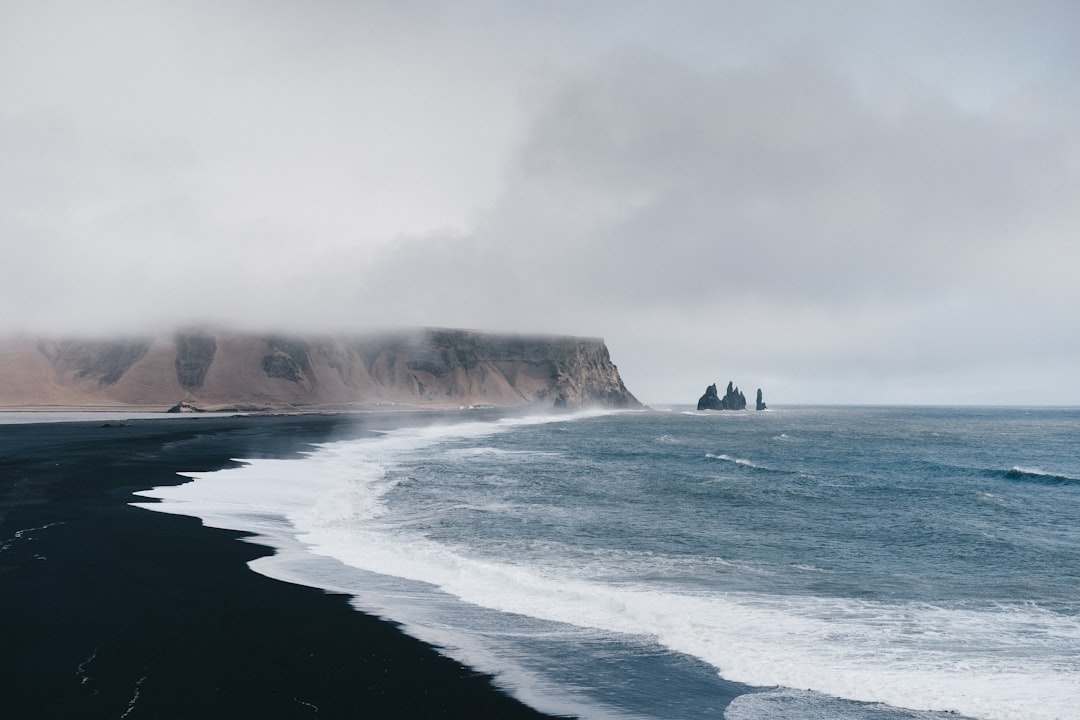
Iceland’s headline attractions are legitimately world-class. Jökulsárlón Glacier Lagoon — icebergs drifting into the Atlantic, 80 meters from a car park — is unlike anything in Europe. Geysir erupts every 5–8 minutes to 30 meters — Strokkur geyser is reliable when Geysir itself is dormant. Gullfoss waterfall drops 32 meters in two tiers into a basalt canyon. Reynisfjara black sand beach near Vík has basalt columns identical to Fingal’s Cave and dangerously unpredictable sneaker waves — 3 tourists have died here since 2016, and the warning signs are serious. In my experience, Þingvellir National Park is intellectually the most rewarding — it’s where the Viking Althing (world’s oldest parliament) met from 930 AD, and you can walk between the North American and Eurasian tectonic plates in a literal rift valley.
What experiences in Iceland are found nowhere else on Earth?
Diving the Silfra fissure in Þingvellir is genuinely unique — you float in 2–3°C glacial meltwater with 100-meter visibility between two tectonic plates. Dive.is runs it for around ISK 25,000 ($181 USD). Sleeping in a lava tube at Raufarhólshellir near Reykjavík is otherworldly. In my experience, driving to an active volcanic eruption on the Reykjanes Peninsula — something Iceland has offered intermittently since 2021 — is the single most surreal travel experience I’ve had in 10 years. The midnight sun in June at Hverir mud pools near Lake Mývatn, with geothermal steam rising at 11pm in full daylight, is a sensory experience no photograph captures. My tip: the Laugavegur hiking trail (55 km, 4 days, from Landmannalaugar to Þórsmörk) is rated among the world’s top 10 treks — book mountain huts 12 months in advance for July.
Regions & Highlights
Which areas of Iceland are overcrowded — and what are the quieter alternatives?
The Blue Lagoon, Golden Circle, and Reynisfjara are genuinely saturated in July–August — tour buses queue on the Ring Road and Reynisfjara’s car park fills before 9am. In my experience, Seljavallalaug (Iceland’s oldest swimming pool, free, 10 km from Route 1 near Skógar) offers the same geothermal experience as the Blue Lagoon with zero tourists on most mornings. For a Golden Circle alternative, the Kerlingarfjöll mountains in the Highlands deliver comparable scenery with a fraction of the crowds — accessible via F-roads with a 4WD. Hornstrandir Nature Reserve in the Westfjords has no roads, no services, and no crowds — just Arctic foxes and 600-meter sea cliffs. The honest trade-off: these alternatives require more planning, a 4WD for some, and genuine wilderness self-sufficiency — they’re not suitable if you’re comfort-dependent.
How many days do I need to see Iceland properly?
10–14 days is the minimum to do Iceland justice without feeling rushed. In my experience, 7 days lets you cover the Golden Circle and South Coast competently, but you’ll skip the North, Westfjords, and Highlands entirely. A 10-day Ring Road driving the full 1,332 km with stops works if you average 200 km of driving per day — manageable but not leisurely. 14 days allows the Ring Road plus a 3-day detour into the Westfjords or Snæfellsnes. My tip: don’t plan more than 250 km of driving per day — the landscapes demand stops and Iceland’s speed limits (90 km/h on Ring Road, 80 km/h on gravel sections) make distances deceptively slow. The caveat first-timers miss: weather delays are real — I lost a full day to a Storm Red Alert on Route 1 in September that closed roads for 18 hours.
Do I need a visa to travel to Iceland?
Citizens of EU, EEA, USA, Canada, UK, and Australia need no visa for stays up to 90 days. Iceland is a Schengen Area member, so your 90-day Schengen allowance applies — if you’ve already used Schengen days in France or Germany in the same 180-day window, those count against your Iceland allowance too. In my experience, immigration at KEF airport is swift for EU and US passport holders — typically 5–10 minutes. Citizens of South Africa, India, and most Southeast Asian nations require a Schengen visa applied for through the Danish Embassy (Iceland has no standalone visa embassy in many countries). My tip: the ETIAS authorization (European Travel Information and Authorization System) was scheduled for implementation — check the Schengen ETIAS website for its 2026 status, as it affects US, UK, and Canadian travelers with a small fee.
What languages are spoken in Iceland?
Icelandic is the official language, but English is spoken fluently by virtually the entire population. In my experience, I never encountered a language barrier anywhere in Iceland — from Reykjavík’s Laugavegur street to a remote farm guesthouse in the Eastfjords. Iceland has one of the highest English proficiency rates in Europe, ranking 5th globally on the EF English Proficiency Index. Menus, signage, and GPS apps are universally in English. The one linguistic quirk worth knowing: Icelandic place names are genuinely challenging to pronounce — ‘Eyjafjallajökull’ tripped up international media in 2010 for weeks. My tip: download Google Translate’s Icelandic offline pack not for conversation but for reading road signs in the Highlands where names are long and turning off the F-road at the wrong point is a real risk.
What cultural rules do I need to know before visiting Iceland?
Respect for nature is Iceland’s most enforced cultural norm — driving off marked roads is illegal and fined up to ISK 500,000 ($3,600 USD). In my experience, the ’huldufólk’ (hidden people) belief — Iceland’s tradition of elves living in rocks — sounds folkloric but has literally rerouted roads and halted construction projects. Take it seriously as a cultural touchstone. Nudity at geothermal pools is normal — showering naked before entering any pool, including the Blue Lagoon, is mandatory and enforced. Icelanders are private and direct — small talk with strangers is less common than in Southern Europe, and that’s not rudeness. My tip: never approach nesting Arctic terns between May and July — they dive-bomb and draw blood; a stick held above your head genuinely deters them. And always close farm gates behind you on any rural road.
Practical Tips
How safe is Iceland for travelers?
Iceland is one of the safest countries on Earth — it has ranked 1st on the Global Peace Index for 14 consecutive years through 2024. In my experience, solo female travelers, families, and LGBTQ+ visitors encounter no meaningful safety concerns from other people. The real safety risks are environmental: river crossings on F-roads that swell without warning, sneaker waves at Reynisfjara that have killed tourists, and hypothermia on the Laugavegur trail in unexpected weather. My honest warning: overconfidence in rental cars causes more tourist deaths than any crime — a 4WD does not mean you can ford an unfamiliar river, and 3 tourists drowned attempting fords in 2019 alone. Always check road.is (Vegagerðin) before driving Highland routes and never ignore Red Alert weather closures — Icelandic authorities close roads for genuine reasons, not as a suggestion.
What health precautions should I take before traveling to Iceland?
No vaccinations are required for Iceland beyond routine immunizations. Iceland has no malaria, no exotic diseases, and some of the cleanest tap water in the world — drinking directly from mountain streams and taps everywhere is safe and I do it without hesitation. In my experience, the main health consideration is cold-related: wind chill at Iceland’s coastal cliffs can drop perceived temperature to -20°C even in September. Pack merino wool base layers and waterproof outer shells — cotton kills in wet cold environments. The one genuine medical concern: geothermal areas like Hverir near Mývatn have superheated ground that looks stable but isn’t — stepping off boardwalks risks third-degree burns. Travel insurance covering emergency helicopter evacuation is essential — a rescue from the Highlands costs ISK 500,000–1,000,000+ ($3,600–7,250 USD) and the Icelandic government will bill you.
What SIM card or eSIM options are available in Iceland?
An eSIM from Airalo or Holafly covering Iceland is the most convenient option, starting at around $15 USD for 5GB — activate before landing. For physical SIMs, Síminn and Vodafone Iceland sell tourist SIMs at KEF airport arrivals for around ISK 2,990–3,990 ($22–29 USD) for 10–20GB. In my experience, Síminn has the best rural coverage along the Ring Road, including stretches through the Eastfjords where Vodafone drops. My tip: don’t assume European roaming plans cover Iceland fully — it’s an EEA member but not EU, and some European carriers’ ‘roam like home’ deals have data caps in Iceland. The honest caveat: mobile coverage disappears entirely in the Westfjords interior and much of the Highland F-road system — download maps.me offline maps of your entire route before leaving Reykjavík, because Google Maps needs data to function.
Which apps do you recommend for traveling Iceland?
Vedur.is (Icelandic Met Office app) is the single most important app you’ll use — it shows real-time storm alerts and 72-hour forecasts by location. Road.is (or Vegagerðin) shows live road conditions and closures — check it every morning before driving. In my experience, Aurora Forecast by MET Norway is more reliable than generic Northern Lights apps for predicting aurora activity in Iceland specifically. Maps.me with offline Iceland maps is essential for Highland F-roads where data fails. Strætó app covers public bus routes and live departure times in the capital region. The P4 parking app is essential for Reykjavík city parking — ISK 350–500/hour paid through the app. My tip: download the 112 Iceland app from Safetravel.is — it lets rescue services locate you via GPS in an emergency with one tap, and registration is free.
What are the most common traveller mistakes in Iceland?
Underestimating driving distances and road conditions is the most dangerous mistake — the Ring Road looks manageable on a map but gravel sections, single-lane bridges, and sudden weather reduce speed to 40–60 km/h for long stretches. In my experience, the second biggest mistake is skipping the Blue Lagoon or rushing it — book the Comfort package at ISK 9,990 minimum and allow 3 hours, not 45 minutes. Tourists also consistently ignore sneaker wave warnings at Reynisfjara — the signs are not decorative. Booking a 2WD and attempting F-roads voids insurance and risks your life. My tip: don’t schedule every day back-to-back — Iceland’s weather forces changes and the travelers who suffer most are those on rigid itineraries. Finally, converting cash to ISK before arrival at airport exchange bureaus costs you 8–12% in fees — use your card and take it as ISK from ATMs (Hraðbanki) on arrival if you need any cash at all.
Iceland at a Glance
| Population | 364,260 |
|---|---|
| Currency | Icelandic króna (kr) |
| Official language | Icelandic |
| Time zone | UTC±00:00 |
Source: Wikidata, retrieved August 2026.
Related Travel Guides
Essential Resources for Planning Your Trip to Iceland
- Visit Iceland’s Three UNESCO World Heritage Sites — official visitor information, passes & events
- Wikipedia: Iceland — history, geography & background
- Wikivoyage: Iceland — community travel guide & practical tips
- Iceland Travel 2026 – Lonely Planet | Europe — expert itineraries & travel inspiration
- THE 15 BEST Things to Do in Iceland (2026) — hotels, restaurants & traveller reviews
- Hello everyone April I’m planning for Iceland as a solo … — how to get around
- Numbeo: Cost of Living in Iceland — current prices & cost comparison
- Timeanddate: Iceland Weather & Climate — forecasts & climate statistics
More Perspectives on Iceland
- What I Wish I Knew Before Visiting Iceland
- American visiting Iceland – tips, do’s and don’ts, etc.?
- 10 Iceland Travel Tips for an Amazing Vacation
Iceland Travel Videos
Watch these videos for a visual preview before your trip:
- Best Things To Do in Iceland 2026 4K
- 19 Tips I Wish I Knew Before Visiting Iceland
- Iceland Travel Guide 2026 | 3 Days Itinerary, Real Costs & Travel Tips!
Iceland Travel Discussions on Reddit
Real traveller experiences and community advice:
- r/VisitingIceland
- American visiting Iceland – tips, do’s and don’ts, etc.?
- My Pros and Cons after spending 5 days in Iceland
Data Sources
This page was compiled using data from Wikipedia, Wikidata, Open-Meteo (climate), Numbeo (cost of living) and REST Countries. Information is updated regularly.