
Norway: The Complete Travel Guide (2026)
Last reviewed: August 2026 · key facts checked against Wikidata
Norway Travel Guide: Everything You Need to Know (2026)
Norway, home to 5,627,400 people, stretches 1,752 km from its southernmost tip to the North Cape, making it one of Europe’s longest countries. Founded as a unified kingdom around 872 AD by Harald Fairhair, it sits at altitudes ranging from sea level fjords to the 2,469-metre Galdhøpiggen peak. With over 50,000 km of coastline including islands and fjords, Norway consistently ranks as one of the world’s most expensive — yet most spectacular — travel destinations.
Top 3 Highlights at a Glance
- Geirangerfjord — UNESCO-listed fjord with 1,400-metre vertical cliff walls and the iconic Seven Sisters waterfall visible from cruise decks.
- Northern Lights in Tromsø — Tromsø sits at 69°N latitude, giving roughly 100 nights per year with aurora activity between September and March.
- Flåm Railway (Flåmsbana) — One of the world’s steepest standard-gauge railways, descending 863 metres in just 20 km through waterfall-laced gorges.
Scroll down for our complete travel guide with tips on getting there, where to stay, costs and more.
Getting There & Transport
Which airports are the best entry points into Norway?
Oslo Gardermoen (OSL) is Norway’s main international hub, handling over 28 million passengers annually and offering the widest range of transatlantic and European connections. In my experience, OSL gives you the fastest onward access to Bergen, Trondheim, and the fjord regions. Bergen Airport Flesland (BGO) is the best entry point if you’re heading directly to the Western Fjords — it receives direct flights from London, Amsterdam, and Copenhagen. Tromsø Airport (TOS) is the gateway to the Arctic North. My tip: flying into Bergen and out of Oslo — or vice versa — avoids expensive and time-consuming backtracking, but be warned that domestic Norwegian flights add NOK 600–1,400 each to your budget.
How do I get from Oslo Gardermoen airport to my first accommodation in Norway?
Take the Flytoget (Airport Express Train) — it reaches Oslo Central Station in 19–22 minutes and costs NOK 240 per adult one-way. In my experience, it’s the most reliable option and runs every 10 minutes during peak hours. The standard NSB regional train takes about 23 minutes and costs only NOK 114, which is a significant saving if you’re budget-conscious. Taxis cost NOK 700–1,000 and make no sense unless you have excessive luggage or are traveling to a hotel outside the centre. What surprised me: Ruter buses are cheap but take 45–60 minutes depending on traffic — skip them for your arrival.
What transport options are there for getting around within Norway?
Norway has four practical options: domestic flights, trains, long-distance buses, and car rental. The NSB/Vy rail network connects Oslo to Bergen (6.5 hours, from NOK 199 if booked early), Trondheim, and Stavanger efficiently. Long-distance NOR-WAY Bussekspress coaches cover routes trains don’t reach, typically at lower prices. Hurtigruten coastal ferries run the entire western coastline from Bergen to Kirkenes — 11 days full route. For fjord areas, regional ferry connections between villages are essential and affordable (around NOK 50–150 per crossing). My honest warning: Norway’s north-south distances are brutal — flying between major hubs saves days of travel but kills your budget fast.
Do I need a rental car to travel around Norway?
For fjord regions and rural Norway, yes — a rental car transforms your experience. Public transport simply doesn’t serve Trollstigen, Atlanterhavsveien, or the Lofoten Islands’ smaller villages on any practical schedule. Rental starts at NOK 500–800 per day for a compact car, but expect steep petrol costs of around NOK 20 per litre. In my experience, the Bergen-to-Ålesund coastal drive through Hardanger and Sunnmøre is only truly accessible by car. The honest trade-off: Norway’s toll roads and ferries add NOK 100–400 per day on top of rental costs, and parking in Oslo costs NOK 50–70 per hour in central zones. For Oslo and Bergen themselves, skip the car entirely.
How good is the public transport network between regions in Norway?
Between major cities, public transport is excellent and punctual. The Oslo-Bergen rail line is one of Europe’s most scenic routes; the Oslo-Trondheim leg runs 4 times daily in under 7 hours. However, once you leave the main corridors, the network thins dramatically. The Lofoten Islands have no train at all — you need a ferry from Bodø (3.5 hours, NOK 200) or a flight. In my experience, the Ruter app works perfectly in Oslo, but regional coordination between bus, ferry, and train in places like Hardangerfjord requires advance planning and patience. My tip: book all long-distance legs on Entur.no — it’s the only platform that aggregates all Norwegian public transport in one place.
Accommodation
Which regions of Norway should I base myself in?
Bergen is the ideal base for the Western Fjords — Nærøyfjord and Sognefjord are both within 2 hours. Ålesund suits those who want the Art Nouveau city plus direct access to Geirangerfjord in 2.5 hours. Tromsø is the undisputed base for Arctic experiences, the Northern Lights, and midnight sun activities. Oslo is unavoidable for first-timers and serves as Norway’s cultural and transport hub. My honest caveat: Flåm is wildly overrun in summer due to cruise ships — it’s better as a day trip from Bergen than a base. For the Norwegian Scenic Routes like Sognefjellet, self-drive from Lom gives you the quietest and most dramatic access.
What does good accommodation cost per night in Norway?
Norway is genuinely expensive. A solid 3-star hotel in Bergen or Oslo runs NOK 1,200–1,800 per night. Boutique or design hotels in Aker Brygge (Oslo) start at NOK 2,200. Budget travellers can find HI-affiliated hostels for NOK 350–500 in a dorm, or NOK 800–1,100 for a private room. In my experience, Airbnb apartments in secondary cities like Tromsø or Stavanger often beat hotels at NOK 900–1,400 for a full flat. The trade-off nobody mentions: many rural areas have only one or two accommodation options and zero price competition — I paid NOK 1,600 for a mediocre roadside cabin near Trollstigen simply because there was nothing else within 30 km.
When should I book hotels in Norway — how far in advance?
Book 3–5 months ahead for summer (June–August) travel, especially in Bergen, Flåm, and the Lofoten Islands. For the Northern Lights season (October–March) in Tromsø, 2–3 months is usually sufficient outside Christmas week. What surprised me: Norwegian Constitution Day on 17 May causes a nationwide accommodation surge — every city fills up weeks in advance. My tip: if you’re visiting Ålesund during the Sunnmøre Jazz Festival in August, 6 months ahead is not too early. Budget hotels and hostels in Oslo can often be booked 4–6 weeks out in spring and autumn without issue, but popular guesthouses along the Rallarvegen cycling route fill up by March for July departure.
When is the best time to travel to Norway?
June through September offers the best combination of weather, daylight, and open attractions — I’d specifically target late June to mid-August for fjord hiking and road trips. The midnight sun above the Arctic Circle runs from late May through mid-July in Tromsø, which is genuinely life-changing. September is my personal favourite: crowds thin, autumn colours hit the birch forests, and fjord reflections are sharper. For Northern Lights, January and February offer the darkest nights and highest aurora probability but temperatures drop to -10°C to -20°C inland. Spring (April–May) is underrated — snow still caps the mountains, wildflowers bloom in the south, and prices are 20–30% lower than peak.
How does peak season affect prices in Norway?
Peak season (July–August) pushes hotel prices 30–50% higher than shoulder rates. A Bergen hotel at NOK 1,100 in May will cost NOK 1,600–1,800 in July. Rental cars become scarce — I’ve seen compact cars go for NOK 1,400 per day in Bodø in August when locals travel for summer holidays. Cruise ship arrivals in Flåm and Geirangerfjord mean village infrastructure is overwhelmed between 10:00–16:00 daily — restaurants queue out the door and viewpoints are shoulder-to-shoulder. My honest trade-off: visiting in peak season guarantees open mountain roads like Trollstigen (closed November–May) and access to all ferry routes, but the atmosphere in small villages suffers badly. September gives you 90% of the experience at significantly lower cost.
Best Time to Visit
Which regions of Norway have different climate zones?
Norway’s climate varies dramatically across its length. Western fjord regions (Bergen, Sognefjord) sit in a maritime zone with mild winters and heavy rainfall — Bergen averages 240 rainy days per year, the wettest city in continental Europe. Eastern Norway (Oslo, Innlandet) has a continental climate with colder, drier winters and warm summers reaching 25–28°C. Northern Norway (Tromsø, Finnmark) is subarctic — Finnmark can hit -30°C in January. The Lofoten Islands are paradoxically mild for their latitude (69°N) due to the Gulf Stream, rarely dropping below -5°C in winter. My tip: pack layers regardless of region — Norwegian weather can shift from sunshine to heavy rain in under an hour in the western mountains.
What are the rainy seasons in Norway?
There’s no single rainy season — it depends heavily on which region you’re in. Bergen and the Western Fjords receive heavy rainfall year-round, peaking in October and November when monthly totals exceed 250 mm. Oslo is drier, with most precipitation falling as snow in January–February and rain in October. In my experience, July is statistically the driest and most reliable month in the west — but don’t count on it. What most guides omit: August afternoon thunderstorms are common in the eastern mountains and can close hiking trails rapidly. The Arctic North (Tromsø, Alta) is surprisingly dry in summer — Tromsø averages only 50–60 mm in July. Carry a waterproof shell jacket at all times; this is non-negotiable in Norway.
What does a trip to Norway cost per person per day?
Budget travellers staying in hostels and self-catering can manage NOK 700–1,000 per day. Mid-range travellers — hotel, restaurant lunches, one activity — realistically spend NOK 1,500–2,500 per day. Comfort travellers with car rental, 3-star hotels, and dinners out should budget NOK 3,000–4,500 per day. In my experience, the biggest daily costs are accommodation and car fuel — not food, if you shop at Rema 1000 or Kiwi supermarkets. My honest warning: fjord activities add up brutally — a RIB fjord safari from Flåm costs NOK 895, a kayak day rental runs NOK 500–700, and cable car tickets (like Fløibanen in Bergen) cost NOK 135 return. Budget at least NOK 500 per activity day beyond base costs.
How expensive is food in Norway?
Norway is one of Europe’s most expensive countries for dining. A restaurant main course in Oslo or Bergen costs NOK 250–350; a pizza or pasta dish runs NOK 190–230. A McDonald’s Big Mac meal costs around NOK 130 — the most expensive in the world by purchasing power. My tip: lunch specials (dagens rett) are the smartest move — most Norwegian restaurants offer a fixed lunch for NOK 150–180 including coffee. Supermarkets like Kiwi or Rema 1000 are your best friend for breakfast and picnic supplies. What surprised me: street food at Bergen’s Fisketorget (Fish Market) looks affordable but fish soup costs NOK 165 — still reasonable for the quality. Budget NOK 400–600 per day for food if mixing self-catering with one restaurant meal.
What hidden costs should I expect when travelling in Norway?
Road tolls catch every driver off guard — AutoPASS tolls on major routes charge NOK 20–80 per passage, and rental cars often have toll fees billed weeks after your return. The Lærdal Tunnel and bridges around Bergen rack up fees fast. National park entry is free, but guided hikes, boat transfers, and mountain huts charge NOK 200–400 per night on popular routes like Besseggen. My biggest hidden cost: alcohol. A 0.5L beer at a bar costs NOK 90–120, wine by the glass NOK 110–150. Buying alcohol from a Vinmonopolet state store is much cheaper but they close at 18:00 on weekdays and are shut Sundays. Also expect: luggage fees on budget Norwegian domestic flights — NOK 200–350 per bag.
Budget & Costs
How much cash should I bring to Norway?
Bring minimal cash — Norway is one of the world’s most cashless societies. In my experience, I went 6 days without needing a single Norwegian krone in cash across Oslo and Bergen. Virtually every business, including market stalls at Fisketorget, accepts Visa and Mastercard. The honest caveat: some rural parking machines, particularly in the Hardangervidda plateau area, still require coins — carry NOK 100–200 in coins as emergency backup. Also, a small number of mountain huts in DNT (Norwegian Trekking Association) huts are unmanned and cash-only. I recommend having NOK 300–500 in small notes purely as a safety net, but you’ll likely return home with most of it unspent.
Which credit cards are accepted in Norway?
Visa and Mastercard are accepted virtually everywhere in Norway — restaurants, hotels, petrol stations, ferries, and supermarkets. American Express works in cities and major hotels but is refused at smaller restaurants and rural businesses, so don’t rely on it outside Oslo. My tip: use a fee-free travel card like Revolut or Wise — Norway uses the Norwegian Krone (NOK) and dynamic currency conversion at terminals will cost you 3–5% extra if you accept payment in your home currency. Always choose to pay in NOK when prompted. What surprised me: contactless payments including Apple Pay and Google Pay work seamlessly across Norway, even in Lofoten villages. The trade-off: your card company may flag Norwegian transactions as unusual — notify them before travel.
Which regions of Norway must I not miss?
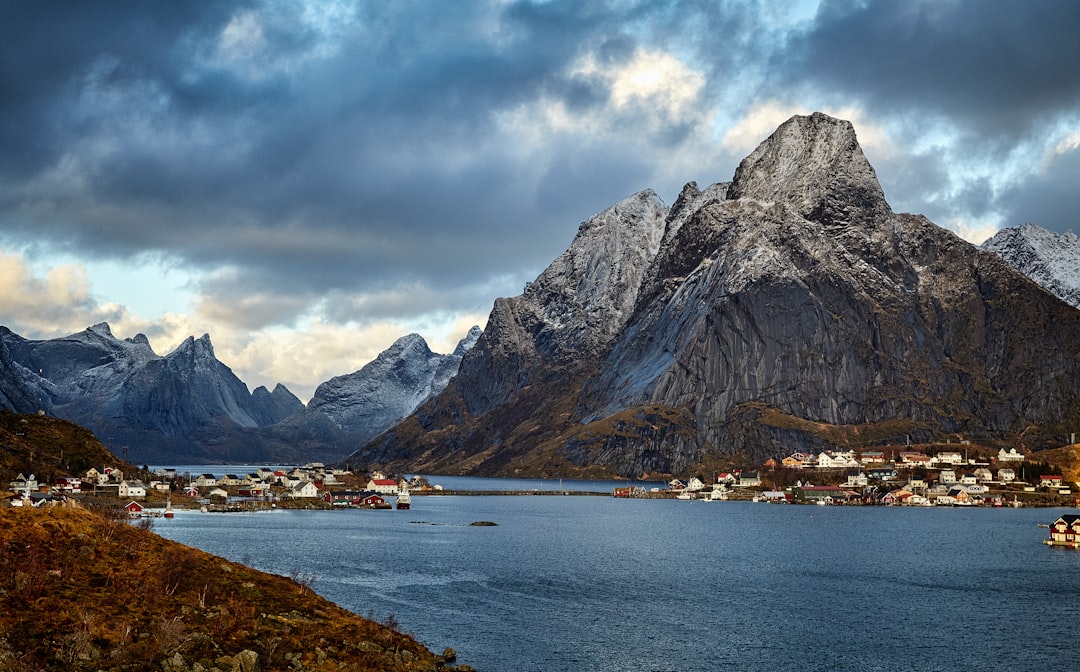
Western Fjords (Sognefjord, Nærøyfjord, Geirangerfjord) are non-negotiable — this is what separates Norway from every other destination. Lofoten Islands deliver dramatic Arctic scenery, red fishing cabins (rorbuer), and world-class hiking trails like Reinebringen (448m, 2 hours up). Tromsø and Arctic Norway are essential for Northern Lights or midnight sun experiences. Oslo surprises people — the Munch Museum (opened 2021, 13 floors) and the Bygdøy peninsula museum complex are genuinely world-class. My honest caveat: the Norwegian Scenic Routes — particularly Sognefjellet and Atlanterhavsveien (Atlantic Ocean Road) — are spectacular but require a car and good weather to fully appreciate. Budget travellers often skip Lofoten due to logistics, but it’s Norway’s most visually rewarding destination.
What are the tourist highlights of Norway?
Geirangerfjord (UNESCO World Heritage) tops every list for good reason — the Seven Sisters waterfall drops 250 metres directly into the fjord. Preikestolen (Pulpit Rock) above Lysefjord is a 604-metre sheer cliff platform reachable via a 3.8 km hike from Preikestolhytta. Trolltunga near Odda is a rock ledge extending horizontally over 700 metres above Lake Ringedalsvatnet — a 22 km round-trip hike. The Flåmsbana railway from Flåm to Myrdal covers 20 km with a 866-metre altitude gain in 55 minutes. In my experience, Ålesund’s Art Nouveau town centre — rebuilt after a 1904 fire in pure Jugendstil style — is criminally undervisited and far less crowded than Bergen in July.
What experiences in Norway are found nowhere else on Earth?
Midnight sun above the Arctic Circle — standing on a fjord beach at 02:00 with the sun fully above the horizon is genuinely disorienting and unforgettable. I experienced this first on Senja Island and it reordered my sense of time entirely. Dog sledding in Finnmark — the region hosts the Finnmarksløpet, Europe’s longest dog sled race at 1,200 km. Sleeping in a glass-roofed aurora cabin at Nansen Legacy Camp near Alta specifically designed for Northern Lights viewing. Trollstigen mountain road — 11 hairpin bends ascending 850 metres in 9 km, physically impossible to replicate elsewhere in Europe. My honest caveat: summer fjord kayaking between waterfalls in Nærøyfjord is uniquely Norwegian but requires booking with local operators like Njord at least 3–4 weeks ahead in high season.
Regions & Highlights
Which areas of Norway are overcrowded, and what are the quieter alternatives?
Flåm is completely overwhelmed — on peak summer days, 5–7 cruise ships dock simultaneously, flooding the village with 10,000+ passengers. My alternative: base yourself in Aurland, 2 km away, with identical fjord access and a fraction of the crowds. Preikestolen receives 300,000 visitors per year — arrive before 07:00 or after 17:00 to avoid queues at the viewpoint. The quieter alternative is Kjeragbolten in Lysefjord — same dramatic scenery, a more challenging hike, but vastly fewer people. Bergen’s Bryggen wharf is photogenic but gridlocked in July — walk 10 minutes to the Nøstet neighbourhood for the same wooden architecture with zero tour groups. Senja Island offers Lofoten-quality scenery with 80% fewer tourists.
How many days do I need to properly see Norway?
10–14 days gives you a genuinely satisfying Norway experience covering Oslo, Bergen, the Western Fjords, and one Arctic destination. In my experience, 7 days forces painful compromises — you can do Oslo and the fjords but must skip northern Norway entirely. The classic Bergen-Oslo in Nutshell route takes 2 full days and covers Flåmsbana, Nærøyfjord, and both cities. Add 3 days for Lofoten (flights required from Oslo, 2 hours) and 2 days for Tromsø. My honest trade-off: Norway rewards slow travel — spending 5 days exploring Sognefjord by ferry, kayak, and hiking trail is far richer than cramming 8 stops in the same time. First-timers who rush often leave frustrated by logistics and distances.
Do I need a visa to travel to Norway?
Norway is part of the Schengen Area despite not being an EU member. EU/EEA citizens enter with a national ID card — no visa required. US, Canadian, Australian, and UK citizens can visit visa-free for up to 90 days within any 180-day period. In my experience, border controls are minimal — Norway’s Schengen membership means most arrivals clear quickly. The important caveat: from 2026, non-EU travellers will need to register via the ETIAS (European Travel Information and Authorisation System) before entering — the fee is €7 and registration takes under 10 minutes online but must be done before departure. My tip: check your passport expiry — it must be valid for the entire duration of your stay, not 6 months beyond as some countries require.
What languages are spoken in Norway?
Norwegian (Norsk) is the official language in two written forms — Bokmål and Nynorsk — but this distinction is invisible to tourists. In my experience, English proficiency in Norway is exceptional — EF English Proficiency Index consistently ranks Norway in the top 3 globally. You will have zero language barriers in Oslo, Bergen, Tromsø, or any tourist area. What surprised me: in tiny Hardanger valley villages, older residents may prefer Norwegian, but younger Norwegians switch to fluent English instantly. Sámi languages are spoken by the indigenous Sámi people in Finnmark (northernmost county). My honest observation: attempting even basic Norwegian phrases like ’takk’ (thank you) earns warm smiles — Norwegians genuinely appreciate the effort even though they’ll immediately respond in perfect English.
What cultural rules do I need to know before travelling to Norway?
Allemannsretten (the Right to Roam) is Norway’s most important cultural concept — you can camp anywhere in nature for up to 2 nights, but must stay 150 metres from the nearest dwelling and leave no trace. Most visitors don’t know this and unnecessarily pay for campsites. Norwegians value personal space and quiet — don’t be offended by reserved behaviour on public transport or in queues; it’s cultural, not hostility. Tipping is not obligatory — rounding up to the nearest NOK 50 is generous; 10% is only expected in Oslo fine dining. My honest warning: public drinking outside licensed premises is illegal and enforced — finish your Vinmonopolet beer at your accommodation. Remove shoes when entering Norwegian homes — this is non-negotiable and guests who don’t are genuinely considered rude.
Practical Tips
How safe is Norway for travellers?
Norway is one of the safest countries on Earth — the Global Peace Index consistently ranks it in the top 10. Violent crime against tourists is extremely rare. In Oslo, the area around Oslo S (Central Station) and Grønland neighbourhood sees occasional petty theft and open drug use — keep your phone in your pocket there after dark. In my experience travelling solo across Norway including Tromsø at 02:00 during midnight sun, I never felt remotely unsafe. The real safety concern in Norway is nature, not people — weather changes rapidly in mountain areas, Trolltunga has seen fatalities from unprepared hikers in poor conditions. Always check yr.no before any mountain activity and tell someone your hiking plan. Carry an emergency PLB (personal locator beacon) on remote routes.
What health precautions should I take before travelling to Norway?
No vaccinations are required for Norway. EHIC or GHIC cards cover EU/UK travellers for emergency medical care — Norway has reciprocal agreements with most European countries. Travel insurance is strongly recommended regardless — a helicopter mountain rescue costs NOK 30,000–100,000 and is not covered without insurance. In my experience, Norwegian tap water is among the world’s cleanest — drink it everywhere including directly from mountain streams above the tree line. Tick-borne encephalitis (TBE) is a small but real risk in forested southern Norway (particularly around Oslo Fjord) between April and October — consider vaccination if hiking in forests. Sun protection at Arctic latitudes surprises people — UV intensity at 70°N during midnight sun hours is significant; use SPF 30+ even when it doesn’t feel hot.
What SIM card or eSIM options are available in Norway?
EU roaming rules don’t apply in Norway despite it being in the EEA — this catches many European travellers off guard. Your home EU plan’s roaming may or may not cover Norway at no extra cost; check explicitly before travel. In my experience, buying a Telia or Telenor SIM at Oslo Airport arrivals costs NOK 149–199 for a 30-day plan with 10–20 GB data — excellent value and coverage. eSIMs from providers like Airalo (Norway plan: ~$8 USD for 1 GB, $17 for 5 GB) work seamlessly and activate before you land. The honest caveat: Telenor has the best rural and Arctic coverage — in Lofoten and Finnmark, Telenor outperforms Telia significantly. In remote mountain areas and fjord valleys, expect coverage gaps regardless of provider — download offline maps on Maps.me or OsmAnd before leaving cell range.
Which apps do you recommend for travelling in Norway?
Yr.no — Norway’s official meteorological service app — is non-negotiable for mountain safety; it’s more accurate for Norwegian terrain than any international weather app. Entur aggregates all Norwegian public transport (trains, buses, ferries) into one booking platform — use it exclusively for journey planning. Ruter handles Oslo’s urban transport including T-bane and trams. UT.no is Norway’s official hiking trail app with 20,000+ mapped routes and offline capability. Vipps is the Norwegian mobile payment app — some markets and smaller vendors only accept it, so link your foreign Visa card to it before arriving. My tip: download maps.me with Norway offline maps before heading into fjord valleys where Google Maps loses signal. AutoPASS registers your rental car for toll roads — confirm your rental company has this active before driving.
What are the most common traveller mistakes made in Norway?
Underestimating distances is the number one mistake — driving from Oslo to Tromsø looks manageable on a map but is 1,800 km with ferry crossings and mountain passes; it takes 28+ hours of driving. Booking Flåm as a base rather than a day trip means paying premium prices to sleep in a cruise ship overflow village. Assuming all supermarkets are open on Sundays — many Rema 1000 and Kiwi stores close by 18:00 Sunday; the only reliable Sunday food option is petrol stations. What surprised me: Vinmonopolet (alcohol stores) close at 18:00 weekdays, 15:00 Saturdays, and are completely closed Sundays — plan purchases accordingly or face a dry evening. Finally, not booking the Trollstigen or Sognefjellet road sections: these mountain passes close from October to May and some travellers arrive to find them inaccessible, collapsing their entire itinerary.
Norway at a Glance
| Population | 5,627,400 |
|---|---|
| Currency | Norwegian krone (kr) |
| Official language | Bokmål, Sámi, Nynorsk |
| Time zone | UTC+01:00 |
Source: Wikidata, retrieved August 2026.
Essential Resources for Planning Your Trip to Norway
- Visit Norway | Official travel guide to Norway — official visitor information, passes & events
- Wikipedia: Norway — history, geography & background
- Wikivoyage: Norway — community travel guide & practical tips
- Norway Travel 2026 – Lonely Planet | Europe — expert itineraries & travel inspiration
- THE 15 BEST Things to Do in Norway (2026) — hotels, restaurants & traveller reviews
- Visit Norway | Official travel guide to Norway — how to get around
- Numbeo: Cost of Living in Norway — current prices & cost comparison
- Timeanddate: Norway Weather & Climate — forecasts & climate statistics
More Perspectives on Norway
- NORWAY MAP & TRAVEL GUIDE
- Norway Travel Guide by Rick Steves
- Practical information: Travel to Norway : Important info
Norway Travel Videos
Watch these videos for a visual preview before your trip:
- Norway Travel Guide: Best Things To Do in Norway 2026 4K
- Top 25 Places To Visit in Norway – Travel Guide
- Norway Travel Guide: What To Know Before You Go
Norway Travel Discussions on Reddit
Real traveller experiences and community advice:
Data Sources
This page was compiled using data from Wikipedia, Wikidata, Open-Meteo (climate), Numbeo (cost of living) and REST Countries. Information is updated regularly.