
Honduras: The Complete Travel Guide (2026)
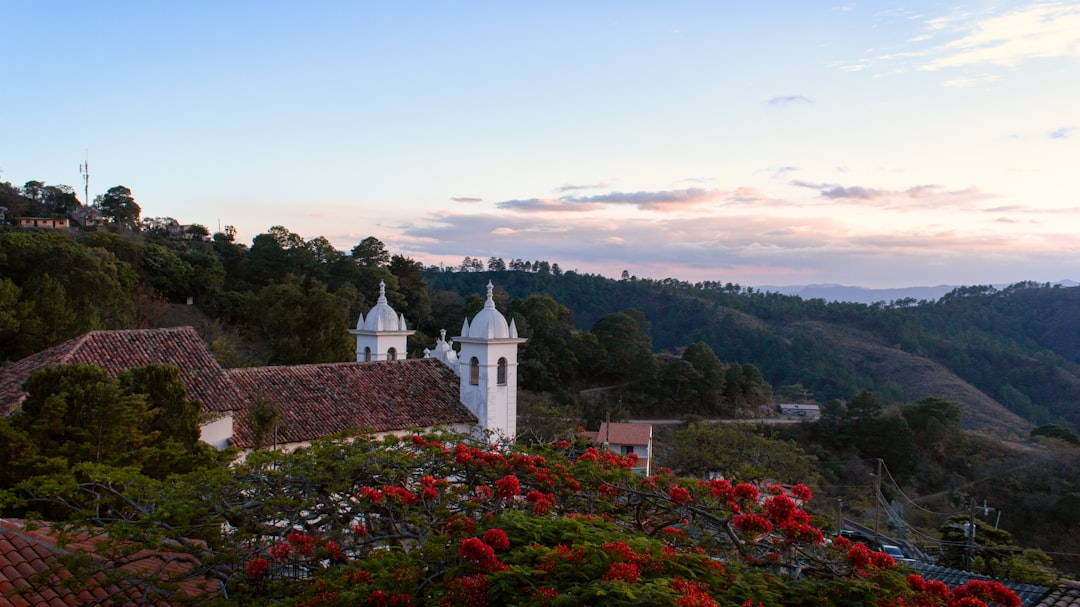
Last reviewed: August 2026 · key facts checked against Wikidata
Honduras Travel Guide: Everything You Need to Know (2026)
Honduras is a Central American republic of 8,303,771 people in its capital Tegucigalpa, bordered by Guatemala, El Salvador, and Nicaragua, with Caribbean coastline stretching over 820 km northward. The country sits between sea level and 2,870 m at Cerro Las Minas, giving it dramatic ecological diversity packed into an area of 112,492 km². Founded as a Spanish colonial territory in 1524, Honduras today holds the second-largest coral reef system in the world just off its Bay Islands.
Top 3 Highlights at a Glance
- Copán Ruins — UNESCO-listed Maya city with the most elaborate hieroglyphic stairway ever discovered, containing 2,200 individual glyphs.
- Roatán Island — World-class diving on the Mesoamerican Barrier Reef with visibility regularly exceeding 30 m in crystal Caribbean water.
- Pico Bonito National Park — One of Central America’s densest biodiversity hotspots with over 400 bird species within 1 hour of La Ceiba.
Scroll down for our complete travel guide with tips on getting there, where to stay, costs and more.
Getting There & Transport
Which airports are the best entry points into Honduras?
Ramón Villeda Morales International (SAP) in San Pedro Sula is my top pick for most visitors. In my experience, SAP handles more international connections and puts you 2 hours from Copán and 1 hour from La Ceiba ferry terminals to Roatán. Toncontín (TGU) in Tegucigalpa is the alternative for the capital, but its notoriously short runway causes frequent diversions — pilots consider it one of the most challenging approaches in the Americas. My tip: unless your itinerary centers on Tegucigalpa, fly into SAP and avoid the stress of TGU entirely.
How do I get from the airport to my first accommodation in Honduras?
From SAP in San Pedro Sula, licensed taxis to the city center cost $10–15 USD and take 20 minutes. I recommend pre-booking a hotel-arranged transfer or using Uber, which operates in San Pedro Sula at roughly $7–10 USD. From TGU in Tegucigalpa, the ride to Zona Rosa or the historic center runs $12–20 USD by taxi; avoid unofficial drivers outside arrivals. What surprised me: there is no airport bus at either hub — public transport connections are nonexistent from both terminals, so budget for a private transfer regardless of your accommodation level.
What transport options are there within Honduras?
Honduras has 3 main options: intercity buses, domestic flights, and private shuttles. Hedman Alas is the premium bus line connecting Tegucigalpa, San Pedro Sula, and Copán for $15–30 USD per leg with air conditioning and security. Budget chicken buses exist but journeys can take 50% longer with no fixed schedules. Domestic flights with CM Airlines link Tegucigalpa to La Ceiba in 40 minutes for around $80 USD. My tip: tourist shuttles between Copán and Antigua (Guatemala) cost around $25 USD and are far safer than local buses for cross-border travel. The caveat: road quality outside main highways is poor, especially in the interior.
Do I need a rental car in Honduras?
For most Honduras itineraries, no — a rental car is not necessary and I actively discourage it for first-timers. Urban driving in San Pedro Sula and Tegucigalpa involves aggressive traffic and limited signage. However, if you plan to explore Olancho department, the Mosquitia region, or remote cloud forest lodges near La Tigra National Park, a 4WD rental becomes essential. Expect to pay $40–70 USD per day from companies like Toyota Rent a Car at SAP. The honest warning most guides omit: carjacking incidents at fuel stations and on isolated rural roads are documented — drive only in daylight and never stop for strangers.
How good is the public transport network between regions in Honduras?
Public transport between major Honduras regions is functional but slow and uncomfortable. The San Pedro Sula–Tegucigalpa route via Hedman Alas takes 4 hours and runs multiple times daily — this corridor is reliable. Beyond that, bus frequency drops sharply. Reaching Trujillo on the Caribbean coast from Tegucigalpa takes 8+ hours by public bus. The Mosquitia has no road access at all — you fly or take a boat. My experience: the network works adequately for the triangle of Copán–San Pedro Sula–La Ceiba, but for anything outside that corridor, budget extra days for delays or upgrade to shuttle services.
Accommodation
Which regions of Honduras should I stay in?
I recommend three base regions for 2026. San Pedro Sula serves as the logistical hub — stay in the Zona Viva district for security and restaurant access. Copán Ruinas town puts you inside the Maya site experience; a 2-night stay here is non-negotiable. Roatán’s West End or West Bay gives you Caribbean beach and dive access in a well-structured tourist zone. If adventure is your goal, La Ceiba is the gateway to Pico Bonito and the Cangrejal River for white-water rafting. My tip: avoid staying in downtown Tegucigalpa — the historic center has security concerns after dark and most attractions are day-visit accessible.
What does good accommodation cost per night in Honduras?
Good mid-range accommodation in Honduras costs $60–120 USD per night. In Copán Ruinas, boutique hotels like Hotel Camino Maya run $75–100 USD with breakfast included. On Roatán, beachfront guesthouses in West Bay start at $90 USD while full-service resorts exceed $200 USD. In San Pedro Sula’s Zona Viva, business hotels like Hyatt Place list at $100–130 USD. Budget travelers find clean, safe guesthouses for $25–40 USD in most towns. What surprised me: quality drops sharply below $30 USD in the interior — always read recent security reviews on Booking.com rather than relying solely on star ratings.
When should I book hotels in Honduras — how far in advance?
Book Roatán accommodations at least 3 months ahead for January–April peak season — good West Bay properties sell out entirely. For Copán Ruinas, 4–6 weeks ahead is sufficient except during Semana Santa (Easter week), when the entire town fills 3 months in advance. San Pedro Sula and Tegucigalpa business hotels can usually be booked 1–2 weeks out year-round. My tip: the honest caveat is that cancellation policies in Honduras are often strict — many smaller lodges charge 50–100% of the first night for late cancellations, so use a credit card with travel protection when booking non-refundable rates.
When is the best time to travel to Honduras?
January through April and December are the best months to visit Honduras based on verified climate data. This dry season brings reliable sunshine across the Caribbean coast, the Bay Islands, and the interior. February and March are my personal favorites — crowds are lower than Christmas but weather is at its most stable, with less than 50 mm rainfall on the north coast. The Pacific south sees its dry season align with this window too. My honest warning: even in dry season, the Mosquitia and eastern rainforests receive rain year-round — plan jungle trips with waterproof gear regardless of timing.
How does peak season affect prices in Honduras?
Peak season runs December 15 through April and prices on Roatán jump 30–50% versus low season. A beachfront room that costs $90 USD in October will list at $130–140 USD in February. Semana Santa week in March or April is the domestic peak — Honduran families crowd beach destinations and prices spike 60–80% while availability collapses. My tip: the shoulder window of late November offers the best value — weather is stabilizing post-hurricane season, dive operators are fully staffed, and prices sit at low-season rates. Avoid the August–October window entirely on the Caribbean side — active hurricane season.
Best Time to Visit
Which regions of Honduras have different climate zones?
Honduras contains 4 distinct climate zones in a compact geography. The Caribbean north coast and Bay Islands are tropical humid with heat averaging 28–32°C year-round. The interior highlands around Tegucigalpa (990 m altitude) and La Esperanza run significantly cooler at 18–22°C daily. The Pacific south near the Gulf of Fonseca is hot and dry with a pronounced dry season. The Mosquitia rainforest in the east is the wettest zone — receiving over 2,500 mm of rain annually — hot, humid, and accessible only by air or river. My experience: pack both light layers for highland evenings and full tropical kit for coastal Honduras.
What are the rainy seasons in Honduras?
Honduras has two distinct rainy seasons depending on region. The main wet season nationwide runs May through October, with peak rainfall in September and October when Atlantic hurricanes pose a real threat to the Bay Islands and north coast. The Caribbean coast and Roatán receive a second short rainy period in December–January called the ‘Christmas winds’ season — still warm but with rough seas that can cancel dive boats. My honest warning: Hurricane season (June–November) is not just theoretical — Hurricane Eta and Iota in 2020 caused catastrophic damage to the north coast. Travel insurance with evacuation cover is non-negotiable if you visit between July and October.
What does a trip to Honduras cost per person per day?
A realistic daily budget in Honduras breaks into three tiers. Budget travelers spending nights in guesthouses, eating at comedores, and using local buses manage $40–55 USD per day. Mid-range travelers at decent hotels, restaurants, and organized day trips spend $100–150 USD per day. Comfort travelers on Roatán resorts with guided diving spend $200–300 USD per day. My tip: diving costs are the biggest variable — a 2-tank dive on Roatán runs $65–80 USD and most people dive daily. Factor this separately into your budget rather than averaging it into daily spend or you will consistently underestimate total trip cost.
How expensive is food in Honduras?
Food in Honduras is genuinely affordable if you eat locally. A comedor lunch (set meal with rice, beans, protein, and drink) costs $3–5 USD anywhere in the country. A sit-down mid-range restaurant dinner in Copán Ruinas or Zona Viva San Pedro Sula runs $12–20 USD per person. Fresh seafood on Roatán — grilled snapper, conch soup — costs $15–25 USD at a proper restaurant. Street food like baleadas (flour tortillas with beans and cheese) cost $0.50–1.50 USD each and are excellent. My honest caveat: tourist-facing restaurants in West Bay Roatán charge Miami prices — budget $30–40 USD per person for dinner with drinks in that area.
What hidden costs should I expect in Honduras?
Airport departure taxes are the first surprise — Honduras charges $43 USD in departure fees at international terminals, sometimes not included in ticket prices. Ferry crossings from La Ceiba to Roatán cost $25 USD each way on Galaxy Wave ferry. National park entrance fees add up: Copán Ruins charges $20 USD, Pico Bonito day visits run $10–15 USD. Dive equipment rental on Roatán adds $15–20 USD per day beyond the tank fee. My experience: budget an additional $150–200 USD per week in Honduras for these structural costs that no basic budget calculator includes. Also, many smaller hotels charge a 15% tax not shown in the listed rate.
Budget & Costs
How much cash should I bring to Honduras?
Bring $200–300 USD cash as a baseline reserve for Honduras, in addition to card access. The local currency is the Honduran Lempira (HNL) — exchange at banks or BAC or Banco Atlántida ATMs in San Pedro Sula and Tegucigalpa for the best rates. On Roatán, USD is accepted almost universally. In rural areas like Copán Ruinas town and interior villages, cash is king — card machines are unreliable or nonexistent. My honest warning: ATM skimming has been reported at standalone machines in Tegucigalpa bus terminals — use only bank-branch ATMs during opening hours and cover your PIN entry visibly.
Which credit cards are accepted in Honduras?
Visa is the most widely accepted card in Honduras, followed by Mastercard. American Express works only at upscale hotels in Tegucigalpa’s Colonia Palmira district and major Roatán resorts. In practice, cards work reliably at Zona Viva San Pedro Sula restaurants, Bay Islands dive shops, and supermarkets like La Colonia. Outside tourist zones — including most of Copán town’s smaller restaurants and all rural comedores — card payment is not available. My tip: notify your bank before travel as Honduran transactions frequently trigger fraud alerts, and always have HNL 500–1,000 in cash as backup. Foreign transaction fees of 2–3% apply on most non-travel credit cards.
Which regions of Honduras must I not miss?
Three regions are non-negotiable on any Honduras itinerary. The Copán Ruins corridor in the western highlands is the country’s finest cultural asset — the Maya site alone justifies the trip. The Bay Islands (specifically Roatán) deliver world-class Caribbean diving and snorkeling on the Mesoamerican Barrier Reef at a fraction of Belize prices. The La Ceiba and Cuero y Salado zone on the north coast gives you cloud forest, white-water rafting on the Río Cangrejal, and genuine manatee-watching — all within 30 km of each other. My honest caveat: Tegucigalpa is worth only 1 day for its colonial architecture — don’t anchor your itinerary around the capital.
What are the tourist highlights of Honduras?
Honduras’s headline highlights are anchored in archaeology, marine life, and biodiversity. Copán Archaeological Site (UNESCO World Heritage since 1980) holds the most intricate Maya sculpture in Central America. Roatán’s West Bay Beach consistently ranks among the Caribbean’s top 10 beaches — 3 km of white sand with direct reef access from shore. Pico Bonito National Park covers 1,100 km² of virtually untouched cloud forest. Lago de Yojoa — Honduras’s only natural lake at 88 km² — combines birdwatching, waterfalls, and craft beer at D&D Brewery, a genuine traveler institution. My tip: Tela’s Jardín Botánico Lancetilla, the largest botanical garden in the Americas, is criminally undervisited.
What experiences in Honduras are found nowhere else on earth?
Three experiences are uniquely Honduran in my 10 years of Central American travel. Diving the Cayos Cochinos (Hog Islands) — a marine reserve with a resident Garifuna community — combines pristine reef with living Afro-Caribbean indigenous culture in a way no other Caribbean destination replicates. Visiting a Garifuna village like Triunfo de la Cruz near Tela for a live punta drumming ceremony with genuine community hosts (not a staged show) is deeply moving. Third: hiking the cloud forest trails of La Tigra National Park just 22 km from Tegucigalpa — a primary cloud forest this close to a capital of 2 million people exists nowhere else in the Americas.
Regions & Highlights
Which areas of Honduras are overcrowded — and what are the quieter alternatives?
West Bay Beach on Roatán is genuinely overcrowded January through April — cruise ship days deposit 1,500–2,000 passengers onto a small beach simultaneously. My alternative: Utila island, just 45 minutes by ferry from La Ceiba for $25 USD, where whale shark sightings occur regularly from March to May and the dive community is tight-knit without the resort crowds. Copán Ruins site sees cruise groups between 9 AM and 2 PM — arrive at opening (7:30 AM) to have the sculptures nearly to yourself. For a quieter Bay Island: Guanaja receives fewer than 5,000 tourists annually versus Roatán’s hundreds of thousands — same reef, zero infrastructure crowds.
How many days do I need to see Honduras properly?
10–14 days is the minimum to experience Honduras with depth. My recommended breakdown: 2 days in Copán Ruinas (ruins plus hot springs), 1 travel day to San Pedro Sula, 1 day at Lago de Yojoa, 1 day in La Ceiba with Pico Bonito, 5–6 days on Roatán for diving and beach, 1 day in Tela for Garifuna culture. A 7-day trip forces painful cuts — I’d eliminate Tegucigalpa entirely and choose between Copán and the north coast rather than rushing both. The honest caveat: travel days are slow in Honduras — a 180 km road journey regularly takes 4 hours — build transfer time generously into your planning.
Do I need a visa to visit Honduras?
US, EU, UK, Canadian, and Australian passport holders do not need a visa for Honduras — you receive a 90-day entry stamp on arrival. The CA-4 agreement means a single entry covers Guatemala, El Salvador, Honduras, and Nicaragua with a shared 90-day clock — reset only by exiting the CA-4 zone entirely. Your passport must be valid for 6 months beyond entry. Immigration officers at SAP and TGU occasionally ask for proof of onward travel — have a return ticket or onward booking accessible on your phone. My honest warning: the CA-4 clock starts the moment you enter any of the four countries — not when you cross into Honduras specifically.
What languages are spoken in Honduras?
Spanish is the official language and spoken by virtually all Hondurans. English is widely used on Roatán and Utila — the Bay Islands were historically British and many residents are English-speaking descendants of Caribbean settlers. In tourist areas like Copán Ruinas town, basic English is spoken at hotels and restaurants. In the interior and on the north coast, assume zero English outside tourist infrastructure. The Garifuna people along the Caribbean coast speak Garifuna (a distinct Arawakan language) alongside Spanish. My tip: learning 20 key Spanish phrases before arrival transforms interactions in the interior — even a basic attempt earns immediate goodwill from Hondurans, who are genuinely warm to effort.
What cultural rules do I need to know before visiting Honduras?
Dress conservatively outside beach zones — Honduras is a deeply Catholic country and entering churches or market towns in shorts and sleeveless tops draws visible disapproval. When visiting Garifuna communities near Tela or Trujillo, ask permission before photographing ceremonies or individuals — it is both respectful and required. Meal times are social rituals — declining food or drink offered by a host family is considered rude; accepting even a small portion is the correct response. My experience: bargaining is not standard practice in Honduras outside craft markets — attempting to haggle at restaurants or with taxi drivers creates genuine offense rather than savings. Tipping 10% at restaurants is expected and meaningful given local wages.
Practical Tips
How safe is Honduras for tourists?
Honduras is safe in established tourist zones but requires active awareness outside them. Roatán, West Bay, Copán Ruinas, and La Ceiba’s tourist district all have low incident rates for visitors following standard precautions. San Pedro Sula has historically recorded high crime statistics — stay in Zona Viva, use Uber exclusively after dark, and avoid walking at night. My honest warning most guides soften: Tegucigalpa’s downtown and bus terminals are genuine risk environments — take taxis between points, never on foot with luggage. The UK, US, and German foreign offices all issue Level 2 advisories for Honduras in 2025–2026, recommending increased caution. Travel insurance with emergency evacuation cover is non-negotiable here.
What health precautions should I take before visiting Honduras?
See a travel health clinic at least 6 weeks before departure. Recommended vaccinations for Honduras include hepatitis A, typhoid, and tetanus as baseline requirements. Malaria prophylaxis is advised for travel to the Mosquitia region and Olancho department — not for Roatán or Tegucigalpa. Dengue fever is present year-round on the north coast — use DEET 30%+ repellent consistently, especially at dawn and dusk. Tap water is not safe to drink anywhere in Honduras — budget $2–3 USD daily for bottled water. My honest warning: Zika virus remains present in Honduras — pregnant travelers or those planning pregnancy should consult their physician before booking. Travel health insurance covering air evacuation is essential, not optional.
What SIM card or eSIM options are available in Honduras?
Claro Honduras offers the widest 4G coverage and is my top SIM recommendation for Honduras. A prepaid SIM with 10 GB data costs approximately $8–12 USD and is available at the Claro desk inside SAP airport arrivals — buy it before leaving the terminal. Tigo is the competitor with strong coverage in San Pedro Sula and Tegucigalpa but weaker rural reach. For eSIM users, Airalo sells a Honduras eSIM for around $10 USD for 1 GB — convenient but costly per GB versus local physical SIMs. Coverage on Roatán is reliable with both carriers. The honest caveat: the Mosquitia region has no mobile signal whatsoever — download offline Maps.me before entering that area.
Which apps do you recommend for traveling in Honduras?
My essential Honduras app stack: Uber (works in San Pedro Sula and Tegucigalpa — safer than street taxis), Maps.me (offline maps essential for areas with no data signal), and Google Translate with Spanish downloaded offline. Booking.com has better Honduras inventory than Airbnb outside Roatán. Galaxy Wave Ferry app books the La Ceiba–Roatán crossing in advance — critical in peak season. WhatsApp is how every Honduran business communicates — hotels, tour guides, and restaurants all prefer WhatsApp for reservations over email. My tip: download iOverlander if you plan any off-road or remote travel — it carries user-reported safety and road condition updates that no official source provides.
What are the most common traveller mistakes in Honduras?
The biggest mistake is underestimating travel times between regions — distances that look like 2 hours on Google Maps routinely take 4–5 hours on actual Honduran roads. Second: booking only Roatán and skipping the mainland entirely — you miss 70% of the country’s best experiences. Third: exchanging money at the airport — rates are 15–20% worse than at BAC Credomatic bank branches in town. Fourth: visiting Copán without hiring a licensed site guide ($20–25 USD for 2 hours) — the glyphs are incomprehensible without explanation. My personal mistake first trip: I didn’t confirm return ferry times to La Ceiba from Roatán — the last boat leaves at 4 PM and missing it means an unplanned overnight.
Honduras at a Glance
| Population | 8,303,771 |
|---|---|
| Currency | Honduran lempira (L) |
| Official language | Spanish |
| Time zone | UTC−06:00 |
Source: Wikidata, retrieved August 2026.
Essential Resources for Planning Your Trip to Honduras
- Honduras Travel Advisory | Travel.State.gov — official visitor information, passes & events
- Wikipedia: Honduras — history, geography & background
- Wikivoyage: Honduras — community travel guide & practical tips
- Honduras travel – Central America — expert itineraries & travel inspiration
- THE 15 BEST Things to Do in Honduras (2026) — hotels, restaurants & traveller reviews
- Honduras Travel Advisory | Travel.State.gov — how to get around
- Numbeo: Cost of Living in Honduras — current prices & cost comparison
- Timeanddate: Honduras Weather & Climate — forecasts & climate statistics
- Monitoring Mission Report to Copan
More Perspectives on Honduras
- Honduras Travel Guide (Updated 2026)
- Honduras Travel Advisory | Travel.State.gov
- Honduras – Travel Tips
Honduras Travel Videos
Watch these videos for a visual preview before your trip:
- HONDURAS Travel Guide : EVERYTHING YOU NEED TO KNOW
- Honduras Travel: 14 BEST Paces to Visit in Honduras (TOP Things to Do)
- Honduras Travel Guide : Discover Hidden Gems, Stunning Beaches & Mayan Ruins!
Honduras Travel Discussions on Reddit
Real traveller experiences and community advice:
- Tourism in Honduras? I mostly only hear how it is …
- Should I go to Honduras or is it too unsafe? : r/backpacking
- Visiting Honduras first time advice wanted
Data Sources
This page was compiled using data from Wikipedia, Wikidata, Open-Meteo (climate), Numbeo (cost of living) and REST Countries. Information is updated regularly.