
Kakheti: The Complete Travel Guide (2026)
Last reviewed: September 2026 · key facts checked against Wikidata
Kakheti Travel Guide: Everything You Need to Know (2026)
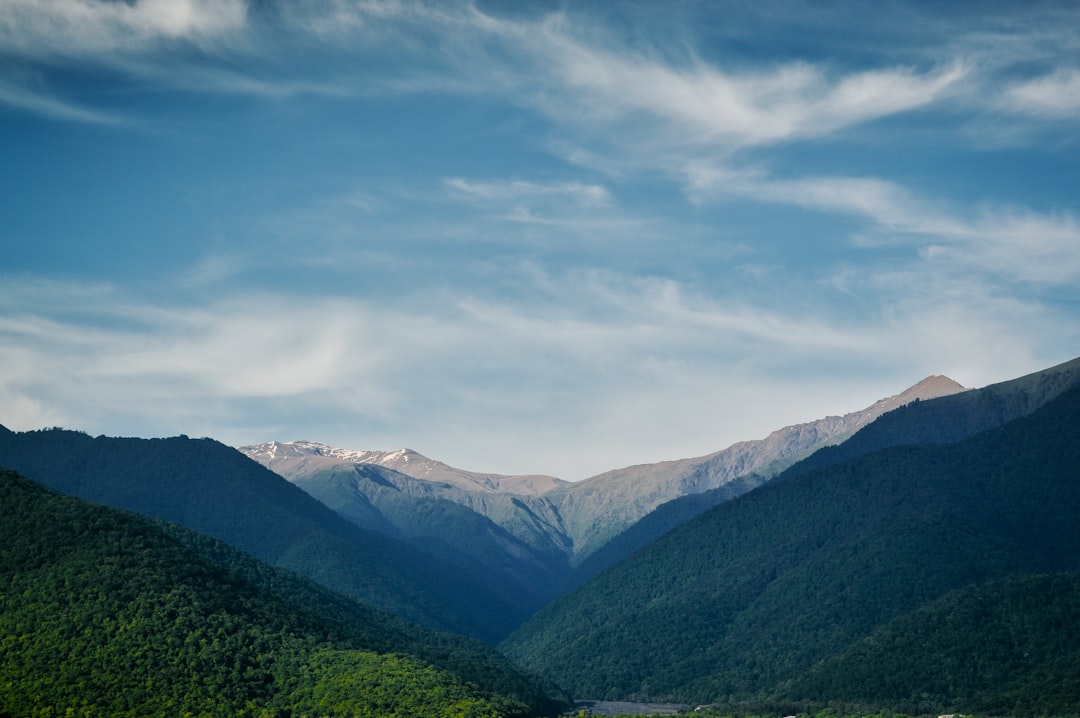
Kakheti is Georgia’s premier wine region, stretching across the eastern part of the country at altitudes between 400 and 1,200 metres, home to a regional population of 303,833 spread across eight administrative districts anchored by the city of Telavi. The region produces roughly 70% of all Georgian wine, with a winemaking tradition dating back at least 8,000 years — the oldest in the world according to archaeologists. From the Alazani River valley to the dramatic Caucasus foothills, Kakheti packs ancient monasteries, fortress towns, and world-class qvevri cellars into a compact, driveable landscape.
Three Things Not to Miss in Kakheti
- Alaverdi Cathedral — An 11th-century Georgian Orthodox cathedral standing 55 metres tall — one of the tallest medieval churches in the Caucasus, with an active wine cellar inside.
- Signagi Old Town — A hilltop fortress town with 23 watchtowers and a 4 km continuous defensive wall — Georgia’s most photogenic wine-country village.
- Kvareli Rock Fortress Winery (Khareba) — A winery tunnelled 7.7 km into a mountain, maintaining a constant 14°C year-round — you drive a buggy through the cellars.
Scroll down for our complete travel guide with tips on getting there, where to stay, costs and more.
Getting to Kakheti
How do I best reach Kakheti from Tbilisi or abroad?
The fastest practical route is a 2-hour minibus or taxi from Tbilisi directly into the Alazani Valley. In my experience, taking a marshrutka (shared minibus) from Tbilisi’s Ortachala Bus Station to Telavi costs roughly 5–7 GEL (about $2) and runs every 30–60 minutes from early morning. If you fly internationally, Tbilisi International Airport (TBS) is your gateway — Kakheti begins just 80 km east of it. My tip: book a private transfer from TBS directly to Telavi for around $40–50 if you have luggage or arrive late. What surprised me: there is no train connection to Kakheti, so ground transport is your only option. The road via Gombori Pass is scenic but slower — allow 30 extra minutes.
Which airport is closest to Kakheti?
Tbilisi International Airport (TBS) is the closest and only practical international gateway, sitting approximately 100 km west of Telavi. In my experience, this is one of the best-connected airports in the South Caucasus, with direct flights from Istanbul, Dubai, Vienna, Warsaw, and Moscow among others. A secondary option is Kutaisi International Airport (KUT), which serves budget carriers like Wizz Air, but it adds roughly 3.5 hours of driving to Kakheti — only worthwhile if you find a dramatically cheaper fare. My tip: always check Tbilisi first. What most guides omit: TBS handles significant cargo traffic and immigration queues can be 30–45 minutes long on peak evenings — build that buffer into your first-day plan.
How long is the journey from Tbilisi to Kakheti?
Telavi is 2 to 2.5 hours from Tbilisi by road under normal conditions. The direct route via the Gombori Mountain Pass is 130 km but climbs to 1,620 metres — spectacular in summer, potentially icy in winter. The lower alternative via Sagarejo is flatter and faster but less scenic. In my experience, the Gombori route adds maybe 20 minutes but rewards you with panoramic Alazani Valley views that are worth every minute. Marshrutkas to Telavi run from Ortachala Terminal and take roughly 2 hours 20 minutes. My warning: do not attempt Gombori after dark in December–February without snow chains — the road is poorly lit and can freeze without warning.
Are there direct bus connections into Kakheti from Tbilisi or other cities?
Yes — marshrutkas (minibuses) run directly from Tbilisi’s Ortachala Bus Station to Telavi, Signagi, Gurjaani, and Lagodekhi throughout the day. The Tbilisi–Signagi service costs around 7–8 GEL and takes about 2 hours. In my experience, the Tbilisi–Telavi route is the most frequent, departing roughly every 45 minutes from 7:00 to 18:00. There is no intercity bus connecting Kakheti’s towns to each other with any reliability — this is the critical gap most travellers overlook. My tip: use marshrutkas to enter and exit the region from Tbilisi, but do not rely on them to move between, say, Telavi and Sighnaghi — that leg requires a taxi or rental car.
Is a rental car necessary to explore Kakheti properly?
Yes — a rental car transforms Kakheti from a wine stop into a full experience. Without one, you are essentially pinned to Telavi or Signagi and dependent on expensive taxis for every winery visit. In my experience, hiring a small car in Tbilisi costs $30–50 per day from reputable companies like Sixt or Europcar at TBS — book at least 2 weeks ahead in July and August. The roads through the Alazani Valley are paved and easy. My honest caveat: Georgian driving culture is aggressive by Western European standards, overtaking on blind corners is routine, and international driving permits are technically required — carry yours. One alternative: hire a local driver-guide from Telavi for $60–80 per full day, which also solves the wine-tasting-and-driving problem neatly.
Where to Stay in Kakheti
Which towns in Kakheti make the best bases?
Telavi is the practical base; Signagi is the romantic one. Telavi, the regional capital with a population of around 19,000, has the best supermarkets, pharmacies, and transport connections, plus proximity to Alaverdi Cathedral and Tsinandali Estate. Signagi (Sighnaghi) is the Instagram darling — a hilltop fortress village with boutique wine bars and guesthouses, but limited services beyond tourism. In my experience, staying 2 nights in Telavi and 2 nights in Signagi gives the best balance. For wine obsessives, renting a guesthouse in Gurjaani or Qvareli puts you in the heart of the vineyards. My warning: Signagi’s accommodation fills completely on Georgian public holidays — book at least 6 weeks in advance for those dates.
Where should I stay in Kakheti — what type of accommodation works best?
Family-run guesthouses (called ‘guest houses’ locally) are the soul of Kakheti accommodation. These typically include breakfast and often dinner, with hosts who pour their own wine and explain qvevri methods at the table. In Telavi, Twins Wine House is a polished option combining accommodation with a top-rated winery. In Signagi, boutique hotels along the old town walls offer dramatic valley views. I recommend avoiding large resort hotels near Tsinandali unless you want a sanitised experience disconnected from local culture. Booking.com and Airbnb both have solid listings for Kakheti guesthouses, though many family homes accept bookings only by WhatsApp direct contact — this often unlocks better rates and a genuine welcome. My tip: always confirm breakfast inclusion, as it is not universal.
What does accommodation cost per night in Kakheti?
Expect to pay $25–60 per night for a comfortable guesthouse with breakfast. Budget backpacker beds in shared rooms run as low as $10–15 in Telavi. Mid-range private rooms in family guesthouses typically cost $30–45 and include a generous Georgian breakfast. Boutique hotels in Signagi and the Tsinandali estate area push $80–150 per night in peak summer. In my experience, the $35–50 sweet spot at a family guesthouse delivers far more character — and usually your own house wine — than anything a $120 hotel offers. My honest warning: prices surge 30–50% during the Rtveli grape harvest festival in late September and October, and ‘sold out’ is not an exaggeration — this is the one window where booking 2–3 months ahead is non-negotiable.
How far in advance should I book accommodation in Kakheti?
Book at least 4–6 weeks ahead for July and August, and 8–10 weeks for late September Rtveli harvest season. Kakheti is Georgia’s most visited rural region and the best family guesthouses — those that include dinner, wine, and a host who actually lives there — have only 4–8 rooms and fill fast. In my experience, spontaneous travel works fine in April–May and November, when you can often negotiate a room on arrival. The Rtveli harvest period (late September to mid-October) is the absolute crunch point: international wine tourists, Georgian city dwellers, and diaspora visitors all converge simultaneously. My tip: if your top-choice guesthouse is full, email them directly and ask for a cancellation waitlist — Kakhetian hospitality culture means hosts will genuinely try to help.
When is the best time to visit Kakheti?
Late September to mid-October for harvest; June to early July for lush green vineyards. Climate data points to July as the peak pleasant month, with warm dry days ideal for vineyard walks and fortress exploration. In my experience, the Rtveli grape harvest in late September is the single most memorable Kakheti experience — you can physically participate in treading grapes at family wineries, and the entire region smells of fermenting juice. June is underrated: the Alazani Valley is intensely green, crowds are lighter than August, and temperatures hover around a comfortable 26–28°C. My honest caveat: August is peak Georgian domestic holiday season — Telavi gets genuinely crowded and guesthouse prices hit their ceiling. April and May offer blooming landscapes and thin crowds at roughly 40% lower prices.
Best Time to Visit Kakheti
How does Kakheti’s weather affect what activities you can do?
Summer heat (July–August averaging 30°C+) means morning activity is essential — schedule winery visits and monastery hikes before noon. The Alazani Valley can hit 38°C in peak summer, making afternoon city walks genuinely uncomfortable. Spring (April–May) is perfect for hiking the Lagodekhi Protected Areas when the forest trails are cool and waterfalls are at full flow. Autumn harvest season brings mild 18–22°C days ideal for outdoor tastings and vineyard walks. Winter in Kakheti is underrated for wine tourism — cellars are active, crowds are absent, and Alaverdi Cathedral in snow is extraordinary — but the Gombori Pass road requires caution. My warning: the Vashlovani desert landscape near Dedoplistsqaro is best visited in spring and autumn; summer temperatures there exceed 40°C and are genuinely dangerous.
Are there local festivals in Kakheti worth attending?
Rtveli (grape harvest) in late September is the single best festival reason to visit Georgia. It is not a staged tourist event — families genuinely invite guests to help harvest, press grapes with their feet in traditional stone troughs (satsnakheli), and feast on churchkhela and fresh grape juice (rtveli food). In Telavi, the Alaverdoba festival at Alaverdi Cathedral in late September combines religious ceremony, horse riding, and winemaking — one of the most atmospheric events in the Caucasus. The New Wine Festival in Signagi (held in May) is more polished and tourist-oriented, with 100+ wineries pouring their latest vintage for a 20 GEL entry fee. My tip: Alaverdoba is free, authentic, and profoundly moving — do not skip it if your dates align.
When does Kakheti get crowded, and how can I avoid the worst of it?
August and the Rtveli harvest period (late September–early October) are peak crowd times. Georgian domestic tourism floods Kakheti in August — Signagi in particular can feel like a weekend market rather than a hilltop fortress town. In my experience, arriving on a weekday rather than Friday or Saturday cuts the Signagi crowd by roughly half, even in August. The genuinely quiet window is November through March — you will have monasteries like Bodbe and Alaverdi almost entirely to yourself. My honest observation: even at peak, Kakheti is never as overwhelmed as, say, Santorini — but the best family wineries limit visitors and can turn you away without a reservation. For winery visits specifically, always email or WhatsApp 48 hours ahead, regardless of season.
What does a daily budget cost in Kakheti?
$50–70 per day covers comfortable travel including accommodation, meals, wine, and transport. Budget breakdown: guesthouse with breakfast at $35–45, lunch at a local café $5–8, dinner with wine $12–18, taxi between two towns $10–15. In my experience, Kakheti is one of Europe’s cheapest quality wine destinations — a bottle of excellent Rkatsiteli from a serious producer costs $5–8 at the cellar door. If you rent a car (split between two people), add $15–25 per person per day. A genuinely frugal traveller staying in a shared guesthouse room and eating from local markets can manage $30–35 per day. My warning: winery tasting fees are sometimes included in tour packages but charged separately at boutique producers — budget $10–20 per winery session at premium estates like Schuchmann or Château Mukhrani adjacent properties.
Is Kakheti cheaper or more expensive than other regions of Georgia?
**Kakheti is moderately priced — cheaper than Tbilisi for accommodation, but wine tourism adds costs non-drinkers won’t face. Compared to the Svaneti** mountain region, Kakheti guesthouses are similar in price but more polished. Tbilisi accommodation in comparable quality runs 20–30% more expensive than Telavi or Signagi. The coastal Adjara (Batumi) region is comparable in price during its beach season. My honest observation: Kakheti inflates predictably around festivals and harvest — a guesthouse charging $35 in June may charge $65 in late September for the same room. Food at local restaurants in Telavi’s bazaar area remains extraordinarily cheap year-round — a khinkali dumpling costs 0.80–1 GEL each, and five fills most people. The hidden premium is transport between towns without your own car — taxis between Telavi and Signagi run 25–35 GEL each way.
What Kakheti Costs
What free highlights are there in Kakheti?
Alaverdi Cathedral and most of Kakheti’s monasteries are free to enter. The 11th-century cathedral, rising 55 metres in the Alazani plain, charges no entry fee — you simply walk in. Bodbe Monastery above Signagi, housing the relics of Saint Nino who Christianised Georgia in 337 AD, is free and extraordinarily serene. The old fortress walls of Signagi (23 towers, 4 km circuit) can be walked freely. In my experience, the most memorable free activity in Kakheti is simply driving the Tsinandali–Alaverdi–Qvareli stretch of the valley road at golden hour — the light on the Caucasus peaks and vineyards is genuinely cinematic. The Lagodekhi waterfalls trail charges no entry for the lower falls. My tip: village markets (bazrobas) in Telavi on weekday mornings are free, fascinating, and the best place to buy churchkhela at non-tourist prices.
What do local specialities cost in Kakheti?
Georgian food in Kakheti is among the cheapest quality eating in the Caucasus. A full supra (traditional feast) at a family guesthouse including appetisers, mains, dessert, and unlimited homemade wine costs $10–18 per person. Individual dishes at Telavi restaurants: mtsvadi (grilled pork skewer) $3–5, badrijani nigvzit (aubergine with walnut paste) $2–3, khachapuri (cheese bread) $3–4. Kakheti’s specific culinary pride is chvishtari (cornbread with cheese) and churchkhela (walnut-grape candy) — the latter costs 1–2 GEL per stick at village markets versus 5–8 GEL in Signagi tourist shops. In my experience, the best meal deal in the region is lunch at a local roadside dukani (inn) in Gurjaani or Kvareli — $6–8 for three courses including a glass of local wine. Never pay tourist-price churchkhela — walk to Telavi’s covered bazaar instead.
Which 5–7 day route do you recommend for Kakheti?
Day 1: Arrive Tbilisi, drive Gombori Pass to Telavi (2.5 hours), check in, evening walk around Telavi fortress. Day 2: Alaverdi Cathedral at dawn (25 minutes from Telavi), then Tsinandali Estate winery and palace, afternoon at Khareba Tunnel Winery in Kvareli (7.7 km of underground cellars). Day 3: Full day in Lagodekhi Protected Areas — hike to Black Rock Lake (12 km return, 1,800 metres altitude gain). Day 4: Drive south to Signagi (1 hour from Telavi), walk the fortress walls, visit Bodbe Monastery, wine tasting at a boutique producer in Gurjaani. Day 5: Vashlovani semi-desert day trip near Dedoplistsqaro (2 hours from Signagi) — bizarre eroded badlands landscape. Day 6: Return to Tbilisi via Sagarejo or linger in Signagi for a slow morning. In my experience, 6 nights gives the right balance — rushing it into 3 days means you spend most of your time driving.
What are the must-see sights in Kakheti?
Alaverdi Cathedral, Signagi fortress town, Bodbe Monastery, and the Alazani Valley viewpoint above Tsinandali. Alaverdi (11th century, 55 metres tall) is the most emotionally powerful building in rural Georgia — arriving at dawn when monks chant inside the stone nave is a memory you carry permanently. Signagi’s 4 km defensive wall with 23 towers is unique in Georgia and walkable in under 2 hours. Gremi Fortress and Church (16th century, north of Kvareli) is criminally undervisited compared to Alaverdi. In my experience, the Shuakhevi viewpoint above Telavi — reached in 20 minutes on foot from the old town — gives the best single panorama of the entire Alazani plain framed by the Greater Caucasus. My honest opinion: Tsinandali Palace and Gardens is beautiful but increasingly touristified — visit for context, not as your centrepiece.
What natural highlights does Kakheti offer beyond the vineyards?
Lagodekhi Protected Areas and Vashlovani National Park are world-class and almost unknown internationally. Lagodekhi (in the far northeastern corner, bordering Russia and Azerbaijan) protects 24,000 hectares of virgin Caucasian forest — the trail to Black Rock Lake at 2,700 metres is one of the finest alpine day hikes in the Caucasus, with zero crowds. Vashlovani near Dedoplistsqaro is Georgian badlands — eroded clay cliffs, pistachio forests, and semi-desert, feeling like a miniature Arizona. The Iori River gorge cuts through dramatic limestone. In my experience, Lagodekhi is genuinely difficult to access without a car — the trailhead is 4 km from the village of Lagodekhi town. My warning: bears and wolves inhabit Lagodekhi forest — register at the Protected Areas visitor centre on arrival and do not hike solo on the upper trails.
Routes & Highlights in Kakheti
What local specialities must I try in Kakheti?
Amber (orange) wine made in qvevri clay vessels is the defining Kakhetian food experience. Unlike anywhere else in the world, Kakheti ferments white grapes with their skins for months inside buried clay amphorae — producing tannic, oxidative wines unlike any Western wine. The grape varieties to seek out: Rkatsiteli (the workhorse), Mtsvane (aromatic), and Kisi (rare and complex). Food-specific: satsivi (cold chicken in walnut sauce) is the great Kakhetian festive dish. Chvishtari (cornmeal cheese bread) is the local bread, distinct from the Adjaran or Megrelian khachapuri. In my experience, the most memorable food moment is a family supra where everything — wine, walnut paste, pickled jonjoli (bladdernut), churchkhela — is house-produced. My tip: ask to visit the marani (wine cellar) — any serious Kakhetian family has one and showing it to guests is a point of pride.
What activities are available in Kakheti beyond sightseeing?
Winery visits with qvevri demonstrations, hiking in Lagodekhi, horse riding, and harvest participation are the four activity pillars. Winery visits range from large commercial tours at Khareba ($10–15 per person) to intimate 2-hour qvevri sessions at family producers in Gurjaani ($15–20 including tasting). Horse riding through the Alazani vineyards is available from Hacienda Cafe & Horse Club near Telavi for around $25–40 per 2-hour ride. The Lagodekhi forest trails offer multi-day camping routes registered through the Georgian Protected Areas Agency. In my experience, the most underrated activity is spending a morning at Telavi’s weekly bazaar — a working agricultural market where farmers sell everything from honeycomb to Caucasian saddles. Cycling between wineries along the valley floor is increasingly possible as the Alazani cycling path develops, though it is not yet complete.
What distinguishes Kakheti from Georgia’s other regions?
Kakheti is the only region where wine is not just a product but an 8,000-year-old spiritual practice. No other Georgian region has the density of qvevri winemakers, ancient viticultural archaeology (Neolithic grape seeds found at Shulaveri-Shomu sites date to 6000 BC), or festival culture built around a single grape harvest. Unlike the mountain drama of Svaneti or the Black Sea warmth of Adjara, Kakheti operates at human scale — its landscapes are gentle, its villages accessible, and its hospitality structured around the table rather than the trail. In my experience, what truly separates Kakheti is the direct encounter with the winemaker: in Burgundy you talk to a sales manager; in Kakheti you share a glass with the person who buried the qvevri with their grandfather. That intimacy is irreplaceable and increasingly rare as the region commercialises.
Which day trips are possible from a Kakheti base?
**Tbilisi (2 hours), the David Gareja cave monastery complex (1.5 hours from Signagi), and Gombori Pass itself are the top day trips. David Gareja sits on the Azerbaijani border and comprises 15 monastery complexes** carved into desert cliffs — the frescoes inside are 8th–13th century and extraordinarily preserved. Note: the border situation has occasionally restricted access to the upper Udabno ridge — check current access before visiting. From Telavi, the Shuakhevi–Ikalto Monastery circuit (Ikalto is where 12th-century scholars trained, 8 km from Telavi) takes half a day. In my experience, combining Gremi Fortress → Alaverdi Cathedral → Nekresi Monastery (all within 30 km of each other north of Telavi) into one morning drive is the single best Kakheti day structure. Nekresi requires a 4WD jeep shuttle from the car park — included in the 3 GEL entry fee.
Are there language barriers for English-speaking travellers in Kakheti?
English is limited but manageable — younger Georgians in tourism speak it; older villagers often do not. In Signagi’s boutique hotels and the larger wineries like Khareba and Schuchmann, English-speaking staff are standard. In rural guesthouses and village markets, Georgian and Russian are the operating languages. In my experience, Google Translate with the Georgian language pack downloaded offline is genuinely indispensable — Georgian script (Mkhedruli) is unique and completely unrelated to any language family you likely know. My tip: learn three Georgian phrases — ’gamarjoba’ (hello), ’gmadlobt’ (thank you), and ’gaumarjos’ (cheers/toast) — and your welcome temperature rises measurably. Phone translation works for menus and signs. My honest warning: navigating rural Kakheti roads entirely by Google Maps without Georgian script recognition can occasionally lead you onto unmapped farm tracks — download Maps.me as a backup with offline Kakheti maps.
Practical Tips for Kakheti
Which apps do you recommend for travelling in Kakheti?
Maps.me (offline), Yandex Go (taxis), and Google Translate (offline Georgian pack) are the essential three. Maps.me with the Georgia offline map covers rural Kakheti roads, monastery tracks, and Lagodekhi trails far better than Google Maps in low-signal areas. Yandex Go is the dominant taxi app in Georgia — it works in Telavi and covers intercity routes; always cheaper than hailing street taxis. Google Translate’s camera function reads Georgian script menus in real time — genuinely useful. In my experience, Bolt also operates in Telavi for shorter rides. For wine discovery, Vivino helps identify bottles at cellars that lack English labels. The Georgian National Tourism Administration app has offline maps of protected areas including Lagodekhi trails with marked waypoints. My tip: download everything at your Tbilisi accommodation before driving east — rural Kakheti mobile data (on Georgian operators Magti or Silknet) is patchy beyond the main valley road.
Are there adequate medical facilities in Kakheti?
Telavi has a functioning regional hospital; for serious emergencies, Tbilisi (2 hours) is where you need to be. The Telavi Regional Hospital handles urgent care, fractures, and basic surgery. Pharmacies (marked with green crosses) are well-stocked in Telavi and Signagi for standard medications. In my experience, the quality of care drops significantly outside Telavi — if you are hiking in Lagodekhi or the Vashlovani desert and experience a serious injury, evacuation logistics are genuinely complicated. My warning: travel insurance with helicopter evacuation cover is not optional if you are doing remote hiking — it is essential. Altitude sickness is a risk on Lagodekhi’s upper trails above 2,500 metres. For minor ailments like stomach issues (traveller’s diarrhoea from unfamiliar gut bacteria in homemade wine or unwashed fruit is common), Tbilisi pharmacies at TBS airport stock standard remedies — bring a basic kit from home.
How safe is Kakheti for travellers?
Kakheti is very safe — violent crime against tourists is essentially unheard of. Georgia consistently ranks among the safest countries in Europe and the Caucasus for solo travel, including for solo women. In my experience across multiple Kakheti visits, the primary risks are non-violent: road accidents (Georgian driving is fast and unpredictable), altitude-related incidents in Lagodekhi, and overindulgence at supras where refusing wine toasts can feel socially complex. Petty theft is rare but not zero in Telavi’s market — standard bag awareness applies. The border areas near Dedoplistsqaro (Vashlovani) are close to the Azerbaijani frontier — stay on marked roads and do not cross unofficial boundary markers. The area near South Ossetia (far west of Kakheti) is politically sensitive but physically distant from Kakheti’s main tourist corridor. My tip: register with your country’s embassy travel advisory system before visiting any Caucasus border region.
What are the most common mistakes travellers make in Kakheti?
The biggest mistake is treating Kakheti as a one-day wine trip from Tbilisi — it deserves 4 nights minimum. Day-trippers arrive, visit one commercial winery, eat a tourist supra in Signagi, and leave having seen a polished veneer. The real Kakheti — family cellars, dawn monasteries, Lagodekhi trails — requires time and a car. Second mistake: not booking winery appointments in advance. The best small producers (Iago’s Winery in Chardakhi, Pheasant’s Tears in Signagi) have limited visitor slots and fill weeks ahead. Third mistake: driving Gombori Pass at night in winter without checking road conditions. In my experience, the subtlest error is skipping the northern Telavi district entirely in favour of the more Instagrammable Signagi — Alaverdi, Gremi, Nekresi, and Qvareli form a circuit that is architecturally richer and 80% less photographed. My final tip: never refuse a toast at a supra without offering a counter-toast — it reads as disrespect, not preference.
Which accommodation types suit Kakheti best?
Family guesthouses are the ideal Kakheti accommodation type — nothing else comes close for authenticity. These typically offer 4–8 rooms, family-cooked breakfast and dinner, homemade wine, and a host who treats you as a personal guest rather than a booking number. In Telavi, Twins Wine House blends guesthouse hospitality with boutique winery infrastructure seamlessly. Signagi has the highest density of renovated guesthouses with valley views. For wine-immersion, look for accommodations that advertise their own marani (wine cellar) — this signals the host takes their winemaking seriously. In my experience, Airbnb-listed village homes in Gurjaani offer the purest immersion — sleeping 50 metres from working qvevri is transformative. My honest caveat: eco-lodges and glamping near Lagodekhi exist but are basic — if you need reliable hot water and wifi, stick to Telavi or Signagi’s established guesthouses and day-trip to the wilderness.
Kakheti at a Glance
| Population | 303,833 |
|---|---|
| Official language | Georgian |
| Time zone | UTC+04:00 |
Source: Wikidata, retrieved September 2026.
Georgia › Kakheti
Destinations in Kakheti
Essential Resources for Planning Your Trip to Kakheti
- Essential Travel Tips for Georgia: What First-Time Visitors … — official visitor information, passes & events
- Wikipedia: Kakheti — history, geography & background
- Wikivoyage: Kakheti — community travel guide & practical tips
- Kakheti travel – Georgia, Europe — expert itineraries & travel inspiration
- THE 15 BEST Things to Do in Kakheti Region (2026) — hotels, restaurants & traveller reviews
- Georgia’s ancient capital Svetitskhoveli Cathedral & Jvari … — how to get around
- Numbeo: Cost of Living in Kakheti — current prices & cost comparison
- Timeanddate: Kakheti Weather & Climate — forecasts & climate statistics
More Perspectives on Kakheti
- Visit Kakheti: The Ultimate Guide to Georgia’s Wine Region
- A Guide to Kakheti: Itinerary, Things to Do, and More
- Solo travel tips for Kakheti region without a car
Kakheti Travel Videos
Watch these videos for a visual preview before your trip:
- Kakheti, Georgia – Wine Tasting Day Tour from Tbilisi 🍷 | Travel Guide
- KAKHETI GEORGIA 🇬🇪 Wine, Food & Hidden Gems| Travel Vlog
- THE GEORGIA YOU HAVE TO EXPERIENCE! | Kakheti Travel Documentary
Kakheti Travel Discussions on Reddit
Real traveller experiences and community advice:
- Itinerary review please : r/Sakartvelo – Tbilisi
- Travel tips from Tbilissi to Kakheti – Tbilisi
- Georgia wine travel – Help!
Data Sources
This page was compiled using data from Wikipedia, Wikidata, Open-Meteo (climate), Numbeo (cost of living) and REST Countries. Information is updated regularly.