
Batumi: The Complete Travel Guide (2026)
Last reviewed: August 2026 · key facts checked against Wikidata
Batumi Travel Guide: Everything You Need to Know (2026)
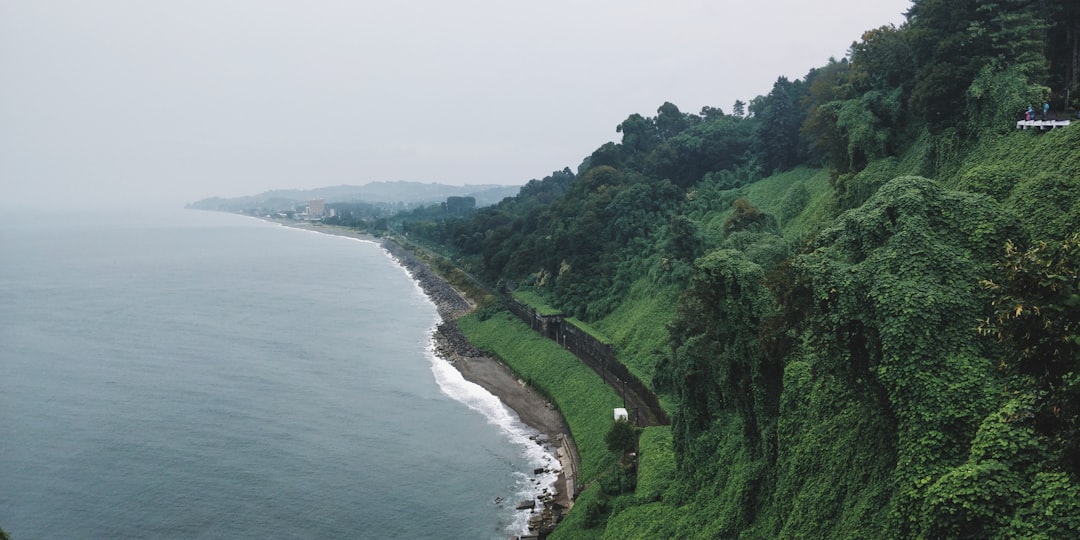
Batumi, the capital of Georgia’s Autonomous Republic of Adjara, sits on the Black Sea coast at just 3 metres above sea level, roughly 20 km north of the Turkish border. With a population of 169,095, it punches well above its weight as Georgia’s second-largest city and premier seaside resort. The city blends a 19th-century European-style boulevard district with Soviet-era architecture, glittering casino towers, and a subtropical backdrop of the Lesser Caucasus — a combination I’ve found nowhere else on the Black Sea.
Three Things Not to Miss in Batumi
- Batumi Boulevard — A 7 km seaside promenade lined with fountains, ferris wheels, and palm trees — the social heartbeat of the city.
- Old Town (Istoriul Ubani) — A walkable grid of ornate 19th-century mansions and wrought-iron balconies packed into just a few city blocks.
- Gonio Fortress — A Roman-era fortress dating back to the 1st century AD, just 12 km south of the city near the Turkish border.
Scroll down for our complete travel guide with tips on getting there, where to stay, costs and more.
How to Reach Batumi
How do I get to Batumi?
Fly into Batumi International Airport (BUS), located just 3 km from the city centre — one of the most conveniently placed airports I’ve encountered anywhere. Turkish Airlines connects via Istanbul, Wizz Air flies from several European hubs, and Georgian Airways links to Tbilisi. Alternatively, take the overnight train from Tbilisi, which covers the 375 km journey in roughly 5–6 hours and deposits you right in the city. My tip: the train is genuinely scenic through the Rioni Valley and costs under $15 in second class. The caveat most guides skip — flight options from Western Europe are limited, so Istanbul is almost always your hub.
Which airport is closest to Batumi?
Batumi International Airport (BUS) is your airport — it sits a mere 3 km southeast of the city centre, making it one of the easiest airport transfers I’ve experienced. A taxi into town takes 10 minutes and costs around $5–7. There is also a public bus (route 10) for roughly $0.27 if you’re travelling light. The honest caveat: BUS is a small regional airport with limited direct connections outside the Caucasus and Turkey. If you’re coming from most of Western Europe, you’ll transit through Istanbul Sabiha Gökçen or Tbilisi International (TBS), which adds 3–4 hours to your journey.
How long does the journey to Batumi take from Tbilisi?
From Tbilisi, Batumi is 375 km away — the overnight train takes 5.5 to 6 hours and the daytime express can do it in under 5 hours. By car via the East-West Highway it’s roughly 4.5 hours in normal traffic, though mountain sections near Kutaisi slow things down. Flying takes just 45 minutes in the air, but airport overhead makes the total door-to-door time closer to 3.5 hours. In my experience, the overnight sleeper train from Tbilisi’s Central Railway Station is the sweet spot — you board at 11 pm and wake up in Batumi. The trade-off: compartment quality is basic, so bring earplugs.
Do I need a car in Batumi?
No — for Batumi city itself, you absolutely do not need a car. The city centre, Old Town, Batumi Boulevard, and the casino strip are all walkable within 20 minutes of each other. Local minibuses (marshrutkas) and taxis via the Yandex Go app cover everything else for well under $2 per ride. I recommend a rental car only if you plan day trips to Mtirala National Park (21 km east) or the Adjarian highlands around Khulo, where public transport is infrequent. The hidden cost most travellers miss: parking in the centre is chaotic, and rental agencies near the airport charge $35–50 per day for a basic manual car.
Batumi Public Transport Explained
What are the best areas to stay in Batumi?
Stay in the Old Town or Boulevard zone for your first visit — you’re within walking distance of everything that matters. The New Boulevard strip (near the Alphabetic Tower) suits travellers who want high-rise sea-view hotels and easy casino access. Gonio, 12 km south, is a quieter beach village that pairs well with families or couples wanting to escape the nightlife noise. I personally prefer the Old Town for its character: cobblestone lanes, wine bars, and guesthouses in renovated mansions. The caveat: Old Town streets can be loud on summer weekends until 2 am, so request a rear-facing room if you’re a light sleeper.
What does accommodation cost per night in Batumi?
Budget guesthouses in the Old Town run $20–35 per night for a clean double room. A solid mid-range hotel on or near Batumi Boulevard — think Paragraph Resort or Hotel Iota — costs $60–110. The high-rise casino hotels like Radisson Blu Batumi push $150–220 in peak summer. In my experience, the best value sits in the $40–70 bracket: small boutique guesthouses with sea-view balconies that cost half what the big towers charge for a nearly identical view. Book directly with owners on Booking.com — many offer a 10–15% discount for direct message contact. The honest warning: prices nearly double in July and August compared to May.
How far in advance should I book accommodation in Batumi during high season?
For July and August, book at least 6–8 weeks in advance — Batumi is the top summer resort for Georgians, Armenians, and Turkish tourists, and the city fills fast. In my experience, the best mid-range rooms on Batumi Boulevard are gone by late May for peak summer weekends. For June and September, 3–4 weeks ahead is usually sufficient. Outside peak season (October through April), same-week bookings are fine. The trade-off nobody mentions: the cheap guesthouses in Old Town don’t list on major platforms — walk-in rates can be 30% lower in shoulder season if you’re comfortable negotiating in person.
What special accommodation types are available in Batumi?
Batumi offers genuinely unusual stays you won’t find in most Black Sea cities. Guesthouse stays in Old Town mansions — 19th-century buildings with original wooden balconies — cost $25–50 per night and give you a lived-in, non-touristy experience. The casino mega-resorts like Adjara Palace come with all-inclusive gambling credits, which is oddly entertaining even if you don’t gamble. For something off the beaten track, eco-guesthouses in Mtirala National Park (21 km east) charge around $30 per night including dinner and feel worlds away from the coastal strip. What surprised me: several locals rent full apartments on Airbnb for under $40 with sea views — far better value than comparable hotel rooms.
Neighbourhoods of Batumi
What are the must-sees in Batumi?
Walk the full 7 km of Batumi Boulevard at least once — it connects the city’s architectural eras from Belle Époque to Soviet to futuristic casino towers. Climb the Alphabetic Tower (130 m tall) for a panoramic view of the entire coastline. Explore Old Town’s Piazza Square, a photogenic pedestrian square ringed by Italian-Moorish architecture that was built as recently as 2012 but looks centuries old. Take a day trip to Gonio Fortress, a Roman-era site 12 km south. My tip: the Batumi Botanical Garden (9 km north of the centre) sits on a headland above the Black Sea and is one of the most beautiful gardens in the Caucasus — most first-timers skip it entirely.
What can I experience for free in Batumi?
Batumi is surprisingly generous with free experiences. The entire 7 km Boulevard — with its fountains, sculptures, and sunset views — costs nothing. The Ali and Nino kinetic sculpture (two 8-metre steel figures that merge and separate every hour) is a free landmark on the New Boulevard. Piazza Square is open 24 hours with free access. The Black Sea beach along the Boulevard is public and free, though it’s pebble rather than sand. In my experience, simply wandering Old Town’s backstreets between Pushkin and Lado Asatiani Streets is the most rewarding free activity — layers of Georgian, Ottoman, Russian, and Soviet architecture compressed into 10 square blocks. Sunday morning markets near Mbazari are free to browse and genuinely local.
Which day trips from Batumi are most worthwhile?
Mtirala National Park (21 km east, entry free) is my top recommendation — it’s one of the wettest corners of the Caucasus, with ancient rainforest, waterfalls, and zero crowds. Gonio Fortress (12 km south) takes just half a day and pairs well with a swim at Gonio beach. The highland village of Khulo (82 km northeast) requires a full day but delivers dramatic Adjarian mountain scenery and wooden mosque architecture found nowhere else in Georgia. If you have a car, the drive through Machakhela Gorge to the Turkish border takes 90 minutes and is stunning. The caveat: Khulo is accessible by marshrutka but departures are infrequent — check the Batumi Bus Station schedule the day before.
What local specialities should I try in Batumi?
Adjarian cuisine diverges meaningfully from standard Georgian food. The unmissable dish is Adjarian khachapuri — a boat-shaped bread filled with cheese, topped with a raw egg and butter, served bubbling hot for around $3–4 in local bakeries. Chirbuli (eggs scrambled with walnuts and tomatoes) costs under $2 at breakfast spots near the market. Try Ajapsandali, a rich vegetable stew, and churchkhela, walnut-filled grape-juice candy sold at every street stall for $1–2. My tip: eat at Retro restaurant on Memed Abashidze Street rather than the Boulevard tourist traps — portions are larger and prices run 30% lower. The honest warning: the tourist restaurants facing the sea charge nearly double for identical dishes.
What to See in Batumi
What makes Batumi unique compared to other Black Sea resort cities?
Batumi is the only Black Sea city I know that simultaneously functions as a subtropical rainforest gateway, a Las Vegas-style casino strip, and a UNESCO-adjacent historic town — all within 3 km of each other. The juxtaposition of Ottoman-era mosques, Soviet apartment blocks, and glittering casino towers is genuinely unlike anywhere else in the region. Georgia’s liberal visa policy (citizens of 95+ countries enter visa-free) makes it far more accessible than Russian Black Sea resorts. The subtropical microclimate means Batumi Botanical Garden hosts over 2,000 plant species from five continents. What surprised me most: the city has a functioning Georgian Orthodox cathedral, a working mosque, and an Armenian church within a 10-minute walk — an uncommon coexistence in the region.
How many days are worthwhile in Batumi?
3 full days covers the city comprehensively. Day 1: walk the Boulevard, Old Town, and Piazza Square. Day 2: Botanical Garden in the morning, Alphabetic Tower at sunset. Day 3: day trip to Mtirala or Gonio. Add a 4th day if you want to drive into the Adjarian highlands toward Khulo. I’ve seen travellers try to do Batumi as a single overnight from Tbilisi — it’s possible but you’ll miss the city’s slower pleasures, particularly the evening boulevard culture and the late-morning café scene in Old Town. The honest caveat: after 4 days, the city can feel small, and most travellers combine it with Kutaisi (100 km north) or a Caucasus mountain circuit.
When is the best time to visit Batumi?
June, July, August, and September are the confirmed best months based on climate data. June is my personal favourite — the sea is warm enough to swim (around 22°C), crowds are lighter than July, and prices are 20–30% lower than peak August. July and August bring the highest temperatures and the most energy on the Boulevard, but also the most tourists and noise. September is a hidden gem — warm days, calmer beaches, and the first hints of autumn colour in the Adjarian hills. The caveat most guides omit: Batumi is genuinely one of the wettest cities in the former Soviet Union, receiving over 2,400 mm of rainfall annually — even in summer, afternoon thunderstorms are common. Pack a compact umbrella regardless of season.
What is the weather like throughout the year in Batumi?
Batumi has a humid subtropical climate — lush and green year-round, but wet. Summers (June–August) are warm and humid, averaging 25–28°C, with frequent afternoon thunderstorms. Spring (April–May) is mild but rainy. Autumn (September–October) is my second favourite window — comfortable at 18–23°C with noticeably fewer tourists. Winter (November–March) is mild by Caucasus standards at 6–10°C but grey and persistently wet. What surprised me: snow in Batumi itself is rare due to the sea’s influence, but the Adjarian highlands just 40 km east can have deep snow by November. The botanical garden is worth visiting even in winter — the subtropical plantings stay green year-round.
Batumi Food Scene
When does Batumi get overcrowded?
The last two weeks of July and the first two weeks of August are when Batumi hits genuine overcrowding — hotel prices spike, the Boulevard is shoulder-to-shoulder after 7 pm, and restaurants near the seafront have hour-long waits. The city draws heavily from Georgia, Armenia, Azerbaijan, Turkey, and Israel during this window. In my experience, the pebble beach becomes uncomfortably packed during these weeks and finding a sun lounger by 10 am is impossible. My tip: if you must visit in August, base yourself in Gonio (12 km south) rather than the city centre — quieter beach, 15-minute taxi ride, and accommodation runs 20% cheaper. The casino hotels paradoxically feel less crowded than the mid-range options because of their sheer size.
Is there a worthwhile shoulder season in Batumi?
June and September are Batumi’s sweet spots — genuinely worthwhile shoulder months. In June, sea temperatures hit 21–22°C, the Boulevard festivals kick off, and you pay significantly less than August rates. September delivers arguably the best light of the year for photography, comfortable swimming temperatures of 23–24°C, and a palpable shift in atmosphere as the crowds thin. What surprised me: May is underrated too — the Botanical Garden is at its most spectacular with spring blooms, the city is quiet, and a mid-range hotel that costs $110 in August drops to $55–65. The honest caveat: May rain is frequent and the sea at 18°C is refreshing rather than warm — ideal for walkers, less so for beach lovers.
When does the beach and watersports season begin in Batumi?
The Black Sea at Batumi is swimable from late May, when water temperatures cross 19°C, though locals typically wait until June when it reaches 21–22°C. Watersports — jet skis, banana boats, parasailing — set up on the Batumi Beach strip in front of the Boulevard from 1 June and operate through September. A 20-minute jet ski rental costs around $15–20, parasailing runs $20–25. The beach itself is pebble, not sand — bring water shoes, as the rounded stones are hard on bare feet. My tip: the beach at Gonio (12 km south) is slightly sandier and far less crowded. The honest warning: the city beach has no lifeguards stationed at fixed posts — keep children in the shallow zones near the pier.
What does a daily budget cost in Batumi?
Budget travellers can manage on $35–50 per day — a guesthouse bed at $20–25, Adjarian khachapuri for $3–4, local transport at $0.27 per ride, and free boulevard walks. Mid-range comfort — a decent hotel, sit-down dinners, a museum or two — runs $80–120 per day for one person. A cheap meal costs around $11.49 and a mid-range dinner for two runs roughly $20.68 based on verified local prices. My tip: the biggest variable is alcohol — Georgian wine is excellent and a bottle at a local wine bar costs $8–12, but cocktails at Boulevard tourist bars hit $10 each and inflate budgets fast. The hidden cost most overlook: taxi overcharging without Yandex Go app — always book digitally.
Local Know-How for Batumi
Is Batumi more expensive than other parts of Georgia?
Yes — Batumi runs 20–40% more expensive than Tbilisi for accommodation and tourist-facing restaurants, particularly in July and August. Local food prices are comparable: an Adjarian khachapuri costs $3–4 whether you’re in Batumi or Kutaisi. The biggest price premium is on seafront accommodation and beach-adjacent dining, where tourist markup is aggressive. In my experience, stepping just two streets back from the Boulevard cuts restaurant prices by 30% immediately. A local marshrutka ride costs just $0.27 — identical to Tbilisi. The honest comparison: Batumi is cheap by Western European standards but is noticeably the priciest city in Georgia, ahead of even central Tbilisi’s Rustaveli Avenue hotel strip in peak summer.
How safe is Batumi?
Batumi is very safe for tourists — I’ve walked its streets at 2 am without concern. Georgia consistently ranks among the safest countries in Eastern Europe for violent crime. The main risks in Batumi are petty theft in crowded Boulevard areas during August, and occasional aggressive tout behaviour near casino entrances on Sherif Khimshiashvili Street. Women travelling solo report feeling comfortable in both daytime and evening settings across the Old Town and Boulevard. The honest caveat: casino areas attract a transient crowd and occasional scam attempts targeting tourists — if someone offers to help you exchange money outside a bank, decline. Use licensed exchange booths inside the Mbazari market for best rates and zero risk.
Is English widely spoken in Batumi?
English is spoken adequately in tourist-facing businesses — hotels, the main Boulevard restaurants, and tour operators all have English-speaking staff. However, step into a local bakery, a marshrutka, or a neighbourhood market and you’ll find Russian is far more useful than English. Georgian script is uniquely difficult to decode, so I recommend saving photos of your destination names in Georgian script to show drivers. The Yandex Go app sidesteps the language barrier for taxis entirely. My tip: learn three Georgian words — gmadlobt (thank you), gamarjoba (hello), and bodishi (excuse me) — locals respond with immediate warmth. The honest caveat: Turkish is increasingly spoken near the border zone and by many local traders, reflecting Batumi’s geographic proximity to Turkey.
Which apps do you recommend for visiting Batumi?
Yandex Go is non-negotiable for taxis — fixed prices, no haggling, available in English. Maps.me works offline and covers Georgian streets better than Google Maps in rural areas around Batumi. Booking.com is the dominant accommodation platform locally. For real-time transport schedules, the Batumi Transport app (available in Georgian and Russian) shows marshrutka routes in real time. Google Translate with the camera function handles Georgian script — point it at any menu or sign and it reads it for you. My tip: download Revolut before you arrive — it gives near-perfect exchange rates when withdrawing Georgian Lari from TBC Bank or Bank of Georgia ATMs on Rustaveli Avenue in Batumi, which charge no local fees.
Batumi at a Glance
| Population | 169,095 |
|---|
Source: Wikidata, retrieved August 2026.
Georgia › Batumi
More Destinations in Georgia
Essential Resources for Planning Your Trip to Batumi
- Auto-Transport | Visit Batumi — official visitor information, passes & events
- Wikipedia: Batumi — history, geography & background
- Wikivoyage: Batumi — community travel guide & practical tips
- Batumi travel – Lonely Planet | Georgia, Europe — expert itineraries & travel inspiration
- THE 15 BEST Things to Do in Batumi (2026) — hotels, restaurants & traveller reviews
- Georgia – Batumi ranks as the fifth best European destination — how to get around
- Numbeo: Cost of Living in Batumi — current prices & cost comparison
- Timeanddate: Batumi Weather & Climate — forecasts & climate statistics
More Perspectives on Batumi
- Top Things To Do In Batumi, Georgia
- 35 Awesome Things to Do in Batumi, Georgia
- Things to see and do in Batumi in 2026: My experience + tips
Batumi Travel Videos
Watch these videos for a visual preview before your trip:
- Batumi By a Local | Top Things to Do in Batumi | Visit Georgia | Batumi Travel Guide
- BATUMI City Travel Guide 2026 | Top Things to Do in Batumi City, Georgia
- Batumi, Georgia Travel Guide: Must-See Places and Travel to Batumi
Batumi Travel Discussions on Reddit
Real traveller experiences and community advice:
- r/travel – Batumi, Georgia
- What should I know before I visit Batumi ? : r/tbilisi
- What was your impression after visiting Batumi? Would you …
Data Sources
This page was compiled using data from Wikipedia, Wikidata, Open-Meteo (climate), Numbeo (cost of living) and REST Countries. Information is updated regularly.