
Île de Ratonneau: The Complete Travel Guide (2026)

Île de Ratonneau Travel Guide: Everything You Need to Know (2026)
Île de Ratonneau is one of the four Îles du Frioul, located just 3.5 km off the coast of Marseille in the Mediterranean Sea, reachable in under 25 minutes by ferry. The island covers roughly 90 hectares and sits at near sea level, forming part of a protected natural area with dramatic limestone cliffs and crystal-clear turquoise water. Together with its neighbor Île de Pomègues, to which it is connected by a causeway, it offers one of southern France’s most underrated escape destinations within striking distance of a major city.
Top 3 Highlights at a Glance
- Hôpital Caroline — A hauntingly preserved 19th-century quarantine hospital built in 1828, open for guided tours with panoramic island views.
- Plage de la Crique — A sheltered limestone cove with water visibility exceeding 10 meters, perfect for snorkeling without crowds.
- Sentier du Littoral Coastal Trail — A 7 km clifftop walking path circling the island with unobstructed views of Marseille and Château d’If.
Scroll down for our complete travel guide with tips on getting there, where to stay, costs and more.
Arrival & Airport
How do I get to Île de Ratonneau?
Take the Frioul If Express ferry from Marseille’s Vieux-Port — it is the only practical way to reach Île de Ratonneau. The crossing takes 25 minutes and ferries depart roughly every 60-90 minutes depending on season. In my experience, buy your return ticket at the Quai des Belges kiosk immediately on arrival to avoid missing the last boat. A return ticket costs approximately €20 per adult in 2025 pricing. Warning most guides omit: the last ferry back leaves earlier than you expect — often around 18:00 in low season — and missing it means an unplanned overnight stay with very limited accommodation options on the island.
Which airport is closest to Île de Ratonneau?
Marseille Provence Airport (MRS) in Marignane is the closest gateway, sitting 27 km northwest of Marseille city center. From MRS, take the Navette Marseille airport shuttle bus directly to Saint-Charles train station in about 25 minutes for roughly €10, then walk or take the metro Line 1 to Vieux-Port in under 10 minutes. I recommend booking the ferry to Île de Ratonneau for the following morning rather than same-day arrival, as flight delays easily cause you to miss the last afternoon departure. The airport also receives direct flights from London, Paris, and Amsterdam year-round.
How long does the journey to Île de Ratonneau take from Marseille?
Door-to-door from Vieux-Port in Marseille, the ferry reaches Île de Ratonneau in exactly 25 minutes. Factor in 15-20 minutes of queue time at the dock in summer — the line at Quai des Belges can stretch surprisingly long in July and August. My tip: arrive at the dock 45 minutes before departure during peak season to guarantee a seat on the boat you want. From Marseille Saint-Charles station, add another 10 minutes by metro to reach the ferry terminal. Total travel time from the airport to the island sits comfortably under 2 hours if connections align well.
Do I need a car to explore Île de Ratonneau?
Absolutely no car needed or even possible on Île de Ratonneau — no private vehicles are permitted on the island. Everything is explored on foot along the Sentier du Littoral, which covers the island’s perimeter in roughly 2-3 hours at a comfortable pace. What surprised me is how compact the island is: from the ferry dock at Port du Frioul to the far tip of Ratonneau is only about 2.5 km. Bring solid walking shoes, as the limestone paths are uneven and exposed. The only caveat: there is no bike rental on the island itself, so if you cycle from Marseille you cannot bring your own bike on the ferry.
City Transport
What are the best areas to stay when visiting Île de Ratonneau?
Accommodation directly on Île de Ratonneau is extremely limited — the island has no hotels. The small hamlet near Port du Frioul on Pomègues offers a handful of seasonal rental apartments and a campsite, but these book out months in advance. My recommendation: base yourself in Le Panier or the Vieux-Port district of Marseille and day-trip to Ratonneau, which makes far more logistical sense. If you want the island experience overnight, search Airbnb for ‘Frioul’ listings — around 5-10 properties exist but rent only in summer. The honest caveat: facilities on the island are minimal, with just 1 small snack bar open in season.
What does accommodation cost on or near Île de Ratonneau?
On the island itself, the rare Airbnb apartments near Port du Frioul start at approximately €120-€180 per night in summer, with no hotel alternative. In Marseille, a solid 3-star hotel in the Vieux-Port area runs €90-€140 per night in 2026 mid-range pricing. Budget travelers can find a decent room near Cours Julien for around €65-€80. My tip: the Sofitel Vieux-Port charges upward of €280 for views but you’re paying for the harbor panorama, not proximity to the ferry. What most guides omit: Marseille hotel prices spike hard on Bastille Day weekend (July 14) and during the Marseille Jazz Festival, so add at least 30% for those dates.
During high season, how far in advance should I book for Île de Ratonneau?
Book ferry tickets and any island accommodation at least 6-8 weeks in advance for July and August visits. The Frioul If Express ferry sells out on weekends in peak summer — I have personally seen the 10:00 Saturday morning departure fully booked by Thursday online. Marseille hotels near Vieux-Port fill up fast for mid-July to mid-August, the absolute peak. For shoulder season visits in June or September, booking 2-3 weeks ahead is generally sufficient. What most booking sites won’t tell you: the ferry operator’s website often releases same-week cancellation spots early in the morning, so check at 07:00 if you’re flexible.
Are there special accommodation types worth considering near Île de Ratonneau?
The most unique option near Île de Ratonneau is sleeping aboard a liveaboard sailing boat moored at Port du Frioul marina, which some private charter companies offer for roughly €200-€350 per night for two people including skipper. This puts you literally 200 meters from Ratonneau’s shore. In Marseille, the converted Villa Valmer hotel in the 8th arrondissement offers a boutique alternative with sea views toward the Frioul islands for around €180 per night. My experience: the chambres d’hôtes (B&Bs) in Le Panier neighborhood offer the most authentic Marseille feel for €75-€110, with hosts who genuinely know the island ferry schedules.
Accommodation & Neighbourhoods
What are the must-sees on Île de Ratonneau?
The Hôpital Caroline is the single unmissable site — a sprawling quarantine complex built in 1828 to isolate plague and cholera patients arriving by ship. Guided tours run in July and August for roughly €8 and reveal eerie intact wards and an extraordinary hilltop position. The Plage de la Crique on the island’s southern side has the clearest water I have seen within a 30-minute ferry ride of a major European city — bring a snorkel mask. The causeway walkway between Ratonneau and Pomègues gives unbeatable views of both islands and the Marseille skyline simultaneously. Skip the small commercial port area — it is unremarkable and crowded.
What can I experience for free on Île de Ratonneau?
The entire Sentier du Littoral coastal walking trail is free, delivering 7 km of clifftop Mediterranean scenery at zero cost beyond your ferry ticket. All swimming beaches including the best cove at the island’s southern tip are free with no sunbed rental culture — just bring your own towel. What surprised me: the exterior ruins of Hôpital Caroline can be explored freely even outside official guided tour hours — the outer walls and terraces are openly accessible year-round. Watching the sunset over Marseille from the island’s western promontory costs nothing and rivals any paid viewpoint in southern France. Snorkeling the rocky inlets costs only the ferry fare.
Which day trips from Île de Ratonneau are possible?
From the island, Château d’If — the famous fortress prison that inspired Alexandre Dumas — sits just 1.5 km away and is reachable by taking the same Frioul If Express ferry, which stops there en route for approximately €12 entry. Marseille’s MuCEM museum and Vieux-Port fish market (Marché du Poisson) are natural half-day complements once you return to the mainland. My recommendation: combine Ratonneau with a morning at Château d’If and an afternoon exploring the Calanques de Cassis by car or bus from Marseille — the contrast between island fortress and limestone fjords makes for an extraordinary single day. The Calanques National Park visitor center is only 20 km from Vieux-Port.
What local specialities should I try near Île de Ratonneau?
Bouillabaisse is the non-negotiable local obsession — the authentic version in Marseille contains at least 4 types of rockfish and costs €45-€65 per person at respected restaurants like Chez Fonfon in the Vallon des Auffes inlet. On the island itself, the snack bar at Port du Frioul serves decent grilled sea bream and local rosé wine from nearby Bandol AOC appellation. My tip: eat the fresh sea urchins (oursins) in winter months — local fishermen sell them at Vieux-Port market from November to April for about €12 per dozen, and they represent Marseille at its most authentic. Warning: avoid bouillabaisse priced under €30 — it will not be the real dish.
Highlights & Must-Sees
What makes Île de Ratonneau unique compared to other French island destinations?
Île de Ratonneau is uniquely positioned as a wild Mediterranean island reachable in 25 minutes from France’s second-largest city — that combination exists nowhere else in Europe at this scale. The island has no cars, no supermarkets, and no luxury resorts, which makes it genuinely undeveloped despite its proximity to 861,000 people in Marseille. The Hôpital Caroline, purpose-built in 1828 as a quarantine facility, is a historically specific monument unlike anything on Corsica, Porquerolles, or any other French island. What surprised me most: the water clarity around Ratonneau rivals the Greek islands, with visibility exceeding 10 meters, yet most international travelers have never heard of it.
How many days are worthwhile for Île de Ratonneau?
One full day is genuinely sufficient to see all of Île de Ratonneau — the island can be walked entirely in under 3 hours. I recommend taking the first morning ferry from Vieux-Port, spending 6-7 hours on the island including a swim, the coastal trail, and the Hôpital Caroline tour, then returning on the late afternoon boat. If you want a slower pace with swimming at multiple coves, 2 days with one overnight on the island or nearby Pomègues is ideal. Do not spend more than 2 nights unless you genuinely want to unplug completely — the island has almost no evening entertainment and the single snack bar closes by 20:00.
When is the best time to visit Île de Ratonneau?
June and September are objectively the best months — warm enough to swim (water temperature around 22-24°C), far fewer crowds than July-August, and full ferry schedules operating. My personal preference is early September, when the summer vacationers have left but the Mediterranean is at its warmest after months of sun. July and August deliver guaranteed sunshine but bring peak crowds on the ferry and on the beaches. What most guides omit: October visits are surprisingly pleasant for walking and photography, with dramatically lower visitor numbers, though the water drops to 18-19°C and the snack bar may already be closed for the season. Avoid January-February for swimming — air temperatures average just 9-11°C.
What are the local festivals worth attending near Île de Ratonneau?
The Fête de la Saint-Jean (June 24) is celebrated with bonfires on the Marseille waterfront and occasional boat gatherings near the Frioul islands — a genuinely local event rather than a tourist production. The Marseille Jazz des Cinq Continents festival runs for 10 days in mid-July with free outdoor concerts near Palais Longchamp, easily combined with a Ratonneau day trip. My tip: the Fête de la Mer (Festival of the Sea) in Marseille, typically held in late June, features decorated fishing boats departing from Vieux-Port toward the Frioul islands and is spectacular to watch from the island’s shore. Book your ferry tickets for festival weekends 8-10 weeks ahead — capacity fills completely.
Food & Drink
How does the weather affect activities on Île de Ratonneau?
The Mistral wind is the single biggest weather disruption on Île de Ratonneau — this powerful northerly can reach 80-100 km/h and causes ferry cancellations with zero warning, sometimes stranding visitors overnight. In my experience, check the Météo-France wind forecast every morning of your visit; anything above force 7 will cancel the Frioul If Express. Swimming is affected from November through April, when water drops below 17°C. The coastal trail becomes genuinely dangerous in wet conditions — limestone turns slick instantly. Positive caveat: the Mistral brings extraordinarily clear air, and post-Mistral days produce the best visibility for photography, often seeing 100 km to the Alps.
How crowded does Île de Ratonneau get in peak season?
On Saturday and Sunday in August, the island receives upward of 1,000 day visitors — significant for an island of 90 hectares. The main beach near Port du Frioul becomes genuinely packed by 11:00, with towels edge-to-edge. My strategy: take the first ferry at 07:30 and you will have the entire island to yourself for 2-3 hours before the crowds arrive. The southern coves are always quieter than the main beach because reaching them requires a 20-minute walk on rough terrain. What most guides omit: weekdays in peak season are dramatically calmer — a Tuesday in late July feels like shoulder season compared to any summer weekend. Hôpital Caroline tours sell out in high season.
How safe is Île de Ratonneau?
Île de Ratonneau itself is extremely safe — crime is virtually nonexistent on a car-free island with limited overnight population. The primary physical dangers are slipping on wet limestone paths and sun exposure on the exposed trail with almost no shade for stretches of 1-2 km. Bring SPF 50+ sunscreen and at least 1.5 liters of water per person — there is only 1 water point near the port. Swimming safety: several coves have no lifeguards and strong underwater currents in the rocky channel between Ratonneau and Pomègues — do not swim in the channel itself. In Marseille, the Vieux-Port and Le Panier areas are safe, but I recommend staying alert around Belsunce and Noailles after dark.
Is English widely spoken on Île de Ratonneau and in Marseille?
On Île de Ratonneau itself, English is spoken by almost no one at the snack bar or ferry dock staff — basic French phrases are essential. In Marseille, English is understood in tourist zones like Vieux-Port, the Frioul ferry office, and MuCEM museum, but Marseille is notably less English-friendly than Paris — locals take genuine pride in French language here. My tip: learn 5 key French phrases before your trip, including how to ask about the last ferry time (‘À quelle heure part le dernier bateau?’). The Frioul If Express booking website is available in English. What surprised me: Marseille has a large Italian and North African-influenced local culture, and some older residents speak better Italian than English.
Practical Tips
What is the daily budget for visiting Île de Ratonneau?
A realistic daily budget for Île de Ratonneau as a day trip from Marseille runs €45-€65 per person. Breakdown: €20 return ferry, €8 Hôpital Caroline tour, €12-15 for lunch at the port snack bar (grilled fish and rosé wine), and €5-10 for snacks and water. If you add a Château d’If stop, budget an additional €12 entry. Staying overnight on the island adds €120-€180 for accommodation. In Marseille the night before, a good dinner at a Cours Julien restaurant costs around €25-€35 per person including wine. My honest assessment: this is one of the most affordable Mediterranean island experiences in Western Europe when treated as a day trip from a city base.
How does public transport work around Île de Ratonneau and Marseille?
The Frioul If Express ferry is the only public transport connecting Île de Ratonneau to the mainland, running from Vieux-Port with departures roughly every 60-90 minutes in summer and reduced to 3-4 daily sailings in winter. In Marseille, the RTM network covers metro, tram, and bus — a day pass costs €5.60 and covers all modes. Metro Line 1 connects Saint-Charles station to Vieux-Port (Estrangin-Préfecture stop) in 8 minutes. My tip: the Vélo’V bike-share network has stations at Vieux-Port and covers 130 km of cycling paths across Marseille, useful for reaching the ferry quickly from most neighborhoods. On the island itself there is no public transport — everything is on foot.
Which apps do you recommend for visiting Île de Ratonneau?
I recommend 4 essential apps: First, Frioul If Express official app (or their website — book ferry tickets here to avoid queue stress at the dock). Second, Météo-France app — non-negotiable for checking Mistral wind forecasts before your crossing; ferries cancel at force 7+ and this app gives 48-hour wind speeds. Third, Maps.me with the Marseille offline map downloaded — mobile signal on the island is weak and Google Maps drains battery fast. Fourth, Komoot for the Sentier du Littoral trail GPX route, which shows the exact path around Ratonneau’s cliffs. My tip: download all maps the night before in your Marseille hotel — the island has no reliable 4G signal on its western side.
More Destinations in Europe
Explore our complete travel guides for more Europe destinations: Tours Travel Guide (2026), Tours Travel Guide (2026), Île de Frioul Travel Guide (2026), Málaga Travel Guide (2026), Burgund Travel Guide (2026).
Useful Resources for Planning Your Trip to Île de Ratonneau
- Wikipedia: Île de Ratonneau — history, geography and background
- Lonely Planet: Île de Ratonneau — itineraries and travel inspiration
- TripAdvisor: Île de Ratonneau — hotels, restaurants and traveller reviews
🎥 Île de Ratonneau Travel Videos
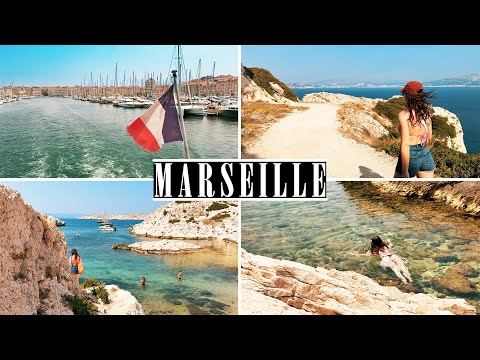
MARSEILLE: Discover The Beauty of The Frioul Islands (France)
Ursus Brown Travel
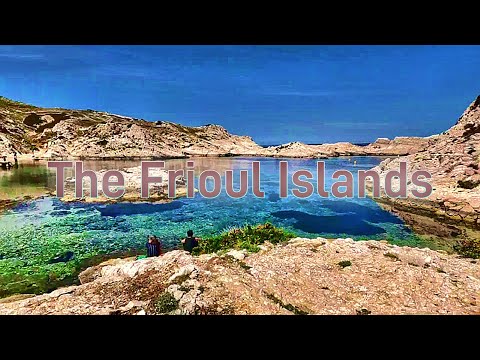
Most people don’t know this place before travelling to …
Ursus Brown Travel
You are currently viewing a placeholder content from Vimeo. To access the actual content, click the button below. Please note that doing so will share data with third-party providers.
More InformationYou are currently viewing a placeholder content from YouTube. To access the actual content, click the button below. Please note that doing so will share data with third-party providers.
More InformationYou need to load content from reCAPTCHA to submit the form. Please note that doing so will share data with third-party providers.
More InformationYou are currently viewing a placeholder content from GetYourGuide. To access the actual content, click the button below. Please note that doing so will share data with third-party providers.
More Information