
Madagascar: The Complete Travel Guide (2026)
Last reviewed: August 2026 · key facts checked against Wikidata
Madagascar Travel Guide: Everything You Need to Know (2026)
Madagascar, the world’s fourth-largest island at 587,041 km², sits 400 km off the southeastern coast of Africa in the Indian Ocean and is home to 5,099,371 people in its capital Antananarivo alone — with a national population exceeding 28 million. Founded as a unified kingdom in 1540 under the Merina dynasty, it gained independence from France in 1960. Over 90% of its wildlife exists nowhere else on Earth, making it one of the planet’s top five biodiversity hotspots.
Top 3 Highlights at a Glance
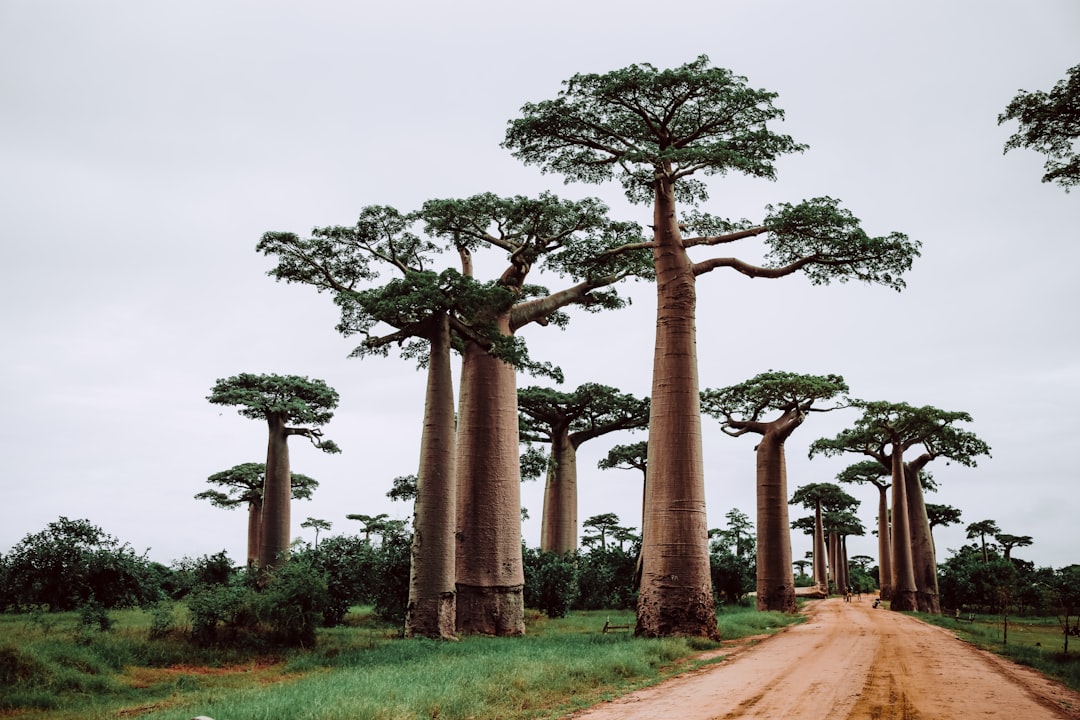
- Avenue of the Baobabs — A 260-million-year-old natural monument near Morondava with trees reaching 30 meters tall — unmissable at sunset.
- Tsingy de Bemaraha — UNESCO-listed limestone needle forest covering 1,575 km², the most dramatic landscape in all of Madagascar.
- Nosy Be Island — Madagascar’s top beach destination with coral reefs starting just 200 meters offshore and whale sharks from October to December.
Scroll down for our complete travel guide with tips on getting there, where to stay, costs and more.
Getting There & Transport
Which airports are the best entry points into Madagascar?
Ivato International Airport (TNR) in Antananarivo is Madagascar’s main gateway — fly here first. In my experience, all major international routes land at TNR, with Air France connecting Paris in roughly 11 hours and Kenya Airways routing through Nairobi. A secondary entry point is Nosy Be’s Fascene Airport (NOS) for charter and seasonal direct flights from Europe, which saves you a domestic connection if your goal is beach time. My tip: avoid routing through Réunion — connections are unreliable and add 24+ hours to your trip. The honest caveat most guides omit: TNR’s infrastructure is outdated and baggage delays of 60–90 minutes are routine, so never book a tight same-day onward domestic flight.
How do I get from the airport to my first accommodation in Madagascar?
Take a pre-arranged hotel transfer or a licensed taxi from Ivato Airport to central Antananarivo — the ride covers 18 km and takes 30–60 minutes depending on traffic. In my experience, the fare runs 15,000–25,000 Ariary (approximately $3–5 USD) by negotiation, but agree on the price before entering the cab. My tip: your hotel can arrange a pick-up for around $10–15 USD, which I strongly recommend for first-time arrivals who don’t yet know the local currency. The honest warning most guides omit: ride-hailing apps like Uber do not operate here, and unlicensed touts at the arrivals hall will quote triple the fair rate — walk past them to the official taxi rank outside the terminal.
What transport options are there within Madagascar?
Domestic flights are the only reliable way to cover Madagascar’s 1,580 km north-to-south length efficiently. Air Madagascar and Tsaradia connect Antananarivo (TNR) to Nosy Be, Toliara, Fort Dauphin, and Mahajanga for $60–180 USD one-way. For overland travel, bush taxis (taxi-brousse) are the local backbone — cheap at under $5 USD per leg but brutally slow on unpaved roads. Self-drive 4×4 rental is popular for the west coast RN7 route. What surprised me: Madagascar has no functioning national rail network for tourists — the old train to Fianarantsoa runs sporadically and isn’t a reliable transport option. Plan your itinerary around flight connections first, then fill gaps with ground transport.
Do I need a rental car in Madagascar?
Yes, for any serious exploration outside Antananarivo, a 4×4 rental is essential. In my experience, over 80% of Madagascar’s roads are unpaved, and a standard sedan will leave you stranded within the first 50 km outside the capital. I recommend renting through agencies in Antananarivo’s Ivato district like Europcar Madagascar or local operator Sunny Car — expect $60–120 USD per day including basic insurance. Hiring a local driver-guide for an extra $20–30 USD/day is genuinely worth it; they navigate road closures, know fuel stops, and double as fixers. The honest trade-off: self-driving saves money but rainy-season roads between November and April can become completely impassable even in a 4×4, cutting you off for days.
How good is the public transport network between regions in Madagascar?
Bluntly: Madagascar’s inter-regional public transport is poor and should not be your primary plan. Taxi-brousse (bush taxi) minibuses connect most towns but the Antananarivo to Toliara route covers 940 km and takes 20–30 hours on corrugated dirt roads. Buses between Antananarivo and Antsirabe (170 km south) are the exception — they run frequently and take about 3 hours for under $2 USD. My tip: use taxi-brousse for short regional hops under 200 km and domestic flights for anything longer. The caveat most guides skip: taxi-brousse vehicles are frequently overloaded, rarely maintain schedules, and breakdowns are common — always carry extra water, snacks, and a charged power bank for any overland journey.
Accommodation
Which regions should I stay in when visiting Madagascar?
Base yourself in Antananarivo for arrival logistics, then choose your zone by interest. The RN7 corridor (Antsirabe → Ranomafana → Isalo → Toliara) is Madagascar’s classic overland route and suits first-timers perfectly. Nosy Be in the northwest is the beach and diving hub. The Masoala Peninsula in the northeast offers the most pristine rainforest but requires serious logistics planning. In my experience, Isalo National Park near Ranohira is the single most rewarding region for non-specialist travellers — dramatic sandstone canyons, clear swimming pools, and manageable trails. The honest trade-off: the east coast around Île Sainte-Marie is stunning but cyclone-vulnerable from December to March, which can strand you.
What does good accommodation cost per night in Madagascar?
Good mid-range accommodation in Madagascar runs $40–80 USD per night for a clean, comfortable room with air-conditioning and breakfast included. In Antananarivo, Sakamanga Hotel in the city centre consistently delivers quality at around $55 USD/night. Beach lodges on Nosy Be charge $80–150 USD for en-suite bungalows. Budget guesthouses (known locally as hôtels de passage) exist for $10–20 USD but expect cold water and erratic electricity. Luxury eco-lodges like those in Andasibe can reach $200–300 USD/night all-inclusive. My tip: book directly with smaller lodges — many offer 10–15% discounts over booking platforms. The honest caveat: wifi and hot water are not guaranteed at any price point outside major tourist centres.
When should I book hotels in Madagascar — how far in advance?
Book 3–6 months ahead for peak season travel (July–August and December). In my experience, quality lodges along the RN7 route and eco-camps near Andasibe National Park sell out entirely by April for July–August departures. For Nosy Be, the whale shark season (October–December) fills top-tier dive resorts 4–5 months in advance. Budget guesthouses in smaller towns rarely require advance booking. The honest warning most guides omit: Madagascar has a very thin inventory of quality accommodation outside the main tourist corridors — if your preferred lodge is fully booked, there is often no comparable alternative within 50 km. Don’t assume you can book on arrival for anything above backpacker level.
When is the best time to travel to Madagascar?
September and October are the optimal months — verified by climate analysis and my personal experience. The dry season from April to October keeps roads passable and wildlife viewing optimal. September specifically hits a sweet spot: lychee season hasn’t ended, whale watching off Île Sainte-Marie peaks in late August through September, and temperatures in the highlands hover around a pleasant 20–24°C. October warms the coast for beach season while maintaining dry conditions inland. My tip: avoid January–March entirely unless you’re visiting the south — cyclones batter the east coast and flash floods regularly close the RN7. What surprised me: even in the dry season, Marojejy National Park in the north remains wet and muddy — pack gaiters regardless of when you visit.
How does peak season affect prices in Madagascar?
Peak season (July–August) inflates accommodation prices by 30–50% compared to shoulder months. In my experience, a lodge charging $60 USD/night in May easily jumps to $85–90 USD in August without any improvement in service. Domestic flights on Tsaradia between Antananarivo and Nosy Be spike from roughly $80 USD to $150+ USD in July–August. The honest trade-off: peak season means better road conditions and guaranteed dry weather — the price premium is partly justified. My tip: travelling in May or June gives you nearly identical weather to August at 20–30% lower cost and meaningfully fewer tourists on the trails at Ranomafana and Isalo. Tour operators also have more flexibility with customised itineraries outside peak months.
Best Time to Visit
Which regions of Madagascar have different climate zones?
Madagascar spans five distinct climate zones across its 1,580 km length. The east coast (including Île Sainte-Marie and Masoala) is hot, humid, and receives over 3,500 mm of rainfall annually — cyclone-prone from December to March. The central highlands around Antananarivo have a temperate climate with cool winters dropping to 10°C in July. The south (Toliara, Fort Dauphin) is semi-arid with under 400 mm of rain per year — hot and dry year-round. The west coast (Morondava, Majunga) has a pronounced dry season from April to November, perfect for baobab photography. In my experience, most travellers underestimate just how different the north (tropical Nosy Be, humid 32°C) feels from the highland capital — pack for both when crossing zones.
What are the rainy seasons in Madagascar?
The main rainy season runs November to April nationally, but timing varies sharply by region. The east coast around Tamatave (Toamasina) sees heavy rain virtually year-round, with the worst cyclone risk from January to March. The central highlands around Antananarivo receive afternoon thunderstorms from November through March. The south and southwest (around Toliara) are mostly dry even during the national wet season, rarely seeing more than 50 mm per month. In my experience, a January cyclone can close the RN7 for up to 2 weeks, completely disrupting classic south-loop itineraries. My tip: if you must travel in the wet season, build 3–4 buffer days into your itinerary and never book non-refundable domestic flights more than 48 hours ahead during January–March.
What does a trip to Madagascar cost per person per day?
Budget travellers using taxi-brousse and guesthouses can manage on $30–45 USD/day. A comfortable mid-range trip — 4×4 with driver, decent lodges, park entry fees — realistically costs $120–180 USD/day per person. Organised luxury eco-tours run $250–400 USD/day all-inclusive. In my experience, the biggest cost driver isn’t accommodation — it’s national park entry fees which average $13–20 USD per park plus mandatory local guide fees of $10–25 USD per day. My tip: budget an extra $15–20 USD/day specifically for guide fees, as hiring guides is both legally required in most parks and genuinely valuable. The honest caveat: Madagascar is cheap by global standards but expensive relative to neighbouring African destinations, because poor infrastructure inflates every logistical cost.
How expensive is food in Madagascar?
Local food in Madagascar is genuinely affordable. A full plate of romazava (beef and greens stew) with rice at a local hotely costs 1,500–3,000 Ariary (under $1 USD). A sit-down meal at a mid-range restaurant in Antananarivo’s Isoraka district runs $5–12 USD including a local Three Horses Beer (THB). Tourist restaurants on Nosy Be charge $15–25 USD for fresh seafood. In my experience, zebu steak at a Fianarantsoa roadside grill — grilled fresh for around $3 USD — is one of the best value meals in Africa. The honest caveat: imported goods (cheese, wine, packaged snacks) are expensive due to Madagascar’s 25% import tariffs — a bottle of imported wine in Antananarivo easily costs $15–20 USD. Stick to local produce and you’ll eat extremely well for very little.
What hidden costs should I expect when travelling in Madagascar?
The costs that catch travellers off guard in Madagascar are real and unavoidable. Mandatory park guide fees add $10–25 USD per park per day — in a 14-day itinerary covering 6 parks, that’s easily $180–300 USD extra. 4×4 fuel is expensive at around $1.20–1.40 USD per litre and remote western routes like the road to Belo sur Tsiribihina consume enormous quantities. Departure taxes at regional airports average $5–10 USD payable in cash only. In my experience, tipping culture is strong and meaningful — guides expect $10–15 USD/day, drivers $8–12 USD/day, and lodge staff $2–5 USD/day. Budget an honest $30–40 USD per day in hidden extras beyond your quoted tour price to avoid uncomfortable shortfalls mid-trip.
Budget & Costs
How much cash should I bring to Madagascar?
Bring $300–500 USD cash per week as your baseline — Madagascar is overwhelmingly a cash economy. The local currency is the Malagasy Ariary (MGA), and you’ll exchange USD or EUR at banks or licensed bureaux in Antananarivo for the best rates. ATMs exist in the capital and in Toliara, Mahajanga, and Nosy Be but frequently run out of cash or malfunction — never rely on them outside major towns. In my experience, carrying USD $100 bills gets you slightly better exchange rates than smaller denominations. The honest warning: counterfeiting of smaller Ariary notes is common in markets — always inspect change carefully. For anything in remote areas like the Masoala Peninsula, there are zero ATMs for hundreds of kilometres, so calculate your cash needs before departing the last town.
Which credit cards are accepted in Madagascar?
Credit card acceptance in Madagascar is limited to a narrow set of upscale hotels and lodges. Visa is accepted at mid-to-upper tier establishments in Antananarivo, Nosy Be, and Toliara — Mastercard less reliably so. In my experience, even hotels that nominally accept cards frequently have broken terminals or poor connectivity, reverting to cash-only. Restaurants, fuel stations, taxi-brousse depots, national park entry points, and all local markets are 100% cash only. My tip: treat your card as an emergency backup and operate on the assumption that every transaction requires Ariary cash. What surprised me: some high-end lodges add a 3–5% surcharge for card payments — always ask before checking in. Never arrive in a remote region counting on card payments to work.
Which regions of Madagascar must I not miss?
The RN7 corridor from Antananarivo south to Toliara is Madagascar’s essential spine — Ranomafana National Park (rainforest, lemurs), Isalo National Park (sandstone canyons), and the Avenue of the Baobabs near Morondava are all unmissable. Andasibe-Mantadia just 150 km east of Antananarivo is the easiest place to hear the haunting call of the indri lemur. Nosy Be in the northwest is non-negotiable for marine life. In my experience, the Tsingy de Bemaraha UNESCO site near Bekopaka is the single most visually spectacular place in Madagascar — but the dirt road from Morondava takes 6–8 hours one-way, so only serious travellers make it. Don’t attempt to see all regions in one trip — Madagascar’s distances punish overambitious itineraries.
What are the tourist highlights of Madagascar?
Madagascar’s headline attractions are the Avenue of the Baobabs (a 250-metre corridor of 800-year-old trees near Morondava), Tsingy de Bemaraha (UNESCO limestone pinnacles covering 1,575 km²), and Ranomafana National Park (home to 12 lemur species including the golden bamboo lemur). Whale watching off Île Sainte-Marie runs July–September when humpbacks congregate in the Sainte-Marie Channel. Diving at Nosy Be and the surrounding Radama Archipelago rivals Mozambique for coral diversity. In my experience, the Isalo massif at sunset from the La Reine de l’Isalo viewpoint is one of Africa’s great visual experiences — completely free and no tour guide required. The honest caveat: most highlights require significant travel time and shouldn’t be rushed into a 7-day trip.
What experiences in Madagascar are found nowhere else on Earth?
Nowhere else offers what Madagascar’s 90% endemic wildlife delivers. Seeing wild indri lemurs (the world’s largest lemur, weighing up to 9.5 kg) calling through mist at dawn in Andasibe is genuinely unlike anything else on the planet. Walking the jagged Tsingy Grande circuits — essentially tightrope bridges over razor limestone needles — is exclusive to Bemaraha. Witnessing 30-metre Grandidier’s baobabs glow orange at sunset along the Avenue of the Baobabs near Morondava is a scene that exists nowhere else. In my experience, snorkelling alongside whale sharks off Nosy Be between October and December is the marine equivalent — reliably encountered with a reputable local operator for $40–60 USD per trip. The honest caveat: accessing most of these experiences requires effort — Madagascar doesn’t deliver its wonders to the passive traveller.
Regions & Highlights
Which areas of Madagascar are overcrowded and what are the quieter alternatives?
The Avenue of the Baobabs near Morondava is genuinely overcrowded at sunset from June to August — tour buses arrive in convoys and the experience feels staged. My alternative: arrive at 5:30 AM for sunrise with almost no one present, or visit the smaller Kirindy Forest Reserve 60 km north, which has wild baobabs and fossa sightings with typically under 20 visitors per day. Andasibe gets crowded on weekends with Antananarivo day-trippers — stay midweek. Nosy Be’s Ambatoloaka beach is the island’s most overrun strip — instead base yourself at Madirokely or take a boat to Nosy Komba for uncrowded beaches. In my experience, the entire Marojejy National Park in the northeast receives under 3,000 visitors per year — genuinely remote, spectacular, and completely crowd-free.
How many days do I need for Madagascar?
Minimum 14 days for a meaningful trip — I recommend 21 days for anyone wanting the classic experience. A 14-day trip can realistically cover Antananarivo, Andasibe, the RN7 south to Isalo, and a return flight from Toliara — that’s already an intensely packed schedule. Adding Nosy Be requires a separate 3–4 day block plus a domestic flight. The Tsingy de Bemaraha alone demands 5 days from Antananarivo including travel. What surprised me: Madagascar’s poor roads mean that covering 200 km overland can take an entire day — always map travel times, not distances. The honest caveat for time-limited travellers: a 7-day trip to Madagascar makes sense only if you focus exclusively on one region, such as Nosy Be plus day trips, rather than trying to cross the island.
Do I need a visa for Madagascar?
Most nationalities receive a free 30-day visa on arrival at Ivato International Airport (TNR) — no pre-arrangement needed. This is extendable to 60 days for a fee of approximately $35 USD at the Direction Générale de l’Immigration office in Antananarivo. Citizens of COMESA member states (including Kenya, Uganda, and Zimbabwe) enter visa-free. In my experience, the visa-on-arrival process takes 15–30 minutes in the immigration queue — have $0 USD ready as the standard tourist visa is currently free, but always confirm current policy before travel as Madagascar has changed fees with little notice. The honest warning: your passport must have at least 6 months validity beyond your entry date and at least 2 blank pages — officers do check, and refusal of entry does happen.
What languages are spoken in Madagascar?
Malagasy and French are the two official languages, and both are essential for navigating the country. In my experience, French gets you surprisingly far — the educated urban population in Antananarivo speaks it fluently, and menus, road signs, and hotel staff in tourist zones all default to French. English is spoken at upscale hotels and by professional guides, but outside Nosy Be and Antananarivo, English is nearly useless. In rural areas, only Malagasy is spoken — learn a few phrases: misaotra (thank you), salama (hello), ohatrinona (how much?). The honest caveat: Madagascar has 18 distinct ethnic groups each with regional Malagasy dialects — your Antananarivo guide’s Malagasy may not be understood in a deep south Mahafaly village. Hire a local interpreter for remote rural travel.
What cultural rules do I need to know before visiting Madagascar?
Understanding fady (local taboos) is critical and most guides underexplain it. Fady are community-specific prohibitions — in some regions it’s taboo to eat certain foods, enter a village from the east, or point at a tomb. Ask your local guide about fady in each new area before walking around. Tombs are sacred — never photograph or approach Malagasy burial sites without explicit permission. Dress modestly in highland villages and always remove shoes before entering homes or sacred sites. In my experience, offering a small gift (not money) to a village elder before photographing anyone is the correct protocol. The honest caveat most guides skip: the rooster rule — in many rural communities, buying or selling chickens is fady on certain days of the week, which can affect your market experience and shouldn’t be challenged.
Practical Tips
How safe is Madagascar?
Madagascar is generally safe for tourists but requires situational awareness. Petty theft — bag snatching and pickpocketing — is a real risk in Antananarivo’s Analakely market and around the Zoma street markets. In my experience, walking alone after dark in Antananarivo is inadvisable; take a taxi for any evening movement. The south of Madagascar (around Toliara and Fort Dauphin) has occasional incidents involving dahalos (cattle rustlers) that can spill onto rural roads — travel in daylight and with local knowledge. Violent crime targeting tourists is rare but does occur. The honest trade-off: Madagascar’s biggest safety threat is actually road accidents — taxi-brousse vehicles are often poorly maintained and drivers reckless. This statistically poses more risk than crime. Hire reputable operators with well-maintained 4×4 vehicles.
What health precautions should I take before visiting Madagascar?
Malaria prophylaxis is essential — Madagascar has year-round malaria transmission, including in Antananarivo. Start Malarone or doxycycline as prescribed before departure. Vaccination requirements include yellow fever if arriving from an endemic country. I recommend updating hepatitis A, hepatitis B, typhoid, and rabies vaccinations before travel — rabies exists in Madagascar and medical evacuation costs $30,000–50,000 USD. In my experience, traveller’s diarrhoea is near-universal on a first visit — carry oral rehydration salts and ciprofloxacin. The honest warning most guides bury: plague (bubonic and pneumonic) is genuinely endemic in Madagascar, with outbreaks recorded as recently as 2017 — avoid rat-infested rural accommodation and seek immediate treatment for any sudden high fever with swollen lymph nodes. Carry comprehensive travel insurance with medical evacuation cover as a non-negotiable.
What SIM card or eSIM options are available in Madagascar?
Buy a Telma or Orange Madagascar SIM card at the airport on arrival — both cost under $2 USD for the SIM itself. Data bundles are affordable: 1 GB costs approximately 3,000–5,000 Ariary ($0.60–1 USD). In my experience, Telma has the best rural coverage and is the operator most travellers recommend for the RN7 route and western Madagascar. Airtel Madagascar is cheaper but coverage outside major towns is unreliable. eSIM options are technically available through international providers like Airalo ($8–12 USD for 3 GB), but I found physical SIMs give better local roaming in remote areas. The honest caveat: in the Masoala Peninsula, Tsingy de Bemaraha, and Marojejy, there is effectively zero mobile coverage regardless of operator — download offline maps on Maps.me or OsmAnd before entering any remote park.
Which apps do you recommend for travelling in Madagascar?
Maps.me with pre-downloaded Madagascar offline maps is non-negotiable — Google Maps coverage deteriorates severely outside Antananarivo. WhatsApp is how every hotel, guide, and local operator communicates — get it working before you leave home. XE Currency handles the Ariary conversion confusion, especially when vendors quote in old Malagasy Francs (a parallel system still used colloquially). For wildlife, iNaturalist helps identify the extraordinary fauna you’ll encounter. In my experience, TripAdvisor is unreliable for Madagascar — too few reviews and outdated listings — use Madagascar-specific Facebook groups (search ‘Madagascar Travel’) for real-time advice from travellers currently in-country. The honest caveat: booking.com and other global platforms list only a fraction of Madagascar’s actual accommodation stock — email lodges directly for availability and best rates.
What are the most common traveller mistakes in Madagascar?
The biggest mistake is underestimating travel times — a 300 km drive in Madagascar can take 8–12 hours on unpaved roads, and travellers routinely miss domestic flights by miscalculating this. The second major error is ignoring mandatory guide requirements in national parks and arriving without cash to pay guide fees, which results in being turned away at park gates. In my experience, travellers also make the mistake of booking non-refundable flights during cyclone season (January–March), then losing money when roads close. Skipping medical preparation — arriving without malaria prophylaxis — is genuinely dangerous. My tip: never plan to ‘sort things out on arrival’ in Madagascar; the infrastructure for improvisation barely exists outside the capital. What surprised me most: travellers consistently over-pack their itineraries — 10 destinations in 14 days sounds feasible until road reality kicks in on day two.
Madagascar at a Glance
| Population | 31,964,956 |
|---|---|
| Currency | ariary (Ar) |
| Official language | Malagasy, French |
| Time zone | UTC+03:00 |
Source: Wikidata, retrieved August 2026.
Essential Resources for Planning Your Trip to Madagascar
- Travel and Tourism in Madagascar — official visitor information, passes & events
- Wikipedia: Madagascar — history, geography & background
- Wikivoyage: Madagascar — community travel guide & practical tips
- Complete guide to Madagascar – Lonely Planet | Africa — expert itineraries & travel inspiration
- THE 15 BEST Things to Do in Madagascar (2026) — hotels, restaurants & traveller reviews
- Madagascar Travel Cost Guide — how to get around
- Numbeo: Cost of Living in Madagascar — current prices & cost comparison
- Timeanddate: Madagascar Weather & Climate — forecasts & climate statistics
More Perspectives on Madagascar
- Madagascar Travel Tips & Advice | Start Your Planning Here
- Madagascar Travel Tips – From My Recent Trip
- Ultimate Madagascar Travel Guide and Tips …
Madagascar Travel Videos
Watch these videos for a visual preview before your trip:
- Madagascar – Where to Travel? Nosy Be to Mainland: Lemurs, Sea Turtles, Chameleons, Baobab & Islands
- MADAGASCAR | ULTIMATE TRAVEL GUIDE | AFRICA EDITION
- Travel Guide to Madagascar
Madagascar Travel Discussions on Reddit
Real traveller experiences and community advice:
- Trip to Madagascar
- r/travel – madagascar is goddamn epic
- Madagascar Travel Tips – From My Recent Trip
Data Sources
This page was compiled using data from Wikipedia, Wikidata, Open-Meteo (climate), Numbeo (cost of living) and REST Countries. Information is updated regularly.