
Malaysia: The Complete Travel Guide (2026)
Last reviewed: August 2026 · key facts checked against Wikidata
Malaysia Travel Guide: Everything You Need to Know (2026)
Malaysia is a Southeast Asian federal monarchy of 34,231,700 people split between Peninsular Malaysia and East Malaysia on Borneo, separated by up to 1,500 km of South China Sea. Founded as an independent nation in 1957, it packs 13 states across two distinct landmasses, from sea-level rainforest to Mount Kinabalu at 4,095 m. With over 26 million tourists annually pre-pandemic, it remains one of Asia’s most accessible yet genuinely diverse destinations.
Top 3 Highlights at a Glance
- Mount Kinabalu, Sabah — Southeast Asia’s highest peak at 4,095 m offers a two-day summit climb through six climate zones.
- George Town, Penang — A UNESCO-listed colonial streetscape packed with the best hawker food in Asia — char kway teow costs under RM5.
- Mulu Caves, Sarawak — The Sarawak Chamber is the world’s largest cave chamber, big enough to hold 40 Boeing 747s.
Scroll down for our complete travel guide with tips on getting there, where to stay, costs and more.
Getting There & Transport
Which airports are the best entry points into Malaysia?
Kuala Lumpur International Airport (KUL) is your primary gateway, handling the vast majority of international flights. In my experience, KLIA Terminal 1 handles full-service carriers while KLIA2 handles AirAsia and most budget flights — check carefully or you’ll be at the wrong terminal 60 km from the city. For East Malaysia, fly directly into Kota Kinabalu International (BKI) for Sabah or Kuching International (KCH) for Sarawak — transiting through KL to reach Borneo adds unnecessary hours. Penang International (PEN) is ideal if you’re starting in the north. My tip: AirAsia connects all these hubs domestically at prices often under RM80.
How do I get from the airport to my first accommodation in Malaysia?
From KLIA or KLIA2, take the KLIA Ekspres train — it runs directly to KL Sentral in 28 minutes for RM55 and departs every 15–20 minutes. In my experience this beats any taxi or Grab for speed, especially during rush hour. A Grab (Malaysia’s dominant ride-hailing app) costs roughly RM70–RM110 to the city centre but can take 45–90 minutes in traffic. What surprised me: the budget terminal KLIA2 has a separate Ekspres counter — don’t board the wrong train. From Penang airport, a Grab to Georgetown costs around RM25 and takes 20 minutes. Avoid unofficial taxis offering fixed fares at arrivals — they consistently overcharge by 40–60%.
What transport options are there within Malaysia?
Domestic flights are the backbone for covering the country — AirAsia fares between KL and Kota Kinabalu start at RM99 if booked early. Within Peninsular Malaysia, the ETS train (Electric Train Service) runs efficiently between KL and Penang in 3.5 hours for around RM85. Intercity buses are remarkably cheap — KL to Malacca costs under RM15 and takes 2 hours from TBS (Terminal Bersepadu Selatan). In my experience, Grab is safer and more transparent than street taxis in every Malaysian city. My tip: book buses through Easybook or Busonlineticket apps to avoid queue hassle. For Borneo, internal flights are essential — ground transport between major Sarawak towns is impractical without days to spare.
Do I need a rental car in Malaysia?
On the Peninsula, no — you can manage comfortably without one using trains, buses, and Grab. For Cameron Highlands, Langkawi island, or rural Kelantan, a rental car genuinely unlocks the destination. In East Malaysia, a car is highly recommended around Kota Kinabalu and the Sabah interior. Rates start at around RM80–RM120 per day from agencies like Hawk or Hertz at KLIA. Malaysians drive on the left, toll roads are widespread (bring small change or use Touch ‘n Go card), and signage is in Bahasa Malaysia and English. The honest caveat: KL city driving is chaotic and parking expensive — in the capital, skip the car entirely and rely on the LRT network.
How good is the public transport network between regions in Malaysia?
Between major Peninsula cities it’s genuinely excellent. The KTM ETS links KL to Penang, Ipoh, and the Thai border reliably. Causeway Link and Aeroline buses cover the KL-Singapore corridor in 5 hours for under RM40. What most guides omit: East Malaysia has almost no inter-city road transport worth using — Miri to Kuching by bus takes 14+ hours on rough roads. Fly instead. Within KL, the Klang Valley Integrated Transit (combining LRT, MRT, monorail, and KTM Komuter) covers most tourist zones, and a single journey rarely exceeds RM3. My tip: buy a Touch ‘n Go card on arrival at any 7-Eleven for RM10 — it works on trains, buses, and toll roads nationwide.
Accommodation
Which regions of Malaysia should I stay in?
For first-timers, base yourself in KL’s Bukit Bintang or KLCC area — central, walkable, and connected to every transport line. For culture and food, George Town, Penang is unmissable and walkable within the heritage zone. Beach lovers should head to Langkawi (quieter, duty-free) or Perhentian Islands (raw and budget-friendly). For rainforest and wildlife, Sabah around Kota Kinabalu is the entry point for Kinabalu Park and river wildlife cruises. Sarawak’s Kuching is arguably Malaysia’s most liveable city — small, safe, and surrounded by longhouse villages within 45 minutes. In my experience, splitting 14 days between Peninsula and one Borneo destination gives the most satisfying contrast.
What does good accommodation cost per night in Malaysia?
Decent mid-range hotels in KL’s Bukit Bintang run RM180–RM320 per night — that’s roughly USD 38–68 — and include reliable Wi-Fi and breakfast at the upper end. In Penang’s Georgetown, excellent boutique heritage hotels in shophouses cost RM200–RM400. Budget guesthouses on Perhentian Kecil start at RM60 per night including fan rooms. Five-star properties like Mandarin Oriental KL or Shangri-La Rasa Ria in Sabah peak at RM700–RM1,200. What surprised me: Langkawi’s luxury resorts often undercut equivalent Thai island resorts by 25–30% due to tax-free status. My tip: rates on Agoda (strongest regional inventory) frequently beat booking-dot-com for Malaysian properties by 10–15%.
When should I book hotels in Malaysia — how far in advance?
For KL, 2–3 weeks ahead is sufficient outside public holidays. The honest warning most guides skip: Chinese New Year (late January–February) and Hari Raya Aidilfitri cause nationwide hotel shortages — book 3–4 months ahead for those windows. Perhentian and Redang islands during July–August peak need 6–8 weeks advance booking as bungalow supply is genuinely limited. For Mulu Caves National Park in Sarawak, book the park accommodation through the official site at least 8 weeks out — it sells out consistently in peak season. My tip: mid-range KL hotels routinely offer last-minute discounts of 20–30% on weeknights, so flexibility pays off in the city.
When is the best time to travel to Malaysia?
May through August offers the most reliably dry weather across the widest parts of the country, based on verified climate data. For the west coast of the Peninsula (KL, Penang, Langkawi), December–February is actually drier — but that coincides with the east coast monsoon, which closes Perhentian, Redang, and Tioman islands entirely. In my experience, June and July are the sweet spot: school holidays drive domestic tourism up but international crowds haven’t yet peaked. March–April is underrated — lower prices, manageable heat, and east coast beaches open. Avoid Sabah’s east coast dive sites like Sipadan from November–February due to rougher seas. My tip: no single month is perfect nationwide — plan regionally.
How does peak season affect prices in Malaysia?
Peak season inflates hotel rates by 30–60% and flights by up to 80%. The worst spikes hit during Chinese New Year, Hari Raya, and Malaysian school holidays in June and August — domestic demand drives prices harder than foreign tourism in those windows. KL hotels that cost RM200 midweek can spike to RM380+ on weekends. What surprised me: international peak (December–January) causes moderate price rises in KL but extreme jumps in Langkawi and Penang where hotel capacity is genuinely tight. Budget airlines like AirAsia enforce aggressive dynamic pricing — a KL–KK fare booked 60 days out can cost RM99 but RM450 if booked two weeks out. Book flights first, then hotels for Malaysia.
Best Time to Visit
Which regions of Malaysia have different climate zones?
Malaysia has no true seasons, but regional microclimates matter enormously. The east coast of Peninsular Malaysia (Kelantan, Terengganu, Pahang coast) gets hammered by the northeast monsoon from November through January — beaches close and flooding is real. The west coast (KL, Penang, Langkawi) is sheltered by the Peninsula’s spine and stays drier in that period. Sabah follows its own pattern — the interior around Kinabalu Park is wettest from November–February, but Kota Kinabalu city is manageable year-round. Sarawak is the wettest region overall, receiving rain in every month, with the heaviest falls October–January. The Cameron Highlands at 1,500 m stay cool at 15–25°C year-round — bring a layer regardless of when you visit.
What are the rainy seasons in Malaysia?
Malaysia has two distinct monsoon windows. The northeast monsoon strikes the east coast of Peninsular Malaysia from November to March, making Perhentian, Redang, and Tioman islands inaccessible — most resorts close entirely. The southwest monsoon (May–September) brings afternoon thunderstorms to the west coast and Borneo but rarely disrupts travel meaningfully. In my experience, KL gets brief but intense downpours almost daily from April–October — they last 1–2 hours and clear fast. The caveat most guides omit: Sarawak floods significantly in November–January, occasionally cutting road access to longhouse communities in the Rejang River valley. My tip: build flexibility into any Borneo itinerary in those months and always check regional flood advisories before visiting rural Sarawak.
What does a trip to Malaysia cost per person per day?
A honest budget breakdown: backpacker (hostel dorm, street food, buses) costs RM80–RM120 per day (USD 17–26). Mid-range (private hotel room, restaurant meals, occasional Grab) runs RM250–RM450 (USD 53–96). Comfortable (4-star hotel, mix of restaurants and hawker food) hits RM550–RM900 (USD 117–192). What surprised me: food and transport are dramatically cheap — it’s accommodation and activities that push budgets up. A Kinabalu Park summit climb permit plus guide costs around RM1,000 per person alone. Dive trips to Sipadan require a permit costing RM600 plus resort fees. Factor those headline experiences into your budget separately — they’re worth every ringgit but skew daily averages.
How expensive is food in Malaysia?
Food is one of Malaysia’s greatest strengths and best values. A full meal at a hawker centre — nasi lemak, char kway teow, laksa — costs RM5–RM12. A sit-down lunch at a mid-range restaurant in Bangsar or Damansara runs RM25–RM50 per person including drinks. Western restaurant meals in KL’s KLCC area cost RM60–RM100. My tip: eat where locals eat — Jalan Alor night market in Bukit Bintang or New Lane Hawker Centre in Penang deliver better food than most air-conditioned restaurants at a quarter of the price. The honest caveat: rooftop bars in KL charge RM35–RM55 per cocktail — alcohol is taxed heavily as Malaysia is majority Muslim, so drinking adds up fast compared to food costs.
What hidden costs should I expect in Malaysia?
Several costs catch travellers off guard. Tourist taxes: many hotels now charge a government tourist tax of RM10 per room per night on top of the quoted rate — always check if it’s included. Alcohol: a beer at a bar costs RM18–RM30 due to sin taxes, and wine is expensive everywhere. National park fees: Kinabalu Park entrance is RM200 for foreigners, separate from climbing permits and mandatory guide fees. Sipadan dive permits are limited to 120 per day and cost RM600+. In my experience, airport departure taxes are already included in Malaysian flight tickets, which is a relief. ATM fees from foreign banks average RM15 per withdrawal — withdraw larger amounts less frequently. Travel insurance is non-negotiable for Borneo adventure activities.
Budget & Costs
How much cash should I bring to Malaysia?
Bring enough to cover your first 48 hours — roughly RM300–RM500 — then withdraw locally. CIMB, Maybank, and Hong Leong Bank ATMs at KLIA and major malls accept international cards reliably. The honest warning: rural areas of Sabah’s interior, Taman Negara, and island resorts are largely cash-only — some island bungalows on Perhentian accept nothing else. My tip: exchange a small amount at the airport kiosk (rates aren’t the best but acceptable) and use licensed money changers in Bukit Bintang or Chow Kit in KL for better rates — they consistently beat banks by 2–4%. Avoid exchanging at hotel desks, which apply a flat 5–8% markup. Keep RM50 in coins and small notes for buses and hawker stalls.
Which credit cards are accepted in Malaysia?
Visa and Mastercard are accepted at all major hotels, shopping malls, chain restaurants, and petrol stations. Amex works at upscale hotels and larger retailers but is refused at perhaps 40% of mid-range establishments. In my experience, contactless payments via Google Pay and Apple Pay work smoothly at most KL malls and 7-Elevens. The caveat most guides ignore: hawker stalls, local markets, independent guesthouses, and rural businesses are overwhelmingly cash-only. Grab (taxis, food delivery) links to credit cards and is seamless. GrabPay and Touch ‘n Go eWallet are Malaysia’s dominant digital payment apps — loading RM100 onto one or both from day one saves constant cash fumbling. Foreign card surcharges of 1–3% apply at some smaller retailers.
Which regions of Malaysia must I not miss?
Penang is non-negotiable — George Town’s UNESCO heritage streets, Batu Ferringhi beach, and the hawker food scene alone justify the trip. Sabah delivers Kinabalu Park, the Kinabatangan River (proboscis monkeys, pygmy elephants), and Sipadan diving — three world-class experiences within 4 hours of each other. Kuala Lumpur rewards 2–3 days in Bukit Bintang and Chow Kit for urban energy and food. Sarawak’s Kuching pairs perfectly with longhouse visits in the Annah Rais community 1 hour away. For beach purists, the Perhentian Islands (budget) or Langkawi (comfort) are the Peninsula’s best. My honest advice: skip Malacca if you’re pressed for time — it’s charming but largely covered in half a day.
What are the tourist highlights of Malaysia?
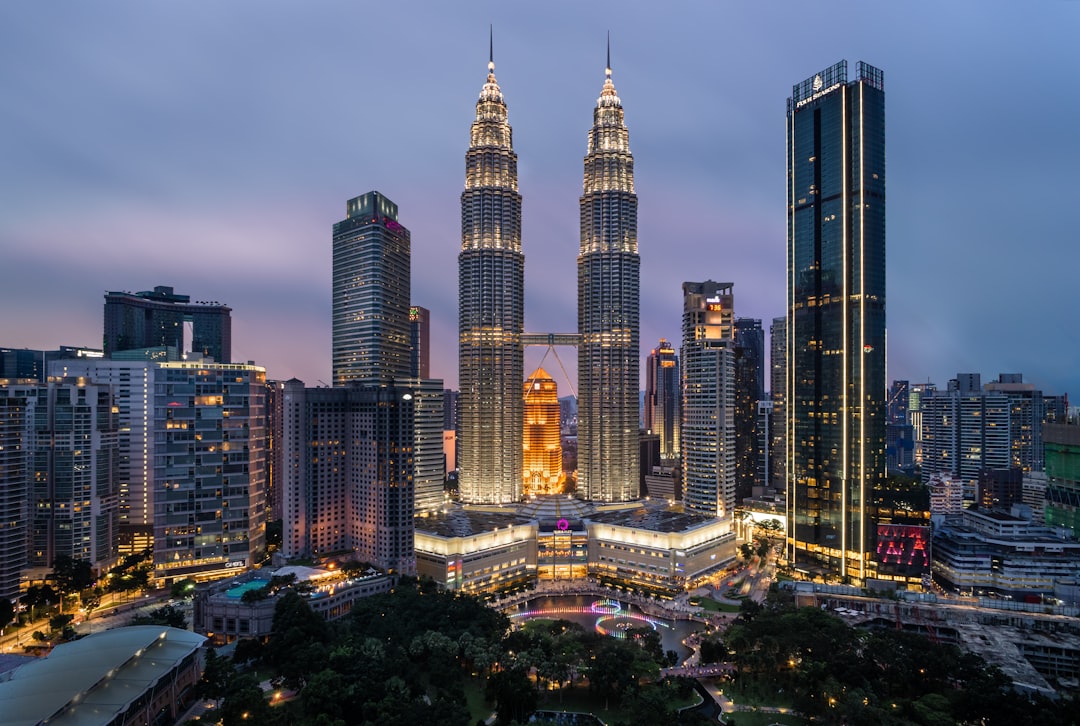
The Petronas Twin Towers in KL’s KLCC district — at 452 m, the world’s tallest twin towers — remain iconic and the Skybridge visit costs RM85. Batu Caves north of KL is free to enter and the 272-step staircase leads to a genuine Hindu temple inside a limestone cave. Kinabalu Park is a UNESCO World Heritage Site and the summit trail is one of Asia’s great hikes. Mulu Caves in Sarawak hosts nightly bat exoduses of 3 million bats — a wildlife spectacle unlike anything in Southeast Asia. Langkawi’s cable car at 701 m above sea level gives panoramic views for RM55. In my experience, the hawker food scene — particularly in Penang — is as much a highlight as any physical landmark.
What experiences in Malaysia are found nowhere else on earth?
Three stand out as genuinely irreplaceable. Watching pygmy elephants and proboscis monkeys on the Kinabatangan River in Sabah — a 560 km river where wildlife density in a 45-minute boat ride rivals any African safari at a fraction of the cost. Diving Sipadan — consistently ranked in the world’s top 5 dive sites, with hammerhead schools, green turtles, and barracuda tornadoes in water you can see 30 m through. And eating at a Penang hawker centre — char kway teow, asam laksa, and cendol in one sitting is a culinary experience that chefs fly from Tokyo and Sydney to study. My honest addition: a night in a Iban longhouse on the Rajang River in Sarawak, where 30 families live in one continuous dwelling — nothing in Southeast Asia compares.
Regions & Highlights
Which areas of Malaysia are overcrowded, and what are the quieter alternatives?
Batu Caves is genuinely mobbed on weekends and Hindu festival days — arrive before 8 AM or visit Gua Tempurung in Gopeng (2.5 hours north) instead, which is equally dramatic and rarely crowded. Langkawi’s Pantai Cenang beach is overrun in December–January — stay at the quieter Tanjung Rhu in the north instead. George Town’s Armenian Street is saturated with selfie-seekers; walk 10 minutes to Cannon Square and Northam Road for the same colonial architecture without the crowds. For diving, Sipadan permits are capped at 120 daily — consider Layang-Layang Atoll in Sabah, a remote reef with hammerhead aggregations and zero crowds. In my experience, any destination 90 minutes beyond the tourist cluster improves dramatically in authenticity and price.
How many days do I need for Malaysia?
A minimum of 10 days covers KL plus one major destination (Penang or Sabah). To do Malaysia meaningful justice — Peninsula highlights plus Borneo — plan 16–21 days. In my experience, the biggest mistake is under-allocating time to East Malaysia: Sabah alone warrants 5–6 days if you’re climbing Kinabalu and doing a Kinabatangan river trip. A solid 14-day split: 3 days KL, 3 days Penang, 2 days Langkawi, then fly to KK for 5 days Sabah. If you only have 7 days, stay on the Peninsula and skip Borneo — rushing Sabah in 2 days is genuinely frustrating given travel times. Sarawak deserves its own dedicated trip and needs at least 5 days from Kuching.
Do I need a visa for Malaysia?
Most Western passport holders — including UK, US, EU, Australian, and Canadian citizens — receive a 90-day visa-free entry stamp on arrival. No application required. In my experience, immigration at KLIA is efficient for those with onward tickets — have your return flight and accommodation details ready. Citizens of India, China (since 2024), and several Gulf states now also enjoy visa-free or visa-on-arrival access, though conditions change — verify at imi.gov.my before travel. The honest caveat: overstaying, even by one day, carries a RM1,000–RM10,000 fine and potential deportation ban. If entering from Thailand overland at Padang Besar or Bukit Kayu Hitam, the same rules apply — your 90 days starts at the border crossing stamp.
What languages are spoken in Malaysia?
Bahasa Malaysia is the official language but English is genuinely widespread — Malaysia was a British colony until 1957 and English remains a de facto second language in business, tourism, and signage. In my experience, communication in KL, Penang, Kota Kinabalu, and Kuching is essentially effortless in English. Mandarin and Cantonese are dominant in Chinese communities — useful in Penang’s older districts. In rural Sarawak and Sabah, Iban, Kadazan-Dusun, and other indigenous languages are spoken alongside Malay and English. The honest caveat: in very rural Kelantan near the Thai border, English proficiency drops sharply and Kelantanese Malay dialect is so distinct that even KL Malaysians struggle. Learn five words of Bahasa — terima kasih (thank you), makan (food), berapa (how much) — and locals respond warmly.
What cultural rules do I need to know in Malaysia?
Malaysia is majority Muslim and cultural norms matter. Remove shoes before entering mosques and many homes — this is non-negotiable. Dress modestly at religious sites: shoulders and knees covered; headscarves are required for women entering mosques (usually provided at the entrance). Don’t offer or accept items with your left hand — it’s considered unclean. During Ramadan, eating, drinking, or smoking in public in front of fasting Muslims is disrespectful, especially outside tourist zones. In my experience, Malaysians are extraordinarily tolerant and forgiving of respectful foreigners who make genuine effort. The honest warning: public displays of affection between unmarried couples can draw police attention in conservative states like Kelantan. Alcohol is served freely in non-halal restaurants and bars — no issue for tourists, but discretion is wise near mosques.
Practical Tips
How safe is Malaysia for travellers?
Malaysia is one of Southeast Asia’s safer destinations for tourists. Violent crime against foreigners is rare. The real risks are petty theft in KL’s Chow Kit and Pudu areas, bag snatching by motorcyclists in poorly lit streets (keep bags on your inside shoulder away from the road), and phone theft at outdoor tables. In my experience, the KLCC, Bukit Bintang, and Bangsar areas feel completely safe day and night. Sabah’s east coast near Lahad Datu and the Sulu Sea corridor carries genuine kidnapping risk from Philippine militant groups — the UK, Australian, and US FCO advisories all recommend avoiding this area and I echo that completely. For Sipadan diving, use resorts on Mabul island rather than crossing to the east coast mainland. Standard travel insurance covering medical evacuation is essential for Borneo.
What health precautions should I take before visiting Malaysia?
Vaccinations recommended for Malaysia: Hepatitis A and B, Typhoid, and Tetanus as baseline. If visiting jungle areas — Taman Negara, Danum Valley, or rural Sabah — add Rabies pre-exposure and Japanese Encephalitis vaccines. Malaria prophylaxis is recommended for interior Sabah and Sarawak — consult your travel clinic 6 weeks before departure. Dengue fever is a real urban risk (no vaccine widely available in 2026) — use DEET repellent 30%+ especially at dawn and dusk in any Malaysian city. Tap water is technically treated but I recommend bottled or filtered water everywhere outside upscale hotels. The honest omission from most guides: heat exhaustion is a genuine risk — KL hovers at 33–36°C with 80–90% humidity. Drink 3 litres of water daily and take midday rest seriously in your first 48 hours.
What SIM card or eSIM options are available in Malaysia?
Buy a tourist SIM at KLIA arrivals immediately — Maxis, Celcom, and Digi all have counters. A 30-day tourist SIM with 30GB data costs roughly RM30–RM50 and covers 4G across most urban and semi-rural areas reliably. My tip: Maxis has the strongest Sabah and Sarawak rural coverage — worth paying an extra RM10 for if you’re heading to Borneo. eSIM options via Airalo or Nomad work well in cities but check Borneo rural coverage before relying on them — it’s patchier than Peninsula. What surprised me: KLIA2’s SIM counters close early (around 10 PM) — if you arrive on a late flight, use the 7-Eleven inside arrivals instead, which stocks Digi and Maxis tourist packs 24 hours. Mobile signal disappears inside national parks — download offline maps before entering.
Which apps do you recommend for travelling Malaysia?
Grab is non-negotiable — covers taxis, food delivery, and payments across the country. Touch ‘n Go eWallet handles transit fares, toll roads, parking, and many hawker QR codes. Google Maps works reliably for navigation but download offline Malaysia maps before entering national parks. Moovit covers KL’s integrated rail and bus network with live timings. Easybook or Busonlineticket for intercity bus reservations. KTM Biz for ETS train tickets. For accommodation, Agoda consistently has better Malaysian hotel inventory than alternatives. XE Currency for live RM conversion. What surprised me: WhatsApp is how Malaysians conduct virtually all business — guesthouses, tour operators, and guides all communicate and book via WhatsApp, so keep it installed and your number accessible from day one.
What are common traveller mistakes in Malaysia?
The biggest mistake: planning the Peninsula and Borneo in the same short trip. Travellers consistently underestimate that KL to Kota Kinabalu is a 2.5-hour flight and Borneo needs minimum 5 days to justify the journey. Second: visiting east coast islands in November–February when they’re closed — check monsoon calendars religiously. Third: ignoring the Touch ‘n Go card and paying cash for every KL transit journey, wasting 10–15 minutes per trip. Fourth: booking a Sipadan dive trip without verifying permit availability — they sell out months ahead. Fifth: eating at restaurants on Jalan Alor thinking it’s authentic KL food — it’s tourist-priced and mediocre compared to hawker centres 5 minutes away in Tengkat Tong Shin. In my experience, the travellers who eat where there are no English menus consistently have the best meals and spend 60% less.
Malaysia at a Glance
| Population | 34,231,700 |
|---|---|
| Currency | Malaysian ringgit (RM) |
| Official language | Malay |
| Time zone | UTC+08:00 |
Source: Wikidata, retrieved August 2026.
Essential Resources for Planning Your Trip to Malaysia
- MALAYSIA SHOWCASES ITS RICH ECO-HERITAGE AND … — official visitor information, passes & events
- Wikipedia: Malaysia — history, geography & background
- Wikivoyage: Malaysia — community travel guide & practical tips
- Malaysia travel – Lonely Planet | Asia — expert itineraries & travel inspiration
- THE 15 BEST Things to Do in Malaysia (2026) — hotels, restaurants & traveller reviews
- Discover Malaysia’s UNESCO World Heritage Sites — how to get around
- Numbeo: Cost of Living in Malaysia — current prices & cost comparison
- Timeanddate: Malaysia Weather & Climate — forecasts & climate statistics
More Perspectives on Malaysia
- What to Know About Travel to Malaysia
- Malaysia Travel Guide: from beaches to Borneo
- r/malaysia Wiki: Your Malaysia Visitor’s Guide
Malaysia Travel Videos
Watch these videos for a visual preview before your trip:
- Malaysia Travel Guide: Things To Know Before Visiting in 2026
- Kuala Lumpur Malaysia Travel Guide 2026 4K
- Malaysia Vacation Travel Guide | Expedia
Malaysia Travel Discussions on Reddit
Real traveller experiences and community advice:
- Why do I rarely hear of people wanting to travel to Malaysia?
- Should I travel to Malaysia? : r/solotravel
- r/malaysia Wiki: Your Malaysia Visitor’s Guide
Data Sources
This page was compiled using data from Wikipedia, Wikidata, Open-Meteo (climate), Numbeo (cost of living) and REST Countries. Information is updated regularly.