
Mongolia: The Complete Travel Guide (2026)
Last reviewed: August 2026 · key facts checked against Wikidata
Mongolia Travel Guide: Everything You Need to Know (2026)
Mongolia, home to 3,409,939 people, sprawls across 1,564,116 square kilometers of steppe, desert, and mountain — the world’s most sparsely populated sovereign nation. Ulaanbaatar sits at 1,528 meters above sea level, making it the coldest national capital on Earth, with January averages plunging to -25°C. Founded as a nomadic empire under Genghis Khan in 1206, modern Mongolia is a frontier destination where 30% of the population still lives as nomadic herders.
Top 3 Highlights at a Glance
- Gobi Desert Flaming Cliffs (Bayanzag) — Burnished orange badlands where Roy Chapman Andrews discovered the world’s first dinosaur eggs in 1923.
- Khövsgöl Lake — Mongolia’s ‘Blue Pearl’ holds 2% of the world’s fresh surface water and reaches depths of 262 meters.
- Naadam Festival, Ulaanbaatar — The 800-year-old festival of wrestling, archery, and horse racing draws 30,000+ spectators every July 11–13.
Scroll down for our complete travel guide with tips on getting there, where to stay, costs and more.
Getting There & Transport
Which airports are the best entry points to Mongolia?
Chinggis Khaan International Airport (ULN) in Ulaanbaatar is your only realistic international entry point. My tip: MIAT Mongolian Airlines, Korean Air, and Air China operate the most reliable routes, with Seoul Incheon (ICN) being the most connected hub — flights from Seoul take roughly 3 hours. A secondary airport exists in Dalanzadgad (DLZ) for southern Gobi access, but it handles only domestic flights. What surprised me: ULN’s new terminal opened in 2023 at Khushigt Valley, located 52 km southwest of the city center — further than the old Buyant-Ukhaa airport. Book layovers carefully: missed connections into ULN are costly to fix remotely.
How do I get from the airport to my first accommodation in Mongolia?
Take a pre-booked hotel shuttle or licensed taxi — this is the only sensible option. The new Chinggis Khaan International Airport is 52 km from Ulaanbaatar’s city center, and the journey takes 45–70 minutes depending on traffic. In my experience, a licensed taxi costs $15–25 USD if arranged through the official taxi desk inside arrivals. The honest caveat most guides omit: unofficial drivers outside arrivals routinely charge $50–80 USD to unsuspecting foreigners — always book inside the terminal or prearrange with your hotel. A public bus (route 11) exists but takes 90+ minutes with luggage and runs infrequently after 8 PM. My tip: arrange airport pickup through your first guesthouse — Khongor Guesthouse and Golden Gobi both offer this reliably.
What transport options are there within Mongolia?
Within Mongolia your real options are domestic flights, shared minivans (furgons), train, and 4WD vehicle. The Trans-Mongolian Railway connects Ulaanbaatar to Darkhan (north) and Zamyn-Üüd (south) but covers only a thin corridor. For anywhere beyond the railway line — which is almost everywhere — you need a furgon or a hired 4WD. Furgons depart from Dragon Bus Terminal in Ulaanbaatar and cost $5–15 USD per seat to most provincial centers. The critical warning most guides skip: furgons leave only when full, meaning a 500 km trip can start 4 hours late. Domestic flights with Hunnu Air or EzNis Airways to Ölgii, Mörön, or Dalanzadgad cost $80–150 USD and save days of bone-rattling road travel.
Do I need a rental car in Mongolia?
Yes — if you plan to leave Ulaanbaatar, you almost certainly need a hired 4WD with driver. I recommend budgeting $80–120 USD per day for a Toyota Land Cruiser 70 series with an experienced driver-guide. Self-drive rental exists through agencies like Sixt Ulaanbaatar, but Mongolia has fewer than 2,000 km of paved highway in a country larger than Western Europe — meaning most routes involve unmarked dirt tracks, river crossings, and zero roadside assistance. The trade-off no one mentions: even with GPS, navigation is nearly impossible outside the capital because tracks shift seasonally and Google Maps frequently shows outdated or missing routes. A driver-guide doubles as navigator, mechanic, and cultural interpreter — the cost is genuinely worth it.
How good is the public transport network between regions of Mongolia?
Bluntly: Mongolia’s inter-regional public transport is minimal and unreliable for most destinations. The Trans-Mongolian Railway reaches Ulaanbaatar, Darkhan, Erdenet, and Zamyn-Üüd efficiently — a Ulaanbaatar to Erdenet ticket costs about $6 USD and takes 6 hours. Beyond rail, shared furgon minivans from Dragon Bus Terminal serve provincial capitals but operate on no fixed schedule. What surprised me: journeys marked as 400 km on maps can take 10–14 hours on unpaved tracks. For the Gobi, Khövsgöl, or western Altai regions, public transport is effectively non-existent for tourists — you’ll need an organized tour or private 4WD. Budget travelers can piece together routes, but add 2–3 buffer days per leg for delays.
Accommodation
Which regions should I stay in when visiting Mongolia?
Base yourself strategically across three core zones. Ulaanbaatar is unavoidable as the logistics hub — stay in the Sukhbaatar District near the central square for walkability. The Central Steppe (Övörkhangai and Arkhangai provinces) around Kharkhorin delivers classic nomadic landscapes within 360 km of the capital and suits first-timers. The Gobi (Ömnögovi province) around Dalanzadgad rewards travelers who dedicate at least 5 nights — the Flaming Cliffs, sand dunes of Khongoryn Els, and eagle valleys justify every bumpy hour. In my experience, Khövsgöl province in the north is Mongolia’s most scenically rewarding region but requires flight or 12+ hour road journey from Ulaanbaatar — worth it for those with 10+ days total.
What does good accommodation cost per night in Mongolia?
Expect to pay $15–35 USD per night for a clean, well-run tourist ger camp with full board included. In Ulaanbaatar, a solid mid-range hotel like Ramada Ulaanbaatar Citycenter or Kempinski Hotel Khan Palace runs $80–180 USD. The honest caveat: ger camp pricing almost always includes meals because camps are located far from any alternative food source — that meal-inclusive rate is actually good value given remoteness. Budget guesthouses in Ulaanbaatar’s Bayangol District start at $10–18 USD per dorm bed. What surprised me: luxury ger camps in the Gobi such as Three Camel Lodge charge $300–450 USD per night — genuinely world-class but aimed at a very specific traveler. Mid-range ger camps hit the sweet spot for most visitors.
When should I book hotels in Mongolia — how far in advance?
Book Naadam Festival dates (July 11–13) at least 3–4 months in advance — this is non-negotiable. In my experience, quality ger camps in the Gobi and Khövsgöl are fully booked for July and August by March or April each year. Outside Naadam, shoulder months like June and September need 4–6 weeks advance booking for good mid-range options. The warning most guides skip: many ger camps operate seasonally and close between October and May entirely — always confirm operating dates before booking. Ulaanbaatar hotels are more flexible year-round, but the Kempinski and Shangri-La Ulaanbaatar fill up fast during business conference season in September and October. Use direct email booking — many Mongolian camps don’t list full availability on international platforms.
When is the best time to travel to Mongolia?
June through September is definitively the best window, with July and August offering peak warmth and green steppe landscapes. In my experience, late June offers fewer crowds than peak July and wildflowers still blanketing the steppe north of Kharkhorin. September is my personal favorite month — temperatures of 15–22°C, near-zero rainfall, golden grasslands, and ger camps at 60% capacity. The trade-off: September nights drop to 0–5°C in the Gobi, so pack a sleeping bag rated to -5°C regardless of daytime heat. Avoid October through May unless you’re a cold-weather adventurer — Ulaanbaatar in January averages -25°C, roads become treacherous, and most tourist infrastructure shuts completely. The Naadam Festival (July 11–13) is worth timing your trip around if budget allows the premium pricing.
How does peak season affect prices in Mongolia?
Peak season — July and August — inflates ger camp rates by 30–50% compared to June prices. Naadam week (July 11–13) is the single most expensive window: Ulaanbaatar hotels charge double or triple standard rates, with budget guesthouses jumping from $20 to $50+ USD per night. Flight prices from Seoul or Beijing into Ulaanbaatar (ULN) spike by $150–300 USD round-trip during this period. The honest caveat: Naadam is genuinely worth the premium if you’ve traveled far — it’s a once-in-a-lifetime spectacle. What surprised me is that the Gobi and western Mongolia are less price-sensitive to Naadam week than Ulaanbaatar, since most Naadam tourists don’t venture that far. Booking in June or September saves significant money without sacrificing core experiences.
Best Time to Visit
Which regions of Mongolia have different climate zones?
Mongolia spans four distinct climate zones across its vast territory. Ulaanbaatar and the Central Steppe experience extreme continental climate — scorching summers at 30°C and brutal winters at -35°C. The Gobi Desert (Ömnögovi province) is hotter and drier, with summer days regularly hitting 40°C and almost zero humidity. The Khövsgöl and northern taiga zone around Mörön is cooler and wetter, receiving significant snow from October and supporting Siberian forests. Western Bayan-Ölgii province in the Altai Mountains sits at elevations above 2,000–3,000 meters, with alpine conditions, glaciers, and year-round snow on peaks above 4,000 meters. In my experience, travelers seriously underestimate temperature swings — a 25-degree drop between noon and midnight is normal in the Gobi in September.
What are the rainy seasons in Mongolia?
Mongolia’s rainy season falls between July and August, but ‘rainy’ is relative — the country receives an average of only 200–220 mm of annual precipitation across most regions. The northern Khövsgöl province gets the most rain, averaging 350 mm annually, which can turn dirt tracks to mud and cut off remote areas for 2–4 days after heavy storms. The Gobi receives under 100 mm per year — rain is rare but when it comes, flash floods can block canyon routes for 24–48 hours. The practical warning most guides skip: rain in August can strand vehicles in the steppe with no mobile coverage and no rescue service — always carry extra fuel, water, and a satellite communicator (Garmin inReach rental is available in Ulaanbaatar for around $8 USD per day).
What does a trip to Mongolia cost per person per day?
Budget on $50–80 USD per day for a mid-range independent experience including a ger camp with meals, shared 4WD costs split between 3–4 travelers, and activities. A true budget traveler roughing it in Ulaanbaatar guesthouses and taking furgons can survive on $30–40 USD per day, but this severely limits Gobi and remote access. A fully organized tour with a private vehicle, English-speaking guide, and mid-range camps runs $120–180 USD per day per person in a group of 4. The hidden cost most guides omit: national park entry fees add up — Gobi Gurvan Saikhan National Park charges $3 USD entry plus $1.50 USD per vehicle per day, while Khövsgöl Lake National Park charges $6 USD per person. Factor in $10–15 USD per day for park fees cumulatively.
How expensive is food in Mongolia?
Food in Mongolia is genuinely affordable if you eat local. A bowl of tsuivan (stir-fried noodles with mutton) or khuushuur (fried meat pastry) at a local guanz (canteen) in Ulaanbaatar’s Nalaikh or Bayanzurkh districts costs $1.50–3 USD. A sit-down meal at a mid-range restaurant like Modern Nomads in central Ulaanbaatar runs $8–15 USD per person. The honest caveat: outside Ulaanbaatar, food variety drops dramatically — ger camp menus center on mutton, mutton, and more mutton, with limited fresh vegetables. Vegetarians face real challenges in rural Mongolia. A full board ger camp (breakfast, lunch, dinner) costs $15–25 USD per person and is often mandatory. Restaurant coffee is surprisingly expensive at $3–5 USD — instant Nescafé is the Mongolian standard.
What hidden costs should I expect in Mongolia?
The costs that blindside travelers in Mongolia cluster around logistics and remoteness. Fuel is a significant hidden expense — a 10-day Gobi circuit can consume 200–300 liters of petrol at $1.20–1.40 USD per liter, adding $240–420 USD split among passengers. Emergency 4WD repairs in the field cost $50–200 USD for parts, and you should budget for this. Sim card top-ups for data in remote areas are cheap but signal boosters and satellite devices add cost. The caveat most guides skip: guide tipping culture is real — budget $5–10 USD per day per guide as a cultural expectation, not optional. Photography fees at monasteries like Erdene Zuu in Kharkhorin cost $2–5 USD extra. Border crossing fees into China at Zamyn-Üüd involve unofficial facilitation payments of $5–15 USD that no guidebook lists officially.
Budget & Costs
How much cash should I bring to Mongolia?
Bring $300–500 USD cash minimum for a 10-day trip, even with a working card. Outside Ulaanbaatar, Mongolia is overwhelmingly cash-based — ger camps, petrol stations in provincial towns, national park entry booths, and local markets accept only Mongolian Tögrög (MNT). ATMs in Ulaanbaatar (Khan Bank and Golomt Bank machines are most reliable) dispense MNT at fair rates, but ATMs in provincial capitals like Dalanzadgad or Mörön frequently run out of cash in peak season. In my experience, exchange USD to MNT at Khan Bank branches in Ulaanbaatar before leaving the capital — rates are better than at the airport. The honest warning: counterfeit USD notes are rejected at Mongolian banks — bring clean, post-2013 printed bills with no tears or marks.
Which credit cards are accepted in Mongolia?
Visa and Mastercard work at most Ulaanbaatar hotels, larger restaurants, and the State Department Store on Sukhbaatar Square. Outside the capital, card acceptance drops to near zero. In my experience, even mid-range Ulaanbaatar restaurants often have ‘card machine broken’ situations — always carry MNT cash backup. American Express is accepted only at luxury hotels like the Shangri-La Ulaanbaatar and Kempinski. The honest caveat: a 2.5–3.5% foreign transaction fee applies on most international cards, and dynamic currency conversion scams (DCC) are common at tourist-facing terminals — always choose to pay in MNT, not your home currency. My tip: use a Wise or Revolut card to avoid foreign transaction fees and get real exchange rates at ATMs.
Which regions of Mongolia must I not miss?
Three regions are non-negotiable. The Orkhon Valley (Övörkhangai province) is Mongolia’s historical heartland — home to Erdene Zuu Monastery (1586, the country’s oldest), the Orkhon waterfall, and classic rolling steppe — accessible in 6–7 hours by 4WD from Ulaanbaatar. The Gobi (Ömnögovi province) delivers the full cinematic Mongolia: red sand dunes of Khongoryn Els (180 km long, 300 meters high), ice-filled canyons at Yolyn Am, and the Flaming Cliffs at Bayanzag. Khövsgöl province in the north offers the lake itself plus reindeer herder (Tsaatan) culture near Tsagaannuur — one of the rarest indigenous experiences in East Asia. The honest trade-off: you physically cannot see all three regions properly in under 14 days without flying between them.
What are the tourist highlights of Mongolia?
The three experiences that justify the journey: Khongoryn Els sand dunes in the Gobi, where you can camel-trek and camp at the base of 300-meter dunes for around $5 USD per hour camel rental. The Naadam Festival in Ulaanbaatar (July 11–13) — 800 years of tradition with horse races run over 30 km stretches of open steppe by child jockeys aged 5–12. Khövsgöl Lake in the north, where you can kayak, horse-trek, and stay with Tsaatan reindeer herders for a homestay cost of roughly $20–30 USD per night. Bonus: Terelj National Park is just 80 km from Ulaanbaatar and offers an excellent first taste of ger camp life without the multi-day commitment — entry costs $3 USD.
What experiences in Mongolia are found nowhere else on Earth?
Three experiences are genuinely unreplicable. Staying with a nomadic herder family in a ger on the open steppe — not a staged tourist camp, but a real family arranged through agencies like Ger to Ger NGO for $15–25 USD per night including meals — is the most authentic human encounter I’ve had anywhere in 10+ years of travel. Witnessing eagle hunting with Kazakh hunters in Bayan-Ölgii province (western Mongolia) between September and November, where golden eagles with 2-meter wingspans hunt foxes on horseback, exists nowhere else at this scale. The annual Golden Eagle Festival in Ölgii (October) costs $5 USD entry and is the world’s only competitive eagle hunting event. Finally, sleeping under Mongolia’s night sky with near-zero light pollution anywhere outside Ulaanbaatar delivers Milky Way visibility that astrophotographers travel specifically for.
Regions & Highlights
Which areas of Mongolia are overcrowded — and what are quieter alternatives?
Terelj National Park (80 km from Ulaanbaatar) is genuinely overcrowded July–August — the main entrance area near Turtle Rock feels like a theme park on weekends. My alternative: drive 40 km further east to the Gorkhi section of Terelj where visitor numbers drop by 80%. The Flaming Cliffs (Bayanzag) in the Gobi draw crowds at sunrise and sunset in July — visit at midday when tour buses leave, or base yourself at a camp 20 km further west for solitude. Ulaanbaatar’s Sukhbaatar Square during Naadam week is overwhelming — the provincial Naadam festivals in Kharkhorin or Mörön run simultaneously on July 11 with a fraction of the crowd and far more authentic atmosphere. What surprised me: even in peak season, riding 3 hours from any paved road in Mongolia guarantees complete solitude — the country is that vast.
How many days do I need to see Mongolia properly?
14 days minimum to cover Ulaanbaatar, the Central Steppe, and one remote region (Gobi or Khövsgöl). In my experience, 10 days is the realistic minimum for most travelers — covering Ulaanbaatar (2 nights), Orkhon Valley and Kharkhorin (3 nights), and the Gobi (4 nights) with one flight leg to save time. The honest truth most itineraries hide: travel days in Mongolia are exhausting — a 350 km drive can take 8–10 hours on dirt tracks, leaving you too tired to do much on arrival. Budget 1 buffer day per 5 travel days for breakdowns, weather, and recovery. To add Khövsgöl and western Bayan-Ölgii, you need 21+ days or a combination of domestic flights. Mongolia rewards slower travel more than almost any destination I’ve visited.
Do I need a visa to visit Mongolia?
Citizens of 65+ countries including the USA, EU nations, UK, and Australia receive 30-day visa-free entry to Mongolia as of 2024 — this expanded policy remains in effect for 2026. In my experience, the entry process at Ulaanbaatar’s Chinggis Khaan Airport is straightforward and takes 15–25 minutes through immigration. Travelers from countries not on the visa-free list must apply for a tourist visa through a Mongolian embassy — fees are typically $50–75 USD and processing takes 5–10 business days. The critical caveat most guides skip: if you plan to cross overland into China via Zamyn-Üüd, you need a valid Chinese visa obtained in advance — Chinese visas are NOT available at the Mongolian-Chinese border. Plan this at least 4 weeks ahead through a Chinese embassy in your home country.
What languages are spoken in Mongolia?
Mongolian (Khalkha dialect) is the sole official language, written in Cyrillic script since 1941. English is spoken at a functional level in Ulaanbaatar hotels, tour agencies, and restaurants popular with foreigners, but outside the capital, English proficiency drops sharply. In my experience, carrying a Mongolian phrasebook or offline translation app loaded with Mongolian Cyrillic is essential for rural areas. Russian is understood by older Mongolians (50+) as a legacy of Soviet-era education — useful in northern provinces near the Russian border. The honest caveat: written Mongolian in Cyrillic looks completely unfamiliar to most Western travelers, making navigation signs, menus, and transport signs genuinely difficult. Download Google Translate’s Mongolian offline pack before leaving Ulaanbaatar — the camera translation function reads Cyrillic menus reasonably well.
What cultural rules do I need to know before visiting Mongolia?
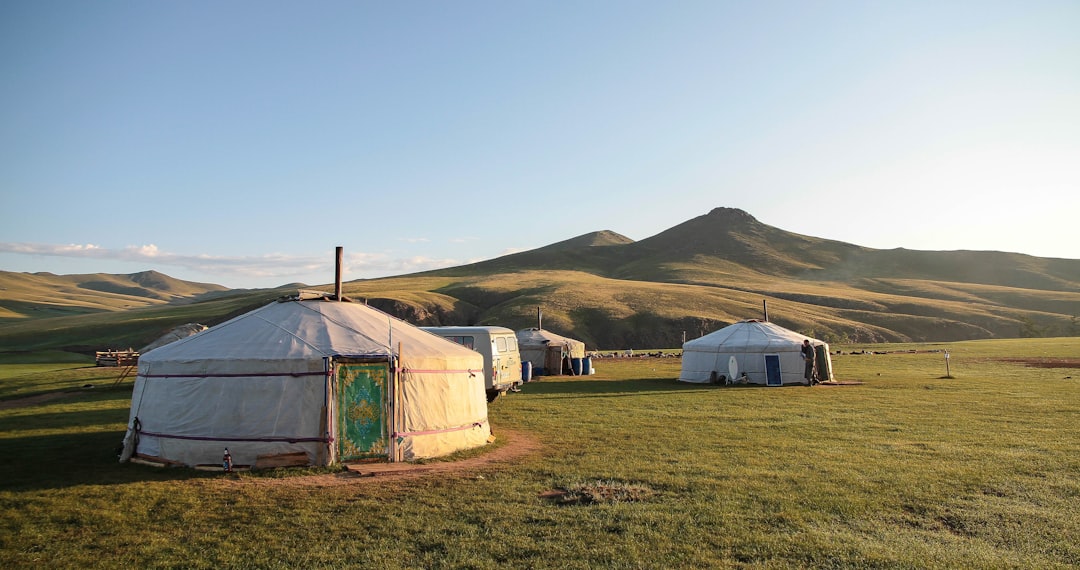
Mongolia has specific ger etiquette that’s non-negotiable. Always enter a ger clockwise (turn left after entering), never step on the threshold, and sit in designated spots — men on the left, women on the right when facing the altar. Accept offered food and drink with your right hand or both hands — refusing is rude. Never whistle inside a ger, and don’t point your feet at the altar (north side). When passing objects, use two hands or right hand supported at the elbow. The cultural warning most guides skip: patting children on the head is considered bad luck — avoid it entirely. At monasteries like Gandan Khiid in Ulaanbaatar, walk clockwise around stupas and remove hats inside. Photographing nomadic families without asking first is deeply disrespectful — always ask through your guide, and offer a $1–2 USD tip for photographs taken.
Practical Tips
How safe is Mongolia for travelers?
Mongolia is broadly safe for travelers — violent crime against tourists is rare. Ulaanbaatar’s main concern is pickpocketing around Sukhbaatar Square, the State Department Store, and the Black Market (Naran Tuul) — keep valuables in a money belt. The genuine safety risk most guides understate is the countryside itself: vehicle breakdowns, river crossings, flash floods, and sudden temperature drops kill travelers each year. Always carry a satellite communicator, extra food (3 days), and 20 liters of backup water on remote trips. In my experience, solo female travelers report occasional unwanted attention in Ulaanbaatar bars and nightclubs after midnight — the Peace Avenue area is generally fine during daylight. Livestock on roads cause serious accidents at night — never drive Mongolia’s open steppe roads after dark. Register with your embassy before remote expeditions.
What health precautions should I take before visiting Mongolia?
Visit a travel clinic 6–8 weeks before departure. Recommended vaccinations include hepatitis A, hepatitis B, typhoid, rabies, and tetanus — rabies is particularly relevant because street dog bites in rural areas are common and post-exposure treatment is unavailable outside Ulaanbaatar. The critical health warning most guides omit: bubonic plague remains endemic in the Gobi marmot population — never touch, eat, or approach marmots, and report any dead rodents to your guide immediately. Altitude adjustment is needed for western Bayan-Ölgii, where trekking routes reach 3,500–4,000 meters. Carry a comprehensive first aid kit including ciprofloxacin (for traveler’s diarrhea — very common from unpasteurized dairy) and ibuprofen for altitude headaches. Medical evacuation insurance is non-optional — the nearest hospitals capable of serious trauma treatment are in Ulaanbaatar or Beijing.
What SIM card or eSIM options are available in Mongolia?
Buy a Mobicom or Unitel SIM card at the airport arrivals hall immediately — both cost $2–5 USD for the SIM plus $5–10 USD for a data bundle giving 5–10 GB. Mobicom has the widest rural 4G coverage and is my top recommendation. In my experience, coverage exists along major roads and in provincial capitals but disappears completely in the Gobi interior, western Altai, and most of Khövsgöl province. The honest caveat: no Mongolian carrier provides reliable signal in the remote areas where you’ll spend most of your time — download maps (Maps.me or Gaia GPS) and content offline before leaving Ulaanbaatar. For extended remote trips, rent a Garmin inReach Mini satellite communicator from Nomadic Expeditions or Juulchin Tourism in Ulaanbaatar for approximately $8–10 USD per day.
Which apps do you recommend for traveling Mongolia?
Maps.me with Mongolia offline maps downloaded is the single most important app — it shows ger camp locations, dirt tracks, and wells that Google Maps misses entirely. Gaia GPS is essential for serious off-road navigation at $20 USD per year. For translation, Google Translate with offline Mongolian Cyrillic downloaded handles menus and signs passably. WhatsApp is how Mongolian tour guides and ger camps communicate — get your guide’s number and use it. Booking.com works for Ulaanbaatar hotels only — for ger camps, book directly by email. XE Currency for live MNT exchange rates. The app most travelers miss: Windy.com for weather forecasting in remote areas — official weather forecasts are unreliable beyond 48 hours in the steppe, but Windy’s wind and precipitation models are surprisingly accurate for Mongolia’s open terrain.
What are the most common traveler mistakes in Mongolia?
The single biggest mistake: underestimating distances and travel time. A route that looks like 300 km on a map takes 9 hours in a 4WD — I’ve seen travelers miss return flights because of this. Second mistake: not front-loading cash in Ulaanbaatar — leaving the capital without enough MNT for the entire trip creates real hardship. Third: booking a cheap, unvetted tour operator — Mongolia’s tourism industry has significant quality variance, and a bad driver in the Gobi is a genuine emergency waiting to happen. Check operators against Mongolian Tourism Association member lists. The cultural mistake that offends most: refusing airag (fermented mare’s milk) when offered by a nomadic host — take it, touch it to your lips, and pass it on with both hands even if you don’t drink it. Finally, packing only summer clothes — even July nights in the Gobi drop to 8–12°C, and a down jacket is needed every single night outside the capital.
Mongolia at a Glance
| Population | 3,409,939 |
|---|---|
| Currency | Mongolian tögrög (₮) |
| Official language | Mongolian |
| Time zone | UTC+08:00 |
Source: Wikidata, retrieved August 2026.
Essential Resources for Planning Your Trip to Mongolia
- Promoting Sustainable Tourism in Mongolia through … — official visitor information, passes & events
- Wikipedia: Mongolia — history, geography & background
- Wikivoyage: Mongolia — community travel guide & practical tips
- Mongolia travel – Lonely Planet | Asia — expert itineraries & travel inspiration
- THE 15 BEST Things to Do in Mongolia (2026) — hotels, restaurants & traveller reviews
- Traveling independently in Mongolia with public transport … — how to get around
- Numbeo: Cost of Living in Mongolia — current prices & cost comparison
- Timeanddate: Mongolia Weather & Climate — forecasts & climate statistics
- Promoting Sustainable Tourism in Mongolia through …
More Perspectives on Mongolia
- The Ultimate Mongolia Travel Guide 2026
- Vacationing in Mongolia Dos and Don’ts
- A Local’s Mongolia Itinerary for First Timers (and Why it …
Mongolia Travel Videos
Watch these videos for a visual preview before your trip:
- Mongolia Travel Guide 2024
- Top 10 Best Things to Do in Mongolia | Mongolia Travel Guide
- Ultimate-Mongolia-Travel-Guide-2026
Mongolia Travel Discussions on Reddit
Real traveller experiences and community advice:
Data Sources
This page was compiled using data from Wikipedia, Wikidata, Open-Meteo (climate), Numbeo (cost of living) and REST Countries. Information is updated regularly.