
Nepal: The Complete Travel Guide (2026)
Last reviewed: August 2026 · key facts checked against Wikidata
Nepal Travel Guide: Everything You Need to Know (2026)
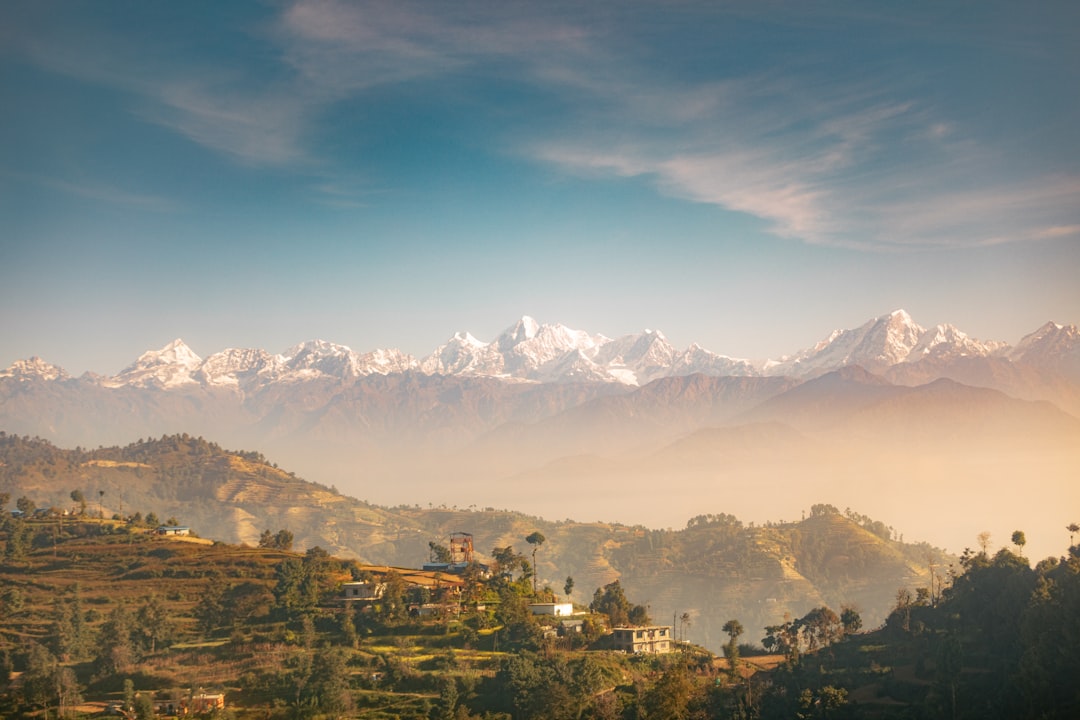
Nepal, home to 29,164,578 people and 8 of the world’s 14 peaks above 8,000 meters, is one of the most geographically dramatic countries on Earth. Kathmandu sits at 1,400 meters elevation and was founded in 723 AD, making it one of South Asia’s oldest continuously inhabited cities. From subtropical jungles in the Terai to the summit of Everest at 8,849 meters, Nepal packs an almost impossible range of landscapes into a country roughly the size of Bangladesh.
Top 3 Highlights at a Glance
- Everest Base Camp Trek — The world’s most iconic trek reaches 5,364 meters with jaw-dropping Khumbu Glacier views at Base Camp itself.
- Pashupatinath Temple, Kathmandu — Nepal’s holiest Hindu site hosts open-air cremation ghats on the Bagmati River dating back to the 5th century.
- Chitwan National Park — One-horned rhino and Bengal tiger sightings are genuinely common in this UNESCO-listed Terai jungle reserve.
Scroll down for our complete travel guide with tips on getting there, where to stay, costs and more.
Getting There & Transport
Which airports are the best entry points into Nepal?
Tribhuvan International Airport (KTM) in Kathmandu is Nepal’s only international airport and your only practical entry point by air. In my experience, almost every international visitor lands here first. KTM handles flights from Delhi, Dubai, Doha, Singapore, and Kuala Lumpur, with average flight times of 4–5 hours from the Gulf. My tip: book with Qatar Airways or Turkish Airlines for the best connectivity from Europe. What surprised me: there is no second international airport currently operational — Pokhara International Airport (PKR) opened in 2023 but had zero scheduled international flights as of 2025, making KTM your sole option despite its single-runway limitations causing frequent delays.
How do I get from the airport to my first accommodation in Nepal?
Take a prepaid taxi from the official booth inside arrivals — the fixed fare to Thamel (the main tourist district) is approximately NPR 700–900 (about USD 5–7). In my experience, this takes 20–40 minutes depending on Kathmandu’s notoriously chaotic traffic — budget 60 minutes during rush hour. My tip: avoid touts who approach you before the official booth and charge double. Ride-hailing apps like Pathao or inDrive work from the airport and are roughly 30% cheaper than taxis if you have a local SIM. The honest caveat most guides omit: the airport road floods during monsoon, and power cuts can make the terminal chaotic at night — arrive with offline maps downloaded.
What transport options are there within Nepal?
Nepal’s internal transport relies on buses, domestic flights, and jeeps — there is no passenger rail network of any significance. Buddha Air and Yeti Airlines operate domestic routes connecting Kathmandu to Pokhara (25-minute flight, ~USD 80–120), Lukla (the Everest trekking gateway, ~USD 180–220), and Bharatpur for Chitwan. Buses are cheap — a tourist bus from Kathmandu to Pokhara costs USD 10–15 and takes 6–7 hours. Local night buses cut that fare to USD 4–6 but are significantly rougher. My honest warning: mountain roads are genuinely dangerous — landslides kill dozens annually, and overloaded buses on hairpin bends are a real risk. For remote areas, shared jeeps are the only practical option.
Do I need a rental car in Nepal?
I recommend against self-driving in Nepal — hire a car with driver instead. Roads are poorly maintained, signage is inconsistent, and driving culture is aggressive by most Western standards. A private car with driver costs USD 50–80 per day for trips like Kathmandu to Pokhara or Chitwan. Self-drive rentals technically exist in Kathmandu rental agencies in Thamel but foreigners need an international driving licence and the liability exposure is enormous. The honest trade-off: hiring a driver costs more upfront but saves you hours of stress and genuinely reduces accident risk. My tip: book through your hotel or a registered tour operator rather than street touts for vetted, insured drivers.
How good is the public transport network between regions of Nepal?
Between major hubs it is functional but uncomfortable — beyond those hubs it becomes genuinely difficult. The Kathmandu–Pokhara–Chitwan triangle is well served by tourist buses and domestic flights. Heading east toward Janakpur or west toward Bardia National Park, services thin out dramatically. Local government buses are extremely cheap — NPR 100–300 (USD 0.75–2.25) for most regional routes — but they run on chaotic schedules and are overcrowded. What surprised me: the Prithvi Highway between Kathmandu and Pokhara is one of Nepal’s better roads but still experiences landslides blocking traffic for hours during monsoon. For the Terai lowlands, buses are the norm. For mountain regions above 2,000 meters, expect jeep tracks or walking trails rather than paved roads.
Accommodation
Which regions should I stay in when visiting Nepal?
Thamel in Kathmandu is the default base for first-timers — it has every service you need within a 500-meter radius. For trekking access, Lakeside in Pokhara is calmer, more scenic, and sits directly on Phewa Lake. For wildlife, Sauraha village adjacent to Chitwan National Park puts you at the park gate. My personal recommendation: spend your first 2 nights in Thamel to sort permits and gear, then base yourself in Lakeside Pokhara for Annapurna Circuit access. The honest caveat: Thamel has become genuinely overcrowded and commercialised — the Jyatha or Bangemudha neighbourhoods nearby offer a far more authentic Kathmandu experience at lower prices. Avoid basing yourself solely near the airport — it adds unnecessary daily taxi costs.
What does good accommodation cost per night in Nepal?
In my experience, a clean, comfortable mid-range hotel in Thamel or Lakeside Pokhara costs USD 25–55 per night including breakfast. Budget guesthouses drop to USD 8–15 with shared bathrooms. Luxury properties — like Dwarika’s Hotel in Kathmandu — run USD 200–350 per night and are genuinely world-class heritage experiences. On the Everest Base Camp or Annapurna trekking routes, teahouse accommodation costs USD 5–15 per night but you are expected to eat dinner at the same teahouse, making the real cost USD 20–40 per night all-in. My tip: prices jump 30–40% in October–November peak trekking season — book those months at least 3 months in advance for any mid-range property.
When should I book hotels in Nepal — how far in advance?
For October and November (peak trekking season), book accommodation at least 3 months ahead, particularly along the Annapurna Circuit and Everest region teahouse routes which fill entirely. For Kathmandu and Pokhara year-round, 4–6 weeks ahead is sufficient for mid-range hotels. Budget guesthouses in Thamel rarely need advance booking except during the Dashain and Tihar festival period in October when domestic tourism surges. What surprised me: the March–April rhododendron season in the Annapurna region is increasingly popular and now rivals October for booking pressure — lock in teahouses by January for spring treks. Last-minute bookings in low season (July–August monsoon) get you genuine 40–50% discounts on rack rates.
When is the best time to travel to Nepal?
March–April and October–November are unambiguously the best months — verified by climate data as the top 3 travel months (March, April, November). October gives crystal-clear post-monsoon mountain views with stable temperatures around 18–22°C in Kathmandu. March–April brings rhododendron forests in full bloom at altitude and pre-monsoon clarity. November is slightly colder but offers the longest clear weather windows. My honest warning most guides omit: October has become overcrowded on Everest and Annapurna trails, with Everest Base Camp trek permits issued to hundreds simultaneously. If you want solitude, March or early April now offer comparable visibility with 30–40% fewer trekkers than October. Avoid the June–September monsoon for high-altitude trekking — trails become dangerously slippery and flights to Lukla are cancelled for days at a time.
How does peak season affect prices in Nepal?
Peak season (October–November) drives up costs across every category. Domestic flights to Lukla jump from USD 160 to USD 220+, teahouse prices rise by 25–35%, and Kathmandu hotel rates double for properties near Thamel. Trekking permits for the Annapurna Conservation Area cost NPR 3,000 (USD 22) year-round, but guided porter and agency costs spike due to demand. What surprised me: international flight prices to KTM from Europe rise USD 200–400 in October compared to June. My tip: the first 2 weeks of March offer nearly identical mountain conditions to October at roughly 20–30% lower total trip cost — it is genuinely the best value window for serious trekkers who have flexibility. Book gear rental in Thamel early as quality equipment sells out in October.
Best Time to Visit
Which regions of Nepal have different climate zones?
Nepal has 5 distinct climate zones stacked by altitude. The Terai lowlands (Chitwan, Lumbini) are subtropical — hot and humid year-round with summer temperatures reaching 40°C. The Hill zone (Kathmandu at 1,400m, Pokhara at 900m) has a temperate climate with distinct seasons. The Mountain zone (3,000–5,000m) includes most major trekking routes — cold nights even in summer. The Alpine zone (above 5,000m) is snow-covered most of the year. The far north, including the Mustang region (rain-shadow area), gets almost no monsoon rain — Upper Mustang is trekable in July and August when everywhere else is soaked. In my experience, Pokhara receives more rainfall than Kathmandu due to its proximity to the Annapurna moisture trap.
What are the rainy seasons in Nepal?
The monsoon runs from mid-June through mid-September, with the heaviest rainfall in July and August. Kathmandu averages 1,400mm of annual rainfall, with roughly 70% falling during these 3 months. Pokhara is significantly wetter — receiving up to 4,000mm annually, making it one of Asia’s rainiest cities. The honest caveat: the monsoon is not just rain — it triggers landslides that close major highways for days, grounds Lukla domestic flights for stretches of a week, and makes high-altitude trails genuinely dangerous due to leeches and mud. Lower Mustang and the Nar-Phu Valley remain in a rain shadow and are the only high-altitude trekking options during this window. The post-monsoon period of October brings the clearest skies of the year due to washed-clean air.
What does a trip to Nepal cost per person per day?
A realistic mid-range budget is USD 50–80 per person per day covering accommodation, food, local transport, and entrance fees in the Kathmandu–Pokhara circuit. Budget backpackers in Thamel manage on USD 25–35 per day. On a trek, the Everest Base Camp route all-in (guide, teahouses, meals, permits) costs USD 60–100 per day. Add USD 1,000–1,500 total for a 14-day EBC trek including all fees. High-end private guided experiences with luxury lodges run USD 200–350 per day. What surprised me: the TIMS card (USD 10), National Park entry (USD 30 for Sagarmatha), and Restricted Area permits add fixed costs regardless of your daily budget — factor in USD 50–80 in permits alone for Everest-region treks.
How expensive is food in Nepal?
Food is genuinely affordable — a dal bhat set meal at a local restaurant costs NPR 200–350 (USD 1.50–2.60) and is arguably the best value meal in Asia (unlimited refills are standard). In tourist restaurants in Thamel, expect NPR 400–800 (USD 3–6) for a main course. A decent restaurant meal with drinks for two runs USD 10–18. On trekking routes, prices inflate with altitude — a dal bhat at 4,000 meters costs NPR 700–1,000 (USD 5.25–7.50) as everything must be carried up. Coffee culture has arrived in Kathmandu — a cappuccino at a Juju Dhau café in Patan costs NPR 250–350 (USD 2–2.60). My tip: eat dal bhat twice daily on treks — it is the highest-calorie, best-value, and most culturally authentic option available.
What hidden costs should I expect in Nepal?
Trekking permits are the biggest surprise for first-timers — the Annapurna Conservation Area permit costs NPR 3,000 (USD 22), Sagarmatha (Everest) National Park entry costs NPR 3,000 (USD 22), and a TIMS trekking card adds USD 10. Hiring a mandatory registered guide for restricted areas like Upper Mustang adds USD 100+ per day. Airport departure tax is included in ticket prices but domestic airport fees of NPR 200 (USD 1.50) catch people off-guard. What surprised me: bargaining is expected in Thamel markets but medical evacuation insurance is not optional — helicopter rescue from altitude costs USD 3,000–8,000 and rescue companies will verify insurance before dispatching. Budget USD 80–120 for comprehensive travel insurance covering helicopter evacuation — this is non-negotiable.
Budget & Costs
How much cash should I bring to Nepal?
Bring enough USD cash to exchange on arrival, but plan to rely on Kathmandu ATMs for NPR withdrawals. Most ATMs in Thamel dispense NPR 35,000 per transaction (USD ~260) with a typical fee of NPR 500 (USD 3.75). On trekking routes above Namche Bazaar or past Manang on the Annapurna Circuit, ATMs disappear entirely — carry sufficient cash for your full trek. A 14-day Annapurna trek requires roughly USD 400–600 cash beyond what you prepaid. In my experience, bring USD 200–300 in small bills (20s and 50s work best) to exchange at Kathmandu’s official exchange counters in Thamel which give better rates than the airport. Never exchange currency with street touts — counterfeit NPR 500 and 1,000 notes are circulated.
Which credit cards are accepted in Nepal?
**Visa and Mastercard are accepted at upscale hotels, larger restaurants, and travel agencies in Thamel and Lakeside Pokhara — but expect a 2–4% surcharge applied universally. American Express is accepted at perhaps 10% of those venues. Outside Kathmandu and Pokhara, card acceptance drops to near zero — even mid-range hotels in Sauraha near Chitwan prefer cash. My honest warning: ATM networks are unreliable during load-shedding power cuts and card skimming has been reported at isolated Thamel ATMs. I recommend withdrawing from ATMs inside bank branches — Nabil Bank and Himalayan Bank ATMs** have the best reliability record. Always notify your bank before travel as Nepal transactions trigger fraud blocks on many European and American cards.
Which regions of Nepal must I not miss?
The Kathmandu Valley, Pokhara, and the Everest or Annapurna trekking regions are essential — each offers something genuinely irreplaceable. The Kathmandu Valley contains 7 UNESCO World Heritage Sites within a 15-kilometer radius, including Swayambhunath, Pashupatinath, and the medieval city of Bhaktapur. Pokhara is the gateway to the Annapurna range with Phewa Lake reflections of Machapuchare (6,993m) that are truly world-class. For wildlife, Chitwan National Park offers a one-horned rhino density of roughly 700 individuals — among the world’s highest concentrations. My honest tip: Lumbini, birthplace of the Buddha in the western Terai, is absurdly overlooked by trekking-focused tourists and deserves at least 2 days on any Nepal itinerary.
What are the tourist highlights of Nepal?
The Everest Base Camp trek remains Nepal’s single most iconic experience — 5,364 meters, 12–14 days return from Lukla. In Kathmandu, Pashupatinath Temple’s riverside cremation ghats are unlike anything else in Asia. Boudhanath Stupa — one of the world’s largest Buddhist stupas at 36 meters high — is a living pilgrimage site, not a museum piece. Pokhara’s Sarangkot viewpoint at dawn with a 180-degree Annapurna panorama is genuinely one of Asia’s great sunrise experiences. For adventure beyond trekking, white-water rafting on the Trishuli River (Grade 3–4) near Kurintar and paragliding over Phewa Lake from Sarangkot (a 25-minute flight costs USD 80–100) are world-class activities at very accessible price points.
What experiences in Nepal are found nowhere else on Earth?
Standing at Everest Base Camp with the Khumbu Icefall 500 meters away is genuinely unreplicable — no other accessible location on Earth puts you this close to the world’s highest mountain. The living goddess tradition of the Kumari in Kathmandu — a prepubescent girl worshipped as a deity, seen from her window at Kumari Ghar in Durbar Square — exists only here. Upper Mustang’s medieval walled city of Lo Manthang, accessible only via a USD 500 restricted area permit and a multi-day jeep journey, looks and feels like 15th-century Tibet preserved in amber. What surprised me: the Sherpa culture of the Khumbu valley, particularly during the Mani Rimdu festival at Tengboche Monastery (October/November), offers a depth of living Buddhist tradition that has virtually disappeared elsewhere in Asia.
Regions & Highlights
Which areas of Nepal are overcrowded — and what are the quieter alternatives?
Everest Base Camp in October is genuinely overcrowded — the trail between Namche Bazaar and Tengboche sees 300+ trekkers daily at peak. The quieter alternative is the Three Passes Trek in the same Khumbu region — harder, equally spectacular, and carrying 70% fewer trekkers. The Annapurna Base Camp (ABC) route from Nayapul is heavily trafficked — consider the Mardi Himal Trek instead, reaching 4,500 meters in 5 days with a fraction of the foot traffic. Bhaktapur in the Kathmandu Valley is far less visited than Kathmandu’s Thamel but equally beautiful — entrance fee NPR 1,500 (USD 11) keeps day-trippers brief. For wildlife, Bardia National Park in the far west offers tiger and rhino sightings comparable to Chitwan with perhaps 10% of the visitor numbers.
How many days do I need for Nepal?
Minimum 10 days to do Nepal any justice — 14–21 days is the sweet spot for most first-time visitors. A 14-day itinerary could realistically cover: 3 days Kathmandu Valley, 14-day Everest Base Camp trek (requiring a dedicated trip) — or realistically combine 3 days Kathmandu, 4 days Pokhara/Annapurna short trek, 2 days Chitwan in 9–10 days for a highlights sweep. The honest caveat: every trekking route takes longer than it looks on a map due to altitude acclimatisation days — cutting acclimatisation kills people every year on both EBC and Annapurna. My tip: build in 2 buffer days for weather delays at Lukla airport, which cancels flights for 2–4 consecutive days several times per season.
Do I need a visa for Nepal?
Most nationalities need a visa — and can get one on arrival at KTM airport. Citizens of India, China (with specific conditions), and a handful of other nations enter visa-free. For most Europeans, Americans, and Australians, a 15-day visa costs USD 30, a 30-day visa costs USD 50, and a 90-day visa costs USD 125 — payable in cash or card at the airport visa counter. In my experience, the on-arrival queue at KTM takes 30–90 minutes depending on flight clusters — arriving on a busy evening flight can mean a 90-minute immigration wait. My tip: fill in the online pre-arrival form at nepalimmigration.gov.np before landing to halve your processing time. Trekking permits are separate from the visa and must be obtained at the Nepal Tourism Board office in Pradarshani Marg, Kathmandu.
What languages are spoken in Nepal?
Nepali is the official language, spoken as a first or second language by the vast majority of the population. Nepal officially recognises 123 languages, with Maithili, Bhojpuri, Tharu, and Tamang being significant regional tongues. In Thamel, Lakeside Pokhara, and all major trekking routes, English is widely spoken among tourism workers — you will have zero communication difficulty. Above Namche Bazaar in the Sherpa region, Sherpa (a Tibetan dialect) is dominant alongside Nepali. In rural Terai areas and off-trail villages, English drops away almost entirely — learning 5–10 Nepali phrases (namaste, dhanyabad, dal bhat) is both practical and deeply appreciated. My honest observation: guides from Kathmandu-based agencies often have better English than those recruited locally in smaller towns.
What cultural rules do I need to know before visiting Nepal?
Remove shoes before entering any temple, gompa, or Nepali home — this is non-negotiable and applies to both Hindu and Buddhist sites. Walk clockwise around all Buddhist stupas and mani walls — doing it counter-clockwise is considered disrespectful. At Hindu temples like Pashupatinath, non-Hindus are often prohibited from entering the inner sanctum — respect this without argument. Dress modestly near religious sites — shoulders and knees covered for both men and women. Never point your feet at a person, altar, or religious object. The left hand is considered impure — use your right hand for giving, receiving, and eating. What surprised me: photographing cremation ceremonies at Pashupatinath is a genuine ethical grey area — ask permission and be prepared to hear no. The namaste greeting with palms together is universally appreciated and breaks ice in every situation.
Practical Tips
How safe is Nepal for travellers?
Nepal is one of South Asia’s safer destinations for tourists — petty crime exists but violent crime against foreigners is rare. Thamel has pickpockets and bag-snatchers on motorbikes — keep phones in front pockets. The biggest genuine risks are trekking-related: altitude sickness kills several trekkers annually, trail accidents and landslides are real hazards, and inadequate preparation for cold kills more. The 2015 earthquake killed nearly 9,000 people and reminders of seismic risk remain — Nepal sits on an active fault line and a future major earthquake is anticipated by geologists. My honest warning: solo female trekkers on less-trafficked routes report harassment occasionally — trekking with a guide or group significantly reduces this. Check government travel advisories for specific border regions with Tibet, which occasionally see political sensitivity.
What health precautions should I take before visiting Nepal?
Altitude sickness is the primary medical concern — above 3,000 meters, ascend no faster than 300–500 meters per day and build in acclimatisation nights. Carry Diamox (acetazolamide) — available in Kathmandu pharmacies for NPR 200–300 per strip — and understand its side effects before relying on it. Vaccinations recommended: Hepatitis A, Typhoid, Japanese Encephalitis (for rural areas), and Rabies (if trekking remotely). In the Terai (Chitwan, Bardia), malaria risk is low but present — consult your doctor about prophylaxis. Drink only bottled water or use a SteriPen/Sawyer filter — tap and stream water causes severe giardia. In my experience, the pharmacies around Thamel’s New Road are well-stocked and reputable. Medical evacuation insurance is absolutely mandatory — emergency helicopter evacuation from altitude costs USD 5,000–8,000.
What SIM card or eSIM options are available in Nepal?
Get an Ncell or Nepal Telecom SIM at KTM airport arrivals — both counters are open for most international flight arrivals. A SIM with 30GB data and 30 days validity costs NPR 700–1,500 (USD 5–11). Ncell has better urban coverage in Kathmandu and Pokhara; Nepal Telecom (NTC) has marginally better reach on trekking routes like the Everest and Annapurna regions. You need your passport for registration — the process takes 10 minutes. eSIM options via Airalo or Holafly work in Nepal from approximately USD 8–15 for 1GB–10GB but have patchy reviews for coverage outside Kathmandu. My honest caveat: above Namche Bazaar (3,440m) on EBC, signal becomes intermittent regardless of carrier — download Maps.me and Gaia GPS offline maps before your trek departs.
Which apps do you recommend for travelling Nepal?
Maps.me with offline Nepal maps downloaded is non-negotiable for trekking — it works without signal and has trail data not on Google Maps. Pathao and inDrive are the reliable ride-hailing apps for Kathmandu and Pokhara — both are significantly cheaper than taxis. XE Currency for real-time NPR exchange rates. AccuWeather with hourly forecasts is more accurate for mountain weather than Google Weather in Nepal. For trekking planning, the Wikiloc app has thousands of user-logged Nepal trail routes with GPS data. My tip: download the Nepal Tourism Board app (Visit Nepal) for permit information. WhatsApp is universal in Nepal for business communication — every guesthouse, guide, and transport operator uses it, making it your primary coordination tool throughout the trip.
What are the most common traveller mistakes in Nepal?
Underestimating altitude sickness kills people every season — the most common mistake is rushing acclimatisation to save days. Booking the cheapest Thamel guide agency without checking Trekking Agencies Association of Nepal (TAAN) registration is second — unregistered guides provide no emergency support. Not getting helicopter evacuation insurance before arrival (you cannot buy adequate coverage once in Nepal). Assuming October is automatically the best month — the first 2 weeks of March are equally good with far less crowding. Exchanging currency at the airport — Thamel exchange counters give 3–5% better rates. What surprised me: many travellers skip Bhaktapur entirely in favour of Thamel, missing what I consider the finest preserved medieval city in South Asia. Finally, packing gear in Kathmandu rather than researching rental options — quality rental gear in Thamel costs USD 3–8 per day and saves 15kg of airline luggage fees.
Nepal at a Glance
| Population | 29,164,578 |
|---|---|
| Currency | Nepalese rupee (N₨) |
| Official language | Nepali |
| Time zone | UTC+05:45 |
Source: Wikidata, retrieved August 2026.
Essential Resources for Planning Your Trip to Nepal
- Nepal Tourism Board Launches Free Shuttle Bus Service … — official visitor information, passes & events
- Wikipedia: Nepal — history, geography & background
- Wikivoyage: Nepal — community travel guide & practical tips
- Nepal travel – Lonely Planet | Asia — expert itineraries & travel inspiration
- THE 15 BEST Things to Do in Nepal (2026) — hotels, restaurants & traveller reviews
- Nepal Tourism Board Launches Free Shuttle Bus Service … — how to get around
- Numbeo: Cost of Living in Nepal — current prices & cost comparison
- Timeanddate: Nepal Weather & Climate — forecasts & climate statistics
More Perspectives on Nepal
- What I Wish I Knew Before Visiting Nepal
- NEPAL TRAVEL GUIDE: What to see, know and do in …
- The Perfect Nepal Itinerary: What I Learned After 6 Trips …
Nepal Travel Videos
Watch these videos for a visual preview before your trip:
- 10 Days Nepal Tour Itinerary – A Day-by-Day Nepal Travel Guide
- ULTIMATE NEPAL TRAVEL GUIDE! 🇳🇵 Everything You Need To Know!
- 14 Things to know Before coming to NEPAL
Nepal Travel Discussions on Reddit
Real traveller experiences and community advice:
- I’m traveling to Nepal in about a month – did I make a …
- The Perfect Nepal Itinerary: What I Learned After 6 Trips …
- r/NepalTravel
Data Sources
This page was compiled using data from Wikipedia, Wikidata, Open-Meteo (climate), Numbeo (cost of living) and REST Countries. Information is updated regularly.