
Amsterdam: The Complete Travel Guide (2026)
Last reviewed: September 2026 · key facts checked against Wikidata
Amsterdam Travel Guide: Everything You Need to Know (2026)
Amsterdam, founded in the late 12th century as a fishing village, sits at -2m below sea level and has grown into a city of 933,680 residents crisscrossed by 165 canals and over 1,500 bridges. The metropolitan area holds 2.48 million people, yet the historic centre remains compact enough to explore almost entirely on foot or by bike. What surprises most first-time visitors is how efficiently this city packs world-class museums, a thriving food scene, and genuine neighbourhood character into just a few square kilometres.
Top 3 Highlights at a Glance
- Rijksmuseum — Home to Rembrandt’s ‘The Night Watch’ (1642), a 3.76m-wide masterpiece displayed in a purpose-built gallery hall.
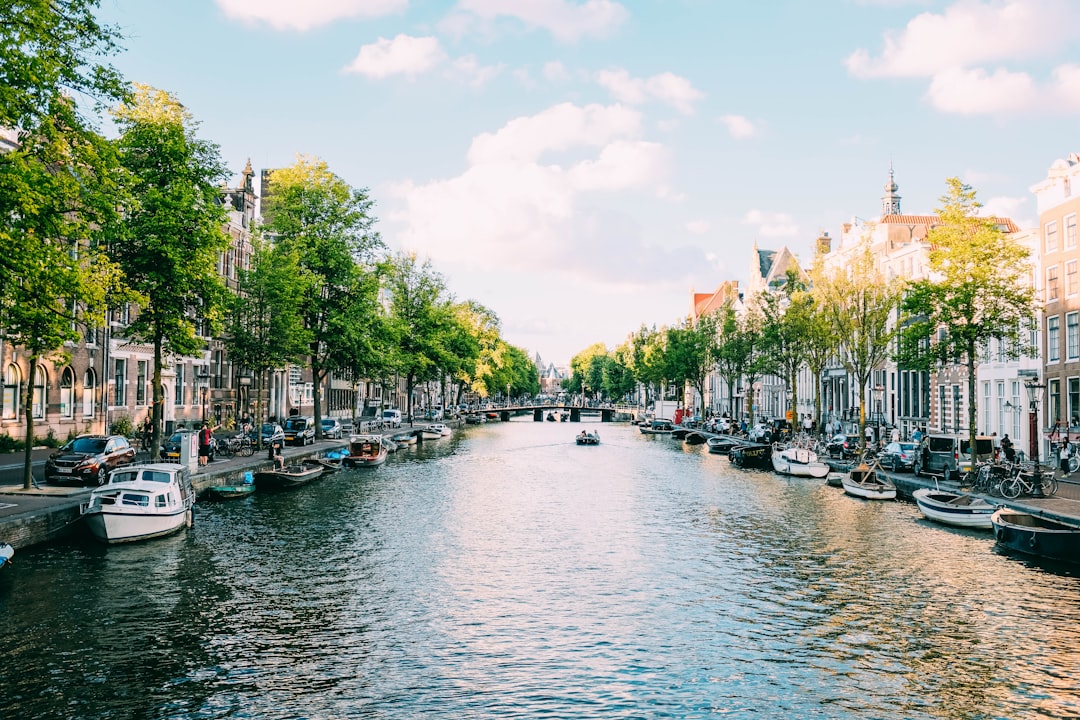
- Jordaan Canal Walk — Amsterdam’s most photogenic neighbourhood, with 17th-century merchant houses reflected in the Prinsengracht at golden hour.
- Anne Frank House — The actual secret annex where Anne Frank hid for 761 days — one of Europe’s most emotionally powerful historic sites.
Scroll down for our complete travel guide with tips on getting there, where to stay, costs and more.
Arrival & Airport
How do I get to Amsterdam from abroad?
Fly directly into Amsterdam Airport Schiphol (AMS), one of Europe’s busiest hubs with direct routes from over 300 destinations. In my experience, AMS handles arrivals smoothly — immigration queues for EU citizens rarely exceed 15 minutes, though non-EU lines can stretch to 45 minutes during morning peaks. From the UK, Eurostar now runs a direct train from London St Pancras in roughly 4 hours. If you’re coming from Paris or Brussels, the Thalys/Eurostar high-speed rail connection takes 3.5 hours and drops you at Amsterdam Centraal — far more convenient than flying. My tip: book rail at least 3 weeks ahead to lock in fares under $60 one-way.
Which airport is closest to Amsterdam?
Amsterdam Airport Schiphol (AMS) is your airport — it sits just 18 km southwest of Amsterdam Centraal station. What surprised me is how integrated Schiphol is with the national rail network: the airport has its own underground train station directly beneath the terminal. A direct Intercity train to Amsterdam Centraal runs every 10 minutes and takes 17 minutes, costing around $5.50 with an OV-chipkaart or a single-journey ticket. There is no closer international airport. Eindhoven Airport (EIN), used by Ryanair, is 120 km south and requires a 90-minute bus connection — only worth considering if the fare difference exceeds $80.
How long does the journey from Schiphol Airport to central Amsterdam take?
By train, it’s a flat 17 minutes from Schiphol to Amsterdam Centraal. The Intercity Direct departs every 10 minutes around the clock. A taxi costs $45–$55 and takes 25–40 minutes depending on traffic — the A10 ring road clogs badly during morning rush hour (8–9am). In my experience, the train wins every time: it’s cheaper, faster, and drops you at the heart of the city. The caveat most guides skip: the taxi rank at Schiphol can have 30-minute waits on Friday evenings when multiple long-haul flights land simultaneously. Pre-book a Bolt or Uber if you’re arriving after 9pm on weekends.
Do I need a car in Amsterdam?
No — a car in Amsterdam is actively counterproductive. The city has fewer than 80,000 public parking spaces for a metro area of 2.48 million, and street parking in the centre costs up to $7.50 per hour. Worse, many historic streets are physically inaccessible to cars. In my experience, the bike-and-tram combination covers 95% of everything you’ll want to do. Rent a bike from MacBike near Centraal for around $16 per day. The honest warning: Amsterdam’s cycling infrastructure is fast and dense — tourist cyclists who don’t follow lane rules get shouted at by locals and can cause real accidents. Watch the tram tracks, which catch bike wheels.
City Transport
What are the best areas to stay in Amsterdam?
I recommend the Jordaan district for first-time visitors — it’s walkable to the Anne Frank House, Rijksmuseum, and the Nine Streets shopping strip, with fewer loud bar crowds than the Red Light District area. De Pijp suits travellers wanting a more local, residential feel with excellent restaurants and the Albert Cuyp Market at the doorstep. Budget travellers do well in Amsterdam East (Oost) near Oosterpark, a 15-minute tram ride from the centre. Avoid staying directly on Damrak or Warmoesstraat — yes, it’s central, but the street noise from stag parties runs until 4am and the hotel value is poor for what you pay.
What does accommodation cost per night in Amsterdam?
Budget on $120/night for a clean, economy hotel — that’s the verified Numbeo baseline for 2025. A mid-range boutique hotel in Jordaan typically runs $180–$250/night. Design hotels like Sir Albert in De Pijp start around $220. The uncomfortable truth: Amsterdam’s tourist tax is 12.5% on top of advertised rates — one of Europe’s highest — so a $200 room actually costs $225 before breakfast. Hostels in Oud-West offer dorm beds from $35/night. Canal-view rooms command a 20–30% premium over equivalent rooms one street back. My tip: apartments on Booking.com in Amsterdam Noord offer better value and a 5-minute free ferry from Centraal.
How far in advance should I book accommodation in Amsterdam during high season?
Book 3–4 months ahead for June–August travel, full stop. Amsterdam’s hotel capacity is deliberately constrained by city policy — no new large hotels have been permitted in the centre since 2017. King’s Day (April 27) requires 6 months minimum lead time; the city becomes functionally booked out within days of the date being confirmed. What most guides don’t mention: Airbnb supply in Amsterdam dropped by 40% after 2023 regulations capped short-term rentals at 30 nights/year per property, so that safety net no longer exists. For shoulder months like March or October, 4–6 weeks ahead is sufficient, and you’ll often find rates 30% lower than peak.
Are there special or unique accommodation types in Amsterdam?
Yes — houseboat hotels are genuinely unique to Amsterdam and worth the experience. The Houseboat Johanna moored near Leidseplein and similar vessels run $150–$200/night for a double cabin. You sleep on the water, hear canal sounds, and wake to ducks on your deck. The caveat: houseboats have no lift, narrow stairs, and limited luggage storage — they’re uncomfortable for anyone with mobility issues or large bags. Boutique canal houses converted into small hotels — like The Toren on Keizersgracht — offer 17th-century architecture with modern rooms from $210. These book out 5 months ahead in summer. My tip: book direct for a free canal-view upgrade.
Accommodation & Neighbourhoods
What are the must-sees in Amsterdam?
My non-negotiable three: the Rijksmuseum (Rembrandt, Vermeer, Delft Blue — allow 3 hours, entry $25), the Anne Frank House (book 8 weeks ahead online, entry $16), and a canal boat tour of the UNESCO-listed grachtengordel belt. Beyond those, the Van Gogh Museum holds the world’s largest Van Gogh collection — 214 paintings — and is genuinely unmissable, entry $22. The honest caveat: the Heineken Experience at $25 is a polished tourist machine with 45-minute queues, not an authentic brewery tour. Skip it unless you have teenagers in tow. In my experience, the Stedelijk Museum for modern art is criminally undervisited and never crowded.
What can I experience for free in Amsterdam?
More than you’d expect. The Vondelpark is free, beautiful, and used daily by locals — grab a stroopwafel from the kiosk near the main entrance for $2. The Begijnhof courtyard (one of Amsterdam’s oldest surviving courtyards, from 1346) has no entry fee and most visitors walk straight past it. The NEMO Science Museum rooftop terrace is free and offers the best panorama of the harbour — you don’t need to pay the $17.50 museum entry to access it via the side staircase. Foam Photography Museum has free Thursdays from 7–9pm. Walking the Jordaan’s side streets — especially Brouwersgracht — costs nothing and beats any guided tour.
Which day trips from Amsterdam are worth doing?
Haarlem is my top recommendation — 20 minutes by train, $7 return, with a medieval city centre, the Frans Hals Museum, and far fewer tourists than Amsterdam. Keukenhof Gardens (open March–May only) is 40 km south near Lisse and holds 7 million bulbs in bloom — bus from Schiphol takes 40 minutes, entry $22. Zaanse Schans (open-air windmill museum) is 30 minutes by train to Zaandijk, free to enter the village. The warning most guides omit: Volendam and Marken are aggressively tourist-trap villages — the fishing boats and traditional costumes exist purely for photos, not authentic culture. Spend that half-day in Alkmaar instead for its genuine Friday cheese market.
What are Amsterdam’s local specialities I should try?
Stroopwafels eaten warm from Albert Cuyp Market (not the pre-packaged supermarket version) cost $2.50 and are transformative. Dutch raw herring (haring) with onions from a street cart near Centraal Station runs $4–$6 — eat it the local way, tilting your head back. Bitterballen (crispy fried beef ragout balls) at any brown café (bruine kroeg) are the essential bar snack at around $8 for a portion. The honest caveat: Dutch cuisine is hearty rather than refined — don’t come expecting French complexity. For serious eating, head to De Pijp’s Indonesian restaurants like Sama Sebo for rijsttafel (rice table), a colonial-era feast that’s Amsterdam’s most distinctive dining experience at around $35 per person.
Highlights & Must-Sees
What makes Amsterdam unique compared to other European cities?
Three things genuinely set Amsterdam apart. First, it’s a city where bikes outnumber people — there are an estimated 900,000 bicycles for 933,680 residents, and cycling is the dominant transport mode, not a tourist gimmick. Second, the 17th-century canal ring (grachtengordel) is a UNESCO World Heritage Site — the only city in the world where you can stay in a converted merchant’s warehouse from 1642 and eat dinner at street level while boats pass your window. Third, Amsterdam’s tolerance culture (gedoogbeleid) created a city where coffeeshops, the Red Light District, and world-class art coexist in the same 5-block radius. What surprised me most: despite the reputation, daily Amsterdam life in the Jordaan and Oud-West feels remarkably quiet and residential.
How many days do I need to see Amsterdam properly?
4 full days covers Amsterdam well without rushing. Day 1: Rijksmuseum and Van Gogh Museum. Day 2: Anne Frank House (morning slot, pre-booked), Jordaan canal walk, brown café evening. Day 3: day trip to Haarlem or Keukenhof. Day 4: Amsterdam Noord (NDSM Wharf, EYE Film Museum, free ferry), De Pijp market and dinner. The honest truth: 2 days is enough to see the headline sights but you’ll leave feeling like you only scratched the surface. More than 6 days risks repetition unless you’re combining with Utrecht (30 minutes by train) or Rotterdam (40 minutes). My tip: arrive on a weekday — weekend crowds at Anne Frank House and Rijksmuseum are 40% heavier.
When is the best time to visit Amsterdam?
June delivers Amsterdam at its best: 17–20°C, long daylight hours (sunset after 10pm), canal terraces packed with locals, and tulip season just past so crowds thin from the April–May peak. September is my personal favourite for a different reason: school holidays end, hotel rates drop 25%, and the Uitmarkt cultural festival opens the season with free outdoor concerts. Avoid late July and August if crowds bother you — visitor numbers peak and the city centre around Damrak becomes genuinely unpleasant. King’s Day (April 27) is spectacular but requires military-level advance planning. Winter (December–February) offers Christmas markets and ice skating on the canals in cold years, with hotel rates at their lowest.
Are there local festivals in Amsterdam worth planning around?
King’s Day (April 27) is Amsterdam’s unmissable annual event — 921,468+ people fill the streets in orange, the canals become floating flea markets, and the party runs 24 hours. Book accommodation 6 months ahead. Amsterdam Light Festival (November–January) illuminates the canals with large-scale art installations — best viewed by candlelight canal boat, around $22 per person. Pride Amsterdam (first weekend of August) centres on the Prinsengracht Canal Parade — the world’s only waterborne Pride parade, genuinely spectacular. The honest caveat: during King’s Day and Pride, hotel rates triple and the city centre is physically difficult to navigate. If you’re not there for the festival itself, actively avoid these dates.
Food & Drink
How does Amsterdam’s weather affect what activities I can do?
Amsterdam weather is famously variable — rain falls on average 130 days per year, so no month is reliably dry. In my experience, plan every outdoor day around indoor backup options. Canal boat tours run year-round but are most enjoyable May–September when temperatures stay above 14°C. Cycling is central to the Amsterdam experience but genuinely unpleasant in January gales — wind off the North Sea hits harder than the temperature suggests. The upside: most of Amsterdam’s best experiences (Rijksmuseum, Anne Frank House, Van Gogh Museum, brown cafés) are indoor and improve on rainy days when outdoor queues drop. My tip: pack a compact waterproof jacket regardless of forecast — the weather changes within hours.
How crowded does Amsterdam get in peak season?
Severely crowded — Amsterdam received over 20 million visitors in 2023 against a resident population of 933,680. In July and August, the streets around Damrak, Leidseplein, and the Rijksmuseum queue visibly overwhelm the infrastructure. The city itself has introduced tourist deterrence policies: no new hotel licences in the centre, a ban on new souvenir shops in the historic core, and increased tourist tax. What most guides skip: the Anne Frank House timed-entry system means turning up without a ticket gets you nowhere — slots sell out 8 weeks ahead in summer. My honest advice: if you’re sensitive to crowds, visit in October or March, when visitor numbers drop by roughly 35% and the city breathes again.
How safe is Amsterdam for tourists?
Amsterdam is broadly safe — violent crime against tourists is rare. The genuine risks are pickpocketing on trams 1, 2, 5, and 9 (the tourist routes), bike theft (lock with two D-locks, not one), and traffic accidents involving trams and bikes — cyclists hospitalised by tram tracks are a real, under-reported statistic. The Red Light District (De Wallen) at night attracts aggressive street vendors and low-level drug touts — uncomfortable but not dangerous if you keep moving. My tip: use a crossbody bag rather than a backpack on crowded trams. The area around Centraal Station after midnight has a visible drug/alcohol scene — not violent, but unsettling for solo female travellers. Amsterdam Noord and De Pijp feel noticeably calmer.
Is English widely spoken in Amsterdam?
Yes — Amsterdam has the highest English proficiency of any non-English-speaking city in Europe. Over 90% of residents speak functional English, and in tourist areas it’s effectively the operating language. Restaurant menus, museum audio guides, transport announcements, and supermarket signage all appear in English alongside Dutch. In my experience, I went 4 days without needing a single Dutch word. The one caveat worth knowing: older residents in Jordaan and Amsterdam Noord sometimes prefer Dutch, and making a small effort — goedemorgen (good morning), dank je wel (thank you) — gets a noticeably warmer response. Don’t bother with translation apps; you won’t need them.
Practical Tips
What is the daily budget for travelling in Amsterdam?
Budget traveller (hostel, street food, free sights): $70–$90/day. Mid-range (economy hotel at $120/night, one sit-down meal at $47.50 for two, one museum entry): $130–$160/day per person. Comfortable (boutique hotel, two restaurant meals, canal boat tour): $220–$280/day. The hidden cost that inflates every budget: Amsterdam’s 12.5% tourist tax applied to hotels, plus the $3.40 minimum public transport fare adds up fast if you take multiple trams daily. My tip: buy a 24-hour GVB transport pass for $9 rather than paying per journey. Food costs drop significantly in De Pijp and Oud-West versus Leidseplein — a $20 cheap meal in the tourist zone costs $12 two streets away.
How does Amsterdam’s public transport network work?
Amsterdam’s GVB network runs trams, metros, buses, and free ferries across the city. The OV-chipkaart (rechargeable smart card, $10 deposit) covers all modes — tap in and out at every journey. Single tram tickets cost $3.40; a 24-hour pass costs $9, a 72-hour pass $21.50. Trams 1, 2, 4, 5, 9, 13, 17 cover every major tourist sight from Centraal Station. The 52 metro line links Centraal to De Pijp in 4 minutes. What surprises most visitors: the free IJ ferries from behind Centraal Station to Amsterdam Noord run 24 hours and are genuinely useful — the EYE Film Museum and NDSM Wharf are across the water. Night buses replace trams after midnight.
Which apps do you recommend for navigating Amsterdam?
Google Maps handles Amsterdam cycling routes accurately and includes live tram departure times — use it in bike mode for the most realistic routing. 9292 is the local Dutch public transport app, more reliable than Google for real-time tram disruptions, which happen frequently on the Nieuwezijds Voorburgwal tram corridor. GVB app lets you buy 24- and 72-hour transport passes digitally without queuing. For cycling, Donkey Republic and MacBike both have apps for bike hire. Iens is the Dutch equivalent of OpenTable for restaurant reservations — essential for popular spots in De Pijp. The one app most tourists miss: Museumkaart — the annual museum card costs $70 and covers free entry to 400 museums including the Rijksmuseum and Van Gogh Museum, paying back within 3 visits.
More Destinations in Europe
Explore our complete travel guides for more Europe destinations: Provence Travel Guide (2026), Copenhagen Travel Guide (2026), Le Havre Travel Guide (2026), Santorini Travel Guide (2026), Lyon Travel Guide (2026).
Amsterdam at a Glance
| Population | 921,468 |
|---|---|
| Currency | EUR (€) |
| Official language | Dutch |
| Time zone | UTC+01:00 |
Source: Wikidata, retrieved September 2026.
Useful Resources for Planning Your Trip to Amsterdam
- Wikipedia: Amsterdam — history, geography and background
- Lonely Planet: Amsterdam — itineraries and travel inspiration
- TripAdvisor: Amsterdam — hotels, restaurants and traveller reviews
🎥 Amsterdam Travel Videos

72 Tips I Wish I Knew Before Visiting Amsterdam, Netherlands
Camden David

16 Things I Wish I Knew Before Visiting Amsterdam
Destination Well Known

AMSTERDAM TRAVEL TIPS FOR FIRST TIMERS | 30+ Must …
Happy to Wander (Travel Tips & Inspo)
You are currently viewing a placeholder content from Vimeo. To access the actual content, click the button below. Please note that doing so will share data with third-party providers.
More InformationYou are currently viewing a placeholder content from YouTube. To access the actual content, click the button below. Please note that doing so will share data with third-party providers.
More InformationYou need to load content from reCAPTCHA to submit the form. Please note that doing so will share data with third-party providers.
More InformationYou are currently viewing a placeholder content from GetYourGuide. To access the actual content, click the button below. Please note that doing so will share data with third-party providers.
More Information