
Northern Kosovo: The Complete Travel Guide (2026)
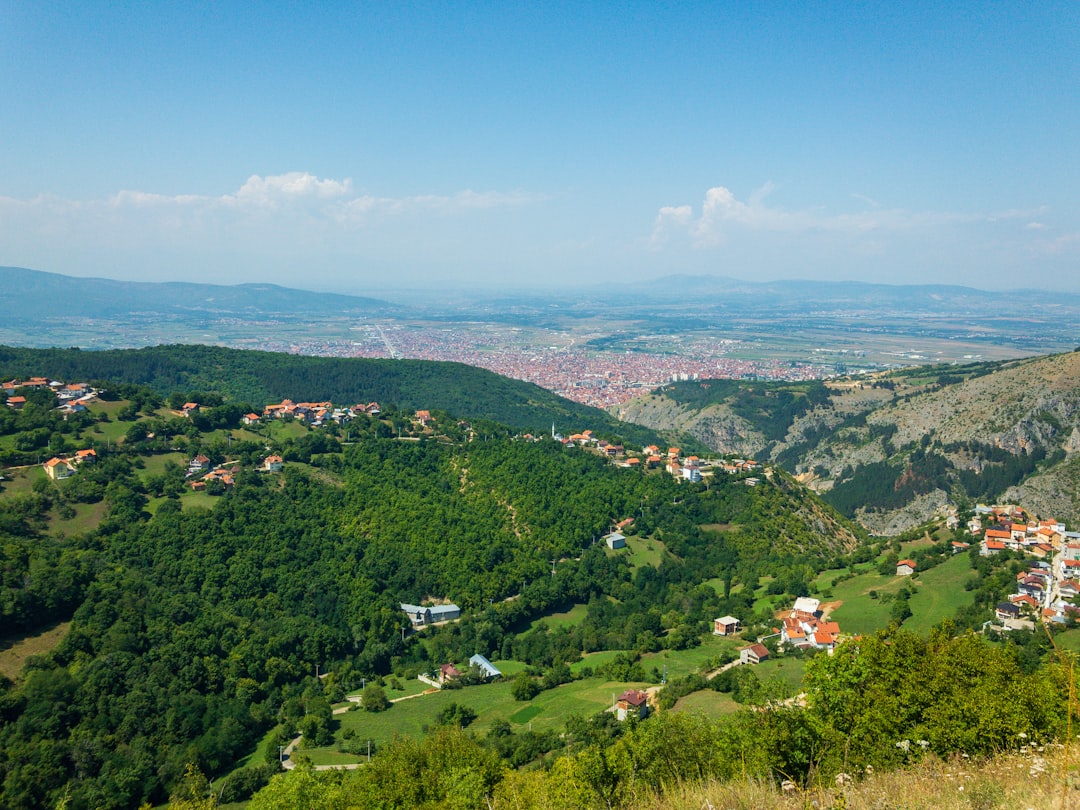
Last reviewed: September 2026 · key facts checked against Wikidata
Northern Kosovo Travel Guide: Everything You Need to Know (2026)
Northern Kosovo — a cluster of 4 municipalities including North Mitrovica, Leposavić, Zvečan, and Zubin Potok — is one of the Balkans’ most politically charged and least-touristed corners, with a combined population of roughly 79,910 residents who are predominantly ethnic Serbs. The region sits at a crossroads of Serbian and Albanian culture, divided by the Ibar River in a way that has made headlines for decades. Arriving here in 2024, I found medieval monasteries, dramatic gorges, and a raw authenticity that polished tourist destinations simply cannot replicate.
Three Things Not to Miss in Northern Kosovo
- Ibar River Gorge — A dramatic canyon stretching over 30 km, virtually unknown to international tourists and stunning for hiking.
- Sokolica Fortress (Zvečan Fortress) — A medieval hilltop fort above Zvečan offering panoramic views — accessible in under 20 minutes on foot.
- Gazivode Lake — Kosovo’s largest artificial lake near Zubin Potok, spanning 12 km² with near-zero tourist crowds.
Scroll down for our complete travel guide with tips on getting there, where to stay, costs and more.
Getting to Northern Kosovo
How do I best reach Northern Kosovo by road or air?
Fly into Pristina International Airport (PRN), roughly 90 km south, then travel north by road — there is no commercial airport in the region itself. From Pristina, take the E75 highway toward Mitrovica, a drive of approximately 75 minutes in normal traffic. Alternatively, Belgrade Nikola Tesla Airport (BEG) is a viable entry point if you’re crossing from Serbia — the drive from Belgrade to North Mitrovica takes about 3 hours via the E75. My tip: crossing from Serbia into Northern Kosovo is generally straightforward, but crossing southward through the Mitrovica bridge checkpoint can involve delays. Always carry your passport, not just an ID card.
Which airport is closest to Northern Kosovo?
Pristina International Airport (PRN) is the closest major airport at approximately 90 km from North Mitrovica. It handles flights from Vienna, Frankfurt, Zurich, London, and Istanbul, making it the practical choice for most international travellers. In my experience, flying via Vienna (Austrian Airlines) or Zurich (SWISS) offers the most reliable connections with competitive fares. The caveat most travel sites omit: if you hold a Serbian passport, Kosovo authorities may refuse entry at PRN — in that case, Belgrade (BEG) and overland entry through the northern checkpoints is your only realistic option. Always verify entry rules 72 hours before departure, as the political situation shifts.
How long is the journey from Pristina to Northern Kosovo?
The drive from Pristina city centre to North Mitrovica takes approximately 75 to 90 minutes — covering about 85 km — under normal conditions. The E75 motorway is well-maintained for most of the route, though the final stretch into Mitrovica narrows significantly. By taxi from PRN airport, expect to pay 40–60 din equivalent in euros — most drivers quote in euros (€30–€45). What surprised me: there is no reliable direct bus from Pristina airport to Mitrovica; you must first reach Pristina bus station in the city, then catch a separate northbound service. Budget an extra 30–40 minutes for this transfer. My tip: arrange a private transfer in advance if you arrive after 8 PM.
Are there direct bus connections to Northern Kosovo from major cities?
Yes — direct buses run between Belgrade and North Mitrovica several times daily, operated by carriers departing from Belgrade’s Lasta Bus Station. The journey takes approximately 4 hours and costs around €12–€18 per person. From Pristina, local buses to Mitrovica depart roughly every 30–45 minutes from the main bus station, costing under €3 for the 85 km trip. The honest caveat: bus frequency drops sharply after 6 PM, and Sunday schedules are significantly reduced. Within the 4 northern municipalities — Leposavić, Zvečan, Zubin Potok — intercity bus connections are sparse and infrequent, running perhaps 2–3 times daily. For anywhere beyond Mitrovica, I strongly recommend a rental car.
Is a rental car necessary to explore Northern Kosovo properly?
Yes — a rental car is essentially essential outside of North Mitrovica itself. The villages around Leposavić, Zvečan, and Zubin Potok, plus the Ibar Gorge and Gazivode Lake, are inaccessible without private transport. Rental cars from PRN airport start at approximately €25–€40 per day for a compact vehicle. The critical warning most travel blogs ignore: many international rental companies prohibit driving their vehicles into Kosovo or from Kosovo into Serbia — check the fine print before booking. I recommend renting from local agencies at PRN or in Mitrovica itself, where cross-border restrictions are better understood. A 4WD or high-clearance vehicle is worth the extra cost if you plan to explore mountain tracks near Kopaonik foothills.
Where to Stay in Northern Kosovo
Which towns in Northern Kosovo make good bases for exploring?
North Mitrovica is the only practical base with consistent accommodation, restaurants, and services — its central position puts you within 40 km of all four municipalities. For a quieter alternative, Zubin Potok offers a handful of guesthouses and direct access to Gazivode Lake, ideal if nature is your priority. Leposavić works as a day-trip stop rather than an overnight base — accommodation options there are minimal in 2025. In my experience, staying in North Mitrovica gives you the most flexibility: the divided city itself is a fascinating, if sobering, sight, and the Ibar riverfront has a handful of decent cafes. My tip: book accommodation as soon as your dates are fixed — the supply is thin and fills quickly on Serbian national holidays.
Where should I stay in Northern Kosovo — what are the best accommodation options?
Options are limited but workable. In North Mitrovica, the best-positioned hotels sit near the Ibar riverfront, within walking distance of the famous bridge and the old town. Guesthouses and family-run pansions dominate the accommodation landscape across the region — expect modest but clean rooms. For lake access, two or three small guesthouses operate near Gazivode Lake in the Zubin Potok area. What surprised me: there are no internationally branded chain hotels in Northern Kosovo as of 2025. Airbnb listings exist but are scarce — perhaps 15–20 active listings for the entire region. My tip: book directly by phone where possible; many local properties are not on international booking platforms, and you will get a better rate and a warmer welcome.
What does accommodation cost per night in Northern Kosovo?
Budget accommodation — a private room in a family guesthouse — runs €15–€30 per night across the region. A mid-range hotel room in North Mitrovica costs approximately €35–€60 per night, including breakfast in most cases. There is effectively no luxury tier in Northern Kosovo; the ceiling is roughly €70–€80 for the best-appointed rooms available. Prices are typically quoted in euros, though the official currency is the Serbian dinar (din) — both are accepted in the north. The trade-off: budget accommodation here is genuinely cheap, but standards are inconsistent. I recommend reading recent reviews carefully, as properties in this region update slowly on booking platforms. A 2-person guesthouse booking for 5 nights can realistically come to under €200 total, making it one of the Balkans’ most affordable stops.
How far in advance should I book accommodation in Northern Kosovo?
Book at least 4–6 weeks ahead for travel in July and September — the confirmed best travel months based on climate data — because the limited supply of rooms means properties fill faster than their online profiles suggest. For Serbian Orthodox holiday periods — particularly around Orthodox Christmas (7 January) and Easter — book 2–3 months in advance, as domestic Serbian visitors fill guesthouses quickly. Outside those windows, last-minute bookings are often possible, but I would not rely on that if you have fixed travel dates. The honest warning: cancellation policies at local guesthouses tend to be strict and non-negotiable — confirm the policy explicitly before paying a deposit. My tip: a direct WhatsApp or phone call to the property always produces faster confirmation than waiting for a booking platform response.
When is the best time to visit Northern Kosovo?
July and September are the optimal months, confirmed by 5-year climate analysis for the region. July offers warm, dry days ideal for hiking the Ibar Gorge and swimming at Gazivode Lake, while September combines pleasant temperatures with dramatically reduced visitor numbers compared to peak summer. Spring — particularly May — is genuinely beautiful for wildflower meadows in the hills around Leposavić, though afternoons can be wet. Avoid January and February unless you specifically want snow landscapes around the Kopaonik foothills — infrastructure in winter is limited and some guesthouses close entirely. In my experience, the last two weeks of September are the sweet spot: summer heat has broken, the light is golden, and you will often have hiking trails entirely to yourself.
Best Time to Visit Northern Kosovo
How does the weather in Northern Kosovo affect what activities I can do?
Summer heat (July average around 28–30°C) makes midday hiking uncomfortable — I recommend starting any trail by 7 AM and retreating to shade or the lake by noon. The Ibar Gorge hike is best tackled in September when temperatures drop to a more manageable 20–23°C. Thunderstorms are a genuine risk in July afternoons, especially near higher ground above Zvečan — always carry a light rain layer. In winter, mountain roads toward Leposavić and Zubin Potok can become impassable after heavy snowfall, with no snowplough guarantee on secondary routes. What surprised me: autumn fog settles into the Ibar Valley in October, making driving hazardous but creating genuinely eerie and photogenic landscapes if you’re patient.
Are there local festivals in Northern Kosovo worth attending?
The most significant cultural event is Vidovdan (St. Vitus Day) on 28 June, a profoundly important date in Serbian national memory commemorating the 1389 Battle of Kosovo. Ceremonies at sites near Zvečan and Leposavić attract thousands of Serbian visitors and offer a rare window into local identity — but the date also carries political tension, and international visitors should be culturally sensitive. Orthodox Easter in North Mitrovica involves candlelit midnight processions that are genuinely moving to witness. In July and August, smaller folk music evenings operate informally in guesthouses around Zubin Potok. My tip: ask your guesthouse host a day in advance — the best local events are never advertised online and are discovered only through personal contact.
When does Northern Kosovo get crowded, and how does that affect my visit?
Northern Kosovo never reaches the tourist density of, say, Dubrovnik or Kotor — but it does see noticeable domestic Serbian visitor spikes during Vidovdan (28 June), Orthodox Christmas (7 January), and the July–August summer period when Serbian families visit Gazivode Lake. During those windows, the handful of guesthouses near the lake can be completely booked, and the drive along the Ibar riverbank becomes slow. The honest trade-off: even at its busiest, Northern Kosovo is objectively uncrowded by Balkan standards — I never waited more than 10 minutes for anything during my July visit. For genuine solitude, aim for the second half of September, when most domestic tourists have returned to Belgrade and international visitors remain a small trickle.
What does a daily budget cost for visiting Northern Kosovo?
A realistic budget traveller can manage on €25–€35 per day, covering a guesthouse bed, three meals at local kafanas, and transport by bus. A mid-range daily budget — private room, sit-down restaurant meals, one paid activity or car hire contribution — runs €50–€75 per day. The region is among the cheapest in the Western Balkans for food and accommodation. Note that prices are typically paid in euros, despite the Serbian dinar (din) being the official currency — carry both if possible. The hidden cost most travellers miss: if you rent a car from Pristina airport, fuel and daily hire can add €35–€50 to your daily spend instantly, pushing even a budget trip toward €60–80 per day.
Is Northern Kosovo cheaper or more expensive than other regions of the Western Balkans?
Northern Kosovo is cheaper than Montenegro, Croatia, and Slovenia by a significant margin — and broadly comparable to or slightly cheaper than central Kosovo, North Macedonia, and inland Serbia. A sit-down lunch at a local kafana in North Mitrovica costs €4–€7, and a large local beer runs €1–€1.50. The caveat: the limited tourism infrastructure means you occasionally pay more for basic services than their quality justifies, because alternatives simply don’t exist. Accommodation is the clearest example — a €40 guesthouse room in Northern Kosovo might be humbler than a €40 room in Novi Sad or Skopje, but you’re paying for location and rarity, not polish. In my experience, the overall trip value remains excellent for adventurous travellers.
What Northern Kosovo Costs
What free highlights can I enjoy in Northern Kosovo?
The Ibar River Gorge viewpoints are completely free and require nothing more than a car and willing legs. Zvečan Fortress has no admission fee — you walk up a path from the village in under 20 minutes and get sweeping views over the Ibar Valley. The divided city of North Mitrovica itself — the bridge, the two-sided main street, the contrasting graffiti and murals — costs nothing to walk and is one of the most politically fascinating urban experiences in Europe. The Gazivode Lake shoreline is freely accessible for walking and swimming. My tip: the Mitrovica bridge area is most striking at dusk, when the lighting and the sparse pedestrian traffic create an atmosphere unlike anything else in the Balkans — and it costs exactly €0.
What do local specialities cost in Northern Kosovo’s restaurants and cafes?
A full plate of ćevapi (grilled minced meat sausages) with bread and ajvar runs €3–€5 at any local kafana in North Mitrovica. A traditional lamb roast (janjetina) — the standout regional dish — costs €8–€14 for a generous portion. Rakija (fruit brandy) is served almost universally and costs €0.80–€1.50 per shot. Strong Turkish-style coffee is €0.80–€1.20. The honest warning: the further you get from North Mitrovica — particularly in Leposavić or Zubin Potok — the fewer restaurant options exist, and hours are unpredictable. I recommend confirming in advance whether a specific kafana is open, especially midweek outside summer. Many operate on informal schedules driven by local demand rather than posted hours.
Which 5 to 7-day route do you recommend for Northern Kosovo?
Day 1: Arrive in North Mitrovica — walk the Ibar bridge, explore both sides of the divided city, dinner at a riverfront kafana. Day 2: Drive to Zvečan Fortress (20-minute hike), then continue to Leposavić for lunch, afternoon in the surrounding hills. Day 3: Full day at Gazivode Lake — swim, picnic, explore the shoreline; base yourself in Zubin Potok overnight. Day 4: Drive the Ibar Gorge road south toward Raška (Serbia side) — stop at viewpoints and the medieval Maglič Fortress just across the Serbian border, 4 km from Raška. Day 5: Return to Mitrovica, explore the market, visit the Mining Museum (if open). Days 6–7: Day trip to Banjska Monastery and decompression before departure. Rent a car — this route is impossible by public transport alone.
What are the must-see sights in Northern Kosovo?
The Ibar River divided city of Mitrovica tops the list — the bridge separating the Serb north from the Albanian south is one of Europe’s most loaded pieces of urban infrastructure, just 80 metres long but carrying enormous historical weight. Zvečan Fortress, a medieval stronghold with roots in the 11th century, overlooks the Ibar Valley and is astonishingly empty of tourists. Gazivode Lake, at 12 km², is the region’s largest body of water and offers raw, uncommercialised nature. Banjska Monastery — built in the early 14th century under King Stefan Milutin — is an outstanding example of Serbian medieval church architecture. In my experience, the monasteries here carry a spiritual intensity that more famous Serbian monasteries have partially lost to tour groups.
What natural highlights does Northern Kosovo offer?
The Ibar Gorge is the standout natural feature — a limestone canyon with walls rising sharply above the river, stretching for more than 30 km and virtually unvisited by international tourists. Gazivode Lake provides calm, swimmable water surrounded by forested hills — the absence of jet skis and beach bars is a genuine selling point if you’re tired of Adriatic tourist infrastructure. The Kopaonik mountain foothills extend into the Leposavić municipality, offering hiking terrain that connects to one of Serbia’s most celebrated national parks just 30 km north of the border. What surprised me: the birdlife along the Ibar is remarkable — grey herons, kingfishers, and eagles are visible with no specialist equipment on a quiet morning walk.
Routes & Highlights in Northern Kosovo
What local specialities should I try when eating in Northern Kosovo?
Janjetina (spit-roasted lamb) is the non-negotiable regional dish — order it at any kafana advertising it, ideally on Sundays when preparation starts at dawn. Gibanica (layered cheese and egg pastry) makes a perfect cheap breakfast, costing under €2 at bakeries in North Mitrovica. Kajmak — a rich clotted cream spread served with bread — accompanies almost every meal and is made locally by village producers. Rakija distilled from local plums or pears is offered as a greeting in homes and guesthouses — refusing it politely once is fine; refusing it twice risks causing offence. My tip: ask your guesthouse host where local farmers sell directly — buying cheese and kajmak directly from a village producer 5 km outside Leposavić costs a fraction of any shop price.
What activities are available for visitors to Northern Kosovo?
Hiking in the Ibar Gorge and the Kopaonik foothills is the primary outdoor activity, with unmarked but navigable trails accessible from Leposavić and Zubin Potok. Swimming and kayaking at Gazivode Lake are possible from June through September — bring your own kayak or ask locally about equipment hire, which is informal and cheap (roughly €10–€15 per half day). Cultural monastery visits — including Banjska — are free and deeply rewarding. Fishing along the Ibar River is popular among locals and permits are obtainable locally for approximately €5–€10 per day. The honest limitation: there is no organised adventure sports industry here yet. Everything requires self-sufficiency or going through your guesthouse host, who is often the best local guide you will find.
What distinguishes Northern Kosovo from other regions in the Western Balkans?
Northern Kosovo is the only place in Europe where you can walk across a 80-metre bridge and move between two entirely different administrative, political, and cultural realities within a single city. The region’s unresolved political status — simultaneously claimed by both Serbia and Kosovo — creates a living, breathing political geography found nowhere else on the continent. Medieval Serbian Orthodox monasteries, Soviet-era infrastructure, Albanian-language signage in the south, Serbian-language signage in the north — the density of contrasts per square kilometre is extraordinary. In my experience, travellers who are drawn to places where history is still unresolved and raw — rather than neatly packaged — find Northern Kosovo unlike anything else they’ve encountered in 20+ European countries.
Which day trips are possible from Northern Kosovo?
Raška, Serbia — crossing northward into Serbia proper and visiting Maglič Fortress above the Ibar River, approximately 60 km from North Mitrovica, is one of the finest medieval fortress experiences in the region. Kopaonik National Park is accessible in roughly 90 minutes from Leposavić via the Serbian border — impressive alpine scenery and hiking above 2,000 m. Southern Mitrovica itself — technically a day trip across the bridge — offers the Albanian-administered south’s bazaar, mosques, and a completely different atmosphere within 500 metres of where you slept. The caveat: crossing southward through the Mitrovica bridge checkpoint can involve unpredictable delays and occasional tension. My tip: always cross with your passport, travel calmly, and avoid political discussions at the checkpoint.
Are there language barriers for English-speaking visitors in Northern Kosovo?
English is not widely spoken outside the younger generation in North Mitrovica. Serbian is the dominant language of the north; Albanian predominates south of the bridge. In guesthouses and hotels, you will almost always find at least one staff member with functional English — but in village kafanas, markets, and rural areas, expect to communicate through gestures, Google Translate, and goodwill. My tip: download the Serbian Cyrillic keyboard on your phone before arriving — many signs and menus are in Cyrillic only. Learning 5–10 Serbian phrases (dobar dan, hvala, molim, koliko košta) generates a warmth of response that transforms interactions. What surprised me: many older residents speak surprisingly good German, a legacy of Yugoslav-era guest worker migration to Germany and Austria.
Practical Tips for Northern Kosovo
Which apps do you recommend for navigating Northern Kosovo?
Maps.me or OsmAnd with offline maps downloaded before arrival — Google Maps has gaps in the rural areas of Zubin Potok and Leposavić municipalities. Google Translate with the Serbian language pack downloaded offline is essential for Cyrillic menus and signs. Booking.com has limited but real listings for North Mitrovica accommodation — cross-check with a direct property call. Viber is the standard messaging app locally — your guesthouse host will almost certainly communicate via Viber rather than WhatsApp. For currency calculations, any live exchange app helps since prices shift between euros and dinars depending on which side of the Ibar you’re on. My tip: download offline maps covering both Kosovo and Serbia — your route will almost certainly cross the border at some point.
Are there adequate medical facilities in Northern Kosovo?
North Mitrovica has a functioning hospital — the North Mitrovica Clinical Hospital — capable of handling emergencies and standard medical needs. However, specialist care, advanced diagnostics, and surgical capacity are limited compared to Belgrade or Pristina. For anything beyond basic treatment, medical evacuation to Belgrade (3 hours by road) or Pristina (90 minutes) is the practical reality. My strong recommendation: purchase comprehensive travel insurance with medical evacuation cover before entering the region — this is not optional here. Pharmacies in North Mitrovica are reasonably stocked for standard medications. Rural areas around Leposavić and Zubin Potok have only basic health posts — carry a personal first aid kit and any prescription medication in sufficient quantity for your entire trip plus 3 extra days.
How safe is Northern Kosovo for international travellers?
For most international travellers, Northern Kosovo is physically safe — petty crime rates are low and violent incidents targeting tourists are essentially unrecorded. The genuine risk is political and situational: tensions between Kosovo institutions and local Serb communities flare periodically, sometimes involving roadblocks, protests, or brief confrontations near the Mitrovica bridge or northern checkpoints. In 2022–2023, these tensions escalated to levels that prompted EU and KFOR alerts. My advice: check your government’s official travel advisory within 48 hours of departure — not just once when you book. Avoid photographing military or police personnel and stay away from protest gatherings. The NATO-led KFOR peacekeeping force maintains a visible presence and provides a baseline of stability. Travel with your passport accessible at all times.
What are common mistakes travellers make when visiting Northern Kosovo?
The biggest mistake is arriving without a rental car and expecting to explore beyond Mitrovica on public transport — it will not work for the gorge, lake, or monasteries. Second: not checking the political situation immediately before travel — the region can shift from calm to tense in days. Third: attempting to pay only in Kosovo euros south of the bridge without carrying Serbian dinars (din) for the north — some vendors in the north actively prefer or exclusively accept dinars. Fourth: crossing into Serbia and expecting a Kosovo entry stamp to be accepted — Serbia does not recognise Kosovo-issued stamps; enter through Serbia first if this is a concern. Fifth: underestimating driving times on secondary roads — what looks like 20 km on a map can take 45 minutes on narrow mountain tracks.
Which accommodation types suit Northern Kosovo best for different traveller styles?
Family-run guesthouses (pansions) are the best fit for the vast majority of visitors — they provide local knowledge, home-cooked meals, and a human connection that a hotel cannot offer. In North Mitrovica, small hotels near the Ibar riverfront suit travellers who want a private bathroom and a central position without sacrificing comfort entirely. For nature-focused travellers, lakeside guesthouses near Gazivode offer direct water access and extraordinary tranquility — but confirm opening dates in advance, as some operate only June through August. There are no hostels, no glamping operations, and no resort complexes in Northern Kosovo as of 2025. My tip: embrace the pansion model fully — the breakfast alone, typically featuring homemade kajmak, cheese, eggs, and fresh bread, is worth the entire accommodation cost.
Northern Kosovo at a Glance
| Population | 79,910 |
|---|---|
| Currency | Serbian dinar (din) |
| Official language | Serbian, Albanian |
| Time zone | UTC+01:00 |
Source: Wikidata, retrieved September 2026.
Kosovo › Northern Kosovo
Essential Resources for Planning Your Trip to Northern Kosovo
- Visit Kosovo [Trip Travel Blog] Surprising and Fun! — official visitor information, passes & events
- Wikipedia: Northern Kosovo — history, geography & background
- Wikivoyage: Northern Kosovo — community travel guide & practical tips
- 15 best places to go off-grid around the world — expert itineraries & travel inspiration
- THE 15 BEST Things to Do in Kosovo (2026) — hotels, restaurants & traveller reviews
- Visit Kosovo [Trip Travel Blog] Surprising and Fun! — how to get around
- Numbeo: Cost of Living in Northern Kosovo — current prices & cost comparison
- Timeanddate: Northern Kosovo Weather & Climate — forecasts & climate statistics
More Perspectives on Northern Kosovo
Northern Kosovo Travel Videos
Watch these videos for a visual preview before your trip:
- 6 things i wish i knew BEFORE travelling to KOSOVO!
- Top 10 Places to Visit in Kosovo | Ultimate Kosovo Travel Guide 2025
- Pristina Kosovo Travel Guide 🇽🇰 | Nightlife, Food, and Top Things to Do in 2025
Northern Kosovo Travel Discussions on Reddit
Real traveller experiences and community advice:
- Visiting northern Kosovo : r/kosovo
- Safe to visit Northern Kosovo as an American? : r/travel
- Short trip to Kosovo and North Macedonia : r/travel
Data Sources
This page was compiled using data from Wikipedia, Wikidata, Open-Meteo (climate), Numbeo (cost of living) and REST Countries. Information is updated regularly.