
Kosovo: The Complete Travel Guide (2026)
Last reviewed: August 2026 · key facts checked against Wikidata
Kosovo Travel Guide: Everything You Need to Know (2026)
Kosovo, officially the Republic of Kosovo, covers 10,887 km² in Southeast Europe and is home to a population of 1,883,018 — making it one of the most densely populated countries in the Balkans. Declared independence in 2008, it remains partially recognized internationally but has developed rapidly as a travel destination, with Pristina sitting at roughly 652 meters above sea level. The country is landlocked, bordered by Albania, Serbia, North Macedonia, and Montenegro, yet surprisingly easy to reach and rewarding to explore.
Top 3 Highlights at a Glance
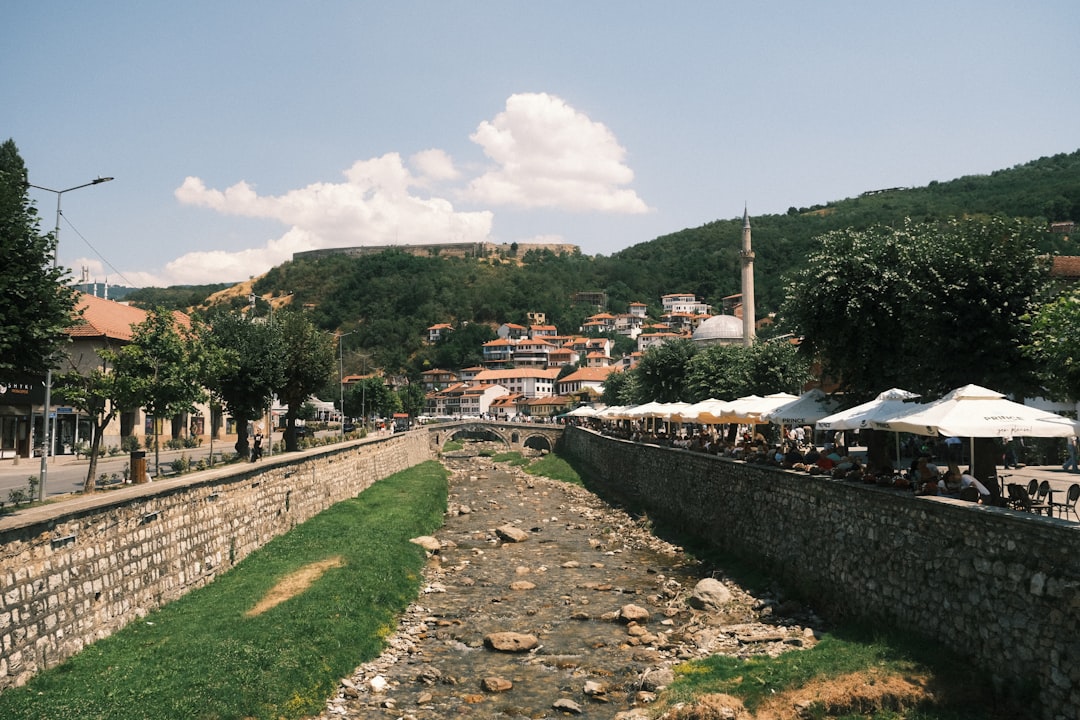
- Prizren Old Bazaar — Kosovo’s most photogenic city, with a 15th-century Ottoman fortress looming over a cobblestoned riverside bazaar.
- Rugova Canyon — One of the Balkans’ longest canyons at 25 km, offering dramatic gorge scenery and Via Ferrata climbing routes.
- Visoki Dečani Monastery — A UNESCO-listed 14th-century Serbian Orthodox monastery with intact medieval frescoes covering over 1,000 sq meters.
Scroll down for our complete travel guide with tips on getting there, where to stay, costs and more.
Getting There & Transport
Which airports are the best entry points into Kosovo?
Pristina International Airport Adem Jashari (PRN) is the only commercial airport in Kosovo, located 17 km southwest of Pristina city centre. In my experience, it handles the vast majority of international arrivals and connects well to Western European hubs like London Stansted, Zurich, Vienna, and Istanbul. Wizz Air and Swiss dominate routes. A caveat most guides omit: the airport has limited gate infrastructure, so delays during peak summer are common. If you find cheaper fares, Skopje Airport (SKP) in North Macedonia is 90 km away and a viable secondary entry point, with shared shuttle transfers available.
How do I get from the airport to my first accommodation in Kosovo?
The fastest option is a taxi from PRN to Pristina centre, costing around €20-25 and taking roughly 25 minutes. My tip: use only metered taxis from the official rank — unlicensed drivers outside the terminal routinely charge double. A cheaper alternative is the airport bus operated by Pristina Bus Terminal, costing around €2-3 and running every 30-60 minutes to the city centre. What surprised me is that there is no direct train from the airport. Rideshare apps like Bolt now work in Pristina and typically cost €10-15 to the centre — book inside the terminal once you have a local SIM.
What transport options exist within Kosovo?
Kosovo has a functioning intercity bus network connecting Pristina, Prizren, Peja, Mitrovica, and Gjakova — tickets typically cost €2-5 for most routes. In my experience, buses are frequent between major cities but schedules are not always posted online, so arrive at the main Pristina Bus Terminal on Rruga Lidhja e Prizrenit early. Shared minibuses called furgons are faster and cheaper on some rural routes. Taxis and Bolt are reliable in cities. Trains exist but are extremely slow — the Pristina–Peja line takes over 2 hours for 75 km and is mainly scenic, not practical. Honest warning: rural connections are sparse.
Do I need a rental car in Kosovo?
Yes, a rental car is strongly recommended if you plan to visit Kosovo’s rural highlights. Destinations like Rugova Canyon, the Bjeshkët e Nemuna National Park, and Gadimë Cave are nearly inaccessible by public transport. In my experience, renting from agencies at PRN airport is easiest — expect to pay €25-45 per day for a compact car. A warning most guides skip: Kosovo’s road quality varies dramatically — main highways like the Ibrahim Rugova Highway to Albania are excellent, but mountain roads to villages can require a high-clearance vehicle. An international driving licence is recommended, though a standard EU licence is generally accepted.
How good is the public transport network between regions of Kosovo?
Between Kosovo’s major cities it is adequate but not seamless. Pristina to Prizren runs every 30-60 minutes, costs €3, and takes about 1.5 hours by bus — reliable and comfortable. Pristina to Peja costs around €3-4 and takes roughly 2 hours. I recommend using the Pristina Bus Terminal as the main hub. However, the honest caveat is that connections to smaller towns like Dragash or Štrpce are infrequent — sometimes just 1-2 departures per day. Cross-border buses to Skopje, Tirana, and Belgrade are widely available and affordable. Do not rely on trains for regional travel — they are scenic novelties, not a practical network.
Accommodation
Which regions of Kosovo should I stay in?
Pristina is the logical base for first-time visitors — it has the best infrastructure, dining, and nightlife, centred around Rexhep Luci Street and the Newborn monument area. Prizren is my personal favourite for atmosphere — the Ottoman old town is walkable, beautiful, and loaded with history. Stay there at least 2 nights. Peja (Peć) is the gateway to Rugova Canyon and the Accursed Mountains, ideal for hikers. Mitrovica is less visited but fascinatingly divided by the River Ibar into Albanian and Serbian communities — a genuinely unique urban experience. I recommend splitting your stay between at least Pristina and Prizren minimum.
What does good accommodation cost per night in Kosovo?
Kosovo is one of Europe’s most affordable destinations for accommodation. In my experience, a solid mid-range hotel or boutique guesthouse in Pristina or Prizren costs €40-70 per night. Budget hostels in Pristina run €12-18 per dorm bed. Family-run guesthouses in mountain areas like Rugovë Valley can be as cheap as €20-30 per night including breakfast — extraordinary value. Luxury options are limited but growing; the Swiss Diamond Hotel Pristina sits at the top end at around €120-160 per night. What most guides omit: guesthouse quality in rural areas is inconsistent — read recent reviews carefully before booking.
When should I book hotels in Kosovo — how far in advance?
For travel in July and August, book at least 6-8 weeks in advance, particularly for Prizren and Peja, which fill up fast with diaspora tourists returning from Western Europe. During the Dokufest Film Festival in Prizren (August), accommodation within walking distance of the old town sells out 3-4 months ahead — I have seen prices double that week. In shoulder months like May, June, and September, booking 2-3 weeks ahead is sufficient. Pristina has more hotel inventory and rarely reaches true scarcity outside major events. My tip: book directly with guesthouses via email for better rates and flexibility than booking platforms.
When is the best time to travel to Kosovo?
Based on climate analysis, July and September are the optimal months to visit Kosovo. July offers long sunny days perfect for Rugova Canyon hiking and Prizren sightseeing, though temperatures in the lowlands can hit 35°C. September is my personal recommendation — temperatures drop to a comfortable 22-26°C, crowds thin after August, and the countryside turns golden. June is an excellent runner-up with mild weather and green landscapes. Avoid January–February unless you plan to ski at Brezovica resort — Pristina in winter is grey and bitterly cold. Spring (April–May) is beautiful but unpredictable with rain.
How does peak season affect prices in Kosovo?
Peak season runs mid-June through August, driven heavily by the Kosovan diaspora — over 1 million Kosovans live abroad, primarily in Switzerland, Germany, and Austria, and many return home in summer. In my experience, accommodation prices in Prizren and Peja rise 40-60% during this window. Restaurant prices are relatively stable, but popular spots like Te Syla in Rugovë fill their terraces nightly. Flights into PRN from Zurich or London spike sharply in July — booking 3 months ahead saves significantly. The honest trade-off: peak season also means more events, open restaurants, and a lively street atmosphere that Kosovo does brilliantly.
Best Time to Visit
Which regions of Kosovo have different climate zones?
Kosovo splits broadly into two climate zones. The central basin around Pristina experiences a continental climate — hot summers above 30°C and cold winters that regularly drop to -5°C. The western mountain regions — Rugova, Bjeshkët e Nemuna, and the Šar Mountains near Štrpce — have an alpine climate with snow persisting until April and cool summers rarely exceeding 22°C. Prizren in the south benefits from slight Mediterranean influence channelled through the White Drin river valley, giving it marginally milder winters. My tip: pack layers regardless of season if you plan to mix lowland cities with mountain areas — the temperature shift between Pristina and Rugova can be 8-10°C.
What are the rainy seasons in Kosovo?
Kosovo receives most of its precipitation in spring (April–May) and early winter (November–December). In my experience, April showers are frequent but short — afternoon thunderstorms that clear by evening. November is the greyest month, with persistent overcast skies and rain making outdoor sightseeing less enjoyable. June can bring intermittent storms but is generally fine. July through September is the driest stretch — ideal for hiking the Peaks of the Balkans trail or canyon excursions. A warning most guides omit: mountain weather in Rugova Canyon and Bjeshkët e Nemuna changes rapidly even in summer — always carry a waterproof layer when hiking above 1,500 metres.
What does a trip to Kosovo cost per person per day?
Kosovo is genuinely budget-friendly by European standards. A backpacker spending €30-40 per day can cover a hostel dorm, local restaurant meals, and bus transport comfortably. A mid-range traveller spending €60-90 per day gets a solid guesthouse, sit-down meals at good restaurants, and occasional taxis. In my experience, €70-80 per day hits a sweet spot — a nice room in Prizren, coffee at Soma Book Station in Pristina, a proper dinner with wine, and transport. A comfortable private-car itinerary with hired guides pushes to €120-150 per day. Kosovo is significantly cheaper than Albania or North Macedonia for equivalent experiences.
How expensive is food in Kosovo?
Food in Kosovo is among the most affordable in Europe. A local lunch at a traditional restaurant (burek, flija, grilled meats) costs €3-6. A sit-down dinner at a mid-range restaurant in Pristina’s city centre or Prizren’s old bazaar runs €10-18 per person including a beer. Coffee culture is central — an espresso costs €0.80-1.20 almost everywhere. Street food like burek from a local bakery costs €1-1.50 and is genuinely excellent. A warning most guides omit: restaurants near the Pristina Newborn monument and tourist pedestrian zones charge a premium — walk one block off the tourist trail and prices drop by 30%.
What hidden costs should I expect in Kosovo?
Several costs catch first-time visitors off guard. SIM cards cost €5-10 but topping up data can add up quickly. If you hire a rental car, parking in Pristina’s central zone costs €0.50-1 per hour and enforcement is real. KFOR military checkpoints near Mitrovica occasionally cause delays — budget extra time, not money. Guided hikes on the Peaks of the Balkans trail require a licensed guide at roughly €50-80 per day. Entry to some Serbian Orthodox monasteries like Dečani requests a donation of €2-5. What surprised me most: ATM withdrawal fees from foreign cards hit €3-5 per transaction — withdraw larger amounts less frequently.
Budget & Costs
How much cash should I bring to Kosovo?
Bring €200-300 in cash as a baseline for a week-long trip, more if heading into rural areas. Kosovo uses the Euro (€) as its official currency despite not being an EU member — no currency exchange needed for European visitors. In my experience, markets, rural guesthouses, furgon minibuses, and small cafes are cash-only. Pristina’s larger hotels, supermarkets, and restaurants increasingly accept cards. ATMs are available at PRN airport, throughout Pristina, and in Prizren and Peja city centres — but become scarce in mountain villages. My tip: carry at least €50 in small notes (€5 and €10) for daily transactions — exact change is frequently expected.
Which credit cards are accepted in Kosovo?
Visa and Mastercard are accepted at most hotels, larger restaurants, and supermarkets in Pristina and Prizren. American Express is rarely accepted outside top-end hotels. In my experience, card acceptance is patchy in smaller towns — Peja and Gjakova are more cash-reliant than Pristina. Contactless payments are growing but not universal. A warning most guides omit: some local card terminals add a 1.5-2% foreign transaction surcharge without disclosure — always ask before paying. I recommend carrying a Revolut or Wise card to avoid foreign transaction fees at ATMs and point-of-sale; these work reliably throughout Kosovo and save meaningful money over a week-long trip.
Which regions of Kosovo must I not miss?
Three regions are non-negotiable. Prizren is Kosovo’s cultural crown — the Sinan Pasha Mosque, Kalaja fortress, and the old bazaar along the Bistrica River make it unmissable. The Rugova Valley and Peja area is essential for natural beauty — the canyon entrance is just 5 km from Peja city centre. Pristina deserves at least a full day for the National Museum, Newborn monument, and the café culture on Rexhep Luci Street. For off-the-beaten-path immersion, the Dragash area in the south offers a distinct Gorani Muslim culture, excellent hiking, and near-total absence of other tourists. Do not skip it if you have 7+ days.
What are the tourist highlights of Kosovo?
Kosovo’s top highlights span history, nature, and urban culture. Visoki Dečani Monastery (14th century, UNESCO-listed) contains some of the finest surviving Byzantine frescoes in the Balkans. Prizren’s old town is the most photogenic urban space in Kosovo — the riverside bazaar and Ottoman architecture are extraordinary at any time of day. Rugova Canyon offers Via Ferrata climbing, zip lines, and canyon hiking. The Gadimë Marble Cave near Lipjan features rare aragonite crystals accessible on a 45-minute guided tour for €3. Pristina’s Bear Sanctuary — run by Four Paws — is 20 km from the capital and genuinely moving, housing rescued bears in a forested reserve.
What experiences in Kosovo are found nowhere else?
Three experiences are uniquely Kosovan. First, walking Mitrovica’s divided city bridge — where the Albanian south and Serb north meet across the Ibar River — is one of Europe’s last Cold War-era urban fault lines, still raw and real. Second, the Dokufest International Documentary Film Festival in Prizren (August) screens films in the open-air setting of the Lumbardhi Cinema and across old-town venues — a magical combination of world cinema and Balkan summer evenings. Third, flija — Kosovo’s ritual layered pastry cooked over coals by women in mountain villages — is a cultural and culinary experience inseparable from Kosovan identity and genuinely unavailable anywhere else.
Regions & Highlights
Which areas of Kosovo are overcrowded — and what are the quieter alternatives?
Prizren’s old bazaar gets genuinely congested on August weekends, particularly during Dokufest — the riverside fills shoulder to shoulder. My alternative: Gjakova’s old bazaar is Kosovo’s second-largest Ottoman bazaar, equally atmospheric, and sees a fraction of the visitors. Pristina’s Newborn monument area is tourist-central — instead, explore the Çarshia e Re neighbourhood or the Germia Park on the city’s northeastern edge. The Rugova Canyon main road gets busy with day-trippers in summer — hike 2+ km into the canyon to leave the crowds behind. Dragash district in the south and the Šar Mountains near Štrpce remain genuinely untouched by mass tourism.
How many days do I need in Kosovo?
5 days is the realistic minimum to see Kosovo’s core highlights properly. A tight 3-day trip covers only Pristina and Prizren. In my experience, 7 days is the sweet spot — it allows 2 nights in Pristina, 2 nights in Prizren, 2 nights in Peja/Rugova, with a day trip to Dečani Monastery and time for spontaneous exploration. Ten days lets you add Mitrovica, Dragash, and the Gadimë Cave without rushing. What most itinerary guides omit: Kosovo is small — it is only 110 km from Pristina to Peja — so distances are short and you can genuinely see a lot in a week without exhausting travel days.
Do I need a visa to enter Kosovo?
Most Western passport holders do not need a visa for Kosovo — stays up to 90 days are visa-free. This includes EU, UK, US, Canadian, and Australian citizens. In my experience, border entry is straightforward at PRN airport and the main road crossings from Albania and North Macedonia. A critical warning most guides omit: entering Kosovo via Serbia can be complicated — Serbia does not recognise Kosovo’s independence, and if your passport shows entry stamps from Kosovo, you may face difficulties at Serbian borders. Cross into Kosovo from Albania (Morina crossing) or North Macedonia (Blace crossing) to avoid this issue if Serbia is also on your itinerary.
What languages are spoken in Kosovo?
Albanian and Serbian are the two official languages of Kosovo. In the overwhelming majority of the country — including Pristina, Prizren, Peja, and Gjakova — Albanian is the dominant language. Serbian is primarily spoken in the north around Mitrovica and in Serb-majority villages. What surprised me is how widely English is spoken, particularly by anyone under 40 — Kosovo has a young population (median age under 30) and many have studied or worked abroad. German is also widely understood, especially in areas with strong diaspora ties to Switzerland and Austria. Italian is useful in Prizren. I had zero significant language barriers throughout my travels.
What cultural rules do I need to know in Kosovo?
Kosovo is predominantly Muslim, but practice varies widely — it is secular in character. Women are not required to cover their heads, alcohol is widely available, and the country is openly LGBTQ-tolerant in Pristina’s urban bubble. However, when entering mosques like the Sinan Pasha in Prizren, remove shoes and dress modestly — shoulders and knees covered. When visiting Serbian Orthodox monasteries like Dečani, similar modesty applies, and photography inside may be restricted. A warning most guides omit: avoid politically charged conversations about Kosovo’s independence status, especially in Mitrovica — locals are passionate and the topic remains deeply sensitive. Tipping 10% in restaurants is expected and appreciated.
Practical Tips
How safe is Kosovo for travellers?
Kosovo is safe for tourists — petty crime is low and violent incidents targeting foreigners are extremely rare. In my experience, Pristina and Prizren feel relaxed and walkable even late at night. The main practical concern is traffic safety — Kosovo has a high road accident rate, and drivers can be aggressive on mountain roads. The Mitrovica divided city area requires awareness — tensions between communities occasionally flare, so monitor local news if visiting. KFOR NATO peacekeepers are still present in the north. Avoid hiking unmarked mountain trails near the northern border with Serbia without a local guide. Overall, solo female travellers report feeling comfortable throughout Kosovo’s main tourism areas.
What health precautions should I take when visiting Kosovo?
No mandatory vaccinations are required for Kosovo, but I recommend being up to date on hepatitis A, typhoid, and routine European vaccinations. Tap water in Pristina and major cities is technically drinkable but tastes heavily chlorinated — bottled water costs €0.50-1 per 1.5L and is widely available. A warning most guides skip: Kosovo’s healthcare system is under-resourced — the main hospital is the University Clinical Centre of Kosovo in Pristina, but serious medical treatment may require evacuation to Skopje or Tirana. Purchase comprehensive travel insurance including medical evacuation cover before departure. Pharmacies (barnatore) are plentiful in city centres and stock most common medications without prescription.
What SIM card or eSIM options are available in Kosovo?
Buy a local SIM on arrival at PRN airport or from a city centre shop — it costs €5-10 including data. Kosovo’s three main operators are IPKO, Vala, and Z Mobile. In my experience, IPKO offers the most reliable 4G coverage across both cities and mountain areas, including most of the Rugova Canyon road. A critical warning: Kosovo is not part of the EU roaming zone, so EU SIM cards do not apply roaming rules in Kosovo — your home plan will charge international rates. eSIM options via Airalo or Holafly work well and cost around €6-12 for 5GB, making them ideal for short visits. Coverage drops to 2G or zero in deep mountain areas above 1,800 metres.
Which apps do you recommend for travelling Kosovo?
Bolt is essential — it works as both a taxi and food delivery app throughout Pristina and increasingly in Prizren and Peja. Google Maps offline download covers Kosovo well for navigation, including mountain trails. Maps.me offers superior offline trail detail for hiking in Rugova and the Peaks of the Balkans. WikiLoc has user-uploaded trail GPX files specific to Kosovo’s mountain routes. For accommodation, Booking.com lists the most inventory, though direct contact via WhatsApp is often cheaper. XE Currency is useful for quick mental conversions if you are arriving from non-Euro countries. Visit Kosovo — the official tourism app — is basic but lists verified cultural sites and event calendars worth checking before arrival.
What are common traveller mistakes in Kosovo?
The most common mistakes I see: First, entering Kosovo from Serbia without understanding the border recognition complications — plan your route carefully. Second, skipping Prizren in favour of spending all time in Pristina — Pristina is interesting but Prizren is the soul of Kosovo. Third, not carrying cash in rural areas — assuming card payment works everywhere will leave you stranded at a canyon guesthouse. Fourth, underestimating mountain weather — tourists attempt the Peaks of the Balkans trail in trainers without waterproofs and regret it. Fifth, visiting Dečani Monastery without checking KFOR access schedules — NATO escorts are sometimes required on the approach road and times change. Verify the day before.
Kosovo at a Glance
| Population | 1,586,659 |
|---|---|
| Currency | EUR (€) |
| Official language | Albanian, Serbian |
| Time zone | UTC+01:00 |
Source: Wikidata, retrieved August 2026.
Essential Resources for Planning Your Trip to Kosovo
- Visit Kosovo [Trip Travel Blog] Surprising and Fun! — official visitor information, passes & events
- Wikipedia: Kosovo — history, geography & background
- Wikivoyage: Kosovo — community travel guide & practical tips
- Kosovo travel — expert itineraries & travel inspiration
- THE 15 BEST Things to Do in Kosovo (2026) — hotels, restaurants & traveller reviews
- Kosovo International Travel Information — how to get around
- Numbeo: Cost of Living in Kosovo — current prices & cost comparison
- Timeanddate: Kosovo Weather & Climate — forecasts & climate statistics
More Perspectives on Kosovo
- Kosovo Travel Guide: Plan Your Visit to Kosovo
- What I Wish I Knew Before Visiting Kosovo
- Backpacking Kosovo: A Complete Travel Guide [UPDATED …
Kosovo Travel Videos
Watch these videos for a visual preview before your trip:
- 6 things i wish i knew BEFORE travelling to KOSOVO!
- BEST Places To Visit In Kosovo (Top 8)
- 10 BEST things to do in KOSOVO
Kosovo Travel Discussions on Reddit
Real traveller experiences and community advice:
- A trip to kosovo, yay or nay? : r/travel
- r/travel – A visit to Kosovo
- Traveling to Kosovo : r/Belgrade
Data Sources
This page was compiled using data from Wikipedia, Wikidata, Open-Meteo (climate), Numbeo (cost of living) and REST Countries. Information is updated regularly.