
Panama: The Complete Travel Guide (2026)
Last reviewed: October 2026 · key facts checked against Wikidata
Panama Travel Guide: Everything You Need to Know (2026)
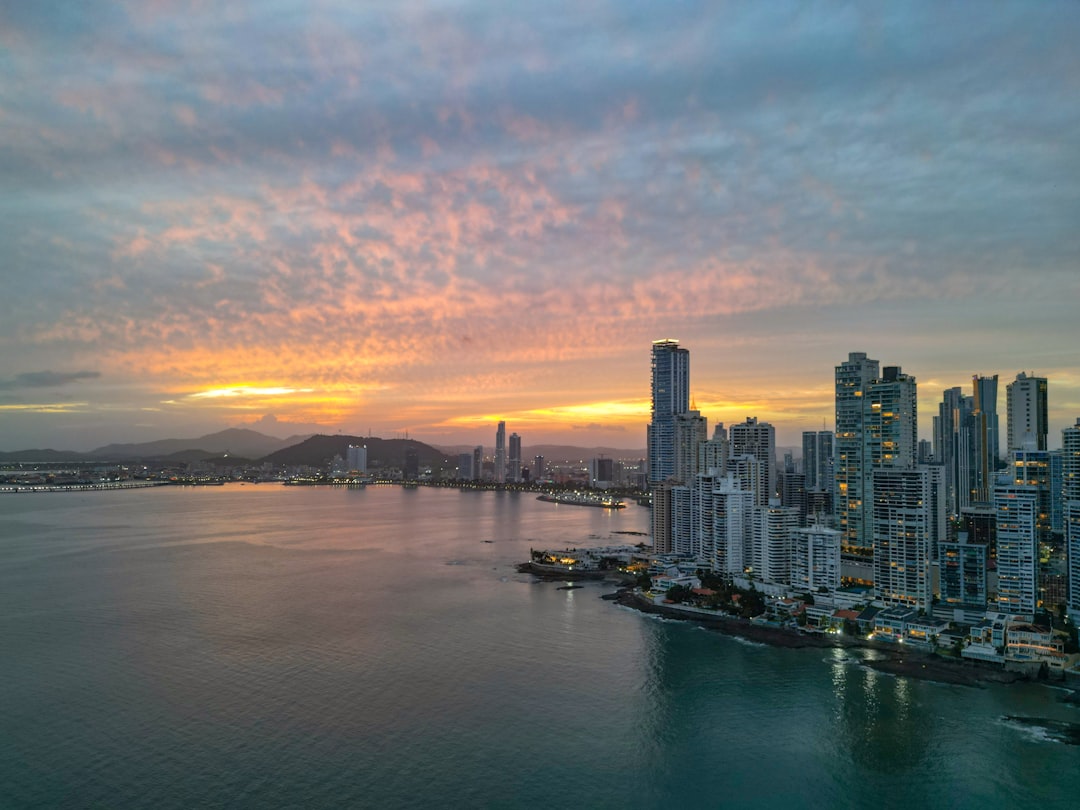
Panama, home to 4,570,133 people, is the narrow isthmus connecting North and South America — a country where you can watch container ships cross between two oceans from a single vantage point. Founded as a Spanish colonial outpost in 1519, Panama City is the oldest continuously inhabited European settlement on the Pacific coast of the Americas. The Panama Canal, completed in 1914, handles roughly 5% of global seaborne trade and remains the single most compelling reason to visit.
Three Things Not to Miss in Panama
- Panama Canal — Miraflores Locks — Watch 300-metre Panamax vessels rise and fall through locks from a viewing deck just 15 minutes from Panama City.
- Bocas del Toro Archipelago — Nine Caribbean islands with bioluminescent bays, coral reefs, and sloths — accessible by 1-hour flight from Panama City.
- Casco Viejo (Panama City) — UNESCO-listed colonial quarter founded in 1673, where rooftop bars overlook the Pacific skyline of a modern metropolis.
Scroll down for our complete travel guide with tips on getting there, where to stay, costs and more.
Getting to Panama & Getting Around
Which airports are the best entry points into Panama?
Tocumen International Airport (PTY) in Panama City is your primary gateway — full stop. In my experience, 95% of international travelers land here, and it functions as the regional hub for Copa Airlines, which connects to over 80 cities across the Americas. PTY sits approximately 25 km east of downtown Panama City. For western Panama and Bocas del Toro, a second option is Enrique Malek International Airport (DAV) in David, served by Copa with a 1-hour domestic hop from PTY. My tip: avoid routing through Miami unnecessarily — Copa’s Tocumen hub is genuinely efficient and often cheaper from European and South American departure points.
How do I get from the airport to my first accommodation in Panama?
Take the Metro Bus to Albrook Terminal — it costs roughly $0.25 and runs directly from PTY, though it involves one transfer and takes about 60 minutes. I recommend the official yellow taxi for first-time arrivals: fixed fare to Casco Viejo or Marbella is $30–35, taking 25–35 minutes outside rush hour. Avoid unofficial taxis at arrivals — they charge double. InDriver and Uber both operate from PTY and cost $15–20 to central hotel zones, which is the sweet spot between price and convenience. What surprised me: the Metro Line 2 does NOT yet serve PTY directly — do not rely on it despite what some blogs claim.
What transport options are there within Panama?
Panama offers three realistic tiers of in-country transport. Domestic flights via Air Panama connect PTY to Bocas del Toro, Contadora Island, and the Darién — fares start at $80 one-way. Long-distance buses from Albrook Bus Terminal in Panama City reach David in 7 hours for $18 and Bocas del Toro in 10 hours for $28. Within Panama City, Metro Lines 1 and 2 cost a flat $0.35 per ride and cover key zones efficiently. My tip: the Albrook terminal is enormous and organized — buy tickets at the numbered windows, not from touts. Warning most guides omit: road quality deteriorates sharply beyond David toward the Costa Rican border, so factor extra time.
Do I need a rental car in Panama?
For Panama City alone — no. For anything beyond the capital, a rental car transforms your trip. In my experience, Azuero Peninsula, El Valle de Antón, and the highlands around Boquete are nearly inaccessible without wheels. Rentals from Budget or Hertz at PTY start at $35–50 per day for a compact, but I strongly recommend a 4WD from $55/day — unpaved roads to beaches like Playa Santa Catalina are mandatory. Honest caveat: Panama’s urban driving is genuinely chaotic, and parking in Panama City’s financial district (San Francisco) is expensive at $3–5 per hour. If you split your trip between the city and the interior, rent only for the regional leg.
How good is the public transport network between regions of Panama?
Functional but slow — that is the honest summary. Albrook Bus Terminal in Panama City is the national hub, with reliable air-conditioned coaches to every major town. David (gateway to Boquete and Chiriquí) is served every 45 minutes, 24 hours a day, at $18. The weak link is the last mile: buses drop you in town centers, not at beach resorts or jungle lodges. Bocas del Toro requires a bus to Almirante plus a 30-minute water taxi for $6. What surprised me: the national bus network is punctual and comfortable — it is the connecting shuttles that are unreliable. For the San Blas Islands (Guna Yala), public transport does not exist; charter flights or organized tours are the only options.
Where to Stay in Panama
Which regions of Panama should I stay in?
Base yourself strategically by trip focus. Casco Viejo in Panama City suits history and nightlife lovers — boutique hotels in 17th-century buildings, walkable streets, and the best restaurant scene in the country. Boquete in Chiriquí Province (altitude 1,200 m) is ideal for hikers and coffee lovers, with cool 18°C evenings year-round. Bocas del Toro is for Caribbean beach and surf culture. Santa Catalina on the Pacific coast is Panama’s surf capital and the launch point for Coiba National Park — a UNESCO site. My tip: avoid basing yourself in the banking district of Punta Pacífica unless you prioritize business hotels; it is soulless and expensive. The Azuero Peninsula remains genuinely undervisited for those wanting authentic Panamanian village life.
What does good accommodation cost per night in Panama?
Expect to pay $80–130 per night for a solid mid-range hotel in Panama City’s Casco Viejo or Marbella. In my experience, the sweet spot is boutique hotels in Casco Viejo at $90–110 — you get colonial charm, rooftop pools, and walking access to restaurants. Budget hostels in El Cangrejo neighborhood start at $15 per dorm bed. In Boquete, comfortable B&Bs and eco-lodges run $60–90. Bocas del Toro water bungalows — the iconic overwater ones — cost $120–200 per night. Honest caveat: Panama City luxury hotels (The American Trade Hotel in Casco Viejo) charge $250–400, which is genuinely expensive by regional standards. Airbnb is legal and widely used, often 20–30% cheaper than equivalent hotels.
When should I book hotels in Panama — how far in advance?
Book Bocas del Toro and Boquete accommodations at least 6–8 weeks ahead for travel between December and April. In my experience, the top 5–6 boutique properties in Casco Viejo sell out 3 months in advance for the Christmas-New Year window. Panama City’s financial district hotels have slack occupancy year-round due to corporate travel patterns — you can often book 1–2 weeks out. My tip: Semana Santa (Easter week) is the single tightest booking period nationally — Panamanians fill every beach resort domestically, and prices spike 40–60%. What surprised me: February sees a surge from visitors combining Panama with the Panama City Carnival, which falls in the week before Ash Wednesday — book that period 10 weeks out minimum.
When is the best time to travel to Panama?
February and March are the optimal months — the verified best travel window based on climate data. These fall squarely in Panama’s dry season (December–April), when Pacific-facing regions receive virtually no rain and humidity drops to manageable levels. In my experience, mid-January through mid-March delivers the most reliable beach weather on both the Pacific coast (Santa Catalina, Azuero) and in the highlands of Chiriquí. Bocas del Toro operates on a different calendar — its mini dry spells occur in September–October and February–March. My honest caveat: the dry season is also peak tourist season, so Miraflores Locks can have tour bus crowds by 10am. Arrive at 7:30am to beat them.
How does peak season affect prices in Panama?
Peak season runs December 15 through April 30, and prices increase across every category. Hotels in Casco Viejo jump 25–40% versus low season. Domestic flights to Bocas del Toro on Air Panama often sell out entirely in January — I have seen fares double to $160 one-way. Rental cars at PTY airport go from $35 to $65 per day for the same compact class. What most guides omit: Panama’s internal peak — Semana Santa — is actually more disruptive than Christmas for beach destinations, as the entire domestic population moves to the coasts simultaneously. Restaurants in tourist areas do not typically surge-price, but tour operators for Coiba National Park boat charters raise day-trip rates from $80 to $120 per person December through March.
Best Time to Visit Panama
Which regions of Panama have different climate zones?
Panama splits cleanly into two macro-climate zones divided by the Continental Divide. The Pacific side (Panama City, Azuero Peninsula, Chiriquí lowlands) has a pronounced dry season from December to April with 30°C heat. The Caribbean side (Bocas del Toro, Colón, San Blas) is wet year-round with 3,000–5,000 mm of annual rainfall — rain arrives in short bursts rather than all-day downpours. The Chiriquí Highlands around Boquete sit at 1,200–3,000 m altitude and are genuinely cool — pack a fleece for evenings. Darién Province in the southeast is one of the wettest regions in the Americas, receiving over 4,000 mm annually, making it effectively inaccessible from May through November. My tip: climate zones are close enough that combining Pacific beaches with Boquete highlands in one trip is entirely logical.
What are the rainy seasons in Panama?
The Pacific rainy season runs May through November, peaking in October and November when daily afternoon downpours are near-guaranteed. In my experience, rainy season in Panama City means clear mornings until noon, then 2–3 hours of heavy rain, then clearing — it is manageable for sightseeing. The Caribbean coast has no true dry season: Bocas del Toro receives rain throughout the year, but sees relative dry spells in February–March and September–October. Honest caveat: October is the wettest month on the Pacific side, and flash flooding occasionally closes the Interamerican Highway between Panama City and the interior. What surprised me: rainy season brings lush green landscapes, empty beaches, and 20–30% lower prices — it is legitimately a good time to visit if you are flexible about rain.
What does a trip to Panama cost per person per day?
Budget travelers spending nights in El Cangrejo or Calidonia hostels can manage $45–60 per day covering a dorm bed ($15), local meals ($10), Metro rides ($1), and one paid attraction. A mid-range traveler staying in Casco Viejo boutique hotels at $90–110 per night, eating at proper restaurants, and doing one guided tour daily should budget $150–200 per person per day. Comfort travelers with overwater bungalows in Bocas del Toro, private canal tours, and fine dining in Casco Viejo will spend $280–400 per day. My tip: the Canal visit at Miraflores ($22 entry) is non-negotiable regardless of budget. What most guides omit: domestic flights ($80–160 each way) can demolish a tight daily budget if you use more than one — factor them as fixed trip costs, not daily expenses.
How expensive is food in Panama?
Food costs span a dramatic range. A set lunch menu (menú del día) at a local fondita in El Cangrejo or Santa Ana neighborhoods costs $4–6 and includes soup, protein, rice, salad, and a drink — genuinely excellent value. A sit-down dinner at a mid-range restaurant in Casco Viejo runs $18–30 per person without wine. The excellent ceviche at Mercado de Mariscos (Panama City’s fish market) costs $5–8 per portion. Honest caveat: Casco Viejo restaurants catering to tourists charge $25–40 for mains — the same quality exists two neighborhoods away in Bella Vista for 40% less. Supermarkets like El Rey in Panama City are well-stocked and affordable for self-catering. Beer at a local bar costs $2–3; imported wine at a restaurant starts at $8 per glass.
What hidden costs should I expect in Panama?
Three costs consistently blindside travelers. First: national park fees for Coiba cost $20 per person per day on top of the $80–120 boat charter — budget $100+ just for that day. Second: water taxis in Bocas del Toro charge $3–6 per crossing between islands, and they add up fast — I spent $25 in water taxi fares in a single day island-hopping. Third: airport departure tax of $60 is now embedded in most international airfares but not all budget tickets — verify before you fly. My honest warning: ATM fees at Tocumen Airport charge $5–8 per transaction — withdraw at Banco Nacional branches in the city instead. Also, tipping is expected at sit-down restaurants at 10% and is not always included in the bill.
What a Trip to Panama Costs
How much cash should I bring to Panama?
Bring $100–150 in small USD bills as a starting reserve — Panama uses the US dollar (locally called the Balboa) as its official currency, so there is zero exchange friction for American travelers. In my experience, rural areas, water taxis in Bocas del Toro, and local bus stations only accept cash. Cards are accepted in Panama City hotels and larger restaurants without issue. My tip: $1 and $5 bills are essential for tipping, local buses ($0.35), and market stalls. What surprised me: Panama mints its own Balboa coins (equivalent to USD cents) which circulate alongside US coins — both are valid. ATMs from Banistmo and Banco General in the city charge the lowest fees, around $2–3 per withdrawal. Avoid ATMs in convenience stores — fees reach $8.
Which credit cards are accepted in Panama?
Visa and Mastercard are accepted nearly everywhere in Panama City, at chain hotels, and major restaurants. In my experience, American Express is accepted at about 60% of upscale establishments — confirm before ordering. Discover is rarely accepted outside a handful of US-affiliated hotels. The critical caveat: **rural Panama, indigenous comarca territories (Guna Yala, Emberá villages), and small sodas (local restaurants) are entirely cash-based. My tip: inform your bank before travel — US banks frequently flag Panama transactions as suspicious and freeze cards mid-trip. Contactless payments via Apple Pay and Google Pay work at Riba Smith supermarkets and El Machetazo stores and increasingly at Casco Viejo boutique hotels. Foreign transaction fees apply unless you carry a Charles Schwab or Wise card**, which I always travel with.
Which regions of Panama must I not miss?
Three regions are non-negotiable for a first visit. Panama City and the Canal Zone — specifically Casco Viejo, Miraflores Locks, and the Amador Causeway — anchor any itinerary. Bocas del Toro Archipelago on the Caribbean coast delivers the island experience that defines Central American travel, with Red Frog Beach and Bastimentos National Marine Park as highlights. Chiriquí Province centered on Boquete offers Panama’s best coffee tourism, trout streams, and the trailhead for Volcán Barú — at 3,474 m, it is the country’s highest point and the only place on Earth where you can theoretically see both oceans simultaneously on a clear day. My honest tip: San Blas (Guna Yala) deserves mention for its 365 indigenous islands, but logistics are demanding — save it for a return trip unless you are specifically organized for it.
What are the tourist highlights of Panama?
The Panama Canal at Miraflores Locks is the undisputed centerpiece — the visitor center opens at 9am and the $22 entry includes museum access and the observation deck. Casco Viejo, Panama City’s UNESCO colonial quarter, rewards a full afternoon of wandering and a sunset cocktail on any of its rooftop bars. Coiba National Park — a UNESCO World Heritage Site and one of the Pacific’s premier diving destinations, with 760 fish species recorded — requires a day trip from Santa Catalina. The Emberá indigenous villages along the Chagres River offer a 3-hour river journey from Panama City and genuine cultural exchange. What surprised me: Metropolitano Natural Park, an actual rainforest within Panama City’s city limits, is visited by under 5% of tourists but delivers sloth and harpy eagle sightings 20 minutes from Casco Viejo.
What experiences in Panama are found absolutely nowhere else on Earth?
Three experiences exist only here. Watching a Neopanamax container ship (366 m long) transit the Agua Clara Locks on the expanded Canal near Colón — the scale is incomprehensible in person and dwarfs Miraflores. Sleeping in a floating lodge on the San Blas Islands as a guest of the Guna Yala indigenous nation, one of the most politically autonomous indigenous governments in the Western Hemisphere. And summiting Volcán Barú at 3,474 m for the sunrise — starting the hike at midnight from Boquete to reach the summit by dawn — where on cloudless mornings you can genuinely see both the Pacific and the Caribbean simultaneously. My honest caveat: the Barú summit is cloud-free only 20–30 days per year, so check weather forecasts obsessively the week before attempting it.
Regions & Highlights of Panama
Which areas of Panama are overcrowded — and what are the quieter alternatives?
Miraflores Locks between 10am and 2pm is genuinely gridlocked with tour buses — arrive before 8am or after 3pm. Bocas Town (Isla Colón) has become noisy and overpriced; stay instead on Isla Bastimentos or Isla Carenero, a 3-minute water taxi from Bocas Town at $1, where overwater guesthouses cost $60–80 instead of $150. The Amador Causeway in Panama City is overrun on weekends — the Cinta Costera waterfront walk near Casco Viejo gives the same Pacific views with a quarter of the crowds. For beaches, Playa Venao in Los Santos Province is the quieter alternative to overtouristed Playa Coronado, just 4 hours from Panama City on a properly paved road. My tip: the Azuero Peninsula — specifically Pedasí and Playa El Toro — sees under 2% of Panama’s international tourist volume and is spectacularly beautiful.
How many days do I need to see Panama properly?
A minimum of 10 days allows a meaningful trip; 14 days is the comfortable version. My recommended split: 3 days in Panama City (Canal, Casco Viejo, day trip to Emberá villages), 3 days in Bocas del Toro, 3 days in Boquete/Chiriquí, and 1 transit day for domestic flights. If you add San Blas, budget 2 more days minimum. Honest caveat: Panama looks small on a map — it is 772 km long and surface travel is slow. The Darién Gap means there is no road connection to Colombia despite what some travelers optimistically plan. What surprised me: Panama City alone warrants 4 full days for visitors genuinely interested in the Canal, colonial history, and the excellent culinary scene — most tourists under-allocate time here.
Do I need a visa to visit Panama?
Citizens of US, EU countries, UK, Canada, Australia, and most of Latin America do not need a visa — entry is granted on arrival for up to 180 days. In my experience, immigration at PTY is straightforward, taking 15–30 minutes during normal hours. You must show an onward ticket — immigration officers do ask, and airlines check at check-in. What most guides omit: Panama also requires visitors to show proof of sufficient funds, officially $500 or a valid credit card — I have been asked once in a decade of visits. Citizens of China, India, and several African nations require advance visas — check the Servicio Nacional de Migración website at migracion.gob.pa before travel. No vaccinations are currently required for entry, though yellow fever proof is required if arriving from endemic countries like Colombia or Brazil.
What languages are spoken in Panama?
Spanish is the official language and the default across the country. In my experience, English proficiency in Panama City’s hotel and tourism sector is excellent — particularly in Casco Viejo and the financial district, where it approaches fluency. Outside the capital, English drops off sharply: in David, Chitré, and small Azuero towns, Spanish-only is the norm. Bocas del Toro is an exception — Caribbean Creole English (called Guari-Guari) is widely spoken, a legacy of Afro-Caribbean plantation workers. The Guna Yala indigenous communities speak Dulegaya as a first language, with Spanish as a second. My tip: learning 15–20 Spanish phrases before arrival dramatically improves experiences outside Panama City. The Drops app is worth 10 minutes daily for two weeks before departure.
What cultural rules do I need to know before visiting Panama?
Four rules matter most. First: dress modestly outside beach zones — entering churches in shorts or sleeveless tops in Azuero Peninsula towns draws genuine disapproval. Second: photography of the Guna Yala people requires explicit permission and often a small fee of $1–2 per photo — this is their rule, respect it. Third: punctuality is relaxed in social settings but expected in business and formal tour contexts — Panamanians call lateness being on hora panameña. Fourth: tipping is culturally expected at 10% in sit-down restaurants and is not automatically added at local establishments. What surprised me: Panamanians are exceptionally warm toward visitors and will go out of their way to help with directions — do not hesitate to ask. Political discussions about the Canal’s history with the US are a nuanced topic — listen more than you speak.
Practical Tips for Panama
How safe is Panama for travelers?
Panama is the safest country in Central America by most crime indices — safer than Costa Rica for petty theft in my direct experience. Casco Viejo, Marbella, San Francisco, and Boquete are genuinely low-risk for tourists. The honest caveat: Colón city (the Caribbean port end of the Canal) has serious crime and zero tourist infrastructure — do not wander beyond the Agua Clara visitor center without a guide. Darién Province bordering Colombia is a hard no for independent travel — it is an active drug-transit corridor. Within Panama City, El Chorrillo and Curundu neighborhoods directly adjacent to Casco Viejo should not be entered after dark. My tip: use InDriver or Uber at night rather than hailing street taxis — it eliminates the express kidnapping risk that affects tourists who enter unmarked taxis, which remains a real, if rare, threat.
What health precautions should I take before visiting Panama?
Get Hepatitis A and Typhoid vaccines before travel — standard for any Central American destination. Yellow fever vaccination is required if arriving from Colombia, Brazil, or other endemic countries, and recommended if visiting Darién Province. In my experience, malaria prophylaxis is only necessary for Darién and remote parts of Bocas del Toro — Panama City and Boquete carry zero malaria risk. Dengue fever is present year-round; use DEET-based repellent (30%+) particularly in Bocas del Toro and low-lying Caribbean areas. What surprised me: Panama City has excellent private hospitals — Hospital Nacional and Clínica Hospital San Fernando in the city both meet international standards, with English-speaking staff. Travel insurance with $100,000 medical evacuation coverage is non-negotiable if you venture into the Darién or do remote diving at Coiba. Tap water in Panama City is safe to drink — one of the few capitals in Latin America where this is true.
What SIM card or eSIM options are available in Panama?
Buy a Claro or Tigo SIM card at PTY airport arrivals — both kiosks are open until midnight. A 10 GB data package costs $15–20 for 30 days, which covers all normal travel use. In my experience, Claro has the stronger 4G signal in Chiriquí Province and Bocas del Toro, while Tigo performs better in Panama City’s dense urban core. Honest caveat: coverage in Guna Yala (San Blas) is limited to the main administrative island of El Porvenir — assume offline conditions in the outer archipelago. eSIM via Airalo works well for Panama — the Claro eSIM profile is available at $10 for 5 GB, which I used for a recent 10-day trip without issues. My tip: download Google Maps offline tiles for all regions before leaving PTY — rural road mapping matters in Azuero and Veraguas provinces.
Which apps do you recommend for traveling in Panama?
Six apps cover everything. InDriver is my preferred ride app — lower fares than Uber and wider driver availability outside Panama City’s financial district. Google Maps works reliably for navigation with offline tiles downloaded. WhatsApp is essential — every hotel, tour operator, and local business communicates exclusively via WhatsApp in Panama. iOverlander is invaluable for finding camping spots and road conditions in rural Chiriquí and Veraguas. XE Currency for quick conversions when dealing with Balboa coin denominations. Waze beats Google Maps for real-time traffic on the Corredor Sur and Via España in Panama City during rush hour. What surprised me: most Bocas del Toro boat taxi services are booked entirely through WhatsApp groups — your guesthouse owner will add you to the relevant one upon arrival, making logistics seamless.
What are the most common traveller mistakes in Panama?
Five mistakes I see repeatedly. First: spending only 1–2 days in Panama City and rushing to beaches — the city deserves 3 full days. Second: visiting Miraflores Locks between 10am and noon — the observation deck is genuinely unpleasant at peak tour-bus hours; go at 7:30am. Third: entering Colón city without a guide — it is dangerous and there is nothing a tourist needs there. Fourth: underestimating travel times — the 6-hour bus ride to Boquete and then a 45-minute taxi to a mountain lodge means a full day of transit that beginners do not account for. Fifth, and most critically: booking the wrong Bocas del Toro ferry terminal — there are two ferry services from Almirante and they go to different docks in Bocas Town. Taxi Maritimo serves the main town; the other serves Carenero Island. Mix them up and you are stranded with luggage at the wrong dock.
Panama at a Glance
| Population | 4,570,133 |
|---|---|
| Currency | Panamanian balboa (B/.) |
| Official language | Spanish |
Source: Wikidata, retrieved October 2026.
Essential Resources for Planning Your Trip to Panama
- 🌍 Panamá is home to more UNESCO treasures than you … — official visitor information, passes & events
- Wikipedia: Panama — history, geography & background
- Wikivoyage: Panama — community travel guide & practical tips
- Panama travel – Lonely Planet | Central America — expert itineraries & travel inspiration
- THE 15 BEST Things to Do in Panama (2026) — hotels, restaurants & traveller reviews
- 🌍 Panamá is home to more UNESCO treasures than you … — how to get around
- Numbeo: Cost of Living in Panama — current prices & cost comparison
- Timeanddate: Panama Weather & Climate — forecasts & climate statistics
More Perspectives on Panama
- Panama Travel Guide: 7 Of The Best Places To Visit + Tips
- A Panama Itinerary for Barefoot Luxury Bliss
- Panama City and Panama Canal – my best travel guide w
Panama Travel Videos
Watch these videos for a visual preview before your trip:
- The Don’ts of Visiting Panama
- 95% Of Tourists Have No Idea These 40 Epic Places in Panama Exist
- Panama in 5 Minutes 🚢🌴 The Ultimate Travel Guide
Panama Travel Discussions on Reddit
Real traveller experiences and community advice:
- Is Panama worth seeing? : r/travel
- Travel – safety, recommendations : r/Panama
- Advice for trip to Panama : r/travel
Data Sources
This page was compiled using data from Wikipedia, Wikidata, Open-Meteo (climate), Numbeo (cost of living) and REST Countries. Information is updated regularly.