
Papua New Guinea: The Complete Travel Guide (2026)
Last reviewed: August 2026 · key facts checked against Wikidata
Papua New Guinea Travel Guide: Everything You Need to Know (2026)
Papua New Guinea, home to nearly 2 million people in its capital Port Moresby alone and over 800 distinct languages nationwide, occupies the eastern half of New Guinea island plus 600 offshore islands in Melanesia. Founded as an independent state in 1975 after Australian administration, it sits just 150 km north of Australia’s Cape York Peninsula. PNG remains one of the world’s most biodiverse and least-visited destinations, with the Highlands rising to 4,509 metres at Mount Wilhelm.
Top 3 Highlights at a Glance
- Sepik River Journey — The 1,126 km Sepik is the longest river in PNG, home to spirit houses and crocodile cults found nowhere else on Earth.
- Mount Hagen Sing-Sing Festival — Over 100 Highland tribes gather in August wearing full traditional bilas — one of the world’s most spectacular cultural festivals.
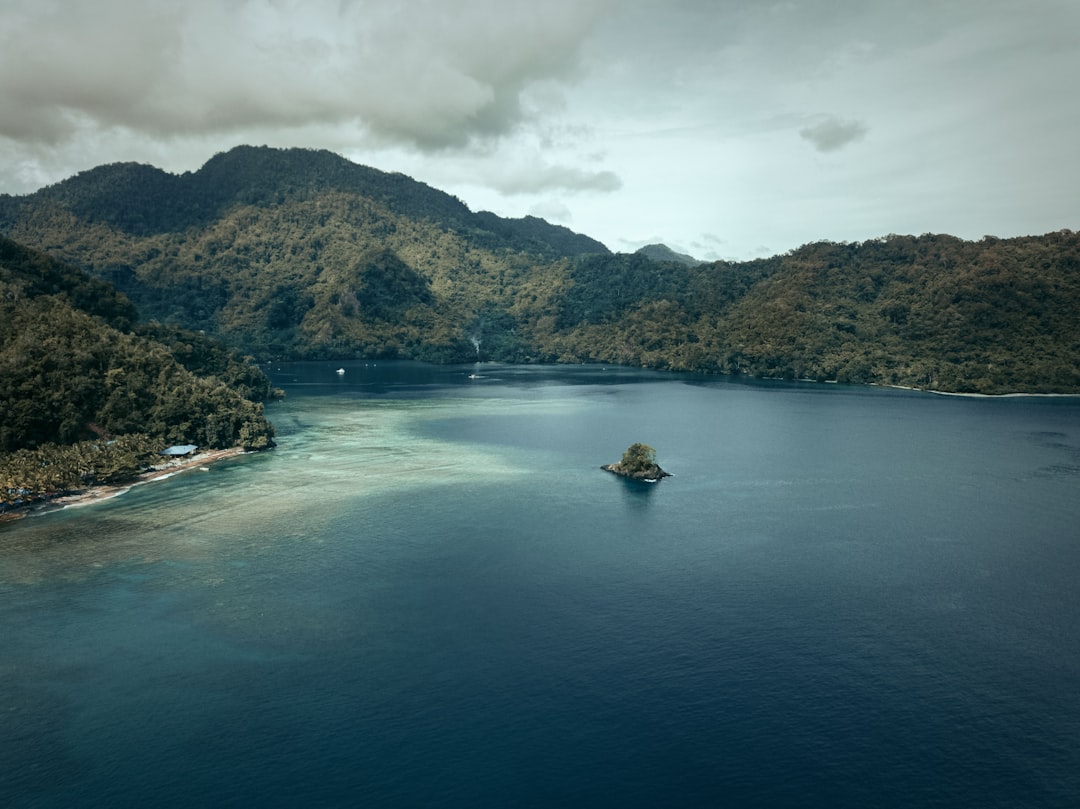
- Tufi Fjords and Dive Sites — Tufi’s drowned river valleys hold WWII wrecks at 18 metres depth in waters with visibility exceeding 40 metres.
Scroll down for our complete travel guide with tips on getting there, where to stay, costs and more.
Getting There & Transport
Which airports are the best entry points into Papua New Guinea?
Jackson’s International Airport (POM) in Port Moresby is PNG’s primary entry point. In my experience, most international travellers fly into POM first, then connect domestically. Tokua Airport (RAB) near Rabaul serves East New Britain and receives some international charters. Mount Hagen Airport (HGU) is critical if your focus is the Highlands — some visitors fly Sydney–Port Moresby–Hagen in one day. Airlines serving POM include Air Niugini, Qantas, Singapore Airlines, and Cebu Pacific. My tip: check Air Niugini’s Pacific Explorer fares, which can undercut Qantas by $300–500 AUD on the Sydney route. Warning most guides omit: POM’s terminal is congested and bag theft from carousels is a documented issue — watch your luggage at all times.
How do I get from the airport to my first accommodation in Papua New Guinea?
Use your hotel’s pre-arranged pickup — this is non-negotiable in Port Moresby. In my experience, flagging a random taxi outside Jackson’s International Airport is genuinely risky for first-time visitors; scams and overcharging are common. Every reputable hotel including Airways Hotel (directly adjacent to the airport, a 3-minute drive) and Holiday Inn Port Moresby offers free or paid transfers. Legitimate metered taxis cost approximately PGK 50–80 (roughly USD 13–21) to the CBD, but meters are rarely used. My tip: book Airways Hotel for your first night specifically because of its on-airport location — it eliminates transfer risk entirely. The honest caveat: Uber and ride-share apps do not operate in PNG.
What transport options are there within Papua New Guinea?
Domestic aviation is your primary tool — PNG has over 20 domestic airports served by Air Niugini and its subsidiary PNG Air. Road travel outside of Port Moresby and Lae is limited because only 3,000 km of PNG’s roads are sealed. PMV (Public Motor Vehicles) — shared minibuses — connect towns where roads exist but are slow and overcrowded. Between Lae and Madang the Highlands Highway is driveable but takes 6–8 hours and requires daylight-only travel for safety. River transport on the Sepik uses motorised canoes. My honest warning: do not attempt long road journeys at night anywhere in PNG — this is not a guidebook cliché, it is an active security concern confirmed by PNG’s own National Road Safety Council.
Do I need a rental car in Papua New Guinea?
In most cases, no — and I would actively discourage it for first-time visitors. Avis and Budget operate in Port Moresby, with 4WD rentals starting at approximately PGK 350 (USD 93) per day including basic insurance. However, carjacking incidents are documented on the Highlands Highway and in Port Moresby’s outskirts, and road conditions outside sealed urban areas are genuinely 4WD-only terrain. In my experience, hiring a local driver through your lodge or a specialist operator like Trans Niugini Tours is far safer and only marginally more expensive when you factor in fuel costs. The one exception: the Kokoda Track area where renting a car to reach Owers’ Corner trailhead makes logistical sense with a trusted local guide alongside.
How good is the public transport network between regions of Papua New Guinea?
Bluntly: PNG has no functioning intercity bus network in the conventional sense. PMV routes exist between Port Moresby, Lae, Madang, and Goroka along the Highlands Highway but journeys are unpredictable — the Port Moresby to Lae coastal section alone takes 8+ hours when roads are passable. Domestic flights are the only reliable intercity transport; a Port Moresby to Mount Hagen Air Niugini flight takes 55 minutes versus a 2-day road ordeal. What surprised me: the domestic air network is actually well-connected for a country this remote, with 18+ domestic routes operating weekly. The caveat: domestic flights cancel frequently due to weather — always build a 1-day buffer into your itinerary before international departure.
Accommodation
Which regions should I stay in when visiting Papua New Guinea?
It depends entirely on your interests, but I recommend anchoring in three zones. Port Moresby is unavoidable as a hub but spend only 2 nights maximum here. The Highlands region — specifically Mount Hagen as a base — gives access to cultural festivals, trekking, and extraordinary village life. East New Britain (Rabaul/Kokopo) offers WWII history, volcano landscapes, and excellent diving. For river culture, base at Ambunti Lodge on the Sepik River. My tip: avoid treating Madang as a standalone destination — it shines only as part of a Sepik or north coast itinerary. The honest trade-off: every region requires a domestic flight, and accommodation quality drops sharply outside Port Moresby and a handful of specialist lodges.
What does good accommodation cost per night in Papua New Guinea?
Good accommodation in PNG is expensive relative to Southeast Asia. Airways Hotel Port Moresby — the benchmark mid-to-upper property — runs USD 180–250 per night. Tufi Dive Resort costs approximately USD 250–350 per night fully inclusive of meals and one dive. Budget guesthouses in Mount Hagen start at PGK 200 (USD 53) but quality is basic with unreliable hot water and electricity. Karawari Lodge in the Sepik region charges around USD 400+ per night all-inclusive — steep but genuinely remote luxury. My honest warning: PNG has almost no reliable mid-range accommodation category. You either pay for a reputable lodge or accept significant quality compromises. Budget traveller hostels as known from Southeast Asia essentially don’t exist here.
When should I book hotels in Papua New Guinea — how far in advance?
Book specialist lodges 6–12 months ahead if travelling during the August festival season. Karawari Lodge, Ambunti Lodge, and Rondon Ridge near Mount Hagen have limited rooms — often 8–16 rooms total — and sell out months in advance for August. Port Moresby hotels like Airways and Holiday Inn can usually be booked 4–6 weeks out except during APEC-style government summits, which fill the city with business travellers. In my experience: missing your Sepik lodge booking doesn’t mean finding an alternative — it means losing that leg of the trip entirely. My tip: book through the lodges directly; aggregator sites like Booking.com list only a fraction of PNG properties and often show outdated availability.
When is the best time to travel to Papua New Guinea?
July and August are the optimal months — confirmed by climate analysis as the driest, clearest period across most of PNG. August specifically hosts the Mount Hagen Sing-Sing (typically the third weekend) and Goroka Show, making it culturally unmissable. The Highlands are most accessible June–September when the Kokoda Track is drier and trekking conditions are safest. East New Britain and the Sepik are year-round destinations but boat travel on the Sepik is easier during the June–September dry season when water levels stabilise. My honest caveat: even during ‘dry season,’ PNG receives rain somewhere daily — pack a quality rain jacket regardless of when you travel. The shoulder months of June and September offer similar conditions with slightly fewer festival crowds.
How does peak season affect prices in Papua New Guinea?
Peak season — July to August — inflates specialist lodge rates by 20–35% and makes availability extremely tight. The Mount Hagen Sing-Sing weekend in August sees every room within 50 km of Mount Hagen booked by tour operators months in advance. Domestic Air Niugini fares on the Port Moresby–Mount Hagen route jump from approximately PGK 400 to PGK 700+ during festival weeks. What surprised me: PNG doesn’t have a ‘budget peak season’ the way Bali does — the entire tourism market is small enough that even a modest increase in visitors creates bottlenecks. My tip: if budget matters, travel in June — almost identical conditions to August, 15–25% cheaper lodges, and festivals like the Enga Cultural Show still occurring.
Best Time to Visit
Which regions of Papua New Guinea have different climate zones?
PNG spans dramatically different climates despite its compact geography. Port Moresby sits in a rain shadow and is unusually dry for PNG — receiving only 1,000 mm annually, making it one of Melanesia’s drier capitals. The Highlands above 2,000 metres are cool year-round with night temperatures dropping to 5–8°C — many visitors are caught off guard expecting tropical heat. The Sepik lowlands are hot and humid at 32–35°C with high rainfall. East New Britain receives over 2,400 mm annually with no true dry season. Milne Bay Province has its own wet season pattern peaking November–February. My tip: packing for PNG means layering — a fleece for the Highlands and lightweight linen for the coast are both essential on the same trip.
What are the rainy seasons in Papua New Guinea?
November through April is the primary wet season across most of PNG, but regional variation is significant. Port Moresby is wettest from December to March with heavy afternoon downpours. The Highlands receive rain year-round but the peak is March to May, which coincides with the worst conditions on the Kokoda Track — do not attempt it during this window. The Sepik River floods dramatically from January to April, which paradoxically can make canoe travel deeper into tributaries easier but guesthouse access harder. My honest warning: the wet season doesn’t mean avoiding PNG entirely — the Milne Bay Canoe and Kundu Festival in November is extraordinary despite humidity. Budget an extra USD 50–100 for waterproof dry bags; they are not optional.
What does a trip to Papua New Guinea cost per person per day?
PNG is expensive. A budget backpacker managing guesthouses and PMV transport spends minimum USD 80–100 per day. A mid-range independent traveller using reputable guesthouses and domestic flights budgets USD 200–300 per day. A lodge-based cultural tour through operators like Trans Niugini Tours or Papua New Guinea Expedition Tours costs USD 400–600 per day all-inclusive. In my experience, the all-inclusive lodge model is actually better value than trying to piece together budget travel — logistics failures (missed flights, no guesthouses) cost money and time. The hidden inflator: domestic flights. A single Port Moresby–Wewak–Mount Hagen routing can cost USD 250–350 in airfares alone. Budget at least USD 500–700 in domestic flights for a 10-day Highlands-Sepik itinerary.
How expensive is food in Papua New Guinea?
Food costs vary wildly by setting. A local market meal of rice, greens, and protein in Koki Market, Port Moresby costs PGK 5–10 (USD 1.30–2.65). A restaurant meal at Duffy’s at Loloata Resort or comparable hotel dining runs PGK 60–120 (USD 16–32) per main course. Supermarket groceries at Stop N Shop in Port Moresby are expensive — a loaf of bread costs PGK 8–12, comparable to Australian prices. In remote areas like the Sepik, food outside lodge meals is limited — village-purchased produce like pawpaw and sweet potato is cheap but choice is minimal. My honest caveat: eating cheaply from street vendors is possible in Lae and Port Moresby but carries genuine food safety risks. Stick to cooked-to-order market food rather than pre-prepared items sitting in heat.
What hidden costs should I expect when travelling in Papua New Guinea?
Several costs blindside first-time visitors to PNG. Village entry fees of PGK 20–50 are standard at traditional cultural sites — budget USD 100+ across a 10-day trip. Permit fees for the Kokoda Track cost PGK 250 (USD 66) per person plus compulsory guide hire at PGK 150 per day. Domestic departure taxes of PGK 30–50 are sometimes charged separately at small airstrips. Baggage fees on Air Niugini domestic routes apply strictly — exceeding 10 kg costs PGK 10 per kg and enforced. My tip: travel with one carry-on only on domestic legs. What surprised me most: airport security food confiscation — fresh produce, nuts, and local foods are regularly seized at POM’s domestic terminal, costing you gifts you’ve bought for home.
Budget & Costs
How much cash should I bring to Papua New Guinea?
Carry significant Papua New Guinean Kina (PGK) cash — I recommend arriving with at least USD 200 converted and replenishing at BSP (Bank of South Pacific) ATMs in Port Moresby. ATMs exist in Port Moresby, Lae, Mount Hagen, and Madang but are often out of cash or out of order — never rely on a single ATM working. In remote areas like the Sepik or Tufi, there are zero ATMs — your lodge invoice must be settled in Port Moresby or by pre-arranged bank transfer. Daily ATM withdrawal limits at BSP are typically PGK 1,000 (USD 265). My honest warning: street money changers in Port Moresby’s Boroko district offer marginally better rates but are a mugging risk. Use BSP or Westpac bank branches for larger exchanges.
Which credit cards are accepted in Papua New Guinea?
Visa is the most widely accepted card in PNG; Mastercard works at most major hotels. American Express is accepted at Airways Hotel and a handful of Port Moresby restaurants but nowhere else. My honest reality check: outside Port Moresby, Lae, and major lodge receptions, card payments are unreliable or non-existent — markets, PMVs, village guesthouses, and small airstrip cafes are cash-only. Surcharges of 2–3% are standard on card payments at hotels. What surprised me: even Airways Hotel, PNG’s most international property, occasionally has EFTPOS outages lasting hours due to poor internet connectivity. I always keep PGK 500 in cash as backup regardless of card plans. Inform your bank before travel — PNG transactions frequently trigger fraud blocks.
Which regions of Papua New Guinea must I not miss?
Three regions are non-negotiable for a meaningful PNG experience. The Highlands — specifically Mount Hagen and Goroka — deliver the cultural intensity that defines PNG: sing-sings, bilum weaving, and traditional village life within a day’s drive of a functional airport. The Sepik River corridor from Wewak to Ambunti is one of the world’s great river journeys, with spirit houses and mask-carving traditions unchanged for centuries. East New Britain around Rabaul combines active volcanoes (Tavurvur last erupted significantly in 2014), WWII Japanese tunnel networks, and exceptional dive sites. My honest trade-off: visiting all three requires 3 domestic flights and at least 12 days. Trying to compress them into a week produces a frustrating logistics exercise rather than genuine immersion.
What are the tourist highlights of Papua New Guinea?
The Kokoda Track — a 96 km WWII-era trail through the Owen Stanley Ranges — is PNG’s most famous single experience, taking 8–10 days to complete. The Goroka Show (September) and Mount Hagen Sing-Sing (August) are among the Pacific’s premier cultural festivals. Tufi’s fjord diving offers WWII wrecks and untouched coral in Oro Province. Madang is consistently rated one of the world’s top dive destinations with wall dives starting at 5 metres depth. The Asaro Mudmen ceremony near Goroka — where performers wear white clay masks — is an iconic image of PNG. My tip: don’t reduce PNG to its festival dates — village visits arranged through lodges like Rondon Ridge provide more authentic cultural access than any festival grandstand.
What experiences in Papua New Guinea are found nowhere else on Earth?
Three experiences are genuinely unique to PNG. First: attending a Highlands sing-sing where 50+ tribes in full bilas (body decoration) gather competitively — no other country stages this at this scale. Second: travelling the Sepik River by dugout canoe to visit a functioning haus tambaran (spirit house) — these sacred structures are the living heart of Melanesian spiritual culture and exist only in PNG’s river basin. Third: bird-of-paradise tracking in the Varirata National Park (just 42 km from Port Moresby) or in the Tari Valley — PNG hosts 38 of the world’s 42 bird-of-paradise species. What surprised me: the Tari Valley’s Huli Wigmen, who grow and wear human-hair wigs incorporating bird-of-paradise feathers, are a living cultural tradition completely unlike anything in Southeast Asia.
Regions & Highlights
Which areas of Papua New Guinea are overcrowded, and what are quieter alternatives?
PNG is broadly uncrowded by global standards — it received only approximately 150,000 international tourists annually pre-COVID. The Kokoda Track is the closest thing to overcrowded, with 4,000–5,000 trekkers per year creating trail degradation and porter shortages in July–August. A quieter alternative is the Black Cat Track from Wau to Salamaua — similar WWII history, comparable terrain, and fewer than 200 trekkers annually. The Goroka Show feels crowded (it draws 80,000+ domestic visitors on peak days) — the Enga Cultural Show in Wabag is equally spectacular with a fraction of the international tourists. For diving, Milne Bay around Alotau is less visited than Madang or Tufi but has equally exceptional reef systems. My tip: anywhere off the Air Niugini trunk routes is effectively undiscovered.
How many days do I need for Papua New Guinea?
Minimum 10 days; 14–18 days is ideal for a meaningful trip. A 10-day itinerary realistically covers Port Moresby (2 nights), Mount Hagen and Highlands villages (4 nights), and East New Britain/Rabaul (3 nights). Adding the Sepik River requires a minimum 3 additional days from Wewak. The Kokoda Track alone consumes 8–10 days exclusive of travel. In my experience, the single biggest mistake travellers make is underestimating domestic flight time buffers — I always add 1 day per domestic sector as a weather/cancellation contingency. A 3-day Port Moresby stopover is genuinely insufficient for PNG — it’s like visiting Australia only to see Sydney Airport. Commit to at least 2 weeks or reconsider whether the logistical investment matches your available time.
Do I need a visa for Papua New Guinea?
Most nationalities need a visa for PNG. Australian, New Zealand, and EU citizens can obtain a 60-day visa on arrival at Jackson’s International Airport (POM) costing PGK 100 (approximately USD 27). US citizens also qualify for visa on arrival. Citizens of over 40 countries must apply for a tourist visa through the PNG Immigration and Citizenship Service Authority before travel — processing takes 5–15 business days and costs PGK 200–300. My honest warning: PNG’s immigration website is notoriously unreliable — I recommend using the PNG High Commission or Embassy in your home country for pre-arranged visas rather than relying on online portals. Confirm your eligibility for visa on arrival at least 4 weeks before travel as policies change without public notice.
What languages are spoken in Papua New Guinea?
PNG holds the world record for linguistic diversity — over 840 distinct languages are spoken across a country of approximately 10 million people. Tok Pisin (an English-based creole) is the true lingua franca and is spoken by over 5 million people across all regions — learning 20 basic Tok Pisin phrases dramatically improves village interactions. English is an official language and is spoken in government, business, and by educated urban residents in Port Moresby and Lae, but in Highlands villages and Sepik communities, English comprehension is limited. Motu is spoken around Port Moresby. In my experience: a phrase book covering Tok Pisin basics — ‘Baimbai mi kam’ (I’ll come), ‘Wanem nem bilong yu?’ (What’s your name?) — is more useful in PNG than any other travel document besides your passport.
What cultural rules do I need to know before visiting Papua New Guinea?
Several rules are genuinely important. Customary land covers approximately 97% of PNG’s land area — always ask permission before walking through gardens, forest, or entering villages, and expect to pay a PGK 10–30 entry fee. Photography of people, ceremonies, and spirit houses requires explicit consent and often payment of PGK 5–20 per subject — never photograph without asking. In Highland communities, avoid touching a man’s bilum (net bag) — it’s a personal object with cultural significance. Betel nut chewing (buai) is ubiquitous — you’ll be offered it frequently; politely declining is acceptable. My honest warning: ’Bikhet’ (arrogant/disrespectful) behaviour from tourists is one of the primary triggers for conflict in villages. Humility, patience, and gift-giving (quality pens, school supplies) go further than money in building goodwill.
Practical Tips
How safe is Papua New Guinea for travellers?
PNG requires honest assessment: it is not a casual backpacker destination. Port Moresby ranks consistently among the Pacific’s more challenging capital cities for petty crime — Koki, Gordons, and Boroko markets see regular bag snatchings. The Highlands Highway has documented incidents of raskol (gang) roadblocks, particularly after dark. That said: thousands of travellers visit PNG safely each year by following structured precautions. In my experience, the risk drops dramatically when you: stay at reputable lodges, travel with a trusted local guide, avoid street walking after 6 PM in Port Moresby, and use hotel-arranged transport exclusively. The Sepik River, East New Britain, and diving areas are genuinely low-risk for violent crime. Register with your country’s embassy — Australia’s DFAT and the UK’s FCDO both maintain updated PNG safety advisories worth reading before travel.
What health precautions should I take before visiting Papua New Guinea?
Malaria prophylaxis is mandatory — PNG has one of the world’s highest malaria burdens, with Plasmodium falciparum (the dangerous strain) present in all lowland regions including the Sepik and coastal areas. Consult a travel medicine clinic at least 6 weeks before departure for prescription antimalarials (Malarone or Doxycycline are most commonly prescribed). Hepatitis A and B, typhoid, and tetanus vaccinations are strongly recommended. Yellow fever vaccination is required if arriving from a yellow fever-endemic country. Japanese encephalitis vaccination is advised for rural stays exceeding 1 month. In my experience: the altitude of the Highlands (1,500–2,500 metres) causes mild altitude sickness in some visitors — ascend gradually and spend 1 night in Mount Hagen (1,720 m) before going higher. Carry a comprehensive first aid kit including oral rehydration salts; outside Port Moresby, medical facilities are extremely limited.
What SIM card or eSIM options are available in Papua New Guinea?
Digicel PNG is the dominant carrier with the broadest network coverage across Port Moresby, Lae, Mount Hagen, and coastal towns. A Digicel prepaid SIM costs approximately PGK 10 (USD 2.65) and is available at Jackson’s Airport arrivals and convenience stores across Port Moresby. Data bundles start at PGK 5 for 100 MB — buy the PGK 50 (1 GB) bundle as a minimum. Vodafone PNG (now rebranded as Telikom PNG) offers an alternative but has weaker rural penetration. My honest warning: in the Sepik, Tufi, and remote Highland villages, there is effectively zero mobile coverage regardless of carrier — your lodge’s satellite or HF radio is your only communication link. eSIMs for PNG are not widely supported as of 2025 — bring an unlocked physical phone and purchase a local SIM on arrival.
Which apps do you recommend for travelling in Papua New Guinea?
My essential PNG app list is shorter than for most destinations, because connectivity is unreliable. Maps.me with PNG maps downloaded offline is critical — Google Maps has poor coverage outside Port Moresby. Air Niugini’s app allows flight booking and check-in but frequently has server issues — screenshot all confirmations. XE Currency for live PGK to USD/AUD conversion works offline once loaded. iNaturalist is outstanding for bird-of-paradise and wildlife identification — PNG’s biodiversity rewards it. WhatsApp is the standard local communication tool — most lodge contacts and guides communicate via WhatsApp even in areas with limited data. My tip: download the Tok Pisin phrasebook app from Google Play before departure — it works fully offline. TripAdvisor has thin PNG coverage; use Lonely Planet’s PNG forums and PNG Expats Facebook Group for current ground-truth advice instead.
What are common traveller mistakes in Papua New Guinea?
Five mistakes I see repeatedly. First: underestimating domestic flight disruption — book with 2-day buffers before international departure, not 1. Second: arriving without PGK cash — the ATM at Jackson’s Airport is frequently out of service and the next reliable ATM is in Boroko, 15 minutes away. Third: walking outside after dark in Port Moresby — even the 100 metres between Airways Hotel and the terminal carries genuine risk at night. Fourth: photographing ceremonies without paying — this creates serious community hostility and occasionally confrontation. Fifth: attempting to DIY the Sepik without pre-arranged lodge bookings — travellers have been stranded in Wewak for days without onward river transport. My blunt advice: PNG rewards methodical advance planning more than almost any destination I’ve visited in 20 years of travel.
Papua New Guinea at a Glance
| Population | 8,935,000 |
|---|---|
| Currency | kina (K) |
| Official language | English, Tok Pisin, Hiri Motu |
| Time zone | UTC+10:00 |
Source: Wikidata, retrieved August 2026.
Essential Resources for Planning Your Trip to Papua New Guinea
- Papua New Guinea’s Official Travel Site | Plan Your Trip & More — official visitor information, passes & events
- Wikipedia: Papua New Guinea — history, geography & background
- Wikivoyage: Papua New Guinea — community travel guide & practical tips
- Papua New Guinea, Australia & Pacific — expert itineraries & travel inspiration
- THE 15 BEST Things to Do in Papua New Guinea (2026) — hotels, restaurants & traveller reviews
- Papua New Guinea Travel Guide — how to get around
- Numbeo: Cost of Living in Papua New Guinea — current prices & cost comparison
- Timeanddate: Papua New Guinea Weather & Climate — forecasts & climate statistics
More Perspectives on Papua New Guinea
- Travel Tips – Papua New Guinea
- Papua New Guinea Travel Advisory
- Travel tips for Port Moresby : r/PapuaNewGuinea
Papua New Guinea Travel Videos
Watch these videos for a visual preview before your trip:
- PAPUA NEW GUINEA (2026) | Travel Guide: City, Jungle, and Islands in 10 Days
- Papua New Guinea Travel Guide – Top 10 Best Places to Visit
- HOW TO EXPLORE PAPUA NEW GUINEA I TIPS & TRIPS
Papua New Guinea Travel Discussions on Reddit
Real traveller experiences and community advice:
- Trip Report: Papua New Guinea, July/Aug 2023 : r/travel
- Itinerary Papua New Guinea : r/travel
- Where to Travel in PNG : r/PapuaNewGuinea
Data Sources
This page was compiled using data from Wikipedia, Wikidata, Open-Meteo (climate), Numbeo (cost of living) and REST Countries. Information is updated regularly.