
Peja: The Complete Travel Guide (2026)
Last reviewed: September 2026 · key facts checked against Wikidata
Peja Travel Guide: Everything You Need to Know (2026)
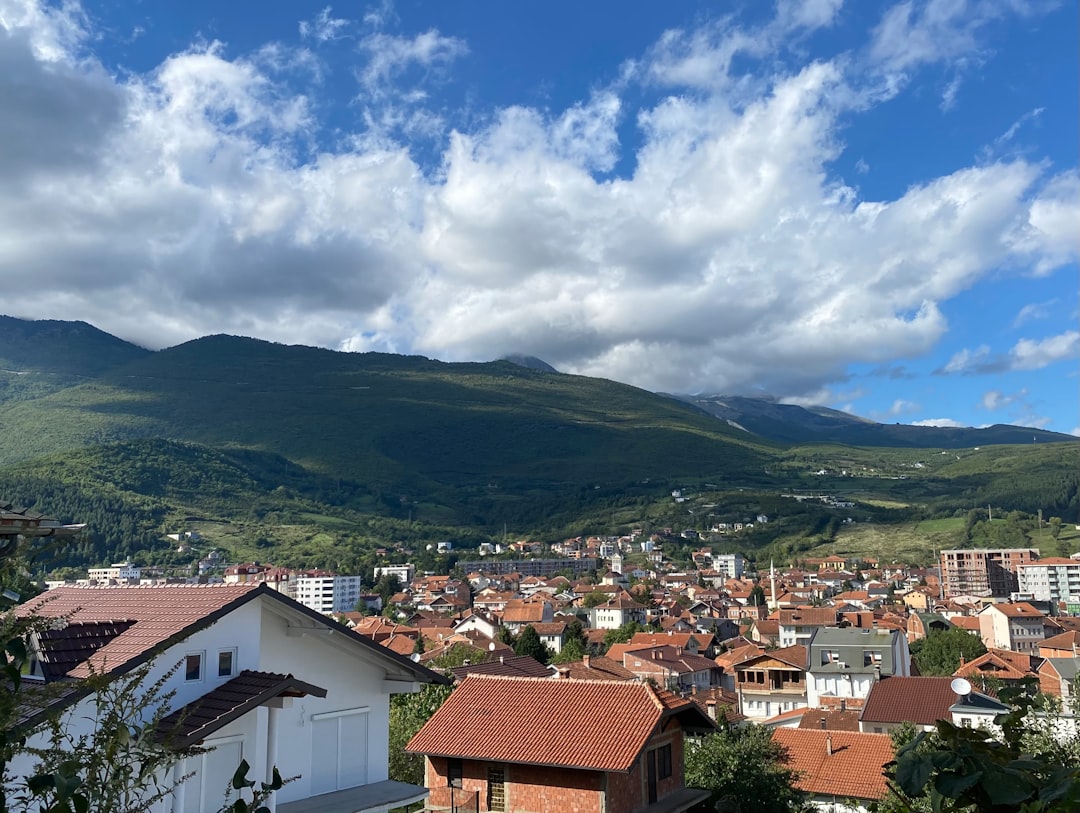
Peja (Peć in Serbian) is Kosovo’s fifth-largest city with a population of 82,661, sitting at 550 metres above sea level at the foot of the Accursed Mountains. Founded in the medieval era, it served as the seat of the Serbian Orthodox Patriarchate of Peć for centuries — a UNESCO-listed monastery still stands on its doorstep. The city sits just 90 km west of Pristina, making it both an independent destination and an easy base for Rugova Canyon, one of the Balkans’ most dramatic gorges.
Three Things Not to Miss in Peja
- Patriarchate of Peć Monastery — A UNESCO World Heritage Site with frescoes dating to the 13th century, hidden behind a walled courtyard just 1 km from the city centre.
- Rugova Canyon — A 25 km-long glacial canyon with walls rising over 1,000 metres — arguably the most spectacular natural sight in the western Balkans.
- Peja Old Bazaar (Çarshia) — A living Ottoman-era market street dating to the 15th century where local craftsmen still sell handmade copper goods and fresh produce.
Scroll down for our complete travel guide with tips on getting there, where to stay, costs and more.
Getting to Peja from the Airport
How do I get to Peja from Pristina or abroad?
Fly into Pristina International Airport (PRN), then travel 90 km west to Peja — the most direct and practical route. In my experience, the RLine bus from Pristina’s main bus station runs hourly and costs €3–€4, taking roughly 1.5 hours. Taxis from PRN directly to Peja cost around €40–€50 if you negotiate before getting in — always agree on price first, as meters are rarely used. My tip: avoid booking a taxi through airport touts; instead, walk to the official taxi rank or arrange a transfer through your hotel. The honest caveat most guides skip: the bus drops you at Peja’s station on the city outskirts, not in the centre, so budget €2 for a local taxi to your guesthouse.
Which airport is closest to Peja?
Pristina International Adem Jashari Airport (PRN) is the only realistic airport, approximately 90 km east of Peja. In my experience, no regional airline currently serves Peja directly, and the nearest alternative — Podgorica Airport (TGD) in Montenegro — is roughly 160 km away via mountain roads that can be slow in winter. PRN handles flights from Zurich, Vienna, Frankfurt, Istanbul, and London, so connections are decent for Western Europe. What surprised me: the Pristina-to-Peja road is almost entirely flat through the Kosovo Polje plain, so despite the distance, the 1.5-hour drive feels faster than expected. The honest warning: PRN has limited facilities post-security, so eat before you board.
How long does the journey from Pristina to Peja take?
Roughly 1.5 hours by bus or car under normal conditions. The 90 km route follows the main E65 highway, which is dual-carriageway for most of its length. I recommend the bus if you’re travelling solo — at €3–€4 it’s unbeatable value, and departures run every 30–60 minutes from Pristina’s South Bus Terminal. By rental car, the drive is straightforward with no mountain passes between the two cities. The honest caveat: Friday afternoons and Sunday evenings see heavy traffic as Kosovo’s diaspora travels between cities, adding 30–40 minutes to the journey. My tip: travel on Tuesday or Wednesday mornings for the smoothest run.
Do I need a rental car to explore Peja and its surroundings?
For Peja city itself, no — you do not need a car. The Old Bazaar, Patriarchate Monastery, and central restaurants are all within a 15-minute walk of each other. However, for Rugova Canyon and the Bjeshkët e Nemuna mountains, a car makes an enormous difference. Local buses into the canyon run only 2–3 times daily and stop well short of the best hiking trailheads. In my experience, renting a compact car from Pristina Airport costs around €25–€35 per day with local agencies like Eurokos or Europcar. The honest warning most guides omit: mountain roads above Rugova can be unpaved and steep — a standard saloon car struggles; request at least a crossover or SUV.
Moving Around Peja
What are the best areas to stay in Peja?
Stay in the city centre, within 500 metres of the Old Bazaar (Çarshia). This puts you walking distance from restaurants, the covered market, and the pedestrian boulevard along the Lumbardh River. The area around Hotel Dukagjini on the central boulevard is the most practical base — well-lit, lively in the evenings, and with easy taxi access. I recommend avoiding guesthouses near the bus station on the eastern edge; the neighbourhood is noisier and lacks character. What surprised me: Peja has almost no beach-resort-style hotel strip — it functions like a real Balkan town, so your ‘neighbourhood’ is effectively the compact old core. Budget travellers do well in family-run guesthouses on the streets behind the bazaar.
What does accommodation cost per night in Peja?
Expect to pay €25–€50 per night for a solid mid-range room. Budget guesthouses near the bazaar start at €15–€20 for a clean double with breakfast often included. Hotel Dukagjini, Peja’s most established three-star option, charges around €45–€60 per night. Boutique guesthouses in the old town, like Guri i Bardhë, sit in the €30–€40 range and offer far more character than chain-style hotels. The honest caveat: Peja has no internationally branded hotels, so quality varies — always check photos and reviews on Booking.com before confirming. In my experience, the family-run places consistently outperform the larger hotels on cleanliness, breakfast quality, and local knowledge.
How far in advance should I book accommodation in Peja during high season?
Book at least 4–6 weeks ahead for July and August. Peja attracts a significant flow of diaspora Kosovars returning for summer from Switzerland, Germany, and Austria, and the good mid-range guesthouses fill quickly. In my experience, the Old Bazaar area guesthouses — which have fewer than 10 rooms each — sell out before the larger hotels do. For the Rugova Canyon hiking season (June–September), weekend slots disappear fastest. The honest caveat most guides skip: Peja sees almost zero international booking-platform marketing, so many guesthouses only appear on Booking.com and not on Airbnb or Hostelworld — check both. Off-season (October–May) you can walk in without a reservation at virtually any property.
Are there special or unique accommodation types in Peja?
Yes — traditional stone guesthouses (konaks) along Rugova Canyon are genuinely special. Several family homesteads in the canyon have converted stone rooms into accommodation, offering a €20–€30 per night bed-and-board arrangement with home-cooked meals. This is found nowhere else in Kosovo at this scale. In my experience, Guesthouse Rugova near the canyon entrance offers the best balance of comfort and authenticity, with views directly onto the gorge walls. What surprised me: some properties here are entirely off the grid — solar power, spring water — which is refreshing but means no air conditioning or strong Wi-Fi. My tip: if you need reliable internet for work, stay in the city centre and day-trip the canyon instead.
Choosing a Neighbourhood in Peja
What are the must-see sights in Peja?
Three sights are non-negotiable. First, the Patriarchate of Peć Monastery — a 13th-century UNESCO World Heritage Site just 1 km from the centre, with Byzantine frescoes in extraordinary condition. Second, Rugova Canyon — drive or hike into the gorge for at least 10 km to reach the best viewpoints; the canyon walls rise over 1,000 metres. Third, the Old Bazaar (Çarshia) — an active Ottoman-era market with copper smiths, bakeries, and a working hamam. In my experience, tourists who skip the bazaar miss Peja’s actual soul. The honest caveat: the monastery is managed by Serbian Orthodox nuns who enforce a strict dress code — cover shoulders and knees, or you will be turned away at the gate.
What can I experience for free in Peja?
Plenty — most of Peja’s best experiences cost nothing. The Old Bazaar walk, the riverside promenade along the Lumbardhi, and the panoramic viewpoint above the Patriarchate are all free. Hiking trails into Rugova Canyon have no entry fee — just walk in from the canyon road. The city park next to the Lumbardhi is a genuine local gathering spot, especially on summer evenings, and costs nothing. In my experience, wandering the bazaar at 8am when bakers and produce sellers set up is the best free hour you can spend in Peja. The honest caveat: the Patriarchate Monastery charges a €1–€2 suggested donation and photography inside the frescoed churches is strictly prohibited — respect this rule.
What day trips are possible from Peja?
Three outstanding day trips are within 60 km of Peja. First, Deçan Monastery — a stunning 14th-century Serbian Orthodox church, also UNESCO-listed, 20 km south and reachable by bus or taxi in 30 minutes. Second, the Bjeshkët e Nemuna National Park peaks, including day hikes to Mount Gjeravica (2,656 m), Kosovo’s highest point. Third, cross into Montenegro via the Çakor Pass (open May–October) for a dramatic mountain drive and lunch in Plav — the border crossing is 45 km and takes about 1.5 hours. My tip: the Deçan–Rugova combination in a single day is Kosovo’s best one-day itinerary. The honest warning: Çakor Pass road is rough — only attempt it with a high-clearance vehicle.
What local specialities should I try in Peja?
Flija is the dish you must not leave Peja without trying. It is a layered crepe-like pastry cooked under an open flame for up to 3 hours — a labour-intensive Albanian mountain dish almost never found in Pristina restaurants. Order it at family guesthouses in Rugova Canyon, where it is made to order for €4–€6 per portion. Also try kos (strained yoghurt), tavë me mish (baked lamb with eggs and yoghurt), and grilled qebapa from the bazaar stalls at around €2 per portion. In my experience, the small restaurant Çarshia e Vjetër on the bazaar street serves the most authentic version of the full Albanian mountain spread. The caveat: restaurant menus rarely appear in English — point and ask, or use Google Translate camera mode.
Top Sights in Peja
What makes Peja unique compared to other Kosovo cities?
Peja is the only Kosovo city where medieval heritage, UNESCO monasteries, and alpine wilderness converge in one place. Pristina is a political capital with nightlife; Prizren is charming but flat and urban. Peja alone sits at the mouth of a glacial canyon with 2,600 m peaks visible from the city centre. In my experience, the combination of the Patriarchate Monastery, the living Ottoman bazaar, and Rugova Canyon within a 5 km radius is unmatched in the western Balkans. What surprised me: despite this concentration of assets, Peja receives a fraction of the tourism that Mostar or Kotor attracts — meaning you experience all this with almost no crowds. The honest caveat: tourist infrastructure (English signage, guided tours, visitor centres) is still basic compared to the rest of the Balkans.
How many days should I spend in Peja?
3 full days is the sweet spot. Day 1: Patriarchate Monastery in the morning, Old Bazaar afternoon, riverside dinner. Day 2: Full-day Rugova Canyon — drive or hike deep into the gorge. Day 3: Day trip to Deçan Monastery (30 minutes south) then return via the canyon viewpoint at sunset. In my experience, 2 days feels rushed and 4+ days is only warranted if you plan serious multi-day trekking into Bjeshkët e Nemuna. The honest caveat: Peja’s city nightlife and restaurant scene is thin compared to Pristina — by 10pm the bazaar area is quiet. If vibrant evenings matter to you, use Peja as a 2-night base and return to Pristina for the weekend.
When is the best time to visit Peja?
June through September is the optimal window, based on climate analysis. July and August deliver warm, dry days ideal for canyon hiking and monastery visits, with temperatures around 25–30°C at the city’s 550 m altitude. June is my personal favourite: trails are green, crowds are thinner than August, and the Lumbardhi River runs fast and turquoise from snowmelt. September is excellent for photography — golden light, cooler air, and virtually no tourist queues. The honest caveat most guides omit: Peja winters are genuinely cold at altitude — snow is common from December through February and some canyon guesthouses close entirely from November to April. Spring (April–May) brings unpredictable rain but spectacular wildflower meadows in Rugova.
Are there local festivals in Peja worth attending?
Yes — the Rugova International Paragliding Festival in August is the standout event, drawing pilots from across the Balkans who launch from the canyon ridges above the city. It is free to watch from the canyon road and spectacular. The Traditional Crafts Fair in the Old Bazaar runs over several days in late July, showcasing copper work, filigree, and embroidery from across Kosovo. In my experience, these events double accommodation demand, so book 6–8 weeks ahead if your dates overlap. The honest caveat: Peja has no large music festival on the scale of Pristina’s Sunny Hill Festival — if a headline music event is your priority, you would need to travel 90 km east. Local events are community-focused rather than internationally marketed.
Where to Eat in Peja
How does the weather in Peja affect what activities I can do?
Profoundly — Peja’s position at 550 m shapes everything. Summer heat is moderated by the canyon breeze, making midday hiking more comfortable than in Pristina. However, afternoon thunderstorms are common in July and August — start canyon hikes before 9am to be back at lower elevations by early afternoon. Winter brings reliable snowfall useful for skiing at Brezovica (90 km southeast), though Rugova itself has no developed ski infrastructure yet. In my experience, April and May bring unstable weather — one perfect day, one rainy day, repeat. The honest caveat: the Çakor Pass road to Montenegro closes under snow, typically November through April, which cuts off that day-trip option entirely. Always check local forecasts on yr.no, which covers Kosovo terrain accurately.
How crowded does Peja get in peak season?
Nowhere near as crowded as comparable Balkan destinations. Even in peak August, the Patriarchate Monastery rarely has more than 30–40 visitors at once — compared to hundreds at Dubrovnik’s comparable sites. The Old Bazaar fills up pleasantly on weekend evenings but never feels overwhelming. In my experience, the biggest crowd pressure comes from the Kosovo diaspora returning in July–August, who pack the restaurants and cafes but largely ignore tourist sights. The honest caveat: this low-crowd reality also means fewer open restaurants, shorter hours at attractions, and less polished service than destinations geared to mass tourism. Peja rewards curious, self-sufficient travellers — not those expecting hand-held tourist infrastructure.
How safe is Peja for travellers?
Peja is safe for tourists — I have walked its streets alone at night without concern. Petty crime is rare; Kosovo overall has one of the lowest crime rates in the Balkans. The city centre and bazaar area are well-lit and active until around 10–11pm in summer. The honest caveat — and it is important: the Patriarchate of Peć Monastery remains under KFOR (NATO peacekeeping force) protection due to its Serbian Orthodox status in an Albanian-majority region. Tensions are political, not directed at tourists, but you will pass a checkpoint to enter the monastery grounds. In my experience, soldiers are professional and the visit is entirely safe. Standard precautions apply: do not leave valuables visible in a parked car, and use hotel safes for passports.
Is English widely spoken in Peja?
In tourist-facing businesses, yes — elsewhere, manage your expectations. Hotel receptionists, guesthouse owners catering to visitors, and younger Kosovars (under 35) typically speak functional to good English. In my experience, the bazaar stallholders and older restaurant staff speak Albanian and Serbian — Google Translate’s camera function is genuinely essential here. What surprised me: many Peja residents also speak German or Italian due to decades of diaspora migration to those countries — German is sometimes more useful than English with older locals. The honest caveat: English signage inside the canyon and on hiking trails is almost non-existent. Download maps.me with Kosovo offline maps and trace your route before leaving Wi-Fi range.
Before You Go to Peja
What is a realistic daily budget for Peja?
Budget travellers can live well on €25–€35 per day. Breakdown: guesthouse bed €15–€20, three meals €8–€12 (qebapa lunch €3, sit-down dinner €6–€8), local bus or taxi rides €2–€4, and monastery/sight entry €0–€2. Mid-range travellers spending on a €45 hotel, restaurant dinners, and a day rental car should budget €70–€90 per day. In my experience, Peja is one of the most affordable quality destinations in Europe — a two-course dinner with local beer at a good restaurant costs €8–€10 total. The honest caveat: rental cars spike the budget significantly; if you need one for Rugova, factor in €30–€40 extra per day on top of the base budget.
What public transport options are available within and around Peja?
Urban buses and taxis cover the city centre adequately. Within Peja, shared taxis (furgons) and city taxis charge €1–€2 for short hops — there are no tram or metro lines. The Peja Bus Station connects to Pristina hourly (€3–€4), Gjakova (€2, 45 minutes), and Prizren (€3, 1.5 hours). Into Rugova Canyon, 2–3 minibuses daily depart from the bus station and travel roughly 8 km into the gorge — useful for reaching the canyon entrance but not deep trailheads. In my experience, for anything beyond the canyon entrance, you need a taxi or rental car. The honest caveat: bus schedules are posted only in Albanian and are not available on Google Maps — ask your guesthouse to write down the current departure times.
Which apps do you recommend for visiting Peja?
Four apps will meaningfully improve your Peja trip. First, maps.me — download Kosovo offline; it covers Rugova Canyon trails where Google Maps goes blank. Second, Google Translate with Albanian language pack downloaded — camera mode for menus is indispensable. Third, yr.no — the Norwegian weather service covers Kosovo terrain more accurately than AccuWeather, critical for mountain day planning. Fourth, Booking.com — most Peja guesthouses list here and nowhere else; it is your primary accommodation tool. In my experience, ride-hailing apps like Bolt operate in Pristina but not yet reliably in Peja — ask your hotel to call a local taxi instead. The honest caveat: mobile data in Rugova Canyon drops to 2G or no signal beyond the first 5 km — download everything before you enter.
Peja at a Glance
| Population | 82,661 |
|---|---|
| Currency | EUR (€) |
| Official language | Albanian, Serbian |
| Time zone | UTC+01:00 |
Source: Wikidata, retrieved September 2026.
Kosovo › Peja
Essential Resources for Planning Your Trip to Peja
- Visit Kosovo [Trip Travel Blog] Surprising and Fun! — official visitor information, passes & events
- Wikipedia: Peja — history, geography & background
- Wikivoyage: Peja — community travel guide & practical tips
- Patriarchate of Peć | Kosovo | Attractions — expert itineraries & travel inspiration
- THE 15 BEST Things to Do in Pejë (2026) — hotels, restaurants & traveller reviews
- Visit Kosovo [Trip Travel Blog] Surprising and Fun! — how to get around
- Numbeo: Cost of Living in Peja — current prices & cost comparison
- Timeanddate: Peja Weather & Climate — forecasts & climate statistics
More Perspectives on Peja
- Peja Travel Guide, Kosovo
- A Detailed Guide to Exploring Peja, Kosovo –
- The Few Sights to See Around Peja, Kosovo
Peja Travel Videos
Watch these videos for a visual preview before your trip:
- KOSOVO Travel Guide | Explore Peja, Gjakove, Prizren, Pristina & Mitrovica
- Discover Peja! Kosovo’s Mountain City (Cultural Travel Guide)
- Peja Tourism
Peja Travel Discussions on Reddit
Real traveller experiences and community advice:
- Peja visit – must do? : r/kosovo
- travel between Podgorica in montenegro to peja in kosovo
- Want to travel from Rožaje to Peja by Bus : r/kosovo
Data Sources
This page was compiled using data from Wikipedia, Wikidata, Open-Meteo (climate), Numbeo (cost of living) and REST Countries. Information is updated regularly.