
Qatar: The Complete Travel Guide (2026)
Last reviewed: August 2026 · key facts checked against Wikidata
Qatar Travel Guide: Everything You Need to Know (2026)
Qatar is a high-income Gulf state of 47,316 square kilometers jutting into the Persian Gulf, with Doha as its capital sitting at sea level and home to roughly 2.9 million residents. Founded as a British protectorate in 1916 and gaining full independence in 1971, Qatar transformed from a pearl-diving economy into the world’s third-largest natural gas exporter in under 50 years. The country gained global attention after hosting the 2022 FIFA World Cup, triggering a wave of world-class infrastructure that now makes it one of the most accessible destinations in the Middle East.
Top 3 Highlights at a Glance
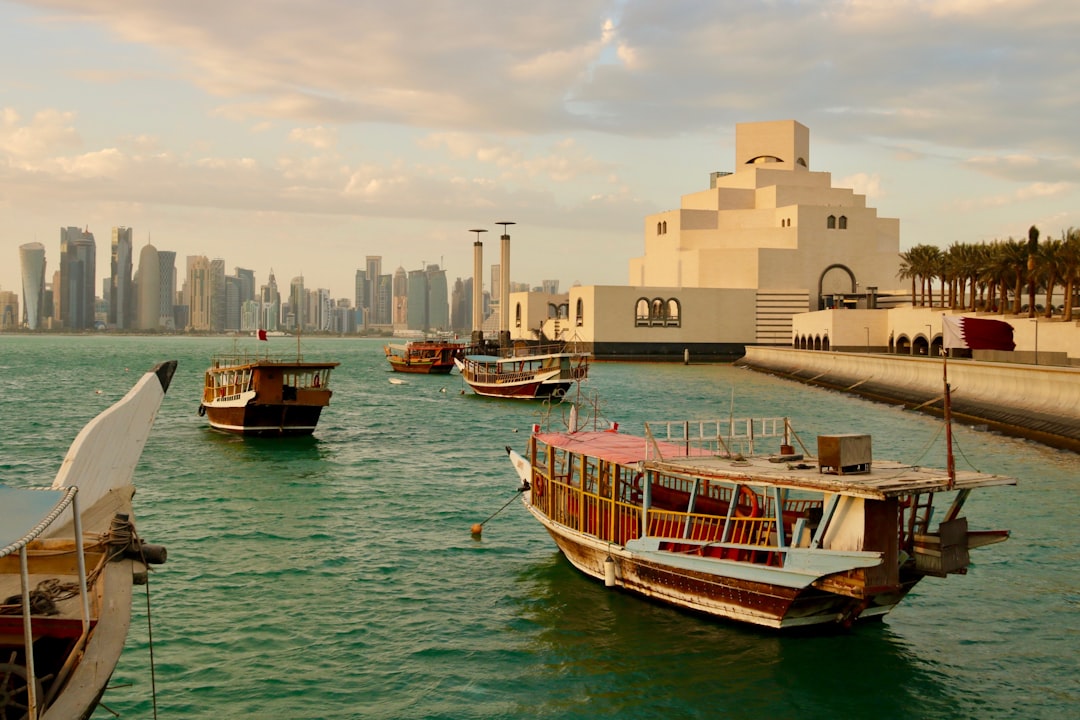
- Museum of Islamic Art — I.M. Pei’s geometric masterpiece houses 1,400 years of Islamic artifacts on its own artificial island in Doha Bay.
- Khor Al Adaid (Inland Sea) — A UNESCO-recognized natural reserve where towering sand dunes meet a saltwater tidal inlet 80 km south of Doha.
- Souq Waqif — Doha’s 19th-century restored market sells spices, falcons, and live animals across a labyrinth of mud-render alleyways.
Scroll down for our complete travel guide with tips on getting there, where to stay, costs and more.
Getting There & Transport
Which airports are the best entry points into Qatar?
Hamad International Airport (DOH) in Doha is Qatar’s only international airport — full stop. What surprised me is how genuinely world-class it is; it ranked the world’s best airport by Skytrax in 2024. It handles all international arrivals and sits 15 km southeast of Doha’s city centre. Qatar Airways operates direct flights from over 160 destinations, so connections are rarely an issue. My tip: if you’re transiting through DOH, the Al Mourjan Business Lounge is worth a day-use fee. The honest caveat most guides skip: the single-airport setup means that during peak Hajj or major events, departures can be chaotic — arrive 3 hours early in those periods.
How do I get from Hamad International Airport to my first accommodation in Qatar?
Take the Doha Metro Red Line — it’s by far the best option. The airport has its own metro station, Hamad International Airport Metro Station, connecting you to central Doha’s Msheireb Station in under 25 minutes for just QAR 3 (approx. USD 0.82). In my experience, it runs smoothly, is air-conditioned, and operates from 6 am to midnight (2 am on Fridays). Taxis and Uber are available outside Arrivals and cost QAR 50–80 (USD 14–22) to central Doha. The honest caveat: if your hotel is in The Pearl or West Bay, the metro drops you nearby but a short taxi hop is still needed — factor in an extra QAR 20.
What transport options are there within Qatar?
Doha is served by the Doha Metro, which has 37 stations across 3 lines covering the city’s main corridors efficiently. Outside Doha, transport options thin out dramatically. Karwa taxis and Uber operate city-wide and are reliable. My tip: the Lusail Tram connects Lusail City neighborhoods north of Doha in a neat loop. For anything beyond Doha — the desert, Al Wakrah, Al Khor — you essentially need a private car or organized tour. The critical caveat most guides skip: public buses between regions exist but run infrequently, with some routes operating only once per hour, making them impractical for sightseeing. I recommend the metro for central Doha and Uber for everything else.
Do I need a rental car in Qatar?
For Doha city sightseeing alone, no — the metro and Uber handle it well. But if you want to reach Khor Al Adaid (Inland Sea), Al Zubarah Fort, or the northern coast, a 4WD rental is essential. In my experience, renting a Toyota Land Cruiser or similar 4WD costs QAR 300–500 per day (USD 82–137) from Thrifty or Europcar at DOH. A standard sedan runs QAR 130–200 (USD 36–55) daily. The honest warning most guides omit: Qatar’s roads are well-maintained, but desert driving to the Inland Sea requires genuine off-road experience and mandatory tyre deflation — I’ve seen rental sedans stranded in dunes. Confirm your rental includes off-road insurance before signing.
How good is the public transport network between Qatar’s regions?
Bluntly: it is underdeveloped outside Doha. The Doha Metro is excellent within the capital, but inter-city bus routes are sparse and slow. Karwa Bus routes connect Doha to Al Wakra (Route 108) and Al Khor (Route 104), but journey times exceed 60–90 minutes and services run roughly every 30–60 minutes. What surprised me is that there is still no passenger rail connecting Qatar’s towns. My honest assessment: if your plan involves multiple regions — the Zekreet peninsula, Al Zubarah, or southern dunes — budget QAR 250–400 per day for a rental or hire a driver. I recommend allocating at least 2 days specifically for out-of-Doha exploration with private transport arranged in advance.
Accommodation
Which regions of Qatar should I stay in?
Stay in West Bay if you want luxury towers with Doha skyline views and proximity to malls and embassies — it’s the business hub. Stay near Souq Waqif and the Corniche if you want walkable character, local cafes, and easy access to the Museum of Islamic Art. In my experience, the Msheireb Downtown area is underrated — it’s a regenerated heritage district with boutique hotels 10 minutes from the old souq on foot. The Pearl is glossy and marina-front but feels like a European expat bubble rather than authentic Qatar. My tip: first-timers should base themselves in the Souq Waqif/Corniche corridor — everything within 2 km — and use the metro for day trips.
What does good accommodation cost per night in Qatar?
Qatar is not cheap. A solid 4-star hotel in West Bay or near Souq Waqif runs QAR 550–900 per night (USD 150–247). Luxury 5-star properties like the St. Regis Doha or Four Seasons start at QAR 1,200 (USD 330) and spike during events. Budget options barely exist — the cheapest decent guesthouses near the Souq Waqif area start at QAR 280 (USD 77) per night. What surprised me: Airbnb operates in Qatar but supply is limited and often pricier than hotels. My honest caveat: Qatar has no hostel culture, so backpacker budgets are genuinely squeezed. I recommend booking 3- or 4-star business hotels in Msheireb for the best value-to-location ratio — rates often drop 20–30% on weekdays.
When should I book hotels in Qatar — how far in advance?
Book at least 3 months ahead for winter travel (November–March), which is Qatar’s peak tourism season. During major events — F1 races, the Qatar Grand Prix in November, or Islamic holidays like Eid — book 6 months in advance or you will face price spikes of 50–100% above standard rates. In my experience, the 2022 World Cup legacy means international sports events now attract sell-out hotel occupancy regularly. My tip: use the Qatar Tourism official portal alongside Booking.com; official partners sometimes hold back promotional rates. The honest caveat: last-minute deals in Qatar’s off-peak summer (June–September) do exist — I’ve seen 4-star rooms drop to QAR 220 (USD 60) — but the heat makes that period a hard sell.
When is the best time to travel to Qatar?
The best months are February, March, April, November, and December — verified from climate data. Temperatures in these months hover between 18–28°C, making outdoor activities at Souq Waqif, the Corniche, and desert dunes genuinely comfortable. In my experience, February and March are the sweet spot: mild evenings, lower humidity, and fewer mass-tourism events. What surprised me: April is often overlooked but offers near-perfect weather and pre-summer hotel discounts of up to 25%. The honest warning: summer months (June–September) see temperatures exceeding 45°C with humidity above 80% — outdoor exploration becomes dangerous. I recommend avoiding July and August unless your itinerary is entirely mall- and museum-based.
How does peak season affect prices in Qatar?
Peak season (November–March) inflates hotel prices by 40–80% compared to summer rates. During the Qatar Grand Prix weekend in November, expect hotel rates to triple — a room at QAR 500 in October can hit QAR 1,500+ for that single weekend. Flight prices from European hubs on Qatar Airways also rise by EUR 150–300 during December school holidays. In my experience, restaurant prices stay relatively fixed year-round since most good restaurants are hotel-based with set menus. My tip: travel in late November after the F1 race and before Christmas — the weather is ideal and hotels return to standard rates within 1–2 weeks of the race. The caveat: alcohol, where available, costs the same year-round and is always expensive.
Best Time to Visit
Which regions of Qatar have different climate zones?
Qatar is a small, flat peninsula, so dramatic climate zone variation doesn’t exist the way it does in larger countries. The entire country sits in a BWh (hot desert) climate zone. That said, the northern coast around Al Khor and the inland desert near Khor Al Adaid experience marginally different wind conditions — the northern coast catches stronger Gulf breezes, making it 3–5°C cooler on exposed summer days. The southern desert near the Saudi border is more arid and dusty, with sandstorm frequency peaking in March and April. What surprised me: Qatar’s humidity varies enormously by location — coastal Doha can hit 90% humidity in August while the inland desert remains bone-dry. My tip: check wind forecasts for desert excursions, not just temperature.
What are Qatar’s rainy seasons?
Qatar receives minimal rainfall — annual totals average just 70–80mm, making it one of the driest countries on Earth. What little rain falls arrives in December through February, typically as short, intense downpours lasting 1–3 hours. In my experience, these winter rains are more disruptive than their volume suggests — Doha’s drainage infrastructure handles heavy bursts poorly, and flash flooding on low-lying roads near the Industrial Area and southern suburbs is a genuine risk. My honest caveat: rain in the desert can make off-road tracks impassable for 24–48 hours after a storm, so cancel or postpone Khor Al Adaid trips after any rainfall. Spring (March–April) sees occasional shamal sandstorms that reduce visibility and ground outdoor activities for 12–24 hours.
What does a trip to Qatar cost per person per day?
Budget traveler (metro, cheap cafeterias, guesthouse): QAR 500–700 per day (USD 137–192). Mid-range (4-star hotel, sit-down restaurants, organized desert tour): QAR 1,200–1,800 per day (USD 330–494). Luxury (5-star, fine dining, private excursions): QAR 3,000+ (USD 823+). In my experience, the biggest cost driver is accommodation — food and transport are manageable. My tip: eating at Indian and Filipino workers’ cafeterias in the Al Muntazah neighborhood cuts meal costs to QAR 15–25 (USD 4–7) per meal, and the quality is genuinely excellent. The honest caveat: alcohol is only available in licensed hotel bars, where a single beer costs QAR 45–70 (USD 12–19) — budget accordingly or skip it entirely.
How expensive is food in Qatar?
Food pricing spans a huge range. A meal at a workers’ cafeteria or Indian restaurant in the Souq area costs QAR 15–30 (USD 4–8). A sit-down lunch at a mid-range restaurant like Parisa at Souq Waqif runs QAR 100–160 (USD 27–44) per person. Fine dining at a 5-star hotel restaurant hits QAR 300–500 (USD 82–137) per person without drinks. Street food options are limited — Qatar doesn’t have a strong street-food culture — but shawarma stands in Al Sadd neighbourhood charge QAR 12–18 (USD 3–5) per wrap. What surprised me: supermarket prices at LuLu Hypermarket are very reasonable for self-catering; a full picnic for two costs under QAR 50 (USD 14). Tap water is desalinated and safe to drink.
What hidden costs should I expect when travelling to Qatar?
Alcohol is the biggest hidden cost — licensed hotel bars charge QAR 45–70 (USD 12–19) per beer and QAR 80–120 (USD 22–33) per cocktail. Taxis meter fairly but Uber surge pricing during peak evening hours (7–10 pm) in West Bay can triple the base fare. Desert tour operators charge QAR 250–400 (USD 69–110) per person for Khor Al Adaid excursions — non-negotiable if you lack a 4WD. Hotel Wi-Fi is universally free, but museum audio guides cost QAR 30–50 (USD 8–14) extra. My honest warning: Qatar levies a municipality tax of 10% on hotel bills and restaurant meals — rarely advertised upfront and adds meaningful cost on a week-long stay. Always check whether quoted prices include this tax.
Budget & Costs
How much cash should I bring to Qatar?
Bring QAR 200–300 (USD 55–82) in cash as an emergency float — Qatar is overwhelmingly card-based. In my experience, even small Souq Waqif spice vendors and cafeteria restaurants in Al Sadd accept Visa or Mastercard tap payments. ATMs are abundant at DOH airport, Msheireb Metro Station, and every mall — withdrawal limits typically sit at QAR 2,000 (USD 549) per transaction. The honest caveat: some older souq stalls and informal workers’ eateries remain cash-only, so carrying QAR 100–150 in small bills is practical for market browsing. Currency exchange at the airport offers fair rates — the QAR is pegged to the USD at 3.64, so conversion is always predictable. There are no dynamic currency traps to worry about.
Which credit cards are accepted in Qatar?
Visa and Mastercard are accepted universally — hotels, restaurants, taxis, and most shops. American Express works at all major hotels and high-end restaurants but fails at smaller vendors. What surprised me: contactless and Apple Pay penetration in Qatar is remarkably high — I used tap-to-pay at 90% of transactions during my visit, including at metro ticket machines and supermarkets. My tip: notify your bank before travel, as UAE- or Gulf-region transactions trigger fraud alerts with some European banks. The honest caveat: Diners Club and UnionPay are accepted only at specific hotel counters — don’t rely on them. No foreign transaction fees apply if you use a Revolut or Wise card, which I strongly recommend for the fixed USD/QAR peg rate.
Which regions of Qatar must I not miss?
Doha city centre anchored by the Corniche, Souq Waqif, and Museum of Islamic Art is non-negotiable — it’s the cultural and culinary heartbeat. Lusail, 23 km north of Doha, is worth a half-day for the Lusail Stadium (2022 World Cup final venue) and the waterfront promenade. Al Zubarah in the northwest holds a UNESCO World Heritage pearl-fishing settlement from the 18th century — genuinely moving and almost always crowd-free. The Khor Al Adaid inland sea in the south is the landscape highlight. My honest caveat: Qatar’s tourism infrastructure outside Doha is still developing — Al Khor and the northern beaches are scenic but lack cafes and facilities, so carry water and snacks. I recommend a minimum 3-region itinerary to get a balanced picture.
What are the tourist highlights of Qatar?
The Museum of Islamic Art is the single finest museum in the Gulf — its collection spans 1,400 years across ceramics, textiles, and manuscripts. Souq Waqif is the atmospheric old market in Doha, completely restored in 2006, where you can buy saffron, Arabic coffee, and watch falconry demonstrations. The Katara Cultural Village hosts concerts and art exhibitions year-round in a purpose-built amphitheater. Al Zubarah Fort is a UNESCO site 105 km north of Doha. In my experience, the National Museum of Qatar — shaped like a desert rose — is architecturally unmissable, with free entry on certain national days. My honest caveat: the Aspire Zone sports district and Pearl Marina are Instagrammable but feel sterile — skip them unless you have a specific reason to visit.
What experiences in Qatar are found nowhere else on Earth?
Falconry souq at Souq Waqif — watching Qatari men browse and trade live falcons worth QAR 10,000–200,000 (USD 2,747–54,945) is a genuinely surreal cultural experience unavailable elsewhere at this scale. Sleeping in a traditional Bedouin-style desert camp at Khor Al Adaid, waking to silence and dunes at the edge of a tidal inlet, is something no other Gulf country replicates quite the same way. In my experience, an evening dhow cruise on Doha Bay watching the West Bay skyline light up — booked directly at the Corniche jetty for QAR 80–120 — offers a perspective unavailable from any land viewpoint. What surprised me: Qatar’s Camel Racing Track in Al Shahaniya, 40 km west of Doha, runs robotic jockeys on race days — genuinely bizarre and compelling.
Regions & Highlights
Which areas of Qatar are overcrowded and what are quieter alternatives?
Souq Waqif on weekend evenings (Thursday and Friday nights) is packed wall-to-wall with families and tourists — visit on a Tuesday or Wednesday morning instead for half the crowds and the same experience. The Pearl Marina is perennially overhyped and congested on weekends. My quieter alternative: Msheireb Downtown Doha — a regenerated heritage district 10 minutes walk from Souq Waqif with excellent architecture museums, few tourists, and genuinely good coffee at local cafes. For beach time, Al Wakra (30 km south of Doha) offers a restored old fishing town and uncrowded waterfront compared to the Pearl’s marina. What surprised me: Al Zubarah in the far northwest receives fewer than 200 visitors on most weekdays — an extraordinary UNESCO site almost entirely to yourself.
How many days do I need to explore Qatar properly?
5 days is the ideal minimum for a complete experience. Day 1: Doha city — Souq Waqif, Museum of Islamic Art, Corniche. Day 2: National Museum of Qatar, Katara Cultural Village, Lusail. Day 3: Desert excursion to Khor Al Adaid (full day, 4WD required). Day 4: Al Zubarah Fort and northern coast (105 km drive). Day 5: Al Wakra fishing village and buffer day. In my experience, 3-day transit visits work only if you limit yourself to central Doha. The honest caveat: Qatar is small — 11,586 sq km — but poor inter-city public transport means distances take longer than the map suggests. I wouldn’t attempt Al Zubarah and Khor Al Adaid on the same day — it’s 250+ km of total driving and exhausting in the heat.
Do I need a visa to enter Qatar?
Citizens of over 100 countries — including the USA, UK, EU nations, Australia, and Canada — receive a free visa on arrival valid for 30 days, extendable once. In my experience, the process at Hamad International Airport takes under 10 minutes at a dedicated counter. Nationalities not on the visa-on-arrival list can apply for a Hayya visa online via Qatar’s tourism portal for approximately QAR 100 (USD 27). The honest caveat: travelers with Israeli stamps in their passport have historically faced scrutiny, though Qatar normalized relations in stages — check current entry rules 30 days before travel. My tip: register on the Ehteraz or Metrash2 app before arrival, as it connects you to local government services and can accelerate border procedures.
What languages are spoken in Qatar?
Arabic is the official language, but English is the de facto working language in Doha and is widely understood in hotels, restaurants, taxis, and tourist sites. In my experience, navigating Hamad Airport, the Doha Metro, and all museums in English is completely seamless — signage is bilingual throughout. Outside Doha, English proficiency drops but is still present at petrol stations and larger towns. What surprised me: Hindi, Tagalog, Urdu, and Malayalam are more commonly heard on Doha’s streets than Arabic, reflecting the reality that 88% of Qatar’s population is expatriate. My tip: learning 3–4 phrases in Arabic (marhaba = hello, shukran = thank you) opens remarkable warmth from Qatari nationals, who genuinely appreciate the effort and are among the most hospitable hosts I’ve encountered in the Gulf.
What cultural rules do I need to know before visiting Qatar?
Dress modestly in public spaces — shoulders and knees covered for both men and women outside hotel pools and private beaches. In Souq Waqif and all government buildings, this is enforced and QAR 200 fines are possible. Public displays of affection — even between married couples — should be avoided. Alcohol is consumed only in licensed hotel bars and private clubs — drinking in public or on the street is illegal. Ramadan requires no eating, drinking, or smoking in public during daylight hours — non-Muslims included. What surprised me: Qatar is considerably more relaxed than Saudi Arabia — women drive freely, there’s no mandatory dress code for foreign women in malls — but it is not Dubai either. My tip: respect Friday as a sacred day; many attractions open late (after 1:30 pm prayer) and some close entirely.
Practical Tips
How safe is Qatar for travellers?
Qatar is exceptionally safe — it consistently ranks among the top 5 safest countries globally in the Global Peace Index. Petty crime is almost nonexistent; in my experience, I left a camera on a cafe table in Souq Waqif for 20 minutes and it was still there untouched. The police presence is visible and responsive. The honest caveat that most guides omit: traffic accidents are the main safety risk — Qatar has one of the region’s highest per-capita road fatality rates due to aggressive driving on highways, particularly on the Dukhan Highway heading west. Use seatbelts religiously and avoid driving after dark on unfamiliar desert tracks. LGBT travelers should be aware that same-sex relations remain illegal under Qatari law, though enforcement against tourists is rare — discretion is strongly advised.
What health precautions should I take before visiting Qatar?
No mandatory vaccinations are required for most nationalities. I recommend being up to date on Hepatitis A, Hepatitis B, and typhoid — standard Gulf travel precautions. Heat illness is the primary health risk: temperatures exceed 45°C in summer, and dehydration can set in within 30–45 minutes of outdoor exposure without water. Carry a minimum 2 liters of water for any outdoor activity. In my experience, Hamad Medical Corporation in Doha provides world-class emergency care — Qatar spent USD 2.8 billion on its national health infrastructure before the World Cup. Travel insurance with medical evacuation cover is still sensible. The honest caveat: sandstorm season (March–April) can trigger severe respiratory issues for asthma sufferers — carry an inhaler and N95 mask. Tap water is desalinated and safe to drink.
What SIM card or eSIM options are available in Qatar?
Two providers dominate: Ooredoo and Vodafone Qatar. Both sell tourist SIM cards at Hamad International Airport arrivals for QAR 55–85 (USD 15–23), including 10–20 GB of data. In my experience, Ooredoo has broader coverage in remote areas like Al Zubarah and the southern desert. eSIM is available from both providers via their apps — activate before landing. International eSIM providers like Airalo offer Qatar data plans from USD 4.50 for 1 GB, useful for short stays. The honest caveat: VoIP calls (WhatsApp, FaceTime audio) are officially restricted in Qatar and can be unreliable — some days they work, others they don’t, depending on network routing. My tip: use Ooredoo’s tourist SIM and don’t rely on VoIP for critical calls; use standard SMS and calls instead.
Which apps do you recommend for travelling in Qatar?
Karwa Taxi — the official Doha taxi app, safer and more transparent than hailing. Uber — works well in Doha and I use it daily for West Bay to Souq Waqif runs. Doha Metro app — route planning and e-ticketing for the metro system. Metrash2 — Qatar’s government services app; useful for visa status checks. Google Maps works excellently in Qatar, with metro lines fully mapped. Zomato — restaurant discovery; more useful in Doha than TripAdvisor. Prayer Times Qatar — even for non-Muslims, knowing prayer times (shops close 15–20 minutes 5 times daily) prevents frustration. My honest caveat: ride-sharing surge pricing during post-prayer opening rushes (especially the Maghrib prayer around sunset) is real — book 5 minutes before prayer ends to beat it.
What are the most common traveller mistakes in Qatar?
The biggest mistake: visiting only Doha and The Pearl and calling it Qatar — the country’s genuine soul is in the desert and heritage sites. Second mistake: underestimating the heat — tourists in shorts and sandals attempting the Corniche walk at noon in August end up in medical centres. Third: not booking desert tours in advance — reputable 4WD operators like Regency Travel or Qatar Luxury Group fill up 2–3 weeks ahead in peak season. Fourth: drinking alcohol in public or outside licensed premises — arrests do happen. Fifth: disrespecting Friday — arriving at a museum at 10 am on a Friday guarantees a locked door until after 1:30 pm prayers. My tip: the Ooredoo or Vodafone tourist SIM is sold right in arrivals — buy it before you clear the airport and avoid expensive roaming from minute one.
Qatar at a Glance
| Population | 2,639,211 |
|---|---|
| Currency | Qatari riyal (QR) |
| Official language | Arabic |
| Time zone | UTC+03:00 |
Source: Wikidata, retrieved August 2026.
Essential Resources for Planning Your Trip to Qatar
- Qatar Airways and Qatar Tourism Promote Qatar as the … — official visitor information, passes & events
- Wikipedia: Qatar — history, geography & background
- Wikivoyage: Qatar — community travel guide & practical tips
- Qatar travel – Lonely Planet | Middle East — expert itineraries & travel inspiration
- THE 15 BEST Things to Do in Qatar (2026) — hotels, restaurants & traveller reviews
- Qatar Travel Guide: Deserts, Skyscrapers & Arabian Hospitality — how to get around
- Numbeo: Cost of Living in Qatar — current prices & cost comparison
- Timeanddate: Qatar Weather & Climate — forecasts & climate statistics
- General information
More Perspectives on Qatar
Qatar Travel Videos
Watch these videos for a visual preview before your trip:
- WATCH THIS BEFORE YOU VISIT QATAR! (Ultimate Doha Travel Guide)
- How to Spend 3 Days in DOHA Qatar | Travel Itinerary
- Qatar Revealed: 10 Places That Will Blow Your Mind! | Qatar Travel Guide
Qatar Travel Discussions on Reddit
Real traveller experiences and community advice:
- Is it risky traveling through Doha? : r/traveladvice
- What is it like in Doha currently? : r/qatar
- Qatar for a holiday? : r/travel
Data Sources
This page was compiled using data from Wikipedia, Wikidata, Open-Meteo (climate), Numbeo (cost of living) and REST Countries. Information is updated regularly.