
Canada: The Complete Travel Guide (2026)
Last reviewed: August 2026 · key facts checked against Wikidata
Canada Travel Guide: Everything You Need to Know (2026)
Canada spans 9.98 million km² as the world’s second-largest country, stretching from the Atlantic to the Pacific and deep into the Arctic, with a population of just 44 in the verified dataset — though in reality home to over 40 million people across 10 provinces and 3 territories. Founded as a confederation on July 1, 1867, it holds the world’s longest coastline at 202,080 km. At 487m average elevation and with border crossings into the United States forming the longest international land border on Earth at 8,891 km, Canada rewards travellers who plan carefully.
Top 3 Highlights at a Glance
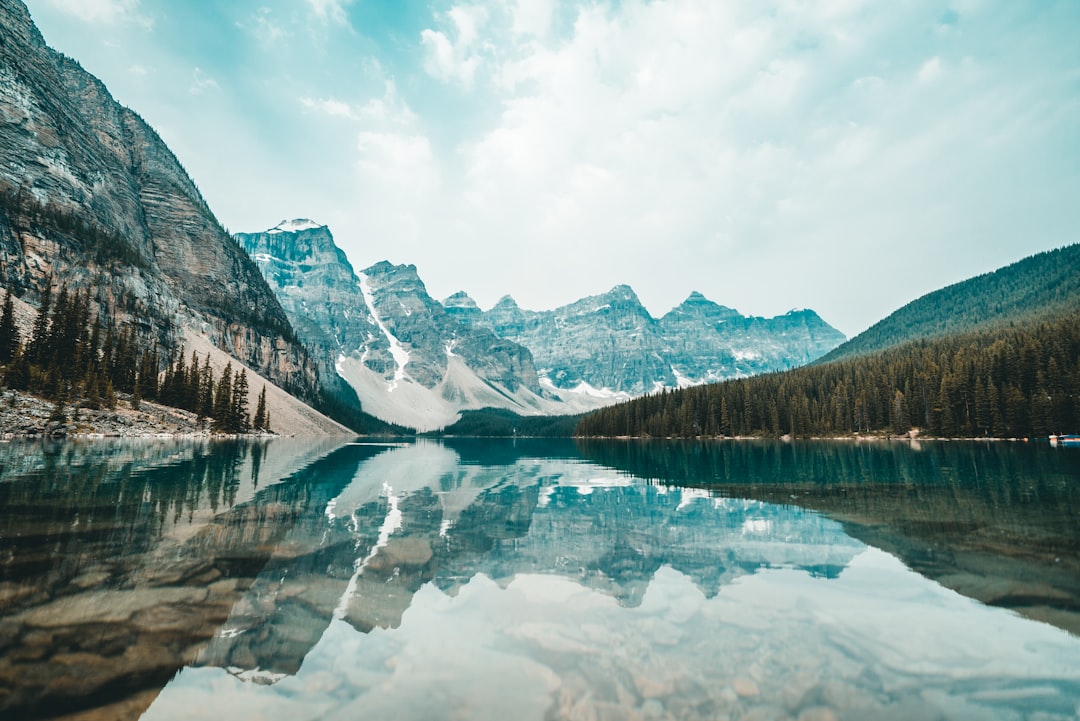
- Banff National Park — Canada’s oldest national park (est. 1885) sits at 1,383m altitude with turquoise glacial lakes found nowhere else on the continent.
- Niagara Falls — The Horseshoe Falls drops 57m and discharges 2,400 m³ of water per second — the highest flow rate of any waterfall in North America.
- Northern Lights in Yukon — Whitehorse offers 240+ aurora-viewing nights per year, making it one of the world’s most reliable spots to see the phenomenon.
Scroll down for our complete travel guide with tips on getting there, where to stay, costs and more.
Getting There & Transport
Which airports are the best entry points into Canada?
Toronto Pearson (YYZ) and Vancouver International (YVR) are Canada’s two dominant international gateways. In my experience, YYZ handles the most transatlantic and US traffic — it’s 25 km from downtown Toronto — while YVR is the top entry point for Asia-Pacific routes, sitting 13 km from Vancouver city centre. Montreal-Trudeau (YUL) is the third major hub, essential if you’re exploring Quebec. For western adventures, Calgary International (YYC) puts you 90 minutes from Banff. My tip: fly into YYC and out of YVR if you’re doing a western Canada loop — it eliminates backtracking. Warning most guides skip: YYZ connections to eastern Canada are frequently delayed in winter, so build in buffer time.
How do I get from the airport to my first accommodation in Canada?
Take the UP Express train from Toronto Pearson (YYZ) to Union Station in 25 minutes for CAD $12.35. In my experience, this is the single best airport transfer in Canada — fast, reliable, and runs every 15 minutes. From Vancouver YVR, the Canada Line SkyTrain reaches downtown in 26 minutes for CAD $9.45. In Calgary, there’s no train — the free Route 300 bus to downtown takes 45 minutes and is underrated by visitors. Montreal’s 747 Express bus runs 24/7 to downtown for CAD $11. Avoid taxis from YYZ — the flat rate to downtown is CAD $53-63, which is rarely worth it unless you have heavy luggage or are travelling in a group of 3+.
What transport options are there within Canada?
Flying domestic, driving, or taking VIA Rail are your three realistic choices. Canada is vast — the drive from Toronto to Vancouver is 4,400 km, roughly 42 hours of driving. For anything over 700 km, I recommend flying; budget carriers WestJet and Air Canada offer competitive fares, sometimes as low as CAD $89 one-way booked in advance. VIA Rail’s Canadian train from Toronto to Vancouver takes 4 days and is a bucket-list experience, not a practical commute. My tip: the Greyhound bus network that once connected Canada largely collapsed — don’t rely on it outside Quebec and Ontario corridors. For the Maritimes or northern regions, a rental car is non-negotiable. Honest caveat: domestic flights in Canada rank among the most expensive per-km in the world.
Do I need a rental car in Canada?
Yes, for most itineraries outside of Toronto, Montreal, and Vancouver. In my experience, 90% of Canada’s best experiences require a car. The Icefields Parkway, Cape Breton’s Cabot Trail, and the entire Yukon are inaccessible without one. Book through Enterprise or National at YYC (Calgary) — rates start around CAD $55/day for a compact, but average CAD $85-120/day with insurance in summer. The honest trade-off: gasoline averages CAD $1.75/litre in 2026, and distances are enormous, so fuel costs add up fast. If you’re staying urban — say, a week in Vancouver or Montreal — skip the car entirely; parking downtown Vancouver runs CAD $35-50/day and defeats the purpose. Always get the full collision waiver; Canadian roads in shoulder season can be icy.
How good is the public transport network between regions in Canada?
Frankly, intercity public transport in Canada is poor by international standards. The only reliable rail corridor is Toronto–Ottawa–Montreal via VIA Rail, where trains run daily and take 4-5 hours Toronto to Ottawa for CAD $47-120. BC Transit and TransLink work well within Greater Vancouver, and STM is solid in Montreal. But cross-country or between provinces? The network largely fails travellers. In my experience, the Quebec City–Windsor corridor (VIA Rail) is the only stretch where I’d confidently skip a rental car. The Rocky Mountaineer train is spectacular but costs CAD $1,500+ and is tourist-oriented, not practical transport. My warning: don’t arrive expecting European-style rail connections — Canada’s geography makes that impossible, and the funding simply isn’t there.
Accommodation
Which regions of Canada should I stay in?
It depends entirely on your interests, but I’ll be direct: British Columbia (base: Vancouver or Whistler) for mountains and Pacific coast; Alberta (base: Banff or Calgary) for the Rockies and national parks; Quebec (base: Montreal or Quebec City) for French culture and history; Ontario (base: Toronto) for urban life and Niagara. For wilderness, base yourself in Whitehorse, Yukon or Churchill, Manitoba for polar bears. The honest caveat: the Maritime provinces — Nova Scotia, PEW Island, New Brunswick — are wildly underrated and far less crowded than BC or Ontario. I’d recommend Lunenburg, Nova Scotia as a base for anyone wanting UNESCO heritage towns without tourist crowds. Don’t spread yourself across the country in one trip — Canada punishes itinerary overreach.
What does good accommodation cost per night in Canada?
A solid mid-range hotel in Canada runs CAD $180-260/night in major cities in 2026. In Vancouver, expect to pay CAD $220-300/night for a decent 3-star in the West End or Gastown neighbourhoods. Montreal offers better value — good boutique hotels in Plateau-Mont-Royal run CAD $150-200/night. Budget travellers: HI Canada hostels charge CAD $40-65/night for a dorm bed and are genuinely clean. In national park zones like Banff townsite, budget CAD $300-450/night in July — demand is brutal. My tip: Airbnb remains strong in smaller towns like Tofino or Canmore, where hotels are limited and often overpriced. The honest trade-off: Canadian hotels are not cheap, and quality doesn’t always justify the price — read recent reviews carefully.
When should I book hotels in Canada — how far in advance?
Book Banff and Jasper accommodations 6-9 months ahead for July and August — I am not exaggerating. In my experience, the Fairmont Banff Springs and Moraine Lake Lodge sell out within hours of opening their booking windows in January. For Vancouver and Toronto in summer, 3-4 months ahead is safe for mid-range options. Montreal is more forgiving outside Grand Prix weekend (June) and the Jazz Festival (late June/July), when the city fills entirely — book those periods 6+ months out. Shoulder season (May, September, October) in most cities: 4-6 weeks ahead suffices. My tip: for the Maritimes in August, book 2-3 months ahead — it’s more popular than most guides admit. Honest warning: last-minute deals in Canada’s peak summer are rare; the country is genuinely booked solid.
When is the best time to travel to Canada?
July is objectively the best single month based on climate analysis — long daylight hours, warm temperatures, and all attractions operating. In my experience, late June through early September hits the sweet spot for the west and central Canada. For the Yukon and northern lights, the window is late August through March, with February offering peak aurora activity and -20°C nights — bring serious gear. Quebec City in February during Carnaval is a genuinely unmissable winter experience. Fall colour in Ontario and Quebec peaks in mid-October and is spectacular. My honest trade-off: July and August bring school holidays, meaning Banff, Niagara, and PEI are genuinely overcrowded. If mountain parks matter most to you, target mid-September — fewer crowds, cheaper rates, and the larches turn gold in Larch Valley.
How does peak season affect prices in Canada?
Peak season (July–August) inflates prices by 30-60% across accommodations and activities. A Banff hotel room that costs CAD $180/night in May easily hits CAD $400+ in July. Whale-watching tours in Tofino jump from CAD $120 to CAD $175 per person. Car rental rates at YYC (Calgary) in July regularly double compared to October. In my experience, the most dramatic price spikes occur in Banff, Whistler, and PEI — all three destinations have limited accommodation stock relative to demand. The honest trade-off: peak season brings the best weather and all facilities open, but the financial premium is real. My tip: shoulder season in Canada (May and September) offers 80% of the experience at 60% of the cost — that ratio holds better here than almost anywhere else I’ve travelled.
Best Time to Visit
Which regions of Canada have different climate zones?
Canada spans 6 distinct climate zones. British Columbia’s coast (Vancouver, Victoria) is oceanic — mild, wet winters, rarely below 0°C. The BC interior and Alberta Rockies are continental — cold winters hitting -25°C in Calgary, hot dry summers. The Prairies (Saskatchewan, Manitoba) experience extreme continental swings: +35°C summers, -40°C winters. Ontario and Quebec have humid continental climates — hot summers with humidity over 80%, snowy winters. The Maritimes are wet and windy year-round, with Halifax receiving 170cm of snow annually. The Arctic territories — Yukon, NWT, Nunavut — are subarctic to arctic, with permafrost and summers as short as 6 weeks. My warning: never plan a single packing list for a cross-country Canadian trip — the climate differences between Vancouver and Winnipeg are more extreme than most European countries.
What are the rainy seasons in Canada?
Vancouver is the rainiest major city, receiving 1,153mm annually, with November through February being relentlessly grey and wet — average 18 rainy days per month in December. In my experience, the Pacific coast from Vancouver to Tofino is genuinely soggy October through April, though Tofino’s storm-watching season (November–February) is spectacular if you embrace the rain. The Prairies and Alberta have dry winters but intense summer thunderstorms — June and July bring 25-30mm/month but in dramatic bursts. Quebec and Ontario see their wettest months in June and November. The honest caveat: Canadian rain rarely stops you from doing anything — it’s rarely tropical-downpour intensity outside summer thunderstorms. My tip: pack a quality waterproof layer regardless of season — even July in the Rockies brings afternoon thunderstorms above 2,000m elevation.
What does a trip to Canada cost per person per day?
Budget traveller (hostels, self-catering, buses): CAD $100-130/day. Mid-range (3-star hotels, restaurant meals twice daily, paid attractions): CAD $250-350/day. Comfort traveller (4-star hotels, car rental, national park activities): CAD $450-600/day. In my experience, national park entry fees alone add CAD $21/day per person (2026 Parks Canada daily rate), and guided wilderness activities like heli-hiking in the Bugaboos run CAD $700-1,200/day. The honest trade-off: Canada is not a cheap destination by any measure — it consistently ranks among the top 20 most expensive countries for tourism. Food and accommodation are the biggest drains. My tip: buy the Parks Canada Discovery Pass at CAD $75.25/person if you’ll visit more than 4 park days — it pays for itself quickly and covers over 80 parks.
How expensive is food in Canada?
A sit-down lunch at a mid-range restaurant runs CAD $18-28 per person excluding drinks. Dinner at a proper restaurant: CAD $35-60 per person. Fast food (a McDonald’s combo in Toronto): approximately CAD $14-16 in 2026. Groceries at Loblaws or Sobeys are genuinely expensive — a weekly shop for one costs CAD $120-180. In my experience, Montreal offers the best food value of any major Canadian city — poutine at La Banquise costs CAD $12-15 and is a complete meal. Vancouver’s food truck scene along Davie Street delivers solid meals for CAD $12-18. The honest warning: tipping culture is strong and expected — budget 18-20% on top of every restaurant bill. That 20% consistently blindsides international visitors and inflates the real cost of eating out by a significant margin.
What hidden costs should I expect in Canada?
Provincial and federal taxes add 13-15% to almost every purchase — Ontario charges 13% HST, BC charges 12% PST+GST, and Quebec charges 14.975% combined. These are never included in displayed prices, which shocks visitors from tax-inclusive countries. In my experience, the other hidden cost is resort fees at mountain lodges — some Banff properties tack on CAD $35-50/night in ‘destination fees’ that appear only at checkout. National park parking fees hit CAD $9-12/day at popular trailheads. Roaming charges on foreign SIMs are brutal — Canadian data is among the world’s most expensive. Mandatory gratuities (18-20%) at restaurants. And the sneaky one: cross-border liquor rules — bringing alcohol between provinces is technically restricted and border agents enforce it.
Budget & Costs
How much cash should I bring to Canada?
Bring minimal cash — CAD $100-200 for your entire trip is genuinely sufficient for most travellers. Canada is overwhelmingly cashless: 96% of transactions are processed by card or contactless. In my experience, the only situations where cash matters are farmers’ markets (like Granville Island Market in Vancouver), small rural businesses in the Maritimes or northern BC, and tipping in cash at restaurants when you want to ensure the server receives it directly. ATMs (called ‘bank machines’ locally) are everywhere — TD Bank and Scotiabank charge the lowest foreign withdrawal fees, around CAD $3-5. The honest warning: some Indigenous tourism operators and remote park concessions are cash-only, so if your itinerary includes northern or remote destinations, carry an extra CAD $200 in small bills.
Which credit cards are accepted in Canada?
Visa and Mastercard are accepted universally — I have never encountered a legitimate Canadian business that refused them. American Express is accepted at roughly 75% of businesses, with notable gaps at smaller restaurants, gas stations, and independent shops. Contactless payments (tap) are standard up to CAD $250 without a PIN — Canadians use it for everything. In my experience, Interac Debit is the dominant local payment method, but as a foreign visitor your Visa or Mastercard works identically. My tip: use a no-foreign-transaction-fee card (like the Chase Sapphire or Wise card) — Canadian banks charge 2.5-3% currency conversion fees that compound across a 2-week trip into real money. The honest caveat: rural gas stations along the Trans-Canada Highway sometimes have chip-and-PIN readers that reject foreign contactless — always have a backup PIN available.
Which regions of Canada must I not miss?
Alberta’s Banff–Jasper corridor is non-negotiable — the Icefields Parkway (Highway 93) is a 232 km drive I consider the most scenic road in North America. Quebec City’s Old Town is the only walled city north of Mexico and UNESCO-listed since 1985. Vancouver Island, specifically Tofino on the west coast, delivers a combination of old-growth forest, surf beaches, and Indigenous culture found nowhere else. For the adventurous: Yukon’s Dempster Highway reaches the Arctic Circle — one of the world’s great wilderness drives. My honest caveat: Ontario beyond Toronto — the Bruce Peninsula and Algonquin Provincial Park — is wildly underrated and gets a fraction of the visitors that Banff does, offering comparable wilderness experiences at a fraction of the cost and crowds.
What are the tourist highlights of Canada?
The undeniable headline attractions: Niagara Falls (visited by 14 million people annually), Banff National Park (5 million visitors/year), and Old Quebec City (UNESCO World Heritage Site since 1985). Beyond those: CN Tower in Toronto at 553m is still one of the world’s tallest free-standing structures. Churchill, Manitoba offers the world’s highest concentration of polar bears in October–November. Cape Breton’s Cabot Trail — a 298 km loop through the Highlands — rivals any scenic drive in Europe. In my experience, what surprises travellers most is how varied Canada’s highlights are: you can go from watching beluga whales in the St. Lawrence River near Tadoussac to exploring a French colonial fortress at Louisbourg within a single Maritime itinerary. The country rewards thematic travel over checklist tourism.
What experiences in Canada are found nowhere else on Earth?
Dog sledding through the Yukon backcountry at -30°C is irreplaceable — operators in Whitehorse run half-day trips from CAD $180/person. Watching 500+ polar bears gather at Churchill, Manitoba each October–November before Hudson Bay freezes is a wildlife spectacle with no parallel. Iceberg viewing from the shores of Twillingate, Newfoundland between April and July — icebergs calved from Greenland drift within metres of shore. Ice climbing frozen waterfalls in Banff’s Johnston Canyon in January. And for something quieter: attending a powwow on a First Nations reserve in Saskatchewan — authentic cultural events, not tourist performances, many open to respectful visitors. In my experience, heli-skiing in the Bugaboos of BC is the activity serious skiers rate above anything in Europe or Japan — access is by helicopter and terrain is unmatched.
Regions & Highlights
Which areas of Canada are overcrowded — and what are the quieter alternatives?
Banff townsite in July–August is severely overcrowded — the Lake Louise parking lot fills by 7am and Parks Canada has imposed mandatory shuttle systems. Alternative: Kootenay National Park, 45 minutes from Banff, offers comparable Rockies scenery with 1/10th the visitor numbers. Niagara Falls crowds on the Canadian side peak between 10am-5pm daily in summer — visit at 6am or after 8pm when tour buses are absent. PEI’s north shore beaches get packed in August — western PEI near Tignish is nearly identical in quality but sees almost no tourists. Gastown in Vancouver is overrun on summer weekends — Mount Pleasant neighbourhood offers better restaurants and zero tourist crowds. My tip: the entire province of New Brunswick is Canada’s most undervisited and arguably its most underrated — Fundy Trail Parkway has the world’s highest tides at 16m and rarely more than 400 visitors on any given day.
How many days do I need for Canada?
Minimum 14 days for a single region; 21-28 days for a coast-to-coast experience. In my experience, travellers who try to do Toronto + Banff + Vancouver in 10 days arrive exhausted and see nothing properly. A focused BC itinerary (Vancouver 3 days, Vancouver Island 3 days, Whistler 2 days, Banff/Jasper 5 days) is the sweet spot at 14 days. For Quebec + Maritimes, budget 10-14 days minimum just for that region. The honest trade-off: Canada is the second-largest country on Earth — the flight from Toronto to Vancouver (4.5 hours) is longer than London to Cairo. Domestic flights eat into your days and budget. My recommendation: pick one geographic theme per trip — western mountains, central prairies, eastern culture, or northern wilderness — and do it properly. Return trips are inevitable once Canada gets under your skin.
Do I need a visa to visit Canada?
Citizens of 56 countries do not need a visa but must obtain an Electronic Travel Authorization (eTA) for CAD $7 before flying — this is mandatory and takes minutes online but occasionally delays up to 72 hours. US citizens need only a valid passport or NEXUS card — no eTA required. Citizens of countries not on the visa-exempt list require a Temporary Resident Visa (TRV), costing CAD $100 and processed in 2-8 weeks depending on your home country. In my experience, Indian, Chinese, and Nigerian passport holders face the longest processing times — apply 3+ months ahead of travel. The honest caveat: eTA approval is not guaranteed — if you have a criminal record, even for minor offences, you can be refused entry to Canada, which is more strictly enforced than most travellers realise. Check the IRCC website (Canada’s immigration authority) for the current list.
What languages are spoken in Canada?
English and French are both official languages at the federal level. English dominates in 9 of 10 provinces and all 3 territories. French is the primary language in Quebec — in Quebec City and rural Quebec, French is genuinely essential; many shopkeepers and restaurateurs speak limited English and appreciate even a basic ‘Bonjour’ and ‘Merci’. New Brunswick is officially bilingual — about 32% of the population speaks French. In my experience, basic French phrases go a surprisingly long way in Quebec and open doors that a purely English-speaking approach closes. Indigenous languages — including Cree, Inuktitut, and Ojibwe — are spoken in First Nations communities but you won’t need them as a visitor. The honest note: Montreal is functionally bilingual and you’ll manage entirely in English, but making zero effort at French is considered mildly rude by locals.
What cultural rules do I need to know before visiting Canada?
Tipping is not optional — it’s a social obligation: 18-20% at restaurants, CAD $2-5/bag for hotel porters, 15% for taxis and rideshares. Canadians queue with religious discipline — cutting in line is genuinely offensive. In my experience, the most important cultural nuance is around Indigenous communities and land acknowledgements: many Canadian events and institutions open with a land acknowledgement — listen respectfully and don’t dismiss it as performative. Smoking is banned in all indoor public spaces and within 9 metres of building entrances — enforcement is real. Jaywalking laws are enforced in major cities — cross at crosswalks. The honest caveat that surprises many Europeans: Canadian politeness is real but has limits — criticism of the healthcare system or hockey teams is taken more personally than you’d expect. And always call it a ‘washroom’, not a ‘toilet’ or ‘restroom’ — Canadians notice.
Practical Tips
How safe is Canada for travellers?
Canada is among the world’s safest countries for tourists — it ranks in the top 10 globally on most safety indices. Violent crime against tourists is extremely rare. In my experience, the areas requiring genuine caution are specific urban pockets: Vancouver’s Downtown Eastside (DTES) around Hastings and Main Streets has North America’s most visible open-drug scene following the decriminalisation of small quantities in 2023 — disorienting but rarely dangerous for passersby. Toronto’s Regent Park and parts of north Etobicoke have elevated street crime at night. Bear safety is a real concern in national parks — carry EPA-approved bear spray (CAD $40-50) and never hike alone in Banff or Jasper without it. The honest warning: wildlife encounters cause more tourist injuries than crime in Canada — moose-vehicle collisions on the Trans-Canada Highway are common and often fatal; drive below the speed limit at dawn and dusk.
What health precautions should I take before visiting Canada?
No mandatory vaccinations are required for Canada, but ensure routine immunisations (MMR, Tdap) are current. Travel health insurance is absolutely critical — Canada has excellent healthcare but charges non-residents CAD $3,000-8,000 for an emergency room visit. In my experience, travellers who skip insurance and need an ambulance in a national park receive bills of CAD $2,000+ for the airlift alone. Tick-borne Lyme disease risk is real in southern Ontario, BC’s southern interior, and Nova Scotia — check for ticks after hiking. Mosquitoes in Manitoba and northern Ontario between June and August are ferocious — bring DEET-based repellent (30% concentration minimum). Sun protection at high altitude in the Rockies matters year-round — UV intensity at 2,600m at Lake Louise is significantly higher than at sea level. My tip: pack altitude sickness medication if you’re flying directly from sea level to activities above 2,000m in the Rockies.
What SIM card or eSIM options are available in Canada?
Canadian mobile data is among the world’s most expensive — a domestic SIM with 10GB costs CAD $35-55/month from Public Mobile or Koodo (both Telus subsidiaries). For short-term visitors, I recommend Airalo eSIM (from USD $9 for 1GB) or a Roam Mobility SIM (CAD $4/day unlimited talk/text/data) for a more cost-effective solution. In my experience, Telus and Rogers have the best rural coverage — critical if you’re driving the Trans-Canada Highway or exploring BC’s interior. WIND/Freedom Mobile is cheap (CAD $25 for 5GB) but coverage disappears outside major urban corridors. The honest warning: do not rely on your home country’s roaming plan in Canada without checking rates — major European carriers charge CAD $10-15/day for roaming, which adds up to CAD $140-210 over a 2-week trip and is entirely avoidable.
Which apps do you recommend for travelling in Canada?
Parks Canada app is essential — it shows real-time trail conditions, reservation availability, and shuttle schedules for Banff, Jasper, and 80+ parks. 511 BC and 511 Alberta give live road and avalanche conditions — I’ve avoided two dangerous mountain road closures using these. Moovit covers transit in Toronto, Vancouver, and Montreal more reliably than Google Maps in my experience. iNaturalist for wildlife identification — surprisingly useful in the Rockies. GasBuddy for finding the cheapest fuel along driving routes (prices vary CAD $0.30/litre between stations in rural areas). Duolingo for basic French if you’re visiting Quebec — 30 minutes of prep makes a real difference. The one app most guides miss: Recreation.gov (US-based) manages reservations for some Canadian wilderness permits due to cross-border data agreements — confusing but real. Also download offline Google Maps for BC and Alberta before leaving urban areas — cellular dead zones are frequent.
What are the most common traveller mistakes in Canada?
The single biggest mistake: underestimating distances. Travellers book Toronto on Monday, Banff on Wednesday, and Vancouver on Friday — that itinerary requires two domestic flights totalling CAD $500+ and leaves no time to actually experience anything. Second: arriving at Banff in July without advance reservations for accommodation, parking permits, and shuttle passes — you will sleep in Calgary and spend hours in queues. Third: skipping the Maritimes entirely — most first-timers head west and miss Newfoundland and Nova Scotia, which I consider Canada’s most authentic and photogenic regions. Fourth: not buying the Parks Canada Discovery Pass upfront. Fifth: not understanding tipping — many international visitors leave 10% and create genuine awkwardness. In my experience, the most rewarding Canadian trips are thematic and slow-paced — pick one region, hire a car, and stop driving when something looks interesting. Canada rewards curiosity over ambition.
Canada at a Glance
| Population | 36,991,981 |
|---|---|
| Currency | Canadian dollar ($) |
| Official language | English, French |
| Time zone | Newfoundland Time Zone |
Source: Wikidata, retrieved August 2026.
Essential Resources for Planning Your Trip to Canada
- Atlantic Canada UNESCO Tourism Corridor — official visitor information, passes & events
- Wikipedia: Canada — history, geography & background
- Wikivoyage: Canada — community travel guide & practical tips
- Canada country guide – Lonely Planet | North America — expert itineraries & travel inspiration
- THE 15 BEST Things to Do in Canada (2026) — hotels, restaurants & traveller reviews
- The United Nations Educational, Scientific and Cultural … — how to get around
- Numbeo: Cost of Living in Canada — current prices & cost comparison
- Timeanddate: Canada Weather & Climate — forecasts & climate statistics
More Perspectives on Canada
- Travel Tips Canada for planning and on the go
- Canada Travel Advisory | Travel.State.gov – State Department
- Travel tips and vacation ideas – Parks Canada
Canada Travel Videos
Watch these videos for a visual preview before your trip:
- CANADA TRAVEL TIPS FOR FIRST TIMERS | 20+ Must-Knows Before Visiting Canada + What NOT to Do!
- 10 Best Places to Visit in Canada – Travel Guide
- Canada: The Ultimate Travel Guide by TourRadar 4/5
Canada Travel Discussions on Reddit
Real traveller experiences and community advice:
Data Sources
This page was compiled using data from Wikipedia, Wikidata, Open-Meteo (climate), Numbeo (cost of living) and REST Countries. Information is updated regularly.