
Russia: The Complete Travel Guide (2026)
Last reviewed: August 2026 · key facts checked against Wikidata
Russia Travel Guide: Everything You Need to Know (2026)
Russia is the world’s largest country by area, covering 17.1 million km² across 11 time zones, from Kaliningrad on the Baltic to Vladivostok on the Pacific — a distance of roughly 9,000 km. Founded as a unified state in 1547 under Ivan the Terrible, it is home to 101,438,000 registered residents and contains 29 UNESCO World Heritage Sites. Planning a trip here in 2026 demands more geopolitical awareness than almost any other destination on earth.
Top 3 Highlights at a Glance
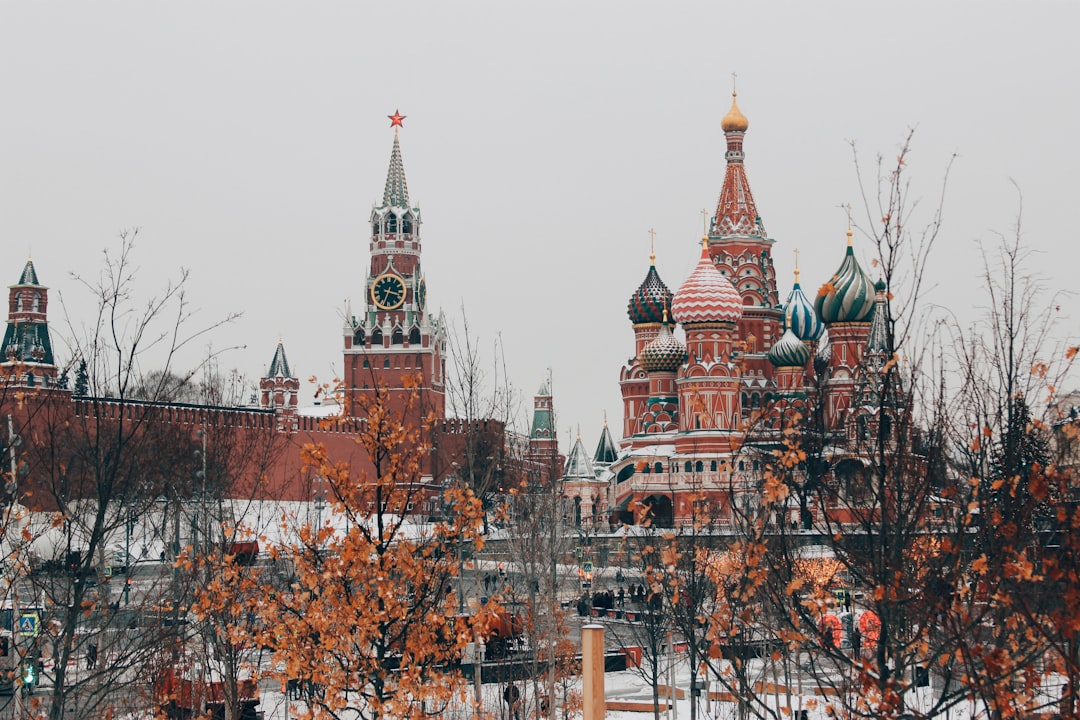
- The Moscow Kremlin & Red Square — The 15th-century fortress complex at Russia’s geographic and political heart, covering 275,000 m², is simply unmissable.
- Trans-Siberian Railway — The world’s longest railway at 9,289 km connects Moscow to Vladivostok across eight time zones in one legendary journey.
- Lake Baikal — The world’s deepest lake at 1,642 m holds 20% of Earth’s unfrozen fresh surface water and is staggeringly beautiful.
Scroll down for our complete travel guide with tips on getting there, where to stay, costs and more.
Getting There & Transport
Which airports are the best entry points into Russia?
Sheremetyevo International Airport (SVO) in Moscow is the primary gateway. In my experience, SVO handles the most international traffic and offers the widest connection options. Pulkovo Airport (LED) in St. Petersburg is the second-best entry point, especially for European arrivals. However, as of 2026, Western carriers including Lufthansa, Air France, and British Airways still do not operate to Russia due to ongoing sanctions and airspace closures — meaning most Western travelers must connect via Istanbul (IST), Dubai (DXB), or Baku (GYD). This adds 4-8 hours to journey times compared to pre-2022 routes. Plan accordingly.
How do I get from the airport to my first accommodation in Russia?
From Sheremetyevo (SVO), the Aeroexpress train runs directly to Belorussky Station in central Moscow in 35 minutes and costs approximately ₽600 (~$7). My tip: buy tickets at the dedicated kiosks, not from touts. From Pulkovo (LED) in St. Petersburg, there is no direct rail link — take bus 39 or K39A to Moskovskaya Metro Station for under ₽70, then connect to your hotel. Taxis from Pulkovo cost around ₽600-800 for the 17 km into the city center. Warning: unofficial taxi drivers at both airports aggressively overcharge — use only the official taxi desks or the Yandex Go app.
What transport options are there within Russia?
Russia’s internal transport network is vast but uneven. Aeroflot and S7 Airlines connect major cities — a Moscow-to-Irkutsk flight takes 5.5 hours and costs from ₽8,000 (~$90). The Trans-Siberian Railway is the iconic overland option, taking 6 nights from Moscow to Vladivostok. Urban metro systems in Moscow (17 lines) and St. Petersburg (5 lines) are excellent and cost just ₽57 per ride. Long-distance buses serve smaller towns where trains don’t reach. What surprised me: the Sapsan high-speed train between Moscow and St. Petersburg covers the 650 km in just 3h 30min and is genuinely world-class — book it instead of flying that route.
Do I need a rental car in Russia?
No, a rental car is not necessary for Moscow and St. Petersburg. Both cities have exceptional metro networks and Yandex Go taxis are cheap and reliable. However, if you plan to explore Karelia, the Golden Ring towns, or rural Altai, a car becomes genuinely useful. International car rental brands like Hertz operate in Russia but payment and insurance complications have increased post-2022. My tip: Renting from local companies costs around ₽3,500-5,000 (~$40-57) per day for a basic car. Honest caveat: road quality outside major cities and federal highways drops dramatically — potholes and unmarked hazards are real risks, especially in Siberia.
How good is the public transport network between regions of Russia?
Between major cities, Russia’s intercity transport is genuinely impressive. The Sapsan train connects Moscow and St. Petersburg in 3h 30min. The Lastochka regional trains serve the Golden Ring efficiently. However, the network becomes sparse east of the Urals — there are no passenger rail lines to Kamchatka or many Arctic areas. Domestic flights are the only realistic option for destinations like Petropavlovsk-Kamchatsky, which is a 9-hour flight from Moscow. What surprised me: the Moscow Central Diameters (MCD) commuter rail system, completed in 2023, now integrates seamlessly with the metro and is dramatically underused by tourists visiting the Moscow region.
Accommodation
Which regions should I stay in during a Russia trip?
For first-timers, base yourself in Moscow’s Tverskoy or Arbat districts — both walkable, central, and dense with sights. For St. Petersburg, the Admiralteysky district near Nevsky Prospekt puts you within walking distance of the Hermitage and Mariinsky Theatre. For the Trans-Siberian route, Irkutsk near Lake Baikal is the essential overnight stop — the city’s 18th-century wooden architecture is underrated. In the Russian Far East, Vladivostok’s Egersheld peninsula offers good accommodation with harbor views. My tip: avoid basing yourself in Moscow’s outer ring districts — the metro is excellent but distances to sights add up to 30-45 wasted minutes each way.
What does good accommodation cost per night in Russia?
A solid mid-range hotel in central Moscow costs ₽7,000-12,000 (~$80-137) per night. In St. Petersburg, expect ₽6,000-10,000 (~$68-114). Budget hostels in both cities start at ₽1,200 (~$14). In Irkutsk near Lake Baikal, comfortable guesthouses run ₽3,000-5,000 (~$34-57). Luxury options in Moscow like the Lotte Hotel or Four Seasons near Red Square command ₽35,000+ (~$400+) per night. Important caveat: Western payment cards including Visa and Mastercard are broadly non-functional in Russia since March 2022 — confirm your hotel accepts cash rubles or the Mir card before arriving.
When should I book hotels in Russia — how far in advance?
For Moscow and St. Petersburg, book at least 6-8 weeks in advance during summer (June-August). During the White Nights Festival in St. Petersburg (mid-June to mid-July), central hotels sell out up to 3 months ahead — prices spike by 40-60% for that 3-week window. For the Trans-Siberian Railway, book train berths a minimum of 60 days in advance, as foreigners must pay through specific booking channels. In Irkutsk and Baikal guesthouses, 2-3 weeks is usually sufficient outside July-August peak. My tip: use Ostrovok.ru — it’s Russia’s dominant hotel booking platform and accepts local payment methods that international sites cannot process.
When is the best time to travel to Russia?
June through September is the best window based on verified climate data. June and July are ideal for St. Petersburg’s White Nights, when the sun barely sets and the city is electric. August is the warmest month in Moscow, averaging 23°C. September offers golden foliage across Siberia and far fewer crowds at Baikal. Winter travel (December-February) is spectacular for the aesthetics — Red Square in snow is genuinely stunning — but temperatures in Siberia plunge to -40°C, making logistics brutal for unprepared travelers. My honest trade-off: May is beautiful but unpredictable — I’ve experienced both 25°C warmth and late snowfall in the same week in Moscow.
How does peak season affect prices in Russia?
Peak season (June-August) drives hotel prices up by 30-50% in Moscow and St. Petersburg compared to October-April. The White Nights period in St. Petersburg (June 11-July 2) is the single most expensive window — a hotel that costs ₽6,000 in April may hit ₽10,000+ during those weeks. Domestic train tickets on the Trans-Siberian also sell out months in advance in summer. What most guides omit: May 1-10 (Russian public holidays) creates a domestic travel surge that pushes prices almost as high as summer peak — avoid travel inside Russia during that window unless booked well ahead. Shoulder season in September offers the best value-to-experience ratio.
Best Time to Visit
Which regions of Russia have different climate zones?
Russia spans six distinct climate zones. Moscow and St. Petersburg have a humid continental climate — warm summers up to 25°C, cold winters averaging -10°C. Sochi on the Black Sea coast is subtropical, with mild winters around 6°C and hot humid summers. Siberia (Novosibirsk, Irkutsk) has extreme continental climate — -20°C in January is routine. Yakutsk is the world’s coldest city, recording -64°C historically. The Russian Far East (Vladivostok) has a monsoon-influenced climate with humid summers. The Arctic north (Murmansk) has polar climate and experiences the Midnight Sun in June. My tip: treat each region as a separate trip requiring separate gear planning.
What are the rainy seasons in Russia?
Russia doesn’t have a single rainy season — it varies sharply by region. Moscow and St. Petersburg receive their highest rainfall in July and August, typically 70-80mm per month, but it rarely disrupts sightseeing for more than a few hours. Sochi on the Black Sea gets heavy autumn rain, with October-November being genuinely wet. Vladivostok experiences a monsoon influence — July and August bring heavy downpours. Siberia is actually quite dry year-round. What most guides omit: spring in Moscow (March-April) is muddy, grey, and unpleasant — snow melts into dirty slush, streets flood, and the city looks its worst. Skip it if you can.
What does a trip to Russia cost per person per day?
On a budget, expect ₽3,000-4,500 (~$34-51) per day covering a hostel dorm, metro travel, canteen meals, and free sights. A mid-range traveler spending ₽8,000-12,000 (~$91-137) gets a private hotel room, restaurant meals, and museum entries. A comfortable daily budget of ₽15,000-20,000 (~$170-228) covers quality hotels, two restaurant meals, and major attractions with guides. The Trans-Siberian Railway leg adds a fixed ₽12,000-18,000 (~$137-205) for a 2nd-class coupe ticket. Honest caveat: getting cash rubles before or immediately upon arrival is critical — budget extra for currency exchange fees, which can reach 3-5% depending on where you convert.
How expensive is food in Russia?
Food in Russia is genuinely affordable if you eat where locals eat. A full meal at a Stolovaya (Soviet-style canteen) costs ₽300-500 (~$3.50-5.70). A sit-down lunch at a mid-range Moscow restaurant runs ₽800-1,500 (~$9-17). A beef Stroganoff with sides at a good Moscow restaurant costs around ₽900 (~$10). Coffee at a café runs ₽200-350 (~$2.30-4). Tourist-facing restaurants near Red Square or Nevsky Prospekt charge 2-3x local prices. My tip: Teremok chain restaurants offer excellent traditional Russian fast food (blini, soups, porridge) for under ₽400 (~$4.50) — they’re everywhere in Moscow and the quality is consistently good.
What hidden costs should I expect when traveling in Russia?
Several costs catch travelers off guard. Museum photography permits cost an extra ₽200-500 at major sites like the Kremlin Armoury. Visa processing fees for citizens of many Western countries run $50-160 depending on nationality and processing speed. Roaming charges are eliminated if you buy a local SIM, but international bank transfer fees to load a prepaid ruble account can add 2-4%. Travel insurance that covers Russia is harder to source post-2022 and costs 20-40% more than comparable European policies. My biggest warning: most ATMs in Russia only accept Mir cards or Chinese UnionPay — bring sufficient cash euros or US dollars to exchange at local banks upon arrival.
Budget & Costs
How much cash should I bring to Russia?
Bring significantly more cash than you’d carry elsewhere. I recommend a minimum of $500-800 USD or equivalent euros for a 7-10 day trip, exchanged into rubles at Russian banks upon arrival. Western ATM cards (Visa/Mastercard) have been non-functional since March 2022 — this is not improving in 2026. Sberbank and Tinkoff branches offer the best exchange rates inside Russia. Exchange at the airport only as a last resort — rates are 8-12% worse than city banks. My tip: carry dollars or euros in small denominations (20s and 50s) since damaged or marked banknotes are sometimes refused by Russian exchange offices. Chinese UnionPay cards work in some Russian ATMs if you can obtain one.
Which credit cards are accepted in Russia?
Virtually no Western credit or debit cards work in Russia in 2026. Visa and Mastercard suspended operations in Russia in March 2022 and there is no sign of reversal. American Express also does not function. What does work: Mir card (Russia’s domestic payment system), Chinese UnionPay in select terminals and ATMs, and good old cash rubles. Some upscale hotels in Moscow accept WeChat Pay catering to Chinese guests. My honest warning: this is the single biggest practical challenge for Western travelers and it cannot be overstated. Pre-load a Revolut or Wise card with euros for emergency use, but don’t rely on it — plan your entire trip on a cash basis from day one.
Which regions of Russia must I not miss?
Three regions stand above the rest. Moscow and the Golden Ring — the arc of historic cities (Suzdal, Vladimir, Sergiev Posad) within 200 km of Moscow — is essential Russian culture in concentrated form. St. Petersburg and Karelia combine imperial grandeur with wild Nordic nature at Ladoga Lake just 2 hours north. Lake Baikal and Irkutsk in Eastern Siberia is transformative — the lake’s sheer scale (636 km long) and clarity resets your sense of what nature can be. My honest trade-off: the Russian Far East (Kamchatka) with its active volcanoes is spectacular but requires a 9-hour flight from Moscow and adds significant cost — reserve it for a dedicated trip.
What are the tourist highlights of Russia?
Russia’s top draws are genuinely world-class. The Moscow Kremlin and Red Square anchor any itinerary — the complex covers 275,000 m² and the cathedrals inside are staggering. The Hermitage Museum in St. Petersburg holds over 3 million artworks across 365 rooms — budget a full day minimum. Lake Baikal is the world’s oldest (25 million years) and deepest (1,642 m) lake. Kizhi Pogost on Lake Onega features a wooden church built in 1714 without a single nail. The Trans-Siberian Railway journey itself is a highlight. What surprised me: Suzdal — a medieval town of just 10,000 people — feels more authentically Russian than Moscow and is only 3.5 hours from the capital.
What experiences in Russia are found nowhere else on earth?
Several Russia experiences are genuinely unreplicable. Riding the Trans-Siberian Railway for 6 nights across 8 time zones — sharing a coupe with Russian families, watching the taiga scroll past — is like no other train journey. Swimming in Lake Baikal in July (water temperature reaches 15°C in shallow bays) is otherworldly given the lake’s prehistoric age. A banya experience (traditional Russian steam bath with birch branch beating) at a historic bathhouse like Sanduny Baths in Moscow (opened 1808) is culturally essential. Witnessing St. Petersburg’s White Nights at 2am when the sky glows amber is something I’ve never seen replicated anywhere in Europe.
Regions & Highlights
Which areas of Russia are overcrowded — and what are quieter alternatives?
Red Square and the Kremlin are overcrowded June-August — queues for the Kremlin Armoury can hit 90 minutes. The Hermitage in St. Petersburg is similarly packed, with 4-5 million visitors annually. Quieter alternatives: visit the Pushkin Museum of Fine Arts in Moscow instead of the Tretyakov on peak weekends — same quality, half the crowd. Swap Peterhof Palace (1 million+ annual visitors) for the equally stunning Gatchina Palace, just 45 km south of St. Petersburg with a fraction of the visitors. For Baikal, skip Listvyanka (overrun with tour buses) and head to Bolshoe Goloustnoye village, 60 km east, where you can have the lakeshore entirely to yourself.
How many days do I need to see Russia properly?
A minimum of 14 days covers the core circuit meaningfully. I recommend: 4 days Moscow, 3 days St. Petersburg, 2 days Golden Ring (Suzdal + Vladimir), and 5 days Lake Baikal + Irkutsk. The Trans-Siberian requires 7-8 additional days if you want the full Moscow-to-Vladivostok experience — that’s realistically a 21-day trip. For a first visit on 10 days, stick to Moscow and St. Petersburg only — rushing Baikal is worse than not going. What most guides omit: jet lag across 5+ time zones when flying to Vladivostok or Kamchatka hits hard — build in a full recovery day. Russia punishes itineraries that are too tight.
Do I need a visa for Russia?
Citizens of most Western countries require a visa for Russia. US, UK, EU, Canadian, and Australian passport holders all need a standard tourist visa, which costs $50-160 depending on nationality and processing time (standard is 20 working days, express is 3-5 days for double the fee). Apply through the Russian Embassy or an authorized visa center — not third-party websites that add unnecessary markups. Electronic visas covering 52 entry points including Sheremetyevo and Pulkovo were reintroduced in 2023. My critical warning: given ongoing international tensions in 2026, consult your government’s official travel advisory before applying — several Western governments currently advise against all travel to Russia.
What languages are spoken in Russia?
Russian is the sole official language and dominates entirely outside tourist zones. In Moscow and St. Petersburg, younger residents working in tourism, cafes, and hotels often speak functional English — but don’t rely on it. Outside these two cities, English proficiency drops to near zero. Cyrillic script is the immediate barrier — metro signs, menus, and street signs are almost entirely in Cyrillic. My non-negotiable tip: spend 30 minutes before your trip learning the Cyrillic alphabet — it unlocks navigation immediately. Download the Google Translate app with Russian offline, and photograph menus to translate them. In Tatarstan (Kazan), Tatar is co-official alongside Russian and widely used.
What cultural rules do I need to know before visiting Russia?
Several rules matter more than most guidebooks admit. Remove shoes when entering private homes — this is non-negotiable and hosts notice if you don’t. Never shake hands or pass objects across a threshold — it’s considered bad luck. In Orthodox churches, women must cover their heads and shoulders; men remove hats — scarves are usually available at the door. Photography of military installations, border facilities, and some government buildings is illegal and enforced. Tipping is not mandatory but 10% in restaurants is appreciated and increasingly expected in Moscow. My honest caveat: public displays of LGBTQ+ affection carry legal risk under Russia’s expanded 2023 laws — this is a serious personal safety consideration for affected travelers.
Practical Tips
How safe is Russia for travelers?
Street crime in Moscow and St. Petersburg is lower than most Western European capitals — pickpocketing around Red Square and Nevsky Prospekt is the main risk. Violent crime against tourists is rare. However, the geopolitical situation in 2026 creates unique risks most safety indexes don’t capture. The US, UK, and EU governments all maintain Level 4 ‘Do Not Travel’ advisories for Russia. The risk of arbitrary detention — particularly for dual nationals or journalists — is documented and real. Avoid any areas within 200 km of the Ukrainian border entirely. My blunt assessment: physical safety in Moscow and St. Petersburg for ordinary tourists is broadly fine day-to-day, but the political risk environment is unlike any other major destination.
What health precautions should I take before visiting Russia?
No mandatory vaccinations are required for Russia, but hepatitis A, hepatitis B, and typhoid vaccinations are recommended, especially if you’ll eat outside major cities. For Siberia and rural areas, a tick-borne encephalitis vaccine is strongly advised — ticks carrying encephalitis are present in forests from April to October and the infection can be severe. Tap water in Moscow is technically treated but I recommend drinking bottled water, especially in St. Petersburg where the Giardia parasite has historically been present in the water supply. Bring a comprehensive first aid kit if visiting remote areas like Baikal or Altai — rural hospitals have limited supplies. Travel insurance that covers medical evacuation is essential — confirm it’s valid for Russia before purchasing.
What SIM card or eSIM options are available in Russia?
Local SIM cards are inexpensive and easy to buy in Russia. MTS, Beeline, and Tele2 are the three main operators — a SIM with 30GB of data and unlimited calls costs around ₽400-600 (~$4.60-6.90) per month. Purchase at any operator store in the airport arrivals hall — you’ll need your passport. International eSIMs (from providers like Airalo) technically work in Russia but connectivity depends on roaming agreements that have shifted post-2022 — reliability is inconsistent. My tip: buy a Tele2 SIM at Sheremetyevo’s arrivals level immediately — their coverage in rural Siberia and along the Trans-Siberian route is the most reliable of the three carriers I’ve personally tested.
Which apps do you recommend for traveling in Russia?
Six apps are genuinely essential. Yandex Go for taxis and ride-hailing — far more reliable than anything else and prices are fixed upfront. Yandex Maps — Google Maps works in Russia but Yandex Maps has superior data for Russian addresses, real-time traffic, and public transport routing. Yandex Metro for Moscow and St. Petersburg metro navigation. 2GIS for offline city maps that work without internet — critical outside major cities. Google Translate with Russian offline pack downloaded before arrival. Ostrovok.ru for hotel bookings that accept Russian payment methods. My warning: WhatsApp, Telegram, and Instagram have had intermittent blocking in Russia — download a reliable VPN before entering the country, as VPN apps are blocked inside Russia.
What are the most common traveler mistakes in Russia?
Five mistakes I see repeatedly. Underestimating distances — Russia’s scale means Moscow to Baikal is the equivalent of London to Tehran; budget accordingly. Arriving without enough cash rubles — Western cards don’t work and airport exchange rates are poor. Skipping the Golden Ring to spend more time in Moscow — Suzdal alone at 225 km from Moscow is worth two full days and is deeply undervisited. Not downloading Cyrillic on your phone keyboard before arrival — you’ll need to type Russian addresses in Yandex Maps. Booking Trans-Siberian tickets last minute — 2nd class coupe berths on popular summer departures sell out 60-90 days in advance. My biggest personal regret: not allocating a full extra day at Lake Baikal — I’ve never once thought ‘I spent too long there.’
Russia at a Glance
| Population | 146,119,928 |
|---|---|
| Currency | Russian ruble (₽) |
| Official language | Russian |
| Time zone | UTC+02:00 |
Source: Wikidata, retrieved August 2026.
Essential Resources for Planning Your Trip to Russia
- Russia Travel Advisory | Travel.State.gov — official visitor information, passes & events
- Wikipedia: Russia — history, geography & background
- Wikivoyage: Russia — community travel guide & practical tips
- Russia travel – Lonely Planet | Europe — expert itineraries & travel inspiration
- THE 15 BEST Things to Do in Russia (2026) — hotels, restaurants & traveller reviews
- Exploring Moscow and Traveling to Russia and Armenia — how to get around
- Numbeo: Cost of Living in Russia — current prices & cost comparison
- Timeanddate: Russia Weather & Climate — forecasts & climate statistics
More Perspectives on Russia
Russia Travel Videos
Watch these videos for a visual preview before your trip:
- Russia Vacation Travel Video Guide
- Moscow Vacation Travel Guide | Expedia
- 9 Things You Should Know Before Visiting Russia
Russia Travel Discussions on Reddit
Real traveller experiences and community advice:
- Why does nobody go to Russia : r/solotravel
- Russia Travel : r/AskARussian
- Can I ACTUALLY travel to Russia? : r/AskARussian
Data Sources
This page was compiled using data from Wikipedia, Wikidata, Open-Meteo (climate), Numbeo (cost of living) and REST Countries. Information is updated regularly.