
Zambia: The Complete Travel Guide (2026)
Last reviewed: August 2026 · key facts checked against Wikidata
Zambia Travel Guide: Everything You Need to Know (2026)
Zambia is a landlocked Southern African nation of 14,309,466 people, sharing borders with 8 countries and home to Victoria Falls — one of the world’s largest waterfalls at 1,708 metres wide. Lusaka, the capital, sits at an altitude of roughly 1,280 metres above sea level, giving it a surprisingly mild climate year-round. Founded as Northern Rhodesia in 1911 and gaining independence in 1964, Zambia remains one of Africa’s most underrated safari destinations.
Top 3 Highlights at a Glance
- Victoria Falls (Mosi-oa-Tunya) — The world’s largest waterfall by combined width and height, dropping 108 metres into the Zambezi Gorge.
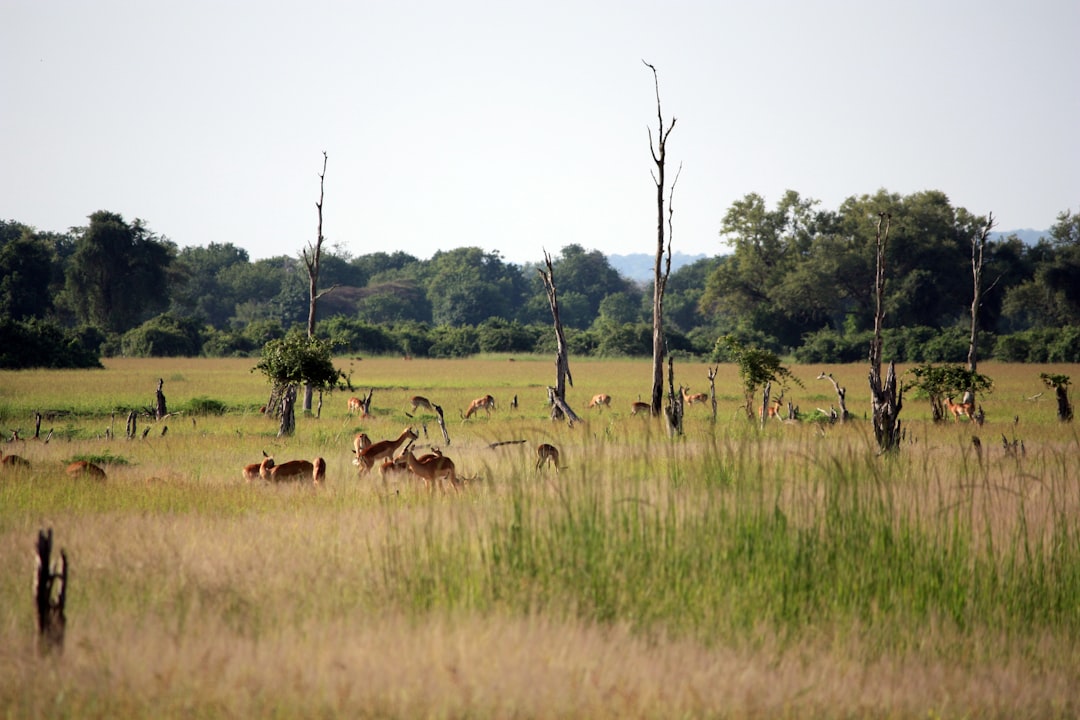
- South Luangwa National Park — Africa’s finest walking safari destination, home to over 60 mammal species including the rare Thornicroft’s giraffe.
- Lower Zambezi National Park — Canoe safaris past elephant herds on the Zambezi River — an experience unavailable in nearly any other African park.
Scroll down for our complete travel guide with tips on getting there, where to stay, costs and more.
Getting There & Transport
Which airports are the best entry points into Zambia?
Kenneth Kaunda International Airport (LUN) in Lusaka is Zambia’s main hub for international arrivals. In my experience, most long-haul travellers connect through Johannesburg’s OR Tambo (JNB), which offers the widest range of onward flights to LUN. Harry Mwanga Nkumbula International Airport (LVI) in Livingstone is the smarter choice if Victoria Falls is your first stop — it saves you a 6-hour overland drive from Lusaka. Ethiopian Airlines and Kenya Airways both serve LUN with good connections from Europe. Warning most guides omit: LUN’s terminal gets genuinely chaotic during peak arrivals — build in 90 minutes for immigration processing.
How do I get from the airport to my first accommodation in Zambia?
Take a pre-booked hotel transfer or a licensed taxi — never an unmarked car. At Kenneth Kaunda International (LUN), the ride to central Lusaka takes roughly 30-40 minutes and costs around $20-30 USD by metered taxi. My tip: book through your hotel in advance, as drivers outside the terminal frequently quote inflated fares to first-timers. At Livingstone Airport (LVI), most lodges offer complimentary transfers since they’re within 5 km of town. Uber operates in Lusaka and is significantly cheaper — I’ve paid as little as $8 USD to the city centre. Caveat: Uber availability at the airport itself is inconsistent; walk to the main road first.
What transport options are there within Zambia?
Domestic flights, intercity buses, and self-drive 4WD are your three realistic options. Proflight Zambia operates the only reliable domestic network, connecting Lusaka to Livingstone, Mfuwe (South Luangwa), and Lower Zambezi in under 60 minutes per leg — fares run roughly $120-250 USD one way. Intercity buses like Mazhandu Family Bus link major towns affordably for around $10-20 USD, but journeys are long — Lusaka to Livingstone takes 6-7 hours. In my experience, the bus network is fine for the Lusaka–Livingstone corridor but impractical for reaching national parks. What surprised me: minibuses (shared taxis) cover short urban routes for as little as $0.50 USD but are extremely overcrowded.
Do I need a rental car in Zambia?
Yes, for independent travel outside Lusaka and Livingstone, a 4WD rental is essentially mandatory. I recommend a Toyota Land Cruiser or Hilux — standard sedans are useless on park roads, particularly in South Luangwa where tracks flood badly between November and April. Expect to pay $80-150 USD per day for a decent 4WD with unlimited kilometres from operators like Voyagers Zambia or Europcar Lusaka. A local driver’s licence is accepted for up to 90 days alongside your home licence. Honest caveat most guides skip: fuel stations are scarce between towns — always depart with a full tank and carry a 20-litre jerry can as backup. Driving after dark outside cities is genuinely dangerous due to livestock on roads.
How good is the public transport network between regions in Zambia?
Between major towns it’s functional but slow; to national parks it’s practically nonexistent. The Great North Road corridor from Lusaka north to Kapiri Mposhi and south to Livingstone is well-served by coaches. The TAZARA railway connects Kapiri Mposhi to Dar es Salaam in Tanzania over roughly 1,860 km and is a genuine adventure option, though delays of 12+ hours are common. My tip: for the Copperbelt towns like Ndola and Kitwe, reliable coaches depart Lusaka’s Intercity Bus Terminal every 2 hours at around $15 USD. Warning: do not rely on public transport to reach wildlife areas — no scheduled service covers the road into Mfuwe Gate for South Luangwa, for example.
Accommodation
Which regions of Zambia should I stay in?
Stay in Livingstone for Victoria Falls and the Zambezi experience, Mfuwe/South Luangwa for the finest safari, and Lusaka only as a transit hub unless you’re genuinely interested in urban Zambia. The Lower Zambezi area around Chirundu is spectacular for canoe safaris but requires a fly-in or serious 4WD drive. In my experience, first-time visitors to Zambia should anchor in Livingstone for 3 nights then fly to Mfuwe for 4 nights — this combination covers the country’s two unmissable experiences without exhausting overland drives. The Northern Circuit around Kasanka and Bangweulu wetlands is extraordinary for birdwatchers but demands significant extra travel time.
What does good accommodation cost per night in Zambia?
Budget guesthouses in Livingstone run $30-60 USD per night; mid-range lodges like Fawlty Towers or Jollyboys Backpackers (despite the name, it has private rooms) cost $60-100 USD. Premium safari camps in South Luangwa — think Kaingo Camp or Chinzombo — start at $500 USD per person per night including meals, game drives, and bush walks. In my experience, all-inclusive rates at top-end lodges genuinely represent value given the level of guiding and food included. Honest caveat: mid-range options inside national parks are very limited — you either pay top dollar for a quality camp or stay outside the park boundary in basic accommodation. Lusaka hotels in the Cairo Road area offer acceptable rooms for $80-120 USD.
When should I book hotels in Zambia — how far in advance?
Book premium safari camps 9-12 months ahead for July and August — the best camps like Robin Pope Safaris’ Nkwali and &Beyond Chikweta sell out by October for the following dry season. Livingstone lodges can typically be secured 3-4 months out, though the Victoria Falls sunset cruise boats fill up faster than most travellers expect. In my experience, if you’re visiting during the Green Season (November to April), you can book as little as 4-6 weeks in advance and negotiate genuine discounts — some camps drop rates by 30-40%. My tip: always book directly with lodges for South Luangwa as aggregator sites frequently show outdated availability.
When is the best time to travel to Zambia?
May through September is the optimal window — the dry season when wildlife concentrates around waterholes and vegetation thins for clear sightings. July and August deliver the most reliable game viewing in South Luangwa, with temperatures around a comfortable 25°C during the day. In my experience, June is an underrated sweet spot: camps are less packed than peak July–August, prices are slightly lower, and the Luangwa River is still high enough for dramatic landscapes. For Victoria Falls at maximum drama, visit February to May when the Zambezi runs full and the spray is visible from 30 km away. Honest caveat: October is extremely hot (38°C+) but game viewing is exceptional as animals cluster desperately around shrinking water sources.
How does peak season affect prices in Zambia?
Peak season (July–August) inflates safari camp rates by 30-50% above shoulder rates, and Livingstone accommodation jumps similarly. A camp that charges $350 per person per night in June may reach $550 in August. Domestic Proflight tickets on the Lusaka–Mfuwe route can double in price during peak weeks. In my experience, the price differential for self-drive accommodation in Livingstone is less dramatic — budget 15-20% more versus the shoulder months of May or September. What surprised me: the Green Season (November to April) offers extraordinary value with wildlife photography in lush landscapes, but several top-tier South Luangwa camps close entirely from January to March, limiting choice significantly regardless of budget.
Best Time to Visit
Which regions of Zambia have different climate zones?
Zambia divides into three broad climate zones. The plateau regions — covering Lusaka, the Copperbelt, and Eastern Province — sit above 1,000 metres and enjoy a moderated climate with cooler nights year-round. The lower valleys — particularly the Luangwa and Zambezi valleys — drop to 500-600 metres and get brutally hot from September to November, regularly hitting 40°C+. The Northern Province around Kasama and the Congo Pedicle receives the heaviest rainfall in Zambia — over 1,200 mm annually — and stays green and humid longer than the south. In my experience, the Luangwa Valley in October feels genuinely punishing; pack electrolytes and plan all activities before 8am and after 4pm.
What are the rainy seasons in Zambia?
The single rainy season runs November through April, peaking in January and February. Southern and Western Zambia typically receives 700-900 mm of rain annually while the north receives up to 1,400 mm. Rains usually fall as heavy afternoon thunderstorms lasting 2-3 hours rather than all-day drizzle, so mornings are often still perfectly usable. Honest caveat most guides omit: several dirt roads connecting to national parks become impassable 4WD-only routes by December — I’ve seen Landcruisers genuinely stuck on the track to Kafue National Park’s northern sector. The Green Season does deliver dramatic scenery, active birdlife with over 400 species in residence, and newborn animals — it’s genuinely beautiful if you plan around the logistics.
What does a trip to Zambia cost per person per day?
Budget independent travel in towns costs $50-80 USD per day covering guesthouses, local food, and minibuses. Mid-range travel with private lodge accommodation, restaurant meals, and the occasional activity runs $150-250 USD per day. Premium all-inclusive safari camps average $400-700 USD per person per day — but that figure includes accommodation, all meals, twice-daily game drives, and expert guiding. In my experience, a realistic 10-day trip combining Livingstone, South Luangwa, and Lusaka transits at a comfortable mid-range level costs around $2,500-3,500 USD per person excluding international flights. My tip: budget separately for activities — a white-water rafting trip on the Zambezi at Victoria Falls costs $120-150 USD alone.
How expensive is food in Zambia?
Local Zambian food is very affordable; tourist restaurant meals are moderately priced by Western standards. A plate of nshima (maize porridge) with relish at a local eatery in Livingstone’s Dambwa Market costs under $3 USD. A sit-down lunch at a mid-range restaurant on Mosi-oa-Tunya Road in Livingstone runs $10-18 USD. Dinner at a quality restaurant like The Explorers or Zig Zag Coffee House in Lusaka’s Kabulonga neighbourhood costs $20-35 USD with drinks. In my experience, supermarkets like Shoprite stock imported goods at prices roughly 20-30% higher than South Africa due to logistics costs. Safari camp meals are excellent and included in rates — wasted if you’re paying lodge prices but eating separately.
What hidden costs should I expect in Zambia?
National park fees catch most first-timers off guard — South Luangwa charges $25 USD per person per day on top of your lodge rate. Victoria Falls entry is $20 USD for Zambia-side access (Zimbabwe-side costs extra if you cross). Activity costs stack up fast: a helicopter flight over Victoria Falls costs $180-220 USD for 15 minutes. Many lodges add a community levy of $5-10 USD per night that isn’t always listed upfront. In my experience, the biggest hidden cost is the UNIVISA at $50 USD if you plan to cross between Zambia and Zimbabwe — cheaper than buying separate visas but still unexpected for many travellers. Also budget for luggage fees on Proflight domestic routes which enforce strict 15 kg limits.
Budget & Costs
How much cash should I bring to Zambia?
Carry $300-500 USD in cash as a baseline emergency fund, supplemented by withdrawals from ATMs in Lusaka and Livingstone. The local currency is the Zambian Kwacha (ZMW) — at roughly 27 ZMW per 1 USD in 2025, small items need local currency. ATMs are readily available in Lusaka’s Manda Hill Mall and central Livingstone, but virtually nonexistent inside or near national parks. In my experience, US dollars printed after 2006 are widely accepted for lodge payments, activity bookings, and Livingstone tourist services. Honest caveat: old or torn USD notes are frequently rejected — bring only clean, crisp bills from 2013 onwards specifically. Carry small denominations ($1, $5, $10) for tips and market purchases.
Which credit cards are accepted in Zambia?
Visa is the most widely accepted card in Zambia; Mastercard works at most urban establishments. American Express is accepted at fewer than 20% of tourist-facing businesses and is essentially useless outside top hotels. In Livingstone and Lusaka’s Manda Hill and Arcades shopping centres, card payments work reliably. Most safari camps and lodges accept card payments but frequently add a 3-5% surcharge that they don’t advertise upfront — always ask. In my experience, always carry backup cash because card machines in Zambia fail regularly, especially during power outages (load-shedding of 4-8 hours daily is common). My tip: notify your bank before travel — Zambian transactions trigger fraud alerts at a disproportionately high rate for European and North American cards.
Which regions of Zambia must I not miss?
South Luangwa National Park in Eastern Province is non-negotiable — it’s the birthplace of the walking safari and arguably Africa’s best park for genuine bush immersion. Livingstone and the Mosi-oa-Tunya corridor along the Zambezi is Zambia’s tourism epicentre and deserves at least 3 full days. The Lower Zambezi National Park offers canoe safaris and extraordinary elephant encounters at the water’s edge — unique in Africa. In my experience, the Bangweulu Wetlands in Northern Province are outrageously undervisited: the sight of black lechwe antelope by the tens of thousands and the rare shoebill stork is something I’ve seen nowhere else on earth. The Kafue National Park — Zambia’s largest at 22,400 km² — rewards travellers with time to reach its remote northern sectors.
What are the tourist highlights of Zambia?
Victoria Falls leads every list for good reason — the 108-metre drop across a 1,708-metre wide curtain of water is genuinely staggering. The Devil’s Pool natural infinity pool at Livingstone Island (accessible only August to January) lets you swim literally at the edge of the falls. Walking safaris in South Luangwa with legendary guides from camps like Kaingo or Nsefu are among Africa’s most immersive wildlife experiences. The TAZARA railway journey northward to Tanzania is a slow-travel classic. Sunset canoe trips on the Lower Zambezi past hippo pods and fishing tigers are in my top 10 Africa experiences. The Zambia side of Victoria Falls gives dramatically better views than Zimbabwe during high water season — a fact that surprises most visitors.
What experiences in Zambia are found nowhere else?
Walking safaris as pioneered at South Luangwa — on foot, no vehicle, with a rifle-carrying professional guide and tracker — offer a fundamentally different relationship with wildlife than any game drive. Swimming in Devil’s Pool at the edge of Victoria Falls is genuinely available nowhere else on earth. The bat migration at Kasanka National Park between October and December brings 8-10 million straw-coloured fruit bats — the world’s largest mammal migration by numbers, almost entirely unknown to mainstream tourism. In my experience, the shoebill stork encounter at Bangweulu Wetlands via dugout canoe through papyrus channels is the most surreal wildlife moment I’ve had anywhere in Africa. These four experiences alone justify a dedicated Zambia trip.
Regions & Highlights
Which areas of Zambia are overcrowded — and what are the quieter alternatives?
The Zimbabwe side of Victoria Falls town is significantly more tourist-saturated than Livingstone — Livingstone itself is comparatively relaxed even in peak season. The main Mosi-oa-Tunya viewpoint in Livingstone gets busy between 10am and 2pm — arrive at 7am and you’ll often have the spray and rainbows to yourself. South Luangwa’s Mfuwe Lodge area near the main gate is the busiest safari zone; the Nsefu Sector 50 km north offers near-identical wildlife with a fraction of the vehicle density. In my experience, Kafue National Park receives roughly one-tenth of Luangwa’s visitor numbers despite equal wildlife quality — its remoteness filters out casual tourists. Lower Zambezi is already a genuine off-the-beaten-track option compared to any Kenyan or Tanzanian park.
How many days do I need for Zambia?
A minimum of 10 days is needed to do Zambia justice; 14-16 days allows a genuinely comprehensive trip. My recommended baseline itinerary: 3 nights Livingstone (Victoria Falls, Devil’s Pool, Zambezi sunset cruise), 4 nights South Luangwa (walking safaris, night drives), 2 nights Lower Zambezi (canoe safari), and 1 night Lusaka for departure. In my experience, travellers who attempt Zambia in 7 days spend too much time in transit and leave frustrated. Adding Kasanka for the bat migration or Bangweulu for shoebill encounters each requires 2-3 additional days due to travel logistics. Honest caveat: domestic flight schedules don’t always align neatly — build in buffer nights in Lusaka to avoid missing international connections.
Do I need a visa for Zambia?
Citizens of around 80 countries can obtain a visa on arrival at Lusaka and Livingstone airports, costing $50 USD for most nationalities. The UNIVISA at $50 USD covers both Zambia and Zimbabwe and is excellent value if you plan to cross at Victoria Falls Border or Kazungula. UK, US, Canadian, and most EU passport holders qualify for visa on arrival — processing takes 15-30 minutes at a quiet time but can stretch to 90 minutes on a busy evening at LUN. In my experience, always carry exact change in USD cash — card machines at immigration counters are unreliable. Warning most guides miss: the UNIVISA requires you to exit and re-enter within 30 days — it doesn’t grant unlimited crossings indefinitely.
What languages are spoken in Zambia?
English is the official language and is spoken widely in tourist areas, hotels, and by educated urban Zambians — communication is never a barrier for English-speaking travellers. Zambia has 73 recognised tribal languages; Nyanja is dominant in Lusaka and Eastern Province, Bemba dominates the Copperbelt and Northern Province, and Tonga is spoken around the Zambezi Valley near Livingstone. In my experience, learning even 5 words of Nyanja — particularly ‘muli bwanji’ (how are you) and ‘zikomo’ (thank you) — generates extraordinary warmth from locals. Safari guides at top camps often speak 3-4 languages and are extraordinarily articulate natural historians. No language barrier exists for standard tourist travel anywhere in Zambia.
What cultural rules do I need to know before visiting Zambia?
Zambians are exceptionally warm and formal — greetings matter enormously. Always shake hands when meeting someone; rushing past without acknowledgment is considered rude. In my experience, asking permission before photographing any person is non-negotiable — it’s genuinely offensive to photograph without consent, particularly in rural areas and markets. Dress modestly outside of safari camps and Livingstone’s tourist strip — covered shoulders and knees are appreciated in Lusaka’s markets and townships. Public displays of affection between same-sex couples carry serious legal risk — Zambia’s laws on this are strict and enforced. Bargaining is appropriate at markets but not in restaurants or shops with fixed prices. My tip: Zambians value patience and good humour above all — raising your voice or showing frustration achieves nothing and damages the interaction immediately.
Practical Tips
How safe is Zambia for travellers?
Zambia is one of Southern Africa’s safer destinations — violent crime against tourists is rare. Lusaka’s central areas including Cairo Road and Manda Hill are safe during daylight but require standard urban caution after dark. Livingstone’s tourist zone along Mosi-oa-Tunya Road is low-risk at all hours. In my experience, petty theft (pickpocketing and bag-snatching) is the realistic threat — particularly at Lusaka’s Intercity Bus Terminal and crowded markets. Don’t walk alone in unfamiliar Lusaka neighbourhoods after 7pm. National parks carry zero security concerns beyond genuine wildlife encounters — follow guide instructions rigorously. The Copperbelt region has elevated crime rates in urban areas and is not a priority tourist destination anyway. Overall, sensible precautions yield a trouble-free trip.
What health precautions should I take before visiting Zambia?
Malaria prophylaxis is mandatory — Zambia is high-risk year-round, particularly in low-altitude areas like the Luangwa and Zambezi valleys. I take Malarone (atovaquone/proguanil) and use permethrin-treated clothing plus 30%+ DEET repellent every evening without exception. Yellow fever vaccination is required if arriving from a yellow fever-endemic country — carry your yellow card as it may be checked at immigration. Typhoid and hepatitis A vaccinations are strongly recommended. Drink only bottled or filtered water — I never touch tap water anywhere in Zambia. Rabies pre-exposure vaccination is worth considering given wildlife proximity. The nearest facility for serious medical emergencies is Lusaka’s Mediclinic — evacuations from remote parks cost $5,000-15,000 USD without proper travel insurance, so comprehensive coverage is non-negotiable.
What SIM card or eSIM options are available in Zambia?
Airtel Zambia and MTN Zambia are the two dominant networks — Airtel has slightly wider rural coverage in my experience. A physical SIM costs under $2 USD and can be purchased at the airport arrivals hall in Lusaka or any Airtel/MTN shop in Livingstone. A 10GB data bundle costs approximately $8-12 USD on Airtel and is valid for 30 days. eSIM options via Airalo or Holafly work for Zambia and are convenient if you want to set up before departure — expect to pay around $15-20 USD for 5GB. Honest caveat: coverage drops to zero in national parks — South Luangwa, Lower Zambezi, and Kafue have no mobile signal whatsoever inside park boundaries. Lodge WiFi is available but slow and unreliable at most camps.
Which apps do you recommend for travelling in Zambia?
Maps.me or OsmAnd with offline maps downloaded before departure — Google Maps coverage deteriorates badly once you leave the tarmac. Proflight Zambia’s app or website for domestic booking, though WhatsApp to the reservations team often gets faster responses. iNaturalist is brilliant for identifying the extraordinary birdlife — Zambia has over 750 recorded bird species. XE Currency for live Kwacha exchange rate checks. WhatsApp is the dominant communication platform in Zambia — every guesthouse, guide, and tour operator uses it. In my experience, downloading Merlin Bird ID by Cornell Lab transforms game drives for birders — South Luangwa alone will give you 150+ species in a week. Google Translate is useful for signage in Bemba or Nyanja though English suffices for all tourist interactions.
What are the most common traveller mistakes in Zambia?
Underestimating distances is mistake number one — Lusaka to South Luangwa by road is 600 km of largely unpaved track; travellers who attempt it by sedan car create a crisis. Booking only the Zimbabwe side of Victoria Falls and missing the superior Zambia viewpoints during high water is a close second. In my experience, the worst mistake is skipping travel insurance with medical evacuation cover — a helicopter evacuation from South Luangwa to Lusaka costs over $8,000 USD. Not pre-booking the Devil’s Pool experience costs many travellers this once-in-a-lifetime swim — it books out weeks in advance in season. My tip: don’t try to combine Zambia with too many countries in under 2 weeks — I’ve seen travellers spend more time in airports than on safari by attempting Zambia, Zimbabwe, and Botswana in 10 days.
Zambia at a Glance
| Population | 19,610,769 |
|---|---|
| Currency | Zambian Kwacha (K) |
| Official language | English |
| Time zone | UTC+02:00 |
Source: Wikidata, retrieved August 2026.
Essential Resources for Planning Your Trip to Zambia
- ZAMBIA COMMENDS UNESCO AND ADVISORY BODIES … — official visitor information, passes & events
- Wikipedia: Zambia — history, geography & background
- Wikivoyage: Zambia — community travel guide & practical tips
- Zambia — Lonely Planet — expert itineraries & travel inspiration
- THE 15 BEST Things to Do in Zambia (2026) — hotels, restaurants & traveller reviews
- Zambia – Travel and Tourism — how to get around
- Numbeo: Cost of Living in Zambia — current prices & cost comparison
- Timeanddate: Zambia Weather & Climate — forecasts & climate statistics
More Perspectives on Zambia
- Zambia Travel Tips and Useful Info
- The Ultimate Zambia Travel Guide
- Zambia Travel Guide | Plan Your Trip
Zambia Travel Videos
Watch these videos for a visual preview before your trip:
- TEN THINGS TO KNOW BEFORE VISITING ZAMBIA
- My Trip to Zambia | Victoria Falls & Safari
- Zambia travel guide | Victoria Waterfalls Zambia | Lower Zambezi | Jini Life Journal
Zambia Travel Discussions on Reddit
Real traveller experiences and community advice:
- Went to Zambia and fell in love 🇿🇲 : r/travel
- Solo Travel Through Zambia, Africa : r/solotravel
- What was your experience visiting Zambia as a foreigner?
Data Sources
This page was compiled using data from Wikipedia, Wikidata, Open-Meteo (climate), Numbeo (cost of living) and REST Countries. Information is updated regularly.