
Saint Lucia: The Complete Travel Guide (2026)
Last reviewed: August 2026 · key facts checked against Wikidata
Saint Lucia Travel Guide: Everything You Need to Know (2026)
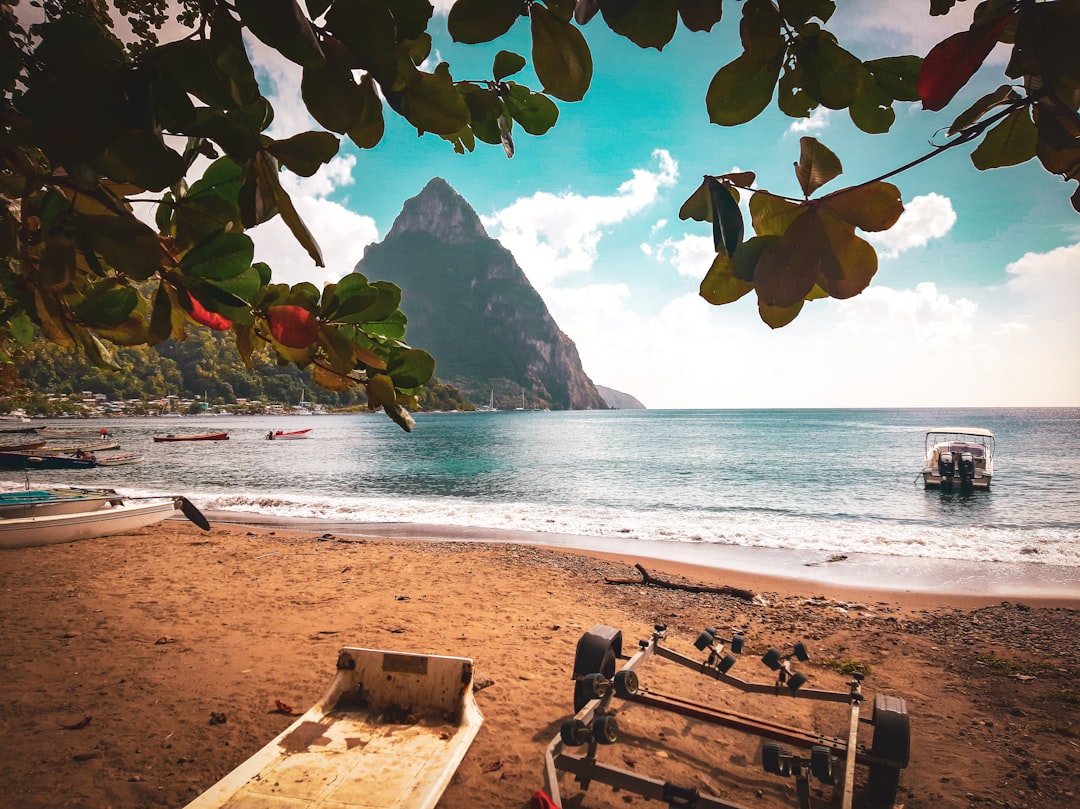
Saint Lucia is a volcanic island nation of 617 km² in the eastern Caribbean, sitting 330 metres above sea level at its inhabited core and home to an estimated 167,591 people. Founded as a French colony in 1651 before passing to British control in 1814, it remains one of the most dramatically beautiful islands in the Lesser Antilles, with twin Piton peaks that rise over 770 metres straight from the sea. In my decade of Caribbean travel, Saint Lucia consistently punches above its weight for sheer scenery and culinary depth.
Top 3 Highlights at a Glance
- The Pitons (Gros & Petit Piton) — Twin UNESCO-listed volcanic spires rising 770m from the sea — the most iconic vista in the entire Caribbean.
- Sulphur Springs Drive-In Volcano — The world’s only drive-in volcano lets you bathe in natural sulphur mud pools just outside Soufrière.
- Anse Chastanet & Jade Mountain — A world-class coral reef directly off a black-sand beach, rated one of the top 10 dive sites in the Atlantic.
Scroll down for our complete travel guide with tips on getting there, where to stay, costs and more.
Getting There & Transport
Which airports are the best entry points into Saint Lucia?
Hewanorra International Airport (UVF) in Vieux Fort is your best entry point — full stop. It handles all major international long-haul and North American flights and sits at the island’s southern tip. In my experience, travellers who accidentally book into George F.L. Charles Airport (SLU) in Castries save no time — SLU only serves regional Caribbean hops from Barbados or Martinique. UVF is 67 km from Castries and about 13 km from the Soufrière resort strip. What most guides omit: UVF has very limited dining post-security, so eat before you fly.
How do I get from the airport to my first accommodation in Saint Lucia?
A pre-booked shared shuttle from UVF to Castries costs roughly USD 25–35 per person; a private taxi runs USD 80–100 for the full car to Castries, or USD 50–65 to the Soufrière area. My tip: book your transfer in advance through your hotel or a vetted operator like Saint Lucia Transfers — the taxi queue at UVF after a transatlantic flight is brutal and unmetered drivers will quote inflated rates. The drive to Castries takes 90 minutes; to Soufrière it’s actually faster at around 60 minutes heading north then west. What surprised me: the road to Soufrière through the mountains has no streetlights — arriving after dark is genuinely uncomfortable.
What transport options are there within Saint Lucia?
Within Saint Lucia you have three realistic options: minibuses, taxis, and rental cars. Minibuses (numbered routes starting with the letter M) cost XCD 2–7 (about USD 0.75–2.60) per leg and are how locals move between towns — they’re cramped, frequent, and stop running by 8 PM. Taxis are metered by law but drivers often quote flat rates; always confirm before you get in. Water taxis between Castries and Soufrière cost around USD 50–70 per person round trip and cut journey time to 90 minutes on a scenic sea route. What most guides omit: there is no island-wide bus network — you cannot bus directly from Castries to Soufrière in one go.
Do I need a rental car in Saint Lucia?
Yes, if you want real flexibility — I recommend it strongly. Without a car, you are dependent on taxis for every excursion, which adds USD 40–80 per trip and accumulates fast. Rental cars start at USD 55–75 per day from operators at UVF like Courtesy Car Rentals or Drive-a-Matic. You need a Saint Lucia temporary driving permit (XCD 54 / ~USD 20) on top of your international licence. The honest caveat: roads in the central highlands are steep, narrow, and occasionally potholed — a compact SUV is worth the extra USD 10/day over a sedan. My tip: book before you arrive; the UVF rental desks sell out in high season.
How good is the public transport network between regions in Saint Lucia?
Frankly, it is functional for budget travellers but frustrating for anyone on a schedule. The minibus system covers Castries, Gros Islet, Soufrière, and Vieux Fort but requires changes in Castries for most inter-regional routes — plan on 2–3 hours for a Castries-to-Soufrière journey by bus versus 60 minutes by car. Buses run 5 AM to approximately 8 PM Monday–Saturday; Sunday service is skeletal. In my experience, the Castries Central Market minibus terminal is chaotic but efficient once you know which bay to use. What most guides omit: there are no inter-regional buses at night, which makes evening restaurant trips outside your base zone nearly impossible without a taxi.
Accommodation
Which regions should I stay in when visiting Saint Lucia?
Stay in Soufrière if you want dramatic scenery and world-class diving — it sits between the Pitons and has the island’s most iconic resorts. Choose Rodney Bay / Gros Islet in the north for nightlife, a marina, beaches like Reduit Beach, and the widest restaurant selection. Castries itself is a working capital with little charm — I wouldn’t base myself there unless catching a regional flight. First-timers who split their stay — say 4 nights Rodney Bay, 3 nights Soufrière — consistently report the most complete experience. The honest caveat: Soufrière accommodation is significantly more expensive than the north, often 40–60% higher for comparable rooms.
What does good accommodation cost per night in Saint Lucia?
Expect to pay USD 150–280 per night for a solid 4-star hotel or boutique property in peak season. Budget guesthouses around Castries or Vieux Fort run USD 50–80. The Soufrière luxury tier — think Jade Mountain or Anse Chastanet — starts at USD 500 and climbs to over USD 1,500 per suite. Mid-range apartments in Rodney Bay rent for USD 90–140/night. What most guides omit: all-inclusive resorts like Sandals Grande St. Lucian appear expensive at USD 350–500/night but include premium alcohol and watersports, which makes the true per-day cost competitive with staying at a mid-range hotel and eating out every meal.
When should I book hotels in Saint Lucia — how far in advance?
Book at least 4–5 months ahead for peak season travel (December to April). Top Soufrière properties like Jade Mountain and Anse Chastanet sell out their best rooms 6–9 months in advance for Christmas and New Year weeks. For shoulder season (May–June or November), 6–8 weeks ahead is usually sufficient. My tip: Valentine’s week and the Saint Lucia Jazz & Arts Festival (May) are local demand spikes that catch travellers off guard — add 2 extra months to your booking lead time for those windows. What surprised me: cancellation policies on Saint Lucia’s smaller boutique properties are often strict — non-refundable within 60 days of arrival is common.
When is the best time to travel to Saint Lucia?
March is the sweet spot — verified by 5-year climate analysis. The dry season runs December through May, with March and April offering the lowest rainfall, consistent sunshine, and temperatures around 27–30°C. I personally prefer late January to early March: crowds thin after the Christmas rush, prices drop 15–25% versus December peaks, and the sea is calm for diving. The Saint Lucia Jazz & Arts Festival in May is worth the slightly higher humidity. What most guides omit: even the ‘wet’ season (June–November) rarely means all-day rain — showers are typically intense 30-minute bursts, after which the sky clears. The real risk in that window is hurricane season, peaking September–October.
How does peak season affect prices in Saint Lucia?
Peak season (mid-December through mid-April) inflates almost every cost. Hotel rates jump 40–80% over shoulder-season prices — a room at USD 150 in October easily hits USD 260 in February. Rental cars see 30–40% surcharges at Christmas and New Year. Even restaurant prices at tourist spots around Rodney Bay Marina tick up subtly with set-menu minimums at dinner. Flights from the US and UK are also USD 150–300 more expensive in peak. My honest caveat: if your dates are fixed in peak season, book everything simultaneously — rates for flights, cars, and hotels all spike within days of each other once airline seats fill. Book the flight first, then lock accommodation within 48 hours.
Best Time to Visit
Which regions of Saint Lucia have different climate zones?
Saint Lucia has a genuine micro-climate split despite its small 617 km² footprint. The northern tip around Cap Estate and Gros Islet is drier and sunnier, sitting in the rain shadow — ideal for beach holidays year-round. The central interior and Soufrière region receives dramatically more rainfall, supporting the lush rainforest and making that area up to 50% wetter annually than the north. The east Atlantic coast around Micoud is windier and rougher — beautiful for scenery, poor for swimming. What surprised me: you can have blazing sunshine at Reduit Beach in Rodney Bay while Soufrière is socked in with cloud the same afternoon — check local forecasts by region, not island-wide.
What are the rainy seasons in Saint Lucia?
The wet season runs June through November, with September and October being the heaviest months — and hurricane risk is real during those weeks. Rainfall in the interior can exceed 3,500 mm annually, though coastal areas receive far less. In my experience, June and November are the most underrated months: rain is lighter, prices are 20–30% below peak, and the island is lush green without the shoulder-season storm risk. The honest warning most guides skip: tropical storms can ground flights and damage road infrastructure — Hewanorra Airport has closed for days after direct hurricane hits historically. Travel insurance covering weather cancellation is not optional in the June–November window; it’s essential.
What does a trip to Saint Lucia cost per person per day?
Budget travellers staying in guesthouses and eating local food can manage USD 80–110 per day. A comfortable mid-range trip with a 3-star hotel, rental car, and restaurant meals runs USD 180–250 per day. A luxury stay at Anse Chastanet or Sandals pushes USD 500–700+ per day all-in. My realistic estimate for a well-travelled couple doing Saint Lucia properly — renting a car, eating a mix of local and tourist restaurants, doing 2 paid excursions — is USD 200–240 per person per day in peak season. What most guides understate: tours and excursions add up fast — a Piton hike with a guide is USD 50–80 per person, a snorkel trip USD 60–90.
How expensive is food in Saint Lucia?
Food ranges enormously by where you eat. A Creole lunch at a local spot in Castries Market costs XCD 20–35 (USD 7–13). A main course at a mid-range restaurant in Rodney Bay runs USD 18–28. Fine dining at The Cliff at Cap or Jade Mountain’s Jade Club starts at USD 50 per main. Street food — roti, fried fish, bakes — hovers at USD 3–6 and is genuinely excellent. My tip: Friday night at Gros Islet Street Party is the best food value on the island — grilled fish, chicken, and cold Piton lager for under USD 15 total. What most guides omit: supermarket grocery prices are 30–40% higher than UK or US equivalents due to import costs.
What hidden costs should I expect in Saint Lucia?
Three costs that blindside visitors consistently. First: the temporary driving permit (XCD 54 / ~USD 20) that rental companies often charge separately without mentioning upfront. Second: VAT at 12.5% plus a 10% service charge is added to virtually every hotel and restaurant bill — a USD 25 meal becomes USD 31 after tax and service. Third: hotel accommodation tax of 8% sits on top of that for lodging. Water taxis, excursion boats, and guided hikes almost never include park fees — the Sulphur Springs entry is USD 4, the Piton hiking permit is USD 10–15 extra. My tip: always ask ‘Is this price inclusive of all taxes and fees?’ before agreeing to anything.
Budget & Costs
How much cash should I bring to Saint Lucia?
Bring USD 200–300 in cash for incidentals — more if you plan to shop at markets or use local minibuses, which are cash-only. The Eastern Caribbean Dollar (XCD) is the official currency, pegged at XCD 2.70 per USD 1, and USD is widely accepted at that fixed rate at most tourist establishments. ATMs in Castries, Rodney Bay, and Vieux Fort dispense XCD reliably; I recommend drawing local currency there rather than paying airport exchange rates. The honest caveat: ATMs in Soufrière are limited to 2 machines that can both be out of service simultaneously — withdraw cash before heading south. Street vendors and minibuses will not accept USD.
Which credit cards are accepted in Saint Lucia?
Visa and Mastercard are accepted at hotels, larger restaurants, and rental car agencies throughout Saint Lucia without issue. American Express is accepted at upscale resorts like Sandals and Jade Mountain but routinely declined at mid-range and local restaurants. Contactless payments work at major supermarkets like Massy Stores in Rodney Bay. In my experience, many smaller restaurants in Soufrière and rural areas are cash-only — asking before ordering saves embarrassment. What most guides omit: foreign transaction fees from US or UK banks add 1.5–3% to every card purchase — a Charles Schwab or Revolut card with zero foreign fees saves a noticeable amount over a 10-day trip.
Which regions of Saint Lucia must I not miss?
Three regions are non-negotiable. Soufrière and the Pitons is the island’s crown jewel — the UNESCO World Heritage Site, drive-in volcano, and best diving are all here. Rodney Bay and Gros Islet in the north offer the most complete beach-and-nightlife experience, anchored by Reduit Beach and the Friday street party. The interior rainforest around Fond St Jacques is criminally overlooked — the Edmund Forest Reserve trail system gives you genuine jungle without the crowds of organised eco-tours. What most guides miss: the east coast fishing villages around Dennery offer an authentic, unpolished Saint Lucia that feels decades removed from the tourist strips — worth an afternoon.
What are the tourist highlights of Saint Lucia?
The Pitons (Gros and Petit Piton) are the island’s defining image — twin volcanic spires rising over 770 metres from the sea, best viewed from the water or from the Tet Paul Nature Trail above Soufrière. Sulphur Springs is the world’s only drive-in volcano with therapeutic mud baths. Anse Chastanet Beach offers the island’s finest snorkelling directly off shore. Pigeon Island National Landmark in the north has historic British fort ruins and sweeping Caribbean views. The Castries Saturday Market is the best single place to see local life and buy spices, cocoa sticks, and hot sauces without the tourist markup. These five cover the essential Saint Lucia.
What experiences in Saint Lucia are found nowhere else on earth?
Two things genuinely exist nowhere else. First: sailing between the Pitons on a catamaran at sunrise — the perspective of these two volcanic columns from the water, with mist burning off by 7 AM, is a sight I have never replicated anywhere in the Caribbean in over a decade of travel. Second: Sulphur Springs — you literally drive your car to the crater edge and walk into a boiling, sulphurous landscape, then coat yourself in volcanic mud proven to contain active minerals. No roped-off viewing platform, no glass floor — you walk in. Third, and underrated: Saint Lucia produces some of the world’s finest single-estate chocolate — a tour at Rabot Estate (Hotel Chocolat’s plantation) near Soufrière shows cacao farming to finished bar in one sitting.
Regions & Highlights
Which areas of Saint Lucia are overcrowded, and what are the quieter alternatives?
Soufrière town and the Pitons viewpoint at La Farine are genuinely overwhelmed between 10 AM and 3 PM when cruise ship excursion buses arrive — 7–8 ships can dock in Castries simultaneously, releasing thousands of day-trippers. My tip: visit Sulphur Springs and the Piton viewpoints before 9 AM or after 3:30 PM to reclaim the experience. The overcrowded alternative to Anse des Cayes (packed at weekends) is Anse Galet — a black-sand beach accessible only on foot or by boat, with rarely more than a dozen people. Similarly, Jalousie Beach (between the Pitons) draws crowds via resort day passes; hike instead to Anse Mamin, a 10-minute walk from Anse Chastanet, which stays quiet all day.
How many days do I need for Saint Lucia?
Minimum 7 nights to do Saint Lucia justice — fewer and you spend disproportionate time in transit and miss the island’s depth. A 10-day itinerary is ideal: 3 nights Rodney Bay (north beaches, Pigeon Island, Gros Islet street party), 4 nights Soufrière (Pitons, volcano, diving, Rabot Estate), 2 nights anywhere to decompress. If you only have 5 days, base entirely in Soufrière — it concentrates the island’s most dramatic experiences. What most guides omit: driving the full perimeter in one day is technically possible but ruins everything — the west coast road between Castries and Soufrière alone is a 90-minute drive of hairpin bends that demands your full attention.
Do I need a visa to visit Saint Lucia?
Most Western passport holders need no visa for Saint Lucia. Citizens of the US, UK, Canada, EU, and Australia receive a stamp-free entry for up to 6 weeks. You must show a return or onward ticket and proof of accommodation. A valid passport with at least 6 months validity beyond your travel date is required — several travellers I know have been denied boarding at UK and US airports for marginally short passport validity. What most guides omit: Saint Lucia also requires a departure tax of XCD 68 (approximately USD 25) when leaving by air — this is sometimes included in your ticket price but occasionally charged separately at the airport, so keep XCD cash available at checkout.
What languages are spoken in Saint Lucia?
English is the official language and is spoken fluently by virtually all Saint Lucians — navigating the island presents zero language barrier for English speakers. However, Saint Lucian Creole (Kwéyòl), a French-based creole, is the mother tongue for most locals and is spoken widely in daily life, markets, and between Saint Lucians themselves. In my experience, making even a token effort — learning ‘bonjou’ (good morning) or ‘mèsi’ (thank you) — generates genuinely warm responses from locals outside the tourist belt. What surprised me: French is rarely spoken despite Kwéyòl’s French roots — standard French will not help you decode Kwéyòl conversations, which have diverged significantly over 200+ years.
What cultural rules do I need to know before visiting Saint Lucia?
Three rules that matter. First: wearing swimwear in towns, markets, or churches is genuinely offensive — Castries and Soufrière are working communities, not resort zones, and locals react poorly to tourists walking through in bikinis. Cover up with a shirt and shorts away from the beach. Second: Saint Lucia is a predominantly Catholic and Christian society — Sunday is quiet, respectful, and family-oriented; loud partying near residential areas on Sunday nights is frowned upon. Third: photographing people without asking is considered rude — especially in Castries Market, always make eye contact and gesture first. My tip: the Friday Gros Islet Street Party is the one context where the atmosphere is open, loud, and anything goes — it’s the island’s sanctioned weekly release valve.
Practical Tips
How safe is Saint Lucia for travellers?
Saint Lucia is generally safe for tourists in established zones — Rodney Bay, Soufrière resorts, and Pigeon Island present minimal risk. The honest caveat most guides bury: Castries has a genuine petty crime problem, particularly around the market and bus terminal — keep bags close, avoid displaying cameras or phones, and don’t walk those areas after 8 PM. The Marchand and Faux-a-Chaud districts of Castries are local neighbourhoods with elevated crime rates — tourists have no reason to enter them. I recommend avoiding isolated beaches at dusk. Overall, Saint Lucia’s violent crime rate against tourists is low compared to Jamaica or Trinidad, but complacency — leaving valuables on the beach, walking alone at night on unlit roads — creates unnecessary risk.
What health precautions should I take before visiting Saint Lucia?
No mandatory vaccinations are required for Saint Lucia for most nationalities, but the CDC recommends hepatitis A, typhoid, and ensuring routine vaccinations are current. Dengue fever is present — mosquito repellent with DEET 30%+ is not optional; use it at dawn and dusk especially in the Soufrière rainforest zone. The island has no malaria risk. Tap water in hotels is generally safe but I personally drink bottled water outside upscale properties — 1.5 litres costs XCD 4–6 at supermarkets. The main hospital is Owen King EU Hospital in Castries — adequate for emergencies but serious cases are medically evacuated to Barbados or Martinique. Travel health insurance covering evacuation is essential; a medical flight costs upwards of USD 20,000.
What SIM card or eSIM options are available in Saint Lucia?
Digicel and Flow (C&W) are the two main carriers in Saint Lucia. A Digicel tourist SIM with 5 GB data costs approximately XCD 50 (USD 18–20) and is sold at the Digicel store in Castries City Centre or kiosks in Rodney Bay — it’s active within minutes. eSIM options via Airalo or Holafly cover Saint Lucia from around USD 7–12 for 1 GB and can be activated before you board your flight, which I strongly recommend for immediate Google Maps access on arrival. What most guides omit: coverage in the central rainforest interior is patchy regardless of carrier — GPS tracks for hiking the Edmund Forest Reserve should be downloaded offline via Maps.me or AllTrails before you leave your hotel.
Which apps do you recommend for visiting Saint Lucia?
Six apps I actually used. Google Maps works well for road navigation but download Saint Lucia offline maps before you go — mobile data drops in mountain passes. AllTrails has crowd-sourced trail maps for the Gros Piton hike and Tet Paul Nature Trail, including elevation profiles. XE Currency for real-time XCD to USD/GBP conversions at markets. WhatsApp is how Saint Lucians communicate — your hotel, tour operator, and restaurant reservations will almost all go through WhatsApp rather than email. Windy for accurate hourly wind and wave forecasts if you’re sailing or diving. TripAdvisor is surprisingly reliable for Saint Lucia restaurant reviews — more useful here than in many Caribbean destinations because the local food scene updates frequently.
What are common traveller mistakes in Saint Lucia?
Five mistakes I have watched visitors make repeatedly. First: basing entirely in Rodney Bay and treating Soufrière as a day trip — the 3-hour round drive eats your whole day and you miss the Pitons at sunrise. Second: not booking the Gros Piton hike guide in advance — the Saint Lucia Heritage Tourism Programme at USD 50–80 per person books out 2–3 weeks ahead in peak season. Third: arriving at Sulphur Springs between 11 AM and 2 PM when cruise ship crowds make it nearly unbearable. Fourth: trusting un-metered taxi drivers without agreeing on a price before entering the vehicle. Fifth: forgetting sunscreen for boat trips — reflected Caribbean sun on water causes severe burns in under 90 minutes, even on overcast days.
Saint Lucia at a Glance
| Population | 167,591 |
|---|---|
| Currency | Eastern Caribbean dollar (EC$) |
| Official language | English |
| Time zone | UTC−04:00 |
Source: Wikidata, retrieved August 2026.
Essential Resources for Planning Your Trip to Saint Lucia
- Saint Lucia – Latest News — official visitor information, passes & events
- Wikipedia: Saint Lucia — history, geography & background
- Wikivoyage: Saint Lucia — community travel guide & practical tips
- St Lucia travel – Lonely Planet | Caribbean — expert itineraries & travel inspiration
- THE 15 BEST Things to Do in St. Lucia (2026) — hotels, restaurants & traveller reviews
- St Lucia travel tips and recommendations — how to get around
- Numbeo: Cost of Living in Saint Lucia — current prices & cost comparison
- Timeanddate: Saint Lucia Weather & Climate — forecasts & climate statistics
- Saint Lucia – Latest News
More Perspectives on Saint Lucia
- St. Lucia: Everything You Need to Know Before You Go
- St Lucia travel tips: Things to know before you go
- Important things to know about Saint Lucia before visiting …
Saint Lucia Travel Videos
Watch these videos for a visual preview before your trip:
- Best Things To Do in St Lucia Travel Guide 4K
- ST. LUCIA Travel Guide 4K – Best Things To Do & Places To Visit
- How to Plan a Trip to ST. LUCIA: Step-by-Step Guide + Budget-Friendly Tips!
Saint Lucia Travel Discussions on Reddit
Real traveller experiences and community advice:
Data Sources
This page was compiled using data from Wikipedia, Wikidata, Open-Meteo (climate), Numbeo (cost of living) and REST Countries. Information is updated regularly.