
Zimbabwe: The Complete Travel Guide (2026)
Last reviewed: August 2026 · key facts checked against Wikidata
Zimbabwe Travel Guide: Everything You Need to Know (2026)
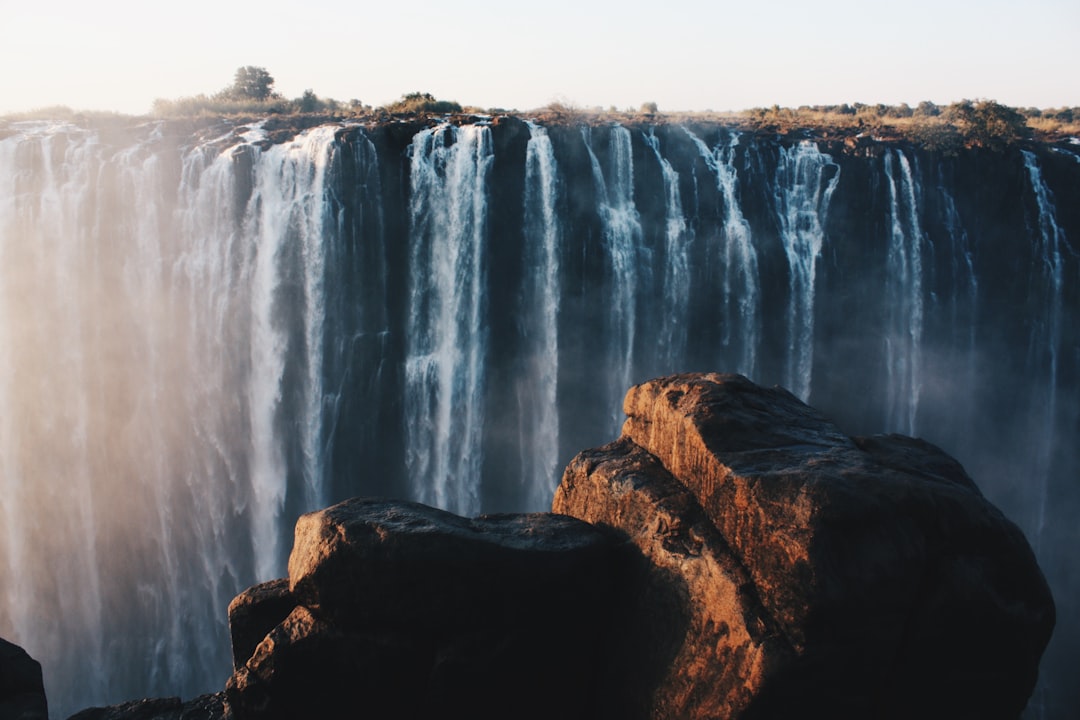
Zimbabwe is a landlocked southern African nation of 15,178,979 people, bordered by the Zambezi River to the north and the Limpopo to the south, home to one of the world’s largest waterfalls at Victoria Falls — a curtain of water 1,708 metres wide. Founded as Rhodesia in 1965 and renamed Zimbabwe in 1980, the country packs extraordinary wildlife, ancient stone ruins, and some of Africa’s most dramatic landscapes into a single destination that remains far less visited than neighbouring South Africa or Botswana.
Top 3 Highlights at a Glance
- Victoria Falls — The world’s largest waterfall by combined width and height — 1,708 m wide and 108 m tall — is simply unmissable.
- Hwange National Park — Zimbabwe’s largest game reserve at 14,651 km² hosts Africa’s densest elephant population, exceeding 45,000 individuals.
- Great Zimbabwe Ruins — Sub-Saharan Africa’s largest pre-colonial stone structure, built in the 11th century, gives the country its very name.
Scroll down for our complete travel guide with tips on getting there, where to stay, costs and more.
Getting There & Transport
Which airports are the best entry points into Zimbabwe?
Robert Gabriel Mugabe International Airport (HRE) in Harare is your best entry point for eastern Zimbabwe, Great Zimbabwe Ruins, and safari connections. Victoria Falls Airport (VFA) is the smarter choice if the falls or Hwange National Park are your primary goal — it sits just 6 km from Victoria Falls town. Joshua Mqabuko Nkomo Airport (BUQ) in Bulawayo serves the Matobo Hills and Hwange’s southern camps. In my experience, flying directly into VFA saves a punishing 880 km overland journey from Harare. Ethiopian Airlines, Kenya Airways, and South African Airways offer the most reliable international connections. What surprised me: many travellers miss that BUQ receives very few international flights, so Bulawayo arrivals almost always transit through Johannesburg’s OR Tambo (JNB).
How do I get from the airport to my first accommodation in Zimbabwe?
At Victoria Falls Airport (VFA), most lodges offer complimentary transfers — confirm this when booking because the 6 km ride by taxi costs roughly USD 10–15 and takes under 10 minutes. At Robert Gabriel Mugabe International (HRE) in Harare, the journey to the Samora Machel Avenue hotel corridor takes 20–35 minutes and costs around USD 20–30 by metered taxi or Vaya Africa (Zimbabwe’s ride-hailing app). My tip: avoid unmarked taxis at HRE arrivals — use the official taxi rank outside the terminal or pre-arrange with your hotel. What most guides omit: public airport buses do not reliably serve either major airport, so budget travellers staying at Harare Backpackers in Avondale should pre-book a shared shuttle for around USD 8.
What transport options are there within Zimbabwe?
Your realistic options are rental car, intercity coaches, and internal flights. Intercape and Translux coaches connect Harare to Bulawayo in roughly 6 hours for around USD 15–25 — comfortable, air-conditioned, and punctual enough in my experience. Internal flights with Fastjet Zimbabwe link Harare to Victoria Falls in 1 hour 20 minutes versus an 880 km road journey. Local commuter minibuses (kombis) are cheap at under USD 1 but dangerously overcrowded and not recommended for tourists carrying luggage. The Bulawayo–Victoria Falls overnight train still runs but takes 12+ hours and is better treated as a novelty than a practical transport option. My honest caveat: road conditions outside major highways deteriorate sharply, and fuel availability in rural areas remains unpredictable — always fill up in large towns.
Do I need a rental car in Zimbabwe?
Yes, a rental car dramatically expands what you can see in Zimbabwe. Without one, you are dependent on lodge transfers or costly private guides between parks. Avis and Europcar operate desks at HRE and VFA — expect to pay USD 60–90 per day for a standard 4WD, which is essential for gravel roads into Hwange National Park and Mana Pools. My tip: book your 4WD at least 8 weeks in advance for peak season (June–October) because fleet sizes are small. The honest trade-off most guides omit: driving in Zimbabwe requires constant vigilance for pedestrians and livestock on rural roads, fuel shortages can still occur at smaller stations, and your rental agreement should explicitly cover cross-border travel if you plan to pop into Botswana’s Chobe National Park.
How good is the public transport network between regions of Zimbabwe?
Between major cities, Zimbabwe’s intercity bus network is functional but limited. Intercape, Pathfinder, and City Link coaches cover the Harare–Bulawayo corridor reliably. Getting from Bulawayo to Victoria Falls by public bus takes around 6 hours on the A8 highway and costs roughly USD 10–18. The challenge arrives once you leave tarmac — there is essentially no public transport into Hwange, Mana Pools, or Gonarezhou National Parks. In my experience, travellers combining multiple parks without a rental car end up spending more on private transfers than a rental would have cost. What surprised me: Harare has no functional city rail system, so urban transport relies entirely on kombis and taxis, making the public network unsuitable for independent park-hopping.
Accommodation
Which regions of Zimbabwe should I stay in?
Base yourself in Victoria Falls town for the falls, white-water rafting on the Zambezi, and day access to Hwange. Stay in or near Masvingo if Great Zimbabwe Ruins are your focus — the ruins are 27 km north of town. Bulawayo is the logical hub for Matobo Hills National Park, just 35 km south of the city, and for the southern Hwange camps. Kariba town puts you on the lake for houseboat safaris and Matusadona National Park. For a true wilderness experience, the remote Mana Pools area in the Zambezi Valley has excellent fly-camp operators but no town infrastructure whatsoever. My recommendation: first-timers should anchor in Victoria Falls for at least 3 nights before branching into a safari camp — it has the best tourism infrastructure in the country.
What does good accommodation cost per night in Zimbabwe?
Good mid-range accommodation in Zimbabwe runs USD 80–150 per night for a comfortable guesthouse or mid-level safari lodge with breakfast. In Victoria Falls town, solid 3-star guesthouses like Shoestrings or Lokuthula Lodges cost USD 50–120. Luxury tented safari camps in Hwange — think The Hide or Somalisa Camp — jump to USD 400–900 per person per night, almost always fully inclusive of meals, game drives, and park fees. Budget backpacker dorms in Harare’s Avondale area start at USD 15–20 per bed. The trade-off most guides omit: all-inclusive safari lodge pricing sounds expensive but often undercuts self-drive costs once you factor in park fees (USD 30–50 per day per person), meals, and guide fees separately.
When should I book hotels in Zimbabwe — how far in advance?
Book at least 4–6 months ahead for peak safari season between June and October, especially for lodges inside or adjacent to Hwange National Park and Mana Pools. The best camps — Little Makalolo, Davison’s Camp, Ruckomechi — fill completely by February for their July–September slots. Victoria Falls town accommodation is slightly more forgiving but still books out 2–3 months ahead for the dry-season peak. In my experience, the absolute worst mistake is arriving in August without reservations — I have seen travellers turned away from every lodge within 50 km of Hwange. Budget guesthouses in Harare and Bulawayo can usually be booked 2–4 weeks ahead outside peak dates. My tip: book directly with camps rather than through aggregators — you often get better room allocation and free airport transfers.
When is the best time to travel to Zimbabwe?
The best months to visit Zimbabwe are April, May, June, August, September, and October — confirmed by climate analysis. May through October is the dry season when wildlife concentrates around waterholes, vegetation is sparse, and game-viewing in Hwange and Mana Pools peaks dramatically. April and May offer a sweet spot: the bush is still lush green after the rains, temperatures are pleasant at 22–28°C, and lodge prices drop 20–30% compared to August peak. What surprised me: November can be excellent for birding and newborn animals as the rains begin, but road access to remote camps becomes difficult after mid-November. July offers the most reliable wildlife sightings but commands the highest prices and requires the earliest booking. Avoid January and February for game drives — grass is shoulder-height and animals are almost invisible.
How does peak season affect prices in Zimbabwe?
Peak season (July–October) inflates accommodation prices by 30–60% compared to the green season. A safari camp charging USD 350 per person in April may hit USD 550–700 in August. Flights into Victoria Falls (VFA) from Johannesburg surge by 40–80% in July and August when South African school holidays align with peak wildlife season. Park entry fees do not change seasonally — USD 30–50 per person per day depending on the park — but guide fees and activity costs rise with demand. My honest caveat: many first-timers book the peak months assuming they are universally superior, but May and early June offer nearly identical game-viewing quality in Hwange at significantly lower cost. What most guides omit: some of Zimbabwe’s best luxury lodges quietly offer 20–25% shoulder-season discounts in May and November if you ask directly.
Best Time to Visit
Which regions of Zimbabwe have different climate zones?
Zimbabwe spans three distinct climate zones across its geography. The highveld plateau — where Harare sits at 1,483 m altitude — has mild temperatures year-round, rarely exceeding 30°C in summer or dropping below 5°C in winter nights. The middleveld covering the Masvingo area and Great Zimbabwe experiences hotter summers and cooler, drier winters. The lowveld — the Zambezi Valley, Hwange, Gonarezhou — is the harshest zone, with summer temperatures regularly hitting 40°C+ and October being known locally as ‘suicide month’ for its brutal heat before the rains break. Victoria Falls sits in a microclimate generating its own permanent mist zone — expect to be soaked within 50 metres of the Main Falls viewpoint year-round. My tip: pack layers for highveld evenings even in summer — the altitude makes nights genuinely cold.
What are the rainy seasons in Zimbabwe?
Zimbabwe’s main rainy season runs November through March, with the peak of rainfall in January and February. The Zambezi Valley lowveld receives 400–600 mm annually, while the eastern highlands near Chimanimani receive over 1,800 mm — more than double. During rainy season, many dirt roads become impassable, several safari camps in Mana Pools and Gonarezhou close entirely from November through April, and game-viewing becomes genuinely difficult as animals disperse widely. What surprised me: Victoria Falls is actually most spectacular in April and May when the Zambezi runs at full flood — you may see less of the falls through the mist, but the sheer volume and thunder of the water is breathtaking. My honest warning: travelling lowveld areas between December and March without a serious 4WD and recovery gear is a genuine safety risk, not just an inconvenience.
What does a trip to Zimbabwe cost per person per day?
Zimbabwe daily costs vary enormously by travel style. Budget backpackers staying in Harare or Victoria Falls hostels can survive on USD 50–70 per day covering accommodation, street food, and local transport. A comfortable mid-range traveller doing self-drive safaris, staying in guesthouses, and eating at lodges should budget USD 150–250 per day. All-inclusive safari lodges push the figure to USD 400–900 per person per day — but that covers everything including park fees, game drives, and meals. In my experience, the biggest cost shock for first-timers is Hwange park fees: at USD 30 per person per day plus a vehicle fee, a 3-day self-drive safari adds USD 200+ in fees alone before accommodation. My tip: a 10-day Zimbabwe trip combining Victoria Falls, one safari camp, and Harare realistically costs USD 2,500–4,000 per person for a comfortable but not luxury experience.
How expensive is food in Zimbabwe?
Food costs in Zimbabwe range from genuinely cheap to surprisingly expensive depending on where you eat. A local lunch of sadza (maize porridge) with relish at a Harare or Bulawayo market costs under USD 2. A sit-down restaurant meal in Victoria Falls town at places like The Boma or Mama Africa costs USD 20–40 per person including a drink. Supermarkets — OK Zimbabwe and Pick n Pay are the main chains — stock reasonable produce at prices 10–20% higher than South Africa. Safari lodge meals are almost always included in the nightly rate. My honest caveat: imported alcohol at tourist restaurants is expensive — a beer from South Africa costs USD 4–6, while local Zambezi Lager in a local bottle store runs USD 1.50–2.50. Always ask specifically for local brands to save money.
What hidden costs should I expect when travelling in Zimbabwe?
Zimbabwe has a cluster of costs that catch first-timers off guard. KAZA Univisa costs USD 50 and covers both Zimbabwe and Zambia — but if you only visit Zimbabwe, the single-entry visa is USD 30 at the border. National park fees are charged per person per day and per vehicle — budget USD 30–50 per person daily for major parks. Activity costs in Victoria Falls are steep: white-water rafting runs USD 120–160 per person, a Zambezi sunset cruise is USD 45–60, and a helicopter flight over the falls costs USD 150–250 for 15 minutes. What surprised me: many lodges add a tourism levy of 2–5% not visible in their quoted rates. My tip: US dollars dated before 2009 are widely refused in Zimbabwe — check your banknotes before travelling, as worn or old bills are rejected at shops and lodges.
Budget & Costs
How much cash should I bring to Zimbabwe?
Bring more cash than you think you need — USD 500–800 in small bills for a 10-day trip is a sensible baseline on top of card spending. Zimbabwe’s economy runs primarily on US dollars, though South African rand and Botswana pula are accepted near borders. ATMs exist in Harare and Victoria Falls but frequently run out of cash or impose withdrawal limits of USD 200 per transaction. Outside major towns, ATM access is essentially zero — I carried all my park fee cash when self-driving to Hwange. My critical warning most guides omit: bring USD 1, USD 5, and USD 10 notes specifically — USD 50 and USD 100 bills cause change problems at local markets and bottle stores. Old, torn, or pre-2009 US bills are rejected. My tip: exchange a small amount into RTGS (Zimbabwean dollars) for local kombis and market purchases where vendors prefer it.
Which credit cards are accepted in Zimbabwe?
Visa is the most widely accepted card in Zimbabwe, followed by Mastercard. Acceptance is reliable at major hotels, lodges, and supermarkets in Harare, Bulawayo, and Victoria Falls town — but card machines malfunction with frustrating regularity due to connectivity issues. American Express and Diners Club are rarely accepted outside 5-star hotels. In my experience, never rely solely on cards — even in Victoria Falls town, I encountered restaurants that accepted only cash because their network was down. Safari camps and lodges typically accept cards but may charge a 3–5% processing fee for Visa/Mastercard payments, which they are supposed to disclose upfront but often do not. My tip: inform your bank before departure that you are visiting Zimbabwe — many banks still flag Zimbabwean transactions as fraud and block your card without warning.
Which regions of Zimbabwe must I not miss?
Four regions are non-negotiable. Victoria Falls and the Zambezi corridor is the headline act — the falls, rafting, and Hwange are all within reach. Hwange National Park — at 14,651 km² Zimbabwe’s largest — is world-class for elephant, lion, and wild dog sightings and should get at least 2–3 nights. Matobo Hills National Park near Bulawayo is staggering — ancient balancing rock formations sheltering the world’s highest density of black eagles, plus Cecil Rhodes’ grave at World’s View. Mana Pools National Park in the Zambezi Valley is the most remote and extraordinary — the only UNESCO-listed park in Zimbabwe where you can walk unguided among wildlife. What surprised me: the Eastern Highlands around Nyanga and Chimanimani are almost completely bypassed by foreign tourists but offer mountain hiking, trout fishing, and colonial-era tea estates that feel unlike anywhere else in Africa.
What are the main tourist highlights of Zimbabwe?
Zimbabwe’s headline attractions extend well beyond Victoria Falls. Victoria Falls itself remains the centrepiece — at 108 m high and 1,708 m wide, it earns its UNESCO status. Great Zimbabwe Ruins near Masvingo are the largest pre-colonial stone structures in sub-Saharan Africa, built without mortar between the 11th and 15th centuries. Hwange National Park reliably delivers the Big Five. Mana Pools offers canoe safaris alongside hippos and crocodiles on the Zambezi River — an experience found nowhere else in southern Africa. Matobo Hills contains over 3,500 San Bushmen rock art sites. In my experience, the Zambezi sunset cruise from Victoria Falls is one of Africa’s great affordable wildlife experiences — hippos, elephants, and crocodiles within 30 minutes of leaving the dock, for around USD 45–60. These are not hype — every single one delivered.
What experiences in Zimbabwe are found nowhere else?
Three experiences are genuinely unique to Zimbabwe. First, walking unguided in Mana Pools National Park — Zimbabwe is one of the only places on earth where park regulations allow this, putting you at ground level with buffalo, elephant, and lion in the Zambezi floodplain. Second, white-water rafting through Batoka Gorge below Victoria Falls — the Grade 5 rapids here, dropping 120 m over 25 km, are consistently rated among the world’s top 10 rafting runs. Third, the Boma Dinner in Victoria Falls — where you eat traditional Zimbabwean food, get face-painted by local artists, and are inducted into a fictional African tribe in a ceremony that is genuinely entertaining rather than crass. What surprised me most: canoe safaris on the lower Zambezi through Mana Pools over 3–5 days are the most intimate wildlife experience I have had anywhere in Africa — at USD 250–400 per person per day, they are not cheap, but they are unforgettable.
Regions & Highlights
Which areas of Zimbabwe are overcrowded — and what are quieter alternatives?
Victoria Falls town is unquestionably the most congested tourist area in Zimbabwe, especially in July and August when the main viewpoint path becomes genuinely crowded. The alternative: cross into Zambia using the KAZA Univisa (USD 50) and walk the Zambian side of the falls, which receives far fewer visitors and offers an equally dramatic perspective. Hwange’s Main Camp area near Sinamatella gets busy in peak season — instead, stay at the Robins or Deteema sectors in the north, which receive 80% fewer visitors but identical wildlife density in my experience. Great Zimbabwe Ruins can feel crowded on weekends when domestic tourists arrive from Harare — visit on a Tuesday or Wednesday before 9:00 AM to have the ancient walls to yourself. Gonarezhou National Park in the far southeast is Zimbabwe’s least visited major park and genuinely spectacular — elephant herds of 200+, red sandstone Chilojo Cliffs, and almost no other tourists.
How many days do I need to see Zimbabwe properly?
Realistically, 10–14 days gives you a meaningful Zimbabwe experience without feeling rushed. A tight 7-day itinerary can cover Victoria Falls (3 nights), Hwange safari (2 nights), and one more stop like Bulawayo and Matobo Hills (2 nights). Adding Great Zimbabwe, Mana Pools, and the Eastern Highlands requires 14–18 days. In my experience, the single biggest mistake is underestimating travel times — the Bulawayo to Victoria Falls drive is 440 km on a mix of good tarmac and rough stretches, taking 5–6 hours. My tip: never plan Zimbabwe as a single destination on a 3–4 day side trip from South Africa — you will spend half your trip in transit and leave frustrated. What surprised me: a full day at the Great Zimbabwe Ruins is genuinely absorbing — budget 4–5 hours, not the 2 hours most itineraries suggest.
Do I need a visa to visit Zimbabwe?
Most travellers need a visa for Zimbabwe, but the process is straightforward. Citizens of UK, Germany, France, Australia, Canada, and most EU countries can obtain a single-entry visa on arrival for USD 30, or the KAZA Univisa for USD 50 covering both Zimbabwe and Zambia — highly recommended if you plan to cross the border at Victoria Falls. Citizens of South Africa, Botswana, Singapore, and some other countries enter visa-free. US citizens pay USD 30 for a single entry or USD 55 for double entry at the border. In my experience, the Victoria Falls land border processes arrivals efficiently — budget 20–40 minutes even in moderate queues. My honest warning: always have exact USD cash for visa fees — border posts do not accept cards, and some do not give change for USD 100 bills. Check your country’s current status at zimimmigration.gov.zw before travelling.
What languages are spoken in Zimbabwe?
Zimbabwe has 16 official languages, but English is the language of government, education, business, and tourism — and it is spoken to a genuinely high standard nationwide, a legacy of the country’s education system. Shona (spoken by roughly 70% of the population) and Ndebele (spoken by around 20%) are the dominant indigenous languages. In the Matabeleland region around Bulawayo, Ndebele predominates, while Shona is the home language across central and eastern Zimbabwe. In my experience, Zimbabwe offers the easiest language environment for English speakers of any African country I have visited — signage, menus, and official communications are all in English without exception. My tip: learning a few Shona greetings — ’Makadii’ (how are you) and ’Maswera sei’ (good afternoon) — is genuinely appreciated and typically rewarded with wide smiles and animated conversation.
What cultural rules do I need to know before visiting Zimbabwe?
Zimbabweans are among the most formally courteous people I have encountered in Africa — this has real practical implications. Greet before asking anything — launching straight into a question without a greeting first is considered rude and will often result in unhelpful responses. Dress modestly outside of tourist resorts — sleeveless tops and very short shorts are considered disrespectful in markets, local restaurants, and government offices. Photography of people requires explicit permission — and photographing military installations, the Presidential residence, or police checkpoints is illegal and can result in arrest and confiscation of equipment. Tipping is expected at safari lodges — USD 10–15 per person per day split between guide and camp staff is standard. What surprised me: Zimbabweans take immense national pride in the country despite economic hardships — criticising Zimbabwe’s politics or economy in conversations with locals should be approached with great sensitivity.
Practical Tips
How safe is Zimbabwe for travellers?
Zimbabwe is safer than most Western media suggests for tourists in established destinations. Violent crime against tourists is rare in Victoria Falls, Harare’s northern suburbs (Avondale, Borrowdale), and safari areas. Petty theft — bag snatching, pickpocketing — occurs in Harare CBD and around bus terminals, so keep valuables concealed. Police roadblocks are frequent on all major highways — always have your driver’s licence, vehicle documents, and passport accessible. My honest warning: Harare CBD after dark should be avoided on foot; take a taxi even for short distances. What surprised me: Victoria Falls operates as a genuinely safe tourist bubble despite poverty in surrounding areas. The single most underrated safety risk is driving at night — unfenced roads mean livestock and pedestrians appear without warning. My firm rule: never drive outside major towns after sunset in Zimbabwe under any circumstances.
What health precautions should I take before visiting Zimbabwe?
Malaria prophylaxis is essential for Zimbabwe — the Zambezi Valley, Hwange, and all lowveld areas are high-transmission zones year-round. Consult your doctor 6–8 weeks before departure for Malarone, Doxycycline, or Mefloquine options. Yellow fever vaccination is required if arriving from a yellow fever endemic country. Routine vaccinations should be up to date: Hepatitis A and B, Typhoid, and Tetanus are strongly recommended by the WHO. Tap water in Zimbabwe is not safe to drink outside top hotels — drink bottled water only and avoid ice in local restaurants. In my experience, travel insurance with emergency medical evacuation cover is non-negotiable in Zimbabwe — the nearest quality hospital for serious trauma cases is in Johannesburg, South Africa, over 1,000 km from remote safari areas. MARS (Medical Air Rescue Service) and ER24 operate evacuation services in Zimbabwe — know their numbers before you enter the bush.
What SIM card or eSIM options are available in Zimbabwe?
Econet Wireless is Zimbabwe’s dominant and most reliable carrier — buy a SIM at any Econet shop in Harare Airport, Victoria Falls, or Bulawayo for around USD 1, then load data bundles starting at USD 3 for 1 GB. NetOne is the state carrier and cheaper, but signal quality outside cities is noticeably weaker. Telecel is a distant third option. Coverage in Victoria Falls, Harare, and Bulawayo is 4G. In Hwange National Park, Mana Pools, and other remote areas, signal drops to EDGE or disappears entirely — most safari lodges have WiFi, though speeds vary enormously. In my experience, an Econet SIM is the single best USD 5 investment you can make on arrival. eSIM options through providers like Airalo or Holafly now cover Zimbabwe — check their current Zimbabwe bundles for a convenient alternative if you prefer not to swap physical SIMs.
Which apps do you recommend for travelling in Zimbabwe?
Download these 6 apps before leaving home. Maps.me or OsmAnd with Zimbabwe maps downloaded offline — GPS navigation without data is essential once you leave tarmac roads near Hwange or the Zambezi Valley. Vaya Africa is Zimbabwe’s ride-hailing equivalent of Uber, works well in Harare and reasonably in Bulawayo, and is far safer than hailing a street taxi. WhatsApp is how every Zimbabwe business, lodge, and local contact communicates — it is the de facto national communication platform. XE Currency for live USD/ZAR/ZWL conversions since pricing is often mixed. iOverlander for camping spots, fuel availability reports, and road condition updates from other travellers currently in the country. My tip: download the Zimbabwe National Parks Authority contact details as a PDF before departure — the official website loads painfully slowly in the field. What surprised me: Google Maps offline for Zimbabwe is surprisingly good in major towns but fails badly on rural tracks where OsmAnd outperforms it significantly.
What are the most common traveller mistakes in Zimbabwe?
Seven mistakes I see repeatedly. First: bringing only USD 50 and USD 100 bills — they are widely refused; small denominations are essential. Second: underestimating distances — Victoria Falls to Harare is 880 km, not a casual drive. Third: skipping Mana Pools because it sounds remote — it is the finest wildlife experience in the country. Fourth: planning only 3–4 days when Zimbabwe rewards 10+ days of immersion. Fifth: no malaria prophylaxis — I have met travellers hospitalised in Johannesburg who assumed the risk was overstated. Sixth: photographing police checkpoints or government buildings — confiscation and detention are real consequences. Seventh: booking no accommodation in advance for peak July–August — arriving without reservations in Hwange in August means you sleep in your car or drive 4 hours to the nearest town. My final tip: trust Zimbabweans — the hospitality I encountered consistently exceeded anything the country’s troubled reputation prepares you for.
Zimbabwe at a Glance
| Population | 15,178,979 |
|---|---|
| Currency | United States dollar ($) |
| Official language | English, Shona, Northern Ndebele |
| Time zone | UTC+02:00 |
Source: Wikidata, retrieved August 2026.
Essential Resources for Planning Your Trip to Zimbabwe
- Great Zimbabwe destination tourism development and … — official visitor information, passes & events
- Wikipedia: Zimbabwe — history, geography & background
- Wikivoyage: Zimbabwe — community travel guide & practical tips
- Zimbabwe travel – Africa — expert itineraries & travel inspiration
- THE 15 BEST Things to Do in Zimbabwe (2026) — hotels, restaurants & traveller reviews
- Great Zimbabwe destination tourism development and … — how to get around
- Numbeo: Cost of Living in Zimbabwe — current prices & cost comparison
- Timeanddate: Zimbabwe Weather & Climate — forecasts & climate statistics
- Great Zimbabwe destination tourism development and …
More Perspectives on Zimbabwe
- Travel advice and advisories for Zimbabwe
- Zimbabwe Travel Advice: Expert Tips for Your Safari
- I’m visiting Zimbabwe next month tips and advice
Zimbabwe Travel Videos
Watch these videos for a visual preview before your trip:
- Zimbabwe: The World’s Most Underrated Country
- Zimbabwe Travel Guide: Uncovering Africa’s Most Underrated Country
- This Will Change your Interest in Visiting Zimbabwe FOREVER 🇿🇼
Zimbabwe Travel Discussions on Reddit
Real traveller experiences and community advice:
- Just got to Zimbabwe and I already wanna leave : r/solotravel
- I’m an American planning a trip to Zimbabwe this April, …
- Travelling to Zimbabwe for 1 month. Give me a list of …
Data Sources
This page was compiled using data from Wikipedia, Wikidata, Open-Meteo (climate), Numbeo (cost of living) and REST Countries. Information is updated regularly.