
Sierra Leone: The Complete Travel Guide (2026)
Last reviewed: August 2026 · key facts checked against Wikidata
Sierra Leone Travel Guide: Everything You Need to Know (2026)
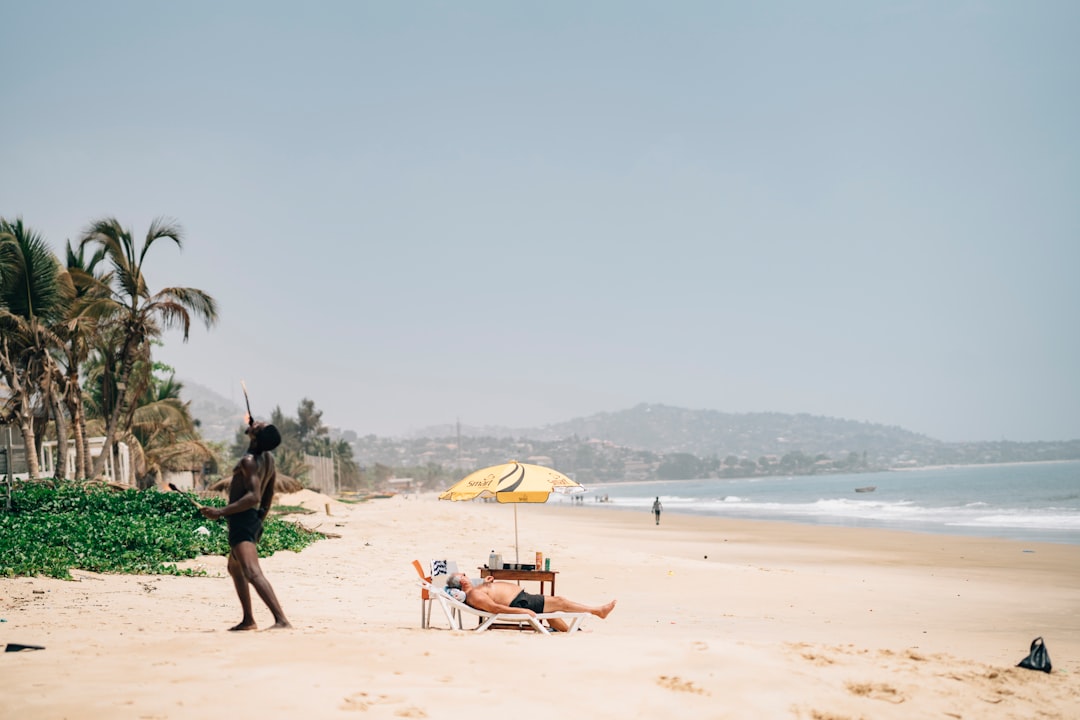
Sierra Leone is a West African nation of 7,557,212 people covering 73,252 km² of coastline, rainforest, and savannah along the Atlantic. Freetown, founded in 1792 as a settlement for freed slaves, sits on one of the world’s largest natural harbours. Despite a brutal civil war that ended in 2002, the country has rebuilt steadily and now offers some of the most unspoiled beaches and wildlife on the continent.
Top 3 Highlights at a Glance
- Outamba-Kilimi National Park — Sierra Leone’s largest national park at 1,083 km² hosts hippos, chimpanzees, and forest elephants in near-total solitude.
- Banana Islands — Three interconnected islands 30 km from Freetown with colonial ruins, coral reefs, and beaches almost entirely free of tourists.
- Tacugama Chimpanzee Sanctuary — Home to over 100 rescued chimps just 20 minutes from Freetown — one of West Africa’s most impactful wildlife encounters.
Scroll down for our complete travel guide with tips on getting there, where to stay, costs and more.
Getting There & Transport
Which airports are the best entry points into Sierra Leone?
Lungi International Airport (FNA) is Sierra Leone’s only international airport. In my experience, every major entry into the country begins here. The airport sits 13 km north of Freetown across the Sierra Leone River estuary — a deceptively short distance that becomes a logistics challenge. Brussels Airlines, Air Maroc, and Kenya Airways are the most reliable carriers with connections via Brussels, Casablanca, and Nairobi. What surprised me: there is no secondary international airport anywhere in the country, so if FNA is closed or congested, you have zero alternative. Book flights with generous layover buffers.
How do I get from Lungi Airport to my first accommodation in Sierra Leone?
The fastest option is the Lungi Link hovercraft at roughly $40 USD one-way, taking about 20 minutes across the estuary to the Aberdeen or Freetown city waterfront. My tip: the hovercraft schedule is limited to daylight hours and cancels in rough weather — always verify the timetable 24 hours before landing. The ferry is cheaper at $5 USD but takes 45–60 minutes and runs infrequently. Road travel via the bridge route adds 3–4 hours and costs around $60–80 USD by private transfer. I recommend the hovercraft for first-time visitors arriving before 4 PM — arriving at night complicates everything significantly.
What transport options are there within Sierra Leone?
Within Sierra Leone, you have three realistic options: poda-podas (shared minibuses) at under $1 USD per ride, private taxis negotiated in advance, and hired 4WD vehicles for anything outside Freetown. Poda-podas connect most towns but are overcrowded and run on no fixed schedule. In my experience, GIG Bus offers slightly more comfortable long-distance coach service between Freetown and Bo for around $8 USD. Motorbike taxis (‘okadas’) are ubiquitous and cost $0.50–$2 USD for short trips. The honest caveat: road conditions outside the Western Area Peninsula deteriorate sharply in rainy season — what looks like a 100 km journey can take 5 hours.
Do I need a rental car to explore Sierra Leone?
Yes, a rental car with a driver is strongly advisable for anywhere beyond Freetown. Self-drive rentals exist but I recommend against them — roads outside the capital are poorly marked, potholes are severe, and local driving customs require real familiarity. A 4WD vehicle with driver costs $80–$150 USD per day depending on destination. My tip: arrange this through your hotel or a reputable operator like Couster Tourism based in Freetown rather than street-side agents. The honest caveat most guides skip: fuel availability disappears quickly outside Bo and Kenema, so carry extra jerry cans for remote trips to Outamba-Kilimi or the Gola Rainforest.
How good is the public transport network between regions of Sierra Leone?
Public transport between Sierra Leone’s regions is functional but unreliable by any international standard. The main highway connects Freetown to Bo (230 km, roughly 4 hours) and Kenema (300 km, 5–6 hours) with daily shared taxi and GIG Bus services. North to Makeni (180 km) takes about 3 hours on a paved road in decent condition. What surprised me: there is no rail network whatsoever — the last line was decommissioned in 1975. River crossings at several points still depend on small ferries with unpredictable schedules. In my experience, building in an extra day on any multi-region itinerary is not optional, it’s essential.
Accommodation
Which regions should I stay in when visiting Sierra Leone?
Freetown and the Western Area Peninsula are essential starting points — the capital concentrates infrastructure, hospitals, and onward connections. Aberdeen and Lumley are the most visitor-friendly neighbourhoods. For beaches, Tokeh and River No. 2 Beach just south of Freetown are the finest. For wildlife, the Northern Province around Outamba-Kilimi offers chimpanzees and hippos. The Eastern Province (Kailahun District) holds Gola Rainforest National Park — extraordinary biodiversity with almost no tourists. My honest caveat: the Southern Province around Bo has charm but limited tourist infrastructure, meaning you need to be self-sufficient with supplies and accommodation expectations.
What does good accommodation cost per night in Sierra Leone?
Good accommodation in Sierra Leone costs more than most visitors expect. In Freetown, a clean mid-range hotel like The Place or Hill Valley Hotel runs $80–$140 USD per night. Budget guesthouses in Freetown start at $25–$40 USD but quality varies sharply. Eco-lodges at Tacugama or along the Western Area Peninsula beaches cost $60–$120 USD. In my experience, anything under $30 USD outside Freetown means shared bathrooms, unreliable electricity, and no air conditioning. What most guides omit: power cuts are frequent even in mid-range hotels, so prioritise places with backup generators — ask specifically before booking.
When should I book hotels in Sierra Leone — how far in advance?
Book at least 6–8 weeks in advance for visits during the dry season peak (November to April). Sierra Leone has limited quality accommodation inventory — Freetown has under 30 hotels that meet international hygiene standards, so rooms fill quickly during overlapping conference and NGO travel periods, which are frequent in this UN and aid-worker hub. My tip: December and January are the tightest months — book 3 months ahead if you want Western Area Peninsula beach lodges. The honest caveat: many smaller guesthouses outside Freetown don’t have online booking systems, so direct WhatsApp contact is often the only way to confirm a reservation.
When is the best time to travel to Sierra Leone?
November through April is the dry season and the best window for visiting Sierra Leone. Based on verified climate analysis, January, March, and December are the optimal months — low humidity, navigable roads, and calm Atlantic waters for beach visits. The Harmattan wind blows from December to February, bringing slightly hazy skies but making heat bearable. In my experience, March is the sweet spot: roads are dry, beaches are empty by regional standards, and wildlife is concentrated around water sources making game viewing easier at Outamba-Kilimi. I recommend avoiding June through September entirely if you plan any upcountry travel — roads become impassable mud traps.
How does peak season affect prices in Sierra Leone?
Peak season — December through February — pushes hotel prices up by 30–50% compared to shoulder months. A room at Hill Valley Hotel that costs $90 USD in October can hit $130 USD in December. Flight prices from Europe rise by roughly $200–400 USD return during the Christmas and New Year window. What surprised me: Sierra Leone’s peak is also driven by diaspora visits — tens of thousands of Sierra Leoneans based in the UK and US return home in December, filling domestic lodges and family compounds, which indirectly tightens hotel supply. The upside is a festive, energetic atmosphere in Freetown during this window that is genuinely worth experiencing.
Best Time to Visit
Which regions of Sierra Leone have different climate zones?
Sierra Leone has three distinct climate zones. The Western Area coastline and Freetown receive the highest rainfall in West Africa — over 3,000 mm per year — driven by Atlantic moisture hitting the Sierra Leone Mountains. The Eastern Province around the Gola Rainforest is humid year-round with dense tree cover that moderates temperatures. The Northern Province transitions toward semi-arid savannah conditions near the Guinea border, with shorter rains and more extreme dry-season heat reaching 35–38°C in March and April. In my experience, packing for Sierra Leone means planning for all three zones simultaneously — lightweight layers, waterproofs, and sun protection are all essential regardless of when you travel.
What are the rainy seasons in Sierra Leone?
Sierra Leone’s rainy season runs from May through October, peaking in July and August when Freetown receives over 500 mm of rain per month — some of the heaviest monthly totals anywhere in West Africa. The rains are not gentle showers; they are sustained, intense downpours that flood roads, shut river crossings, and ground light aircraft. In my experience, the rainy season is not impossible to visit — Freetown functions, and the beaches are dramatically atmospheric — but anything upcountry becomes genuinely dangerous. The transition months of May and October are manageable but unpredictable. My honest warning: never underestimate how quickly a passable road becomes impassable after a single night of heavy rain.
What does a trip to Sierra Leone cost per person per day?
Budget travellers in Sierra Leone spend $60–$90 USD per day covering a basic guesthouse, local food, and poda-poda transport. Mid-range travellers covering a decent hotel, restaurant meals, and hired transport should budget $150–$220 USD per day. A comfortable trip with 4WD transfers, eco-lodge stays, and guided activities runs $280–$400 USD per day. In my experience, Sierra Leone is not a cheap destination despite being a low-income country — imported goods, generator fuel, and a small tourism industry all push costs higher than neighbouring Guinea or Liberia. My tip: the biggest daily cost variable is transport, not food — a single 4WD day hire costs more than two nights’ accommodation in a budget guesthouse.
How expensive is food in Sierra Leone?
Local food in Sierra Leone is genuinely affordable. A plate of cassava leaves with rice at a cookery stall in Bo Market costs under $2 USD. Grilled fish with plantain from a beach vendor runs $3–$5 USD. Sit-down restaurants in Freetown’s Aberdeen neighbourhood charge $10–$20 USD per main course. The Mamba Point restaurant strip caters to expats and NGO workers with meals hitting $25–$35 USD with a drink. What surprised me: imported food and alcohol are disproportionately expensive — a beer in a tourist-facing bar costs $4–$6 USD, nearly double what you’d pay for the same brand in Ghana. My tip: eat where locals eat and costs drop by 70% immediately.
What hidden costs should I expect in Sierra Leone?
The costs that blindside first-time visitors to Sierra Leone are consistent and predictable. Airport departure tax adds $50 USD if not included in your ticket — confirm before flying. The Lungi crossing costs $40 USD each way by hovercraft, meaning $80 round trip just to enter and exit Freetown from the airport. Generator surcharges at guesthouses add $5–$15 USD per night in some properties. Guided national park fees at Outamba-Kilimi run $20–$30 USD per person per day on top of accommodation. My honest warning: tipping culture is modest by default but NGO and expat workers have inflated expectations in Freetown restaurants — check whether service is already included, because double-tipping is common.
Budget & Costs
How much cash should I bring to Sierra Leone?
Bring $500–$800 USD in cash per week as a mid-range traveller — Sierra Leone remains overwhelmingly cash-dependent outside Freetown’s top hotels. The local currency is the Sierra Leonean Leone (SLL), but USD is widely accepted and often preferred for larger transactions. ATMs exist in Freetown at Rokel Commercial Bank and GT Bank on Wilkinson Road but run out of cash regularly and charge $5–$8 USD per withdrawal. In my experience, ATMs outside Freetown are unreliable to nonexistent. My tip: carry a mix of small USD bills — $1, $5, and $10 — because getting change for a $50 note at a local market is genuinely difficult and leads to overpaying.
Which credit cards are accepted in Sierra Leone?
Visa is the most accepted card in Sierra Leone, followed by Mastercard — but acceptance is limited to Freetown’s top hotels, a handful of restaurants in Aberdeen, and the main airline offices. American Express is functionally useless. In my experience, even hotels that advertise card payment have machines that fail 40% of the time due to connectivity issues. Outside Freetown, cards are not accepted anywhere practical — markets, guesthouses, transport, and food stalls are all cash only. My honest caveat: do not plan your Sierra Leone trip around card payments as a safety net. Treat cash as your primary currency and any successful card transaction as a pleasant bonus, not a reliable system.
Which regions of Sierra Leone must I not miss?
Three regions are non-negotiable in my view. The Western Area Peninsula delivers Freetown’s colonial history and 40 km of Atlantic beaches — River No. 2 Beach alone justifies the flight. The Northern Province’s Outamba-Kilimi National Park offers hippo tracking and chimpanzee sightings in a wilderness with fewer than 1,000 annual visitors. The Eastern Province’s Gola Rainforest — shared with Liberia — protects one of the last intact Upper Guinea forest ecosystems with pygmy hippos and over 330 bird species. What surprised me: the Banana Islands just offshore from the peninsula offer colonial ruins and snorkelling reefs within 30 km of Freetown — most visitors skip them because they’re not on mainstream itineraries, which is exactly why you should go.
What are the tourist highlights of Sierra Leone?
Sierra Leone’s highlights span history, wildlife, and coastline. Bunce Island, a former slave trading fort 30 km upriver from Freetown, is one of West Africa’s most historically significant — and sobering — sites. Tacugama Chimpanzee Sanctuary outside Freetown houses over 100 rescued chimps with guided forest walks. Lumley Beach in Freetown hosts the capital’s most atmospheric Sunday evening market and food scene. Tiwai Island Wildlife Sanctuary in the Moa River is home to 11 primate species in 12 km² — the highest primate density of any African island. In my experience, combining Bunce Island with the Banana Islands in a single boat day is one of the most layered and moving travel experiences in West Africa.
What experiences in Sierra Leone are found nowhere else?
Three things exist in Sierra Leone that are genuinely irreproducible elsewhere. First: the boat journey up the Sierra Leone River to Bunce Island — experiencing a slave fort in its original river-delta setting with a knowledgeable local guide hits differently than any museum. Second: River No. 2 Beach on a weekday in February — a kilometre of white sand backed by jungle with literally no other tourists. Third: hippo tracking by canoe in Outamba-Kilimi — approaching wild hippos in a dugout canoe on the Little Scarcies River is a proximity to large wildlife that most African parks have regulated out of existence. In my experience, this combination of history, untouched nature, and access to wildlife is found nowhere else in the region.
Regions & Highlights
Which areas of Sierra Leone are overcrowded — what are quieter alternatives?
Lumley Beach in Freetown gets genuinely packed on weekend afternoons and public holidays — locals and expats fill every available space from 2 PM onward. My alternative: Bureh Beach on the southern peninsula, 45 km from Freetown, draws a fraction of the crowds and has comparable sand quality. Tacugama sees organised group tours on Saturday mornings — visit on a Tuesday or Wednesday for a near-private experience. The Banana Islands feel remote year-round because the boat transfer deters casual day-trippers. In my experience, the single best strategy for avoiding crowds in Sierra Leone is simply arriving earlier than other tourists — before 9 AM at any beach or attraction guarantees solitude.
How many days do I need for Sierra Leone?
A meaningful Sierra Leone trip requires a minimum of 10 days — and 14 is more honest. Freetown and the Western Area Peninsula needs 3 days minimum to cover Bunce Island, Tacugama, and beach time. The Banana Islands deserve 2 nights to fully decompress. Outamba-Kilimi requires 3 days of travel and a night in the park. Tiwai Island adds another 2–3 days given travel time from Freetown. What most itineraries ignore: the Lungi crossing alone consumes half a day at the start and end of your trip. In my experience, travellers who attempt Sierra Leone in under 7 days spend most of their time in transit and leave frustrated rather than fulfilled.
Do I need a visa for Sierra Leone?
Most nationalities need a visa for Sierra Leone. Citizens of ECOWAS member states (Ghana, Nigeria, Senegal, etc.) enter visa-free. US, UK, EU, Canadian, and Australian passport holders must obtain a visa — either online via the Sierra Leone Immigration Department e-visa portal or on arrival at Lungi Airport. The e-visa costs $80 USD and takes 3–5 business days to process. In my experience, the on-arrival option exists in theory but causes long queues and occasional system failures — apply online before departure. My honest warning: passport validity requirements are 6 months beyond entry date, and officers check this strictly. A yellow fever vaccination certificate is legally required for entry — carry the physical card, not just a photo.
What languages are spoken in Sierra Leone?
English is the official language of Sierra Leone and is widely spoken in Freetown, schools, government, and most tourist-facing businesses. Krio — an English-based creole — is the de facto lingua franca spoken by over 90% of the population regardless of ethnic origin, and learning 10 words of Krio opens extraordinary doors with locals. Temne and Mende are the two largest indigenous languages, dominant in the Northern and Southern Provinces respectively. In my experience, English fluency drops significantly outside Freetown and Bo — in villages and markets, Krio or local languages are the only option. My tip: download a basic Krio phrase list before you go — even ‘how di bodi?’ (how are you?) generates genuinely warm responses.
What cultural rules do I need to know before visiting Sierra Leone?
Sierra Leone is predominantly Muslim in the north (roughly 78% nationally) and Christian in the south, with both communities living in remarkable tolerance — a fact that genuinely surprised me. Dress modestly when visiting mosques or rural communities — covered shoulders and knees for both genders. Photography of individuals requires explicit permission — pointing a camera without asking is considered deeply disrespectful, particularly toward older women. Never photograph military installations, the State House in Freetown, or police checkpoints — this is illegal and enforced. Greetings are taken seriously: rushing into a request without exchanging pleasantries first is rude. In my experience, spending 60 seconds on genuine greeting before any transaction in Sierra Leone completely changes how you are received.
Practical Tips
How safe is Sierra Leone for travellers?
Sierra Leone is significantly safer than its civil-war reputation suggests — the conflict ended over 20 years ago in 2002. Freetown has petty theft risks in crowded areas like Congo Cross Market and Lumley Beach on weekend evenings — keep phones out of sight and use a money belt. Armed crime against tourists is rare. The main genuine risks are road accidents (Sierra Leone has one of West Africa’s highest road fatality rates) and health emergencies far from adequate medical care. Political demonstrations can turn unpredictable — monitor the FCDO or US State Department travel advisories before departure. In my experience, exercising basic urban common sense keeps you safe in 95% of situations you’ll encounter as a visitor.
What health precautions should I take before visiting Sierra Leone?
Take health preparation for Sierra Leone seriously. Yellow fever vaccination is legally mandatory — carry the physical certificate. Malaria prophylaxis is non-negotiable; I use Malarone (atovaquone/proguanil) — start it 2 days before arrival and take it for 7 days after leaving. Hepatitis A and B, typhoid, and tetanus vaccines are strongly advised. In my experience, water from any tap is unsafe — drink bottled or purified water exclusively. The closest facility for serious medical emergencies is Choithrams Hospital in Freetown, which handles most expat care but has limited capacity for complex surgery. My honest warning: travel insurance with medical evacuation cover to Dakar or London is not optional — it is essential. Budget a minimum of $200 USD per year for this cover.
What SIM card or eSIM options are available in Sierra Leone?
Africell is Sierra Leone’s dominant mobile operator with the most reliable 4G coverage in Freetown and along main highways. Orange SL is the main competitor with slightly broader rural reach. Buy a physical SIM at Lungi Airport immediately after landing or at any Africell shop on Wilkinson Road in Freetown — it costs under $2 USD with a starter bundle. Data packages: 5 GB costs roughly $5–$8 USD. In my experience, eSIM options for Sierra Leone are extremely limited in 2025–2026 — Airalo and Holafly list Sierra Leone but coverage is patchy and I’d treat it as a backup. Outside Freetown and main towns, expect to drop to 2G or no signal — download offline Maps.me maps before heading upcountry.
Which apps do you recommend for travelling in Sierra Leone?
My essential app list for Sierra Leone: Maps.me with offline West Africa maps downloaded before departure — Google Maps coverage is incomplete in rural areas. WhatsApp is how every local business, driver, and guesthouse communicates — a Sierra Leonean SIM makes this work immediately. XE Currency for live SLL/USD rates — the leone’s value shifts and mental arithmetic on street prices is challenging without a reference. iOverlander has crowd-sourced reports on road conditions and guesthouses in remote areas that no official guide covers. FCDO Travel Alerts or US Smart Traveler for real-time safety updates. In my experience, WhatsApp is more useful in Sierra Leone than any dedicated travel app — every booking, negotiation, and local recommendation happens through it.
What are common traveller mistakes in Sierra Leone?
The mistakes I see repeatedly: underestimating the Lungi crossing — tourists book evening flights and miss the last hovercraft, stranding themselves for hours. Exchanging money at the airport instead of GT Bank or Rokel on Wilkinson Road — airport rates are 15% worse. Skipping yellow fever documentation — officers turn people back at the gate. Booking no accommodation outside Freetown and assuming you’ll find something upcountry — you won’t find acceptable options without advance planning. Treating Sierra Leone like a quick add-on to a Ghana or Senegal trip — 10 days is the absolute minimum for a meaningful experience. In my experience, the biggest mistake is arriving with a Europe or Southeast Asia mindset about logistics — Sierra Leone rewards patience and flexibility, and punishes rigid itineraries without mercy.
Sierra Leone at a Glance
| Population | 7,557,212 |
|---|---|
| Currency | leone (Le) |
| Official language | English, Krio |
| Time zone | UTC±00:00 |
Source: Wikidata, retrieved August 2026.
Essential Resources for Planning Your Trip to Sierra Leone
- Sierra Leone -Tourism Infrastructure — official visitor information, passes & events
- Wikipedia: Sierra Leone — history, geography & background
- Wikivoyage: Sierra Leone — community travel guide & practical tips
- Sierra Leone travel – Lonely Planet | Africa — expert itineraries & travel inspiration
- THE 15 BEST Things to Do in Sierra Leone (2026) — hotels, restaurants & traveller reviews
- Sierra Leone Travel Guide — how to get around
- Numbeo: Cost of Living in Sierra Leone — current prices & cost comparison
- Timeanddate: Sierra Leone Weather & Climate — forecasts & climate statistics
- Sierra Leone – UNESCO World Heritage Convention
More Perspectives on Sierra Leone
Sierra Leone Travel Videos
Watch these videos for a visual preview before your trip:
- Sierra Leone Travel Tips | What to Know Before Going to Sierra Leone
- 15 Best Places to Visit in Sierra Leone | Travel Video | Travel Guide | SKY Travel
- EXPLORING FREETOWN: Sierra Leone’s Historic Capital City! (Way better than I expected) | West Africa
Sierra Leone Travel Discussions on Reddit
Real traveller experiences and community advice:
- [Trip Report] Sierra Leone – (mostly) small group tour
- Advice on tourist travel to SL – places to see, what to eat, …
- Visiting Sierra Leone for one month: Is it better to stay in …
Data Sources
This page was compiled using data from Wikipedia, Wikidata, Open-Meteo (climate), Numbeo (cost of living) and REST Countries. Information is updated regularly.