
Singapore: The Complete Travel Guide (2026)
Last reviewed: August 2026 · key facts checked against Wikidata
Singapore Travel Guide: Everything You Need to Know (2026)
Singapore packs a population of 5,399,200 into just 733 square kilometres, making it one of the world’s most densely populated sovereign states. Founded as a British trading post by Stamford Raffles in 1819, it sits just 137 kilometres north of the equator and has grown into a global financial hub ranking consistently in the top 5 for ease of travel. What surprises most first-timers is how much cultural depth, culinary firepower, and green space this tiny city-state delivers in a single visit.
Three Things Not to Miss in Singapore
- Gardens by the Bay — 18 Supertrees up to 50 metres tall light up nightly in a free outdoor spectacle unlike anything in Southeast Asia.
- Maxwell Food Centre — Tian Tian Hainanese Chicken Rice has sold out before noon daily for over 30 years — arrive by 11am.
- Chinatown Heritage Centre — Three restored shophouses recreate 1950s immigrant life with artefacts untouched since original residents left.
Scroll down for our complete travel guide with tips on getting there, where to stay, costs and more.
How to Reach Singapore
Which airports are the best entry points into Singapore?
Changi Airport (SIN) is your only meaningful entry point — and it’s world-class. Voted the world’s best airport for 12 consecutive years, it handles over 65 million passengers annually and sits just 20 kilometres east of the city centre. All major international carriers land here across 4 terminals, with Terminal 1-3 connected seamlessly and Terminal 4 a short shuttle ride away. In my experience, immigration clears in under 20 minutes outside peak Chinese New Year periods. My tip: if you’re transiting, budget at least 90 minutes minimum — the airport is enormous, and the walk between distant gates is genuinely long. There is no secondary international airport worth considering.
How do I get from Changi Airport to my first accommodation in Singapore?
Take the MRT East-West or Changi Airport line — it costs $1.35–$2.50 SGD and reaches City Hall station in about 30 minutes. This is the cleanest, fastest, most reliable option in my experience. The train runs from 05:31 to 23:18 daily. A metered taxi costs roughly $20–$35 SGD depending on traffic surcharges, with an airport surcharge of $5–$8 SGD added automatically. Grab (the regional Uber equivalent) is cheaper than taxis at $15–$25 SGD but requires a SIM card with data. What most guides omit: peak hour surcharges (7–9am, 5–8pm) can inflate taxi fares by 25% — the MRT is the honest winner for almost every traveller.
What transport options are there within Singapore?
Singapore’s public transport network is genuinely exceptional. The MRT (Mass Rapid Transit) covers 130+ stations across 6 lines and reaches virtually every major sight. Buses fill the gaps comprehensively. A single journey costs $1.35–$2.50 SGD depending on distance. My recommendation: load an EZ-Link card ($5 SGD card fee, top up as needed) or use contactless Visa/Mastercard directly on card readers — no cash needed. Grab operates citywide for door-to-door convenience at reasonable prices. What surprised me: taxis are metered and honest, but flagging one down in the rain is nearly impossible — always book via app. Renting a car is legal but pointless given the network’s coverage.
Do I need a rental car in Singapore?
No — renting a car in Singapore is one of the least useful travel decisions you can make here. The MRT, buses, and Grab cover every corner of the island efficiently. Beyond that, Electronic Road Pricing (ERP) gantries charge drivers automatically in central zones, parking in the CBD costs $3–$8 SGD per hour, and petrol is expensive. What most guides omit: Singapore has a Certificate of Entitlement (COE) system that makes car ownership deliberately prohibitive — a basic car costs over $100,000 SGD locally. In my 4 visits, I have never once needed a car. The only marginal case is visiting Pulau Ubin island or remote western industrial areas, both of which have alternative access.
How good is the public transport network between regions of Singapore?
Singapore’s public transport is among the best in the world — I’d rank it alongside Tokyo and Zurich. The MRT network spans 230 kilometres of track and connects the north, south, east, and west of the island. No destination takes longer than 60 minutes by MRT from the city centre. Buses plug every remaining gap. The night-bus network (NightRider and Owl services) runs on weekends after the MRT closes at midnight. My honest caveat: the western corridor around Tuas industrial zone and some rural patches near Lim Chu Kang have infrequent bus service and are slower to reach. For every tourist-facing destination, however, public transport is the clear winner over any alternative.
Finding a Base in Singapore
Which regions of Singapore should I stay in?
Marina Bay / City Hall is the prime base — central, walkable, and steps from the MRT. It suits first-timers who want iconic views and easy access. Chinatown offers cheaper hotels, brilliant hawker food at Maxwell and Chinatown Complex, and authentic neighbourhood character — my personal favourite area. Little India (Mustafa Centre is open 24 hours) is vibrant, affordable, and culturally rich. Orchard Road is the shopping-mall corridor — convenient but sterile and overpriced for what you get. Kampong Glam (Arab Street) is compact, Instagrammable, and walkable with excellent Middle Eastern and Malay food. In my experience, Chinatown gives the best value-to-character ratio for most travellers.
What does good accommodation cost per night in Singapore?
Expect to pay at least $120 USD per night for a clean, reliable economy hotel — this matches verified Numbeo data for Singapore. A solid mid-range hotel (4-star, city-view, MRT-adjacent) runs $180–$280 USD per night. Luxury properties like Marina Bay Sands start at $550 USD per night and spike dramatically during events. Budget hostels in Little India or Chinatown offer dorm beds from $25–$40 USD. My honest warning: Singapore is the most expensive hotel market in Southeast Asia by a wide margin — budget $150 USD minimum per night for a private room with reliable air-conditioning. Serviced apartments on Airbnb can undercut hotels by 20–30% for stays over 4 nights.
When should I book hotels in Singapore — how far in advance?
Book at least 3 months ahead for travel during peak periods. Singapore hosts massive events — Formula 1 Night Race (September, $300–$800 USD ticket premiums push hotel rates up 3x), Chinese New Year (January/February), and Singapore Airshow (February, even years) — that compress available inventory fast. Outside these windows, 4–6 weeks ahead is generally sufficient for mid-range properties. What most guides omit: government-led MICE events (conferences, trade shows at Suntec City or Marina Bay Sands Convention Centre) can sell out entire hotel zones midweek with no public-facing warning. My tip: check the Singapore Tourism Board events calendar before fixing your dates.
When is the best time to travel to Singapore?
May, June, September, and October are the optimal months based on verified 5-year climate analysis. Singapore sits 1 degree north of the equator so it’s warm and humid year-round — the real variable is rainfall and event crowding. May and June offer drier spells with school holiday energy (busy but buzzing). September and October hit a sweet spot: lower rainfall than the monsoon months, post-summer European crowd reduction, and the F1 race (which you can skip or lean into). My honest caveat: November through January brings the Northeast Monsoon with heavy daily downpours — outdoor plans get disrupted fast. December is the most expensive month with both rain and Christmas/New Year crowds.
How does peak season affect prices in Singapore?
Peak season hits Singapore brutally hard. During Formula 1 Grand Prix weekend (typically third week of September), hotel rates in the Marina Bay area triple — a room that costs $180 USD on a regular night can reach $550–$700 USD. Chinese New Year (late January/February) inflates rates by 40–60% and closes many hawker stalls for 3–5 days, limiting food options. During the June school holidays, family-oriented attractions like Universal Studios Singapore have waits exceeding 90 minutes per ride. My advice: the shoulder months of May and October give you 70–80% of the peak-season experience at 30–40% lower accommodation costs. Book flights on weekday mornings for the best fares into Changi Airport (SIN).
When to Travel to Singapore
Which regions of Singapore have different climate zones?
Singapore is small enough — just 733 square kilometres — that there are no meaningful regional climate zones in the traditional sense. The entire island shares a tropical rainforest climate (Köppen Af) with temperatures hovering between 25°C and 32°C year-round. That said, there are microclimatic tendencies worth knowing: the western coast near Jurong and the southern islands tend to receive slightly less rainfall than the city centre. The central nature corridor (Bukit Timah, MacRitchie Reservoir) can feel notably cooler and more humid under forest canopy — 2–3°C lower than the urban core. In my experience, the heat island effect in Orchard Road and Marina Bay makes outdoor afternoon walks noticeably hotter than in residential or green zones.
What are the rainy seasons in Singapore?
Singapore has two monsoon seasons, not one. The Northeast Monsoon runs from November to January — this is the wetter, stormier period with prolonged downpours, especially in December. The Inter-Monsoon periods (April and October/November) bring Sumatra squalls — short but violent storms that can dump 80mm of rain in 2 hours. The Southwest Monsoon (June to September) is actually the drier of the two monsoon phases. My honest warning most guides omit: even the ‘dry’ months can see sudden 30-minute downpours daily — always carry a compact umbrella. The concept of a dry season doesn’t fully apply here. Outdoor activities should be planned for mornings; afternoons are peak thunderstorm time.
What does a trip to Singapore cost per person per day?
Budget travellers staying in Little India or Chinatown hostels, eating hawker food (3 meals for $12–$18 USD), and using the MRT can manage on $70–$90 USD per day. A comfortable mid-range traveller — private hotel room at $120 USD, two sit-down meals, a couple of paid attractions — should budget $200–$250 USD per day. Luxury travellers at Marina Bay Sands with restaurant meals and cocktails should plan for $500+ USD per day easily. My honest reality check: Singapore’s famous hawker centres are the single best tool for keeping food costs low without sacrificing quality — Lau Pa Sat and Newton Food Centre both offer exceptional meals for $8–$15 USD per person.
How expensive is food in Singapore?
Food spans an extraordinary range. A hawker centre meal costs $4–$10 USD — the cheapest legitimate sit-down food in any developed economy I’ve visited. Verified Numbeo data puts an inexpensive restaurant meal at $10.15 USD and a mid-range dinner for two at $18.27 USD. A craft beer at Clarke Quay costs $12–$16 USD. A tasting menu at a Michelin-starred restaurant (Odette, Zén) runs $250–$400 USD per person. My strong recommendation: eat breakfast and lunch at hawker centres — Chinatown Complex Food Centre and Old Airport Road Food Centre are the two best — and splurge on one nice dinner. The gap between street food quality and restaurant quality is smaller here than anywhere else on earth.
What hidden costs should I expect in Singapore?
Singapore’s Goods and Services Tax (GST) is 9% as of 2024 — applied to virtually every retail and restaurant purchase. Sit-down restaurants add a mandatory 10% service charge on top of GST, meaning your bill is effectively 19% higher than menu prices. Alcohol is heavily taxed — a glass of wine at a restaurant costs $15–$25 USD. Changi Airport departure taxes are bundled into your ticket but total over $50 USD in fees. If you plan to visit Universal Studios Singapore, budget $73 USD entry. What most guides omit: the casino entry levy at Marina Bay Sands and Resorts World Sentosa costs $100 SGD per day for Singapore residents — tourists enter free, but locals you’re travelling with will pay.
Daily Costs in Singapore
How much cash should I bring to Singapore?
Bring minimal cash — $100–$150 USD equivalent in Singapore Dollars (SGD) covers most contingencies for a week. Singapore is overwhelmingly cashless: MRT turnstiles accept contactless cards, hawker centres increasingly accept PayNow and NETS, and taxis take Visa/Mastercard. My tip: exchange currency at Mustafa Centre in Little India (open 24 hours, rates beat airport counters by 5–8%) or The Arcade at Raffles Place for competitive money changer rates. What most guides omit: some older hawker stalls and wet markets remain cash-only, and the older generation of vendors at places like Tiong Bahru Market often won’t accept cards. Keeping $20–$30 SGD in your pocket covers these situations comfortably.
Which credit cards are accepted in Singapore?
Visa and Mastercard are accepted almost universally in Singapore — hotels, restaurants, supermarkets, shopping malls, and most hawker centres with card readers. American Express is accepted at major retailers and hotels but rejected at smaller establishments. UnionPay is widely accepted, particularly in Chinatown shops. Apple Pay and Google Pay work wherever contactless terminals exist, which covers the vast majority of modern merchants. My honest caveat: foreign transaction fees from your home bank can add 2–3% to every purchase — check your card terms before travelling. My tip: the MRT accepts contactless Visa/Mastercard directly on turnstile readers since 2019, meaning you technically don’t need an EZ-Link card at all if you have a no-foreign-fee travel card.
Which regions of Singapore must I not miss?
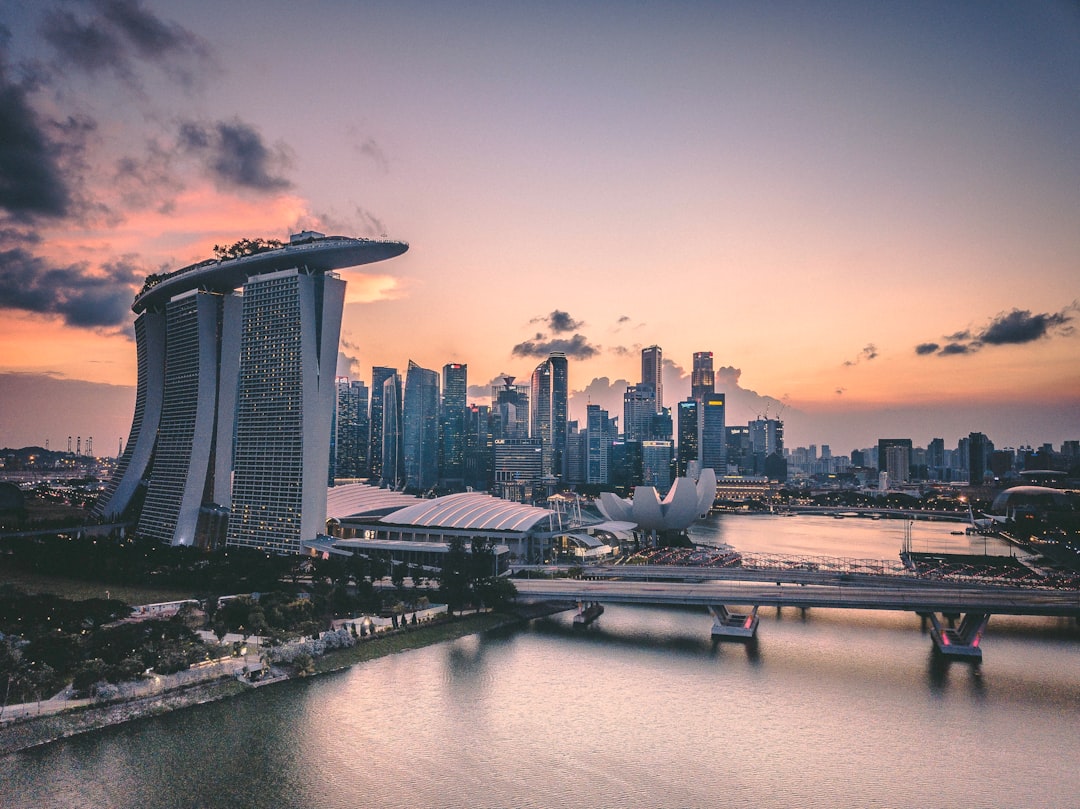
Marina Bay is non-negotiable — the skyline from the Helix Bridge at dusk is genuinely one of the great urban views of the 21st century. Chinatown rewards 3–4 hours of wandering: Sri Mariamman Temple, Thian Hock Keng, and Maxwell Food Centre are all within 500 metres of each other. Kampong Glam (the Malay-Arab Quarter) clusters Sultan Mosque, Haji Lane boutiques, and Bussorah Street in a walkable grid. Little India around Serangoon Road is sensory overload in the best way — mustard-yellow shophouses, jasmine garlands, and 24-hour Mustafa Centre. For nature, Bukit Timah Nature Reserve protects primary rainforest within 12 kilometres of the city centre — genuinely wild, genuinely surprising.
What are the tourist highlights of Singapore?
Gardens by the Bay is unmissable — the Supertree Grove light show runs nightly at 7:45pm and 8:45pm and is free. Marina Bay Sands SkyPark observation deck costs $32 SGD for non-guests and delivers the definitive city panorama. Sentosa Island houses Universal Studios Singapore ($73 USD entry) and S.E.A. Aquarium — both excellent for a full day. Chinatown Heritage Centre ($20 SGD) is among the best small museums in Southeast Asia. Singapore Botanic Gardens (UNESCO World Heritage, free entry) rewards a morning walk. My honest take: Jewel Changi Airport — a 10-storey indoor rainforest with a 40-metre indoor waterfall — is legitimately one of the world’s great public spaces and free to enter.
What experiences in Singapore are found nowhere else on earth?
Singapore Hawker Culture (UNESCO Intangible Cultural Heritage since 2020) is genuinely unique: a government-designed food ecosystem where third-generation Chinese, Malay, and Indian cooks operate side by side in open-air centres. The dish Chilli Crab — messy, sweet-spicy, served with mantou buns — exists elsewhere but nowhere approaches the original at Jumbo Seafood or No Signboard. The Night Safari at Singapore Zoo — the world’s first nocturnal zoo, open since 1994 — lets you observe 2,500 animals in naturalistic habitats by torchlight with no glass barriers. The Peranakan culture (Baba-Nonya — Chinese-Malay hybrid heritage) visible in Katong’s shophouse tiles and laksa soup exists nowhere else in this concentration.
Singapore Region by Region
Which areas of Singapore are overcrowded — and what are the quieter alternatives?
Orchard Road and the Marina Bay Sands casino floor are claustrophobic on weekends. Sentosa’s Palawan Beach gets genuinely unpleasant on public holidays. My quieter alternatives: instead of Sentosa, visit Lazarus Island (free bumboat from Marina South Pier, $3 SGD) — pristine beach, almost no infrastructure, almost no tourists. Instead of Orchard Road malls, explore Haji Lane on a weekday morning for independent boutiques. Pulau Ubin (bumboat from Changi Village jetty, $3 SGD) is a time-capsule island with kampong houses, wild boars, and cyclists — a 45-minute world away from the city. What surprised me: Tiong Bahru, Singapore’s first public housing estate, is a genuinely local neighbourhood with excellent independent cafes and zero tour groups.
How many days do I need in Singapore?
4 full days covers the essential Singapore experience thoroughly. Day 1: Marina Bay, Gardens by the Bay, Chinatown. Day 2: Little India, Kampong Glam, Orchard Road. Day 3: Sentosa (Universal Studios or beach day). Day 4: Singapore Zoo or Night Safari, Botanic Gardens. A 6-day stay adds Pulau Ubin, Bukit Timah Nature Reserve, and deeper neighbourhood exploration. My honest caveat: Singapore is compact enough that rushed day-trippers covering it in 2 days miss the culinary depth entirely — the hawker centre circuit alone justifies an extra day. If you’re using Singapore as a Southeast Asia hub, 2 nights minimum prevents you from feeling you’ve just seen the airport. I’d never allocate fewer than 3 full days.
Do I need a visa for Singapore?
Citizens of over 160 countries including the USA, UK, EU, Australia, Canada, and Japan receive visa-free entry for 30–90 days on arrival. No pre-application needed. As of 2024, Singapore introduced an SGARA (Singapore Arrival Card) — a free digital declaration that replaces the old paper disembarkation card and must be completed within 3 days before arrival at eservices.ica.gov.sg. My practical warning most guides omit: immigration officers do occasionally ask for proof of onward travel and sufficient funds — have your flight confirmation accessible. Indian and Chinese passport holders require a valid visa; check the Immigration and Checkpoints Authority (ICA) website for your specific nationality. Processing for visa-required nationalities takes 3–5 business days.
What languages are spoken in Singapore?
Singapore has 4 official languages: English, Mandarin, Malay, and Tamil. English is the de facto working language and the medium of instruction in all schools — virtually every Singaporean under 60 is functionally fluent. You will never experience a language barrier in Singapore as an English speaker. Street signs, MRT announcements, menus, and government communications are all in English. What surprises most visitors: Singlish — a locally developed creole mixing English with Hokkien, Malay, and Tamil grammar — is the informal spoken register. Phrases like ’lah,’ ‘can,’ and ‘shiok’ (delicious/excellent) are omnipresent. Understanding Singlish isn’t necessary, but learning 5 phrases earns immediate warmth from locals. Mandarin is useful in older Chinatown establishments.
What cultural rules do I need to know in Singapore?
Chewing gum is banned for sale (medical exceptions exist) — don’t import it. Littering carries a $300 SGD fine for a first offence. Jaywalking within 50 metres of a crossing is technically illegal and occasionally enforced. Eating or drinking on the MRT results in a $500 SGD fine — this is enforced. When visiting Sultan Mosque or Sri Mariamman Temple, cover shoulders and knees — sarongs are provided free at entrances. Tipping is not customary (the 10% service charge handles this) — tipping can actually confuse older hawker centre aunties. My most important warning: Vandalism carries mandatory caning and drug trafficking carries the death penalty — Singapore’s legal system is not lenient. Treat public spaces and laws with full seriousness.
Local Know-How for Singapore
How safe is Singapore?
Singapore is among the top 5 safest countries in the world by every measurable index — the Global Peace Index consistently ranks it in the top tier for Asia. Violent crime against tourists is exceptionally rare. I have walked Geylang (the red-light district) at midnight without concern. The main risk for tourists is petty theft in crowded areas like Mustafa Centre and tourist-heavy Orchard Road — keep your bag zipped. Online scams targeting tourists have increased: verify any ’lucky draw’ or street promotional approach with scepticism — these operate in the Bugis and Dhoby Ghaut areas. Solo female travellers consistently rate Singapore as one of the most comfortable cities in Asia. Emergency number: 999 (police), 995 (ambulance).
What health precautions should I take before visiting Singapore?
No vaccinations are mandatory for entry into Singapore, but the CDC and WHO recommend Hepatitis A, Hepatitis B, and Typhoid as standard travel vaccinations for Southeast Asia broadly. Dengue fever is Singapore’s most significant health risk — the National Environment Agency (NEA) publishes a real-time dengue cluster map at dengue.gov.sg. Use DEET-based repellent especially in residential and green areas. Singapore’s tap water is potable directly from the tap — among the highest-quality urban water supplies in Asia. Medical care is world-class; Singapore General Hospital (SGH) and Raffles Medical Group clinics are excellent for emergencies. Travel insurance covering medical evacuation is less critical here than elsewhere in Southeast Asia, but still worth having for flight disruptions.
What SIM card or eSIM options are available in Singapore?
The best option for most travellers is a Singtel, StarHub, or M1 tourist SIM purchased at Changi Airport arrival halls — available immediately after customs. A 7-day unlimited data SIM costs $15–$25 SGD. My recommendation: buy Singtel’s Travel SIM ($18 SGD for 100GB) — fastest network in my testing. eSIM options via Airalo ($10–$15 USD for 5GB) or Nomad work well and can be activated before landing. What most guides skip: free Wi-Fi is available at all MRT stations, libraries, and community centres under the Wireless@SG network — registration takes 2 minutes with a foreign number. If you only have WhatsApp needs and are here for 3 days or fewer, Wireless@SG plus your hotel Wi-Fi may suffice without purchasing a SIM.
Which apps do you recommend for visiting Singapore?
MyTransport.SG (official LTA app) — real-time MRT, bus arrival times, journey planner. Essential. Grab — book taxis, private cars, and food delivery; more reliable than flagging taxis on the street. Google Maps — Singapore mapping is accurate and transit routing works perfectly including real-time bus times. Hawker.SG — locates all licensed hawker centres with opening hours; genuinely useful. SingPass app — needed for some government services but not tourist-critical. Oddle Eats — Singapore’s local restaurant reservation and food delivery platform. My personal essential: the NEA Dengue Cluster map website (not an app) — check it if you’re spending time in residential areas. For payments, ensure your banking app supports contactless payments before arrival — Singapore’s card terminals accept Apple Pay and Google Pay universally.
What are common traveller mistakes in Singapore?
Mistake 1: Eating only at hotel restaurants or Clarke Quay — you’ll spend 4x more for food that’s objectively worse than Chinatown Complex or Old Airport Road Food Centre. Mistake 2: Underestimating the heat — afternoon walks in Orchard Road at 33°C with 85% humidity exhaust unprepared visitors within 45 minutes; schedule outdoor time before 11am or after 5pm. Mistake 3: Booking Sentosa on a public holiday — waits at Universal Studios exceed 2 hours per ride. Mistake 4: Changing money at Changi Airport counters — rates are 7–10% worse than Mustafa Centre. Mistake 5: Not downloading MyTransport.SG and instead relying solely on Google Maps, which occasionally misses the last express bus. Mistake 6: Scheduling too many countries — Singapore rewards slow exploration; rushing through in 1 day misses everything that matters.
Singapore at a Glance
| Population | 5,866,139 |
|---|---|
| Currency | Singapore dollar (S$) |
| Official language | English, Malay, Standard Chinese |
| Time zone | UTC+08:00 |
Source: Wikidata, retrieved August 2026.
Essential Resources for Planning Your Trip to Singapore
- Visit Singapore: Official Tourism Site for Travel, Food and … — official visitor information, passes & events
- Wikipedia: Singapore — history, geography & background
- Wikivoyage: Singapore — community travel guide & practical tips
- Singapore Travel 2026 – Lonely Planet | Asia — expert itineraries & travel inspiration
- THE 15 BEST Things to Do in Singapore (2026) — hotels, restaurants & traveller reviews
- Airport Travel in Singapore — how to get around
- Numbeo: Cost of Living in Singapore — current prices & cost comparison
- Timeanddate: Singapore Weather & Climate — forecasts & climate statistics
More Perspectives on Singapore
- The ULTIMATE Singapore travel guide for 2026 …
- Exploring Singapore: tips from a local
- Planning a trip to Singapore. What are your best tips for …
Singapore Travel Videos
Watch these videos for a visual preview before your trip:
- The ONLY Singapore Travel Guide You’ll Ever Need (2026)
- Singapore 2026 Travel Guide – by a LOCAL!
- SINGAPORE TRAVEL GUIDE: Everything You Need to Know
Singapore Travel Discussions on Reddit
Real traveller experiences and community advice:
Data Sources
This page was compiled using data from Wikipedia, Wikidata, Open-Meteo (climate), Numbeo (cost of living) and REST Countries. Information is updated regularly.