
Tanzania: The Complete Travel Guide (2026)
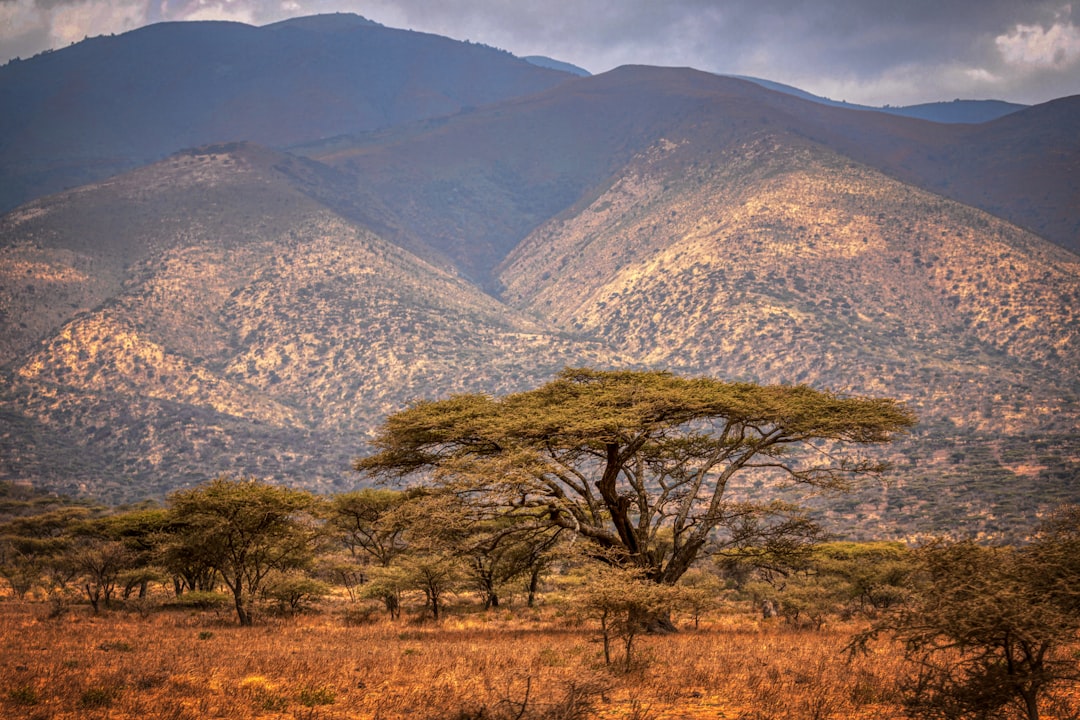
Last reviewed: August 2026 · key facts checked against Wikidata
Tanzania Travel Guide: Everything You Need to Know (2026)
Tanzania, home to 10,074,490 people, sits at the heart of East Africa and contains Africa’s highest peak — Kilimanjaro at 5,895 metres — alongside the Serengeti, Zanzibar’s coral reefs, and the world’s largest intact volcanic caldera at Ngorongoro. Founded as a unified republic in 1964 after the merger of Tanganyika and Zanzibar, the country spans 945,087 square kilometres, making it larger than France and Germany combined. Whether you’re tracking the Great Migration across the Serengeti or diving the reefs off Mafia Island, Tanzania delivers experiences that genuinely cannot be replicated anywhere else on Earth.
Top 3 Highlights at a Glance
- Serengeti National Park — Home to the world’s largest terrestrial mammal migration — over 1.5 million wildebeest crossing annually.
- Mount Kilimanjaro — Africa’s highest peak at 5,895 m; climbable without technical gear via the Marangu or Lemosho routes.
- Zanzibar Stone Town — A UNESCO World Heritage Site with 1,000-year-old Swahili-Arab architecture and spice market alleyways.
Scroll down for our complete travel guide with tips on getting there, where to stay, costs and more.
Getting There & Transport
Which airports are the best entry points into Tanzania?
Julius Nyerere International Airport (DAR, Dar es Salaam) and Kilimanjaro International Airport (JRO) are your two main gateways. In my experience, if your priority is Zanzibar or Dar es Salaam, fly into DAR. If you’re heading straight to Kilimanjaro or the northern circuit (Serengeti, Ngorongoro), fly directly into JRO to save 5+ hours of overland travel. Ethiopian Airlines, Kenya Airways, and Qatar Airways offer the most reliable connections from Europe and North America. My tip: Abeid Amani Karume International Airport (ZNZ) on Zanzibar also accepts direct charter and regional flights — useful if you’re island-first. Warning most guides omit: JRO has very limited food options after immigration, so eat before landing.
How do I get from the airport to my first accommodation in Tanzania?
Pre-book a licensed airport transfer — do not take unmarked taxis. From Julius Nyerere International Airport (DAR), a licensed taxi to Msasani Peninsula or Oyster Bay hotels costs roughly USD 20–30 and takes 30–50 minutes depending on Dar’s notorious traffic. From Kilimanjaro International Airport (JRO), transfers to Arusha town centre cost around USD 25–40 and take 45 minutes. In my experience, your safari operator will almost always arrange a pickup — confirm this before arrival. What surprised me: Dar es Salaam traffic during rush hour (7–9 AM, 4–7 PM) can extend that airport journey to 90 minutes, so schedule arrivals outside those windows.
What transport options are there within Tanzania?
Tanzania has four practical options: domestic flights, safari vehicles, buses, and dalla-dallas (minibuses). Domestic flights with Precision Air or Coastal Aviation are the fastest way between Dar, Arusha, Zanzibar, and Selous — fares start at USD 80 one-way. Luxury overland buses like Dar Express connect major cities for USD 8–15. Safari circuits require dedicated 4WD vehicles arranged through your operator. In my experience, dalla-dallas are cheap (under USD 0.50 per ride) but dangerously overcrowded on regional routes — fine within cities, not for intercity travel. The caveat most guides skip: Tanzania’s road quality drops sharply outside major highways, making driving times wildly unpredictable after rains.
Do I need a rental car in Tanzania?
For most first-time visitors, no — hire a 4WD with a driver instead. Self-driving in Tanzanian national parks is legally complex: Serengeti National Park requires a registered operator vehicle for game drives, and Ngorongoro Crater access is tightly controlled. Outside parks, road signage is poor and road conditions on rural routes can destroy standard vehicles. I recommend self-drive only if you are based entirely in Zanzibar or Dar es Salaam’s urban area, where scooter rentals run USD 15–25 per day. If you’re set on renting, Avis in Arusha offers 4WDs from USD 80–120 per day — but factor in the honest caveat: insurance coverage in remote areas is often inadequate.
How good is the public transport network between regions in Tanzania?
It functions but demands patience. Dar Express and Shabiby Express offer air-conditioned coaches between Dar es Salaam, Arusha, and Moshi for USD 8–15 — these are reliable. The Tazara railway from Dar to Zambia is a scenic classic but runs days late routinely. For northern safari circuits, there is zero meaningful public transport — you need a booked safari vehicle. What surprised me: ferry services between Dar es Salaam and Zanzibar (Azam Marine, USD 35 economy) run 4–5 times daily and take just 2 hours — genuinely efficient. My honest caveat: outside the Dar–Arusha corridor and the Zanzibar ferry, do not rely on schedules holding.
Accommodation
Which regions of Tanzania should I stay in?
It depends entirely on your priorities, so I’ll give you three zones. Northern Circuit (Arusha as base): for Kilimanjaro, Serengeti, Ngorongoro, and Tarangire — this is where 70% of Tanzania’s safari tourism concentrates. Southern Circuit (Dar es Salaam or Iringa): for Selous (Nyerere National Park) and Ruaha — far fewer crowds, arguably better game density. Zanzibar Archipelago: for beach, culture, and diving. In my experience, staying in Arusha’s Njiro or Sakina neighbourhoods gives excellent safari-operator access without the inflated prices of central hotels. My tip: combine northern circuit with 3 nights in Stone Town, Zanzibar — the contrast is extraordinary and the logistics are simple.
What does good accommodation cost per night in Tanzania?
Expect to pay USD 80–180 per night for a solid mid-range lodge or boutique hotel in Arusha or Dar es Salaam. Inside national parks, permanent tented camps start at USD 250 per person per night at places like Sanctuary Swala in Tarangire and reach USD 800+ at luxury lodges in the Serengeti’s Seronera area. Budget backpacker hostels in Arusha town centre go for USD 12–25 per night. What surprised me: Zanzibar’s Stone Town guesthouses offer incredible atmosphere for USD 40–70 per night, far better value than equivalent beach resorts on the north coast. The caveat: park-area lodge prices typically include full board — factor that into your comparison.
When should I book hotels in Tanzania — how far in advance?
Book safari lodges a minimum of 6 months ahead for peak season (July–October). For Serengeti migration camps during the river crossings (July–August), I recommend booking 9–12 months in advance — top camps like Four Seasons Serengeti sell out before Christmas for the following August. Zanzibar beach resorts fill quickly for December–January and need 3–4 months lead time. My tip: budget guesthouses in Arusha can often be booked 2–4 weeks out year-round. The honest warning: last-minute booking in peak season forces you into second-tier camps with inferior game-drive positions, which genuinely affects your wildlife experience.
When is the best time to travel to Tanzania?
The best months for Tanzania are June, July, August, and September — dry season, optimal game viewing, and the peak of the Serengeti wildebeest river crossings. February is excellent for the calving season in the southern Serengeti around Ndutu — a spectacular and underrated window. October offers solid conditions as the short rains haven’t established yet. In my experience, July–August delivers the most reliable big-cat sightings and zero mud-closed roads. My honest caveat: these months are Tanzania’s most expensive; expect lodge prices 30–50% higher than the shoulder period. For Kilimanjaro climbs specifically, January–February and August–October give the best summit weather.
How does peak season affect prices in Tanzania?
Peak season (July–October) inflates safari lodge rates by 30–60% compared to low season. A tented camp that costs USD 250 per person per night in April charges USD 400+ in August. Park entrance fees do not change seasonally — Serengeti costs USD 70 per person per day year-round — but that fixed cost stings more when you’re already paying premium lodge rates. What surprised me: Zanzibar beach prices peak in December–January rather than aligning with the safari season, so combining both in one trip during October gives you good rates on both. My tip: avoid Easter week entirely — prices spike and parks are crowded with Kenyan and Tanzanian domestic tourists.
Best Time to Visit
Which regions in Tanzania have different climate zones?
Tanzania spans five distinct climate zones. Zanzibar and the coast have a hot, humid tropical climate with temperatures holding around 27–32°C year-round. Arusha and the northern highlands sit at 1,400 metres elevation, making evenings genuinely cool — bring a fleece. Kilimanjaro’s summit hits -15°C or colder. The Southern Highlands around Iringa experience cold nights from June–August, dropping to 10°C. The Lake Victoria basin around Mwanza is humid and warm year-round. In my experience, travellers from Europe are consistently shocked by how cold Arusha nights get in July — pack accordingly. The Selous region in the south is significantly hotter and drier than the north.
What are the rainy seasons in Tanzania?
Tanzania has two rainy seasons. The long rains (Masika) run from mid-March to late May — heavy, persistent rain that closes some park roads and makes game viewing harder as vegetation is thick. The short rains (Vuli) fall from mid-October to December — less intense, often afternoon thunderstorms rather than all-day downpours. In my experience, the long rains are genuinely disruptive in Ngorongoro and southern Serengeti but less so in Selous, where the landscape turns dramatically green and bird life explodes. My caveat: some budget travelers use the long rain low season to access normally expensive lodges at 40–50% discounts — a legitimate strategy if you’re flexible.
What does a trip to Tanzania cost per person per day?
Budget backpacker (Dar es Salaam or Zanzibar only): USD 40–60 per day. Mid-range traveller combining cities and standard lodges: USD 150–250 per day. Safari circuit with mid-range tented camps: USD 350–500 per person per day all-inclusive. Luxury migration camp safari: USD 700–1,200 per person per day. In my experience, the biggest cost shock is park entrance fees — spending a week in the northern circuit easily adds USD 490 in park fees alone at USD 70 per person per day for Serengeti. My honest warning: Tanzania is not a budget safari destination. Anyone claiming you can do a credible Serengeti safari for under USD 100 per day total is selling you an unsafe or illegal operation.
How expensive is food in Tanzania?
Local Tanzanian food is among East Africa’s best value. A nyama choma (grilled meat) plate at a local joint in Arusha’s Kaloleni market costs USD 2–4. A full meal at a mid-range restaurant in Stone Town, Zanzibar runs USD 10–18. A seafood dinner at an upmarket Zanzibar beach restaurant reaches USD 30–50 per person. Safari lodge meals are included in your all-inclusive rate. What surprised me: fresh Zanzibar lobster at local beach shacks on Nungwi beach costs just USD 8–12 — extraordinary value for the quality. My tip: avoid the tourist-facing restaurants directly on Stone Town’s waterfront — they charge triple for half the quality of spots one street back.
What hidden costs should I expect in Tanzania?
Tanzania has several costs that blindside first-timers. Serengeti park fees are USD 70 per person per day, and a conservation fee of USD 80 per night applies in Ngorongoro. A Tanzania e-visa costs USD 50 and must be paid before arrival. Yellow fever vaccination is mandatory if arriving from endemic countries — that’s roughly USD 150–200 if your home country doesn’t subsidise it. Tipping culture is significant: USD 10–20 per day for safari guides is standard, USD 5–10 per day for camp staff. My honest warning: cheap safari quotes online almost always exclude park fees — always ask for a fully itemised cost breakdown before booking anything.
Budget & Costs
How much cash should I bring to Tanzania?
Bring USD 300–500 in crisp, post-2006 US dollar bills as backup. USD is the de facto currency for safari operators, park fees, and many hotels — they quote and accept dollars directly. Local markets, dalla-dallas, and small restaurants require Tanzanian Shillings (TZS). ATMs in Arusha’s CBD and Dar es Salaam’s Masaki neighbourhood reliably dispense TZS but often have USD 300 withdrawal limits and frequent outages. My tip: withdraw TZS on arrival at Dar or Arusha before heading to the bush — ATMs do not exist inside national parks. The caveat: torn, written-on, or pre-2006 USD bills are widely refused by exchange bureaux and hotels, so inspect your notes before travelling.
Which credit cards are accepted in Tanzania?
Visa is accepted most widely at upmarket hotels, lodges, and larger restaurants. Mastercard works at most of the same locations. American Express is accepted at fewer than 20% of establishments. In my experience, most safari operators now accept card payment for final balances, but charge a 3–5% processing fee — worth knowing when paying a USD 4,000 lodge bill. Local markets, street food stalls, dalla-dalla transport, and anything below USD 10 is cash-only. My honest warning: card machines in Tanzania fail regularly due to poor connectivity — always carry enough TZS to cover a full day’s spending in case your card is declined. Mpesa mobile money is ubiquitous locally but not accessible to foreign-registered phones without a local SIM.
Which regions of Tanzania must I not miss?
Three regions are non-negotiable. The Northern Circuit (Serengeti, Ngorongoro, Tarangire, Kilimanjaro) — this is where Tanzania’s global reputation is built and it earns every word. Zanzibar Archipelago — Stone Town’s UNESCO-listed labyrinth plus the white-sand beaches of Paje and Nungwi on the east and north coasts. Southern Circuit (Nyerere National Park / Selous) — Tanzania’s largest protected area at 54,600 square kilometres, with boat safaris on the Rufiji River that no northern park can offer. In my experience, the southern circuit is Tanzania’s best-kept secret — comparable wildlife to the north, 50% fewer tourists, and genuinely wilder landscapes. My tip: if time allows, add Mahale Mountains for chimpanzee trekking — utterly unmissable.
What are the tourist highlights of Tanzania?
Tanzania’s headline attractions are globally known for good reason. The Great Migration in the Serengeti — 1.5 million wildebeest crossing the Mara River between July and October. Ngorongoro Crater — a 260 square kilometre caldera with the densest concentration of wildlife in Africa, including all of the Big Five. Mount Kilimanjaro — Africa’s highest summit at 5,895 metres, reachable in 5–9 days depending on route. Zanzibar Stone Town — a UNESCO World Heritage Site. Selous Game Reserve — Africa’s largest protected wildlife area. In my experience, Ngorongoro at dawn before the tourist convoy arrives is among the most affecting wildlife experiences I have had anywhere in the world. Arrive at the crater rim by 6:30 AM.
What experiences in Tanzania are found nowhere else on Earth?
Three are genuinely irreplaceable. First: watching wildebeest river crossings at the Mara River in the northern Serengeti during July–August — the chaos, scale, and crocodile predation is unlike anything else. Second: chimpanzee trekking at Mahale Mountains National Park on the shores of Lake Tanganyika — arriving by boat, hiking through jungle to sit metres from wild chimps. Third: diving the Mafia Island Marine Park, where whale sharks aggregate from October to March in concentrations found nowhere else in the Indian Ocean. What surprised me: Mafia Island remains almost entirely off the tourist radar despite being a 30-minute flight from Dar es Salaam — tourist infrastructure is intentionally limited, which is precisely what makes it extraordinary.
Regions & Highlights
Which areas of Tanzania are overcrowded, and what are the quieter alternatives?
Ngorongoro Crater floor and Serengeti’s Seronera valley are genuinely overcrowded from July–October — you will share leopard sightings with 15+ vehicles. My quieter alternatives: Ruaha National Park (the largest in Tanzania, fewer than 3,000 annual visitors versus Serengeti’s 300,000+), Katavi National Park in western Tanzania (extreme remoteness, almost no tourists), and Pemba Island instead of Zanzibar’s north coast (Nungwi). In my experience, Ruaha’s lion-baobab landscape in dry season rivals Serengeti for big cat encounters at a fraction of the crowd density. The honest trade-off: these remote parks require small charter flights adding USD 200–400 to your budget, but it is absolutely worth it.
How many days do I need in Tanzania?
Absolute minimum for a meaningful Tanzania trip is 10 days. I recommend 14–16 days to do the country justice. A solid itinerary: 3 days Zanzibar (Stone Town + beach), 5–6 days northern safari circuit (Serengeti + Ngorongoro + Tarangire), 1–2 days Arusha (transit and acclimatisation). If climbing Kilimanjaro, add 6–9 days depending on your chosen route — the Lemosho route (8 days) has the best summit success rates at around 90%. What surprised me: Tanzania’s sheer scale means a 2-day Serengeti visit barely scratches the surface — the park alone is 14,763 square kilometres. My honest advice: cut a destination, not the days — depth beats breadth in Tanzania.
Do I need a visa for Tanzania?
Most nationalities need a visa. As of 2025, Tanzania requires visitors to apply for a Tanzania e-visa online before departure — the cost is USD 50 for a single-entry tourist visa. The process takes 3–5 business days via the official portal at immigration.go.tz. Citizens of East African Community member states (Kenya, Uganda, Rwanda, Burundi, South Sudan) enter visa-free. In my experience, the e-visa system works reliably — I had approval in 48 hours. My honest warning: do not assume you can get a visa on arrival anymore — the system moved predominantly online and border officials have turned back travellers who arrived expecting VOA. Confirm current requirements with your nearest Tanzanian embassy before travel.
What languages are spoken in Tanzania?
Swahili (Kiswahili) is the national language and is spoken by virtually everyone — Tanzania is considered the cultural heartland of Swahili across East Africa. English is the second official language and is widely understood in Arusha, Dar es Salaam, Stone Town, and anywhere tourist-facing. In my experience, learning 10 basic Swahili phrases — particularly ‘Karibu’ (welcome/you’re welcome), ‘Asante sana’ (thank you very much), and ‘Habari’ (how are you) — generates an immediate warmth from Tanzanians that completely transforms interactions. My caveat: in rural villages and smaller towns outside the tourist circuit, English comprehension drops sharply. Your safari guide will always translate, but off the beaten track, a Swahili phrasebook app earns genuine respect.
What cultural rules do I need to know before visiting Tanzania?
Tanzania is a majority Muslim country on the coast and Zanzibar, with significant Christian populations inland. On Zanzibar and in coastal towns, cover shoulders and knees outside beach areas — entering mosques or markets in swimwear causes real offence. During Ramadan (dates shift annually), eating or drinking in public during daylight hours in Muslim areas is disrespectful. Always ask permission before photographing people — this is not optional etiquette, it is a genuine sign of respect. My tip: remove shoes before entering any home when invited. In my experience, Tanzanians are extraordinarily warm hosts — what they ask in return is basic courtesy. The rule most guides omit: the left hand is considered unclean; always offer gifts, food, or handshakes with your right hand.
Practical Tips
How safe is Tanzania for travellers?
Tanzania is one of East Africa’s most stable and safe destinations for tourists. Violent crime against tourists is rare in safari areas and Zanzibar. The primary risks are petty theft — phone snatching on Dar es Salaam’s Kariakoo market streets and bag theft on Nungwi beach at night. In my experience, basic precautions (money belt, avoiding phones out at night, not walking alone after dark in Dar) eliminate almost all risk. My honest caveat: Dar es Salaam requires more urban awareness than Arusha or Zanzibar — take taxis after dark rather than walking. Road accidents are the statistically highest risk: Tanzania’s traffic fatality rate is among Africa’s highest — always insist your driver obeys speed limits, especially on the Dar-Arusha highway.
What health precautions should I take before visiting Tanzania?
Non-negotiable: anti-malarial medication (Malarone, Doxycycline, or Lariam — consult a travel doctor). Tanzania is a high-transmission malaria zone year-round. Yellow fever vaccination is mandatory if you are arriving from a country on the WHO yellow fever endemic list — carry your physical certificate. Recommended vaccinations include Typhoid, Hepatitis A, and Hepatitis B. In my experience, Malarone (Atovaquone/Proguanil) causes the fewest side effects for most travellers. My honest warning: altitude sickness on Kilimanjaro is genuinely dangerous — Acute Mountain Sickness kills climbers annually. Do not rush acclimatisation. Travel insurance covering emergency evacuation is essential — a medical flight out of a remote park costs USD 20,000+ without cover.
What SIM card or eSIM options are available in Tanzania?
Vodacom Tanzania and Airtel Tanzania offer the best coverage. Buy a local SIM on arrival at Julius Nyerere Airport (DAR) or Kilimanjaro Airport (JRO) — the process takes 10 minutes with your passport for registration. A SIM with 10GB data costs approximately USD 5–8. For eSIM users, Airalo’s Africa eSIM packages cover Tanzania starting at USD 6 for 1GB — activate before arrival to have connectivity immediately. My honest caveat: data coverage disappears entirely inside Serengeti and Ruaha — most park lodges offer WiFi (often slow) but do not rely on mobile connectivity for navigation or communication in the bush. Download offline maps via Maps.me before entering any national park.
Which apps do you recommend for Tanzania?
My essential six: Maps.me (offline maps that work inside national parks without signal), iNaturalist (identify animals and birds in real time — genuinely useful on game drives), XE Currency (live TZS/USD exchange rates), WhatsApp (how every Tanzanian operator and guide communicates — essential), SafariBookings app (read verified operator reviews before committing), and Airalo (eSIM purchase pre-arrival). In my experience, downloading the Serengeti National Park official map as a PDF before arrival saves confusion at park gates where connectivity is zero. My tip: iOverlander is invaluable if self-driving — GPS-tagged reports on road conditions, fuel stops, and camp sites across Tanzania updated by travellers in real time.
What are common traveller mistakes in Tanzania?
I see the same errors repeatedly. First: booking the cheapest safari operator — operators quoting under USD 150 per day routinely cut corners on vehicle maintenance, skip certain parks, and hire unlicensed guides. This is genuinely dangerous. Second: underestimating distances — Arusha to Serengeti’s Seronera is a 330 km drive that takes 5–6 hours on unpaved roads. Third: not budgeting for park fees — a week in the northern circuit adds USD 490+ per person in entrance fees alone. Fourth: ignoring altitude on Kilimanjaro — rushing the ascent causes 60–70% of summit failures. In my experience, the biggest single mistake is underallocating time: Tanzania consistently rewards travellers who slow down, choose fewer parks, and go deeper into each one.
Tanzania at a Glance
| Population | 57,310,019 |
|---|
Source: Wikidata, retrieved August 2026.
Essential Resources for Planning Your Trip to Tanzania
- Tanzania Tourism Boom Kilimanjaro, Serengeti Migration … — official visitor information, passes & events
- Wikipedia: Tanzania — history, geography & background
- Wikivoyage: Tanzania — community travel guide & practical tips
- Tanzania travel – Africa — expert itineraries & travel inspiration
- THE 15 BEST Things to Do in Tanzania (2026) — hotels, restaurants & traveller reviews
- Exploring Tanzania’s Tourism Circuits: A Gateway to … — how to get around
- Numbeo: Cost of Living in Tanzania — current prices & cost comparison
- Timeanddate: Tanzania Weather & Climate — forecasts & climate statistics
- English
More Perspectives on Tanzania
- Tanzania travel tips for first-timers: What to know
- Tanzania, including Zanzibar – Traveler view
- What I Wish I Knew Before Visiting Tanzania For Safari
Tanzania Travel Videos
Watch these videos for a visual preview before your trip:
- Top 10 Places To Visit in Tanzania – Travel Guide
- Do you want to visit TANZANIA – 10 Tanzania Travel Tips
- Travel guide TANZANIA: What to know about Tanzania 2025
Tanzania Travel Discussions on Reddit
Real traveller experiences and community advice:
- Is It Safe to Travel to Tanzania Right Now? : r/kilimanjaro
- Can you help me feel better about traveling to Tanzania?
- Thoughts on a vacation in Tanzania? : r/travel
Data Sources
This page was compiled using data from Wikipedia, Wikidata, Open-Meteo (climate), Numbeo (cost of living) and REST Countries. Information is updated regularly.