
Thailand: The Complete Travel Guide (2026)
Last reviewed: August 2026 · key facts checked against Wikidata
Thailand Travel Guide: Everything You Need to Know (2026)
Thailand, home to 66,188,503 people and stretching 1,650 km from north to south, has been welcoming foreign visitors since the Sukhothai Kingdom was founded around 1238 AD. The country spans 513,120 sq km across vastly different landscapes — from 2,565-meter Doi Inthanon in the north to the Gulf of Thailand’s island-studded coastline. In 2019, before the pandemic, Thailand recorded over 39 million international arrivals, making it one of Asia’s most-visited destinations.
Top 3 Highlights at a Glance
- Chiang Mai Old City & Doi Suthep Temple — A walled city with 300+ temples, crowned by a mountain shrine at 1,073 meters with panoramic valley views.
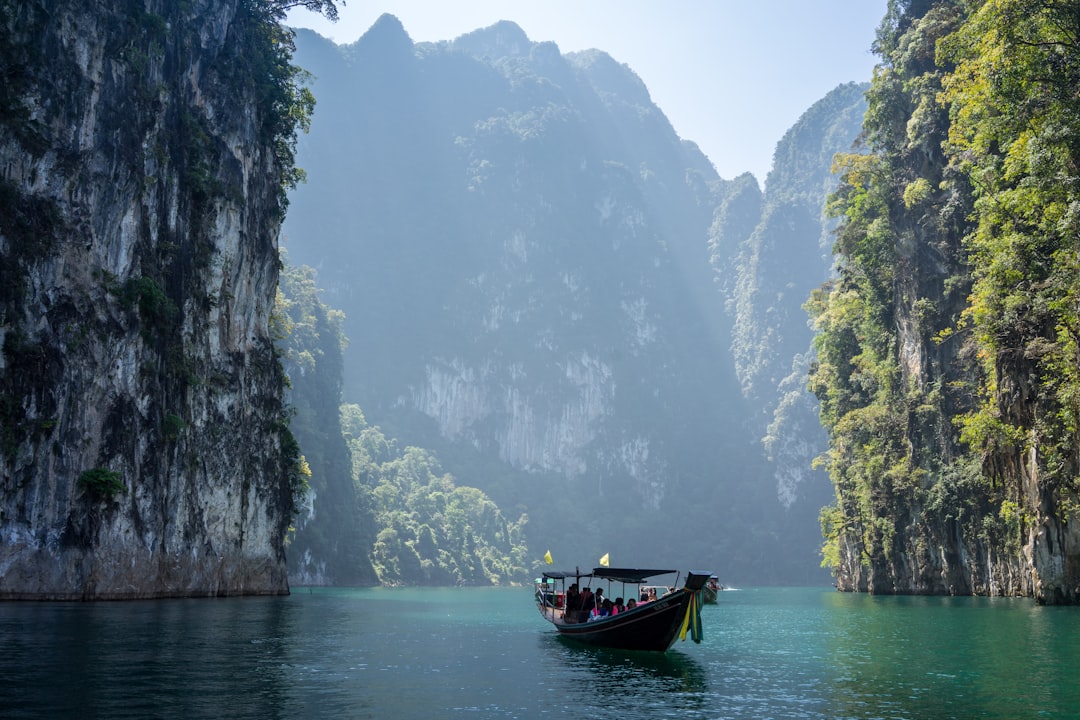
- Railay Beach, Krabi — Accessible only by longtail boat, this limestone-cliff-flanked peninsula offers the most dramatic beach scenery in Thailand.
- Ayutthaya Historical Park — Former Siamese capital with 417 temples across 289 sq km, just 80 km north of Bangkok — a UNESCO World Heritage Site.
Scroll down for our complete travel guide with tips on getting there, where to stay, costs and more.
Getting There & Transport
Which airports are the best entry points into Thailand?
Suvarnabhumi Airport (BKK) in Bangkok is your best entry point for most itineraries. In my experience, BKK handles over 60 million passengers annually and offers the most international connections. For northern Thailand, fly directly into Chiang Mai International (CNX), saving a 12-hour bus ride. Phuket International (HKT) serves the south directly — critical if you’re beach-bound and want to skip Bangkok entirely. Don Mueang (DMK), Bangkok’s second airport, is the hub for AirAsia and Nok Air budget domestic routes. My warning: BKK and DMK are 30 km apart — confirm which airport your connecting flight uses, because mixing them up is the single most expensive mistake I’ve seen travellers make in Thailand.
How do I get from the airport to my first accommodation in Thailand?
Take the Airport Rail Link from Suvarnabhumi for 45 baht to Phaya Thai station — it takes 28 minutes and runs until midnight. In my experience, this beats every taxi option during peak hours. The City Line stops at Makkasan (connecting to the MRT) and Phaya Thai (BTS Skytrain). Taxis from BKK cost roughly 300–500 baht to central Bangkok, but you must join the official metered taxi queue on Level 1. My honest caveat: many drivers outside the queue refuse meters and demand 600–1,000 baht flat rates — always insist on the meter or book a Grab taxi via app at a fixed price before you walk out of arrivals.
What transport options are there within Thailand?
Thailand offers four practical options: domestic flights, overnight trains, intercity buses, and minivans. Domestic flights between Bangkok and Chiang Mai cost as little as 800 baht booked early on AirAsia or Thai Lion Air — the flight takes 1 hour 10 minutes. Overnight sleeper trains from Hua Lamphong Station to Chiang Mai depart at 18:00 and arrive at 07:00, costing 700–1,400 baht for a berth. My tip: trains are comfortable and scenic but slow. For the south, the Seatran or Raja Ferry connects Donsak pier to Ko Samui in 1.5 hours for 250 baht. What surprised me: intercity minivans are faster than buses but pack 10 people into vehicles with no legroom — worth knowing before a 5-hour journey.
Do I need a rental car in Thailand?
No — for Bangkok, Chiang Mai, and the islands, a rental car is unnecessary. In my experience, Chiang Mai is the one exception where renting a car or motorbike unlocks Doi Inthanon National Park and the Mae Hong Son loop without tour group schedules. Cars rent from 600 baht per day with an international driving permit. My honest warning: Thai roads have the 9th highest road fatality rate globally according to WHO data, and insurance exclusions for motorbike accidents are common in travel policies. For most travellers, a mix of Grab, songthaews (shared trucks), and tuk-tuks covers 95% of needs. I recommend renting only if you’re exploring rural northern or northeastern Thailand independently.
How good is the public transport network between regions of Thailand?
It is solid between major hubs but thin in rural areas. Bangkok’s BTS Skytrain and MRT cover 125 km of track across the capital — genuinely excellent. Between cities, the State Railway of Thailand connects Bangkok to Chiang Mai, Ayutthaya, Kanchanaburi, and Hat Yai, though trains rarely run on time. My tip: the northern and northeastern lines are the most scenic and reliable, while southern routes to Malaysia are slower. The Nakhon Chai Air bus company runs reliable overnight coaches from Mo Chit Bus Terminal to every major province. The honest caveat: the northeastern Isan region — home to Khao Yai National Park and Ubon Ratchathani — has poor bus frequency, and independent travellers genuinely benefit from a car or joining a local tour.
Accommodation
Which regions should I stay in when visiting Thailand?
Stay in Sukhumvit or Silom in Bangkok for nightlife and transport access, or Rattanakosin (Old Town) for temple proximity. In Chiang Mai, the Nimman Road area combines boutique hotels with cafe culture, while the Old City moat area puts ancient temples at your doorstep. For the south, Ao Nang in Krabi is my preferred base over Phuket — quieter, cheaper, and better positioned for island-hopping. What surprised me: Ko Lanta offers the same Andaman Sea scenery as Ko Phi Phi with a fraction of the crowds and more comfortable mid-range resorts. For cultural depth, Chiang Rai in the far north gives you the White Temple and Golden Triangle with almost no mass tourism pressure.
What does good accommodation cost per night in Thailand?
A solid mid-range hotel in Thailand costs 1,500–3,000 baht per night (roughly $40–$85 USD). In Bangkok’s Sukhumvit area, well-rated 4-star hotels run 2,500–4,500 baht. Chiang Mai consistently offers better value — a boutique guesthouse with pool near Nimman Road costs 1,200–2,000 baht. On the islands, expect to pay a 30–50% premium: a decent bungalow on Ko Tao runs 800–1,500 baht, while resort rooms on Ko Samui’s Chaweng Beach start at 3,500 baht. My honest caveat: the cheapest fan-room hostels in Khao San Road go for 300–500 baht but sacrifice sleep quality due to noise. Budget travellers dorm-sleeping spend 250–400 baht in well-run places like Lub d Bangkok Silom.
When should I book hotels in Thailand — how far in advance?
Book 3–4 months ahead for December and January travel — Thailand’s peak season. In my experience, beachfront resorts on Ko Samui and Phuket sell out entirely for Christmas and New Year by October. For Songkran (Thai New Year, April 13–15), Chiang Mai accommodations disappear 5–6 months out, and prices triple. Outside these windows, 2–4 weeks’ notice is sufficient for Bangkok and Chiang Mai year-round. My tip: Agoda often beats Booking.com for Thailand by 10–15% — always check both. What surprised me: Ko Lipe, a tiny island in the south, has only 20 quality bungalow operations, so even shoulder season requires 6–8 weeks’ advance booking because supply is genuinely limited, not manufactured scarcity.
When is the best time to travel to Thailand?
November through February is the best window — cool, dry, and consistently sunny. Based on verified climate data, January and February are ideal across all regions simultaneously. The north (Chiang Mai) peaks in November–February at 18–28°C. The Andaman coast (Krabi, Phuket) is best November–April, while the Gulf of Thailand side (Ko Samui, Ko Tao) runs on a different cycle — best from January–September. My honest warning: March and April are stunning but brutal — Bangkok regularly hits 38–40°C with suffocating humidity. I recommend November as the single best month: rains have ended, crowds haven’t peaked, and prices haven’t spiked. Avoid May–October for most of Thailand unless you’re budget-hunting and heat-tolerant.
How does peak season affect prices in Thailand?
Peak season doubles or triples accommodation prices on the islands. In my experience, a Ko Phi Phi bungalow costing 800 baht in May jumps to 2,500–3,500 baht in December. Bangkok hotels are less volatile — roughly 20–30% higher in December–January. Domestic flights from Bangkok to Phuket surge from 900 baht to 3,500+ baht during Christmas week. Tour prices for popular experiences like Chiang Mai elephant sanctuaries (normally 2,500–3,500 baht) don’t fluctuate as dramatically, but availability disappears. My tip: the shoulder months of October and late April offer 70% of the weather quality at 60% of the peak price. What surprised me: Songkran week in Chiang Mai is more expensive than Christmas — budget travellers consistently overlook this.
Best Time to Visit
Which regions of Thailand have different climate zones?
Thailand splits into three distinct zones. Northern Thailand (Chiang Mai, Chiang Rai) has a three-season continental pattern: cool and dry November–February, hot and dry March–May, and wet June–October. Central and Eastern Thailand (Bangkok, Ayutthaya, Kanchanaburi) mirrors this but with higher humidity and less dramatic temperature swings. The south divides by coast: the Andaman Sea coast (Phuket, Krabi, Ko Lanta) is wet May–October; the Gulf of Thailand coast (Ko Samui, Ko Tao, Hua Hin) peaks in October–December for rainfall but is dry January–September. In my experience, this is the most commonly misunderstood fact about Thailand — travellers escape Bangkok rain in September by flying to Ko Tao and finding it equally stormy.
What are the rainy seasons in Thailand?
Thailand’s main monsoon runs May through October for most of the country, driven by the southwest monsoon. Bangkok receives 80% of its annual 1,400mm rainfall between June and October, with September being the wettest month. The north experiences heavy downpours that can wash out mountain roads near Pai or Mae Hong Son in August–September. My honest caveat: the Gulf coast experiences a second rainy season October–December — I’ve seen travellers book Ko Samui in November thinking it’s low season bargain time, only to face flooding and cancelled ferries. November 2022 saw severe flooding across Ko Samui that stranded tourists for days. The only region that benefits from October–November rain is the northeast Isan plateau, which turns vivid green and near-empty of tourists.
What does a trip to Thailand cost per person per day?
Budget travellers can manage 800–1,200 baht per day ($22–$33 USD) covering dorm beds, street food, local transport, and one paid sight. Mid-range travellers spending on private rooms, sit-down restaurants, and day tours should budget 2,500–4,500 baht per day ($70–$125 USD). Comfort travellers in 4-star hotels with taxis and guided experiences spend 6,000–10,000 baht ($165–$280 USD). In my experience, Bangkok is the cheapest major city — a full day including temple entries, a pad thai lunch, craft beer, and a rooftop bar can cost under 2,000 baht. My warning: island living inflates budgets fast — the same lifestyle costs 40–60% more on Ko Samui than in Chiang Mai due to ferry supply chains and tourist pricing.
How expensive is food in Thailand?
Street food and local restaurants are genuinely cheap. A bowl of khao man gai or pad kra pao at a market stall costs 50–80 baht ($1.40–$2.20 USD). A full meal at a proper Thai restaurant like Krua Apsorn in Bangkok runs 150–300 baht per person. Western-style café lunches in Chiang Mai’s Nimman area cost 200–350 baht. Fresh seafood on the islands is the wild card — a grilled fish at a Ko Lanta beach restaurant costs 350–600 baht depending on weight. My honest caveat: tourist-facing restaurants on Bangla Road in Phuket or Khao San Road in Bangkok charge 3–4x local prices for identical dishes. My tip: follow the plastic-stool rule — if there are plastic chairs on the pavement, the food is priced for locals.
What hidden costs should I expect in Thailand?
Expect airport departure taxes of 700 baht on domestic flights, usually buried in budget airline prices. Temple dress code violations cost 50–150 baht for sarong rentals at Wat Phra Kaew — bring a scarf to avoid this. ATM withdrawal fees in Thailand are a notorious trap: every Thai bank ATM charges foreigners a flat 220 baht fee per withdrawal on top of your home bank’s charges. Withdraw large amounts in one go. Travel insurance exclusions for motorbike accidents are standard — check your policy before renting. Tour agency commissions in Khao San Road area add 30–50% to tour prices versus booking direct. What surprised me: national park entry fees have doubled — Doi Inthanon now charges foreigners 300 baht versus 40 baht for Thais, so budget accordingly for multiple park visits.
Budget & Costs
How much cash should I bring to Thailand?
Bring USD 100–200 in cash to exchange on arrival, then rely on ATM withdrawals. In my experience, SuperRich Thailand exchange booths in Bangkok (branches in Central World and Asiatique) offer rates 3–5% better than airport counters — worth the short wait. Thailand remains heavily cash-dependent: street food stalls, tuk-tuks, local markets, national parks, and smaller guesthouses accept only baht. Budget 2,000–3,000 baht in cash on hand daily. My tip: exchange at the airport only enough for your first day (3,000 baht), then find a SuperRich branch. My honest warning: never exchange money with street touts near Khao San Road — short-changing and counterfeit note scams are documented and ongoing, not rare occurrences.
Which credit cards are accepted in Thailand?
Visa and Mastercard are accepted at major hotels, shopping malls, and mid-range restaurants in Bangkok and tourist centres. In my experience, American Express is rejected at roughly 40% of establishments that display the logo — always carry a backup Visa. JCB is widely accepted in tourist areas due to large Japanese visitor numbers — useful to know. On the islands and in rural areas, assume cash only. My tip: use a Charles Schwab or Wise debit card — both refund Thai ATM fees and offer near-interbank exchange rates, saving serious money on a 2-week trip. My honest caveat: dynamic currency conversion (DCC) is aggressively pushed at Thai terminals — always choose to pay in Thai baht, never your home currency, to avoid a hidden 3–5% conversion markup.
Which regions of Thailand must I not miss?
Bangkok, Chiang Mai, and one southern island chain form the non-negotiable core. Bangkok’s Rattanakosin district holds Wat Phra Kaew, the Grand Palace, and Wat Pho in a walkable 2 km radius — genuinely unmissable. Chiang Mai’s Old City compresses 300 temples into a 1.5 km² moat — spend a minimum of 3 nights here. For the south, choose between the Andaman side (Krabi, Ko Lanta, Railay — dramatic limestone karst) or the Gulf side (Ko Tao for diving at $350 for an open water course, Ko Samui for resort comfort). What surprised me: the northeast Isan region — Khon Kaen, Ubon Ratchathani, and Khao Yai National Park — is missed by 90% of first-time visitors despite offering Thailand’s most authentic rural culture and some of its best national parks.
What are the tourist highlights of Thailand?
The Grand Palace complex in Bangkok (entry: 500 baht) is the single most-visited sight, hosting 8 million visitors annually. Chiang Mai’s Yi Peng Lantern Festival in November is one of Asia’s most visually stunning events. Railay Beach in Krabi, reachable by longtail boat for 100 baht from Ao Nang, offers limestone cliffs rising 300 meters from turquoise water. The Chiang Rai White Temple (Wat Rong Khun), entry free, is a privately built contemporary masterpiece unlike any traditional Thai temple. Ayutthaya Historical Park, 80 km north of Bangkok, showcases the ruins of a city that was once larger than London. My tip: pair Ayutthaya with a visit to Bang Pa-In Royal Palace on the same day trip — most itineraries skip it and miss one of Thailand’s most photogenic royal estates.
What experiences in Thailand are found nowhere else on earth?
Three experiences are genuinely unique to Thailand. First, a Muay Thai evening at Lumpinee Stadium in Bangkok — the world’s most prestigious Muay Thai venue, with tickets from 1,000 baht — offers ringside access to a combat sport with a 700-year history you cannot replicate anywhere. Second, releasing a khom loi sky lantern at Chiang Mai’s Yi Peng festival (mid-November) in a crowd of 10,000 people simultaneously is unlike any other festival experience on earth. Third, snorkelling the Similan Islands aboard a liveaboard — visibility regularly exceeds 30 meters with whale sharks present December–May — combines diving quality that rivals the Maldives at a quarter of the price. In my experience, no single country packs this range of unique cultural, culinary, and natural experiences into one itinerary.
Regions & Highlights
Which areas of Thailand are overcrowded — what are the quieter alternatives?
Ko Phi Phi hosts over 5,000 visitors daily on an island with a permanent population of 2,000 — genuinely overwhelmed. My alternative: Ko Lanta, 45 minutes by ferry from Krabi, offers the same Andaman scenery with proper infrastructure, fewer beach parties, and accommodation at half the price. Khao San Road in Bangkok is tourist-bubble exhausting — stay instead in Ari or Ekkamai neighborhoods for a Bangkok that actual residents use. Phuket’s Patong Beach packs 30,000 sunbeds onto 3 km of sand — Koh Yao Noi, a 30-minute boat ride from Phuket pier, has rice paddies, zero mass tourism, and genuine village life. For temples, skip the Tiger Temple photo-op industry and visit Wat Umong in Chiang Mai — a 700-year-old forest temple with almost no tourist foot traffic.
How many days do I need in Thailand?
14 days is the practical minimum for a meaningful three-region trip. In my experience: allocate 4 nights Bangkok (temples, markets, Ayutthaya day trip), 4 nights Chiang Mai (Old City, Doi Suthep, elephant sanctuary), and 6 nights on a southern island (choose one coast and commit). A 7-day trip forces you to rush and spend 2 of those days in transit. 21 days unlocks Isan, Pai, Ko Tao diving, or a Mekong river border crossing into Laos. What surprised me: many travellers spend 3 nights in Bangkok then wish they’d stayed longer — the city reveals itself in layers, and the best street food, rooftop bars, and canal neighborhoods (Thonburi’s Bang Kok Yai canal) require time to discover. Never treat Bangkok as just a transit hub.
Do I need a visa to visit Thailand?
Citizens of 64 countries including the US, UK, Australia, and all EU nations receive a 60-day visa exemption as of 2024 — no advance application needed. In my experience, this covers the vast majority of international travellers perfectly. For longer stays, a Tourist Visa (TR) costs approximately $40 USD from a Thai embassy abroad and grants 60 days extendable by 30 days at any immigration office for 1,900 baht. The old “border run” practice of crossing to Myanmar or Cambodia to reset the clock is now heavily restricted — immigration officers can deny re-entry if your passport shows excessive exemption stamps. My honest warning: Thailand has tightened enforcement since 2023. If you plan 90+ days, apply for a proper tourist visa or the new Long-Term Resident (LTR) visa before arrival.
What languages are spoken in Thailand?
Thai is the official language, spoken by all 30 million citizens as a first or second language. In my experience, English proficiency in Bangkok, Chiang Mai, and major tourist areas is functional — hotel staff, tour operators, and restaurant menus in Sukhumvit, Nimman Road, and Ao Nang operate comfortably in English. Outside tourist zones — rural Isan, northern hill tribe villages, local markets — English disappears almost entirely. Google Translate’s camera function with Thai script recognition is genuinely useful for menus and signs. My honest caveat: Thai is a 5-tone language where the same syllable means entirely different things depending on pitch — attempting to speak Thai without understanding tones can create unintentional offense or confusion. Learn 5 essential phrases (hello, thank you, how much, delicious, no spicy) and Thais will reward you warmly.
What cultural rules do I need to know in Thailand?
Three rules are non-negotiable. First, cover shoulders and knees at every temple — Wat Phra Kaew turns away hundreds of tourists daily for shorts and sleeveless tops; carry a light scarf always. Second, never touch anyone’s head — it is the most sacred body part in Thai culture, and touching a child’s head (common Western affection) is genuinely offensive. Third, never criticize the monarchy — Thailand’s lèse-majesté law carries prison sentences of 3–15 years per count, and it is enforced against foreigners. In my experience: remove shoes without being asked when entering homes or temple halls — looking down first tells you the rule. The wai greeting (pressed palms, slight bow) is appreciated but not mandatory for foreigners. Tipping 20–50 baht at local restaurants is generous and remembered.
Practical Tips
How safe is Thailand for travellers?
Thailand is safe for the overwhelming majority of travellers — petty theft and scams are the realistic risks, not violent crime. In my experience, the most dangerous thing in Thailand is a rented motorbike: road accidents kill approximately 22,000 Thais annually (WHO), and hospital bills without insurance exceed 100,000 baht easily. The tuk-tuk gem scam in Bangkok (driver takes you to a ‘closed’ Grand Palace, then to a gem shop) has operated for 30 years and still catches new arrivals. Avoid the Thai-Myanmar and Thai-Malaysian deep south borders near Narathiwat and Pattani provinces, where an ongoing insurgency has caused sporadic violence since 2004. Solo female travellers report Thailand as generally comfortable — Chiang Mai and Ko Lanta are consistently rated among the safest destinations in Southeast Asia.
What health precautions should I take before visiting Thailand?
Consult a travel health clinic 6–8 weeks before departure. In my experience, the standard vaccine pack for Thailand includes Hepatitis A, Typhoid, and a Tetanus booster — these are non-negotiable. Rabies pre-exposure vaccination (3 shots over 21 days) is strongly recommended if you’ll spend time in rural areas or with animals — dog bites are common in rural Thailand and post-exposure treatment is complicated upcountry. Malaria risk exists in forested border areas near Myanmar and Cambodia but is essentially zero in Bangkok, Chiang Mai city, and the main tourist islands. Pack DEET-based repellent at 40%+ concentration — dengue fever is present year-round in urban areas including Bangkok. My honest caveat: Bangkok’s Bumrungrad International Hospital is excellent, but medical evacuation insurance from a remote island could cost $30,000–$50,000 USD without coverage.
What SIM card or eSIM options are available in Thailand?
Buy a tourist SIM at Suvarnabhumi Airport arrivals hall for 299–599 baht, giving you 15–30 GB of data for 30 days on AIS or DTAC networks. In my experience, AIS offers the best nationwide coverage, including in northern mountain areas near Pai and Doi Inthanon. True Move H has strong coverage in Bangkok and the south. For digital nomads or frequent visitors, an eSIM from Airalo costs approximately $15 USD for 10 GB and activates before you land — no airport queue needed. My tip: the AIS Traveller SIM at 299 baht with unlimited calls within Thailand is the best single-purchase option for two weeks. My honest caveat: coverage drops to 2G or zero in remote hill tribe villages north of Chiang Rai and in national park interiors — download offline maps on Maps.me or Google Maps before leaving cellular range.
Which apps do you recommend for travelling in Thailand?
Grab (Southeast Asia’s Uber) is essential — fixed-price rides from any location eliminate taxi negotiation entirely and work across Bangkok, Chiang Mai, Phuket, and Pattaya. Agoda consistently beats Booking.com on Thai hotel prices by 10–15% — use it for every booking. Google Maps with offline areas downloaded covers navigation and transit times including BTS Skytrain and MRT routes. Line (not WhatsApp) is Thailand’s dominant messaging app — hotels, tour operators, and restaurants use it for bookings, so install it. KlookThailand books day tours, elephant sanctuaries, and transfer tickets at rates below walk-in prices. My honest caveat: TripAdvisor restaurant rankings in Thailand are easily gamed — I trust Wongnai (Thai-language food review platform) far more for authentic local restaurant recommendations, even with Google Translate needed to navigate it.
What are the most common traveller mistakes in Thailand?
The number-one mistake is booking only Bangkok and one island, missing the north entirely — Chiang Mai and its surroundings are as culturally rich as anything in Southeast Asia. Second: underestimating transit time — Bangkok to Ko Lanta involves a flight, a bus, and two ferries totalling 8–10 hours even with perfect connections. Third: visiting elephant ‘sanctuaries’ that allow riding — legitimate sanctuaries like Elephant Nature Park near Chiang Mai explicitly prohibit riding; if they offer it, leave. Fourth: exchanging money at airport counters beyond Day 1 — the rate gap versus SuperRich exchanges costs real money over a 2-week trip. In my experience, the most regretted decision I hear from travellers is spending too long in Phuket’s Patong area instead of using Phuket as a 1-night launchpad to Krabi, Ko Yao, or the Similan Islands.
Thailand at a Glance
| Population | 66,188,503 |
|---|---|
| Currency | baht (฿) |
| Official language | Thai |
| Time zone | UTC+07:00 |
Source: Wikidata, retrieved August 2026.
Essential Resources for Planning Your Trip to Thailand
- Thailand’s Ministry of Tourism and Sports is planning to … — official visitor information, passes & events
- Wikipedia: Thailand — history, geography & background
- Wikivoyage: Thailand — community travel guide & practical tips
- Thailand Travel 2026 – Lonely Planet | Asia — expert itineraries & travel inspiration
- THE 15 BEST Things to Do in Thailand (2026) — hotels, restaurants & traveller reviews
- Thailand’s Suvarnabhumi Airport honored by UNESCO — how to get around
- Numbeo: Cost of Living in Thailand — current prices & cost comparison
- Timeanddate: Thailand Weather & Climate — forecasts & climate statistics
- Workshop
More Perspectives on Thailand
- The 20 BEST Thailand Travel Tips For An Epic Visit [2026]
- What I Wish I Knew Before Visiting Thailand
- Thailand Travel Guide (Updated 2026)
Thailand Travel Videos
Watch these videos for a visual preview before your trip:
- Thailand For Beginners: The Complete Guide To Your First Visit (2026)
- Thailand Travel: Everything You NEED TO KNOW Visiting Thailand 2026
- 21 Things I Wish I Knew Before Visiting Thailand 🇹🇭
Thailand Travel Discussions on Reddit
Real traveller experiences and community advice:
- My absurdly long guide to everything Thailand
- r/ThailandTourism
- What do you wish you’d known before your trip
Diving in Thailand
Thailand is where a large share of the world’s divers get certified, and prices remain among the lowest anywhere. Our directory covers more than 50 Thai dive schools alongside the country’s dive sites, from the Similans to Koh Tao.
Data Sources
This page was compiled using data from Wikipedia, Wikidata, Open-Meteo (climate), Numbeo (cost of living) and REST Countries. Information is updated regularly.