
Trinidad and Tobago: The Complete Travel Guide (2026)
Last reviewed: August 2026 · key facts checked against Wikidata
Trinidad and Tobago Travel Guide: Everything You Need to Know (2026)
Trinidad and Tobago is the southernmost nation in the Caribbean, sitting just 11 km off the Venezuelan coast with a combined population of 1,369,125. Port of Spain, the capital, sits on Trinidad’s northwestern tip and serves as the commercial and cultural heart of a twin-island republic that gained independence in 1962. This is the birthplace of Carnival, steelpan music, and one of the most biodiverse ecosystems in the entire Caribbean basin.
Top 3 Highlights at a Glance
- Trinidad Carnival — The world’s most musically inventive street festival, drawing 40,000+ costumed masqueraders to Port of Spain every February.
- Asa Wright Nature Centre — A 1,500-acre rainforest lodge hosting over 160 bird species, including the rare oilbird colony inside Dunston Cave.
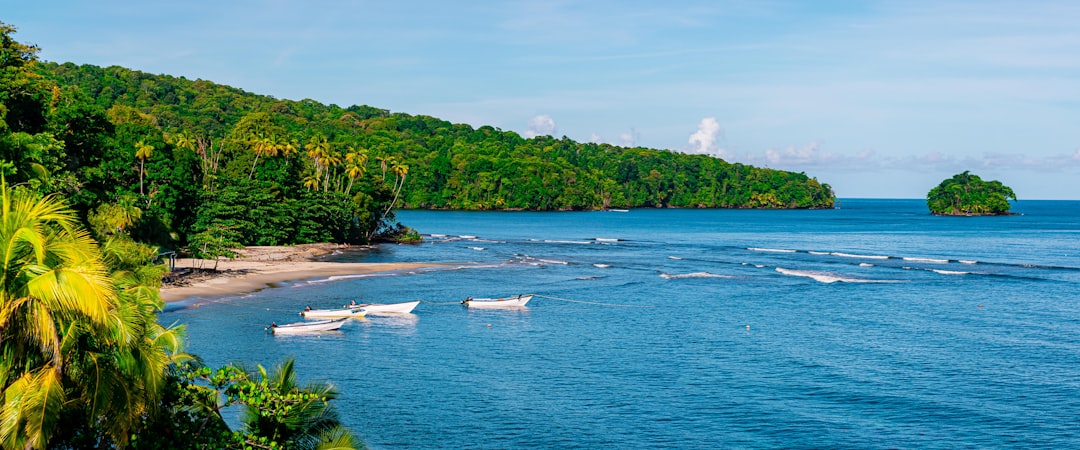
- Pigeon Point Heritage Park, Tobago — Tobago’s most iconic beach — a curved strip of white sand with a signature thatched jetty over turquoise Caribbean water.
Scroll down for our complete travel guide with tips on getting there, where to stay, costs and more.
Getting There & Transport
Which airports are the best entry points into Trinidad and Tobago?
Piarco International Airport (POS) in Trinidad is your primary entry point — it handles virtually all international long-haul flights. In my experience, this is where you land first regardless of whether Tobago is your final destination. A.N.R. Robinson International Airport (TAB) on Tobago handles regional connections, mostly from POS via Caribbean Airlines, the national carrier. Piarco sits 25 km east of Port of Spain. Most travellers from Europe or North America arrive at POS, clear customs, then catch a short 25-minute domestic flight onward to TAB. The caveat most guides skip: TAB has very limited international capacity, so booking the POS–TAB leg through Caribbean Airlines well in advance is non-negotiable, especially around Carnival.
How do I get from the airport to my first accommodation in Trinidad and Tobago?
Take a pre-booked taxi — not an unmarked car — from the official taxi stand outside Piarco arrivals. In my experience, the fixed-rate journey to Port of Spain takes around 45 minutes and costs approximately TTD 200–250 (roughly USD 30). My tip: arrange your hotel transfer in advance because airport touts are persistent and unlicensed drivers are common. The PTSC public bus runs from Piarco to the City Gate terminal in Port of Spain for under TTD 5, but it runs infrequently after 20:00 and involves luggage hassle. What surprised me is there is no rail link whatsoever — land transport is entirely road-based. For Tobago arrivals at TAB, Pigeon Point Road guesthouses are a 15-minute taxi ride, costing around TTD 80–100.
What transport options are there within Trinidad and Tobago?
Your three realistic options are taxis (route taxis and private hire), maxi-taxis (shared minibuses), and PTSC buses. Route taxis run fixed routes for around TTD 5–8 per leg in Port of Spain and are the authentic local way to travel — they follow set corridors like the Eastern Main Road or Wrightson Road. Maxi-taxis are colour-coded by region (yellow for Port of Spain, black-band for east Trinidad) and cost similarly. Private hire taxis charge TTD 150–300 for cross-island trips. On Tobago, route taxis connect Scarborough to Speyside for under TTD 15. The honest warning: public transport to remote areas like Blanchisseuse on Trinidad’s north coast effectively disappears after midday — plan around this or rent a car.
Do I need a rental car in Trinidad and Tobago?
On Tobago, yes — a rental car transforms your trip. On Trinidad, it depends on your itinerary. In my experience, exploring Trinidad’s Northern Range rainforest, Caroni Bird Sanctuary, or the Pitch Lake in La Brea without a car is genuinely difficult. Rental cars cost USD 45–70 per day from agencies at Piarco and in Port of Spain’s city centre. Driving is on the left side — traffic is orderly but Port of Spain rush-hour gridlock between 07:00–09:00 is brutal. My tip: pick up your car the morning after arrival rather than driving Port of Spain traffic at night on jet lag. The caveat guides omit: fuel is among the cheapest in the hemisphere (subsidised by the state) at around TTD 6.97 per litre, so running costs are minimal.
How good is the public transport network between regions in Trinidad and Tobago?
Functional but slow and not tourist-optimised. PTSC buses connect Port of Spain to San Fernando (Trinidad’s second city, 56 km south) roughly every 30–60 minutes for TTD 8. The City Gate terminal in Port of Spain is the central hub for all inter-regional services. Between the two islands, Caribbean Airlines flies POS–TAB in 25 minutes for USD 60–100 return, while the inter-island ferry from Port of Spain to Scarborough takes 2.5 hours and costs TTD 100 return. What surprised me: the ferry schedule is government-run and frequently delayed or cancelled due to mechanical issues — never rely on it for a same-day connection to catch an international flight. I recommend the plane for time-sensitive legs.
Accommodation
Which regions of Trinidad and Tobago should I stay in?
On Trinidad, stay in Port of Spain’s Newtown or St. Clair neighbourhoods for safety, dining access, and proximity to the Savannah — these are the upscale residential areas where most quality guesthouses and boutique hotels cluster. Avoid the downtown waterfront area at night. On Tobago, Crown Point puts you within walking distance of Pigeon Point Beach and the airport, ideal for first-timers. Speyside on Tobago’s northeast tip suits divers — it sits directly above some of the Caribbean’s richest coral systems. If you want rainforest and birding, Asa Wright Nature Centre in Trinidad’s Arima Valley is a stay-in destination in itself. My tip: splitting your trip — 3 nights Trinidad, 4 nights Tobago — gives a rounded experience of both islands’ distinct personalities.
What does good accommodation cost per night in Trinidad and Tobago?
Expect to pay USD 80–130 per night for a solid mid-range guesthouse or small hotel in Port of Spain’s St. Clair or Woodbrook areas. On Tobago, Crown Point guesthouses start at USD 60–90, while beachfront boutique hotels like those along Pigeon Point Road run USD 120–200. International-brand hotels in Port of Spain — such as the Hyatt Regency on Wrightson Road — charge USD 200–280 and spike dramatically during Carnival. Budget travellers can find clean guesthouses for USD 40–60, but quality control is inconsistent outside the known zones. The honest caveat: Trinidad accommodation is notably more expensive relative to quality than comparable Caribbean islands — it’s not a bargain destination for beds.
When should I book hotels in Trinidad and Tobago — how far in advance?
For Carnival (usually February), book at least 10–12 months ahead — I am not exaggerating. Quality rooms in Port of Spain sell out by March of the preceding year, and prices triple or quadruple. For all other periods, 6–8 weeks is sufficient for Tobago’s Crown Point area, and 2–4 weeks covers most of Trinidad outside Carnival season. Easter week is also high-demand on Tobago — Trinidadians flood the island domestically, pushing room rates up 40–60% and making beachside restaurants chaotic. My tip: for Carnival specifically, search via Trinidad Carnival Diary listings alongside standard booking platforms — local guesthouses often don’t appear on Booking.com but offer far better value and proximity to the action.
When is the best time to travel to Trinidad and Tobago?
February and March are the optimal months — these align with Carnival season and sit within the dry season when rainfall is lowest and humidity is manageable. In my experience, January through April offers the most pleasant conditions: sunny days, light trade winds on Tobago, and lush but not waterlogged landscapes in Trinidad’s Northern Range. If you’re not attending Carnival and want fewer crowds, March after Carnival is exceptional — prices drop, beaches empty, and the forests are still green from lingering humidity. Avoid June through November for beach trips on Tobago, as the Atlantic side gets rough. What surprised me: even the wet season (June–November) typically delivers sunshine before midday — rain usually falls in intense afternoon bursts, not all-day downpours.
How does peak season affect prices in Trinidad and Tobago?
Carnival period (January–February) triggers the most extreme price surge in the Caribbean — hotel rates rise 200–400% and package costs for costume bands alone run USD 300–800 per person. Outside Carnival, the pricing structure is less volatile than on typical tourist islands. Easter week sees a 30–50% domestic demand spike driven by Trinidadian holidaymakers visiting Tobago. July–August, which is global school holiday season, adds 15–25% to Tobago accommodation rates. The counterintuitive truth: September–November is hurricane season, but Trinidad and Tobago sits below the main hurricane belt — storms rarely strike directly, making this period genuinely affordable with rates dropping 20–30% and beaches still usable most mornings. My tip: late March combines post-Carnival savings with ideal dry-season weather.
Best Time to Visit
Which regions of Trinidad and Tobago have different climate zones?
Trinidad’s Northern Range (peaks up to 940 m at El Cerro del Aripo) creates a distinct humid montane microclimate — cloud forest, mist, and significantly more rainfall than the coast. The southwest peninsula around Icacos and the Pitch Lake area receives less rainfall and feels drier. Central and south Trinidad are relatively flat and experience a more defined dry season. On Tobago, the Main Ridge Forest Reserve (the oldest legally protected rainforest in the Western Hemisphere, gazetted 1776) generates its own rainfall on the island’s northeastern windward side, while Crown Point on the southwest tip stays sunnier and drier — this is where the resort beaches are. In my experience, Tobago’s Speyside and Charlotteville on the northeast coast feel dramatically greener and more lush than the tourist-facing southwest.
What are the rainy seasons in Trinidad and Tobago?
The wet season runs June through November, peaking in July and October. During this period, Trinidad’s Northern Range and Tobago’s Main Ridge receive heavy rainfall — flash flooding on mountain roads is a genuine hazard, not a minor inconvenience. However, rain typically falls in afternoon bursts of 1–3 hours rather than all-day grey skies, so mornings remain mostly usable for outdoor activities. The dry season runs January through May, with February–April being the driest stretch. The caveat most guides understate: even the dry season delivers occasional brief showers — packing a compact rain jacket year-round is practical. What surprised me: November, the tail end of wet season, is often when Trinidad’s forests look most dramatically alive — waterfalls at Avocat Falls are at full thundering force.
What does a trip to Trinidad and Tobago cost per person per day?
Budget travellers spending carefully can manage USD 60–80 per day — using guesthouses, route taxis, and local roti shops. A comfortable mid-range experience runs USD 130–180 per day, covering a decent hotel, restaurant meals, and day-trip transport. Splash out and you’re looking at USD 250–350+ per day with boutique hotels and private tours. The costs that spike unexpectedly: Carnival costume bands (USD 300–800 just for the costume), boat charters to Tobago’s offshore islands (USD 80–150 per person), and domestic flights between islands (USD 60–100 return). In my experience, Tobago runs roughly 15–20% more expensive than comparable quality on Trinidad due to its smaller supply chain. My tip: eat roti from Richard’s Bakery in San Fernando or doubles from any doubles vendor on Trinidad — exceptional food under TTD 15.
How expensive is food in Trinidad and Tobago?
Street food is among the best value in the Caribbean. A doubles (curried chickpea in fried bara — the national breakfast) costs TTD 6–10 (under USD 1.50). A full plate of roti with curry duck or chicken runs TTD 35–60 (USD 5–9) at a local shop. Sit-down restaurants in Woodbrook or St. Clair in Port of Spain charge TTD 120–250 (USD 18–37) for a main course. At tourist-facing restaurants on Tobago’s Crown Point strip, expect USD 20–35 per main. Seafood is exceptional — fresh kingfish, red snapper, and carite are widely available at local fish depots for TTD 50–80 per kg. The honest warning: imported wine is expensive due to duties — a bottle in a restaurant easily hits USD 40–60. My tip: stick to local Carib or Stag beer (TTD 18 in a bar) and rum punches made with Angostura 1919.
What hidden costs should I expect in Trinidad and Tobago?
The big surprises: ferry unreliability can force you into a last-minute USD 80–100 one-way flight between islands — budget for this contingency. Carnival costume bands charge entry fees of USD 300–800 before you buy a single drink. Guided wildlife tours — essential for spotting leatherback turtles at Grand Rivière or scarlet ibis at Caroni Swamp — cost USD 25–60 per person on top of transport. Park entry fees are modest (often TTD 20–50) but add up. What surprised me: tipping culture is strong — 10–15% is expected at restaurants even where service charge is already added. Hotel taxes and service charges of 10–15% are frequently not included in advertised rates, particularly at guesthouses. Always ask if the quoted rate is inclusive before committing.
Budget & Costs
How much cash should I bring to Trinidad and Tobago?
Bring enough to cover your first 48 hours in cash — approximately TTD 500–800 (USD 75–120) — as airport ATMs occasionally run dry. The Trinidad and Tobago dollar (TTD) is the local currency; the exchange rate hovers around TTD 6.75 per USD. ATMs are reliable in Port of Spain (particularly along Frederick Street and in Gulf City Mall, San Fernando) and in Scarborough on Tobago, but sparse in rural areas like Blanchisseuse or Speyside. Route taxis, street food vendors, and most small shops are cash only. My tip: withdraw TTD locally from ATMs rather than exchanging at airport booths — you’ll get a significantly better rate. The caveat: Scotiabank and Republic Bank ATMs are most reliable for foreign cards; smaller credit unions frequently reject international Visa cards.
Which credit cards are accepted in Trinidad and Tobago?
Visa and Mastercard are accepted at mid-range and upscale restaurants, hotels, and supermarkets. American Express acceptance is patchy — I’d treat it as a backup only. In my experience, roughly 60–70% of tourist-facing businesses in Port of Spain and Crown Point on Tobago take cards, but rural areas, street food vendors, maxi-taxis, and local rum shops are cash only without exception. Some establishments add a 2–3% credit card surcharge — ask before you pay. Online hotel bookings almost universally require a card for the deposit. The practical warning most guides omit: card skimming at ATMs has been reported at standalone machines — use bank-branch ATMs inside Republic Bank or First Citizens Bank wherever possible, and shield your PIN rigorously.
Which regions of Trinidad and Tobago must I not miss?
On Trinidad: Port of Spain for the urban pulse, Carnival culture, and street food; the Northern Range for rainforest hikes and the dramatic Maracas Bay beach accessed via the Saddle Road (a 34 km scenic drive from the capital); and Caroni Swamp for the scarlet ibis evening roost — one of the Caribbean’s great wildlife spectacles. The Pitch Lake in La Brea — the world’s largest natural asphalt deposit at 40 hectares — is genuinely unlike anything else on Earth. On Tobago: Crown Point for beaches, Speyside for diving, and the windswept fishing village of Charlotteville in Man-O-War Bay — barely touched by tourism. In my experience, skipping Tobago entirely to stay in Port of Spain is the most common and most regrettable mistake first-time visitors make.
What are the tourist highlights of Trinidad and Tobago?
The Carnival in Port of Spain (February) is the crown jewel — steelpan orchestras, soca music, and mas (masquerade) bands that dwarf Rio in creativity per capita. Asa Wright Nature Centre in the Arima Valley draws serious birders with over 160 recorded species on a single property. Pigeon Point Heritage Park on Tobago is the postcard beach — turquoise shallows, white sand, and the iconic thatched jetty. Buccoo Reef offers snorkelling over living coral just 10 minutes by glass-bottom boat from Pigeon Point. The leatherback turtle nesting season at Grand Rivière (March–August) is a profoundly moving experience — females weighing up to 800 kg haul ashore at night. What surprised me: the Pitch Lake at La Brea divides visitors — intellectually fascinating, visually odd, but genuinely worth the 2-hour drive from Port of Spain.
What experiences in Trinidad and Tobago are found nowhere else on Earth?
Three things are genuinely irreplaceable here. First, Carnival in Port of Spain — not simply a festival, but the origin source of soca music, the steelpan instrument (invented in Trinidad in the 1930s–40s), and the mas costuming tradition that all Caribbean carnivals descend from. Second, the scarlet ibis roost at Caroni Swamp — thousands of crimson birds descending into mangroves at dusk, 20 minutes by flat-bottom boat from the Uriah Butler Highway. Third, the Pitch Lake at La Brea — a 40-hectare bubbling asphalt lake that has been mined continuously since 1867 and still supplies road-surfacing material globally. In my experience, no single attraction encapsulates Trinidad’s bizarre geological and cultural richness better than standing on a lake that is simultaneously solid, liquid, and ancient.
Regions & Highlights
Which areas of Trinidad and Tobago are overcrowded — and what are quieter alternatives?
Pigeon Point on Tobago is the most overcrowded beach — day-trippers from cruise ships and local holidaymakers create genuine wall-to-wall crowds on weekends and holidays. My alternative: Englishman’s Bay, a 25-minute drive northeast along the Northside Road — one of the most beautiful and consistently empty beaches in the entire Caribbean. On Trinidad, Maracas Bay is beloved but jammed on Sundays — head instead to Las Cuevas Bay, just 7 km further east along the north coast road, which has a fraction of the crowd. During Carnival, Port of Spain’s Savannah is impenetrably packed — book a viewing stand ticket (around TTD 250–400) for a structured vantage point rather than fighting the street crowd. Charlotteville on Tobago’s northeast tip remains genuinely off the tourist radar even in high season.
How many days do I need in Trinidad and Tobago?
Minimum 7 days to do both islands justice without feeling rushed. My recommended split: 3 nights in Trinidad (Port of Spain base, day trips to Caroni Swamp, Maracas, and the Pitch Lake) and 4 nights on Tobago (Crown Point base with a day trip to Speyside for snorkelling or diving). If Trinidad’s Carnival is your primary reason for visiting, budget 5–7 days on Trinidad alone — Carnival week runs from the Saturday before Ash Wednesday through J’ouvert (pre-dawn Monday) and Mas Tuesday. The honest caveat: Tobago alone for 10 days is a legitimate holiday for beach-and-dive travellers — the island rewards slow exploration. What I’d avoid: a single-island 4-day trip that barely scratches either destination’s surface.
Do I need a visa to visit Trinidad and Tobago?
Citizens of the USA, Canada, UK, EU member states, and most Commonwealth countries do not need a visa for stays up to 90 days. You need a valid passport, proof of onward travel, and evidence of sufficient funds — immigration officers do occasionally ask. In my experience, arrival is smooth at Piarco for Western passport holders. Citizens of China, India, and several African nations do require a visa — apply through the Trinidad and Tobago High Commission in your home country at least 4–6 weeks before travel. The overlooked rule: you must declare any amount over TTD 30,000 (approximately USD 4,400) in currency on arrival. Yellow fever vaccination proof is required if you’re arriving from a yellow fever endemic country — confirm your routing carefully before travel.
What languages are spoken in Trinidad and Tobago?
English is the official language and universally spoken — you will have zero language barriers as an English-speaking traveller. Trinidad English has a melodic, distinctive lilt influenced by French Creole, Hindi, and West African language patterns — locals call it Trinbagonian Creole. In my experience, communication is effortless everywhere from Port of Spain markets to rural fishing villages. French Creole (Patois) is still spoken by older residents in some communities, and Hindi phrases persist in Indo-Trinidadian communities, particularly in Chaguanas (the country’s largest municipality). Spanish is occasionally heard near the south coast due to proximity to Venezuela — 11 km at the nearest point. The cultural tip: using local expressions like ”aye” (yes), “wha de scene” (what’s happening), or “liming” (hanging out) earns genuine warmth from locals.
What cultural rules do I need to know before visiting Trinidad and Tobago?
Swimwear belongs at the beach — wearing it in shops, restaurants, or even beachside towns is considered disrespectful and will be pointed out. Religious sites — particularly Hindu mandirs in Chaguanas and the Jama Masjid mosque in Port of Spain — require covered shoulders and legs. During Divali (October–November), Hindu communities illuminate public spaces with deyas (oil lamps) — attending a public Divali display is welcomed and genuinely beautiful. The honest cultural note most guides soften: there is a strong divide between Afro-Trinidadian and Indo-Trinidadian communities that shapes politics and social life — visitors who engage respectfully with both cultures are universally appreciated. Liming (casual socializing with no agenda) is a serious cultural institution — if invited to lime with locals, accept. Refusing hospitality is considered cold.
Practical Tips
How safe is Trinidad and Tobago?
Be clear-eyed: Trinidad has a significant violent crime problem, concentrated in specific urban areas. Port of Spain’s Laventille, Sea Lots, and Beetham Gardens neighbourhoods have serious gang activity — avoid them entirely, day or night. The St. Clair, Woodbrook, and Newtown areas where most tourists stay are considerably safer. Tobago is dramatically calmer — it feels like a different country in terms of security. In my experience, tourist-facing areas of both islands are safer than crime statistics suggest for the nation as a whole, but complacency is dangerous. Practical rules: don’t wear visible jewellery in Port of Spain, don’t walk downtown Port of Spain after 21:00, and take registered taxis rather than unmarked cars. The TTT emergency number is 999. Travel insurance with medical evacuation coverage is non-negotiable here.
What health precautions should I take before visiting Trinidad and Tobago?
Ensure you are up to date on hepatitis A, typhoid, and routine vaccinations before travel. Yellow fever vaccination is required if arriving from an endemic country. Dengue fever is present year-round in Trinidad — use DEET-based insect repellent (30%+ concentration) religiously, especially around dusk and in forested areas. Zika virus has been documented in Trinidad — pregnant travellers should consult a doctor before visiting. The water in Port of Spain and major towns is technically treated, but I recommend bottled water as a default outside established hotels. Coral cuts from reef snorkelling at Buccoo can become infected quickly in the tropics — clean any wound immediately with antiseptic. Medical facilities are solid at Port of Spain General Hospital and St. Clair Medical Centre (private, recommended for tourists) — Tobago’s Scarborough General handles emergencies but serious cases are airlifted to Trinidad.
What SIM card or eSIM options are available in Trinidad and Tobago?
Buy a local SIM card on arrival at Piarco Airport from Digicel or bmobile (TSTT) — the two main carriers. A tourist SIM with 7 GB of data costs TTD 100–150 (USD 15–22) and covers both islands adequately in urban and semi-rural areas. Digicel has better coverage in rural Trinidad and northern Tobago in my experience. eSIM options are available via international providers like Airalo or Holafly before departure — a 10-day Caribbean eSIM with 3 GB runs approximately USD 15–20 and works reasonably well. The honest caveat: mobile signal drops significantly in the Northern Range valleys and on Tobago’s northeast coast around Speyside — download offline Google Maps coverage for both islands before leaving your hotel. Airport SIM kiosks close late and reopen at 06:00 — arrivals landing after midnight may need to wait.
Which apps do you recommend for travelling in Trinidad and Tobago?
Google Maps is essential — download offline maps for both Trinidad and Tobago before you lose WiFi. Caribbean Airlines app for managing your POS–TAB flights and real-time updates. iNaturalist is brilliant for Trinidad’s biodiversity — point your camera at a bird or plant and get an identification, crucial at Asa Wright or Caroni Swamp. Waze outperforms Google Maps for Port of Spain traffic routing — locals swear by it. For payments, WiPay is Trinidad’s local digital wallet increasingly accepted at restaurants. WhatsApp is the universal communication platform here — your guesthouse, your tour guide, and your taxi driver will all contact you exclusively via WhatsApp, so ensure international access is active. My tip: screenshot your accommodation’s GPS coordinates before heading into areas with poor signal, particularly on Tobago’s windward coast.
What are common traveller mistakes in Trinidad and Tobago?
The biggest mistake: treating Trinidad purely as a transit point to Tobago and missing the scarlet ibis, the Pitch Lake, Carnival, and the world-class street food entirely. Second: relying on the inter-island ferry for time-sensitive connections — it is chronically delayed. Third: underestimating Port of Spain traffic — what looks like a 15-minute drive on Google Maps can take 75 minutes during morning rush hour on the Churchill–Roosevelt Highway. Fourth: ignoring Tobago’s northeast (Speyside, Charlotteville) because it’s inconvenient — this is where the authentic island lives. Fifth: not pre-booking Carnival accommodation and costume bands a full year ahead, then being shocked that everything is gone. What surprised me most: visitors who skip the doubles carts and roti shops on Trinidad’s streets in favour of hotel restaurants are missing the country’s greatest cultural experience for a fraction of the cost.
Trinidad and Tobago at a Glance
| Population | 1,369,125 |
|---|---|
| Currency | Trinidad and Tobago dollar (TT$) |
| Official language | English |
| Time zone | UTC−04:00 |
Source: Wikidata, retrieved August 2026.
Essential Resources for Planning Your Trip to Trinidad and Tobago
- Blog – Page 97 – OneCaribbean.org — official visitor information, passes & events
- Wikipedia: Trinidad and Tobago — history, geography & background
- Wikivoyage: Trinidad and Tobago — community travel guide & practical tips
- Trinidad & Tobago travel – Caribbean — expert itineraries & travel inspiration
- THE 15 BEST Things to Do in Trinidad and Tobago (2026) — hotels, restaurants & traveller reviews
- PTSC on Instagram: “Our Scarborough to Black Rock Service … — how to get around
- Numbeo: Cost of Living in Trinidad and Tobago — current prices & cost comparison
- Timeanddate: Trinidad and Tobago Weather & Climate — forecasts & climate statistics
- World Heritage and Sustainable Tourism Programme
More Perspectives on Trinidad and Tobago
- An insider’s travel guide to Trinidad and Tobago
- Trinidad and Tobago travel guide & itinerary (2026)
- Trinidad & Tobago Travel Guide
Trinidad and Tobago Travel Videos
Watch these videos for a visual preview before your trip:
- 11 BEST Things to Do in Trinidad and Tobago | Ultimate Bucket List Attractions! MUST SEE Places.
- 15 Beautiful Places To Visit In Trinidad And Tobago | Travel Video | Travel Guide | SKY Travel
- TRINIDAD & TOBAGO | We Were Told NOT To Come Here 🇹🇹
Trinidad and Tobago Travel Discussions on Reddit
Real traveller experiences and community advice:
- gritty, tasty and maybe for those who ask for less touristy
- How safe is Trinidad for travel? : r/AskTheCaribbean
- Any extra common sense rules to stay safe for tourists?
Data Sources
This page was compiled using data from Wikipedia, Wikidata, Open-Meteo (climate), Numbeo (cost of living) and REST Countries. Information is updated regularly.