
Turkmenistan: The Complete Travel Guide (2026)
Last reviewed: August 2026 · key facts checked against Wikidata
Turkmenistan Travel Guide: Everything You Need to Know (2026)
Turkmenistan, home to 5,125,693 people and covering 488,100 square kilometres of Central Asian desert, is one of the world’s most isolated and least-visited countries — fewer than 10,000 Western tourists enter annually. Founded as an independent republic in 1991 after Soviet collapse, it sits atop the world’s fourth-largest natural gas reserves, which explains the surreal gas-funded white marble architecture of capital Ashgabat. The Darvaza gas crater has burned continuously since 1971, making Turkmenistan genuinely unlike anywhere else on Earth.
Top 3 Highlights at a Glance
- Darvaza Gas Crater — A 69-metre-wide flaming pit burning since 1971 — camping beside it overnight is otherworldly and unforgettable.
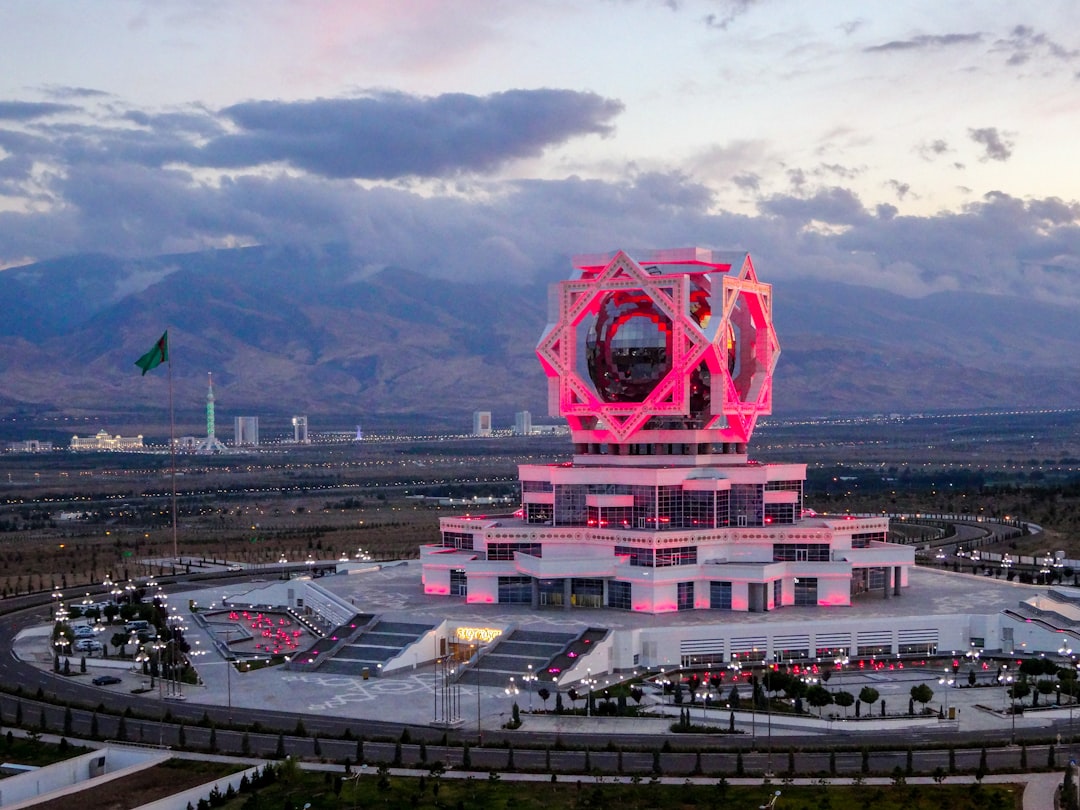
- Ashgabat White Marble City — Holds the Guinness record for most white marble-clad buildings in one city — the Soviet-meets-Vegas scale shocks every visitor.
- Ancient Merv (UNESCO) — Once the largest city on Earth circa 1150 AD, these Silk Road ruins near Mary span 4,000 years of civilisation.
Scroll down for our complete travel guide with tips on getting there, where to stay, costs and more.
Getting There & Transport
Which airports are the best entry points into Turkmenistan?
Ashgabat International Airport (ASB) is the only practical entry point for most visitors. In my experience, virtually all international flights route through ASB — it handles connections from Istanbul (Turkish Airlines), Frankfurt (Lufthansa codeshare), Moscow, Dubai, Beijing, and Almaty. There is technically a regional airport in Mary and one in Turkmenabat, but international arrivals to these are extremely rare and unreliable for tourists. My tip: Turkish Airlines offers the most frequent Western-accessible connections, with flight times from Istanbul of roughly 5 hours. What surprised me is how modern and empty ASB feels — it was rebuilt in 2016 at enormous cost and handles a fraction of its capacity. Book flights at least 8 weeks in advance as frequencies are low and seats fill fast on popular routes.
How do I get from Ashgabat airport to my first accommodation?
Take a licensed taxi from the official rank outside arrivals — the journey to central Ashgabat takes 20–30 minutes covering roughly 9 km. In my experience, agree the fare before you get in: expect to pay 30–50 Turkmenistani manat (TMT), roughly $8–14 USD at the official rate. There is no airport bus or metro connection. My warning — which most guides omit — is that unlicensed drivers will approach you inside the terminal offering lower prices, but accepting them can cause bureaucratic problems given the tight monitoring of foreign visitors in Turkmenistan. Your hotel, which must be registered with authorities, will often arrange pickup for $15–20 USD and I recommend this for a first-time visit. Have your visa support letter and hotel confirmation printed, not just on your phone — border officials expect paper.
What transport options are there within Turkmenistan?
Domestic flights, shared taxis, and private hired cars are the realistic options in Turkmenistan. Turkmenistan Airlines operates domestic routes connecting Ashgabat to Mary, Turkmenabat, Dasoguz, and Turkmenbashi for roughly $20–40 USD per sector — book through your tour operator. Shared taxis called marshrutkas run between cities but are slow: the Ashgabat to Mary route covers 350 km and takes 5–6 hours. In my experience, independent travellers are strongly advised to hire a private driver through their licensed tour operator — this costs roughly $80–120 USD per day including fuel and is the standard approach. Train services exist on the Ashgabat to Turkmenabat corridor but are painfully slow and rarely practical. What surprised me: the roads are actually excellent — the gas revenues fund pristine highways, but traffic police checkpoints are frequent.
Do I need a rental car in Turkmenistan?
No — and renting independently is effectively impossible for foreign tourists in Turkmenistan. In my experience, self-drive car rental for foreigners simply does not function as a normal commercial service here. Police checkpoints every 30–50 km require documentation that a solo renter cannot easily produce, and driving regulations are strictly enforced with heavy fines for infractions. My strong recommendation: hire a driver through your licensed tour operator for the entire trip. This costs roughly $80–120 USD per day for the vehicle and driver combined, which sounds steep but eliminates every logistical problem. The honest caveat most guides omit is that Turkmenistan legally requires most visitors to have an approved itinerary and guide anyway — so the car hire question is largely moot. Trying to self-drive here will likely end your trip early at a checkpoint.
How good is the public transport network between regions of Turkmenistan?
It is functional but deeply inconvenient for tourists in Turkmenistan. Intercity shared taxis (marshrutkas) depart from fixed points in each city — fares are cheap at roughly $3–8 USD per route but journey times are long and departure times unpredictable. The train from Ashgabat to Mary costs about $3 USD but takes over 8 hours for a 350 km journey. Domestic flights on Turkmenistan Airlines are faster but require booking through a tour operator. My honest warning: as a foreign visitor you will likely need a registered guide anyway under Turkmenistan visa conditions, which makes using public transport alone both legally grey and practically difficult. The Caspian ferry connecting Turkmenbashi port to Baku in Azerbaijan runs irregularly — wait times of 2–5 days are common, so never use it on a fixed schedule.
Accommodation
Which regions of Turkmenistan should I stay in?
Ashgabat is your essential base — it holds the best (and often only) hotels for foreigners and serves as the gateway to the Karakum Desert and the Darvaza crater. For ancient history, base yourself in or near Mary (for Merv UNESCO ruins, roughly 30 km from the city centre). Turkmenbashi on the Caspian coast suits those wanting to see the sea and the Awaza tourist zone, though this resort area feels oddly artificial. Dasoguz in the north gives access to the Konye-Urgench UNESCO site, one of Central Asia’s finest collections of medieval mausoleums. What surprised me: Dasoguz requires a separate permit even within Turkmenistan — arrange it in advance through your operator. I recommend an Ashgabat–Darvaza–Mary–Merv circuit as the core itinerary covering the country’s highlights.
What does good accommodation cost per night in Turkmenistan?
Expect to pay $80–150 USD per night for a reliable mid-range hotel in Ashgabat. The Oguzkent Hotel and Yyldyz Hotel in Ashgabat sit at the higher end around $120–180 USD, while guesthouses approved for foreign visitors run $50–80 USD. Outside Ashgabat, in Mary or Dasoguz, expect $40–70 USD for the limited foreigner-approved options. The honest trade-off most guides skip: cheaper unlicensed accommodation simply cannot legally register foreign guests — police do document checks, and your host faces serious consequences. Budget hostels as you know them from Central Asia do not exist here. Camping near Darvaza is technically free but must be arranged through a licensed operator who charges $30–50 USD for the night camping package including transport logistics.
When should I book hotels in Turkmenistan — how far in advance?
Book at least 8–10 weeks ahead for any travel to Turkmenistan. In my experience, the bottleneck is not hotel availability but the visa support letter (LOI) process — this takes 10–20 business days to arrange through a licensed Turkmenistan tour operator, and you cannot book meaningfully until the LOI is in motion. Hotels approved for foreign visitors are limited in number, and the Oguzkent and Grand Turkmen hotels in Ashgabat sell out during Nauryz (March 21) and the Neutrality Day celebrations (December 12) weeks up to 3 months in advance. My tip: engage a tour operator like Owadan Tourism or Turkmen Travel first — they handle LOI, hotel, and guide simultaneously. Trying to book hotels independently before securing your LOI wastes time and money.
When is the best time to travel to Turkmenistan?
April, May, September, and October are the best months — confirmed by climate data and my own experience visiting in spring. Temperatures in Ashgabat in April sit around a comfortable 22–26°C, while the desert is traversable without extreme heat risk. May is the last month before brutal summer heat begins. September and October bring cooler desert nights ideal for Darvaza crater camping, when the flames look most dramatic against a cold sky. The Karakum Desert in summer (June–August) regularly hits 45–50°C and is genuinely dangerous for extended outdoor activity. Winter (December–February) is cold — Ashgabat drops to 0–5°C — but manageable if you dress properly and visitor numbers are near zero, meaning you’ll have ancient Merv almost entirely to yourself.
How does peak season affect prices in Turkmenistan?
Peak season price increases are modest by global standards but notable in Turkmenistan’s limited market. Hotels in Ashgabat can charge 20–30% more during the spring shoulder season (April–May) and during state holiday weeks. The bigger impact of peak season is availability, not price — the 10–15 foreigner-approved hotels in the country genuinely fill up, and tour operator slots become scarce. In my experience, prices for private drivers and guides rise 15–25% in April and May as demand from organised tour groups peaks. What most guides omit: Turkmenistan has effectively no backpacker market, so the concept of off-peak budget travel barely applies — a solo traveller pays nearly as much in January as in May because fixed operator costs dominate your budget regardless of season.
Best Time to Visit
Which regions of Turkmenistan have different climate zones?
Turkmenistan covers 488,100 square kilometres with genuinely distinct climate zones. The Karakum Desert (central and eastern 80% of the country) is hyper-arid with scorching summers and cold winters. The Kopet Dag mountain range along the southern Iranian border (peaks reaching 2,940 metres) brings cooler temperatures and slightly more precipitation — Nohur village in these mountains is visibly greener than anywhere else in the country. The Caspian coast around Turkmenbashi has a moderating maritime influence, making summers slightly less extreme at 35–40°C versus the desert’s 45–50°C. The northern Dasoguz region (where Konye-Urgench is located) experiences harsh continental winters with genuine frost and occasional snow. In my experience, plan distinct clothing layers for each zone — the temperature swings between mountain and desert on the same day can be 15°C.
What are the rainy seasons in Turkmenistan?
Turkmenistan has no true rainy season — it is one of the world’s driest countries, receiving 80–150 mm of rain per year in most regions. What passes for a wet period is March to April, when the Kopet Dag foothills and parts of the south receive brief shower bursts. The Caspian coast sees slightly more precipitation in November and December. In my experience, you will likely not experience meaningful rain on a visit at any time of year in the central desert regions. The honest caveat: when rain does hit Ashgabat or desert tracks, it creates brief but surprisingly disruptive flash flood conditions — the hardpan soil absorbs nothing. My tip: if driving to Darvaza in spring, confirm road conditions with your operator after any rain event as the 200 km dirt track becomes impassable for 24–48 hours after even moderate rainfall.
What does a trip to Turkmenistan cost per person per day?
Budget $150–250 USD per person per day as a realistic all-in daily cost in Turkmenistan. This covers a foreigner-approved mid-range hotel ($60–100 USD), licensed guide/driver split between 2 people ($40–60 USD per person), meals ($15–25 USD), and entry fees. Solo travellers pay more — roughly $200–300 USD per day — because driver and guide costs are fixed regardless of group size. Organised group tours of 8–12 people can bring this down to $100–130 USD per day all-inclusive. What surprised me: the visa LOI fee itself adds roughly $50–80 USD to your trip budget as a one-time cost. Turkmenistan is not cheap despite being a poor country — the controlled tourism infrastructure inflates every cost. Budget backpacking here is structurally impossible, not just uncomfortable.
How expensive is food in Turkmenistan?
Food is genuinely affordable if you eat at local establishments in Turkmenistan. A full meal at a local chaikhana (tea house) costs $3–6 USD — plov (rice pilaf), shashlik, and bread with tea for that price. The central bazaar in Ashgabat (Gülistan Bazaar) has food stalls serving soup and bread for under $2 USD. Hotel restaurants catering to foreigners charge $15–30 USD per person for a sit-down dinner. In my experience, the food is hearty and genuinely good — Turkmen çarşamba çorbası (lamb soup) and gutap (stuffed flatbreads) are highlights. The honest warning: restaurant choice for foreigners is limited in smaller cities like Mary and Dasoguz, and your guide will often default to a handful of approved venues. Carry snacks for desert days as roadside food options between Ashgabat and Darvaza are essentially zero.
What hidden costs should I expect in Turkmenistan?
Several costs blindside first-time visitors to Turkmenistan. Photography permits for certain state buildings and monuments in Ashgabat cost $5–20 USD and are enforced — ignoring them creates serious problems. Site entry fees at Merv UNESCO ruins ($10–15 USD), Konye-Urgench ($5–10 USD), and the National Museum in Ashgabat ($5 USD) add up across a full itinerary. Your licensed tour operator will charge a 10–15% service fee on top of itemised costs — clarify this upfront. Border crossing fees if exiting to Iran or Uzbekistan cost $12–25 USD in processing charges. What surprised me: changing money back from Turkmenistani manat (TMT) to USD on departure is officially restricted — you will lose on any unspent manat. Spend it all on handicrafts or food before leaving.
Budget & Costs
How much cash should I bring to Turkmenistan?
Bring $500–800 USD in cash per week of travel in Turkmenistan — more if travelling solo. ATMs exist in Ashgabat at the Rysgal Bank and Senagat Bank branches near the city centre, but they frequently run out of local currency or malfunction for foreign cards. Outside Ashgabat, functioning ATMs for foreign visitors are effectively absent. The Turkmenistani manat (TMT) is the only accepted currency for daily transactions — exchange USD at official exchange bureaus in Ashgabat (current official rate: approximately 3.5 TMT per USD). My honest warning: a black-market rate exists at roughly double the official rate but using it is illegal and carries severe penalties — do not risk it. Carry small USD denominations for tipping guides and drivers, which is expected and appreciated at $5–10 USD per day.
Which credit cards are accepted in Turkmenistan?
Credit card acceptance in Turkmenistan is minimal and unreliable. Visa cards work at a handful of Ashgabat hotels (Oguzkent, Grand Turkmen) and occasionally at the Gülistan Bazaar’s larger vendors — but expect the terminal to fail 30–40% of the time. Mastercard is less reliably accepted than Visa. American Express and UnionPay are not practically useful. In my experience, treat Turkmenistan as a cash-only destination and any card acceptance as a bonus. ATM withdrawal limits at Rysgal Bank are typically 500 TMT per transaction (roughly $140 USD) with 2–3 transactions possible per day. The honest caveat most guides miss: your home bank will likely flag Turkmenistani ATM withdrawals as fraud — notify them before departure or your card will be blocked on the first transaction attempt.
Which regions of Turkmenistan must I not miss?
Three regions are non-negotiable in Turkmenistan. The Karakum Desert around Darvaza — the flaming gas crater alone justifies the entire trip. The Mary region, specifically the ancient Merv UNESCO site covering 1,200 hectares of ruins from one of history’s greatest Silk Road cities — the Sultan Sanjar Mausoleum (built 1157 AD) alone is jaw-dropping. Ashgabat itself cannot be skipped — the surreal white marble city with its golden statues, empty eight-lane boulevards, and eerie perfection is unlike any capital on Earth. If time allows, Konye-Urgench in the north adds the extraordinary Kutlug-Timur Minaret (the tallest minaret in Central Asia at 60 metres) and a UNESCO World Heritage designation. I consider Merv and Darvaza the two unmissable stops — choose between Ashgabat days and Konye-Urgench based on available time.
What are the tourist highlights of Turkmenistan?
The Darvaza Gas Crater is the headline — a 69-metre-wide pit of flames burning since at least 1971, most spectacular after dark and best experienced camping overnight beside it. Ancient Merv near Mary is a UNESCO World Heritage Site encompassing the ruins of what was briefly the world’s largest city around 1150 AD — the scale of the defensive walls and the pristine Sultan Sanjar Mausoleum is extraordinary. Ashgabat’s white marble cityscape holds the Guinness World Record for the highest density of white marble buildings and the bizarre Turkmenbashi gold rotating statue (now relocated but still viewable). Konye-Urgench contains Central Asia’s finest collection of Timurid and earlier mausoleums. The Nohur village in the Kopet Dag mountains offers a completely different, green Turkmenistan that most visitors never see — a worthwhile half-day from Ashgabat.
What experiences in Turkmenistan are found nowhere else on Earth?
Camping overnight beside the Darvaza Gas Crater is the single most unreplicable experience in Turkmenistan — standing at the rim of a 69-metre burning pit in absolute desert silence at 3 AM with the Milky Way overhead is genuinely found nowhere else. Walking the white marble avenues of Ashgabat at dawn when the city is completely empty — despite being a functional capital of over 1 million people — produces an eerie dissonance unlike any other capital city experience. Visiting Ancient Merv and standing alone in a 1,200-hectare ruined metropolis that once rivalled Cairo and Baghdad, with almost no other tourists present, is a privilege disappearing from most of the world. What surprised me most: buying a hand-knotted Turkmen carpet directly from weavers in Mary bazaar at prices ($100–400 USD) that represent a fraction of their Western retail value.
Regions & Highlights
Which areas of Turkmenistan are overcrowded — and what are quieter alternatives?
Overcrowding is essentially not a problem in Turkmenistan — but the Darvaza Gas Crater has become comparatively busy, with 10–20 overlapping tour groups possible on popular spring weekends, which diminishes the solitary desert experience. My tip: arrive on a Wednesday or Thursday night rather than Friday or Saturday when Ashgabat-based tours cluster. The Sultan Sanjar Mausoleum at Merv also sees most visitors between 10 AM and 2 PM — arrive at 8 AM when it opens and you will often have it entirely to yourself. Konye-Urgench in the north receives a fraction of Merv’s visitors and feels genuinely deserted. The Nohur mountain village (only 120 km from Ashgabat) sees almost no foreign tourists despite offering green gorges and traditional architecture — my top alternative for those wanting to escape even Turkmenistan’s modest tourist trail.
How many days do I need in Turkmenistan?
7–10 days covers Turkmenistan’s core highlights comfortably. A minimum viable itinerary of 5 days covers Ashgabat (2 days), a Darvaza overnight (1 night), and a Mary/Merv day (1–2 days) — this is the most common structure for first-time visitors. Adding Konye-Urgench requires 2 additional days including the flight or long drive north. The Caspian coast at Turkmenbashi adds another 1–2 days but is the least essential element for most travellers. In my experience, the transit visa (valid for 5 days only) is insufficient for a satisfying visit — push for a 10-day tourist visa through your operator. What most guides omit: factor 1 day of buffer for bureaucratic delays, vehicle breakdowns on desert tracks, or the Darvaza road becoming impassable after rain — Turkmenistan rewards flexible itineraries.
Do I need a visa for Turkmenistan?
Yes — almost certainly in Turkmenistan. Citizens of virtually every country require a visa, and the process requires a Letter of Invitation (LOI) from a licensed Turkmenistan tour operator or a local host. The LOI takes 10–20 business days and costs $50–80 USD through operators like Owadan Tourism. Once you have the LOI, a tourist visa costs $35–55 USD depending on nationality, valid for 10–30 days. A transit visa (5 days) is simpler to obtain. E-visa is technically available for 50+ nationalities through e-visa.gov.tm but the approval rate is inconsistent — I recommend the LOI route for certainty. The honest warning most guides omit: your hotel must register you with authorities within 24 hours of arrival — staying at unregistered accommodation (even with friends) is illegal and results in fines or deportation. Never skip this registration step.
What languages are spoken in Turkmenistan?
Turkmen is the official language and is spoken by approximately 72% of the population. Russian remains widely functional especially in Ashgabat among the older generation and in technical/business contexts — in my experience, Russian gets you much further than English throughout the country. English is spoken by a small number of younger Ashgabat residents and tourism professionals but cannot be relied upon outside organised tour contexts. In Mary and Dasoguz, English is essentially absent. My practical tip: download a Turkmen phrasebook on Google Translate offline before arrival — even attempting basic Turkmen greetings (“Salam” for hello, “Sag boluň” for thank you) generates genuine warmth. Your licensed guide will speak functional English by requirement. What surprised me: Uzbek is also spoken in border regions near Turkmenabat — a reminder of how blurred Central Asian linguistic boundaries actually are.
What cultural rules do I need to know before visiting Turkmenistan?
Follow these rules without exception in Turkmenistan. Do not photograph government buildings, military installations, the presidential palace, or police officers — this is enforced aggressively and your camera or phone can be confiscated. In my experience, always ask your guide before pointing a camera at anything official-looking. Dress modestly outside hotels — women should cover shoulders and knees particularly in bazaars and rural areas; men in shorts attract unwanted attention in traditional regions. Alcohol is technically legal but publicly drinking on streets is frowned upon — consume only in hotel bars. Do not discuss politics or the president even casually — Turkmenistan has one of the world’s most authoritarian governments and your guide faces real consequences for political conversations. The cultural caveat most guides omit: accepting tea and bread when offered in a home or chaikhana is not optional politeness — refusing is a genuine insult to Turkmen hospitality culture.
Practical Tips
How safe is Turkmenistan for tourists?
Turkmenistan is extremely safe from street crime — petty theft, muggings, and scams targeting tourists are essentially unheard of. In my experience walking Ashgabat at midnight, the city felt genuinely safer than any Western capital. The Karakum Desert roads are hazard-free with your licensed driver. The real risks are bureaucratic, not physical: failing to register at your hotel, photographing prohibited subjects, or deviating from your approved itinerary can result in deportation, fines, or detention. The Afghan border region (southeast) is a hard exclusion zone — stay well clear. Medical emergency response outside Ashgabat is extremely limited — the nearest serious hospital is in Ashgabat. My honest warning: Turkmenistan’s safety comes with a complete absence of civil freedoms — this is an authoritarian state with pervasive surveillance, and being aware of that context matters for how you navigate every interaction.
What health precautions should I take before visiting Turkmenistan?
See a travel health doctor 6–8 weeks before departure for Turkmenistan. Recommended vaccinations include Hepatitis A, Hepatitis B, Typhoid, and a Tetanus-Diphtheria booster — all verified by international travel medicine guidelines for Central Asia. Rabies pre-exposure vaccination is worth considering if you plan rural areas. In my experience, tap water in Ashgabat is technically treated but I never drank it — bottled water costs $0.50–1 USD per 1.5 litres and is universally available. The Karakum Desert heat (45–50°C in summer) is a serious physical risk — carry minimum 3 litres of water per person for desert days regardless of season. Heat exhaustion risk is real even in spring. No malaria risk exists in Turkmenistan. Travel health insurance covering emergency medical evacuation is essential — the nearest internationally certified hospitals are in Dubai or Istanbul, and evacuation costs without insurance can exceed $50,000 USD.
What SIM card or eSIM options are available in Turkmenistan?
Getting mobile connectivity in Turkmenistan requires buying a local SIM on arrival. Altyn Asyr (branded as Altyn) is the main mobile operator with the best coverage — buy a tourist SIM at their Ashgabat city centre branch for approximately $5–10 USD including 2–3 GB of data. You will need your passport and visa. Coverage in Ashgabat is solid 4G, but drops to 2G or no signal in the Karakum Desert including the Darvaza area. eSIMs are not compatible with Turkmenistan’s network infrastructure as of 2025 — do not rely on an eSIM. The honest warning: international roaming on your home SIM will not function in Turkmenistan as the networks are entirely isolated from international roaming agreements for most operators. VPNs are officially illegal in Turkmenistan, and while many tourists quietly use them, I am not in a position to recommend breaking local law — be aware of the risk.
Which apps do you recommend for travelling in Turkmenistan?
Download these before arrival — internet can be slow and app stores may be restricted inside Turkmenistan. Google Maps with Ashgabat downloaded offline is useful in the capital though rural coverage is poor. Maps.me handles offline Central Asian maps better than Google Maps for desert routes. Google Translate with Turkmen and Russian language packs downloaded offline is essential — the offline function works without internet. WhatsApp is usable for communication with your tour operator. XE Currency for tracking the official TMT/USD rate. In my experience, Telegram works reliably in Turkmenistan when WhatsApp stutters. The honest caveat: social media apps including Instagram and Facebook load slowly or inconsistently due to bandwidth throttling — do not plan to post in real-time. Download offline entertainment (films, podcasts, books on Kindle) for the long desert drives between Ashgabat and Darvaza (270 km each way).
What are the most common traveller mistakes in Turkmenistan?
The biggest mistakes I see repeatedly in Turkmenistan follow predictable patterns. Underestimating the LOI timeline — travellers book flights before securing their Letter of Invitation and then scramble when it takes 15+ business days; always get your LOI confirmed before purchasing airfare. Arriving without enough USD cash — assuming ATMs or card payments will bridge gaps leads to genuinely stressful situations outside Ashgabat. Photographing prohibited subjects — even experienced travellers accidentally photograph a government building from a bus window; always keep your camera stowed on city drives until your guide confirms it is safe. Over-scheduling desert days — the drive from Ashgabat to Darvaza takes 4–5 hours each way on rough tracks; tourists assume a day trip is comfortable when an overnight stay is essential. Changing money on the black market — the risk-to-reward ratio makes this a trip-ending mistake. My final tip: read your visa conditions carefully — some LOI-based visas restrict your movement to specific cities listed on application.
Turkmenistan at a Glance
| Population | 6,117,933 |
|---|---|
| Currency | Turkmenistan new manat (TMT) |
| Official language | Turkmen |
| Time zone | UTC+05:00 |
Source: Wikidata, retrieved August 2026.
Essential Resources for Planning Your Trip to Turkmenistan
- Turkmenistan International Travel Information — official visitor information, passes & events
- Wikipedia: Turkmenistan — history, geography & background
- Wikivoyage: Turkmenistan — community travel guide & practical tips
- Turkmenistan travel — expert itineraries & travel inspiration
- THE 15 BEST Things to Do in Turkmenistan (2026) — hotels, restaurants & traveller reviews
- Discovering Turkmenistan’s unique charm and culture as a … — how to get around
- Numbeo: Cost of Living in Turkmenistan — current prices & cost comparison
- Timeanddate: Turkmenistan Weather & Climate — forecasts & climate statistics
More Perspectives on Turkmenistan
- A Travel Guide to Turkmenistan
- Turkmenistan. 2026 Travel guide – Independently explore …
- How I visited Turkmenistan, one of the least …
Turkmenistan Travel Videos
Watch these videos for a visual preview before your trip:
- 10 Best Places To Visit In Turkmenistan, Turkmenistan Travel Guide
- Spending 3 Days in World’s Strangest City (Ashgabat)
- First Impressions of Ashgabat, Turkmenistan (World’s Strangest City)
Turkmenistan Travel Discussions on Reddit
Real traveller experiences and community advice:
- In case you ever wondered about Turkmenistan. : r/travel
- Just got back from Turkmenistan : r/travel
- Travel to Turkmenistan : r/AskCentralAsia
Data Sources
This page was compiled using data from Wikipedia, Wikidata, Open-Meteo (climate), Numbeo (cost of living) and REST Countries. Information is updated regularly.