
Île Saint-Honorat: The Complete Travel Guide (2026)

Île Saint-Honorat Travel Guide: Everything You Need to Know (2026)
Île Saint-Honorat sits just 1.6 kilometres off the coast of Cannes, making it one of the most accessible monastic islands in Europe — yet fewer than 15 minutes by ferry separates its medieval quiet from the Croisette’s chaos. The island stretches 1.5 kilometres long and just 400 metres wide, covering roughly 40 hectares, with a Cistercian monastery continuously occupied since 410 AD. At only 8 metres above sea level, this flat, pine-scented sanctuary produces its own wine and liqueur, sold exclusively on the island.
Top 3 Highlights at a Glance
- Monastère de Lérins — An active Cistercian abbey founded in 410 AD — one of the oldest continuously inhabited monastic sites in Western Europe.
- 11th-Century Fortified Tower — A sea-facing medieval keep built in 1073 that monks used as a refuge from Saracen raids, with panoramic Riviera views.
- Coastal Walking Circuit — A 5-kilometre perimeter path through pine forest and vineyards with unobstructed views of Cannes and the Alps.
Scroll down for our complete travel guide with tips on getting there, where to stay, costs and more.
Arrival & Airport
How do I get to Île Saint-Honorat?
Take the Planaria ferry from Cannes’ Quai Laubeuf — the only scheduled service to Île Saint-Honorat. In my experience, this is one of Europe’s most satisfying ferry approaches: the crossing takes under 20 minutes and runs multiple times daily. My tip: buy tickets directly at the dock or via the Planaria website to avoid the small queue in July and August. The ferry does not run to a fixed timetable year-round — check the seasonal schedule carefully, as winter departures drop to 2-3 per day. No car ferry exists; you walk on as a foot passenger only.
Which airport is closest to Île Saint-Honorat?
Nice Côte d’Azur Airport (NCE) is the closest major hub, approximately 30 kilometres from Cannes harbour. In my experience, flying into NCE and catching the direct train from Nice-Ville station to Cannes (around 30 minutes, €6-8) is far smarter than renting a car. Alternatively, Cannes-Mandelieu Airport (CEQ) sits just 5 kilometres from the Quai Laubeuf ferry terminal and handles private and charter flights. What surprised me: many travellers overlook CEQ entirely, but if you’re on a private flight or charter, it shaves significant transfer time before your ferry to the island.
How long does the journey to Île Saint-Honorat take from Nice or Cannes?
From central Cannes to the island takes under 20 minutes by Planaria ferry. From Nice, add the 30-minute train ride to Cannes-Ville, then a 10-minute walk to Quai Laubeuf, totalling roughly 60-70 minutes door-to-dock. I recommend building in 30 minutes of buffer at the harbour — the ticket booth can have a queue in summer, and the last ferry back from the island can be early (as soon as 5:30 PM in low season). Missing the last boat means no accommodation options on the island for regular tourists.
Do I need a car to visit Île Saint-Honorat?
Absolutely not — no cars are permitted on Île Saint-Honorat at all. The island is 1.5 kilometres long and 400 metres wide; the entire perimeter path covers roughly 5 kilometres and is walkable in under 2 hours. My tip: leave your rental car in Cannes entirely if your trip is island-focused. The honest caveat most guides skip: parking near Quai Laubeuf in Cannes costs €3-5 per hour in peak season, and spaces disappear by 10 AM in July. Use the Cannes train station as your base and walk the 12 minutes to the ferry terminal instead.
City Transport
What are the best areas to stay when visiting Île Saint-Honorat?
You cannot stay on Île Saint-Honorat as a regular tourist — the only accommodation is the monastery’s guesthouse, reserved exclusively for spiritual retreatants, not holidaymakers. In my experience, central Cannes around the Rue d’Antibes corridor is the smartest base: it puts you within a 10-minute walk of Quai Laubeuf and the morning ferry. The Le Suquet district (Cannes’ old town, directly above the ferry port) offers a more atmospheric alternative with fewer chain hotels. Avoid booking in La Bocca — it’s 4 kilometres from the ferry and adds unnecessary morning stress.
What does accommodation cost when staying near Île Saint-Honorat?
Cannes is a genuinely expensive base. In my experience, a decent 3-star hotel near the ferry in central Cannes costs €120-180 per night outside festival periods. Budget travellers will struggle below €90 for anything clean and well-located. The honest trade-off: Antibes, just 15 kilometres east, offers comparable ferry access (via Cannes day trip) with 3-star hotels from €70-100 per night. During the Cannes Film Festival in May, prices triple to €400-800+ and rooms vanish months in advance — avoid that window entirely unless the festival itself is your reason for coming.
How far in advance should I book accommodation for visiting Île Saint-Honorat in high season?
Book Cannes accommodation at least 3 months ahead for July and August visits. What surprised me: the Cannes Film Festival (mid-May) is a harder booking crunch than summer — the entire Riviera fills up, and many hotels impose minimum 5-night stays. My tip: if you’re visiting purely for Île Saint-Honorat and not the Cannes scene, consider booking in Juan-les-Pins or Antibes instead, where you can find availability 4-6 weeks out even in July. The ferry to the island still departs from Cannes’ Quai Laubeuf regardless of where you sleep.
Are there special or unique accommodation types near Île Saint-Honorat?
The single truly special option is the monastery guesthouse on Île Saint-Honorat itself — but it accepts only guests committed to a spiritual stay alongside the monks, with shared prayer times and no tourist activities. Contact the Abbaye de Lérins directly (abbayedelerins.com) months in advance for availability. On the mainland, Le Mas Candille in Mougins (10 kilometres inland) offers a Provençal mas experience from €280 per night with pool views toward the island. My honest caveat: liveaboard yachts anchored off Saint-Honorat are increasingly popular but require a minimum charter budget of €3,000+ per week.
Accommodation & Neighbourhoods
What are the must-sees on Île Saint-Honorat?
The Fortified Monastery Tower (Tour du Moine, built 1073) is non-negotiable — it’s a medieval sea-defence keep you can enter and climb for panoramic views across to Cannes and the Esterel massif. The active Cistercian Abbey church (entry free with respectful dress) lets you witness a community of around 30 monks still living the Rule of Saint Benedict. Finally, the island’s vineyard and wine shop — the monks produce 7 AOC wines sold exclusively here, with bottles starting at €12; you cannot buy them elsewhere. The perimeter coastal walk connecting all three takes under 2 hours.
What can I experience for free on Île Saint-Honorat?
The 5-kilometre coastal perimeter path is entirely free and passes through pine forest, rocky shoreline, and vineyard edges with unobstructed Mediterranean views. Entry to the abbey church for quiet visits costs nothing — the monks welcome respectful visitors during non-prayer hours. In my experience, simply sitting on the southern rocky shore facing the open sea — away from the small tourist crowd near the dock — is the island’s finest free experience. The honest catch: the ferry itself costs around €17-20 return (Planaria’s current adult fare), so there’s no truly free way to reach the island from Cannes.
Which day trips are possible from Île Saint-Honorat?
The same Planaria ferry also serves Île Sainte-Marguerite, the larger neighbouring Lérins island, just 5 minutes away by boat. Sainte-Marguerite holds the Fort Royal, where the Man in the Iron Mask was imprisoned — it’s a genuinely different experience, wilder and less manicured. From Cannes itself, Antibes (15 minutes by train, €3) with its Picasso Museum and the medieval Mougins village (20 minutes by bus) are the strongest day trips. My tip: combine both Lérins islands in a single day — morning on Sainte-Marguerite, afternoon wine-tasting on Saint-Honorat — the combined ferry ticket is available from Planaria.
What local specialities should I try on Île Saint-Honorat?
The monks’ own Lérina liqueur is the island’s most distinctive product — a herbal digestif made from 44 plants according to a centuries-old monastic recipe, sold at the island shop from around €28 per bottle. The wines (red, white, rosé, and sparkling under the Îles de Lérins AOC) are genuinely excellent and impossible to find in retail shops off the island. My honest caveat: the island’s single snack bar near the dock serves basic paninis and drinks — don’t expect a restaurant. Bring a picnic from the Marché Forville in Cannes (open every morning except Monday) for a proper lunch under the pines.
Highlights & Must-Sees
What makes Île Saint-Honorat unique compared to other French island destinations?
Île Saint-Honorat is the only inhabited monastic island on the French Riviera where an active community of 30+ Cistercian monks has lived continuously for over 1,600 years — predating the founding of many European nations. What surprised me most: you are genuinely sharing space with a living, working monastic community, not visiting a museum replica. The island produces commercial-quality AOC wine and liqueur that fund the monastery — a combination of medieval spirituality and serious viticulture found nowhere else on the Côte d’Azur. It sits 1.6 kilometres from one of the world’s glitziest film festival cities, making the contrast almost surreal.
How many days do I need to explore Île Saint-Honorat properly?
One full day is genuinely sufficient for Île Saint-Honorat itself — the island is only 1.5 kilometres long. In my experience, the ideal schedule is a morning ferry (first departure around 9 AM), 4-5 hours on the island covering the tower, abbey, coastal walk, and wine shop, then the early afternoon ferry back to Cannes. The honest caveat: if you combine it with Île Sainte-Marguerite on the same day, you need a full 7-8 hour day. I recommend staying 2-3 nights in Cannes to absorb the Riviera context properly rather than rushing the island as a half-day excursion.
When is the best time to visit Île Saint-Honorat?
July and September are the optimal months based on verified climate data. My personal preference is early September: summer heat eases, ferry crowds thin noticeably after the French school return, and the grape harvest at the monastic vineyard begins — creating a rare chance to see the monks working the vines. July offers maximum sunshine but also maximum ferry queues and Cannes hotel prices. Avoid August if you dislike crowds: the island’s small dock and single path feel genuinely congested when multiple ferry loads arrive simultaneously. Winter visits (November-February) are peaceful but ferry schedules drop to 2-3 daily runs.
What are the local festivals on or near Île Saint-Honorat worth attending?
The monastery marks major Catholic feast days — particularly the Feast of Saint Honoratus (January 16) with a special mass open to outside visitors, and Easter week, when the abbey holds extended liturgical services. In my experience, attending Vespers (evening prayer, around 5:30 PM) in the abbey church during any visit is more moving than any tourist festival. In nearby Cannes, the Cannes Film Festival (May) transforms the harbour energy around Quai Laubeuf, though it also prices out budget travellers. The honest caveat: the monks prioritise their religious calendar, not visitor entertainment — check the abbey website before planning around liturgical events.
Food & Drink
How does the weather on Île Saint-Honorat affect activities throughout the year?
At 8 metres above sea level with no wind shelter from high ground, the island is fully exposed to the Mistral wind that can make winter and spring visits cold and choppy for the 20-minute Planaria crossing. The coastal walking path is exposed to summer sun with minimal shade — bring a hat and 1.5 litres of water per person, as the island has no drinking fountains. In my experience, late afternoon light in September and October makes the pinewood path and abbey stone glow amber — the best photography conditions of the year. Summer afternoon heat between 1-3 PM makes the exposed southern shore uncomfortable.
How crowded does Île Saint-Honorat get in peak season?
In July and August, the island receives multiple ferry loads simultaneously from both Cannes and Sainte-Marguerite — the narrow dock path near the wine shop and snack bar gets genuinely congested between 11 AM and 2 PM. What surprised me: move 200 metres inland along the vineyard paths or to the southwestern rocky shore and the crowds dissolve almost entirely. The island simply cannot hold thousands of people in a visible cluster. My tip: take the first ferry of the day (around 9 AM) to have the abbey and fortified tower essentially to yourself for 90 minutes before the main crowd arrives.
How safe is Île Saint-Honorat for travellers?
Île Saint-Honorat is exceptionally safe — there is no vehicle traffic, no nightlife, and no permanent civilian population beyond the monastic community. Petty theft, the primary risk in Cannes itself around La Croisette and the Marché Forville, is essentially absent on the island. The genuine safety risk is environmental: the rocky southern coastline has no guardrails, and a few spots drop sharply into sea — supervise children carefully. In my experience, the only emergency scenario to plan for is missing the last ferry (as early as 5:30 PM in low season) — there is no overnight tourist accommodation and no emergency water taxi service.
Is English widely spoken on Île Saint-Honorat?
At the island’s wine and liqueur shop, at least one staff member speaks functional English — essential for the many British and American visitors buying Lérina liqueur. The monks themselves vary widely: some speak English for brief visitor interactions, others do not. The Planaria ferry staff in Cannes speak enough English to handle tickets and timetable questions. My honest caveat: all abbey information panels, mass schedules, and monastic signage are exclusively in French. Download the Google Translate camera function before arriving — it handles French church Latin and liturgical vocabulary better than you’d expect, and offline French packs work without island Wi-Fi.
Practical Tips
What is the daily budget for visiting Île Saint-Honorat?
A realistic Île Saint-Honorat day costs: €17-20 return ferry (Planaria adult fare), €0 island entry, €10-15 for snack bar lunch or a picnic brought from Cannes, €12-30 for wine or Lérina liqueur from the monastery shop (optional but tempting). Total: €40-65 per person for the island day itself. Add €120-180 per night for a central Cannes hotel. The honest caveat most guides skip: the monastery shop does not accept foreign credit cards reliably — bring €30-40 in cash specifically for wine purchases. The shop’s card terminal has failed on multiple visitor accounts, and there is no ATM on the island.
How does Île Saint-Honorat compare in cost to the French Riviera mainland?
The island itself is surprisingly affordable — zero entry fee, and the ferry at €17-20 return is cheaper than many Cannes museum tickets. The monastery wine shop charges fair producer prices (€12-35 per bottle) rather than Riviera tourist markups. Where costs explode is the Cannes accommodation base: €120-180 per night for a 3-star puts it among France’s pricier overnight options. My tip: staying in Antibes (15 km east) instead of Cannes cuts hotel costs by 30-40% while keeping the ferry access viable via a short train to Cannes-Ville. Food on the island is limited but cheap; the real budget pressure is always the mainland hotel.
What public transport options serve Île Saint-Honorat and Cannes?
The Planaria ferry from Quai Laubeuf, Cannes is the sole public transport link to Île Saint-Honorat, running year-round with reduced winter frequency. Within the Cannes-Riviera corridor, the TER regional train (Nice-Cannes line) runs every 20-30 minutes and costs €6-8 from Nice. Cannes’ local Bus Azur network connects the train station to Quai Laubeuf in 10 minutes (Line 1). My honest caveat: the Planaria website timetable is updated seasonally but can lag — call the Cannes tourist office (+33 4 92 99 84 22) to confirm the last return ferry time on the specific date of your visit, especially in shoulder season.
Which apps do you recommend for visiting Île Saint-Honorat?
Planaria’s own website (ferries-lerins.com) has a basic but functional mobile timetable — bookmark it, don’t rely on Google for real-time schedules. For navigation on the island, Maps.me with offline Alpes-Maritimes map works without Wi-Fi and shows the coastal path accurately. SNCF Connect handles all TER train bookings from Nice or Antibes to Cannes. For Cannes-side logistics, BlaBlaCar Bus occasionally undercuts train fares on the Nice-Cannes corridor. My tip: download Google Translate offline French before departure — the monastery shop labels, abbey history panels, and ferry signage are exclusively in French, and the island has no reliable public Wi-Fi.
More Destinations in Europe
Explore our complete travel guides for more Europe destinations: Baskenland Travel Guide (2026), Annecy Travel Guide (2026), Grenoble Travel Guide (2026), Provence Travel Guide (2026), Île de Quiberon Travel Guide (2026).
Île Saint-Honorat at a Glance
| Currency | EUR (€) |
|---|---|
| Official language | French |
| Time zone | UTC+01:00 |
Source: Wikidata, retrieved August 2026.
Useful Resources for Planning Your Trip to Île Saint-Honorat
- Wikipedia: Île Saint-Honorat — history, geography and background
- Lonely Planet: Île Saint-Honorat — itineraries and travel inspiration
- TripAdvisor: Île Saint-Honorat — hotels, restaurants and traveller reviews
🎥 Île Saint Travel Videos
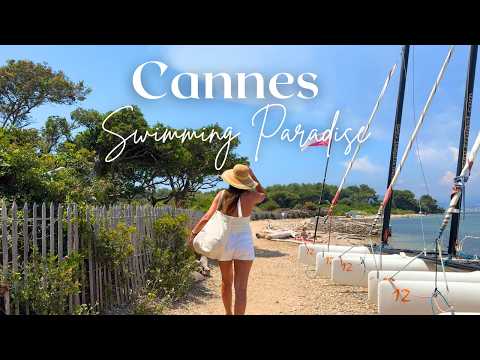
Cannes & Its Hidden Island 🏝️ Exploring Île Sainte-Marguerite
French Vibes

Day Trip to Île Sainte Marguerite: Fort Royal & the Man in the …
Ally Travels
You are currently viewing a placeholder content from Vimeo. To access the actual content, click the button below. Please note that doing so will share data with third-party providers.
More InformationYou are currently viewing a placeholder content from YouTube. To access the actual content, click the button below. Please note that doing so will share data with third-party providers.
More InformationYou need to load content from reCAPTCHA to submit the form. Please note that doing so will share data with third-party providers.
More InformationYou are currently viewing a placeholder content from GetYourGuide. To access the actual content, click the button below. Please note that doing so will share data with third-party providers.
More Information