
Provence: The Complete Travel Guide (2026)
Last reviewed: October 2026 · key facts checked against Wikidata
Provence Travel Guide: Everything You Need to Know (2026)
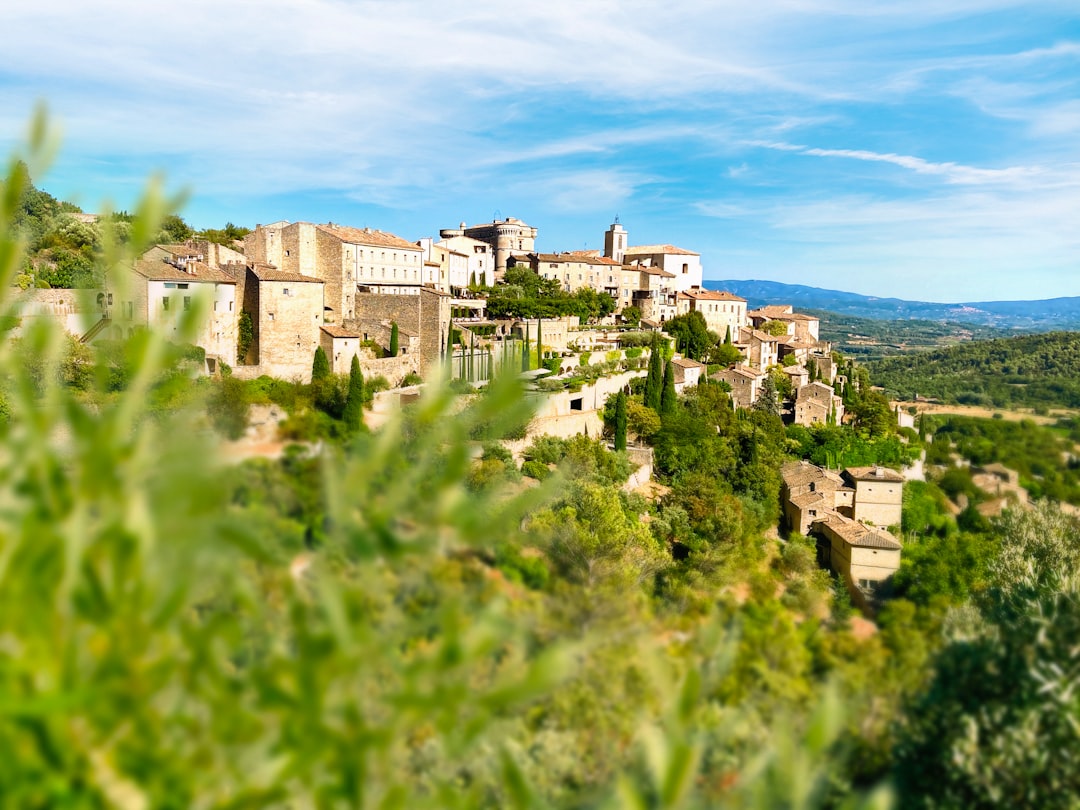
Provence stretches across southeastern France from the Rhône River to the Italian border, covering roughly 31,400 km² at elevations ranging from sea level to the 3,143-meter summit of Mont Ventoux. Founded as a Roman province — Provincia Romana — around 120 BC, it became one of France’s first organized territories outside Italy. Today it draws over 30 million visitors annually, making it one of Europe’s most visited regions.
Top 3 Highlights at a Glance
- Lavender Fields of the Valensole Plateau — Peak bloom hits late June to mid-July, painting 20,000 hectares in violet — nowhere in France matches this scale.
- Les Baux-de-Provence & Carrières de Lumières — An immersive digital art show projects onto 7,000 m² of limestone cave walls inside a former quarry.
- Gorges du Verdon — Europe’s deepest canyon drops 700 meters and stretches 25 km — kayaking its turquoise river is genuinely world-class.
Scroll down for our complete travel guide with tips on getting there, where to stay, costs and more.
Getting There
How do I best reach Provence?
Fly into Marseille Provence Airport (MRS), then take the train, bus, or rental car. In my experience, the TGV high-speed train from Paris to Marseille or Avignon TGV station is the fastest and most comfortable option at 3 hours from Paris Gare de Lyon — fares start at €29 if booked 90 days out. The caveat most guides skip: Avignon TGV station sits 4 km outside the historic centre with no direct shuttle, so budget for a €15 taxi on top. Eurostar from London to Avignon runs seasonally in 6 hours and is genuinely underused.
Which airport is closest to Provence?
Marseille Provence Airport (MRS) is the primary gateway, located 27 km northwest of Marseille city centre. My tip: a direct shuttle bus, the Navette Aéroport, runs to Marseille Saint-Charles station in 25 minutes for €10. Nice Côte d’Azur Airport (NCE) is the second option, excellent for eastern Provence and the Luberon, roughly 180 km from Aix-en-Provence by road. The honest trade-off: NCE has far more international connections but positions you on the wrong side of the region if you plan to explore the Rhône Valley or Camargue.
How long is the journey from Paris to Provence?
By TGV, Paris to Marseille takes exactly 3 hours 5 minutes at top speed. In my experience, the Paris Gare de Lyon to Avignon TGV run at 2 hours 38 minutes is the fastest intercity journey to the heart of Provence. Driving the A7 Autoroute du Soleil from Paris covers 750 km and takes 6–7 hours without stops — plus €50–€60 in tolls. What surprised me: the train is cheaper than fuel plus tolls for solo travellers, but if you’re a group of 4, driving beats the train economically. The train wins on comfort every time.
Are there direct bus connections to Provence?
Yes, FlixBus and BlaBlaBus run direct coaches from Paris Bercy Seine to Marseille and Aix-en-Provence for as little as €9 booked in advance. Journey time is 7–8 hours — not fast, but genuinely budget-friendly. Isilines connects Lyon to Avignon in 2.5 hours for around €15. The honest caveat: regional bus connections within Provence are patchy outside major towns. The LER network (Lignes Express Régionales) covers Aix, Arles, Avignon and Marseille reliably, but villages in the Luberon or Var require a car or taxi for the last leg.
Is a rental car necessary in Provence?
For most of Provence, yes — a rental car transforms the trip. The lavender fields of Valensole, the hilltop villages of Les Alpilles, and the Gorges du Verdon are simply inaccessible without one. I recommend picking up a car at Marseille Airport where rates start at €35/day for a small car in shoulder season. The trade-off: parking in Avignon’s old town during July costs €20/day and jams are brutal on the D901 near Gordes at weekends. My tip: park outside the historic centres and walk — every medieval village has a free car park within 500 meters of the walls.
Accommodation
Which towns make good bases in Provence?
Aix-en-Provence is my top base — central, walkable, with a TGV station and excellent restaurant scene on Cours Mirabeau. Avignon suits first-timers perfectly: the Palais des Papes is on your doorstep, and day trips to Les Baux, the Camargue, and Orange are all under 45 minutes by car. For the Verdon area, base in Moustiers-Sainte-Marie — a genuinely beautiful village with real character. The honest caveat: Gordes is stunning but overpriced and clogged with tour buses by 10am; use it as a day trip destination, not a base.
Where should I stay in Provence?
In my experience, a mas — a traditional Provençal farmhouse — delivers an authenticity that hotels can’t match. Platforms like Gîtes de France list certified mas properties across the Luberon and Alpilles from €120/night. For city comfort, Aix-en-Provence’s Mazarin neighbourhood has boutique hotels within walking distance of everything. Budget travellers do well at Avignon’s city-centre hostels around €35/night for a private room. What most guides omit: booking through local agencies like Provence Holidays often undercuts Booking.com by 10–15% and includes local knowledge you won’t find in any algorithm.
What does accommodation cost in Provence?
Budget hostels start at €25–€35/night in Marseille and Avignon. A solid mid-range hotel in Aix-en-Provence runs €90–€140/night. A traditional mas in the Luberon costs €150–€250/night for two in peak season. The honest trade-off: the most photogenic villages — Gordes, Les Baux, Ménerbes — charge a 20–30% premium purely for location. My tip: staying in Apt or Pertuis instead of Gordes cuts accommodation costs in half while keeping you within 20 minutes of all the Luberon highlights. Camping at Camping Forcalquier runs €22/night for a pitch with utilities.
How far in advance should I book accommodation in Provence?
For July and August, book at least 4–5 months ahead — full stop. The Festival d’Avignon runs the entire month of July and fills every hotel within 30 km of the city walls. In my experience, waiting until May for an August stay in Gordes or Roussillon means paying 40% above standard rates for whatever’s left. Shoulder season — April, May, September, October — allows 4–6 weeks’ notice comfortably. What surprised me: Christmas markets in Aix-en-Provence (late November–December) fill boutique hotels by mid-October, so that period requires earlier booking than most travellers expect.
When is the best time to visit Provence?
Based on verified climate data, July, August, and September are the best travel months. My personal preference is late June to early July for the lavender bloom on the Valensole Plateau combined with tolerable temperatures around 28°C. September is arguably the finest month overall: the crowds thin noticeably after August 15th, the light turns golden, and the vendange (grape harvest) begins in the Châteauneuf-du-Pape and Côtes de Provence vineyards. The honest caveat: August in Marseille or Arles can hit 38°C with oppressive humidity — budget extra for air-conditioned accommodation if you’re travelling mid-summer.
Best Time to Visit
How does the weather in Provence affect activities?
The mistral wind is the single biggest weather factor most visitors don’t account for — it blows cold and fierce down the Rhône Valley at speeds up to 90 km/h, particularly in March, April, and November. In my experience, the mistral can make outdoor dining in Avignon miserable even on sunny spring days. Summer heat above 35°C closes hiking trails in the Luberon by 11am — start any walk before 8am. The Gorges du Verdon kayaking season runs reliably from May to September, with July and August offering water temperatures of 22°C. Always check météo.fr the night before any outdoor excursion.
Are there local festivals in Provence worth attending?
The Festival d’Avignon (entire July) is a world-class theatre festival with 1,500+ performances across 45 venues — the largest performing arts festival in Europe. Les Rencontres d’Arles photography festival runs July through September with exhibitions across the Roman city. The Fête de la Lavande in Digne-les-Bains happens the first weekend of August and is genuinely local rather than tourist-manufactured. What most guides miss: the Feria de Pâques in Arles (Easter weekend) draws 100,000 visitors for bullfighting and flamenco — book accommodation 6 months ahead if you want to attend, and be aware bullfighting is culturally divisive.
When does Provence get crowded?
July and August are brutally crowded, particularly in Gordes, Les Baux, Roussillon, and Aix-en-Provence. The D900 road through the Luberon becomes a car park on Sunday afternoons in August — I’ve sat in 45-minute stationary traffic between Apt and Bonnieux. Avignon in July during the festival is a genuinely different animal: the city’s 94,000 residents triple in population overnight. The sweet spot is late September to early October — lavender is gone but wine harvest events, near-empty village streets, and temperatures of 22–25°C make for the most relaxed visit. Even Easter weekend now sees serious crowding in the Alpilles.
What does a daily budget cost in Provence?
Budget travellers spending nights in hostels and eating at markets can manage on €60–€75/day. A comfortable mid-range day — decent hotel, two restaurant meals, a museum and petrol — runs €130–€180/person. Luxury travellers staying in a Relais & Châteaux property with wine tastings should budget €400+/day. In my experience, the biggest daily variable is wine: a bottle of Côtes de Provence rosé in a restaurant costs €22–€35, while the same bottle from a Cave Coopérative winery costs €6–€9. My tip: buy wine direct from producers in Bandol or Gigondas — quality is higher and prices are roughly 40% lower than restaurant markups.
Is Provence cheaper or more expensive than other French regions?
Provence is notably more expensive than Brittany, the Dordogne, or Burgundy for accommodation — expect to pay 25–35% more for equivalent hotels. Food costs are comparable to the national average, but tourist-facing restaurants in Les Baux or Saint-Rémy-de-Provence charge Paris prices for three-course menus at €45–€65/person. The honest trade-off: the Marseille neighbourhood of Noailles has some of the best cheap food in France — a full North African lunch for €8 is genuinely better than many €40 Provençal tourist menus. Petrol is roughly the same as national French rates, around €1.75/litre for unleaded in 2026.
Budget
What free highlights are there in Provence?
In my experience, Provence’s best free experiences beat most paid attractions. Walking the Ochre Trail (Sentier des Ocres) in Roussillon — now €3 entry but worth every cent — offers the most vivid natural colour in France. The Pont du Gard Roman aqueduct exterior is visible for free from the riverbank; only the museum costs €9.50. Arles’ Roman amphitheatre exterior and the Place du Forum (think Van Gogh’s ‘Café Terrace at Night’) are free to walk. The Camargue flamingo viewing near Salin-de-Giraud on the D36 road costs nothing and guarantees 1,000+ flamingos from April to September.
What do local specialities cost in Provence?
A bowl of bouillabaisse (Marseille’s iconic fish stew) costs €35–€55 at a legitimate restaurant on the Vieux-Port — anything cheaper isn’t the real dish. Tapenade from a market stall in Aix-en-Provence’s Marché de la Place Richelme runs €8–€12 per 200g jar. A proper socca flatbread in Nice (eastern Provence) costs €3–€4. My honest warning: the aioli and daube tourist menus near Les Baux charge €35+ for food that a local auberge in Maussane-les-Alpilles serves for €18. Always walk one street back from the main square for a 30–40% price drop on identical quality food.
Which route do you recommend for 5–7 days in Provence?
Day 1: Arrive Marseille, walk the Vieux-Port, eat bouillabaisse at Chez Fonfon. Day 2: Aix-en-Provence — markets, Atelier Cézanne, Cours Mirabeau lunch. Day 3: Arles — Roman arena, Fondation Vincent van Gogh, evening in Place du Forum. Day 4: Les Baux-de-Provence and Carrières de Lumières morning, then drive to Avignon for the Palais des Papes. Day 5: Luberon loop — Gordes, Roussillon ochre trail, Bonnieux market (Friday). Days 6–7: Verdon Gorge — kayak the Point Sublime route (25 km, full day), overnight in Moustiers-Sainte-Marie. This circuit is 580 km total and needs a rental car.
What are the must-see sights in Provence?
The Palais des Papes in Avignon — the largest Gothic palace ever built at 15,000 m² — is genuinely unmissable. The Roman Theatre of Orange has the best-preserved stage wall in the world at 103 meters wide. The Pont du Gard, a 3-tiered Roman aqueduct standing 49 meters tall, is one of France’s top 3 most-visited monuments. In my experience, Roussillon’s ochre cliffs at golden hour (7pm in summer) are among the most photogenic 30 minutes you’ll spend anywhere in Europe. The Abbaye de Sénanque photographed against lavender fields in July is overrun by 9am — arrive at 7am for solitude.
What natural highlights does Provence offer?
The Gorges du Verdon is Europe’s answer to the Grand Canyon — 25 km long, 700 meters deep — and the turquoise water is extraordinary. The Camargue natural park covers 930 km² of wetlands hosting 400 bird species, including 10,000+ flamingos. Mont Ventoux at 1,912 meters is the iconic cycling climb — 21 km at 7.5% average gradient from Bédoin — and the view from the summit covers the Alps, Pyrenees, and Mediterranean on a clear day. What surprised me: the Calanques National Park between Marseille and Cassis — sheer white limestone cliffs dropping into turquoise water — rivals the Amalfi Coast and most visitors don’t know it exists.
Routes & Highlights
What local specialities should I try in Provence?
Bouillabaisse is the non-negotiable, but eat it only in Marseille at places displaying the official Charte de la Bouillabaisse certificate — Chez Fonfon on the Vallon des Auffes is my benchmark. Tapenade, anchoïade, and brandade de morue are the triumvirate of Provençal spreads — order them as a starter anywhere. AOC Miel de Provence lavender honey from Château du Bois near Lagarde d’Apt is world-class at €12 per 250g. In my experience, the most underrated dish is pieds et paquets — lamb tripe and trotters cooked in white wine, deeply Marseillais and almost never on tourist menus — find it at Le Café des Épices for around €18.
What activities are available in Provence?
Kayaking the Gorges du Verdon (half-day from €35, booked through Aboard Rafting in Castellane) tops my list. Cycling the Luberon loop — a 236 km signed circuit passing Apt, Bonnieux and Lourmarin — is doable in 4 days on an e-bike hired from Provence Bike in Avignon for €45/day. Wine tasting in Châteauneuf-du-Pape at estates like Château Rayas (book months ahead) or simply walk-in at Château La Nerthe for €15 tastings. Rock climbing in the Calanques near Cassis offers 500+ routes from beginner to elite. Truffle hunting with a licensed guide in Richerenches from November to February costs €80–€120/person.
What distinguishes Provence from other French regions?
Three things make Provence genuinely unlike anywhere else in France. First, the light — Cézanne painted Montagne Sainte-Victoire 87 times because the quality of Provençal light is objectively different, something to do with the mistral clearing the atmosphere. Second, the Roman density — within 100 km of Avignon you have 4 UNESCO Roman sites (Pont du Gard, Orange, Arles, Glanum) that rival Rome itself. Third, lavender agriculture: the Valensole Plateau grows 85% of France’s commercial lavender and nothing prepares you for the scale of it in person. The honest trade-off: Provence trades on this image relentlessly, making commercialisation a real issue in tourist hotspots.
Which day trips are possible from Provence’s main bases?
From Avignon: Les Baux-de-Provence is 30 km/35 minutes, Arles is 37 km/40 minutes, Orange is 31 km/30 minutes — all perfect half-day trips. From Aix-en-Provence: Marseille Calanques by boat from Cassis (boats depart hourly, €18 return, 30-minute crossing), Sainte-Victoire mountain trail starts 10 km from the city centre. From Marseille: Cassis is 22 km/25 minutes by train (€4.70 single), and the boat to Île de Riou (uninhabited nature reserve) runs from Marseille’s Vieux-Port for €35 return. What surprised me: Monaco is 3 hours from Marseille — genuinely doable if you’re based in eastern Provence.
Are there language barriers in Provence?
French is the official language and English proficiency drops sharply outside major cities. In my experience, Aix-en-Provence and Avignon have solid English coverage in tourist-facing businesses, but village markets in the Luberon and restaurants in Arles’ back streets often have zero English. Learning 10 phrases — especially ‘Parlez-vous anglais?’, ordering, and asking for the bill — makes a measurable difference to how locals treat you. The Occitan language (Provençal dialect) is still spoken by ~100,000 people in the region and you’ll see it on road signs — don’t confuse it with French. My tip: Google Translate’s camera function handles French menus instantly and I use it at every market.
Practical Tips
Which apps do you recommend for visiting Provence?
SNCF Connect is essential for booking TGV and regional trains — buy tickets in the app and prices are 10–15% cheaper than station windows. Mappy outperforms Google Maps for routing on Provençal back roads and includes real-time mistral warnings affecting the A7. Météo-France app gives hyperlocal mountain forecasts critical for Ventoux or Verdon hiking. Izi.Travel has a free Arles Roman City audio guide that’s better than the paid tour offered at the arena. My honest addition: Waze in French mode routes you around the absolute worst tourist jams on the D900 between Apt and Gordes on August Sunday afternoons — it saved me 40 minutes on my last trip.
Are there medical facilities in Provence?
Marseille’s Hôpital de la Timone is the region’s primary trauma and specialist centre — one of France’s top 10 hospitals with a 24-hour A&E. Aix-en-Provence, Avignon, and Toulon each have full general hospitals with emergency departments. The issue most guides don’t mention: in rural areas like the Verdon backcountry or the upper Luberon, the nearest hospital can be 45–60 minutes away by road. EU citizens with a European Health Insurance Card (EHIC) get covered emergency care — non-EU travellers absolutely need travel insurance covering €50,000+ in medical repatriation. Pharmacies (look for the green cross) are excellent first-stop resources and are open at least 1 per town on Sundays via a rotation system.
How safe is Provence?
Provence is very safe for tourists overall. The caveat: Marseille’s northern arrondissements (13th–16th) have gang-related crime and I don’t recommend walking there after dark — but tourist areas around the Vieux-Port, Le Panier, and Cours Julien are entirely safe in my experience. Petty theft — particularly bag snatching at Aix-en-Provence’s market and pickpocketing on Avignon’s Rue de la République — is the real everyday risk, not violent crime. Leave valuables in the hotel safe and don’t leave anything visible in a parked car — smash-and-grab from rental cars is common in Marseille and Arles car parks. The biggest physical danger is heat stroke above 35°C in summer — carry 1.5 litres of water per person per hour of hiking.
What are common traveller mistakes in Provence?
The single biggest mistake: arriving in Gordes or Roussillon between 10am and 4pm in July without a car booked in advance. Parking fills completely by 9:30am and tour buses unload 600+ people per hour. Second mistake: booking bouillabaisse at Marseille’s Vieux-Port restaurants with English menus on sandwich boards — those are tourist traps charging €55 for a watered-down version. Third: underestimating driving distances — the Luberon looks compact on a map but winding mountain roads mean Gordes to Moustiers-Sainte-Marie takes 1 hour 20 minutes, not 40 minutes as Google suggests on a fast route. My tip: always add 50% to Google’s Provence driving estimates for accuracy on D-roads.
Which accommodation types suit Provence best?
A mas (traditional Provençal farmhouse) is the definitive Provence experience — stone walls, lavender in the garden, a pool, and breakfast with local honey and tapenade. Gîtes (self-catering cottages) from Gîtes de France start at €600/week in the Var and make economic sense for stays over 4 nights. For solo or budget travellers, chambres d’hôtes (B&Bs) in village houses around Lourmarin or Ménerbes run €75–€110/night with breakfast included — far better value than equivalent hotels. What most guides omit: camping in Provence is genuinely excellent — Camping Les Romarins near Roussillon has a pool, lavender views, and pitches from €28/night in a location that 4-star hotels charge €200 to be near.
More Destinations in Europe
Explore our complete travel guides for more Europe destinations: Ciudad Real Travel Guide (2026), Almería Travel Guide (2026), Chartres Travel Guide (2026), Caen Travel Guide (2026), Amsterdam Travel Guide (2026).
Provence at a Glance
| Currency | EUR (€) |
|---|---|
| Official language | French |
| Time zone | UTC+01:00 |
Source: Wikidata, retrieved October 2026.
Useful Resources for Planning Your Trip to Provence
- Wikipedia: Provence — history, geography and background
- Lonely Planet: Provence — itineraries and travel inspiration
- TripAdvisor: Provence — hotels, restaurants and traveller reviews
🎥 Provence Travel Videos
Provence | Straight to the Point Guide
Mitchell Travels
PROVENCE – The Beautiful South of France Provence Travel …
World Travel Guide

Provence Travel Guide: Exploring Tourtour, Verdon Gorge …
Johlene Orton
You are currently viewing a placeholder content from Vimeo. To access the actual content, click the button below. Please note that doing so will share data with third-party providers.
More InformationYou are currently viewing a placeholder content from YouTube. To access the actual content, click the button below. Please note that doing so will share data with third-party providers.
More InformationYou need to load content from reCAPTCHA to submit the form. Please note that doing so will share data with third-party providers.
More InformationYou are currently viewing a placeholder content from GetYourGuide. To access the actual content, click the button below. Please note that doing so will share data with third-party providers.
More Information