
Haiti: The Complete Travel Guide (2026)
Haiti Travel Guide: Everything You Need to Know (2026)
Haiti, home to 10,981,229 people, occupies the western third of Hispaniola and became the world’s first Black republic when it declared independence in 1804. Port-au-Prince sits at roughly 37 metres above sea level and is one of the most densely populated capitals in the Western Hemisphere. I need to be direct with you: as of 2026, Haiti faces severe security challenges that place it under Level 4 Do Not Travel advisories from the US, UK, and EU — this guide provides factual information for those with legitimate purposes such as NGO work, journalism, or essential family visits.
Top 3 Highlights at a Glance
- Citadelle Laferrière — The largest fortress in the Americas, built after 1804, sits 900 metres above sea level — an engineering marvel on horseback trails.
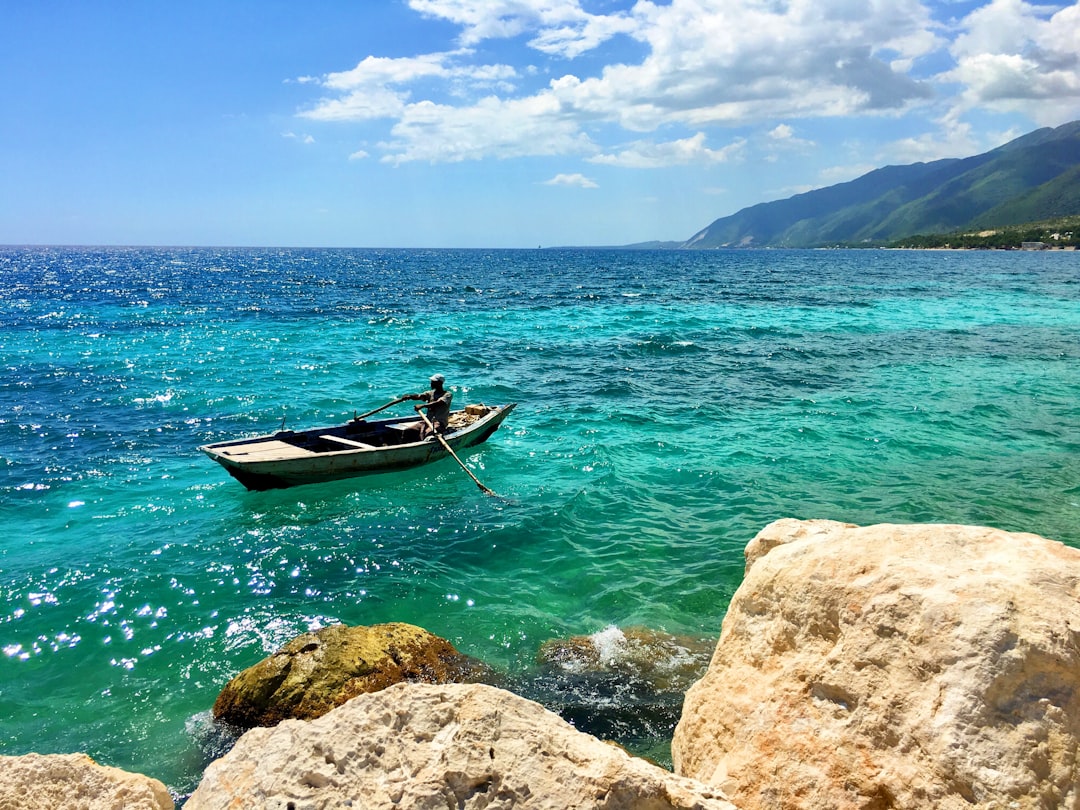
- Labadee Peninsula — A stunning isolated coastline with turquoise Caribbean waters, accessible primarily via cruise ship under controlled security.
- Sans-Souci Palace, Milot — A UNESCO World Heritage Site built by King Henri Christophe in 1813, rivalling European royal palaces in scale and ambition.
Scroll down for our complete travel guide with tips on getting there, where to stay, costs and more.
Getting There & Transport
Which airports are the best entry points into Haiti?
**Toussaint Louverture International Airport (PAP)** in Port-au-Prince is Haiti’s primary gateway. In my experience, this is the only practical international entry point for most visitors. **Cap-Haïtien International Airport (CAP)** in the north handles limited regional flights and is significantly safer for those visiting the **Citadelle Laferrière** area. PAP receives flights from **Miami (2.5 hours)**, New York, and Montreal. Warning most guides omit: PAP’s perimeter has been subject to gang activity in the surrounding **Tabarre** district — your pickup arrangement must be confirmed before you land, not after.
How do I get from the airport to my first accommodation in Haiti?
Pre-arranged pickup by your hotel, NGO, or a vetted security driver is the only method I recommend. Do not use unmarked taxis outside **PAP arrivals**. Reputable hotels arrange armoured or escorted transfers for approximately **$40–80 USD** from the airport. The journey to **Pétion-Ville** — the safest residential area and diplomatic hub — takes **20–40 minutes** depending on traffic and checkpoint conditions. My tip: confirm your driver’s name, vehicle plate, and photo in advance via WhatsApp. Walking outside the airport with luggage is not safe under any circumstances in the current environment.
What transport options are there within Haiti?
Domestic transport options are severely limited by the security situation. **Tap-taps** (shared pickup trucks) are the traditional local transport but carry real risk for foreigners in **Port-au-Prince**. Internal charter flights between PAP and **CAP** cost approximately **$150–250 USD** one-way and are the safest inter-city option — **Sunrise Airways** and **Tortug’Air** operate these routes in roughly **45 minutes**. Road travel between cities requires armed escort or convoy coordination with your organisation. The **Route Nationale 1** north to **Cap-Haïtien** runs 270 km and is controlled by multiple gang territories — do not drive it independently.
Do I need a rental car in Haiti?
No — a standard rental car is not appropriate for Haiti in 2026. Rental agencies do exist in **Pétion-Ville**, with rates starting around **$60–100 USD per day**, but self-driving exposes you to carjacking, roadblocks, and kidnapping risk at checkpoints. In my experience, every legitimate operator — NGOs, embassies, press organisations — uses contracted drivers who know the roads, the gang territories, and the checkpoint protocols. My tip: budget for a full-time driver through your accommodation or organisation at approximately **$80–120 USD per day**. This is not optional — it is the single most important logistics decision you will make.
How good is the public transport network between regions of Haiti?
Haiti’s inter-regional public transport is functionally unsafe for international visitors in 2026. Theoretically, **buses and tap-taps** connect **Port-au-Prince** to **Jacmel** (south, 2 hours), **Les Cayes** (4 hours), and **Cap-Haïtien** (5–7 hours). In practice, the **Martissant** corridor — the only road south out of Port-au-Prince — has been under gang control for extended periods, cutting off the **Sud** department entirely at times. What surprised me: the north of Haiti, particularly around **Milot** and Cap-Haïtien, is relatively more stable and offers more functional transport options than the capital.
Accommodation
Which regions of Haiti should I stay in?
**Pétion-Ville**, the hillside suburb southeast of Port-au-Prince at roughly **600 metres elevation**, is the most functional base — it houses embassies, international NGOs, hotels, and restaurants in a semi-controlled environment. **Cap-Haïtien** in the north is the second-best option, with lower gang presence and access to UNESCO heritage sites. **Jacmel** on the southern coast was beloved for its Creole architecture and carnival, but access has been severely complicated by road insecurity. For NGO workers specifically, **Tabarre** hosts many agency compounds near the airport. I recommend avoiding the **Cité Soleil** and **Martissant** areas entirely — these are active gang territories.
What does good accommodation cost per night in Haiti?
Decent, secure accommodation in **Pétion-Ville** costs **$80–180 USD per night**. The **Karibe Hotel** — a long-standing reference point for NGO workers and journalists — runs approximately **$130–160 USD** per night including security infrastructure and reliable generator power. Budget guesthouses exist for **$30–50 USD**, but lower price points often mean compromised security protocols and unreliable utilities. What surprised me: prices have not dropped despite reduced tourism — the cost of generators, water trucking, and private security means operational costs for hotels remain high. My tip: electricity outages of **8–16 hours daily** are normal; confirm backup power before booking.
When should I book hotels in Haiti — how far in advance?
Book at least **3–4 weeks in advance**, especially for the limited number of quality-secured hotels in **Pétion-Ville**. Reputable properties like **Hotel Oloffson** and **Karibe** maintain consistent occupancy from NGO staff, journalists, and diaspora visitors even with minimal tourism. My tip: contact hotels directly by phone or WhatsApp rather than relying on third-party booking platforms — many Haiti listings on Booking.com and Expedia are outdated or no longer operational. Confirm the hotel’s security situation, generator schedule, and water supply for your specific travel dates. Cancellation policies are strict — request written confirmation of all arrangements.
When is the best time to travel to Haiti?
**January through March** and **November through December** offer the most favourable weather — lower humidity, minimal rainfall, and temperatures around **25–29°C**. Carnival season in **February** (particularly in **Jacmel** and **Port-au-Prince**) is culturally extraordinary but dramatically increases security complexity. My honest caveat: weather is secondary to the security situation — travel timing should be dictated by the operational security assessment of your organisation or a vetted security consultant, not the climate calendar. The **north coast** around Cap-Haïtien benefits from drier conditions throughout winter months, making it the most practical destination window for heritage visits.
How does peak season affect prices in Haiti?
Haiti’s peak travel period runs **December through February**, driven primarily by the **diaspora return** — Haitian-Americans and Haitian-Canadians visiting family. Hotel rates in **Pétion-Ville** can increase **20–40%** during this window, with the **Karibe** and similar properties reaching **$200 USD per night**. Flights from **Miami** and **New York** surge to **$400–700 USD** round-trip during Christmas and Carnival weeks. What surprised me: the diaspora influx during this period also increases petty crime and traffic congestion significantly in Port-au-Prince. If your visit is mission-critical, the **October–November** shoulder period offers lower prices and a more manageable security environment.
Best Time to Visit
Which regions of Haiti have different climate zones?
Haiti has striking climatic variation across short distances. The **north coast** around **Cap-Haïtien** receives heavy rainfall from Atlantic trade winds and is lush and green year-round. The **Artibonite Valley** — Haiti’s agricultural heartland — is hot and semi-arid, averaging **32–35°C** in summer. The **southern peninsula** including **Jacmel** and **Les Cayes** is among the wettest regions. The **Cul-de-Sac Plain** around Port-au-Prince sits in a rain shadow and is notably hotter and drier than the surrounding mountains. At **Kenscoff**, just **20 km** southeast of the capital at 1,500 metres elevation, temperatures can drop to **15°C** — genuinely cool by Caribbean standards.
What are the rainy seasons in Haiti?
Haiti has **two rainy seasons**: the primary season runs **April through June**, and the secondary season runs **August through October**. The October season coincides with peak Atlantic hurricane activity — Haiti is catastrophically vulnerable, as demonstrated by Hurricane Matthew in 2016 which caused **$2.8 billion USD** in damage. The **southern peninsula** around **Les Cayes** and **Jérémie** receives the heaviest rainfall, sometimes exceeding **200mm in a single month**. My warning: even moderate rainstorms make Haiti’s road network — much of which is unpaved — impassable and dramatically increase kidnapping risk as vehicles become stranded. Never plan road travel without checking weather forecasts for the preceding **48 hours**.
What does a trip to Haiti cost per person per day?
A realistic daily budget for a secure, functional trip to Haiti runs **$150–250 USD per day per person**. This breaks down as: accommodation **$100–160 USD**, food **$20–40 USD**, contracted driver **$80–120 USD** (often shared across a team). NGO workers on per diem typically receive **$200–250 USD daily** — this reflects actual cost realities, not luxury pricing. Budget travel as commonly understood does not apply here: cutting costs on accommodation or transport directly increases personal risk. My tip: factor a **contingency fund of $500 USD cash** for emergency evacuation costs — unexpected departure via charter can cost **$300–800 USD** and must be paid in cash.
How expensive is food in Haiti?
Local Haitian food is genuinely affordable — a plate of **griot** (fried pork) with rice and beans at a local **Kay Manye** (local kitchen) costs **$2–5 USD**. Restaurants in **Pétion-Ville** targeting the NGO and diplomatic community charge **$15–35 USD per main course**. My favourite practical meal: **pain patate** (sweet potato pudding) and **akra** (malanga fritters) from street vendors near **Marché de Kenscoff** for under **$3 USD total**. Supermarkets like **Giant** in Pétion-Ville sell imported goods at prices comparable to Florida. Water costs **$1–2 USD per litre** bottled — tap water is not safe to drink, and this adds up to **$5–8 USD daily**.
What hidden costs should I expect in Haiti?
Generator fuel surcharges appear on virtually every hotel bill — expect **$10–25 USD per night** added beyond the quoted rate. Private security escorts for site visits cost **$100–300 USD per day** depending on the number of guards. Satellite internet or international roaming is essential — budget **$30–50 USD per week**. Evacuation insurance through providers like **ISOS (International SOS)** costs **$50–150 USD per trip** and is non-negotiable in my view. My warning most guides omit: bribes at police and military checkpoints — euphemistically called **’péages’** — are a real operational cost averaging **$1–10 USD per checkpoint**, and your driver will handle these; budget an additional **$20–30 USD per day** for this.
Budget & Costs
How much cash should I bring to Haiti?
Bring **$500–800 USD in small bills** ($1, $5, $10, $20) as your primary operating currency. The **Haitian Gourde (HTG)** is the official currency, but USD is universally accepted in Port-au-Prince at the prevailing rate. ATMs exist in **Pétion-Ville** at **Unibank** and **BNC** branches but are frequently out of service or cash — never rely on them. My tip: exchange small amounts to Gourdes for market purchases and tap-tap fares where USD creates overpricing. The parallel exchange rate consistently offers better value than bank rates — your hotel or trusted driver can facilitate this safely. Keep no more than **$100 USD visible** at any time.
Which credit cards are accepted in Haiti?
**Visa** is the most accepted card in Haiti, followed by **Mastercard**. American Express is accepted at fewer than **10** established hotels and restaurants in Pétion-Ville. Credit card acceptance exists at **Karibe Hotel**, **Royal Oasis Hotel**, and upscale Pétion-Ville restaurants, but connectivity failures mean transactions fail frequently. My honest assessment: treat Haiti as a **cash-only destination** and consider any card payment a bonus rather than a plan. International transaction fees typically add **3–5%** per transaction. What surprised me: several NGO-oriented guesthouses have moved to **Zelle and wire transfer** for advance payments — confirm payment method when booking, as some no longer accept cards at all.
Which regions of Haiti must I not miss?
**The Northern Department** is the one region that remains genuinely accessible and rewarding — **Cap-Haïtien** as a base gives you the **Citadelle Laferrière** at 900 metres, the **Sans-Souci Palace** in Milot (**15 km** from Cap), and the **Labadee** coastline. These are UNESCO World Heritage Sites of genuine global significance. In my experience, the north offers the most intact opportunity to understand Haitian history and culture in a more manageable security environment. The **Artibonite** region around **Saint-Marc** contains important revolutionary history. The southern **Jacmel** remains on my list if the Martissant corridor reopens — its **Carnival** and French Creole architecture are irreplaceable.
What are the tourist highlights of Haiti?
The **Citadelle Laferrière** is Haiti’s single most spectacular sight — a 19th-century mountaintop fortress built by 200,000 labourers that genuinely rivals any fortification in the world. **Sans-Souci Palace** in **Milot**, built in 1813, was once called the ‘Versailles of the Caribbean’ before the 1842 earthquake. **Jacmel’s** historic district features intact French Creole ironwork architecture from the 1880s. The **Bassin Bleu** waterfall cascade near Jacmel drops through three turquoise pools in the jungle — an extraordinary natural experience. **Île-à-Vache** off the southern coast offers untouched beaches. Haitian **Vodou ceremonies** in **Souvenance** near Gonaïves during Easter remain one of the Caribbean’s most profound cultural experiences.
What experiences in Haiti are found nowhere else on earth?
Haiti is the birthplace of the only successful slave revolution in history — this gives every site you visit a weight found nowhere else. The **Bois Caïman ceremony site** near **Morne-Rouge**, where the revolution began in August 1791, is a genuinely unique pilgrimage for understanding the African diaspora. **Haitian Vodou** as practiced here — not the Hollywood caricature but a living, complex spiritual system — is observable in **Souvenance** (Gonaïves) during the **Easter Rara** period. Haitian **naive art** from the **Centre d’Art** school in Port-au-Prince is among the most distinctive visual art traditions in the world. The **Citadelle’s** sheer scale — built without industrial machinery at altitude — is an engineering miracle with no parallel.
Regions & Highlights
Which areas of Haiti are overcrowded, and what are the quieter alternatives?
**Labadee**, leased to Royal Caribbean, receives **300,000+ cruise passengers annually** in a completely controlled enclave — it is pleasant but artificial, offering zero authentic Haitian cultural interaction. The quieter alternative is **Île-à-Vache**, a **17 km²** island off **Les Cayes** with no cars, excellent snorkelling, and genuine community tourism — though current access from the south is complicated by road security. **Cap-Haïtien’s** historic district is far less visited than it deserves. My tip: the mountain village of **Furcy**, just **25 km** south of Port-au-Prince at 1,400 metres, offers pine forests and cool air with almost no tourist infrastructure — a local secret worth knowing if you have a trusted driver.
How many days do I need for Haiti?
A minimum of **7 days** allows meaningful engagement with Haiti’s north — **3 days** based in **Cap-Haïtien** for the Citadelle, Sans-Souci, and the coast, plus **4 days** in **Pétion-Ville** for Port-au-Prince’s art scene, markets, and cultural institutions. Attempting Haiti in fewer than **5 days** means you spend disproportionate time on logistics and security coordination relative to actual experience. In my experience, **10–14 days** allows a genuine immersion — adding **Jacmel** if the road corridor is open, or **Île-à-Vache** via charter flight from Port-au-Prince (**45 minutes**). Do not rush — logistical delays, security diversions, and generator outages will consume time you didn’t plan for.
Do I need a visa to travel to Haiti?
Citizens of the **USA, Canada, EU, and UK** do not need a visa for tourist stays of up to **90 days** — entry is granted on arrival at **PAP or CAP airport**. A valid passport with at least **6 months remaining validity** is required. The departure tax is **$55 USD** — confirm whether this is included in your airline ticket, as budget carriers sometimes exclude it. My tip: carry a **printed copy of your accommodation address** and a contact number for your host or organisation — immigration officers routinely ask for this. If you are entering for NGO work, carry your organisation’s registration letter and work authorisation — random questioning of aid workers does occur.
What languages are spoken in Haiti?
**Haitian Creole** (Kreyòl ayisyen) is the language spoken by **100% of the population** — it is the true national language. **French** is the co-official language used in government, formal education, and business, but only approximately **5–10%** of Haitians are truly fluent. In **Pétion-Ville** and among the educated elite, French and often English are spoken. **English** is understood by many NGO staff, hotel workers, and younger Haitians in Port-au-Prince. My honest tip: learning **10–15 Kreyòl phrases** transforms your interactions completely — Haitians respond with extraordinary warmth to any attempt. ‘Mèsi’ (thank you), ‘Bonjou’ (good morning), and ‘Kijan ou rele?’ (what is your name?) go a long way.
What cultural rules do I need to know before visiting Haiti?
Greetings are non-negotiable — rushing past someone without **’Bonjou’** or **’Bonswa’** is considered rude regardless of urgency. Photographing people without explicit permission is deeply resented and has caused serious incidents — always ask first, and accept refusals graciously. **Vodou** is a respected religion practiced by a significant portion of the population — do not mock, photograph ceremonies without permission, or treat it as a tourist spectacle. Dress modestly outside of beach areas — bare shoulders and very short shorts are inappropriate in markets and churches. My tip: never photograph **military installations, police checkpoints, or government buildings** — this has led to detention of foreign visitors and journalists.
Practical Tips
How safe is Haiti for travellers in 2026?
I will be direct: Haiti carries **Level 4 Do Not Travel** advisories from the US State Department, UK FCDO, and most EU governments as of 2026. Gang coalitions control significant portions of **Port-au-Prince**, including major transit routes. Kidnapping for ransom has affected foreign nationals, including aid workers and journalists. The **northern region** around **Cap-Haïtien** is meaningfully more stable. If you must travel, engage a **professional security consultant** before departure — organisations like **Control Risks** or **OSAC (Overseas Security Advisory Council)** provide Haiti-specific briefings. Travel with an established NGO or press organisation rather than independently. This is not a standard tourist safety advisory — it is a genuine operational security matter.
What health precautions should I take before visiting Haiti?
Vaccinations recommended for Haiti include **Hepatitis A, Hepatitis B, Typhoid, Tetanus-Diphtheria, and Rabies** (especially for field workers). **Cholera** remains present — drink only bottled or purified water and avoid raw produce washed in tap water. **Malaria prophylaxis** is recommended for rural areas — consult your travel clinic at least **4 weeks before departure** about chloroquine-resistant strains. My tip: carry a **full personal medical kit** including antibiotics, rehydration salts, wound care, and a **7-day supply of any prescription medications** beyond your expected stay — pharmacies in Port-au-Prince exist but supply is unreliable. **Medical evacuation insurance** covering air ambulance to **Miami (2.5 hours)** is essential, not optional.
What SIM card or eSIM options are available in Haiti?
**Digicel Haiti** dominates the mobile market with the widest network coverage across all departments. **Natcom** is the second operator with solid coverage in northern Haiti around **Cap-Haïtien**. A local Digicel SIM with **5GB data** costs approximately **$10–15 USD** and is available at the airport arrivals hall and street vendors throughout **Pétion-Ville**. eSIM compatibility with Digicel Haiti exists through providers like **Airalo** — purchase before travel for approximately **$15 USD for 3GB**. My warning: in areas of gang control or during security incidents, mobile networks are deliberately disrupted. Always carry a **satellite communicator** (Garmin inReach or similar) if your work takes you outside **Port-au-Prince** — this is a genuine safety tool, not a luxury.
Which apps do you recommend for travelling in Haiti?
**WhatsApp** is the primary communication tool for every contact in Haiti — hotels, drivers, NGO coordinators, and local fixers all use it as their default channel. **Maps.me** with offline Haiti maps downloaded before arrival is more reliable than Google Maps in areas with poor connectivity. **XE Currency** for Gourde to USD conversions at the live parallel rate. **iOverlander** has community-sourced safety notes on specific locations. The **OSAC app** (Overseas Security Advisory Council) provides real-time Haiti security alerts — register your travel with your embassy’s **STEP program (US)** or equivalent, which also has an app. My tip: **Signal** for encrypted communications if you are a journalist or researcher — this is standard operational practice for Haiti-based press.
What are the most common traveller mistakes in Haiti?
The single most common mistake: **arriving without a confirmed, vetted pickup** and assuming you can arrange transport at the airport. Second: **underestimating logistics time** — a **15 km drive** in Port-au-Prince can take **90 minutes** due to traffic and checkpoints. Third: treating Haiti like a standard Caribbean destination and not investing in security preparation. Fourth: **photographing freely** without understanding the cultural and safety implications. Fifth: bringing inadequate cash and relying on ATMs. In my experience, travellers who work with an experienced **local fixer or country director** for their first Haiti visit have dramatically better outcomes than those who improvise. Haiti rewards the prepared and punishes the overconfident — there is no middle ground.
Haiti at a Glance
| Population | 10,981,229 |
|---|---|
| Currency | gourde (G) |
| Official language | French, Haitian Creole |
Source: Wikidata, retrieved August 2026.
Essential Resources for Planning Your Trip to Haiti
- Haiti Travel Advisory | Travel.State.gov — official visitor information, passes & events
- Wikipedia: Haiti — history, geography & background
- Wikivoyage: Haiti — community travel guide & practical tips
- Haiti travel – Caribbean — expert itineraries & travel inspiration
- THE 15 BEST Things to Do in Haiti (2026) — hotels, restaurants & traveller reviews
- #Haiti: The level of our advice has been updated to ‘ … — how to get around
- Numbeo: Cost of Living in Haiti — current prices & cost comparison
- Timeanddate: Haiti Weather & Climate — forecasts & climate statistics
- UNESCO for Haiti
More Perspectives on Haiti
- Haiti Travel Advisory | Travel.State.gov
- The Official Travel Guide to Haiti · Visit Haiti
- Travel advice and advisories for Haiti
Haiti Travel Videos
Watch these videos for a visual preview before your trip:
- Top 10 Best Things to Do in Haiti [Haiti Travel Guide 2024]
- F*@K The Media: I Went to HAITI! 🇭🇹
- Haiti Travel Guide: History, Culture, Destinations & Safety Planning
Haiti Travel Discussions on Reddit
Real traveller experiences and community advice:
- Long weekend in Haiti : r/travel
- How are people managing to travel to Haiti right now?
- Is any part of Haiti safe to travel to?
Data Sources
This page was compiled using data from Wikipedia, Wikidata, Open-Meteo (climate), Numbeo (cost of living) and REST Countries. Information is updated regularly.