
Uganda: The Complete Travel Guide (2026)
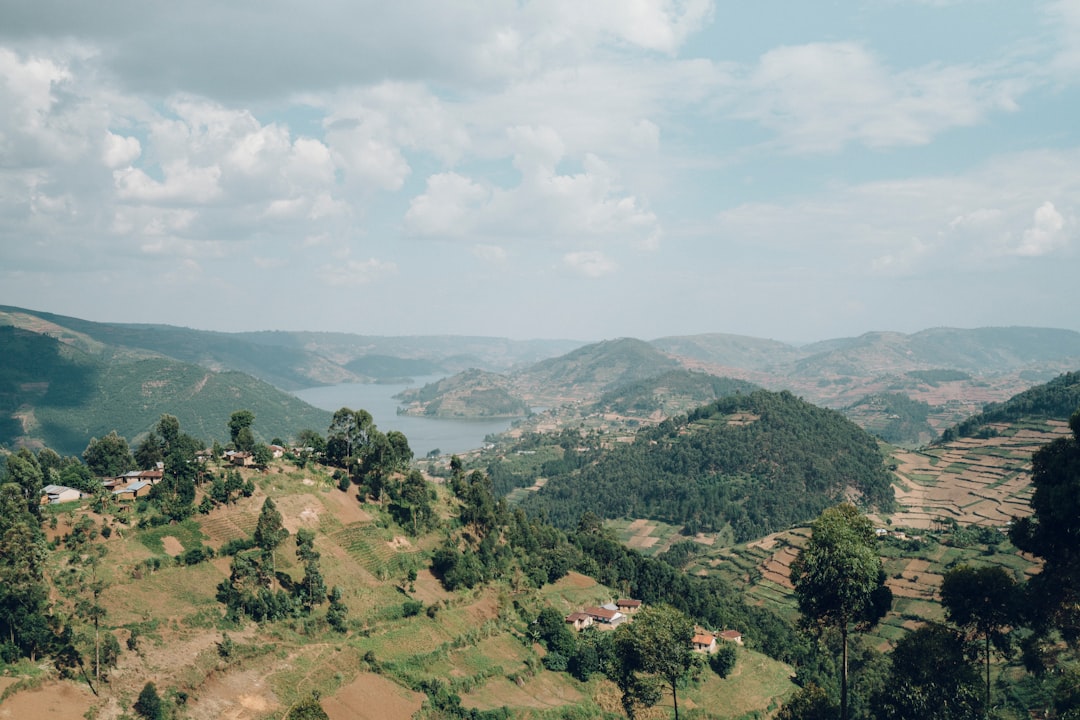
Last reviewed: August 2026 · key facts checked against Wikidata
Uganda Travel Guide: Everything You Need to Know (2026)
Uganda, a landlocked East African nation of 6,788,211 people, sits astride the equator at altitudes ranging from 620m to 5,109m at Margherita Peak on the Rwenzori Mountains. Known as the ‘Pearl of Africa’ — Churchill’s phrase — it packs mountain gorillas, source-of-the-Nile whitewater, and over 1,000 bird species into a country roughly the size of the United Kingdom. Kampala, the capital, was founded on seven hills and remains one of East Africa’s most underrated cities for first-time visitors.
Top 3 Highlights at a Glance
- Bwindi Impenetrable Forest Gorilla Trekking — Home to half the world’s remaining 1,063 mountain gorillas — a once-in-a-lifetime 1-hour permitted encounter.
- Source of the Nile, Jinja — The exact spot where the Nile exits Lake Victoria, plus Africa’s best Grade 5 whitewater rafting.
- Queen Elizabeth National Park — The famous Kazinga Channel boat cruise puts hippos, elephants, and buffalo within 10 meters of your boat.
Scroll down for our complete travel guide with tips on getting there, where to stay, costs and more.
Getting There & Transport
Which airports are the best entry points into Uganda?
Entebbe International Airport (EBB) is Uganda’s sole international airport — full stop. It sits 40km south of Kampala on the Lake Victoria peninsula. In my experience, flying into EBB via Nairobi (NBO) with Kenya Airways or via Addis Ababa (ADD) with Ethiopian Airlines gives the most reliable connections from Europe and North America. Emirates via Dubai also operates direct service. A caveat most guides skip: EBB has only one operational runway, so fog or a single incident can cause cascading delays. Build a minimum 8-hour transit buffer if you have onward safari connections. The secondary airstrip at Kasese handles domestic prop flights to the western parks but accepts no international traffic.
How do I get from Entebbe Airport to my first accommodation in Uganda?
Take a pre-booked airport transfer or a SafeBoda/Bolt ride — do not approach unmarked taxis at arrivals. The journey from EBB to central Kampala takes 45–70 minutes depending on traffic. My tip: a Bolt car from the airport to Kololo or Nakasero (the upmarket hotel zone) costs roughly $15–20 USD. Avoid arriving between 07:00–09:00 or 17:00–19:30 when the Entebbe Expressway backs up badly — the road narrows at the Busega roundabout. Licensed airport taxis charge a flat $30 USD but drivers negotiate. For budget travelers, the Kalita or Gaagaa express bus from just outside arrivals reaches downtown for under $1 USD but runs irregularly after 21:00.
What transport options are there within Uganda?
Uganda offers four realistic options: minibus taxis (matatus), long-distance coaches, domestic charter flights, and private hire cars. Matatus connect every town and cost under $3 USD for most routes but are notoriously overloaded. Link Bus and Gateway Bus run comfortable Kampala-to-Mbarara or Kampala-to-Gulu coaches for $5–10 USD. Charter flights with AeroLink Uganda connect Entebbe to Kihihi (gateway to Bwindi) in 55 minutes vs. a 9-hour drive — worth every cent for gorilla permits. What surprised me: motorcycle taxis (boda-bodas) are everywhere and cost 50 cents USD for short hops but account for a huge proportion of serious road injuries. Use them only in daylight, short distances, and always wear the helmet.
Do I need a rental car in Uganda?
Yes, for independent travel to the national parks, a rental car is essentially mandatory. Public transport does not serve Bwindi, Kibale, or Murchison Falls reliably. I recommend a 4WD Toyota Land Cruiser or RAV4 — not a saloon car — because park tracks become impassable mud after rain. Rates from Kampala Car Rental or Rent-A-Car Uganda run $60–120 USD per day for a 4WD with self-drive. The honest caveat: Ugandan road conditions are brutally variable — GPS maps frequently show sealed roads that are now gravel or missing entirely. Download Maps.Me with Uganda offline maps before you leave Kampala. If you dislike aggressive driving conditions, hire a driver-guide for $80–130 USD per day all-in, which also doubles as a local fixer.
How good is the public transport network between regions of Uganda?
Between major towns, public transport in Uganda is functional but slow. Kampala to Mbarara (gateway to the southwest) takes 3–4 hours on a Link Bus for $6 USD. Kampala to Gulu (northern Uganda) takes 5 hours on Gaagaa Bus for $8 USD. What most guides skip: the bus network essentially stops at district towns — from Mbarara to Bwindi, there are no direct public buses, only matatu chains requiring 3 changes and a full day. For the parks circuit, public transport is genuinely impractical unless you have unlimited time. The train network is non-functional for passengers. In my experience, combining AeroLink domestic flights for long legs with local matatus for short hops is the smartest budget-conscious strategy.
Accommodation
Which regions of Uganda should I stay in?
Base yourself strategically across three zones to cover Uganda’s best experiences. Kampala/Entebbe (central) is your arrival hub — stay in Kololo for upmarket guesthouses or Entebbe town itself for a quieter Lake Victoria vibe before heading west. Southwestern Uganda — specifically the Bwindi/Rushaga/Nkuringo area — is unmissable for gorilla trekking and requires at least 2 nights minimum to avoid a punishing same-day return drive. Murchison Falls National Park (northwest) is Uganda’s largest park at 3,840 km² and suits a classic big-game safari. My honest caveat: Karamoja region (northeast) is culturally extraordinary but infrastructure is thin — plan it only if you have a local operator managing logistics.
What does good accommodation cost per night in Uganda?
Costs span a huge range in Uganda. A solid mid-range guesthouse in Kampala’s Kololo neighborhood runs $50–90 USD per night. Budget hostels like Backpackers Hostel Kampala charge $10–15 USD for a dorm bed. Near Bwindi, comfortable lodges such as Buhoma Community Rest Camp cost $80–150 USD for a double with full board — and full board is standard because there are no restaurants within walking distance. The hidden truth: luxury lodges inside Bwindi like Clouds Mountain Gorilla Lodge charge $700–1,500 USD per night per person. Near Murchison Falls, mid-range options like Pakuba Safari Lodge run $120–200 USD all-inclusive. Book full-board wherever you stay in the parks — the isolation makes self-catering unrealistic.
When should I book hotels in Uganda — how far in advance?
Book gorilla permit-adjacent lodges at least 6 months ahead for peak periods — this is the single most important booking deadline in Uganda. Gorilla permits sell out first (capped at 8 visitors per gorilla family per day), and once your permit date is fixed, nearby lodges fill fast. For Kampala hotels, 2–4 weeks in advance is usually sufficient except during East African business conference season (April and October). My tip: always book lodges near Bwindi and Kibale Forest directly with the property — third-party platforms rarely hold real-time availability for small bush camps. For Murchison Falls during the dry season (June–August), book 3–4 months ahead. Outside peak season, walk-in rates are negotiable.
When is the best time to travel to Uganda?
The best months to visit Uganda are January, February, July, August, and December — these align with the two dry seasons. The December–February dry season offers excellent road conditions and superb gorilla trekking because vegetation thins. June–August is the longer dry season, perfect for Murchison Falls game drives when animals cluster around water sources. What most guides omit: Uganda sits on the equator, so even the ‘dry’ season sees occasional short rains — pack a light waterproof regardless. The gorillas are trackable year-round since they don’t migrate, but the April–May long rains turn Bwindi’s steep trails into a mud marathon. If budget matters, November (short rains) still offers green landscapes and 20–30% lower lodge rates.
How does peak season affect prices in Uganda?
Peak season in Uganda — July–August and December–January — inflates lodge prices by 30–50% and makes gorilla permits nearly impossible to secure last-minute. The $700 USD mountain gorilla permit (set by Uganda Wildlife Authority) is fixed year-round, but lodges adjacent to Bwindi charge premium rates during school holiday windows. Murchison Falls lodges in July can cost $40 more per night than the same room in March. What surprised me: Entebbe and Kampala hotels spike during East African summits and international cricket matches at times tourists don’t anticipate — check the African Union and CHOGM calendars before booking city accommodation. The honest trade-off: traveling in March or November saves significant money but means muddier roads and shorter wildlife visibility in the savannah parks.
Best Time to Visit
Which regions of Uganda have different climate zones?
Uganda’s climate is shaped by altitude and proximity to Lake Victoria far more than latitude. Kampala and the central plateau (1,200m) are warm and humid year-round, averaging 24°C with two rainy seasons. Southwestern Uganda (Bwindi sits at 1,160–2,607m) is significantly cooler — pack a fleece for evenings at 1,500m+ since temperatures drop to 10°C at night. The Rwenzori Mountains top out at 5,109m (Margherita Peak) with year-round snow and regular sleet above 4,000m. Northern Uganda (Murchison, Gulu) is hotter and drier — 30–35°C in the dry season — following a single wet season pattern. Karamoja in the northeast is semi-arid, resembling the Kenyan savannah. Pack layers: a single trip can cross three distinct climate zones.
What are the rainy seasons in Uganda?
Uganda has two rainy seasons annually. The long rains run from March to May, with April being the wettest month — expect heavy afternoon downpours most days. The short rains fall October to November, typically lighter and more predictable than the long rains. In my experience, the long rains make Bwindi’s trekking trails genuinely dangerous — steep laterite paths become rivers of red mud, and even experienced trackers slip. Road access to Queen Elizabeth National Park’s southern sector sometimes closes entirely in April. The caveat guides ignore: western Uganda’s Rwenzori Mountains create their own microclimate and can dump rain on Kasese and Fort Portal even during the so-called dry season. Always ask your lodge specifically about last-week road conditions, not general seasonal charts.
What does a trip to Uganda cost per person per day?
Daily costs in Uganda vary dramatically by travel style. Budget backpacker: $40–60 USD per day covering dorm beds, matatu transport, and local restaurant meals. Mid-range independent traveler: $120–200 USD per day including a guesthouse, private car hire share, and sit-down restaurant meals. Safari traveler with gorilla trekking: $300–500 USD per day once you amortize the $700 USD gorilla permit across your trip. The single largest cost is always the Uganda Wildlife Authority permit structure — chimp tracking costs $150 USD, lion tracking in Murchison $50 USD per session. My tip: the East Africa Tourist Visa ($100 USD) covering Uganda, Kenya, and Rwanda is excellent value if combining countries. Food and local transport are genuinely cheap — it’s the permits and lodges that drive costs up.
How expensive is food in Uganda?
Local Ugandan food is very affordable. A full plate of matoke, beans, and groundnut stew at a local restaurant (rolex stall or market eatery) costs $1–3 USD. The iconic rolex — a chapati rolled with egg and vegetables — costs 500–1,000 Ugandan shillings ($0.13–0.27 USD). A sit-down meal at a mid-range Kampala restaurant in Kololo or Kisementi runs $8–18 USD per person with a drink. The honest caveat: lodge meal packages near the parks are expensive — a standard dinner at a Bwindi mid-range lodge costs $20–35 USD, and you’re often captive with no alternatives nearby. Supermarkets like Carrefour in Kampala stock international food at prices comparable to Southern European supermarkets — budget accordingly if you plan to self-cater in the capital.
What hidden costs should I expect in Uganda?
The costs that blindside first-time Uganda visitors are significant. Park entry fees stack up fast: Queen Elizabeth NP costs $40 USD per person per day, Murchison Falls $40 USD per day, Bwindi $40 USD just for entry on top of the gorilla permit. A boat cruise on the Kazinga Channel adds another $30 USD per person. AeroLink domestic flights are $150–250 USD one-way per sector but save hours. Yellow fever vaccination is legally required and must be documented — if you lack a certificate at EBB, you face a $30 USD on-site vaccination at minimum. What surprised me: fuel costs for hired vehicles in remote areas can add $30–50 USD per day beyond the rental fee, especially around Kidepo Valley where the nearest petrol station is 60km away.
Budget & Costs
How much cash should I bring to Uganda?
Bring $300–500 USD in crisp, post-2009 printed bills as your emergency cash reserve. Uganda’s economy is heavily cash-based outside Kampala. ATMs in Kampala (Stanbic, Centenary, DFCU on Kampala Road) reliably dispense Ugandan shillings (UGX), with a $5–8 USD ATM fee per withdrawal typical. Outside the capital, ATMs exist in Mbarara and Fort Portal but are unreliable and frequently out of cash. At Bwindi, there are zero ATMs within 50km. My tip: convert $200 USD to UGX at Kampala’s forex bureaus in Garden City Mall — they give better rates than airport exchange desks by 5–8%. Never change money on the street. The USD is widely accepted at lodges and for permit payments, making crisp bills genuinely useful alongside local currency.
Which credit cards are accepted in Uganda?
Visa is the most accepted card in Uganda; Mastercard works at most Kampala ATMs and larger hotels. American Express is accepted at fewer than 10% of establishments and is effectively useless outside top Kampala hotels. In my experience, card payments work reliably at Serena Hotel Kampala, Protea Hotel by Marriott, and Acacia Mall restaurants — but not at petrol stations, markets, park gates, or small guesthouses. The Uganda Wildlife Authority now accepts Visa/Mastercard for permit payments online via their portal, which is genuinely useful. Critical warning: card skimming has been reported at standalone ATMs in Kampala’s downtown area — use machines inside bank branches or secure malls like Acacia Mall or Garden City during business hours only. Always notify your bank before traveling.
Which regions of Uganda must I not miss?
Three regions are non-negotiable. Bwindi Impenetrable Forest (southwest) for mountain gorilla trekking — nothing in Africa compares to this experience. Murchison Falls National Park (northwest), Africa’s most powerful waterfall at 7 meters wide forcing the entire Nile through a single slot, combined with excellent big-five game drives. Jinja and the Nile source (east), just 80km from Kampala, offers the best whitewater rafting in Africa and a genuinely lively town with great cafes. My honest addition: Kibale Forest National Park near Fort Portal for chimpanzee tracking ($150 USD permit) is often overlooked but delivers closer, more active primate encounters than Bwindi in my experience. Kidepo Valley (northeast) is Uganda’s most dramatic and remote park — 700km from Kampala but worth it for those with extra time.
What are the tourist highlights of Uganda?
Uganda’s headline highlights span wildlife, adventure, and culture. Mountain gorilla trekking at Bwindi leads every list for good reason — gorilla families are habituated across 4 sectors (Buhoma, Ruhija, Rushaga, Nkuringo). Murchison Falls — the Nile being forced through a 6-meter-wide gorge — is genuinely jaw-dropping even for jaded Africa travelers. Chimpanzee tracking in Kibale Forest has a 90%+ encounter success rate. The Kazinga Channel boat cruise in Queen Elizabeth NP offers the densest hippo population I’ve seen anywhere. Sipi Falls on the slopes of Mt. Elgon is a three-waterfall hiking circuit accessible without a 4WD. Kampala’s Kasubi Tombs — a UNESCO World Heritage site and the burial ground of Buganda kings — is consistently overlooked by safari-focused visitors but culturally essential.
What experiences in Uganda are found nowhere else on Earth?
Three experiences are genuinely irreplaceable. First: mountain gorilla trekking at Bwindi — Uganda holds half of all remaining mountain gorillas, and the moment a silverback sits within 3 meters of you in the forest is unlike anything else on the planet. Second: whitewater rafting the source of the Nile in Jinja — paddling Grade 5 rapids on the world’s longest river within sight of where it exits Lake Victoria is absurd and brilliant. Third: the shoebill stork encounter on Lake Victoria’s papyrus swamps near Mabamba Bay Wetland — this prehistoric-looking bird exists almost nowhere else in accessible wildlife viewing conditions. My tip: the Batwa pygmy cultural experience in Bwindi, led by former forest inhabitants, is a deeply honest and moving cultural encounter that most gorilla trekkers skip but genuinely shouldn’t.
Regions & Highlights
Which areas of Uganda are overcrowded, and what are quieter alternatives?
Bwindi’s Buhoma sector is the most visited and therefore the most ‘crowded’ by Ugandan standards — still only 8 people per gorilla group, but Buhoma’s lodge strip can feel busy. My tip: book the Rushaga or Nkuringo sectors instead — they see 40% fewer visitors and have equally spectacular gorillas. Jinja’s central rafting zone can feel like a backpacker circus in July — consider kayaking the upper Nile at Kalagala for a quieter experience. Queen Elizabeth NP’s northern sector (Murchison) is busier than the southern Ishasha sector, famous for tree-climbing lions — Ishasha gets dramatically fewer visitors despite the world-class lion sightings. Kidepo Valley National Park in the northeast is Uganda’s least-visited major park — a full day’s journey from Kampala but genuinely off the standard tourist trail.
How many days do I need to properly visit Uganda?
Minimum 10 days to cover Uganda’s core highlights without feeling rushed. My recommended breakdown: 2 days in Kampala/Entebbe, 3 days in Bwindi (gorillas plus forest walks), 2 days at Murchison Falls, 2 days in Kibale/Fort Portal (chimps and crater lakes), and 1 day in Jinja. The honest trade-off: Uganda’s geography is compact but road quality is slow — the drive from Bwindi to Murchison takes 9–10 hours on a good day. Flying between parks with AeroLink ($180–230 USD per sector) is expensive but converts a 10-day trip into a genuinely comfortable itinerary. For 3 weeks, add Kidepo Valley, Rwenzori trekking (minimum 7-day circuit), and time in Jinja for multi-day kayaking. Anything under 7 days means choosing between gorillas or parks — not both comfortably.
Do I need a visa to enter Uganda?
Most Western nationals need a visa for Uganda. The East Africa Tourist Visa costs $100 USD and covers Uganda, Kenya, and Rwanda on a single entry — outstanding value if combining all three. A Uganda single-entry visa costs $50 USD and is valid for 90 days. Both are available online at visas.immigration.go.ug — apply at least 2 weeks before departure. My tip: pay online and carry a printed confirmation; the system occasionally has server issues and showing a payment receipt at the border avoids delays. The honest caveat: Citizens of 8 East African Community member states enter visa-free, but most long-haul visitors do not qualify. Yellow fever vaccination certificate is legally mandatory for entry and is checked at EBB — without it, boarding may be refused at your departure airport.
What languages are spoken in Uganda?
English is Uganda’s official language and is genuinely spoken across the country — not just in tourist zones. Uganda has 43+ indigenous languages, with Luganda (spoken by the Baganda people around Kampala) being the most widely understood urban lingua franca. In the north, Luo dialects dominate; in the southwest near Bwindi, Rukiga and Rutooro are common. The pleasant surprise: English proficiency in Uganda is among the highest in sub-Saharan Africa, a legacy of the British colonial education system. Park rangers, lodge staff, and even many boda-boda drivers in Kampala communicate comfortably in English. My tip: learning 3–5 words of Luganda — particularly ’Webale nyo’ (thank you very much) — generates an extraordinary warm response from locals and is genuinely appreciated rather than seen as performative.
What cultural rules do I need to know before visiting Uganda?
Uganda is a deeply conservative Christian-majority country — 84% Christian — and public behavior norms differ sharply from Western expectations. Homosexuality is illegal under Ugandan law, with severe penalties — LGBTQ+ travelers face genuine legal risk and should research current conditions carefully before visiting. Dress modestly outside Kampala: covering shoulders and knees shows respect, especially in rural communities and near religious sites. Always ask permission before photographing people — particularly in markets and villages — and accept a ‘no’ gracefully. What surprised me: pointing with one finger is considered rude — use an open hand. Receiving or giving with two hands (or right hand supported by left) is the respectful norm. Ugandans are exceptionally warm and hospitable — a brief greeting before any transaction or request goes a long way socially.
Practical Tips
How safe is Uganda for travelers?
Uganda is safer than its regional reputation suggests for most tourist areas. Kampala’s upmarket zones — Kololo, Nakasero, and Muyenga — have low rates of violent crime against tourists. The national parks are very safe with armed ranger escorts during gorilla and chimp treks. The genuine risks: petty theft and phone snatching on Kampala’s crowded streets, especially around Owino Market and the Old Taxi Park area — keep phones pocketed and bags in front. Boda-boda (motorbike) accidents are a leading cause of tourist injuries in Uganda. The northern border areas with South Sudan and the DRC border near Bundibugyo carry real security concerns — check your government’s travel advisory. For the standard safari circuit (Bwindi, Murchison, Kibale, Jinja), I’ve found Uganda consistently safe over multiple visits.
What health precautions should I take before visiting Uganda?
Yellow fever vaccination is legally mandatory and must be documented on an International Certificate. Beyond that, malaria prophylaxis is essential — Malarone (atovaquone-proguanil) is the most reliable option; consult your travel clinic 6 weeks before departure. Confirm your hepatitis A, typhoid, and tetanus boosters are current. What most guides under-emphasize: altitude sickness is a real risk if you ascend the Rwenzoris or stay at Nkuringo Lodge (2,026m) after a same-day flight — acclimatize for 24 hours before any strenuous activity above 1,500m. Tap water in Uganda is not safe to drink — use bottled water or a SteriPen UV purifier (saves significant plastic waste on longer trips). Travel insurance covering medical evacuation to Nairobi (the nearest Level-1 trauma center) is non-negotiable — do not skip it.
What SIM card or eSIM options are available in Uganda?
Airtel Uganda and MTN Uganda are the two dominant networks — buy a SIM at EBB arrivals, Kampala Road shops, or any petrol station. Registration requires your passport and takes 10 minutes. A 1GB data bundle on MTN costs approximately 3,000 UGX ($0.80 USD); a 10GB monthly bundle runs 25,000–30,000 UGX ($6.50–8 USD) — genuinely cheap. For eSIM users, Airalo’s Africa eSIM works on MTN’s network and can be activated before departure — my preferred option for immediate connectivity on landing. The honest caveat: 4G coverage is excellent in Kampala and the main towns but drops to 2G or no signal in Bwindi’s forest interior, Kidepo, and much of the Rwenzori foothills. Download offline Maps.Me maps for Uganda and offline WhatsApp messages before leaving coverage zones.
Which apps do you recommend for traveling in Uganda?
Six apps make a genuine difference in Uganda. Bolt — the dominant ride-hail app in Kampala, far safer and cheaper than street taxis. Maps.Me — download Uganda offline before you leave Entebbe; Google Maps has serious gaps on rural roads. MTN MoMo (Mobile Money) — Uganda’s cash economy runs on mobile money, and having an MTN line with MoMo enabled lets you pay at markets and guesthouses that don’t take cards. Uganda Wildlife Authority website (not an app, but the mobile browser portal) for permit availability checks. iNaturalist — excellent for identifying the bird and plant species you’ll encounter, especially in Kibale and Bwindi. WhatsApp — every lodge, guide, and tour operator in Uganda communicates exclusively via WhatsApp; have it installed and share your number in advance of every booking.
What are the most common traveller mistakes in Uganda?
The mistakes I see most often among first-time Uganda visitors: Underestimating drive times — what looks like a 300km drive on the map can take 7–8 hours on potholed roads; always build buffer days. Not booking gorilla permits far enough ahead — the UWA permit portal shows availability; permits for July sell out by February. Arriving without a yellow fever certificate — I’ve seen travelers turned back at their home airport. Neglecting the Kazinga Channel boat cruise in favor of just game drives — the hippo and buffalo density is astonishing. Changing money at the airport instead of Garden City Mall forex bureaus (lose roughly 8% on the rate). Bringing only a sedan-category rental — the road to Rushaga sector of Bwindi genuinely requires high ground clearance, especially after rain. Ignoring Jinja entirely because it’s ‘not a game park’ — it’s one of East Africa’s best adventure-sport towns.
Uganda at a Glance
| Population | 47,123,531 |
|---|---|
| Currency | Ugandan shilling (Ush) |
| Official language | English, Swahili |
| Time zone | UTC+03:00 |
Source: Wikidata, retrieved August 2026.
Essential Resources for Planning Your Trip to Uganda
- Uganda Tourism Board-UTB — official visitor information, passes & events
- Wikipedia: Uganda — history, geography & background
- Wikivoyage: Uganda — community travel guide & practical tips
- Uganda travel – Africa — expert itineraries & travel inspiration
- THE 15 BEST Things to Do in Uganda (2026) — hotels, restaurants & traveller reviews
- Uganda Travel Guide — Tourism, Cities & Investment — how to get around
- Numbeo: Cost of Living in Uganda — current prices & cost comparison
- Timeanddate: Uganda Weather & Climate — forecasts & climate statistics
More Perspectives on Uganda
- Uganda travel tips and useful information
- Uganda Travel Guide
- Uganda Travel Advisory | Travel.State.gov
Uganda Travel Videos
Watch these videos for a visual preview before your trip:
- Where to Go in Uganda (Detailed Travel Guide)
- Why Uganda Should Be Your Next Trip | 10 Best Places to Visit in Uganda | Uganda Travel Guide 2026🇺🇬
- Wonders of Uganda | Most Beautiful Places to Visit in Uganda | Travel Video 4K
Uganda Travel Discussions on Reddit
Real traveller experiences and community advice:
Data Sources
This page was compiled using data from Wikipedia, Wikidata, Open-Meteo (climate), Numbeo (cost of living) and REST Countries. Information is updated regularly.