
Eswatini: The Complete Travel Guide (2026)
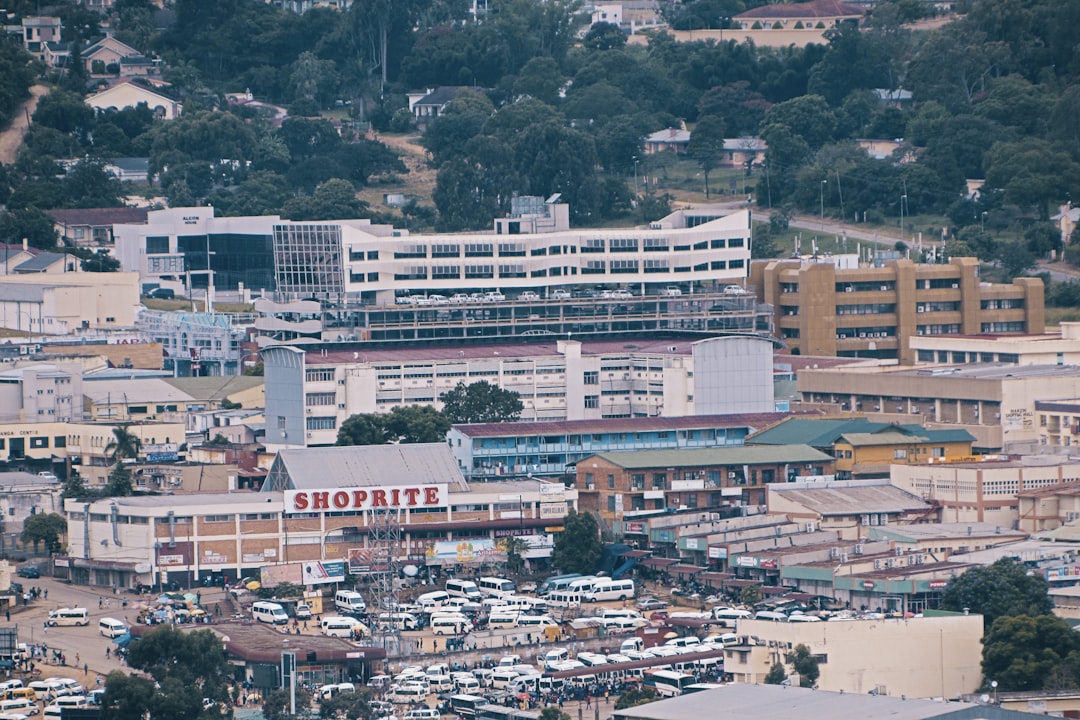
Eswatini Travel Guide: Everything You Need to Know (2026)
Eswatini — one of Africa’s last absolute monarchies — packs extraordinary diversity into a country no larger than 200 km north to south and 130 km east to west, with a population of 349,233. Formerly known as Swaziland until King Mswati III renamed it in 2018, this landlocked kingdom sits tucked between South Africa and Mozambique at altitudes ranging from 200 m in the Lowveld to over 1,800 m in the Highveld. What surprised me most is how few travelers even consider it — making it one of Southern Africa’s most rewarding off-the-beaten-track destinations in 2026.
Top 3 Highlights at a Glance
- Hlane Royal National Park — Eswatini’s largest protected area hosts the Big Four — lions, elephants, rhinos, and leopards — within 30,000 hectares.
- Sibebe Rock — The world’s second-largest exposed granite dome rises 350 m above the valley floor just 8 km from Mbabane.
- Swazi Cultural Village at Mantenga — A living museum preserving 19th-century Swazi homestead life with twice-daily traditional dance performances.
Scroll down for our complete travel guide with tips on getting there, where to stay, costs and more.
Getting There & Transport
Which airports are the best entry points into Eswatini?
**King Mswati III International Airport (SHO)** near Manzini is your primary entry point. In my experience, most international visitors fly into **OR Tambo International (JNB)** in Johannesburg, South Africa, then drive the **360 km** to Eswatini — a journey of roughly **4 hours**. King Mswati III handles regional flights from Johannesburg and occasionally Maputo, Mozambique. The caveat most guides skip: SHO has limited scheduled services, so check availability well before booking. Flying via **Kruger Mpumalanga International (MQP)** in Nelspruit cuts the road transfer to just **90 minutes**, making it my preferred routing if fares are comparable.
How do I get from the airport to my first accommodation in Eswatini?
Take a pre-booked transfer — it is the most reliable option at **SHO**. Taxis from the airport to **Manzini** cost around **$15–20**, while the **40 km** ride to Mbabane runs **$30–40**. In my experience, metered taxis at SHO are scarce, so I always arranged a hotel pickup in advance. Shared minibus taxis (called ‘combis’) exist but have no fixed schedules and stop frequently. My tip: if arriving via Johannesburg by road, the **Ngwenya border post** is the smoothest crossing — open 24 hours and well-staffed. Avoid arriving at rural border posts after dark.
What transport options are there within Eswatini?
Combis (minibus taxis) are the backbone of local transport, connecting **Mbabane**, **Manzini**, and most towns for **$0.50–2** per trip. They are cheap but cramped and run unpredictably. Metered taxis operate in both cities but must be arranged by phone — apps like **Jenga** cover urban routes. I recommend renting a car for any serious exploration beyond city centres. Eswatini has no passenger rail service. The honest trade-off: combis give you authentic local interaction but arrive on no fixed schedule. Road quality on the **MR3 highway** between Mbabane and Manzini is good; rural dirt roads demand a high-clearance vehicle.
Do I need a rental car in Eswatini?
Yes, a rental car is essential for visiting national parks and rural areas. Combis only reach towns — **Mlilwane Wildlife Sanctuary**, **Hlane Royal National Park**, and **Sibebe Rock** are inaccessible without your own wheels. I recommend booking through **Avis Mbabane** or **Europcar** at SHO airport; expect to pay **$45–70 per day** for a standard saloon. My tip: upgrade to a 4WD for **$80–100/day** if you plan gravel roads in the Lubombo region. The warning most guides omit: fuel stations in rural areas close by **6pm** — always fill up before leaving town.
How good is the public transport network between regions in Eswatini?
Honestly, it is basic. Combis connect **Mbabane**, **Manzini**, **Nhlangano**, and **Siteki** reliably, but frequency drops sharply after **3pm**. There are no buses between regions with fixed timetables. What surprised me: even reaching the entrance of **Mlilwane Wildlife Sanctuary** from Mbabane requires either a **$15** taxi or a combi plus a 2 km walk. Cross-border buses to **Johannesburg** (operated by Intercape) depart from Manzini and are a legitimate option for budget travelers. My honest assessment: for a country this size, the network covers basics but fails nature-focused itineraries entirely.
Accommodation
Which regions should I stay in when visiting Eswatini?
Base yourself in **Ezulwini Valley** — Eswatini’s tourist heartland, sitting **18 km** south of Mbabane. It hosts **Mlilwane Wildlife Sanctuary**, the Mantenga Cultural Village, and the best lodge accommodation. **Mbabane** (the capital) suits business travelers and offers urban convenience but fewer tourist draws. For wildlife, stay inside **Hlane Royal National Park** in the Lubombo region — the park’s own bush camps put you meters from rhino and elephant at night. The caveat: Ezulwini Valley gets congested on Swazi public holidays. **Malkerns Valley**, just south, is quieter and has excellent craft markets worth an overnight.
What does good accommodation cost per night in Eswatini?
Budget guesthouses in **Mbabane** start at **$25–35** per night. Mid-range lodges in **Ezulwini Valley** run **$60–100**, including breakfast. The standout value: a thatched chalet inside **Mlilwane Wildlife Sanctuary** costs **$80–120** per person and includes guided activities. Luxury lodges like **Royal Villas at Ezulwini** push to **$200–350** per night. In my experience, Eswatini accommodation punches above its price point — $80 here buys you an experience that would cost $200 in neighboring South Africa’s Kruger region. The trade-off: true budget hostels are rare; the cheapest options are often noisy city-center guesthouses.
When should I book hotels in Eswatini — how far in advance?
Book **6–8 weeks** ahead for peak season (June–August) and during the **Umhlanga Reed Dance** ceremony in August or **Incwala** in December/January. Hlane Royal National Park’s own camps fill **3 months** in advance for the August school-holiday period. In my experience, shoulder months like **April and September** allow last-minute bookings with 1–2 weeks’ notice. The mistake I see repeatedly: travelers book flights into Johannesburg but leave Eswatini lodges as an afterthought — then discover **Mlilwane** is fully booked. Always lock in accommodation before finalizing your flights, especially for park lodges.
When is the best time to travel to Eswatini?
**March, April, May, September, and November** are the optimal months based on climate analysis. April–May gives lush green landscapes after rains with minimal crowds and excellent wildlife visibility in the Lowveld. September is my personal favorite: dry, warm (around **25°C**), animals congregate at water sources in **Hlane**, and the Highveld wildflowers bloom. November is warm and atmospheric before heavy rains arrive. Avoid December–February for hiking — afternoon thunderstorms are intense. June–August is popular with South African school holidaymakers, driving lodge prices up **20–30%**. The cultural ceremonies in **August (Reed Dance)** are worth planning around specifically.
How does peak season affect prices in Eswatini?
June–August peak season pushes lodge rates up **20–30%** across the board. A **Mlilwane** chalet that costs $85 in April climbs to $110+ in July. Entry fees to national parks stay fixed, but guided game drives book out faster — limiting your activity options without advance reservations. What surprised me: Eswatini’s peak season is almost entirely driven by **South African school holidays**, not international tourism. This means accommodation availability collapses specifically around **June 20–July 20** and **December 1–January 10**. The honest trade-off: visiting during the August **Umhlanga Reed Dance** is culturally unmissable but requires booking everything **3+ months** ahead.
Best Time to Visit
Which regions of Eswatini have different climate zones?
Eswatini has four distinct topographic zones each with a different climate. The **Highveld** (west, 1,000–1,800 m) is cool and misty — Mbabane sits here and receives **1,400 mm** of rain annually. The **Middleveld** (600–1,000 m), home to Ezulwini Valley, is temperate and most comfortable year-round. The **Lowveld** (150–300 m) around Hlane is hot and semi-arid — temperatures regularly hit **40°C** in January. The narrow **Lubombo plateau** in the east offers cooler relief. My tip: pack layers even in summer — Highveld evenings drop sharply. The caveat: Lowveld summers are genuinely punishing; plan game drives at **6am** or after **4pm**.
What are the rainy seasons in Eswatini?
The main rainy season runs **October through March**, peaking in January and February with heavy afternoon thunderstorms across all zones. The Highveld around **Mbabane** receives the heaviest rainfall — up to **200 mm** in January alone. The Lowveld around **Hlane** stays drier overall but experiences dramatic flash flooding on dirt access roads after downpours. In my experience, the rains rarely last all day — mornings are typically clear for activities. The trade-off most guides miss: January–February rains make the landscape spectacularly green and birdwatching peaks, but gravel roads to remote areas can become impassable without a 4WD for **24–48 hours** after major storms.
What does a trip to Eswatini cost per person per day?
Budget travelers spending **$50–70/day** can cover a guesthouse, combi transport, street food, and one paid activity. Mid-range travelers should budget **$120–180/day** — this covers a decent lodge in **Ezulwini Valley**, meals at a proper restaurant, and a guided game drive. A comfortable independent trip with a rental car, lodge accommodation, and daily activities realistically runs **$150–200/day**. What surprised me: national park entry fees are genuinely affordable — **Mlilwane** charges around **$5** entry, Hlane around **$8**. The hidden budget killer is car hire, which alone adds **$50–80/day**. Eswatini is noticeably cheaper than neighboring Kruger Park-area lodges.
How expensive is food in Eswatini?
Local food is very affordable. A plate of **sishwala** (thick maize porridge with beef stew) at a market stall in **Manzini market** costs **$2–3**. A sit-down lunch at a mid-range restaurant in **Mbabane** runs **$8–15**. Dinner at the **Malandela’s** complex in Malkerns — one of the best dining experiences in the country — costs **$20–30** per person including drinks. Imported beer is **$2–3**, local **Sibebe Lager** is **$1.50**. My honest caveat: tourist-facing restaurants in Ezulwini Valley charge South African equivalent prices, so eating local at **Manzini market** on a Wednesday morning is both cheaper and far more authentic than any hotel restaurant.
What hidden costs should I expect in Eswatini?
Border crossing fees catch many travelers off-guard — entering from South Africa costs **$0** for most nationalities, but the road tax levy of **$5–10** applies to rental vehicles crossing the border. Conservation levies inside national parks add **$5–15** per activity on top of entry fees. In my experience, guided activities like rhino tracking at **Mkhaya Game Reserve** cost **$60–90** and are rarely included in lodge rates. ATM availability outside **Mbabane** and **Manzini** is poor — I once drove **45 km** to find a working ATM. Tips for guides and lodge staff are expected at **10–15%** and add up quickly over a week-long trip.
Budget & Costs
How much cash should I bring to Eswatini?
Bring **$100–150** in South African Rand (ZAR) as cash for daily essentials — Eswatini’s Lilangeni (SZL) is pegged 1:1 to the Rand, and Rand is accepted everywhere. ATMs exist in **Mbabane** (Standard Bank on Allister Miller Street is reliable) and **Manzini**, but rural areas have none. I always carry enough cash for **3 days** of expenses when leaving the capital. Credit cards work at lodges and supermarkets but frequently fail at smaller guesthouses. The warning most guides skip: ATM skimming has been reported at standalone machines — use bank-branch ATMs exclusively. Market stalls, combis, and rural roadside vendors are cash-only, no exceptions.
Which credit cards are accepted in Eswatini?
**Visa and Mastercard** are accepted at hotels, lodges, supermarkets (Pick n Pay in Mbabane), and larger restaurants. American Express is rarely accepted outside top-end lodges. In my experience, roughly **60%** of tourist-facing businesses in **Ezulwini Valley** take cards reliably; outside that corridor, assume cash-only. Card machines frequently time out due to connectivity issues — I always carry backup Rand. Notify your bank before traveling; Eswatini triggers fraud alerts on many US and European cards. The practical tip: **Standard Bank and FNB ATMs** in Mbabane give the best exchange rates for withdrawing Lilangeni against international cards, saving **2–4%** versus hotel cash exchange.
Which regions of Eswatini must I not miss?
Three regions are non-negotiable. The **Ezulwini Valley** (the ‘Valley of Heaven’) is the cultural and tourist core — pack it with Mlilwane, Mantenga, and craft markets. The **Lubombo region** (east) hosts Hlane Royal National Park — Eswatini’s best Big Four wildlife destination — and the remote **Mkhaya Game Reserve**, home to black rhino. The **Highveld** around Mbabane offers Sibebe Rock and the lush Malolotja Nature Reserve with **120 km** of hiking trails. What most itineraries miss: the **Malkerns Valley** between Ezulwini and Manzini has the country’s best craft studios and the excellent Malandela’s restaurant complex — a half-day that punches far above expectations.
What are the tourist highlights of Eswatini?
The undisputed highlights: **Hlane Royal National Park** for white rhino, elephant, and lion encounters; **Mlilwane Wildlife Sanctuary** for walking safaris — the only park in Eswatini where you can walk freely among hippos and antelopes; **Sibebe Rock** for a **4-hour** round-trip hike up the world’s second-largest exposed granite dome; **Mantenga Cultural Village** for traditional Swazi dance and homestead life; and **Mkhaya Game Reserve** for exclusive black rhino tracking with expert guides. The honest caveat: Eswatini’s parks are small compared to Kruger — Hlane covers **30,000 hectares** versus Kruger’s **2 million** — but the intimacy and crowd-free experience is the entire point.
What experiences in Eswatini are found nowhere else?
Three things are genuinely unique. First, the **Umhlanga Reed Dance** — an annual ceremony where thousands of unmarried Swazi women cut reeds and present them to the Queen Mother, held each August at **Ludzidzini Royal Village**; one of Africa’s largest surviving royal traditions. Second, walking safaris at **Mlilwane Wildlife Sanctuary** where you share trails with hippos and zebras on foot with no fence and no guide required — almost no African park allows this. Third, the **Incwala ceremony** in December/January is the sacred kingship ritual of the Swazi nation — attendance is permitted for respectful visitors and it remains entirely uncommercialized. These three have no equivalent anywhere else in Africa.
Regions & Highlights
Which areas of Eswatini are overcrowded — and what are quieter alternatives?
**Mlilwane Wildlife Sanctuary** gets noticeably busy during South African school holidays — **June–July** sees day-tripper crowds from Johannesburg that clog the main reception area. My alternative: drive **2 hours** east to **Mkhaya Game Reserve**, which limits visitors to **12 guests per night** maximum, guaranteeing total exclusivity. **Mantenga Cultural Village** at 10am on weekdays is packed with coach tours; arrive at the **3pm** afternoon dance performance instead for a fraction of the crowd. The **Malolotja Nature Reserve** in the Highveld receives only **8,000 visitors per year** — I had entire trail systems to myself on a Tuesday in April. It is Eswatini’s best-kept secret.
How many days do I need to see Eswatini properly?
**5–7 days** gives you a well-rounded experience. A tight **3-day** trip covers Ezulwini Valley, Mlilwane, and Sibebe Rock — workable as an add-on to South Africa. Seven days lets you add Hlane Royal National Park (**2 nights**), a day at Mkhaya, and hiking in Malolotja. I spent **9 days** and still felt I hadn’t exhausted it. The honest trade-off: most travelers bolt Eswatini onto a South Africa itinerary as a **2-day detour** and leave underwhelmed — not because Eswatini fails, but because they saw nothing beyond Mlilwane. Give it at minimum **5 full days** to reach the Lubombo region where the best wildlife genuinely lives.
Do I need a visa to enter Eswatini?
Most Western nationalities — including **US, UK, EU, Australian, and Canadian** passport holders — enter Eswatini visa-free for **30 days**. South African passport holders enter freely. A **30-day extension** is available at the immigration office in Mbabane for a nominal fee. The caveat most travelers overlook: if entering via South Africa, ensure your South African visa (if required for your nationality) allows **multiple entries** — re-entering South Africa after Eswatini counts as a new entry. Check this before booking. Passport must be valid for **6 months** beyond your travel date. The **Ngwenya, Oshoek, and Lavumisa** border posts are the most efficient crossings.
What languages are spoken in Eswatini?
**siSwati and English** are both official languages. In my experience, English is spoken confidently across tourism, business, and government — you will encounter zero language barriers at lodges, restaurants, and national parks. In rural markets and among older generations, siSwati dominates. Learning three words transforms interactions: **’Sawubona’** (hello), **’Ngiyabonga’** (thank you), and **’Yebo’** (yes). The pleasant surprise: Swazi people respond with genuine warmth to any attempt at siSwati — it opens doors that dollars cannot. No translation app is needed for daily tourism, but Google Translate handles siSwati adequately if you venture deep into rural communities.
What cultural rules do I need to know before visiting Eswatini?
Eswatini is a conservative monarchy — show respect for the King and royal family in all conversations; criticism of the monarchy is illegal and can result in detention. During the **Incwala** and **Umhlanga** ceremonies, photography rules are strict — always ask permission before pointing a camera at participants. Dress modestly outside resort areas: women should cover shoulders and knees in villages and markets. The hidden rule most guides miss: driving through **Ludzidzini Royal Village** without authorization is prohibited. Never photograph government buildings or military installations. Greet elders first and accept offered food or drink with both hands — refusing is considered rude. Sunday is family-centered; many rural businesses close.
Practical Tips
How safe is Eswatini for travelers?
Eswatini is **generally safe** for tourists in comparison to regional neighbors. Petty theft (bag snatching, pickpocketing) occurs in **Manzini market** and busy areas of Mbabane — keep phones in front pockets and avoid displaying cameras. The UK Foreign Office rates Eswatini as ‘exercise normal precautions.’ The honest caveat: driving at night carries real risk — livestock on unlit rural roads causes serious accidents; I never drive after **8pm** outside major towns. Politically, the country has seen protest activity since 2021; avoid any visible demonstrations. Solo female travelers report feeling safe in tourist areas but should arrange trusted transportation rather than flagging down unmarked vehicles.
What health precautions should I take before visiting Eswatini?
**Malaria prophylaxis is essential** for the Lowveld regions — Hlane and Mkhaya are in active malaria zones, especially **October through April**. Consult a travel clinic at least **4 weeks** before departure; mefloquine, doxycycline, or atovaquone/proguanil are the standard options. The Highveld around Mbabane is malaria-free. Vaccinations recommended by WHO: Hepatitis A, Typhoid, and up-to-date routine vaccines. HIV prevalence in Eswatini is the **highest in the world at approximately 27%** — standard precautions apply. Drink only bottled water in rural areas. Medical facilities in Mbabane (**Mbabane Clinic** on Gilfillan Street) are adequate for basic care; serious emergencies require evacuation to Johannesburg, so comprehensive travel insurance with evacuation cover is non-negotiable.
What SIM card or eSIM options are available in Eswatini?
**MTN Eswatini** is the dominant and most reliable network, covering urban areas and main tourist corridors well. **Eswatini Mobile** (formerly Swazi MTN) offers competitive data bundles. Buy a SIM at **OR Tambo Airport** in Johannesburg before crossing the border — MTN South Africa roams in Eswatini at fair rates if you have an existing MTN SA SIM. Local SIMs cost around **$2** with registration; **1 GB of data** runs approximately **$3–5**. Coverage at **Hlane and Mkhaya** in the Lowveld is patchy — expect **2G only** in remote park areas. eSIM options via Airalo work in Eswatini through regional Africa bundles; I tested this successfully in 2024 with solid 4G in Mbabane and Ezulwini.
Which apps do you recommend for traveling in Eswatini?
**Maps.me** is essential — download Eswatini offline maps before leaving Mbabane; Google Maps has significant gaps on rural roads. **iNaturalist** is brilliant for wildlife identification in Malolotja. **WhatsApp** is how locals communicate and how most guesthouses confirm bookings — install it before you arrive. **XE Currency** for live Lilangeni/Rand/Dollar conversions, since prices can be quoted in any of the three. **Airalo** for eSIM top-ups without finding a physical store. The app most guides never mention: **BirdLasser** — Eswatini has over **500 recorded bird species** and birdwatchers will find it indispensable at Mlawula Nature Reserve. Offline first-aid apps are worth downloading given limited rural medical access.
What are the most common traveller mistakes in Eswatini?
The biggest mistake: treating Eswatini as a **1-day detour** from Kruger and seeing only Mlilwane before rushing back to South Africa. You miss everything that makes the country extraordinary. Second: arriving without **Rand cash** — many border-area vendors and rural guesthouses are cash-only and ATMs outside Mbabane fail regularly. Third: booking game drives without checking **malaria prophylaxis** for Lowveld parks — I’ve met travelers at Hlane who had no medication. Fourth: skipping the **Manzini Wednesday market** — it’s the most authentic local experience in the country and costs nothing to visit. Fifth: photographing people, ceremonies, or military sites without explicit permission — fines and confiscated equipment are real consequences, not hypothetical ones.
Eswatini at a Glance
| Population | 1,230,506 |
|---|---|
| Currency | lilangeni (E) |
| Official language | English, Swazi |
| Time zone | South Africa Standard Time |
Source: Wikidata, retrieved August 2026.
Essential Resources for Planning Your Trip to Eswatini
- Heritage tourism project funded by EU and UNESCO in … — official visitor information, passes & events
- Wikipedia: Eswatini — history, geography & background
- Wikivoyage: Eswatini — community travel guide & practical tips
- eSwatini (Swaziland) travel – Africa — expert itineraries & travel inspiration
- THE 15 BEST Things to Do in Eswatini (Swaziland) (2026) — hotels, restaurants & traveller reviews
- Eswatini | Travel and Tourism Information — how to get around
- Numbeo: Cost of Living in Eswatini — current prices & cost comparison
- Timeanddate: Eswatini Weather & Climate — forecasts & climate statistics
More Perspectives on Eswatini
- Eswatini (Swaziland) travel guide – Responsible Travel
- eSwatini Travel Information and Guide
- The Kingdom of Eswatini (Swaziland): Official Tourism Website
Eswatini Travel Videos
Watch these videos for a visual preview before your trip:
- ESWATINI (SWAZILAND) | Beautiful Places To Visit In Eswatini (+ Travel Tips)
- 13 Top-Rated Tourist Attractions in Swaziland (eSwatini) | Travel Video | Travel Guide | SKY Travel
- Top 10 Must-See Attractions in Eswatini
Eswatini Travel Discussions on Reddit
Real traveller experiences and community advice:
- Visiting Eswatini : r/Swaziland
- Is this a terrible idea? SA + Eswatini + Lesotho self drive solo
- r/howislivingthere – What is life like in Swaziland/Eswatini
Data Sources
This page was compiled using data from Wikipedia, Wikidata, Open-Meteo (climate), Numbeo (cost of living) and REST Countries. Information is updated regularly.