
Vatican City: The Complete Travel Guide (2026)
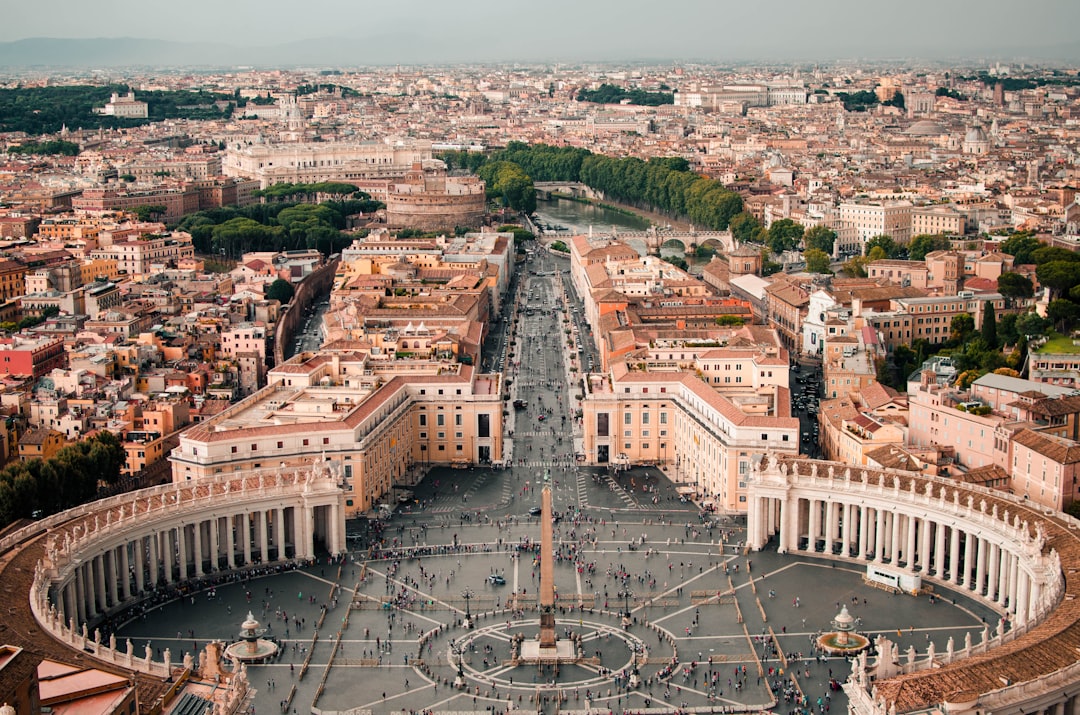
Vatican City Travel Guide: Everything You Need to Know (2026)
Vatican City is the world’s smallest sovereign state at just 0.44 km², home to a permanent population of 882 people and serving as the administrative headquarters of the Catholic Church since the Lateran Treaty of 1929. Entirely enclosed within Rome, Italy, it sits on the west bank of the Tiber River at an elevation of roughly 75 metres above sea level. Over 6 million tourists visit St. Peter’s Basilica alone each year, making this the most densely visited sovereign nation on Earth.
Three Things Not to Miss in Vatican City
- Sistine Chapel — Michelangelo painted its 520 m² ceiling between 1508 and 1512 — one of the greatest artistic achievements in human history.
- St. Peter’s Basilica Dome Climb — Climbing all 551 steps to the cupola delivers a panoramic Rome skyline view unavailable from any other vantage point.
- Vatican Museums — 7 kilometres of gallery corridors house over 70,000 works, including the Raphael Rooms that most visitors rush past.
Scroll down for our complete travel guide with tips on getting there, where to stay, costs and more.
Getting to Vatican City & Getting Around
Which airports are the best entry points to Vatican City?
**Rome Fiumicino (FCO)** is your primary gateway, sitting **32 km** southwest of Vatican City. In my experience, FCO handles the vast majority of long-haul international flights and is the far superior choice. **Rome Ciampino (CIA)**, **15 km** southeast of the city, serves budget carriers like Ryanair and EasyJet but has limited connections. My tip: unless your fare to CIA saves you more than **€30**, the extra logistics and transfer time from Ciampino rarely justify the hassle. Fiumicino’s direct rail link to Rome makes it the clear winner for Vatican-bound travellers.
How do I get from the airport to my first accommodation near Vatican City?
The **Leonardo Express train** from Fiumicino to Roma Termini costs **€14** and takes **32 minutes** — then take Metro Line A to **Ottaviano station**, a 5-minute walk to St. Peter’s Square. In my experience, this is the fastest combination at roughly **55 minutes total**. A licensed taxi from FCO to the Vatican area costs a fixed **€50**. What surprised me: unlicensed touts at FCO arrivals will quote you **€80–100** — always use the official white taxis with the Roma Capitale logo. From Ciampino, take the **Terravision bus** (**€6**) to Termini, then Metro Line A.
What transport options are there within Vatican City?
Vatican City itself is **0.44 km²** — you walk everywhere inside. The entire territory can be crossed on foot in under **10 minutes**. For reaching Vatican City from elsewhere in Rome, **Metro Line A to Ottaviano** is the fastest public option at **€1.50** per ride. Bus lines **40, 62, and 982** stop directly at Lungotevere. In my experience, the **hop-on hop-off bus** is a waste of money here — the Vatican is too compact. What most guides omit: the Vatican operates its own internal railway used almost exclusively for freight, not tourists, so do not expect an internal shuttle.
Do I need a rental car to explore Vatican City?
Absolutely not — skip the rental car entirely for Vatican City. The state is **0.44 km²** with no public car access and almost no parking for visitors. I recommend using Rome’s public transport network exclusively: **Metro Line A** and buses handle all Vatican-area access efficiently. What most guides omit: driving in central Rome around the Vatican triggers the **ZTL (Zona Traffico Limitato)** restricted traffic zone, and fines of **€100–300** are automatically photographed and mailed — even to rental car drivers who may not receive notice until months later via their rental company.
How good is the public transport network between regions of Vatican City?
Vatican City is a single, unified territory with no internal regions to travel between — the entire state measures **0.44 km²**. What matters is Rome’s public transport connecting Vatican City to the rest of the Italian capital. **Metro Line A** is the backbone, linking Ottaviano (Vatican) directly to Termini, Spagna, and Barberini in under **20 minutes**. A **48-hour Rome transport pass costs €7** and covers all buses, trams, and metro. In my experience, buses 40 and 64 from Termini to the Vatican corridor are useful but notoriously crowded — keep your belongings secure.
Where to Stay in Vatican City
Which regions should I stay in when visiting Vatican City?
Stay in **Prati**, the neighbourhood immediately north of Vatican City — it offers the best balance of proximity, authentic Roman dining, and reasonable prices. In my experience, hotels here place you within a **10-minute walk** of St. Peter’s Square without the tourist markup of spots directly on **Via della Conciliazione**. **Trastevere**, roughly **2 km** south, is charming and walkable for evenings. What surprised me: staying in the **Termini area** saves money but adds a **25-minute metro commute** each way, which drains an early Vatican museum entry strategy. I recommend budgeting the extra **€20–30 per night** to stay in Prati.
What does good accommodation cost per night near Vatican City?
A solid 3-star hotel in **Prati** runs **€90–140 per night** for a double room in mid-season. Budget guesthouses start around **€60**, while a 4-star property near **Castel Sant’Angelo** averages **€170–220**. In my experience, boutique B&Bs on **Via Cola di Rienzo** offer the best value — comfortable, well-located, and often including breakfast. What most guides omit: Vatican City itself has no tourist accommodation — you are always staying in Rome. Booking directly with the hotel rather than through aggregators sometimes saves **€15–25 per night** on smaller properties in Prati.
When should I book hotels for Vatican City — how far in advance?
Book at least **3 months ahead** for July and August visits. For Easter Week — when the Pope celebrates Mass in **St. Peter’s Square** — book **6 months in advance** without exception. In my experience, **Prati** accommodations fill faster than Termini-area hotels because supply is limited to a compact neighbourhood. My tip: for September visits, **6–8 weeks ahead** is usually sufficient and shoulder-season rates drop **20–30%** compared to August peaks. What most guides omit: major papal events like World Youth Day or canonisations can fill all central Rome hotels within **24 hours** of announcement.
When is the best time to travel to Vatican City?
**September** is the single best month — crowds thin after the August peak, temperatures drop to a comfortable **24–27°C**, and the Vatican Museums feel genuinely manageable. **July** is also excellent weather-wise but significantly more crowded. Based on 5-year climate analysis, July and September are the verified optimal travel months. In my experience, **late September weekday mornings** offer the closest thing to a peaceful Vatican Museums experience. What surprised me: **November through February** is genuinely underrated — the Sistine Chapel at 60% capacity is a completely different experience, though some garden areas may close.
How does peak season affect prices in Vatican City?
**August** prices for Prati hotels jump **35–50%** above September rates — a **€100** room in September becomes **€145–150** in August. Vatican Museums ticket availability also tightens severely; during Easter Week, timed entry slots sell out **weeks in advance**. In my experience, restaurants on **Via della Conciliazione** inflate tourist menus by **20–30%** in July and August compared to October. What most guides omit: peak season also means **2–3 hour security queues** at St. Peter’s Basilica without pre-booking, effectively costing you half a day you cannot buy back.
Best Time to Visit Vatican City
Which regions of Vatican City have different climate zones?
Vatican City is a single **0.44 km²** enclave with no meaningful internal climate variation — the entire state shares Rome’s humid subtropical climate (**Köppen Csa**). Practically speaking, the open expanse of **St. Peter’s Square** is brutally exposed in summer heat, regularly hitting **32–35°C** in July and August with no shade for the **300-metre approach** along Via della Conciliazione. In my experience, the interior of **St. Peter’s Basilica** stays noticeably cooler — roughly **5–7°C** lower than outside — making it a genuine relief in summer. Bring water for any outdoor queuing regardless of season.
What are the rainy seasons in Vatican City?
Rome’s rainy periods fall in **October–November** and again in **February–March**, with November averaging the highest monthly rainfall at roughly **100mm**. Summer months — June through August — are largely dry, with July averaging under **15mm**. In my experience, autumn rain in Rome is rarely the persistent all-day downpour you might expect from Northern Europe — it typically arrives in sharp **30–60 minute bursts**. What most guides omit: rain in October actually works in your favour at the Vatican since outdoor queue lengths at **St. Peter’s Square** drop dramatically, and the marble interiors are unaffected.
What does a trip to Vatican City cost per person per day?
Budget realistically on **€120–180 per day** including accommodation, Vatican Museums entry, meals, and transport in Rome. Vatican Museums admission alone costs **€17–20** per person. A budget traveller staying in a Prati guesthouse, eating lunch at a neighbourhood trattoria on **Via Candia**, and using the metro can manage **€85–100** per day. In my experience, the Vatican experience itself is surprisingly affordable — **St. Peter’s Basilica entry is free** — but Rome’s surrounding restaurant prices inflate daily costs fast. My tip: picnic lunch from **Mercato Trionfale** (2 minutes from the Vatican) cuts food costs by **€15–20** per day.
How expensive is food near Vatican City?
A sit-down lunch at a tourist restaurant on **Via della Conciliazione** costs **€20–35 per person**. Walk 3 blocks north into **Prati** and the same meal drops to **€12–18**. A pizza at a neighbourhood pizzeria on **Via Cola di Rienzo** runs **€8–11**. In my experience, the worst-value food in Rome clusters within **200 metres** of St. Peter’s Square — avoid it without exception. A coffee at a Prati bar costs **€1.10–1.30** standing at the counter; tourist cafés near the Vatican charge **€3–5** for the identical espresso. My rule: if the menu has photos, keep walking.
What hidden costs should I expect when visiting Vatican City?
The **dome climb surcharge** at St. Peter’s is **€8** by stairs or **€10** by lift — not included in standard basilica entry (which is free). Vatican Gardens tours cost an additional **€35–40** and require separate booking. In my experience, the biggest surprise is the **luggage and large bag policy**: the Vatican Museums prohibit bags over **40×35×15 cm** and the cloakroom queues add **20–30 minutes**. What most guides omit: visiting on a **Papal Audience Wednesday morning** (free but requires advance ticket request from the Prefecture of the Papal Household) ties up **St. Peter’s Square** for hours, disrupting your whole morning plan.
What a Trip to Vatican City Costs
How much cash should I bring to Vatican City?
Bring **€50–80 in cash** per day — enough for markets, tips, and small cafés. The Vatican’s own postal service and some smaller gift shops inside are **cash-preferred**. Rome’s **Prati neighbourhood ATMs** on Via Cola di Rienzo dispense euros without the airport surcharges. In my experience, the worst exchange rates in the area cluster at booths on **Via della Conciliazione** targeting post-museum foot traffic — use your bank card at an ATM instead. What most guides omit: the Vatican post office issues its own stamps and postmarks, which are prized by collectors — bring **€3–5 cash** specifically for this.
Which credit cards are accepted in Vatican City?
**Visa and Mastercard** are accepted at the Vatican Museums ticket office, the Vatican Bookshop, and most Prati restaurants and hotels. **American Express** acceptance is patchy — I would not rely on it inside the Vatican’s own facilities. In my experience, tap-to-pay contactless works reliably at **Vatican Museums turnstiles** and most modern Rome establishments. What most guides omit: the Vatican operates its own banking system through the **Institute for the Works of Religion (IOR)** — its ATMs inside Vatican territory accept standard international cards but charge a flat **€5 foreign transaction fee**, making the Prati ATMs a better option every time.
Which regions of Vatican City must I not miss?
Vatican City has three essential zones: the **Vatican Museums complex** including the Sistine Chapel, **St. Peter’s Basilica and Square** with Bernini’s colonnade, and the **Apostolic Palace gardens** visible on guided tours. In my experience, most visitors rush through the **Raphael Rooms** (Stanze di Raffaello) immediately before the Sistine Chapel — these are arguably as impressive as the chapel itself and receive a fraction of the attention. What surprised me: the **Vatican Necropolis** (Scavi) directly beneath St. Peter’s Basilica — containing what is believed to be St. Peter’s tomb — requires a separate booking and is experienced by fewer than **250 people per day**.
What are the tourist highlights of Vatican City?
The **Sistine Chapel ceiling** by Michelangelo (1508–1512) is the non-negotiable centrepiece. **St. Peter’s Basilica dome**, engineered by Michelangelo at **136 metres** high, delivers Rome’s most dramatic interior experience. The **Laocoön and His Sons** sculpture in the **Pio-Clementino Museum** is among the most influential works of art in Western history and is regularly overlooked by visitors racing toward the Sistine. In my experience, the **Vatican Pinacoteca** (art gallery) is criminally undervisited — Raphael’s Transfiguration and Caravaggio’s Deposition are here in a room that rarely exceeds 20 visitors at a time.
What experiences in Vatican City are found nowhere else on Earth?
**Attending a Papal Audience** in St. Peter’s Square is genuinely singular — free, open to all faiths, held most Wednesdays at **10:00**, and unlike any other public gathering on the planet with up to **10,000 attendees**. The **Vatican Necropolis tour** (Scavi) brings you within metres of the 1st-century AD tomb site identified as St. Peter’s grave — only **around 250 visitors per day** are permitted. In my experience, watching the **Changing of the Swiss Guard** at the **Bronze Door** (Portone di Bronzo) at 08:00 on duty-change mornings is free, takes **10 minutes**, and is one of the most visually striking ceremonial moments in Europe.
Regions & Highlights of Vatican City
Which areas of Vatican City are overcrowded — and what are the quieter alternatives?
**The Sistine Chapel** between 10:00 and 14:00 is the most overcrowded cultural space I have experienced in Europe — **500+ people** packed into one room is common in summer. Book the **Vatican Museums Early Entry** at 07:00 (available select dates, **€40**) to reach the Sistine Chapel before the standard opening rush. The quieter alternative inside the same complex is the **Gregorian Egyptian Museum** and the **Ethnological Museum** — extraordinary collections with almost no crowds. What surprised me: the **Vatican Gardens** (**€35**, separate booking) offer an entirely peaceful, green Vatican experience with almost no queues even in August.
How many days do I need to explore Vatican City properly?
Dedicate a minimum of **2 full days** to do Vatican City justice. Day 1: Vatican Museums and Sistine Chapel (**4–5 hours**) plus St. Peter’s Basilica and dome climb (**2 hours**). Day 2: Apostolic Palace exterior, Vatican Gardens tour, and the Scavi necropolis if pre-booked. In my experience, most tourists attempt everything in one **8-hour push** and leave exhausted and under-impressed. What most guides omit: Vatican Museums alone cover **7 km** of corridors — sensible visitors choose 3–4 specific collections rather than attempting everything. A third day visiting nearby **Castel Sant’Angelo** (5-minute walk) rounds out the entire area perfectly.
Do I need a visa to visit Vatican City?
For most tourists, **no separate Vatican visa is required** — access to public areas including St. Peter’s Square and Basilica requires no documentation beyond standard Italy/Schengen entry. EU/EEA citizens, UK passport holders, Americans, Canadians, and Australians all enter Italy visa-free for up to **90 days**, which covers Vatican access automatically. In my experience, the only credentialing required is a **free advance ticket** for Papal Audiences from the Prefecture of the Papal Household. What most guides omit: Vatican City is not a Schengen member state — it has its own sovereign border — but Italy controls access and your Schengen entry covers all practical purposes.
What languages are spoken in Vatican City?
**Italian** is the working language of Vatican administration; **Latin** holds official status for formal Church documents. In practice, the Vatican Museums and St. Peter’s Basilica staff speak **English fluently** — I have never needed Italian inside the tourist areas. Swiss Guards are typically multilingual (**German, French, Italian**). What surprised me: Vatican Radio broadcasts in **41 languages**, and multilingual signage throughout the museums covers English, German, French, Spanish, and Japanese. My tip: downloading the **Vatican Museums official audio guide app** (free) in your language before arriving eliminates the need for renting a **€7** physical audio device at the desk.
What cultural rules do I need to know before visiting Vatican City?
**Dress code is strictly enforced** at St. Peter’s Basilica and the Vatican Museums — shoulders and knees must be covered. Guards turn away visitors in shorts or sleeveless tops, and no exceptions are made regardless of heat. In my experience, **€2 disposable ponchos** sold by street vendors outside serve as emergency cover-ups and are worth having. What most guides omit: photography inside the **Sistine Chapel is prohibited** — staff enforce this actively, and the no-photography rule is a condition of the Vatican’s copyright agreement with Nippon Television. Noise is also enforced — the chapel is treated as an active place of worship, not a gallery.
Practical Tips for Vatican City
How safe is Vatican City?
Vatican City itself is extremely safe — it maintains its own **Vatican Gendarmerie Corps** and is co-patrolled by Italian police. Violent crime inside Vatican territory is essentially unrecorded. The honest warning: **pickpocketing is rampant** in the approach corridors, on **bus 64** (nicknamed the “pickpocket express” by Roman locals), and in the dense queues outside the Museums. In my experience, I keep my passport in a neck wallet and cards in a front pocket specifically on Vatican visit days. What surprised me: the Swiss Guard is a genuine **military force of 135 soldiers**, not ceremonial — their pikes are supplemented by modern firearms.
What health precautions should I take when visiting Vatican City?
No vaccinations are required specifically for Vatican City beyond standard Italy/EU entry health norms. The primary health concern in summer is **heat exhaustion** — St. Peter’s Square offers zero shade, temperatures hit **35°C** in July and August, and the queue for basilica security can run **90 minutes** in direct sun. Bring a minimum **1.5 litres** of water and a hat. In my experience, the **Vatican Museums** walking distance of **7 km** genuinely fatigues unprepared visitors — comfortable shoes matter more here than almost any other sight in Europe. The nearest hospital is **Ospedale Santo Spirito**, **800 metres** from St. Peter’s Square.
What SIM card or eSIM options are available for visiting Vatican City?
Vatican City has its own country code (**+379**) but in practice your Italian roaming signal covers the entire territory seamlessly — I have never experienced a connectivity gap. For EU travellers, **roaming is free** under EU regulations and works throughout Vatican City and Rome. Non-EU visitors should buy an Italian SIM at **Rome Fiumicino arrivals** — **TIM** and **Iliad** both offer **€10–15 starter packs** with **50+ GB of data**. My tip: **eSIM options** from providers like Airalo (Italy eSIM from **€4.50 for 1GB**) can be activated before departure, eliminating the airport queue entirely. In my experience, signal inside the Vatican Museums is strong on all Italian networks.
Which apps do you recommend for visiting Vatican City?
**Vatican Museums Official App** (free) provides room-by-room navigation and audio guides — download it on home Wi-Fi before travelling. **Google Maps** handles Rome transit routing flawlessly including Metro Line A to **Ottaviano**. **Moovit** gives real-time bus departures for lines 40, 62, and 982 to the Vatican. In my experience, **ATAC Rome** (official transit app) is less intuitive than Moovit but provides official ticket purchase functionality. What most guides omit: the **Timed Entry booking system** for Vatican Museums requires the official Vatican website (**www.museivaticani.va**) — third-party booking sites add **€4–8** reseller fees on top of the standard **€17** admission.
What are common traveller mistakes when visiting Vatican City?
The single biggest mistake is **arriving without pre-booked Vatican Museums tickets** — walk-up queues regularly run **2–3 hours** in peak season, and that time cannot be recovered. The second mistake is eating at any restaurant on **Via della Conciliazione** — overpriced by **30–40%** with mediocre food. In my experience, the third major error is attempting the Vatican and the **Colosseum on the same day** — both require **4–5 hours** each and the sites are **6 km apart**. What surprised me: many travellers book a Vatican tour that excludes Sistine Chapel — always confirm the specific itinerary covers the chapel explicitly before paying any **€25–60** guided tour fee.
Vatican City at a Glance
| Population | 882 |
|---|---|
| Currency | EUR (€) |
| Official language | Italian, Latin |
| Time zone | Central European Time |
Source: Wikidata, retrieved August 2026.
Essential Resources for Planning Your Trip to Vatican City
- Vatican City – UNESCO World Heritage Centre — official visitor information, passes & events
- Wikipedia: Vatican City — history, geography & background
- Wikivoyage: Vatican City — community travel guide & practical tips
- Vatican City, Borgo & Prati travel – Rome — expert itineraries & travel inspiration
- Top 30 Things to Do in Vatican City – Tripadvisor — hotels, restaurants & traveller reviews
- Recommended transportation from Rome city center to … — how to get around
- Numbeo: Cost of Living in Vatican City — current prices & cost comparison
- Timeanddate: Vatican City Weather & Climate — forecasts & climate statistics
- Vatican City – UNESCO World Heritage Centre
More Perspectives on Vatican City
- Vatican City Tips? : r/rome
- How To Visit The Vatican (Museums + St. Peter’s Basilica)
- The Ultimate Guide to Exploring Vatican City
Vatican City Travel Videos
Watch these videos for a visual preview before your trip:
- How to Visit the Vatican in 2026 (Without Screwing It Up)
- Vatican City – Complete Travel Guide – St Peter’s Basilica, Sistine Chapel, The Pope and more!
- Vatican Museums, Sistine Chapel & St. Peter’s Basilica | The Ultimate Travel Guide
Vatican City Travel Discussions on Reddit
Real traveller experiences and community advice:
- advice on visiting vatican city : r/rome
- Vatican City Tips? : r/rome
- What’s the best way to experience the vatican? : r/rome
Data Sources
This page was compiled using data from Wikipedia, Wikidata, Open-Meteo (climate), Numbeo (cost of living) and REST Countries. Information is updated regularly.