
Italy: The Complete Travel Guide (2026)
Last reviewed: August 2026 · key facts checked against Wikidata
Italy Travel Guide: Everything You Need to Know (2026)
Italy, home to 58,850,717 people, packs 55 UNESCO World Heritage Sites into a boot-shaped peninsula stretching 1,300 km from the Alps to the tip of Calabria. Founded as a unified republic in 1861, it draws over 65 million international visitors annually — making it one of the five most visited countries on Earth. From the Dolomites at 3,000+ meters to the sun-scorched beaches of Sicily, no other country compresses this much history, food, and landscape into a single passport stamp.
Top 3 Highlights at a Glance
- The Amalfi Coast — Fifty kilometres of cliff-hanging villages above the Tyrrhenian Sea — the drive alone is worth the white knuckles.
- The Colosseum, Rome — A 2,000-year-old arena that held 80,000 spectators — still the most intact amphitheatre on Earth.
- Cinque Terre Coastal Trails — Five car-free fishing villages linked by a 12 km clifftop trail with unbroken views of the Ligurian Sea.
Scroll down for our complete travel guide with tips on getting there, where to stay, costs and more.
Getting There & Transport
Which airports are the best entry points into Italy?
Rome Fiumicino (FCO) and Milan Malpensa (MXP) are Italy’s two primary international hubs. In my experience, FCO is the better gateway if you’re heading south or to central Italy, while MXP is ideal for the north, Lake Como, or the Dolomites. Venice Marco Polo (VCE) is excellent if you’re starting in the northeast. My tip: Naples Capodichino (NAP) saves you 3+ hours if your itinerary is Amalfi-focused. What surprised me: Bergamo Orio al Serio (BGY) is Ryanair’s main Italian hub and is just 45 km from Milan — budget-friendly but involves an extra bus transfer. Avoid booking into a hub city just because it’s familiar; match your arrival airport to your first destination.
How do I get from the airport to my first accommodation in Italy?
Take the Leonardo Express train from Fiumicino to Roma Termini — it runs every 30 minutes, costs €14, and takes exactly 32 minutes. At Malpensa, the Malpensa Express to Milano Centrale costs €13 and takes 52 minutes. In my experience, taxis from both airports are metered and legitimate but cost €48–55 flat rate into central Rome or Milan. What most guides omit: at Venice Marco Polo, water taxis look glamorous but cost €120+ — the ACTV public ferry to San Marco costs €9.50 and takes 75 minutes. My tip: pre-book your first night’s accommodation near the train station in whichever city you land in — dragging luggage across cobblestones in the heat is genuinely exhausting.
What transport options are there within Italy?
Trenitalia and Italo high-speed trains are the backbone of Italian travel. The Rome–Milan Frecciarossa covers 570 km in 2 hours 55 minutes and costs €29–89 booked in advance. My tip: book Italo for competing prices and often newer trains. For regions like Puglia, Basilicata, and Calabria, regional trains are slower and buses fill the gaps. FlixBus covers intercity routes cheaply but adds 40–60% more travel time than rail. Rental cars make sense for Tuscany, Sicily, and the Dolomites. What surprised me: ferry networks between the mainland and Sicily, Sardinia, and the Aeolian Islands are extensive and often overnight — a practical and scenic option. Avoid domestic flights — they rarely save time once you add airport transfer and check-in.
Do I need a rental car in Italy?
For Rome, Florence, Venice, and Milan, a car is an active liability — ZTL zones (restricted traffic zones) will photograph your plates and fine you €100–300 automatically, often weeks after you leave Italy. In my experience, the train network handles city-to-city travel perfectly. However, I strongly recommend a car for Tuscany’s Val d’Orcia, the Dolomites, rural Sicily, and the Amalfi Coast hinterland. Compact car rentals run €35–60 per day including basic insurance. My tip: always upgrade to full-coverage insurance and use a credit card that includes collision waiver — Italian rental companies are notorious for aggressive damage claims on return. Book through AutoEurope or Rentalcars.com rather than directly at the airport desk for 20–30% savings.
How good is the public transport network between regions in Italy?
Between major cities, Italy’s public transport is genuinely excellent. High-speed rail connects Rome, Florence, Milan, Venice, Naples, and Bologna in under 3 hours each. What most guides omit: the further south you go, the worse it gets. Calabria and Basilicata are served by slow regional trains that can take 4 hours to cover 150 km. In my experience, Puglia is surprisingly well-connected from Bari — trains reach Lecce in 1 hour 20 minutes for around €10. For Sardinia, buses run between towns but service is infrequent outside summer. My tip: use Omio.com to compare train, bus, and ferry options simultaneously — it catches connections that individual operator websites miss. Budget extra time anywhere south of Naples.
Accommodation
Which regions of Italy should I stay in?
Base yourself in Tuscany (Florence or Siena) for art and wine, Rome for ancient history, the Amalfi Coast (Positano or Ravello) for dramatic scenery, and Sicily (Palermo or Syracuse) for Greek temples and raw culture. In my experience, Puglia is the most underrated long-stay region — Lecce’s baroque architecture rivals anything in northern Italy at half the price. For outdoors, Trentino-Alto Adige around Bolzano offers Alpine hiking without the Switzerland price tag. What surprised me: Le Marche region along the Adriatic is almost entirely tourist-free despite excellent beaches, medieval hilltowns, and food culture on par with Emilia-Romagna. Avoid basing yourself in Venice for more than 3 nights — it’s beautiful but claustrophobic for extended stays.
What does good accommodation cost per night in Italy?
A reliable 3-star hotel in Rome or Florence costs €90–130 per night in shoulder season. In Milan, expect to pay €120–160 for the same standard. My tip: agriturismo stays in Tuscany or Umbria — working farms with rooms — run €70–100 per night including breakfast and are dramatically more atmospheric than city hotels. Venice inflates every category by 40% — a decent double there rarely falls below €150 from April through October. In my experience, Airbnb and apartment rentals in southern Italy (Puglia, Sicily) offer genuine value at €50–80 per night for a full apartment. What most guides omit: many Italian hotels still charge a city tax of €1.50–€7 per person per night on top of the room rate — budget for it.
When should I book hotels in Italy — how far in advance?
Book at least 3 months ahead for July and August, especially in Positano, Cinque Terre, and Venice. In my experience, the best-value rooms in these spots disappear by March for summer travel. For Rome and Florence in shoulder season (April–June, September–October), 6–8 weeks is usually sufficient. What most guides omit: Easter week (Settimana Santa) and the Ferragosto national holiday (August 15) cause domestic travel surges that rival midsummer — book these windows 4+ months out. My tip: check hotel websites directly after finding rates on Booking.com — many Italian family-run properties offer a 5–10% discount for direct bookings. For New Year’s in Rome or Milan, you need 6 months minimum for anything reasonable under €200 per night.
When is the best time to travel to Italy?
July, August, September, and October are the best months based on climate data — but the honest answer is that September and October are superior to July and August for most travellers. In my experience, late September in Tuscany is the single best week in Italy: harvest season, warm days at 22°C, emptying crowds, and wine country alive with activity. May and early June are excellent alternatives — temperatures are comfortable, wildflowers are out, and tourist volumes haven’t peaked. What most guides omit: August in Rome and Milan is actually quiet locally because Italians leave their own cities — you get a strange, hot, half-closed version of the city. My tip: avoid the week of August 10–17 almost everywhere — businesses shut and coastal resorts are impossibly crowded.
How does peak season affect prices in Italy?
Peak season (July–August) inflates accommodation prices by 40–70% compared to November or February. In my experience, a hotel room in Positano that costs €120 in October jumps to €280+ in August. Restaurant prices in tourist zones don’t fluctuate as dramatically, but menu quality often drops as kitchens handle volume. What most guides omit: flight prices from Northern Europe and the US spike sharply from mid-June — booking in January for summer travel saves €150–300 per person on transatlantic routes. My tip: museum queues at the Uffizi and Vatican double in peak season — pre-book timed entry tickets at least 3 weeks ahead regardless of season. Train prices also rise: the Rome–Florence Frecciarossa booked day-of in August costs €49 versus €19 booked 60 days out.
Best Time to Visit
Which regions of Italy have different climate zones?
Italy spans 4 distinct climate zones across its 1,300 km length. The Po Valley (Milan, Bologna) has a continental climate — hot, humid summers and cold, foggy winters below 5°C. The Alpine north (Trentino, Aosta Valley) has mountain weather with snow from November to April. Central Italy (Rome, Florence, Tuscany) runs Mediterranean — dry summers above 30°C, mild wet winters. Sicily and Calabria are semi-arid in summer, with July temperatures regularly hitting 38–40°C in Palermo. In my experience, Sardinia has the most reliable summer weather in Italy — consistent sea breezes keep it bearable when the mainland swelters. What surprised me: the Dolomites at 2,000+ meters can see snow in June — pack layers even if you’re visiting in what feels like summer.
What are the rainy seasons in Italy?
Italy has no single nationwide rainy season — it varies sharply by region. Northern Italy (Milan, Venice, the Dolomites) receives its heaviest rainfall in October–November and again in April–May, often as intense afternoon thunderstorms. Rome and Tuscany are driest June through August, with rain concentrated in November and December. In my experience, November in Venice is high flood season — acqua alta can submerge Piazza San Marco under 30–80 cm of water, and you’ll need rubber boots available at local shops for €15. Sicily and the deep south are almost completely dry from June to September. What most guides omit: even in the dry season, Amalfi Coast roads can close after single heavy rain events due to landslide risk — always check local conditions.
What does a trip to Italy cost per person per day?
A realistic budget depends on travel style. Budget travellers using hostels, regional trains, and supermarket lunches can manage €70–90 per day. Mid-range travellers in 3-star hotels, sit-down lunches, and museum entry average €150–200 per day. In my experience, a comfortable trip to Italy without splurging runs €180 per person per day including accommodation, 2 restaurant meals, transport, and 1–2 paid attractions. What most guides omit: city taxes, museum booking fees, and café sitting charges (vs standing at the bar) silently add €10–20 per day to your real spend. My tip: eating lunch as your main meal in Italy is the best budget move — a full pasta and secondi at lunch costs €12–18, the same dish at dinner costs €20–30.
How expensive is food in Italy?
Food in Italy is outstanding value if you eat like Italians do. A cappuccino at a bar standing up costs €1.20–1.50 — sitting down at a terrace doubles or triples it. A cornetto (pastry) costs €1–1.50. A proper sit-down lunch (primo, secondo, water, wine) at a non-tourist trattoria runs €18–28. In my experience, pizza in Naples costs €5–9 for a margherita at a serious pizzeria like Sorbillo on Via Tribunali — the best food bargain in Europe. What most guides omit: tourist menus near major monuments in Rome and Florence represent a 60–80% markup for inferior food — walk 2 streets away from any UNESCO landmark to halve your bill. My tip: aperitivo hour in Milan (6–8pm) often includes free snacks with your €8–12 Aperol Spritz — it’s a legitimate cheap dinner strategy.
What hidden costs should I expect in Italy?
City tax (tassa di soggiorno) is charged per person per night in almost every Italian city — €1.50 in small towns up to €7 per night in Venice and Rome — and is always paid separately at the hotel, in cash. In my experience, the costs that blindside travellers most are: ZTL fines (€100–300) for unknowingly driving into restricted zones, cover charges (coperto) of €1.50–3.50 per person at sit-down restaurants, and luggage storage fees at major train stations (€6–8 per bag per day). What most guides omit: Colosseum and Vatican Museum booking fees add €5–8 per ticket on top of face value. My tip: always read the full menu posted outside a restaurant before sitting — if a coperto or service charge isn’t listed, ask before ordering.
Budget & Costs
How much cash should I bring to Italy?
Bring €200–300 in cash for your first few days — Italy is more cash-dependent than Northern Europe. In my experience, markets, small trattorias, tabacchi shops, taxis, and agriturismi outside cities frequently operate cash-only. Rome, Milan, and Florence now accept cards almost universally in hotels and larger restaurants, but rural Tuscany, the Aeolian Islands, and small Sicilian towns still strongly prefer cash. ATMs (called Bancomat) are widely available in cities — use ones attached to Italian banks like Intesa Sanpaolo or UniCredit to avoid independent ATM surcharges of €3–6 per withdrawal. What most guides omit: many Italian bars and gelaterie have a minimum card spend of €5–10, so small purchases require coins. My tip: use a Wise or Revolut card to avoid foreign transaction fees.
Which credit cards are accepted in Italy?
Visa and Mastercard are accepted everywhere that takes cards in Italy. American Express is accepted at larger hotels, upscale restaurants, and chain stores, but rejected at roughly 40% of independent businesses. In my experience, contactless payment (up to €50 without PIN) is now standard in cities, and Apple Pay works reliably in most places in Rome, Milan, and Florence. What most guides omit: some smaller hotels and B&Bs technically list card payment but prefer cash and will ask if you’re paying by card at check-in — this is a polite negotiation, not an ambush. My tip: never exchange currency at exchange booths near major tourist sites — their rates are 8–12% below interbank rate. Use your bank’s ATM card or a Revolut card for the best exchange rate on euros.
Which regions of Italy must I not miss?
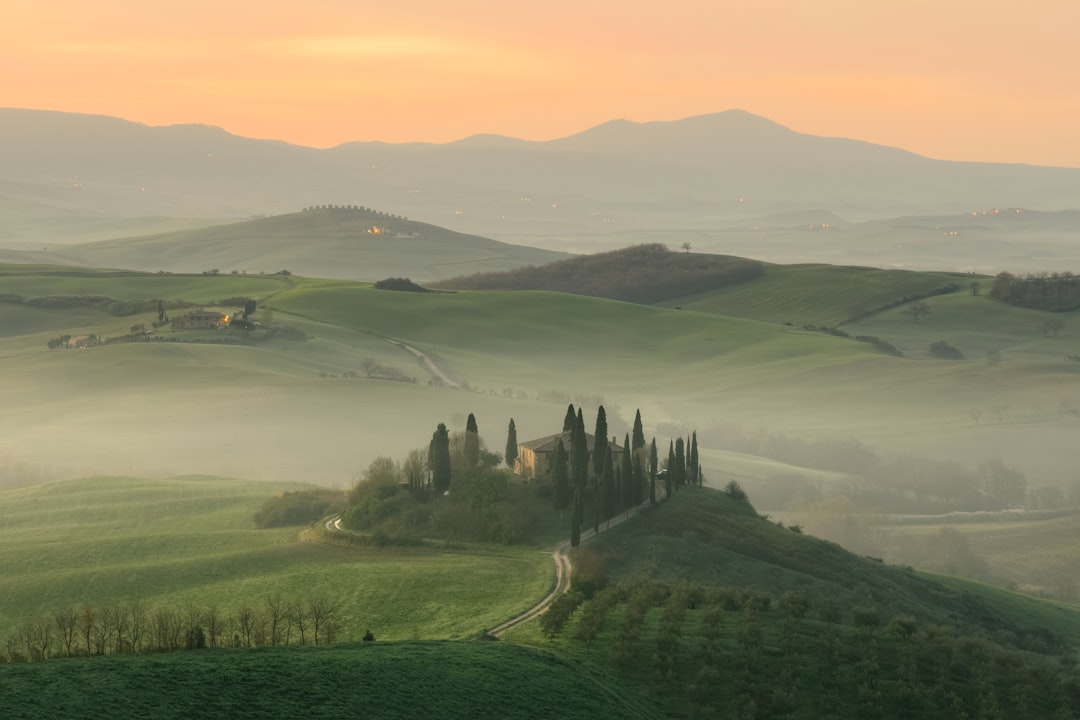
Tuscany, Rome and Lazio, the Amalfi Coast (Campania), and Sicily are non-negotiable for a first visit. In my experience, Puglia deserves to be on that list — the whitewashed trulli houses of Alberobello, baroque Lecce, and sea-urchin pasta in Otranto offer something genuinely different from the Tuscany postcard. The Dolomites in Trentino-Alto Adige are essential for anyone who finds cities overwhelming — the Tre Cime di Lavaredo loop at 2,400 meters is one of Europe’s great day hikes. What most guides omit: Le Marche on the Adriatic coast pairs medieval hilltowns with uncrowded beaches and has excellent local white wine (Verdicchio) — I consider it Italy’s best-kept regional secret. Don’t miss Bologna in Emilia-Romagna — the gastronomic capital of the country.
What are the tourist highlights of Italy?
The Colosseum and Roman Forum (Rome), Uffizi Gallery (Florence), Venice’s Grand Canal, Pompeii near Naples, the Amalfi Coast, Cinque Terre, and the Vatican Museums including the Sistine Chapel are Italy’s headline attractions. In my experience, Pompeii is more impressive in person than any photo suggests — walking the actual streets of a 2,000-year-old Roman city frozen in 79 AD takes a minimum of 3 hours to do justice. What surprised me: Matera in Basilicata — a cave city continuously inhabited for 9,000 years and a 2019 European Capital of Culture — rivals anything in the north for sheer visual drama. My tip: pre-book the Vatican Museums at least 3 weeks in advance from April to October — on-the-day queues regularly exceed 3 hours.
What experiences in Italy are found nowhere else on Earth?
Three experiences are genuinely irreplaceable. First: eating a Neapolitan pizza at Da Michele in Naples — a 150-year-old institution serving only margherita and marinara for €6–8 — is a pilgrimage that no other country can replicate. Second: the Venice Carnival (Carnevale di Venezia) in February transforms the entire city into a baroque costume drama unlike anything in Europe. Third: watching the Palio di Siena horse race on July 2 or August 16 — held in the medieval Piazza del Campo since 1644 — is raw, chaotic, and completely unrepeatable as a spectacle. In my experience, even jaded travellers are genuinely moved by standing inside the Pantheon in Rome — a perfectly preserved concrete dome built in 125 AD with an open oculus still open to the sky.
Regions & Highlights
Which areas of Italy are overcrowded — and what are the quieter alternatives?
Venice in July–August, Positano on weekends, and Cinque Terre’s Via dell’Amore are genuinely overwhelmed — Cinque Terre now charges a €7.50 entry fee to manage trail overcrowding. In my experience, Procida (30 minutes by ferry from Naples, €20 return) is what Positano looked like 30 years ago — pastel houses, real fishing families, no cruise ship crowds. Instead of Cinque Terre, try the Portofino peninsula or the Riviera di Levante east of Genoa for the same Ligurian coast aesthetic with half the people. Instead of Venice, spend a night in Trieste — an Austro-Hungarian port city with serious coffee culture and almost zero tourist infrastructure. My tip: Matera, Ostuni, and Lecce offer the southern Italian magic that Positano sells, at 50% of the price.
How many days do I need in Italy?
Minimum 10 days to cover 3 regions meaningfully — anything less forces you into a highlight reel that exhausts rather than satisfies. In my experience, the classic Rome (3 nights) – Florence (2 nights) – Venice (2 nights) route is logical but rushed — you’ll spend as much time on trains as in museums. My recommended structure for 12 days: Rome (3 nights), Naples + Amalfi day trip (2 nights), Sicily (3 nights), then fly home from Catania. What most guides omit: travel days genuinely count — the Rome–Naples train is 1 hour 10 minutes, but check-in, luggage, and orientation eat another 3 hours. For a dedicated Tuscany and Umbria trip, 7 days is sufficient if you base yourself in a single hiltown like Montepulciano and explore by car.
Do I need a visa to visit Italy?
EU and Schengen citizens need no visa — just a valid ID card or passport. US, Canadian, Australian, and UK citizens can enter visa-free for up to 90 days within any 180-day period under the Schengen Agreement. What most guides omit: ETIAS (European Travel Information and Authorisation System) is expected to launch for non-EU visitors in 2026 — US, UK, Canadian, and Australian travellers will need to register online (fee approximately €7) before arrival. My tip: check the ETIAS official website in early 2026 to confirm the launch status before booking. Passports must be valid for at least 3 months beyond your planned departure date from Italy. Citizens of non-Schengen countries (India, China, etc.) require a Schengen Tourist Visa applied through the Italian embassy.
What languages are spoken in Italy?
Italian is the sole official national language, spoken by the entire population. In my experience, English is widely spoken in tourist zones of Rome, Florence, Venice, Milan, and the Amalfi Coast — restaurant menus, museum signage, and hotel staff are almost universally English-capable in these areas. The picture changes dramatically in rural Calabria, inland Sicily, and Basilicata — English comprehension drops sharply and a few Italian phrases make a real difference. What surprised me: German is co-official in Alto Adige (South Tyrol), where many locals identify as Austrian-German and German is the primary language of daily life. My tip: learning 10 Italian phrases — especially ’Scusi’, ‘Grazie’, ‘Il conto per favore’ and ‘Parla inglese?’ — dramatically improves how locals treat you, even in touristy areas.
What cultural rules do I need to know before visiting Italy?
Dress codes at churches are strictly enforced — bare shoulders and shorts above the knee will get you turned away at the Vatican, major Florence basilicas, and smaller regional churches. Cover-up wraps cost €5–10 from street vendors outside major sites, but bring your own. In my experience, ordering a cappuccino after 11am marks you immediately as a tourist — Italians drink it only at breakfast. It’s not offensive, but baristas will notice. What most guides omit: sitting on the Spanish Steps or Trevi Fountain in Rome is now illegal and carries fines of €250 — signs are posted but enforcement is real. My tip: always greet shopkeepers with ’Buongiorno’ when entering — walking into a small Italian shop without greeting the owner is considered rude and you will receive noticeably worse service.
Practical Tips
How safe is Italy for travellers?
Italy is very safe for travellers — violent crime against tourists is extremely rare. The realistic threat is pickpocketing, concentrated in specific zones: Rome’s Termini station, Colosseum area, Trevi Fountain, Naples’ Spaccanapoli, and on crowded buses like Rome’s Line 40 and 64 (the Vatican bus routes). In my experience, wearing a money belt or using an inside-zip bag eliminates 95% of the risk. What most guides omit: scams are more common than theft — watch for the friendship bracelet trick at tourist sites (someone ties a bracelet on you and then demands €20), fake restaurant menus with unlisted service charges, and unmarked taxis at airports charging 3x the official rate. My tip: always take a taxi from the official white cab ranks — official Rome taxis are white and metered.
What health precautions should I take before visiting Italy?
No vaccinations are required to enter Italy — standard up-to-date European vaccination schedules are sufficient. In my experience, the main health issue travellers face is heat exhaustion in July and August, particularly in Rome, Naples, and Sicily where temperatures regularly exceed 35–38°C. Drink 2+ litres of water daily — public drinking fountains called nasoni throughout Rome provide free, safe, cold water. What most guides omit: sun protection is consistently underestimated at archaeological sites like Pompeii and the Valley of the Temples in Agrigento, where there is zero shade. Pharmacies (farmacie, marked with a green cross) are numerous, well-stocked, and pharmacists can advise on minor ailments without an appointment. EU citizens should carry their EHIC card for free public healthcare access; non-EU travellers need travel insurance covering medical costs.
What SIM card or eSIM options are available in Italy?
TIM, Vodafone IT, WindTre, and Iliad are Italy’s four main carriers. In my experience, a TIM or WindTre tourist SIM with 20–30 GB of data costs €15–25 and is available from official stores at Fiumicino (FCO) airport or from tabacchi shops throughout the country. Coverage is excellent in cities and on main highways; it drops in mountain areas of the Dolomites and remote parts of Sardinia. My tip: eSIMs from Airalo or Holafly (approximately €18 for 10 GB for 30 days) are increasingly convenient — you activate before departure with no physical SIM swap. What most guides omit: free WiFi in Italy is less reliable than in Northern Europe — hotel WiFi speeds are often poor outside major city chains, making your own data plan essential for navigation. Italy uses standard EU 220V/50Hz Type F power sockets.
Which apps do you recommend for travelling in Italy?
Trenitalia and Italo apps for booking trains — both show live delays and allow e-ticket purchase with no booking fee. Google Maps works reliably for navigation including public transit in major cities. In my experience, Moovit gives better real-time bus information in Rome and Naples than Google. TheFork (ElFork in Italian) lists restaurant reviews and often offers 25–50% discounts for off-peak bookings. Musei Italiani app lets you pre-book state museum tickets. What most guides omit: Omio.com (also available as an app) combines train, bus, and ferry searches in one place — invaluable for multi-modal journeys involving Sicilian ferries or island connections. My tip: download offline Google Maps for your specific regions before departure — roaming gaps in Basilicata and Calabria make real-time mapping unreliable.
What are the most common traveller mistakes made in Italy?
The single biggest mistake: booking accommodation without checking for ZTL restrictions if you’re renting a car — this alone has cost travellers €300+ in fines paid weeks after returning home. In my experience, the second most costly error is not pre-booking timed entry to the Vatican Museums and Colosseum — queuing 2–3 hours is a genuinely avoidable waste of your trip. What most guides omit: over-packing the itinerary — trying to do Rome, Florence, Venice, Milan, Amalfi, and Sicily in 10 days means you’ll spend more time on trains than at destinations. My tip: eat where there are no English menus in the window and no photos of food — this rule alone will dramatically improve your culinary experience. Finally, don’t confuse espresso culture — ordering a ‘latte’ in Italy will get you a glass of cold milk.
Explore Italy by Region
Italy at a Glance
| Population | 58,850,717 |
|---|---|
| Currency | EUR (€) |
| Official language | Italian |
| Time zone | Europe/Rome |
Source: Wikidata, retrieved August 2026.
Essential Resources for Planning Your Trip to Italy
- Discover Italy: Official Tourism Website – Italia.it — official visitor information, passes & events
- Wikipedia: Italy — history, geography & background
- Wikivoyage: Italy — community travel guide & practical tips
- Italy Travel 2026 – Lonely Planet | Europe — expert itineraries & travel inspiration
- THE 15 BEST Things to Do in Italy (2026) — hotels, restaurants & traveller reviews
- Travel without leaving a trace – how to tackle overtourism I … — how to get around
- Numbeo: Cost of Living in Italy — current prices & cost comparison
- Timeanddate: Italy Weather & Climate — forecasts & climate statistics
- Travel without leaving a trace – how to tackle overtourism I …
More Perspectives on Italy
- 22 Crucial Things To Know Before Your First Trip To Italy
- Italy Travel Guide by Rick Steves
- Italy Travel Tips: Educational Guide for Your Journey Abroad
Italy Travel Videos
Watch these videos for a visual preview before your trip:
- ITALY TRAVEL TIPS FOR FIRST TIMERS | 50 Must-Knows Before Visiting Italy + What NOT to Do!
- The Perfect 10 Day Italy Itinerary For First Timers | Detailed Italy Vacation Guide
- Don’t Let These 24 Surprises Ruin Your Italy Trip
Italy Travel Discussions on Reddit
Real traveller experiences and community advice:
Data Sources
This page was compiled using data from Wikipedia, Wikidata, Open-Meteo (climate), Numbeo (cost of living) and REST Countries. Information is updated regularly.