
Shkodra: The Complete Travel Guide (2026)
Shkodra Travel Guide: Everything You Need to Know (2026)
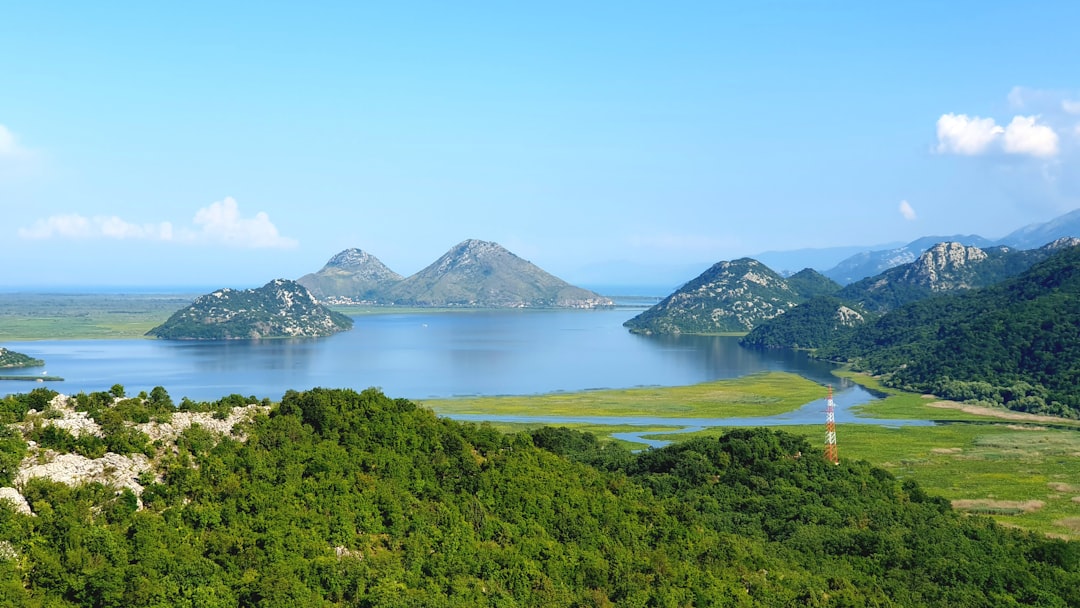
Shkodra, Albania’s fourth-largest city with a population of 61,633, sits at just 13 metres above sea level on the Plain of Mbishkodra, flanked by Lake Shkodër — one of Europe’s largest lakes — and the dramatic foothills of the Albanian Alps. Founded over 2,200 years ago, this is one of the oldest continuously inhabited cities in the Balkans, with a layered history stretching from Illyrian kings through Venetian merchants to Ottoman pashas. What surprised me most was how few Western tourists have discovered Shkodra despite it being a genuine gateway to the Albanian Alps and the wild north.
Three Things Not to Miss in Shkodra
- Rozafa Castle — A 2,500-year-old Illyrian fortress perched at 130 metres with panoramic views over the confluence of three rivers.
- Lake Shkodër Waterfront — Central Europe’s largest lake by surface area offers kayaking, cycling, and flamingo sightings just 5 km from the city centre.
- Pedestrian Boulevard Kolë Idromeno — Shkodra’s vibrant café-lined main boulevard, rebuilt after the 1979 earthquake, is the social heart of Albanian northern culture.
Scroll down for our complete travel guide with tips on getting there, where to stay, costs and more.
How to Reach Shkodra
How do I get to Shkodra — by bus, train, or car?
Bus is the fastest and most practical option for reaching Shkodra. **Furgons** (shared minibuses) depart from Tirana’s **Zogu i Zi** terminal roughly every 30 minutes and cover the **110 km** in about **2 hours** for around **400 Albanian Lek (roughly $4 USD)**. There is technically a train service, but I strongly advise against it — the rolling stock is ancient, the journey takes over **3.5 hours**, and it runs infrequently. From Montenegro, buses cross the **Hani i Hotit** border post and reach Shkodra in under **1 hour** from Podgorica. The caveat most guides skip: furgons don’t always leave on a fixed schedule — they depart when full, so arriving early in the morning guarantees a faster departure.
Which airport is closest to Shkodra?
**Tirana International Airport Nënë Tereza (TIA)** is the closest and only realistic airport option, located **95 km** south of Shkodra. In my experience, the best strategy is flying into **TIA**, taking an airport taxi or shuttle to **Tirana’s Zogu i Zi** bus terminal (**30 minutes, ~$10 USD**), then boarding a furgon directly to Shkodra. There is no direct airport shuttle to Shkodra. My tip: avoid booking the first connection of the day on a low-cost carrier into TIA — delays are common, and the last reliable furgon to Shkodra departs around **7 PM**. Missing it means an overnight in Tirana or an expensive **$60–$70 USD** private taxi transfer.
How long does the journey to Shkodra take from Tirana?
The furgon journey from Tirana to Shkodra takes **2 hours** under normal conditions. By private car on the **SH1 highway**, I’ve done it in **1 hour 40 minutes** outside rush hour. The bus/furgon remains the fastest budget option at **$4 USD**. What surprised me was that the road condition through **Fushë-Krujë** has improved dramatically since 2022 — the four-lane stretch now makes up most of the route. The honest caveat: summer construction works near **Lezhë** can add **30–45 minutes** to any journey. If you’re travelling from Kosovo, the **Vermosh pass route** via Bajram Curri is spectacular but takes **5+ hours** on unpaved mountain roads — adventurous, not practical.
Do I need a rental car in Shkodra?
For Shkodra city itself, no — you absolutely do not need a car. The old bazaar, **Rozafa Castle**, the pedestrian boulevard, and the lake waterfront at **Shiroka** are all reachable by foot, bicycle, or a short taxi ride under **$3 USD**. However, if you plan to explore the **Accursed Mountains (Bjeshkët e Namuna)**, the **Valbona Valley**, or the **Theth National Park**, a 4WD rental becomes essential — mountain roads are unpaved and require ground clearance. Rental prices in Shkodra start at **$35–$45 USD per day** from agencies near **Rruga 13 Dhjetori**. The warning most guides omit: Albanian car insurance rarely covers off-road mountain routes, so check your policy before driving toward **Theth**.
Shkodra Public Transport Explained
What are the best areas to stay in Shkodra?
I recommend staying in the **old bazaar district (Pazari i Ri)** or within walking distance of **Boulevard Kolë Idromeno** for the best balance of convenience and atmosphere. This central zone puts Rozafa Castle **15 minutes by bike**, the lake waterfront **20 minutes by cycle path**, and every restaurant worth visiting within easy walking distance. The **Rus neighbourhood** slightly east of centre is quieter and preferred by budget travellers with guesthouses charging **$20–$35 USD per night**. Avoid booking accommodations near the **southern industrial outskirts** — they’re cheap but add unnecessary taxi costs for every outing. My tip: guesthouses along **Rruga Edith Durham** (named after the famous British traveller who documented northern Albania) offer the most authentic local experience.
What does accommodation cost per night in Shkodra?
Shkodra is genuinely affordable by any European standard. Budget guesthouses in the centre charge **$18–$30 USD per night** for a double room with breakfast. Mid-range boutique hotels like **Hotel Tradita** — which doubles as a cultural museum of northern Albanian customs — run **$50–$75 USD per night**. I found the sweet spot at **$35–$50 USD**: clean en-suite rooms, included breakfast, often with a garden. Top-end options peak at **$90–$110 USD** per night and typically include lake or castle views. The trade-off: cheaper guesthouses frequently lack reliable hot water pressure — not a dealbreaker, but worth reading recent reviews on. Air conditioning is standard above **$40 USD** per night, which matters in July when temperatures regularly exceed **33°C**.
How far in advance should I book accommodation in Shkodra during high season?
Book **4–6 weeks ahead** for July and August — this is non-negotiable for Shkodra. The city acts as the primary gateway to **Theth** and **Valbona**, so trekking season floods guesthouses with hikers transiting north. The boutique options like **Hotel Tradita** and lake-view guesthouses near **Shiroka** sell out first. What most guides don’t warn you about: the last week of July coincides with the **Festival Folklorik Kombëtar** (National Folklore Festival), historically hosted in Gjirokastra but drawing visitors who sometimes base in Shkodra — this creates unexpected demand spikes. Outside of **July and August**, same-week bookings work perfectly fine. My experience: in **September**, my preferred travel month, I’ve walked in without a reservation and found excellent rooms at **$30 USD**.
Are there special or unique accommodation types in Shkodra?
Yes — Shkodra has one accommodation type I recommend above all others: the **traditional Albanian gjeçori guesthouse**, where family-run rooms are integrated into genuinely lived-in historic homes in the old Venetian-influenced quarter. **Shtëpia e Marë** and similar unnamed family guesthouses on **Rruga Edith Durham** charge **$20–$25 USD per night** and include homemade raki, fig preserves, and breakfast on a shaded courtyard terrace. For lake immersion, **Shiroka village**, **5 km west**, offers waterfront bungalows with direct lake access for **$40–$60 USD**. The honest caveat: rooms in historic houses often lack sound insulation — neighbourhood roosters and morning mosque calls start around **5 AM**. Earplugs are essential, not optional.
Neighbourhoods of Shkodra
What are the must-see sights in Shkodra?
**Rozafa Castle** is unmissable — a 2,500-year-old Illyrian citadel at **130 metres** with views across three rivers and into Montenegro. Entry costs **200 Lek ($2 USD)**. The **Marubi National Museum of Photography**, housed in a restored Ottoman mansion, holds over **500,000 photographs** documenting Albanian life from 1858 to the communist era — entry is **200 Lek**. **Lake Shkodër**, one of Europe’s largest lakes at **370 km²**, is best experienced by renting a bicycle for **$5 USD per day** and cycling the **14 km** lakeside path to Shiroka. The **Historical Museum** on the central boulevard is underrated — it covers the Illyrian kingdom of Scodra with genuine artefacts. In my experience, most visitors rush Rozafa and skip the Marubi Museum, which is a serious mistake.
What can I experience for free in Shkodra?
Several of Shkodra’s best experiences cost nothing. Walking **Boulevard Kolë Idromeno** at sunset, when the entire city seems to be out for the evening stroll (xhiro), is a genuine cultural spectacle and completely free. The **exterior of Rozafa Castle** at dusk, viewed from across the **Buna River**, delivers the best photography light at no cost. The **Ebu Bekr Mosque** (rebuilt in 2013 on a historic site) and the adjacent **Cathedral of Saint Stephen** sit within **100 metres** of each other — a rare visual symbol of religious coexistence that you can walk between freely. The **cycling path along Lake Shkodër** is free to use; only the bike rental costs money. My tip: the **covered bazaar market** near Pazari i Ri is active from **7 AM** and costs nothing to explore.
Which day trips from Shkodra are worth doing?
**Theth National Park** is the standout day trip — though I recommend staying overnight. The drive takes **2 hours** on unpaved mountain roads through Albanian Alps scenery that rivals the Swiss Dolomites. **Komani Lake ferry** is a **3-hour boat journey** through dramatic canyon scenery for about **$8 USD** one-way and consistently ranks as one of Europe’s most spectacular inland boat rides. **Valbona Valley** pairs perfectly with Komani as a 2-day loop. Closer to Shkodra, the **village of Ana e Malit** on the Montenegrin border takes **30 minutes** by car and offers authentic highland culture. The trade-off: the road to Theth via **Rruga e Tethit** is impassable in a standard low-clearance car — rent or hire a 4WD locally for **$50–$60 USD** for the round trip.
What local specialities should I eat in Shkodra?
Shkodra has a distinct northern Albanian food identity. **Tavë kosi** (baked lamb in yoghurt) here uses highland lamb from the **Bjeshkët e Namuna** rather than the coastal variety — the flavour difference is noticeable. **Fërgesë Shkodrane** is a regional variation of the national dish, made with peppers, tomatoes, and cottage cheese unique to this city. The **byrek (filo pastry)** from street bakeries on **Rruga 28 Nëntori** costs just **60–80 Lek ($0.60–0.80 USD)** and is among the best I’ve eaten in Albania. Wash everything down with **Birra Korça** or local **raki**. What most guides omit: Shkodra has a strong Catholic culinary tradition (nearly **40% of residents are Catholic**) that influences the local fish cuisine — fresh carp and eel from Lake Shkodër are served at the waterfront restaurants in **Shiroka** for **$8–$12 USD** per main.
What to See in Shkodra
What makes Shkodra unique compared to other Albanian cities?
Shkodra’s uniqueness rests on three pillars no other Albanian city combines. First, its **2,200+ years of continuous habitation** produced a layered Illyrian-Roman-Venetian-Ottoman identity visible in the architecture within a single city block. Second, Shkodra is the **cultural capital of the Gheg Albanians** — the northern dialect, the **Kanun** customary law tradition, and a distinct musical style (the **iso-polyphony** of the north) are all centred here. Third, it is the **primary gateway to the Albanian Alps**, meaning the city simultaneously functions as an urban cultural hub and a trekking basecamp. What surprised me: Shkodra’s **cycling culture** is the strongest in Albania — the city has more bicycles per capita than any other Albanian city, with a dedicated **14 km lake path** that no other Albanian city can match.
How many days should I spend in Shkodra?
**2 full days** covers Shkodra city comprehensively. Day 1: Rozafa Castle in the morning, the Marubi Photography Museum after lunch, and the evening xhiro on the boulevard. Day 2: bicycle the lake path to Shiroka, eat lakeside carp for lunch, and explore the bazaar district by afternoon. Add **1–2 extra days** if you plan a day trip to **Komani Lake** or **Theth**. I recommend a minimum of **3 nights** if Shkodra is your base for Albanian Alps exploration. The honest caveat: travellers who allocate only **1 day** consistently regret it — the city rewards slowing down. What most guides miss: **Sunday morning** at the **Catholic Cathedral of Saint Stephen** offers a window into northern Albanian religious and cultural identity that no museum can replicate.
When is the best time to visit Shkodra?
**July and September** are the best months, based on climate analysis. July delivers reliable sunshine and is ideal for lake swimming and mountain trekking, though city temperatures hit **33–35°C** by afternoon. September is my personal preference — temperatures drop to a comfortable **25–28°C**, the mountains are still accessible, the lake is warm enough for swimming until mid-month, and tourist crowds thin noticeably. June is an excellent shoulder month with green landscapes and mild temperatures. Avoid **December through February** if possible: Shkodra sits in a valley that traps cold air and fog, temperatures drop to **3–5°C**, and the mountain roads to Theth close entirely. The honest trade-off: July brings the best mountain weather but the worst city heat and highest accommodation prices.
Are there local festivals in Shkodra worth attending?
Yes — **Shkodra Jazz Festival** held every **October** is the most internationally recognised event, drawing performers from across Europe to venues along Boulevard Kolë Idromeno. It’s completely free to attend outdoor performances. The **Carnival of Shkodra** (February/March) is the oldest Catholic carnival tradition in Albania, dating to Venetian influence, with costumes and processions centred around the **Cathedral of Saint Stephen** neighbourhood. **Oda e Shkodranëve** — informal cultural evenings of traditional northern music held in local odas (reception rooms) — happen throughout summer, typically on **Friday evenings**, and cost nothing to attend if a local invites you. My tip: ask your guesthouse owner about current oda events — these are not advertised online but are the most authentic cultural experience Shkodra offers.
Shkodra Food Scene
How does the weather in Shkodra affect what activities I can do?
Weather directly dictates the activity menu in Shkodra. In **July and August**, lake kayaking, cycling, and mountain trekking to **Theth** are all fully operational — but afternoon temperatures above **34°C** make city sightseeing uncomfortable between **12 PM and 4 PM**. I recommend hitting Rozafa Castle before **9 AM** in summer. In **September and October**, cooler temperatures make walking the city far more pleasant, and the **Komani Lake ferry** runs in optimal autumn light. Winter months see the **mountain roads close** (the Theth road is typically blocked by snow from **November to April**), but Rozafa Castle remains accessible year-round. The critical caveat: Shkodra receives some of the **highest annual rainfall in the Balkans** — the November to January period brings persistent grey skies and up to **250 mm of rain per month** — pack accordingly.
How crowded does Shkodra get in peak season?
Shkodra is never overcrowded by European city-break standards, but July and August bring a noticeable influx of **Kosovar and diaspora Albanian tourists** plus an increasing number of Western trekkers using the city as a **Valbona and Theth** basecamp. The waterfront at **Shiroka** gets genuinely packed on Albanian public holidays in August — parking becomes chaotic and restaurant waits stretch to **45 minutes**. Rozafa Castle sees its highest visitor density between **10 AM and 2 PM** in July — I recommend the **7–9 AM** slot for crowd-free photography. The Marubi Photography Museum is quiet year-round, even in peak season — I’ve never waited more than **5 minutes** for entry. The honest trade-off: peak season brings the only reliable furgon connections to mountain destinations — off-season, these services drop to **1–2 departures per week**.
How safe is Shkodra for travellers?
Shkodra is safe for travellers — petty crime is low and violent crime targeting tourists is effectively nonexistent. In my experience walking the city at **midnight**, the only hazard was uneven cobblestones. The city has a visible police presence on the central boulevard, and the strong community culture of northern Albania means locals are protective of guests. The honest warning most guides omit: road safety is the genuine risk in this region. Albanian driving culture is aggressive, pedestrian crossings are frequently ignored by drivers, and rural mountain roads near **Theth** have sheer drops with no guardrails. Always use **marked pedestrian paths** and never assume a car will stop. Petty theft can occur in crowded bus terminals — keep your bag in front at **Tirana’s Zogu i Zi** terminal, not at the destination itself.
Is English widely spoken in Shkodra?
English is spoken adequately in Shkodra’s tourist infrastructure but not universally. Guesthouse owners, hotel staff, and most restaurant workers in the centre speak functional to good English — Albania’s young population has strong exposure to English through Italian TV (historically) and now social media. At the **Rozafa Castle ticket desk** and the **Marubi Museum**, staff speak English confidently. Outside tourist areas — markets, local bakeries, minibus stations — **Italian is paradoxically more useful** than English, a legacy of heavy Italian TV influence on northern Albania. My tip: download the **Albanian language pack** on Google Translate before arrival — even basic phrases like “faleminderit” (thank you) and “sa kushton?” (how much?) visibly delight locals and open doors. Older residents (60+) often speak **no English** but may know some Italian or Serbian.
Local Know-How for Shkodra
What is the daily budget for travelling in Shkodra?
Shkodra is one of Europe’s most affordable city destinations. A **budget traveller** spending **$30–$40 USD per day** gets a guesthouse bed, three meals (including a sit-down restaurant dinner), museum entry, and a coffee. My own comfortable mid-range daily spend runs **$55–$70 USD** — this covers a **$40–$50 USD** double room, lunch at a local restaurant (**$5–$8 USD**), dinner at a lakeside restaurant in **Shiroka** (**$12–$15 USD**), and 2 coffees. A single **espresso** costs **50–80 Lek ($0.50–0.80 USD)**. The hidden cost most guides omit: if you take a day trip to **Theth by 4WD taxi**, expect to pay **$50–$60 USD** for the vehicle — this can double your daily spend on that day alone. Budget **$10–$15 USD per day** extra if you plan mountain excursions.
How does public transport work within Shkodra?
Shkodra’s internal public transport is minimal — the city is compact enough that it barely matters. The **city bus network** covers the main arteries but runs infrequently (every **30–45 minutes**) and routes are not digitally mapped. In practice, locals use **bicycle, taxi, or walk**. A local taxi across the city centre costs **200–300 Lek ($2–$3 USD)** and takes under **10 minutes**. My recommended transport for Shkodra is a **rented bicycle at $5 USD per day** from shops near the central boulevard — the city is flat at just 13 metres elevation and has dedicated cycling infrastructure along the **lake path**. For onward connections, the **furgon terminal near the roundabout at Rruga Nacionale** connects to Tirana, Podgorica (Montenegro), and mountain villages. The honest caveat: furgon departure times to mountain destinations are unpredictable — always confirm the previous evening.
Which apps do you recommend for visiting Shkodra?
**Maps.me** with offline Albania maps downloaded before arrival is essential — Google Maps has significant gaps in Shkodra’s side streets and zero coverage on mountain roads to **Theth**. **Google Translate** with the Albanian offline pack handles market and restaurant communication. For accommodation, **Booking.com** has the widest Shkodra inventory, though I’ve found the best family guesthouses by asking at the **tourist information office on Boulevard Kolë Idromeno**. **Komani Ferry** has no official app — book the **$8 USD** ticket directly by calling the ferry operator (your guesthouse will do this for you). **Uber and Bolt** do not operate in Shkodra — hail taxis on the street or ask your accommodation to call one. My tip: save the **WhatsApp number** of your guesthouse owner immediately on arrival — they are invariably the most reliable local guide, transport arranger, and restaurant recommender you’ll find.
Shkodra at a Glance
| Population | 61,633 |
|---|
Source: Wikidata, retrieved August 2026.
Albania › Shkodra
Essential Resources for Planning Your Trip to Shkodra
- Everything about Shkoder & North Albania | Travel | Visit … — official visitor information, passes & events
- Wikipedia: Shkodra — history, geography & background
- Wikivoyage: Shkodra — community travel guide & practical tips
- Shkodra travel – Albania, Europe — expert itineraries & travel inspiration
- THE 15 BEST Things to Do in Shkoder (2026) — hotels, restaurants & traveller reviews
- 2026 Shkodra Travel Guide: must-see attractions, popular … — how to get around
- Numbeo: Cost of Living in Shkodra — current prices & cost comparison
- Timeanddate: Shkodra Weather & Climate — forecasts & climate statistics
More Perspectives on Shkodra
- The Backpacker’s Complete Guide to Shkoder, Albania
- 7 Perfect Things to Do in Shkoder, Albania
- The Best Things To Do Shkodër, Albania
Shkodra Travel Videos
Watch these videos for a visual preview before your trip:
- 10 AMAZING Things To Do In Shkoder Albania! | Shkoder Albania Travel Guide
- The Quiet Magic of Shkodra: Albania Travel Guide
- THE ONE THING YOU MUST DO IN SHKODRA, ALBANIA (TRAVEL)
Shkodra Travel Discussions on Reddit
Real traveller experiences and community advice:
- Is Shkodra , Albania safe? : r/AskBalkans
- Shkoder, Albania & SE Europe? : r/solotravel
- Would Shkodra, Albania be a decent place for a long stay?
Data Sources
This page was compiled using data from Wikipedia, Wikidata, Open-Meteo (climate), Numbeo (cost of living) and REST Countries. Information is updated regularly.