
Tirana: The Complete Travel Guide (2026)
Last reviewed: September 2026 · key facts checked against Wikidata
Tirana Travel Guide: Everything You Need to Know (2026)
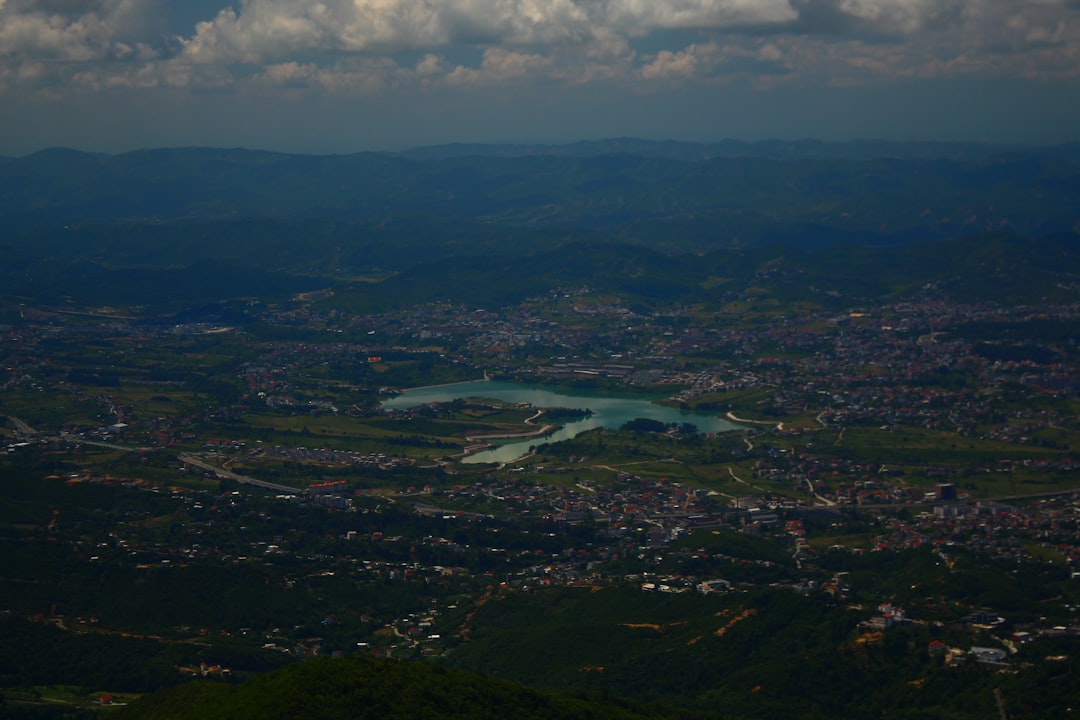
Tirana, Albania’s capital and home to 389,323 residents, sits at 110 metres above sea level in a natural basin flanked by Mount Dajti to the east and rolling hills on all sides. Founded as an Ottoman bazaar town in 1614, it has transformed into one of Europe’s most colourful and surprisingly vibrant capitals, with 2,544 hours of sunshine per year making it one of the sunniest cities on the continent. The city sits roughly 35 km from the Adriatic coast, placing it within easy reach of both mountain and sea within a single day.
Three Things Not to Miss in Tirana
- Skanderbeg Square — Tirana’s monumental central plaza, redesigned in 2017, is ringed by Ottoman mosques, socialist-era facades, and the National History Museum’s iconic mosaic.
- Bunk’Art 2 — A Cold War nuclear bunker beneath the Interior Ministry converted into a gripping museum documenting 50 years of communist surveillance and terror.
- Mount Dajti Cable Car — A 15-minute gondola ride lifts you 1,613 metres above sea level for panoramic views over Tirana and the Adriatic on clear days.
Scroll down for our complete travel guide with tips on getting there, where to stay, costs and more.
How to Reach Tirana
How do I get to Tirana — by air, bus or train?
Fly into Tirana International Airport Nënë Tereza (TIA), the only option — there is no rail connection to Albania from neighbouring countries. Budget carriers including Wizz Air and Ryanair serve TIA from major European hubs, with fares from $30 one-way if booked 6–8 weeks ahead. Overland travellers can take international buses from Pristina (Kosovo) in roughly 3 hours or from Ohrid (North Macedonia) in about 4 hours. My honest caveat: Albanian bus schedules are fluid and rarely published reliably online — book through a local agency or simply show up at the bus station early.
Which airport serves Tirana and how close is it?
Tirana International Airport Nënë Tereza (TIA), IATA code TIA, is the sole international gateway and lies 17 km northwest of Skanderbeg Square. A dedicated airport shuttle, the Rinas Express, runs every 20–30 minutes into the city centre for roughly L500 (~$5). Taxis officially cost L2,500–3,000 (~$25–30) for the same ride, but unlicensed drivers at the arrivals door often demand double that. In my experience, pre-booking a ride through the Albania Taxi app or using the official metered taxi rank outside arrivals saves both money and frustration. Journey time is 25–40 minutes depending on traffic.
How long does the journey from the airport to central Tirana take?
Door to door from TIA arrivals to Skanderbeg Square takes 25 minutes off-peak and up to 50 minutes during the 08:00–09:00 or 17:00–19:00 rush hour on weekdays. The Rinas Express bus stops at both the National Museum and Zogu i Zi roundabout — both walkable to most guesthouses in Blloku or the old bazaar district. What surprised me: Tirana traffic is genuinely chaotic by European standards, with motorcycles filtering constantly. If you arrive with heavy luggage, the bus is cheaper but slower; a metered cab from the official rank is the saner call.
Do I need a rental car to explore Tirana?
No — for Tirana itself, a car is a burden, not an asset. The city centre is compact and walkable within a 2 km radius of Skanderbeg Square, and local buses cost just L40 (~$0.40) per ride. I recommend skipping a car entirely during your urban days. However, if you plan day trips to Krujë, the Petrela Castle, or the Dajti Ekspres, renting for 1–2 specific days makes sense. Rental rates start at $30/day from local agencies near the airport. Honest warning: Albanian drivers follow informal rules that no map app anticipates — if you are not comfortable with assertive urban driving, stick to taxis or organised tours.
Tirana Public Transport Explained
What are the best areas to stay in Tirana?
Blloku (The Block) is my top pick — the former communist elite neighbourhood is now Tirana’s trendiest district, packed with boutique hotels, espresso bars, and restaurants within 10 minutes’ walk of each other. Budget travellers do well near Pazari i Ri (the New Bazaar), where guesthouses are cheaper and the morning market atmosphere is unbeatable. Around Skanderbeg Square suits first-timers who want monuments on their doorstep, though nighttime noise from the square can be disruptive. Avoid booking anything listed as being in the far southern suburbs — they add 20+ minutes of commuting and offer nothing scenic in return.
What does accommodation cost per night in Tirana?
An economy hotel or clean guesthouse runs ~$40/night based on verified Numbeo data for 2025–2026. Mid-range boutique hotels in Blloku average $70–90/night for a double with breakfast. At the top end, the Tirana International Hotel on Skanderbeg Square charges upward of $130/night. Honest caveat: many cheaper listings on booking platforms include a stated price that excludes the Albanian tourist tax of L100–200 per person per night — confirm totals at checkout. In my experience, properties offering breakfast in Tirana often pad the room rate by $10–15 over what you’d pay eating at a neighbourhood café.
How far in advance should I book accommodation in Tirana during high season?
Book at least 6 weeks ahead for July and August — Tirana fills up faster than most travellers expect because Albanian diaspora from Italy, Greece, and Germany return en masse in summer. For the shoulder months of May, June, and September, 2–3 weeks is sufficient. The Tirana Jazz Festival (late October) and Tirana International Film Festival (November) each cause a sharp spike in occupancy — book 8 weeks ahead if your dates overlap. My tip: properties in Blloku sell out before those near the main square, so prioritise locking those in first. Last-minute deals in winter (December–February) are genuinely available and often 40% below peak rates.
Are there special or unique accommodation types in Tirana?
Yes — and they are worth seeking out. Rinia Park guesthouses offer rooms with direct views over the park’s fountain and green space, a detail most booking platforms filter out. A handful of socialist-era apartment conversions in the streets behind Rruga Myslym Shyri give you a lived-in, authentic slice of Albanian urban life for $35–50/night. For something genuinely unusual, one property near Blloku has converted a former communist-era villa with original parquet floors and state furniture — ask locally, as it does not appear on major platforms. Hostels like Outdoor Albania Hostel pair accommodation with organised hiking trips to Dajti Mountain, which is a smart combo for active travellers.
Neighbourhoods of Tirana
What are the absolute must-sees in Tirana?
Skanderbeg Square anchors everything — the newly pedestrianised plaza with the Et’hem Bey Mosque (1821) and the equestrian statue of national hero Gjergj Kastrioti is the obvious start. Bunk’Art 2 beneath the Interior Ministry is genuinely one of the most chilling Cold War museums in Europe and costs just L500 (~$5) to enter. The National Historical Museum on the square’s north side holds the largest collection of Albanian artefacts in the world. The Dajti Ekspres cable car at L1,500 (~$15) return delivers mountain views that most visitors never bother with — and that is exactly why you should go.
What can I experience for free in Tirana?
More than you’d expect. Skanderbeg Square and its surrounding architecture cost nothing to walk and absorb. Rinia Park — redesigned and reopened in 2021 — is free and genuinely pleasant for a morning walk. The Pyramid of Tirana, the former Enver Hoxha mausoleum now being converted into a tech and cultural hub, is climbable from the outside at no charge and rewards you with a quirky view. The Pazari i Ri (New Bazaar) market area is free to wander and offers the most authentic street-level Albanian life in the city. My tip: the colourful painted facades throughout Rruga Myslym Shyri were commissioned by a former mayor as an urban art project and make for a completely free open-air gallery.
Which day trips from Tirana are most worthwhile?
Krujë is the essential day trip — the hilltop castle and Skanderbeg Museum sit just 32 km north and are reachable by furgon (shared minibus) from Zogu i Zi for L200 (~$2) in about 45 minutes. Durrës, Albania’s main port city with a Roman amphitheatre and Adriatic beaches, is 38 km west — roughly 50 minutes by bus from the central bus station. For something wilder, Theth in the Albanian Alps is a full-day round trip (4 hours each way) but delivers some of the most dramatic landscapes in the Balkans. Honest warning: the road to Theth includes an unpaved mountain section — only attempt it with a 4WD or organised tour.
What local specialities must I try in Tirana?
Start with tavë kosi — Albania’s national dish of baked lamb and rice in a yoghurt-egg custard, best found at Oda Restaurant near Pazari i Ri for around L800 (~$8). Byrek (flaky pastry filled with spinach, cheese, or meat) is the essential street breakfast at L100 (~$1) from any bakery on Rruga Sami Frashëri. Raki (Albanian grape or mulberry brandy) is served as a free aperitif in traditional restaurants — refusing it can read as impolite. For dessert, trilece (a soaked milk cake with Turkish roots) is everywhere and costs L200–300 (~$2–3). In my experience, the best coffee in Tirana comes from the independent espresso bars of Blloku, not the tourist-facing cafés on the square.
What to See in Tirana
What makes Tirana genuinely unique compared to other Balkan capitals?
Tirana is the only European capital that was almost entirely sealed from the outside world for 46 years under Hoxha’s isolationist communism (1944–1990) — and that history is physically present everywhere, from Bunk’Art’s tunnels to the 170,000+ concrete bunkers still dotting the surrounding countryside. The city reinvented itself with radical colour: a former mayor literally painted all socialist-era apartment blocks in vivid geometric patterns, making entire neighbourhoods feel like outdoor art installations. What surprised me most: Tirana has a café culture that rivals Sarajevo or Tbilisi in warmth but costs a fraction of either. A double espresso is L80 (~$0.80) and locals genuinely linger for hours.
How many days should I spend in Tirana?
2 full days covers the core city thoroughly: Day 1 for Skanderbeg Square, Bunk’Art 2, the National Museum, and an evening in Blloku; Day 2 for the Dajti cable car and Pazari i Ri market. Add a 3rd day if you want the Krujë day trip or the National Gallery of Arts. I would not recommend more than 4 days in the city alone — Tirana rewards intensity, not slow lingering the way Lisbon or Prague might. My honest caveat: travellers who skip the day trips and spend 4 days purely in the city often report running out of things to do by day 3. Pair Tirana with Berat or the Albanian Riviera for a fuller trip.
When is the best time to visit Tirana?
July and September are the verified optimal months based on climate data — July delivers peak sunshine from Tirana’s 2,544 annual sun hours, while September combines warm temperatures with noticeably thinner crowds and lower hotel rates. May and June are my personal favourites for city exploration: mild temperatures around 22–26°C, no summer crush, and the city’s parks in full bloom. Avoid January and February if you dislike grey, damp days — the mountain basin traps cloud and moisture in winter. August is hot, crowded with diaspora visitors, and prices spike accordingly. The Christmas-New Year period is surprisingly festive and cheap, which almost no guide mentions.
What local festivals in Tirana are worth timing your visit around?
The Tirana Jazz Festival (late October, free outdoor stages in Rinia Park) draws international acts and is one of the most underrated music events in the Balkans. Dita e Verës (Summer Day) on 14 March is a national pagan-origin holiday celebrated loudly in Tirana with street food, folk music, and the traditional honey-and-walnut cake called ballokume. The Tirana International Film Festival (November) screens world cinema across the city’s vintage cinemas for just L500 (~$5) per screening. My tip: the National Theatre on Rruga Skënderbej runs an active autumn season — check their programme for opera and drama performances that cost under L1,000 (~$10) even for premium seats.
Tirana Food Scene
How does the weather in Tirana affect what activities are possible?
Summer heat (July–August peaks around 33–35°C) makes midday sightseeing genuinely exhausting — the marble of Skanderbeg Square radiates heat and offers no shade. I recommend a 06:30–10:00 morning window for outdoor monuments and retreating to museums or Blloku cafés by noon. The Dajti cable car is worth saving for overcast mornings when cloud inversions create a dramatic sea of fog over the city below — stunning, and the gondola is cooler. Winter rain (November–February) makes the unpaved sections around Pazari i Ri muddy and unpleasant. Spring hiking on Dajti Mountain starts reliably from mid-April, when snow clears from the upper trails.
How crowded does Tirana get in peak season?
August is the most crowded month, driven by Albanian diaspora returning from Italy, Greece, and Germany — hotel occupancy in Blloku hits near 100% and restaurant wait times double. Skanderbeg Square is busy year-round but never approaches the sardine-level congestion of Dubrovnik or Santorini — Tirana is still genuinely under-touristed by Western European standards. The main congestion pain point is actually traffic, not crowds at sights: Bunk’Art 2 and the National Museum rarely have queues even in peak season. My honest observation: the most uncomfortable crowd situation in Tirana is the Sunday afternoon promenade along Rruga Myslym Shyri, when the entire city seems to be walking in the same direction.
How safe is Tirana for travellers?
Tirana is safe for tourists — petty theft is the primary risk, not violent crime. The area around the central bus station and the lanes behind Pazari i Ri after dark deserve standard urban alertness: keep phones in pockets, not in hands. Blloku and Skanderbeg Square feel secure at all hours. Women travelling alone report Tirana as more comfortable than Istanbul or Skopje, though persistent café attention from local men is common in the old bazaar lanes. My tip: avoid unlicensed taxis entirely — the scam of a driver ‘not having change’ for large notes is common enough to be a local trope. The emergency number is 112, and English is understood at major police stations.
Is English widely spoken in Tirana?
In the tourist zone — yes, comfortably. Blloku restaurants, Skanderbeg Square hotels, and most museum staff under 40 speak functional to fluent English. The city has a large population of young people who studied abroad, and English is now taught from primary school. However, venture into a neighbourhood bakery on Rruga Kavajës or take a local bus and you will find Albanian only. In my experience, Italian is often more useful than English with older Albanians, since decades of Italian television made it the second language of a generation. Learning mirëdita (hello) and faleminderit (thank you) in Albanian earns disproportionate goodwill.
Local Know-How for Tirana
What is a realistic daily budget for Tirana?
Budget travellers can live well on $40–50/day: a hostel bed at $15, byrek breakfast at $1, two local meals at ~$10 each (verified Numbeo figure: cheap meal $9.91), and local bus fares at $0.50 per ride. Mid-range comfort — boutique hotel, sit-down lunches, one museum — runs $80–100/day. A mid-range dinner for 2 with wine costs around $17.84 (Numbeo verified), making Tirana one of the most affordable European capitals for dining. Hidden cost most guides omit: the Dajti cable car at L1,500 (~$15) return and a Krujë day trip with guide will add $30–40 to your day — budget accordingly.
How does public transport work in Tirana?
City buses cost a flat L40 (~$0.40) per ride, paid with a reloadable ’Tirana Card’ bought at kiosks near major stops — cash is not accepted on board, which catches nearly every first-time visitor off guard. The main routes radiate from Zogu i Zi roundabout. There is no metro. Furgons (shared minibuses) connect Tirana to surrounding towns like Krujë and Durrës from the informal terminal on Rruga Shyqyri Brari — they depart when full, not on a fixed schedule. For intra-city travel, the Bolt rideshare app is widely used and dramatically cheaper than street taxis, with a typical cross-city ride costing L300–500 (~$3–5).
Which apps do you recommend for navigating and enjoying Tirana?
Bolt is essential — it replaces taxis for virtually every in-city ride and works reliably throughout Tirana. Google Maps covers the city well for walking but misses furgon routes; supplement it with Maps.me downloaded offline for rural day trips. Albania Taxi is worth installing as a backup. For dining, Tripadvisor has decent Tirana coverage, but I cross-reference with Instagram geotags for the most current openings in Blloku — the restaurant scene turns over fast. Revolut or Wise for card payments: many Tirana restaurants officially accept cards but terminals ‘malfunction’ — having an app-based card with zero foreign transaction fees covers you when you need to use the ATM on Rruga Dëshmorët e Kombit instead.
Tirana at a Glance
| Population | 389,323 |
|---|---|
| Currency | Albanian lek (L) |
| Official language | Albanian |
| Time zone | UTC+01:00 |
Source: Wikidata, retrieved September 2026.
Albania › Tirana
More Destinations in Albania
Essential Resources for Planning Your Trip to Tirana
- Visiting the UNESCO Sites in Albania — official visitor information, passes & events
- Wikipedia: Tirana — history, geography & background
- Wikivoyage: Tirana — community travel guide & practical tips
- Tirana travel – Albania, Europe — expert itineraries & travel inspiration
- THE 15 BEST Things to Do in Tirana (2026) — hotels, restaurants & traveller reviews
- What’s It Like To Travel in Albania? An Honest Guide. — how to get around
- Numbeo: Cost of Living in Tirana — current prices & cost comparison
- Timeanddate: Tirana Weather & Climate — forecasts & climate statistics
More Perspectives on Tirana
- The Tirana Travel Guide, Albania
- Tirana Travel Guide: 1-3 Days in Albania’s Transformed …
- Tirana, Albania Travel Guide: What to Do & Where to Stay
Tirana Travel Videos
Watch these videos for a visual preview before your trip:
- Top Things to Do in Tirana Albania | Ultimate Tirana Travel Guide 2026
- TIRANA, ALBANIA | 8 BEST Things To Do In & Around Tirana
- BEST Things To Do in TIRANA, ALBANIA (EXCEEDED Our Expectations!)
Tirana Travel Discussions on Reddit
Real traveller experiences and community advice:
- Came to Tirana on vacation and I’m very disappointed
- Thinking about a trip to Tirana, what should I think about?
- Advice on Tirana, Albania : r/travel
Data Sources
This page was compiled using data from Wikipedia, Wikidata, Open-Meteo (climate), Numbeo (cost of living) and REST Countries. Information is updated regularly.