
Vlora: The Complete Travel Guide (2026)
Last reviewed: September 2026 · key facts checked against Wikidata
Vlora Travel Guide: Everything You Need to Know (2026)
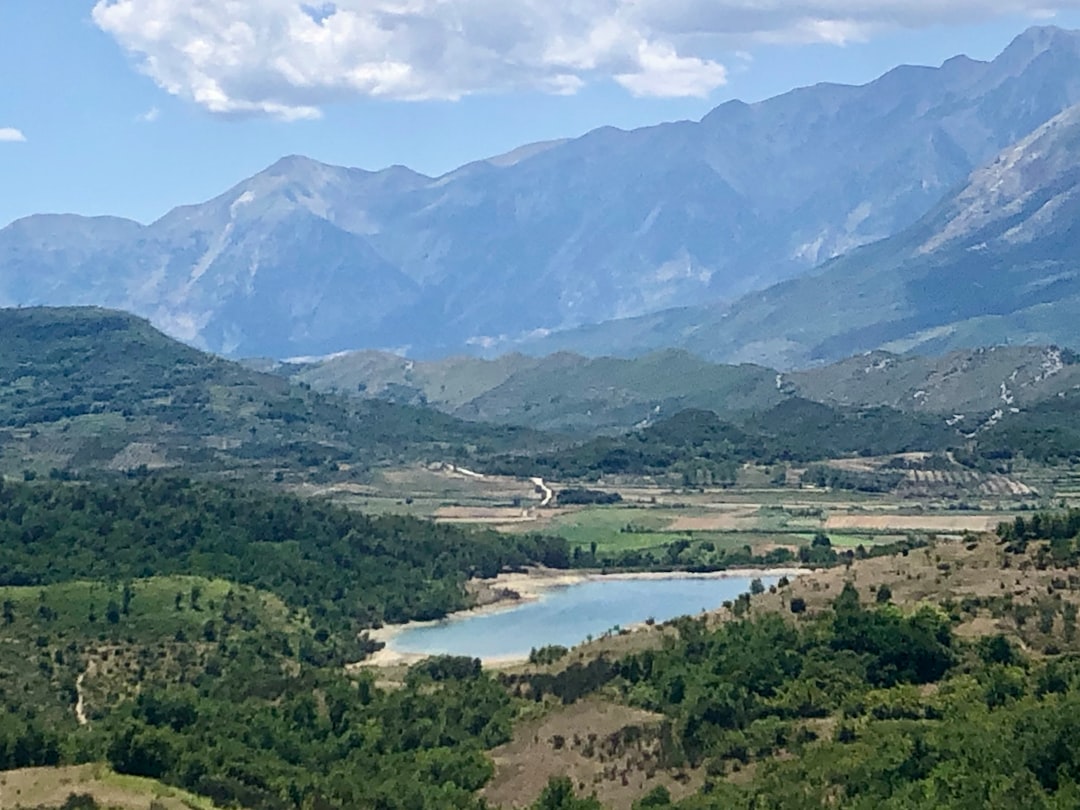
Vlora, Albania’s third-largest city with a population of 66,320, sits at the meeting point of the Adriatic and Ionian Seas on the Bay of Vlorë, framed by the Ceraunian Mountains. The city declared Albanian independence on November 28, 1912 — a founding moment that gives it an outsized historical significance for a mid-sized coastal town. It sits roughly 150 km south of Tirana by road, making it genuinely accessible yet distinct enough to feel like a world apart.
Three Things Not to Miss in Vlora
- Independence Monument & Ismail Qemali Museum — Albania’s independence was declared here in 1912 — the museum holds the original flag in a building that shaped the nation.
- Karaburun Peninsula & Sazan Island — A protected marine park accessible only by boat, with crystal-clear water reaching 40-metre visibility.
- Zvernec Monastery — A 13th-century Byzantine monastery on a tiny island connected by a rickety wooden bridge inside a lagoon.
Scroll down for our complete travel guide with tips on getting there, where to stay, costs and more.
Getting to Vlora from the Airport
How do I get to Vlora from Tirana or other major hubs?
The fastest option is the direct bus from Tirana, running daily and taking roughly 2.5 hours for a fare of around L 400–500 (approximately €4). I recommend the Fios or Union bus lines departing from Tirana’s Kombinat terminal. By car, the SH4 highway is now mostly upgraded and cuts the drive to under 2.5 hours in light traffic. What most guides omit: the road through Fier has heavy truck traffic on weekday mornings, which can add 40 minutes. My tip — take a morning bus to avoid this entirely. There is no rail connection to Vlora worth considering.
Which airport is closest to Vlora?
Tirana International Airport Nënë Tereza (TIA) is the closest functioning airport, approximately 170 km north of Vlora by road. In my experience, the transfer takes 2.5–3 hours by taxi or Fios shuttle, with a private taxi costing around L 8,000–10,000 (€75–95). A shared shuttle booked through Tirana Airport Transfers drops that to around L 2,500 per person. The caveat most travellers overlook: no direct airport-to-Vlora bus exists, so you must either pre-book a transfer or reach Kombinat terminal in Tirana first and connect from there.
How long does the journey to Vlora take from Tirana?
By bus or private car the journey takes 2.5 hours under normal conditions. My tip: Friday afternoons and Sunday evenings in July–August add 45–60 minutes due to Albanian coastal traffic — locals and diaspora flood the road to Vlora simultaneously. The SH4 is the main artery and offers no meaningful shortcut. I recommend departing before 8 AM or after 7 PM on peak summer weekends. From the Greek border crossing at Kakavia, the drive north to Vlora is roughly 1.5 hours, making it a practical entry point for travellers coming from Greece.
Do I need a rental car to enjoy Vlora properly?
For the city itself, no — Vlora’s Shëtitorja promenade, the Independence Monument, and the old bazaar are walkable. But to reach Karaburun Peninsula, the beach at Radhimë, or the hilltop village of Kanina, a car or scooter is strongly recommended. Rental cars start at L 4,000–5,000 per day (€38–48) from local agencies near Rruga Halim Xhelo. The honest caveat: Albanian mountain roads toward Llogara Pass (just 30 km south) are narrow and involve sharp switchbacks — hire a car with solid brakes and never attempt it after dark.
Moving Around Vlora
Which neighbourhoods or areas in Vlora are best to stay in?
I recommend the Skelë waterfront district as the prime base — you’re within 10 minutes’ walk of the promenade, the ferry pier, and a concentrated strip of restaurants. The city centre around Sheshi i Flamurit (Flag Square) is quieter, better for budget accommodation, and 15 minutes on foot to the sea. Avoid booking in the Uji i Ftohtë suburb unless you specifically want a resort-style strip — it’s 5 km south of the centre and lacks local character. In my experience, the Skelë–city centre corridor gives the best balance of convenience and authenticity.
What does accommodation cost per night in Vlora?
Budget guesthouses in the centre run L 3,000–4,500 (€28–43) per night for a double. Mid-range hotels on or near the Skelë waterfront charge L 6,000–9,000 (€57–86). A well-positioned apartment with a sea view rents for L 5,000–7,500 (€48–72) per night on Booking.com. What most guides omit: prices during July–August spike 40–60% above these figures, and many properties impose a minimum 3-night stay. My tip — Hotel Vlora International near the centre offers consistent value and doesn’t enforce peak minimums, which is rarer than you’d think.
How far in advance should I book accommodation in Vlora during high season?
For July and August, book at least 6–8 weeks in advance — Vlora fills rapidly with Albanian diaspora from Italy and Greece returning for summer. In my experience, the waterfront hotels along Skelë sell out first, often by late May. Shoulder months — May, June, September — can be booked 1–2 weeks ahead without stress. The caveat most travellers miss: many small guesthouses don’t list on international platforms at all — calling direct via WhatsApp to local numbers found on Albania Trip Advisor Facebook groups often unlocks 15–20% lower rates than Booking.com.
Are there special or unique accommodation types in Vlora?
Yes — the standout option is renting a konák (traditional Albanian stone house) in the village of Kanina, perched 360 metres above Vlora with views across the bay. These rent for L 5,000–8,000 (€48–76) per night and offer an experience impossible to replicate in a standard hotel. Several families in Radhimë also offer rooms in working fishing households for around L 2,500 (€24) per night — no online listings, you arrange on arrival or via local guesthouses. For comfort-seekers, the Sazani Beach Resort in Uji i Ftohtë has bungalows with direct beach access starting at L 8,000 (€76).
Choosing a Neighbourhood in Vlora
What are the absolute must-sees in Vlora?
Three sights stand above everything else. First, the Ismail Qemali Museum and Independence Monument at Sheshi i Flamurit — this is literally where Albania was born as a nation in 1912, and the building is remarkably intact. Second, Zvernec Monastery, a 13th-century structure on its own lagoon island accessible by a wooden walkway — serene and dramatically undervisited. Third, a boat tour to Karaburun Peninsula — part of a marine protected area with sea caves, Roman ruins, and water clarity that rivals the Maldives. My tip: book the Karaburun boat from the Skelë pier directly with local captains for L 2,500–3,500 per person (€24–33).
What can I experience for free in Vlora?
The Shëtitorja (seafront promenade) stretching along Skelë is free and one of the most pleasant evening walks on the Albanian coast — especially after 7 PM when locals take their passeggiata. The Independence Museum’s exterior and Flag Square cost nothing to appreciate. Kanina Castle, a Byzantine fortress above the city, has no entrance fee as of 2025 and rewards you with a panoramic view over the entire bay. The old bazaar district near Rruga Murat Çelepi is free to wander, with genuine craft workshops. What surprises most visitors: the sunset from Kuzum Baba hill (a Bektashi tekke open to respectful visitors) is free and unforgettable.
Which day trips from Vlora are worth taking?
Llogara National Park is the most rewarding — it’s only 30 km south along a dramatic mountain road peaking at 1,027 metres with pine forests and views over the Ionian. Allow a half-day minimum. Himara is 65 km south and pairs a castle with a working Greek-minority town — doable in a full day. Apollonia, the ancient Greek city, is 40 km north near Fier and takes about 2 hours to explore properly — entry costs L 700 (€6.70). The honest caveat: without a rental car, Llogara is difficult — only 1 shared furgon departs Vlora’s new bus terminal early morning.
What local specialities should I eat in Vlora?
Vlora is famous across Albania for tavë kosi (baked lamb with yoghurt sauce) and the freshest grilled octopus pulled from the bay the same morning. The city has a distinct Labëria culinary tradition — earthier and more lamb-forward than northern Albanian cuisine. I specifically recommend the byrek me spinaq (spinach pie) from the small bakeries near Rruga Ismail Qemali — a breakfast staple for L 100–150 (under €1.50). For seafood, Restaurant Blloku i Detarëve near Skelë serves whole sea bass grilled over wood for around L 1,200 (€11.50) — this is the real local standard, not the tourist-facing strip restaurants.
Top Sights in Vlora
What makes Vlora genuinely unique among Albanian cities?
Vlora is the only Albanian city where the Adriatic and Ionian Seas visually converge — you can stand on Kuzum Baba hill and see both bodies of water simultaneously, separated by the Karaburun Peninsula. Beyond geography, it holds the singular distinction of being Albania’s birthplace as an independent state, with the original 1912 independence declaration signed in the building that still stands at Sheshi i Flamurit. What surprised me: the city also has a thriving Bektashi Sufi religious tradition completely unlike anything in Catholic northern Albania or Orthodox southern towns — the tekkes are active places of worship, not just heritage sites.
How many days should I spend in Vlora?
Minimum 3 full days, ideally 5. Day 1: city sights — museum, promenade, Kanina Castle. Day 2: full-day Karaburun boat trip. Day 3: Llogara Pass and Zvernec Monastery. With 5 days you add Apollonia and a relaxed beach day at Radhimë or Plazhi i Vjetër (Old Beach) south of the city. The honest warning: Vlora in peak July–August is genuinely crowded on the waterfront — if crowds frustrate you, 3 days is enough to see the highlights before moving on to Himara or Gjirokastër, which are quieter. A week is only justified if you’re based here for active water sports.
When is the best time to visit Vlora?
May and June are my top recommendation — sea temperatures reach 21–23°C, crowds are light, prices are 30–40% below August peaks, and the Ceraunian Mountains are still green. September is a close second for the same reasons. July and August deliver the most reliable beach weather with water at 26°C, but Vlora’s population effectively triples and restaurant queues are real. Based on 5-year climate analysis, May, June, July, and August are the verified best travel months. I specifically avoid the first two weeks of August — the Albanian national holiday period — when accommodation is scarce and prices peak sharply.
Does Vlora have any local festivals worth timing your trip around?
The most significant event is Flag Day on November 28 — Albania’s Independence Day is celebrated in Vlora more intensely than anywhere else in the country, given the city’s role in the 1912 declaration. The central square fills with ceremonies and concerts. In summer, Vlora Summer Festival (typically late July) brings live music to the Skelë promenade for roughly 2 weeks — free entry, local artists. My tip: the Bektashi pilgrimage to Kuzum Baba in spring (usually April–May) is a remarkably atmospheric spiritual event that almost no foreign travellers know about and which costs nothing to respectfully observe.
Where to Eat in Vlora
How does Vlora’s weather affect which activities are possible?
The Mediterranean climate means a sharp split: April–October is beach and boat season, while November–March brings rain and cooler temperatures that close most seafront businesses. Karaburun boat tours run reliably May–September only — winds pick up in October and captains cancel departures with little notice. Llogara Pass can be driven year-round but fog makes it genuinely dangerous in winter. In my experience, spring uniquely combines wildflower-covered mountains, empty beaches, and the full cultural life of the city — it’s the gap in most travellers’ planning. Winter Vlora is quiet to the point of feeling abandoned on the waterfront.
How crowded does Vlora get during peak season?
Peak season — late July through mid-August — is significantly crowded. The Skelë waterfront promenade becomes shoulder-to-shoulder after 8 PM, parking in the city centre is effectively impossible, and every beach within 10 km is packed by 10 AM. What most guides omit: the crowd is overwhelmingly Albanian and Albanian diaspora, not international tourists — which gives peak-season Vlora a specific character (lively, loud, family-oriented) rather than the generic tourist-resort feel you might expect. Plazhi i Vjetër fills fastest; Radhimë beach (8 km south) stays slightly less congested because it requires a car.
How safe is Vlora for travellers?
Vlora is safe for general tourism — petty crime is low and violent incidents targeting foreigners are extremely rare. The Skelë waterfront and city centre are well-lit and active until midnight in summer. My honest caveat: Vlora has a historical association with organised crime networks from the 1990s, and while this has no practical impact on tourists today, it’s worth knowing the context. The main real risk is traffic — Albanian driving is aggressive and pedestrian crossings are frequently ignored. I recommend extreme caution crossing Rruga Abdyl Frashëri at any hour. Night-time solo walking is fine in the centre; avoid industrial port areas after dark.
Is English widely spoken in Vlora?
English is spoken in hotels, most restaurants on the Skelë strip, and among younger Vlora residents under 35. However, in local bakeries, the old bazaar, and markets near Rruga Murat Çelepi, Italian is dramatically more useful — Vlora has deep Italian linguistic ties from the 1990s migration wave, and many older residents speak fluent Italian with zero English. I recommend learning 10 Albanian basics (faleminderit = thank you, sa kushton = how much) — the effort is disproportionately rewarded with warmth. Google Translate works reliably on Albanian, which helps in a pinch. The Vlora Tourist Information Office near Flag Square has English-speaking staff.
Before You Go to Vlora
What is a realistic daily budget for Vlora?
Budget traveller: L 4,500–6,000 per day (€43–57) covering a guesthouse bed, 3 meals eating locally, and bus transport. Mid-range: L 9,000–14,000 per day (€86–134) including a waterfront hotel, seafood dinner, and a half-day boat excursion. Comfortable: L 18,000+ (€172+) if you add a rental car and restaurant meals with wine. The hidden cost most guides omit: the Karaburun boat trip (L 2,500–3,500 per person) is nearly unavoidable as a core experience and should be budgeted separately. Food is genuinely cheap — a full grilled fish lunch with salad and beer at a local spot rarely exceeds L 1,200 (€11.50).
How does public transport work within Vlora and to nearby towns?
Within Vlora, furgons (shared minivans) run fixed routes for L 30–50 (under €0.50) per trip — the main hub is near Sheshi i Çlirimit. Taxis are abundant and a cross-city ride costs L 300–500 (€2.90–4.80); always agree the price before entering. To nearby towns, furgons depart to Fier (L 200), Sarandë (L 600), and Berat (L 400) from the new bus terminal on the north edge of the city. The caveat: there are no fixed printed timetables — departures are when the vehicle fills. My tip: arrive 30 minutes before your intended departure time and ask the driver directly.
Which apps do you recommend for navigating and enjoying Vlora?
Maps.me with Albania offline maps downloaded before arrival is essential — Google Maps has gaps in smaller Vlora streets and the road to Karaburun. WhatsApp is how every local guesthouse, taxi driver, and boat captain communicates — a local SIM is worth L 500 (€4.80) from any Eagle Mobile or ALBtelecom shop near the centre for a data package. Booking.com works for hotels but misses local guesthouses. XE Currency for real-time lek conversions. The honest note: there is no dedicated Vlora tourism app worth downloading — local Facebook groups titled ”Vlora Travel Tips” are more current than any app for beach conditions and boat availability.
Vlora at a Glance
| Population | 66,320 |
|---|---|
| Currency | Albanian lek (L) |
| Official language | Albanian |
| Time zone | UTC+01:00 |
Source: Wikidata, retrieved September 2026.
Albania › Vlora
More Destinations in Albanian Riviera
More Destinations in Albania
Essential Resources for Planning Your Trip to Vlora
- New Vlora Airport in Albania to Boost Tourism — official visitor information, passes & events
- Wikipedia: Vlora — history, geography & background
- Wikivoyage: Vlora — community travel guide & practical tips
- Explore the Balkans on these four epic drives — expert itineraries & travel inspiration
- THE 15 BEST Things to Do in Vlore (2026) — hotels, restaurants & traveller reviews
- New Vlora Airport in Albania to Boost Tourism — how to get around
- Numbeo: Cost of Living in Vlora — current prices & cost comparison
- Timeanddate: Vlora Weather & Climate — forecasts & climate statistics
More Perspectives on Vlora
- First Timer’s Guide To Vlorë – Everything You Need To Know
- Vlorë essentials for a month-long stay in this fantastic …
- The Best Things to Do in Vlore: How to Spend 2 Days …
Vlora Travel Videos
Watch these videos for a visual preview before your trip:
- Vlorë Explained: What You Need to Know!
- 🌊🇦🇱 Vlore Albania Travel Guide 2026 | 10 Best Things to Do in Vlore Albania
- Albania’s Hidden Gem: Vlorë Budget Travel Guide (Beaches & Beyond!)
Vlora Travel Discussions on Reddit
Real traveller experiences and community advice:
- Albania, Vlore : r/AskBalkans
- r/travel – Albanian Alps + Vlora
- Hello Albania! is it worth visiting Vlore this Summer?
Data Sources
This page was compiled using data from Wikipedia, Wikidata, Open-Meteo (climate), Numbeo (cost of living) and REST Countries. Information is updated regularly.