
Tallinn: The Complete Travel Guide (2026)
Tallinn Travel Guide: Everything You Need to Know (2026)
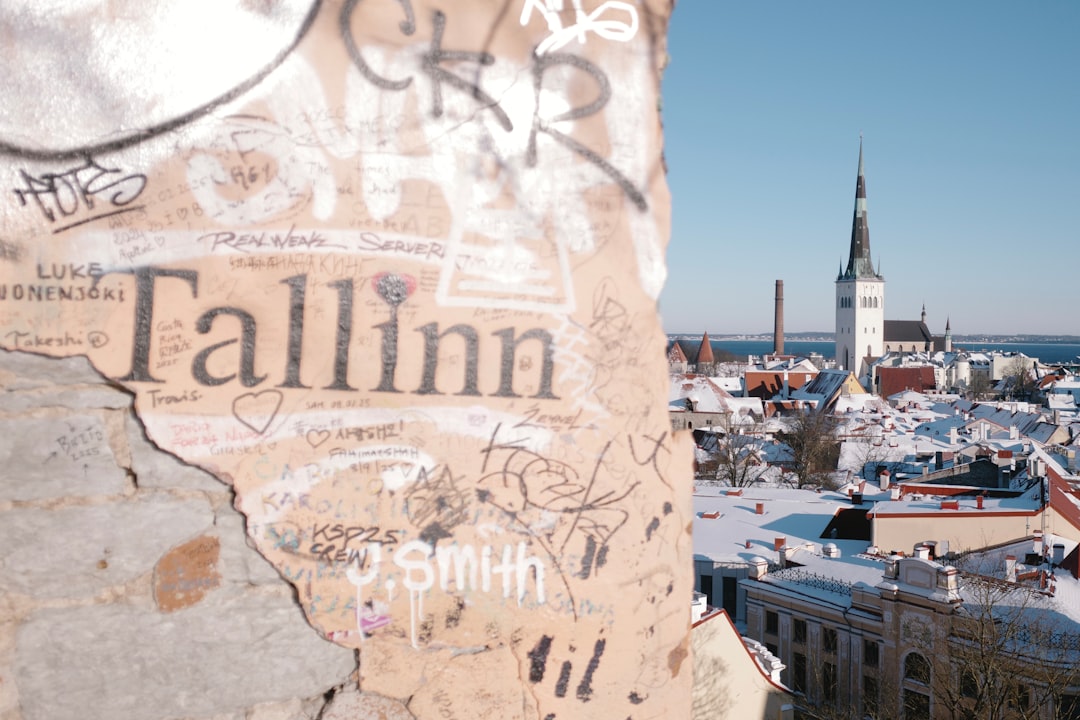
Tallinn, Estonia’s capital of 457,572 residents, sits just 28 metres above sea level on the Gulf of Finland — closer to Helsinki by ferry than many European cities are to their nearest neighbour. Founded in 1154 (first documented mention), its UNESCO-listed medieval Old Town is one of the best-preserved in Northern Europe, a walled limestone labyrinth that survived Soviet occupation with its Gothic spires intact. The city punches well above its weight as a tech hub — Estonia pioneered e-residency and digital governance — making it a rare blend of medieval atmosphere and 21st-century innovation.
Three Things Not to Miss in Tallinn
- Tallinn Old Town (Vanalinn) — A UNESCO World Heritage Site since 1997, with a virtually intact 13th-century city wall stretching 1.9 km.
- Toompea Castle & Alexander Nevsky Cathedral — The hilltop Estonian Parliament building faces a dramatic 1900 Russian Orthodox cathedral — both free to view from outside.
- Telliskivi Creative City — A converted 1920s factory district housing 200+ independent studios, cafes and the city’s best street-food market.
Scroll down for our complete travel guide with tips on getting there, where to stay, costs and more.
Arriving in Tallinn: Airport & Transfers
How do I get to Tallinn?
Fly directly into **Tallinn Airport (TLL)**, or take a ferry from Helsinki — the most popular entry route. In my experience, the **Tallink or Viking Line ferry from Helsinki** takes **2 hours 30 minutes** and costs as little as **€25 one-way** booked in advance, making it an experience in itself. Budget carriers like Ryanair and Wizz Air serve TLL from major European hubs. The honest caveat most guides skip: Tallinn’s airport handles under 3 million passengers annually, so direct routes from North America or Asia don’t exist — you’ll connect through **Riga, Helsinki, or Stockholm**.
Which airport is closest to Tallinn?
**Tallinn Lennart Meri Airport (TLL)** is the only commercial airport, located just **4 km from the Old Town** — an absurdly convenient position for a European capital. My tip: the **bus line 2** runs directly from the airport to the city centre in **20 minutes** for **€2** (pay by card on board). Taxis cost around **€8–12** via the **Bolt app**, which is far cheaper than flagging a cab at the rank. The trade-off: TLL is a small airport with limited lounge options and only one terminal, so international connections remain thin outside of European routes.
How long does the journey from the airport to Tallinn city centre take?
The journey from **TLL to Tallinn Old Town** takes **15–25 minutes** depending on traffic. I recommend the **Bolt app** for a door-to-door ride at roughly **€8–10** — faster and more transparent than street taxis. **Bus line 2** deposits you at **Viru Keskus** (the main shopping centre adjoining the Old Town) in about **20 minutes** for just **€2**. What surprised me: traffic near **Vabaduse väljak (Freedom Square)** can add 10 minutes during the 8–9 am rush. If your hotel is inside the Old Town walls, note that most streets there are pedestrian-only, so drivers drop you at the nearest gate.
Do I need a car to explore Tallinn?
Absolutely not — skip the rental car entirely. The **Old Town, Kalamaja, and Telliskivi** districts are all walkable within **30 minutes** of each other, and Tallinn’s tram and bus network covers the wider city efficiently. I rented a car once for a day trip to **Lahemaa National Park (70 km east)** — that’s the only scenario where it made sense. Parking inside or near the Old Town costs **€2–4 per hour**, and medieval cobblestones punish low-clearance vehicles. My honest warning: Estonian traffic police enforce speed limits strictly with automated cameras, and fines start at **€40** for minor infractions.
Getting Around Tallinn
What are the best areas to stay in Tallinn?
In my experience, **Tallinn Old Town (Vanalinn)** is the romance pick — waking up inside 13th-century walls is unmatched, but it comes with cobblestone noise until midnight on weekends. **Kalamaja**, a 10-minute walk northwest, is my personal favourite: wooden 19th-century houses, independent cafes, and prices **20–30% lower** than Old Town hotels. **City Centre near Viru Keskus** suits business travellers needing fast metro connections. The caveat guides rarely flag: Old Town accommodation directly on **Viru tänav or Pikk tänav** is hit by bachelor-party foot traffic every Friday and Saturday night from May through September — bring earplugs or book a courtyard-facing room.
What does accommodation cost per night in Tallinn?
Budget travellers can find clean **hostel dorms from €18/night** in **Kalamaja**. Economy hotels average around **€65/night** based on current Numbeo data — a solid mid-range option. A well-reviewed boutique hotel inside the **Old Town**, like those near **Toompea Hill**, runs **€110–180/night** in summer. For genuine luxury, the **Schlössle Hotel** (5-star, dating to the 14th century) starts at **€250/night**. My tip: Tallinn is significantly cheaper than Helsinki or Stockholm for equivalent quality, but Old Town hotels charge a **15–25% premium** purely for location. Book with free cancellation — prices drop noticeably 48 hours before arrival in shoulder season.
How far in advance should I book accommodation in Tallinn during high season?
Book **at least 8–10 weeks ahead** for June through August — Tallinn’s Old Town fills fast. What most guides omit: **Tallinn Music Week (late April)** and **Medieval Days festival (late June)** each compress availability dramatically, with Old Town hotels selling out **3 months** in advance for those specific weekends. I’ve seen prices spike **40%** in the 2 weeks surrounding those events. For shoulder season — **May or September** — **3–4 weeks’ notice** is usually sufficient. The honest trade-off: last-minute bookers in low season (November–February) often score **€45–55/night** deals at hotels that list at **€90+** in summer.
Are there special or unique accommodation types in Tallinn?
Yes — and this is where Tallinn genuinely surprises. Several **medieval merchant houses** inside the Old Town have been converted into boutique hotels with vaulted limestone ceilings and original 15th-century fireplaces. **Three Sisters Hotel** on **Pikk tänav** is the benchmark: a trio of Gothic merchant residences now housing 23 individually designed rooms from **€220/night**. For something cheaper and quirkier, the **Tallinn Song Festival Grounds (Lauluväljak)** area has guesthouses with views across the bay. My tip: book a room in one of the **wooden manor apartments in Kalamaja** via Airbnb for around **€70/night** — you get a full kitchen and neighbourhood authenticity that no hotel can replicate.
Where to Stay in Tallinn
What are the must-sees in Tallinn?
Three sights I’d refuse to skip: **Toompea Hill** (the upper Old Town with its panoramic viewing platforms over terracotta rooftops), the **Tallinn Town Hall (Raekoda)**, dating to 1402 and still the centrepiece of **Raekoja plats**, and **Kadriorg Palace** — a Baroque masterpiece built by Peter the Great in 1718, housing the **KUMU Art Museum** just 500 metres away. In my experience, most visitors spend 90% of their time in the Old Town and miss **Seaplane Harbour (Lennusadam)**, an Art Nouveau hangar housing a Cold War submarine you can walk through — one of the best maritime museums in Northern Europe at **€18 entry**.
What can I experience for free in Tallinn?
Genuinely free highlights abound. Walking the **1.9 km medieval city wall circuit** costs nothing from the outside — the towers charge entry but the exterior rampart walk is free. **Kadriorg Park** (40 hectares of baroque gardens) has no gate fee. The **Telliskivi Saturday market** from **10:00–16:00** is free to browse and one of the city’s best social scenes. My favourite free experience: the **Patarei Sea Fortress**, a 19th-century coastal prison, occasionally opens for self-guided walks at no charge during cultural events. The honest caveat: Tallinn’s **Old Town itself** is entirely free to wander, but the concentration of tourist restaurants means you’ll spend money the moment you sit down — budget **€25–35 for a dinner** just from proximity temptation.
Which day trips from Tallinn are most worthwhile?
My top pick is **Lahemaa National Park**, Estonia’s largest at **725 km²**, located **70 km east** — reachable in **1 hour** by car or a **2-hour bus from Tallinn Bus Station**. The manor houses at **Palmse and Sagadi** are remarkably intact 18th-century estates with free grounds access. **Pärnu**, Estonia’s summer capital, is **130 km south** (1 hour 45 minutes by bus, from **€8 one-way**) and worth it for its long sandy beach. The caveat: buses to Lahemaa villages run only **2–3 times daily**, so without a car you’re locked into tight timetables. I recommend renting a car for **Lahemaa** specifically — expect **€45–60/day** from providers at **TLL airport**.
What are the local food specialities I should try in Tallinn?
Estonian cuisine is honest, hearty, and underrated. **Mulgipuder** (barley porridge with pork) is the national comfort dish — try it at **Vanaema Juures** (‘Grandma’s Place’) on **Rataskaevu tänav** for around **€12**. **Black rye bread (rukkileib)** is served everywhere and genuinely different from any bread I’ve eaten in Western Europe — denser and slightly sour. In summer, **kohuke** (a sweet quark bar coated in chocolate, sold in every supermarket for **€0.50**) is an essential local snack. For drinks, **Vana Tallinn liqueur** (45% ABV, rum-based with citrus and spice) is Tallinn’s iconic souvenir bottle — buy it at **Rimi supermarket for €12** rather than paying **€18** at Old Town gift shops.
Tallinn Highlights & Must-Sees
What makes Tallinn unique compared to other European cities?
Three things set Tallinn apart definitively. First, it’s the **most digitally advanced capital in Europe** — Estonia offers **e-residency to non-citizens** and runs 99% of government services online; the country that invented **Skype** (founded here in 2003). Second, its **Old Town is not a reconstruction** — unlike Warsaw or Dresden, Tallinn’s medieval core survived both World Wars and Soviet rule physically intact, which is extraordinary for a Baltic city. Third, the **Helsinki connection**: a **2.5-hour ferry ride** means you effectively get two capitals for the price of one trip. In my experience, no other mid-sized European city offers this combination of medieval authenticity, Nordic design influence, and tech-forward culture at **Baltic price levels**.
How many days should I spend in Tallinn?
**3 full days is the sweet spot** for first-time visitors. Day 1: Old Town exploration including **Toompea** and **Raekoja plats**. Day 2: **Kadriorg Palace, KUMU Museum, and Telliskivi**. Day 3: **Seaplane Harbour** in the morning, then a half-day trip to **Lahemaa’s Palmse Manor**. If you add Helsinki by ferry (highly recommended), budget **5 days total**. The honest caveat: Tallinn’s Old Town can feel exhausted after 2 days of solid tourism — restaurants thin out in quality the further you stay within the walls. By day 3, I always head to **Kalamaja** or **Noblessner harbour district** for the authentic local rhythm that the postcard streets can’t deliver.
When is the best time to visit Tallinn?
**June through September** is definitively the best window based on climate data. **July** is peak — longest days (the sun barely sets past 10:30 pm), Old Town festivals, and outdoor cafe culture in full swing. **June and August** offer nearly identical weather with slightly fewer crowds. My personal favourite is **late August to mid-September**: locals are back from summer, prices drop roughly **15%**, and the low-angle Baltic light turns the Old Town’s limestone walls honey-gold. The caveat most guides gloss over: **December** is genuinely magical for Tallinn’s Christmas Market on **Raekoja plats** — rated one of Europe’s best — but temperatures hover around **−3°C** and daylight lasts only **6 hours**.
Are there local festivals in Tallinn worth planning a trip around?
Absolutely yes. **Tallinn Music Week (late April)** is a 5-day showcase of Baltic and Nordic emerging artists across **40+ venues** — surprisingly international in scope for a city this size. **Medieval Days (late June)** transforms the Old Town into a working 15th-century market with jousting, craft demonstrations, and period food for **3 days** — free entry to the market area. **Õllesummer (early July)** is a 4-day beer festival at the **Song Festival Grounds (Lauluväljak)** with Estonian craft beer and live music; tickets run **€15–25/day**. My honest warning: **Medieval Days** weekend causes Old Town accommodation to sell out **10–12 weeks** in advance — this is not a festival you book for casually.
Eating & Drinking in Tallinn
How does Tallinn’s weather affect activities throughout the year?
Weather shapes the Tallinn experience dramatically. Summers (June–August) average **20–23°C** with long daylight — perfect for the Old Town’s outdoor terraces and **Pirita Beach (8 km from centre)**. Autumn (September–October) brings stunning amber foliage in **Kadriorg Park** but rain increases noticeably from October onward. Winter is genuinely cold — expect **−5 to −10°C** in January and February — but **Tallinn Christmas Market** and ice skating on **Harju tänav** make it worthwhile. The caveat: spring (March–April) is Tallinn’s least rewarding season — cold, grey, and muddy — yet flights are cheap. In my experience, the **6-hour winter daylight window** forces you to plan tightly: museums open late and close early, compressing your sightseeing into a narrow band.
How crowded does Tallinn get in peak season?
**July and August are genuinely overcrowded** inside the Old Town walls. **Viru tänav and Raekoja plats** become shoulder-to-shoulder corridors between 11:00 and 17:00, partly driven by **Helsinki-Tallinn cruise day-trippers** who flood the city between 10:00 and 18:00 then leave. My tip: arrive at **Toompea viewing platform** before 9:00 am — you’ll have it to yourself. The **Seaplane Harbour museum** rarely gets crowded even in July, despite being exceptional. The honest trade-off: Tallinn’s Old Town is only **1.7 km²**, which means even moderate visitor numbers feel dense. Cruise ship days — check tallinn.ee for schedules — can add **5,000–8,000 day visitors** to the medieval core simultaneously.
How safe is Tallinn for travellers?
Tallinn is **one of the safest capitals in Europe** — Estonia ranks in the top 15 globally on the Global Peace Index. In my experience walking **Kalamaja at midnight** and the Old Town at all hours, I never felt threatened. Petty theft (pickpocketing) does occur on **Viru tänav** and around **Viru Keskus shopping centre** in summer, targeting distracted tourists — keep your bag in front. The honest caveat most travel sites omit: **bachelor party groups** from Helsinki and Stockholm arrive on Friday and Saturday evening ferries and can make certain Old Town bars rowdy by midnight, but this is a nuisance rather than a safety issue. **Emergency number: 112**. Tap water is safe to drink throughout Estonia.
Is English widely spoken in Tallinn?
**English fluency in Tallinn is exceptional** — among the highest of any non-English-speaking European capital. In my experience, every restaurant, hotel, museum, and transport worker under 50 speaks functional to fluent English, a legacy of Estonia’s strong education system and tech-sector culture. Estonian is the official language, and Russian is spoken by roughly **25% of the population** (concentrated in eastern neighbourhoods like **Lasnamäe**). The trade-off: venturing into outer districts or rural day-trip stops like smaller **Lahemaa villages** may occasionally require Google Translate. I’ve never needed more than a few Estonian phrases — **”aitäh”** (thank you) and **”tere”** (hello) earn immediate warmth from locals.
Practical Tips for Tallinn
What is the daily budget for travelling in Tallinn?
Based on verified Numbeo data: a **budget traveller** spending nights in a **Kalamaja hostel (€18–25)**, eating a cheap meal at **€17.91**, and using public transport at **€2.31 per ride** can survive on **€60–75/day**. A comfortable mid-range day — boutique hotel, sit-down dinners, museum entries — runs **€130–170/day**. A mid-range dinner for 2 costs around **€32.24** per Numbeo data. The hidden cost most guides skip: **Old Town restaurant mark-ups** are real — the same dish costs **30–40% more** on **Raekoja plats** than at an identical quality restaurant 500 metres away in **Telliskivi**. My tip: use the **Bolt Food app** to find delivery-only Estonian lunch specials from **€8–10** — locals eat this way daily.
How does Tallinn’s public transport network work?
Tallinn runs an efficient network of **trams, buses, and trolleybuses** that covers the whole city. A single ticket costs **€2** purchased via the **Tallinn Transport app** or by contactless card on board — cash is not accepted on most vehicles. The **No. 2 bus** links the airport to the centre; **Tram line 1 and 4** are the most tourist-relevant, connecting **Kadriorg** to **Kalamaja** via the centre. What surprised me: **Tallinn residents with registered city address ride free** — a policy introduced in 2013. Tourists don’t qualify, but the network is cheap enough that it barely matters. My tip: the **Tallinn Card (from €29/24 hours)** includes unlimited public transport plus free museum entry — worth it if you plan to hit **3+ paid attractions** in a day.
Which apps do you recommend for visiting Tallinn?
Five apps that genuinely made my Tallinn trip smoother: **Bolt** (the Estonian-founded ride-hailing app — always cheaper than a street taxi, operates across the city in under 4 minutes); **Tallinn Transport** (official app for real-time bus and tram tracking, ticket purchase); **Google Maps** (works flawlessly in Estonia — Tallinn’s OSM data is excellent); **Wolt** (food delivery, but also brilliant for discovering local restaurant quality rankings); and **Kassa.ee** (Estonian ticketing platform for concerts and events — essential for **Tallinn Music Week** or **Õllesummer** bookings). One app most guides miss: **e-Estonia** tourist portal has an offline-friendly map of all **e-Estonia innovation sites** if you’re interested in the digital governance story.
Tallinn at a Glance
| Population | 457,572 |
|---|---|
| Currency | EUR (€) |
| Official language | Estonian |
| Time zone | UTC+02:00 |
Source: Wikidata, retrieved September 2026.
Estonia › Tallinn
Essential Resources for Planning Your Trip to Tallinn
- Travel options in Estonia — official visitor information, passes & events
- Wikipedia: Tallinn — history, geography & background
- Wikivoyage: Tallinn — community travel guide & practical tips
- Tallinn travel – Lonely Planet | Estonia, Europe — expert itineraries & travel inspiration
- THE 10 BEST Tallinn Sights & Historical Landmarks … — hotels, restaurants & traveller reviews
- Travel options in Estonia — how to get around
- Numbeo: Cost of Living in Tallinn — current prices & cost comparison
- Timeanddate: Tallinn Weather & Climate — forecasts & climate statistics
- Tallinn, Estonia: a journey through time
More Perspectives on Tallinn
- The BEST things to do in Estonia’s capital, Tallinn
- Tallinn Travel Guide 2026: 15 Best Things to Do | Estonia
- Top 15 Things To Do In Tallinn Old Town, Estonia
Tallinn Travel Videos
Watch these videos for a visual preview before your trip:
- 48 Hours in Tallinn, Estonia 🇪🇪 Tallinn Travel Guide
- Tallinn Travel Guide – Complete Tour – City Guide to Estonia’s Capital
- 33 Tips I Wish I Knew Before Visiting Tallinn, Estonia
Tallinn Travel Discussions on Reddit
Real traveller experiences and community advice:
- Honest opinion about Tallinn in Estonia? : r/casualEurope
- Is Tallinn worth a visit : r/travel
- Tallinn, Estonia 🇪🇪 : r/travel
Data Sources
This page was compiled using data from Wikipedia, Wikidata, Open-Meteo (climate), Numbeo (cost of living) and REST Countries. Information is updated regularly.