
Estonia: The Complete Travel Guide (2026)
Last reviewed: August 2026 · key facts checked against Wikidata
Estonia Travel Guide: Everything You Need to Know (2026)
Estonia is a Northern European Baltic nation of 1,369,995 people, sharing borders with Latvia to the south and Russia to the east, with Tallinn sitting just 80 km across the Gulf of Finland from Helsinki. Founded as an independent republic in 1918, it became one of the world’s most digitally advanced countries — over 99% of government services run online. With 2,222 islands and one of Europe’s highest proportions of forested land at 52%, Estonia punches far above its size for travelers seeking medieval architecture, untouched wilderness, and near-zero tourist crowds outside its capital.
Top 3 Highlights at a Glance
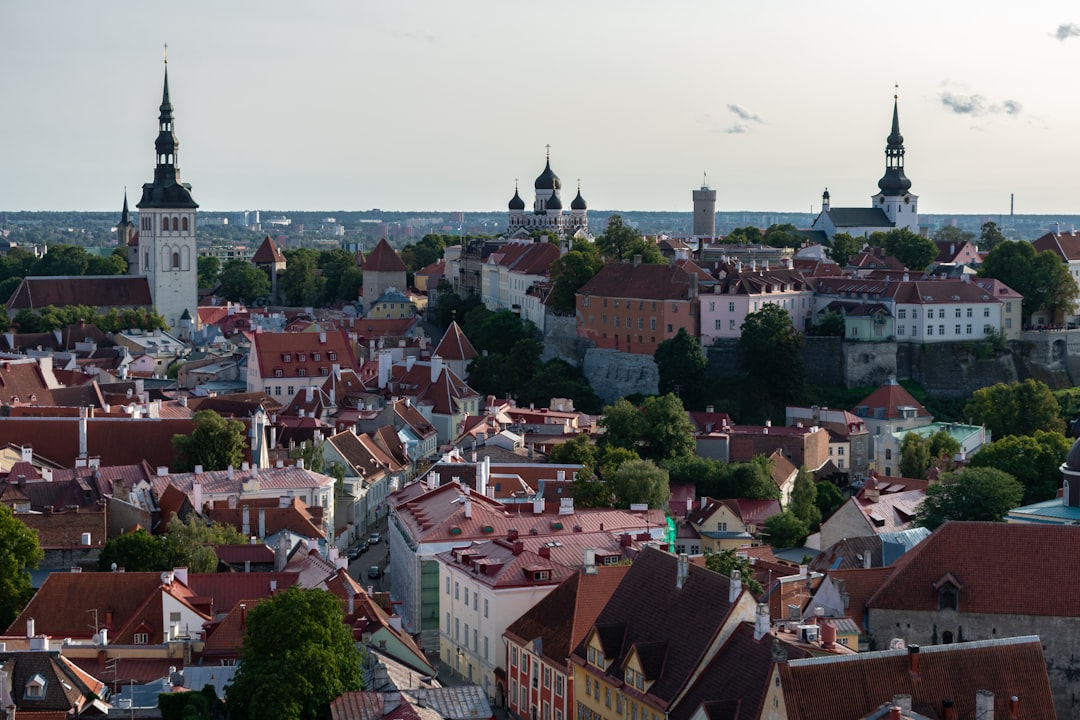
- Tallinn Old Town — One of Europe’s best-preserved medieval city cores, entirely enclosed by a 13th-century limestone wall stretching 1.9 km.
- Lahemaa National Park — Estonia’s largest national park at 725 km², with Soviet-era manor houses, bog walks, and coastline virtually tourist-free.
- Saaremaa Island — A 2,673 km² island with a perfectly preserved medieval bishop’s castle and the rare Kaali meteorite crater field.
Scroll down for our complete travel guide with tips on getting there, where to stay, costs and more.
Getting There & Transport
Which airports are the best entry points into Estonia?
Tallinn Airport (TLL) is your primary gateway — it handles 95% of international traffic and sits 4 km from Tallinn’s Old Town. In my experience, direct flights from London, Amsterdam, Helsinki, and Frankfurt make TLL the most convenient hub. Tartu Airport (TAY) reopened for commercial flights in 2023 and serves routes from Helsinki and Amsterdam seasonally — useful if you’re heading straight to southern Estonia. What surprises most travelers: there is no high-speed rail connection to Riga or Vilnius yet, so flying into TLL and driving south is faster than any overland transit. Avoid routing through Riga airport to save money — the 3-hour bus transfer to Tallinn erases any budget gain.
How do I get from Tallinn Airport to my first accommodation in Estonia?
Take bus line 2 from TLL directly to Tallinn city centre — it costs €2 and runs every 20 minutes, reaching the Old Town in 15 minutes. In my experience, this is the single most efficient airport transfer in the Baltics. Taxis via the Bolt app cost €6–10 for the same journey and are honest about metering — I have never been overcharged using Bolt here. The honest caveat: if you arrive after midnight, buses stop and Bolt surge pricing kicks in, pushing the fare to €15–20. My tip: pre-download Bolt before landing because local taxi hailing at the terminal is noticeably pricier than app booking.
What transport options are there within Estonia?
Estonia’s domestic transport is surprisingly comprehensive for a country of 1.3 million people. Lux Express and FlixBus coaches connect Tallinn to Tartu in 2.5 hours for €5–15. The Elron train runs Tallinn–Tartu in 2 hours 15 minutes for €8–14 and is my preferred option — air-conditioned, punctual, and scenic. For the western coast and islands, rental car or ferry is unavoidable. What most guides omit: public transport between smaller towns like Võru, Haapsalu, or Pärnu is infrequent — 1–3 buses daily — making spontaneous side trips genuinely difficult without a car. I recommend combining Elron trains for the Tallinn–Tartu corridor and renting a car for anywhere west of that axis.
Do I need a rental car to explore Estonia properly?
Yes, for anything beyond Tallinn and Tartu, a rental car is effectively essential. Lahemaa National Park, Saaremaa Island, and the Võrtsjärv lake district are all inaccessible without your own wheels unless you join a guided tour. In my experience, hiring through Europcar or Sixt at TLL costs €35–60 per day for a compact car including basic insurance. The honest warning: Estonian rural roads marked as secondary routes are sometimes unsealed gravel — check road surface before planning tight schedules. My tip: fuel stations thin out dramatically in the southeast near the Setomaa region, so fill up in Põlva or Võru rather than relying on finding a pump when you need one.
How good is the public transport network between regions of Estonia?
The Tallinn–Tartu corridor is genuinely excellent — Elron trains run hourly during peak hours and cost under €15. The Tallinn–Pärnu bus runs 8 times daily and takes 2 hours. Beyond those two axes, the network deteriorates sharply. What surprised me: Võru, Otepää, and Haapsalu each have fewer than 3 direct daily connections from Tallinn, and Sunday timetables can drop to a single departure. The PEATUS app (Estonia’s official journey planner) shows all buses and trains in one interface and is genuinely reliable. The honest caveat: don’t attempt to island-hop by public transport — Saaremaa and Hiiumaa ferries require car booking weeks in advance in July and August, and foot passengers can face 2-hour waits for the next sailing.
Accommodation
Which regions of Estonia should I stay in?
Tallinn’s Old Town is the obvious base for first-timers — nearly all international flights land here and the medieval core is walkable in 20 minutes. For nature travelers, I recommend basing in Käsmu village in Lahemaa or renting a farmhouse near Otepää in the south for bog-walking and lake access. Pärnu is Estonia’s summer capital — the resort strip along Ranna puiestee has the country’s best beach infrastructure. What most guides omit: staying in Tartu, Estonia’s university city, gives you a completely different, less touristy rhythm — accommodation runs 30–40% cheaper than Tallinn and the café culture around Rüütli Street is genuinely excellent. My tip: split your trip between Tallinn and one rural region rather than trying to base-jump between towns.
What does good accommodation cost per night in Estonia?
A solid 3-star hotel in Tallinn Old Town costs €80–130 per night in 2026. Outside Tallinn — in Tartu, Pärnu, or rural areas — expect €50–90 for equivalent quality. Guesthouses and farm stays in Lahemaa or Saaremaa run €40–70 and often include breakfast. Budget hostels in Tallinn’s Kalamaja neighborhood start at €20–28 per dorm bed. What surprises most travelers: Tallinn’s top boutique hotels inside the Old Town walls, like Hotel Telegraaf, charge €180–250 per night and sell out months ahead in summer. The honest caveat: accommodation in Estonia is cheaper than Scandinavia but no longer budget travel territory — prices have risen roughly 25% since 2021 due to tourism rebound and inflation.
When should I book hotels in Estonia — how far in advance?
For Tallinn Old Town in June, July, or August, book at least 3 months ahead — the combination of cruise ship day-trippers and overnight guests fills the best properties fast. For Pärnu in July, which is Estonia’s peak beach month, 2–3 months is minimum notice for anything decent. In my experience, Tartu during the Gaudeamus song festival (held every 5 years, next in 2027) and Tallinn during Tallinn Music Week in April require 4+ months notice. Outside peak summer, last-minute bookings are fine in rural areas — Lahemaa guesthouses often have availability even in August. My honest warning: don’t rely solely on Booking.com here — many Estonian farm stays and guesthouses only list on local platform Maaturism.ee, which has genuinely unique rural properties unavailable elsewhere.
When is the best time to travel to Estonia?
Based on verified climate data, June through September are Estonia’s best travel months. June is my personal favorite — days stretch to nearly 19 hours of daylight, crowds are thinner than July, and the forest and bog landscapes are at their greenest. July is peak season with the warmest temperatures, averaging 20–22°C in Tallinn. August combines warm weather with harvest festivals. What most guides ignore: late September is exceptional — birch forests turn gold across Lahemaa, accommodation prices drop 20–30%, and Tallinn Old Town becomes genuinely peaceful. Winter visits (December–February) are viable for Christmas markets and snow-covered manor houses, but temperatures regularly hit -15°C and daylight shrinks to just 6 hours.
How does peak season affect prices in Estonia?
Peak season (July–August) pushes Tallinn Old Town hotel prices up 40–60% compared to April or October. A hotel that costs €90 in spring hits €140–160 in midsummer. Restaurant prices stay relatively stable year-round, but Saaremaa ferry tickets triple in price and must be pre-booked. In my experience, the biggest hidden price shock is guided tours — Tallinn walking tour operators charge €25–35 per person in summer versus €15 in shoulder season. The honest caveat: cruise ship days (Tallinn hosts over 300 cruise calls annually) cause localized price spikes at Old Town restaurants and souvenir shops regardless of month. Check the Port of Tallinn cruise schedule and plan major sightseeing on non-ship days.
Best Time to Visit
Which regions of Estonia have different climate zones?
Estonia is small enough that climate differences are moderate rather than dramatic, but they matter for planning. Western Estonia and the islands (Saaremaa, Hiiumaa) have a maritime climate — milder winters, wetter summers, and more wind. Southeast Estonia (Võru, Setomaa) experiences a more continental pattern — colder winters that can hit -25°C and slightly warmer, drier summers than the coast. The Lahemaa coast gets frequent sea fog in June that burns off by midday — beautiful for photography but cold for beach swimming. My tip: the Emajõgi River valley around Tartu creates a frost pocket that makes spring arrive 1–2 weeks later than Tallinn. Plan bog walks in Soomaa National Park for April–May when flooding creates the famous fifth season of canoeing through flooded forests.
What are the rainy seasons in Estonia?
Estonia has no defined monsoon, but August and October are statistically the wettest months. In my experience, summer rain comes as short afternoon thunderstorms rather than all-day downpours — rarely enough to ruin a full day. November through February brings persistent grey drizzle rather than heavy rain, making those months genuinely dreary. The honest caveat most travel articles skip: June can be surprisingly rainy in western Estonia — the islands get Atlantic weather fronts that the mainland avoids. Pack a lightweight waterproof for any June trip. July is actually the driest reliable month across most of the country, which aligns with why it’s peak tourist season. My tip: bog walks are actually better in light rain — the reflections on still water pools are extraordinary.
What does a trip to Estonia cost per person per day?
A realistic mid-range budget in Estonia is €80–130 per person per day covering accommodation, meals, transport, and 1–2 paid attractions. Budget travelers staying in hostels, self-catering, and using buses can manage €45–60 per day. Comfortable travel with a rental car, guesthouse accommodation, and restaurant dinners runs €110–150. In my experience, Tallinn is the most expensive city — a single evening of dinner plus drinks in the Old Town easily hits €50 per person. What surprises most: Tartu and rural Estonia run 25–35% cheaper than Tallinn for identical standards. The honest caveat: ferry costs to islands (€5–12 per passenger plus €25–50 per car) add up quickly if you island-hop, and are not in most published budget estimates.
How expensive is food in Estonia?
A sit-down lunch at a local Estonian restaurant costs €10–15 including soup and a main. Dinner at a mid-range Tallinn restaurant runs €20–35 per person without wine. Street food and market lunches — try the Central Market in Tallinn’s Balti jaam area — average €4–7. A coffee costs €2.50–3.50 across the country. What surprised me most: Estonian bread, black rye specifically, costs under €2 at any supermarket and is genuinely world-class — worth eating daily. The honest warning: tourist restaurants on Tallinn’s Raekoja plats (Town Hall Square) charge €25–40 for meals that cost half as much 3 streets away in Telliskivi Creative City or Kalamaja. Moving 500 meters from the main square cuts your food bill by 40%.
What hidden costs should I expect when traveling Estonia?
The biggest hidden cost is the Saaremaa or Hiiumaa ferry with a rental car — car ferries cost €25–55 one way depending on vehicle size, and peak July crossings require advance booking. Paid parking in Tallinn Old Town costs €2–3 per hour and runs 24/7 with strict enforcement — I’ve seen travelers collect €40 fines for missing a payment. National park parking fees at Lahemaa entry points run €3–5 per day. What most guides ignore: sauna entry at traditional smoke saunas like those in Võromaa costs €15–30 per session, but it’s one of Estonia’s most authentic experiences and absolutely worth budgeting for. Also, mobile data roaming is free within the EU, but buying a local Tele2 SIM at TLL arrivals for €10 still gives better speeds in rural areas.
Budget & Costs
How much cash should I bring to Estonia?
Estonia is one of Europe’s most cashless societies — I have gone 3–4 full days without touching cash. Every café, market stall, and national park kiosk I visited accepted Visa or Mastercard contactless. That said, I recommend carrying €50–80 in cash for specific situations: rural farm stays that operate on trust-box honor systems, small guesthouses in Setomaa, and traditional market vendors at Tallinn’s medieval Christmas market. The honest caveat: the Kaali meteorite crater site on Saaremaa charged cash-only entry of €3 as of 2024 — these small heritage sites sometimes lag behind on payment tech. ATMs (called sularahaautomaadid) are widely available in all towns; Swedbank and LHV ATMs charge no fee for foreign cards in my experience.
Which credit cards are accepted in Estonia?
Visa and Mastercard are accepted almost universally — I used contactless payments in Tallinn, Tartu, Lahemaa village shops, and even a bog-walk guide service. American Express is accepted at larger hotels and some Tallinn restaurants but rejected at roughly 40% of smaller establishments, so don’t rely on it as your only card. Apple Pay and Google Pay work flawlessly across Estonia — the country’s advanced digital infrastructure means tap-to-pay is faster here than in most Western European capitals. The one honest warning: Revolut and Wise cards occasionally trigger fraud alerts on Estonian terminals because the country has strict banking compliance systems — inform your provider before traveling. Bring a backup chip-and-PIN Mastercard for any card rejection emergencies in rural areas.
Which regions of Estonia must I not miss?
Tallinn’s Old Town and Kalamaja district are non-negotiable — the medieval core is UNESCO-listed and Kalamaja’s wooden architecture is being saved from decay in real time. Lahemaa National Park, 70 km east of Tallinn, is Estonia’s most undervisited major attraction — the Viru Bog boardwalk takes 2 hours and costs nothing. Saaremaa Island deserves at least 2 nights — Kuressaare Castle is the only fully intact medieval castle in the Baltics. In my experience, the Setomaa region in the far southeast is Estonia’s most culturally distinct area — an ancient Orthodox Seto minority culture that exists nowhere else on Earth. The honest caveat: Setomaa requires a car and at least one overnight to experience properly — day-tripping from Tallinn (over 300 km) is a bad idea.
What are the tourist highlights of Estonia?
Tallinn Old Town tops every list correctly — the panoramic view from Toompea Hill over orange-roofed medieval towers is genuinely spectacular. Lahemaa National Park’s Viru Bog is Estonia’s most photogenic landscape. Kuressaare Episcopal Castle on Saaremaa is the best-preserved medieval fortress in the entire Baltic region. Tartu’s AHHAA Science Centre is surprisingly world-class — the largest science museum in the Baltics and worth 3–4 hours. For natural highlights: Soomaa National Park during spring flooding and Valaste Waterfall (Estonia’s highest at 26 m) near Kohtla-Järve are both extraordinary. What I’d cut from most itineraries: the Song Festival Grounds in Tallinn is visually striking but contextually empty without an event — save that time for Kalamaja’s street art instead.
What experiences in Estonia are found nowhere else on Earth?
Three things are genuinely unique to Estonia. First, Seto Leelo polyphonic singing — a UNESCO-listed oral tradition practiced only in the Setomaa region where lead singer and choir improvise together in ancient Finno-Ugric dialect. Second, smoke sauna culture in Võromaa — the world’s only surviving tradition of weekly communal smoke saunas, recognized by UNESCO in 2014; Mooska Farm near Võru offers authentic sessions for €20–25. Third, Estonia’s e-residency program lets you witness a country that has digitized its entire national identity — visiting the Digital State Exhibition in Tallinn shows you a functioning model of digital governance found nowhere else. What surprised me: the bog ecosystem covering 22% of Estonia’s territory looks like Mars on Earth during winter frost — completely unlike anything in Western Europe.
Regions & Highlights
Which areas of Estonia are overcrowded — and what are quieter alternatives?
Tallinn’s Raekoja plats and Alexander Nevsky Cathedral are genuinely suffocating in July when 3 cruise ships dock simultaneously — up to 15,000 day visitors flood a city center built for thousands. My alternative: spend mornings in Kalamaja and Telliskivi Creative City — 15 minutes walk from Old Town but attracting a fraction of the crowds. Pärnu beach in peak July is packed solid — try Häädemeeste beach 30 km south instead, which has the same white sand and zero facilities (intentionally). Saaremaa’s Kuressaare gets busy in summer but the island’s north coast around Tagamõisa Peninsula sees almost no visitors. In my experience, arriving at any major sight before 9 AM in Estonia cuts crowd exposure by 70% — Estonians are not early risers and most tourist buses don’t arrive until 10.
How many days do I need to see Estonia properly?
A minimum meaningful trip is 7 days: 2 days in Tallinn, 1 day in Lahemaa, 2 days on Saaremaa, and 2 days in Tartu covers Estonia’s essential diversity. For a thorough experience including the southeast, Soomaa, and Pärnu, plan 12–14 days. In my experience, most travelers underestimate driving distances — Tallinn to Võru is 3 hours and the southeastern corner genuinely deserves 2 nights. The honest caveat: 5-day trips are common but leave travelers frustrated — you see Tallinn properly and rush everything else. If time is limited, I recommend Tallinn plus Lahemaa plus one island rather than trying to cross the whole country. The Rail Baltic high-speed line connecting Tallinn to Riga opens in 2030, which will eventually change southern routing logistics completely.
Do I need a visa to visit Estonia?
EU, EEA, and US citizens need no visa for stays up to 90 days within a 180-day period — Estonia is a Schengen member. UK citizens post-Brexit also enter visa-free for 90 days under the Schengen short-stay rules. The honest caveat: ETIAS (Europe’s new electronic travel authorization for non-EU visitors) is now required for UK, US, Canadian, and Australian citizens — it costs €7 and must be applied for online before travel; most travelers are unaware of this requirement. Russian and Belarusian citizens face significant restrictions — land border crossings at Narva are operational but subject to unpredictable closures, and Estonian border guards have broad discretionary authority. Always check your specific nationality against the Estonian Police and Border Guard Board website before booking.
What languages are spoken in Estonia?
Estonian is the official language — a Finno-Ugric tongue completely unrelated to Russian, German, or Latvian that most visitors find impossible to learn beyond basics. The practical reality: English is widely spoken in Tallinn, Tartu, and Pärnu among anyone under 50 — I have never had a communication problem in any restaurant, hotel, or tourist context. Russian is a first language for roughly 25% of the population, particularly in Narva, Ida-Viru county, and parts of Tallinn’s Lasnamäe district. What surprises travelers: in rural southeastern Estonia, the Seto language (distinct from standard Estonian) is still spoken by elders. My tip: learning 3 words — aitäh (thank you), tere (hello), and palun (please) — generates disproportionate goodwill from locals who genuinely appreciate any attempt at their difficult language.
What cultural rules do I need to know before visiting Estonia?
Estonians value personal space and quiet in ways that can read as coldness to first-time visitors — do not be offended if a shopkeeper doesn’t smile or chat. Silence is considered respectful, not rude. Removing shoes when entering private homes is mandatory — hosts will provide slippers. The sauna is sacred: never bring a phone, speak loudly, or wear a swimsuit in a traditional private sauna — being undressed is the default and expected. What most guides omit: singing at song festivals (laulupidu) is quasi-religious in cultural importance — if you attend one, treat it like a cathedral, not a concert. Tipping is not mandatory but 10% at restaurants is appreciated and increasingly common in Tallinn. Never joke about the Soviet occupation period casually — it remains a raw and serious subject for most Estonians.
Practical Tips
How safe is Estonia for travelers?
Estonia is genuinely safe — it consistently ranks in the top 30 of the Global Peace Index. Violent crime against tourists is extremely rare. In my experience, walking alone at 2 AM in Tallinn Old Town feels safer than most Western European capitals. The honest caveats: petty theft happens in the Old Town’s busiest areas in summer — keep bags closed in crowds near Raekoja plats. The Narva border region with Russia warrants awareness given the broader geopolitical context — I would avoid overnight stays within 20 km of the Russian border until the political situation stabilizes. Traffic is the real risk: Estonian drivers are aggressive by Nordic standards and rural roads have no lighting. If renting a car, drive defensively on highway E20 (Tallinn–Narva), which has a disproportionate accident rate.
What health precautions should I take before visiting Estonia?
No vaccinations are required for EU, US, or UK citizens entering Estonia. However, I strongly recommend being up to date on tick-borne encephalitis (TBE) vaccination if you plan any hiking, bog walks, or forest activities — Estonia has one of Europe’s highest TBE rates, with 100–200 reported cases annually. The vaccine requires 2 doses 2–4 weeks apart, so plan ahead. Lyme disease from ticks is also prevalent April–October — use DEET-based repellent and check for ticks after every forest walk. The honest caveat most guides skip: ticks in Lahemaa and Saaremaa are genuinely common in long grass from May through September — this is not theoretical risk. Estonia has excellent healthcare with pharmacies (apteek) in every town. EU citizens should carry a European Health Insurance Card — US citizens need travel insurance covering €100+ per day hospitalization.
What SIM card or eSIM options are available in Estonia?
Tele2, Elisa, and Telia are Estonia’s three main carriers — all offer prepaid SIMs at TLL airport arrivals for €10–15 including 10–20 GB of data. In my experience, Tele2 has the best rural coverage in southern Estonia and on the islands. eSIM works perfectly — download Airalo before flying and activate an Estonian or Baltic eSIM for €8–12 covering 10 GB across Estonia, Latvia, and Lithuania. EU visitors using EU-issued SIMs pay no roaming charges. What surprises travelers: connectivity on Saaremaa and Hiiumaa is solid in towns but drops to 3G or no signal in western coastal areas and some forest zones — download offline Maps.me or OsmAnd maps before leaving Tallinn. Free WiFi is available across the country including forest rest areas — Estonia was the first country to declare internet access a human right in 2000.
Which apps do you recommend for traveling Estonia?
PEATUS is Estonia’s official public transport app — real-time bus and train schedules for every route in the country, genuinely accurate. Bolt covers taxis and electric scooters in Tallinn and Tartu. MaaKaart (Estonian Land Board map app) shows terrain, forest trails, and property boundaries at extraordinary detail — essential for rural navigation. Visit Estonia (official tourism app) has offline content about national parks and manor houses. For food: Wolt delivers to Tallinn and Tartu and doubles as a restaurant discovery tool. What surprises me: Parkimiseks or simply Mobill is essential for paying Tallinn parking by phone — without it you will get fined. The Rahvuspark app covers Lahemaa and Soomaa trail maps with offline functionality. I recommend downloading all apps on home WiFi before arriving — airport connection speeds are unpredictable.
What are the most common traveler mistakes in Estonia?
The biggest mistake is treating Estonia as a 2-day Tallinn stop between Helsinki and Riga — the country’s most extraordinary experiences (Saaremaa, Setomaa, Lahemaa) require actual investment of time and transport effort. Second: not booking Saaremaa ferry car slots in July — the ferry fills weeks ahead and foot-passenger waits can exceed 2 hours. Third: eating exclusively in Tallinn Old Town — you will pay tourist prices for mediocre food when Kalamaja and Telliskivi are a 20-minute walk away with genuinely outstanding restaurants. What I see constantly: travelers skipping black bread, blood sausage, and pickled mushrooms because they sound unappealing — this is Estonia’s real food identity and it’s extraordinary. Finally: underestimating tick risk in forests May–September — I know three travelers who contracted Lyme disease from Estonian forest walks where they skipped repellent.
Estonia at a Glance
| Population | 1,369,995 |
|---|---|
| Currency | EUR (€) |
| Official language | Estonian |
| Time zone | UTC+02:00 |
Source: Wikidata, retrieved August 2026.
Essential Resources for Planning Your Trip to Estonia
- Estonia Travel Guide — Tourism, Cities & Investment — official visitor information, passes & events
- Wikipedia: Estonia — history, geography & background
- Wikivoyage: Estonia — community travel guide & practical tips
- Estonia travel – Lonely Planet | Europe — expert itineraries & travel inspiration
- THE 15 BEST Things to Do in Estonia (2026) — hotels, restaurants & traveller reviews
- Estonia Travel Guide — Tourism, Cities & Investment — how to get around
- Numbeo: Cost of Living in Estonia — current prices & cost comparison
- Timeanddate: Estonia Weather & Climate — forecasts & climate statistics
More Perspectives on Estonia
- The essential guide to visiting Estonia
- Estonia Travel Guide by Rick Steves
- Estonia Highlights: Guide, Boutique Hotels and Things to Do
Estonia Travel Videos
Watch these videos for a visual preview before your trip:
- 33 Tips I Wish I Knew Before Visiting Tallinn, Estonia
- Amazing Places to visit in Estonia – Travel Video
- Tallinn, Estonia: Two Medieval Towns – Rick Steves’ Europe Travel Guide – Travel Bite
Estonia Travel Discussions on Reddit
Real traveller experiences and community advice:
- Visiting Estonia and getting by with English – Tallinn
- First trip to Estonia : r/Eesti – Tallinn
- Is Estonia a safe place to travel right now, with everything …
Data Sources
This page was compiled using data from Wikipedia, Wikidata, Open-Meteo (climate), Numbeo (cost of living) and REST Countries. Information is updated regularly.