
Tartu: The Complete Travel Guide (2026)
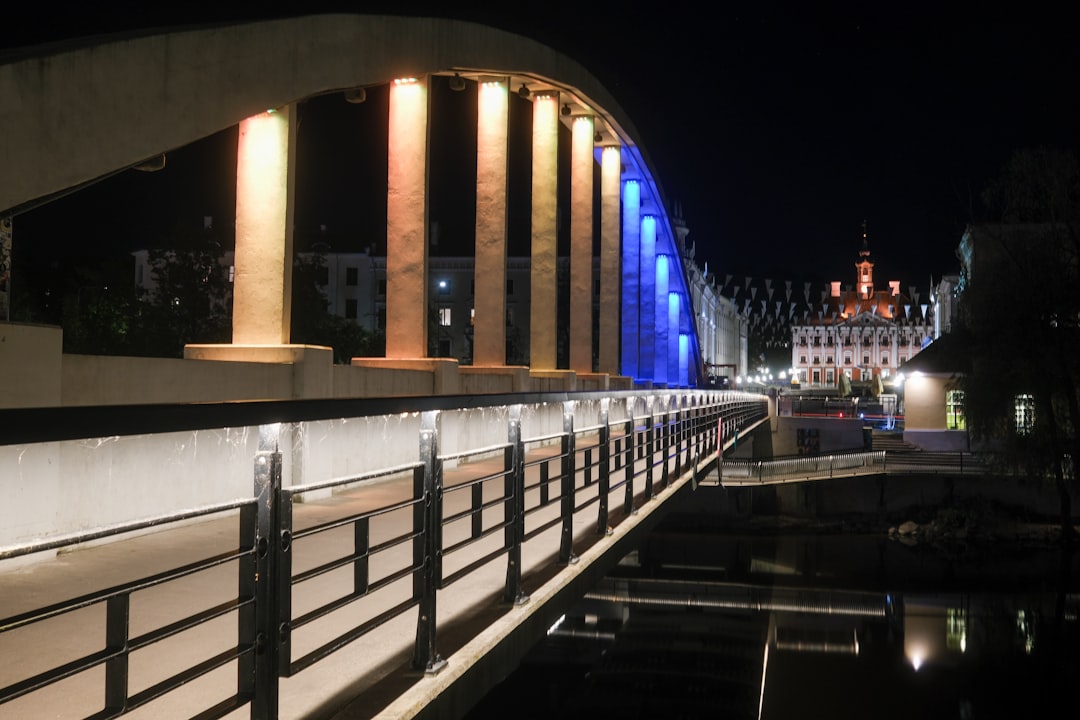
Last reviewed: September 2026 · key facts checked against Wikidata
Tartu Travel Guide: Everything You Need to Know (2026)
Tartu is Estonia’s second-largest city with a population of 97,759, sitting 186 km southeast of Tallinn at 79 m above sea level on the Emajõgi river. Founded in the 13th century, it is home to the University of Tartu — established in 1632 — which makes it the undisputed intellectual capital of Estonia. The city punches far above its weight for culture, food, and nightlife, drawing visitors who find Tallinn too touristic.
Three Things Not to Miss in Tartu
- University of Tartu Main Building — Founded in 1632, this neoclassical landmark houses a museum and a lockup cell where 19th-century students were jailed.
- Toome Hill (Toomemägi) — A romantic hilltop park with a ruined 13th-century cathedral and sweeping views over the Emajõgi river.
- AHHAA Science Centre — One of the largest interactive science centres in the Baltic states, housed in a striking glass building on the riverfront.
Scroll down for our complete travel guide with tips on getting there, where to stay, costs and more.
Getting to Tartu from the Airport
How do I get to Tartu?
The fastest option from Tallinn is the Lux Express or FlixBus coach, taking roughly 2.5 hours for about €7–12. I recommend the train from Tartu railway station on Vaksali Street — the journey from Tallinn takes 2 hours 15 minutes and costs as little as €6 booked in advance. What surprised me: many travellers overlook the train, which is smoother and deposits you closer to the city centre than the bus terminal. The caveat is that train frequency is limited — check Elron timetables carefully, as there are only 6–8 departures daily from Tallinn. From Riga, buses take about 3.5 hours on a good run.
Which airport is closest to Tartu?
Tartu Airport (TAY) is the closest, just 8 km southeast of the city centre, but its routes are extremely limited — currently only occasional seasonal flights. In my experience, most visitors fly into Tallinn Airport (TLL), which is 186 km away and served by dozens of European carriers including Ryanair, Finnair, and Lufthansa. From Tallinn Airport, a bus to the Ülemiste bus station followed by a coach to Tartu takes roughly 3 hours total. My tip: book Tallinn arrivals and budget an extra €10–12 for the onward coach. Riga Airport (RIX) is a viable alternative at 245 km, especially if you find cheaper flights there.
How long does the journey to Tartu take from Tallinn?
By train from Tallinn’s Baltic Station, the journey to Tartu railway station takes 2 hours 15 minutes. By Lux Express or Elux coach from Tallinn Ülemiste bus terminal, expect 2.5 hours in normal traffic — but allow 3 hours in summer weekends when the road gets congested near Põltsamaa. In my experience, the train wins on comfort and punctuality. The honest caveat most guides skip: the E263 highway between Tallinn and Tartu has ongoing roadworks sections in 2025–2026 that add unpredictable delays to bus journeys. Always check Elron’s app for real-time train availability before assuming the bus is faster.
Do I need a car in Tartu?
No — Tartu’s Old Town is entirely walkable within a 20-minute radius. I spent four days in Tartu without a car and reached every major sight on foot or by city bus. The AHHAA Science Centre, Toome Hill, the Market Hall, and Supilinn neighbourhood are all under 2 km from the central Town Hall Square. A car becomes useful only if you want to day-trip to Lake Peipus (50 km east) or Otepää (44 km south), where bus connections exist but are infrequent. The caveat: parking in the Old Town costs €1.50–2 per hour and spaces are scarce during university events — save yourself the hassle and leave the car.
Moving Around Tartu
Which are the best areas to stay in Tartu?
Stay within walking distance of Town Hall Square (Raekoja plats) for maximum convenience — this puts every major sight under 15 minutes on foot. The Supilinn district, just north of the centre, is a charming wooden-house neighbourhood favoured by locals and artists; it’s quieter and slightly cheaper. For nightlife access, Aparaaditehas Creative Hub area on Kastani Street is ideal. I recommend avoiding the blocks immediately around the Tartu bus terminal on Turu Street — they’re functional but characterless and a 15-minute walk from the action. What surprised me: Tartu is compact enough that neighbourhood choice matters less than in larger cities — almost everywhere central is genuinely walkable.
What does accommodation cost per night in Tartu?
Expect to pay €55–80 per night for a solid mid-range double room at properties like Antonius Hotel or Hotel Tartu. Budget hostels in the centre charge €18–28 per dorm bed. Boutique guesthouses in the Supilinn wooden-house district run €70–110 and offer more character than chain hotels. Airbnb apartments start around €45–65 per night for a one-bedroom. The honest caveat: during University of Tartu graduation week in late June and major song festival weekends, prices spike by 40–60% and availability collapses — this catches visitors completely off guard. Always cross-check with Booking.com and the hotel directly, as direct bookings sometimes yield a 10% discount.
How far in advance should I book accommodation in Tartu during high season?
Book at least 6–8 weeks ahead for June and July — Tartu’s relatively small hotel stock fills quickly. For the Tartu Marathon in February and graduation ceremonies in late June, I’d recommend 3 months minimum. What surprised me: Tartu hosts frequent academic conferences at the university, and mid-week availability can vanish even in shoulder season with zero warning. My tip — set a price alert on Booking.com and lock in your dates the moment you confirm your travel plans. For September visits, 4 weeks is usually sufficient, as student arrivals and tourism overlap only briefly. Last-minute deals exist in November and January, when the city is quiet.
Are there special or unique accommodation types in Tartu?
Yes — Tartu offers genuine character stays that most Baltic cities lack. The Antonius Hotel on Ülikooli Street occupies a restored 14th-century merchant house with vaulted stone cellars. Several timber guesthouses in Supilinn rent entire 19th-century wooden cottages, giving you a genuine Estonian neighbourhood experience for around €80–100 per night. The Tartu Student Village offers spartan but cheap summer residency rooms from €25 per night in July–August when students vacate. In my experience, the wooden-cottage guesthouses in Supilinn are the single most distinctive sleep in the city — but book early because there are fewer than 10 such properties available at any time.
Choosing a Neighbourhood in Tartu
What are the must-sees in Tartu?
Toome Hill, the University of Tartu Main Building, and AHHAA Science Centre are non-negotiable. Toome Hill’s ruined 13th-century Dome Cathedral (Toomkirik) now houses the University History Museum for €5 entry. The university’s main building on Ülikooli Street has a fascinating student lockup cell in the basement. AHHAA on Sadama Street costs €19 for adults and is genuinely one of the best science museums I’ve visited anywhere in Europe — not just for children. Add Tartu Art Museum on Raekoja plats (€6) and a walk through Supilinn to see streets named after vegetables — a quirky Tartu tradition dating to the 19th century.
What can I experience for free in Tartu?
Toome Hill park, the riverside Emajõgi promenade, and Supilinn neighbourhood cost nothing to explore. The hill’s two bridges — the Angels’ Bridge and the Devil’s Bridge — are beloved landmarks with zero entry fee and excellent views. The Tartu Town Hall Square itself is free, and the leaning fountain sculpture of kissing students in front is a photo classic. Every first Sunday of the month, the Tartu Art Museum offers free entry. The Karlova neighbourhood murals make for a free self-guided street-art walk. My tip: the Emajõgi riverside path from the Stone Bridge past Supilinn is one of the most pleasant free evening walks in the entire Baltic region — under-publicised and almost always calm.
Which day trips from Tartu are worth doing?
Lake Peipus (50 km east) is the standout day trip — the fourth-largest lake in Europe, with Russian Old Believer villages like Kolkja that feel genuinely untouched. Buses run from Tartu bus terminal but only 3 times daily, so a rental car gives more flexibility. Otepää (44 km south) is Estonia’s winter sports capital and a beautiful forested escape in summer. Põlva (65 km southeast) and its surrounding bog trails are excellent for nature lovers. What most guides omit: the Peipsi onion villages sell smoked fish and pickled onions directly from roadside stalls — this is a taste experience you will not find in any Tartu restaurant, and it costs almost nothing.
What local specialities should I try in Tartu?
Smoked Peipus vendace (räim) is the dish you cannot leave without trying. This small lake fish, caught from nearby Lake Peipus, is served smoked or fried at Püssirohukelder restaurant inside a 18th-century gunpowder cellar on Lossi Street — a full meal costs around €14–18. Try verivorst (blood sausage) with sauerkraut, especially in winter. Kohuke — a glazed quark bar costing €0.50–1 from any supermarket — is Estonia’s favourite snack and Tartu’s students live on them. Tartu’s craft beer scene is legitimately excellent: Põhjala and local brew pub Õllenaut on Rüütli Street pour Estonian IPAs and dark lagers for €4–5 a pint.
Top Sights in Tartu
What makes Tartu unique compared to other Estonian cities?
Tartu is Estonia’s only true university city, and the University of Tartu — founded in 1632 — shapes everything from its café culture to its political conversations. With roughly 16,000 students in a city of under 100,000, the student-to-resident ratio creates an energy absent in Tallinn or Pärnu. The city coined the term ’Tartu spirit’ (Tartu vaim) — a self-conscious intellectual pride rooted in the university’s role in Estonia’s national awakening movement in the 19th century. In my experience, Tartu locals are more willing to discuss ideas, politics, and culture with strangers than anywhere else in the Baltic states. It also has far fewer tourist crowds than Tallinn’s Old Town — you can sit in a café on Rüütli Street and feel like you’ve actually arrived somewhere real.
How many days are worthwhile in Tartu?
Two full days cover the essentials; three days is the sweet spot. Day one: Toome Hill, the University Museum, Town Hall Square, and an evening at Püssirohukelder. Day two: AHHAA Science Centre (€19), Supilinn walk, Aparaaditehas creative quarter, craft beer at Õllenaut. Day three: day trip to Lake Peipus or Otepää. What most itineraries miss: Tartu is best experienced slowly — linger in the university library courtyard, browse the Tartu Antique Market on Saturday mornings, and let conversations happen. The honest caveat: four or more days requires deliberately seeking out hiking, cycling, or village day trips, because the city centre itself is compact enough to exhaust in 2 days of active sightseeing.
When is the best time to visit Tartu?
June through September is the prime window, with July and August offering the warmest and longest days. June is my personal favourite: the city buzzes with university graduation energy, the Emajõgi riverside terraces open, and daylight lasts until nearly 11 pm. September is quieter, cheaper, and surrounded by golden forest colours — ideal for those who dislike crowds. The honest caveat most guides skip: January and February are genuinely harsh, with temperatures regularly dropping to -15°C and limited daylight, but the Tartu Marathon in February draws thousands of cross-country ski enthusiasts and creates an unexpectedly festive atmosphere. Avoid late June if you want cheap hotels — graduation week causes accommodation prices to spike sharply.
Are there local festivals in Tartu worth attending?
Yes — Tartu has three festivals that justify trip-planning around them. The Tartu Student Days (Tartu Üliõpilasfestival) in late April or early May fills the city with concerts, competitions, and street events — free to attend and genuinely wild. The Tartu Marathon in February is one of the largest cross-country ski races in the world, drawing over 5,000 participants. The Summer Jazz Festival (Jazzkaar) in late April features Baltic and international acts in unusual venues including the Dome Cathedral ruins. My tip: the Night of Ancient Lights (Muinastulede öö) in August at Toomemägi is one of the most atmospheric free events I’ve attended in the Baltics — bonfires, music, and torchlit processions on the hill.
Where to Eat in Tartu
How does the weather in Tartu affect activities?
Summer (June–August) allows full outdoor exploration; winters demand indoor-focused planning. July averages around 20°C with long evenings perfect for riverside cycling and open-air markets. Autumn (September–October) brings crisp air and stunning foliage along the Emajõgi riverside path — ideal for walking. Winter is genuinely cold — pack thermal layers for anything below -10°C, which happens regularly. The caveat: spring (March–April) is deceptively muddy — Tartu’s parks and unpaved Supilinn lanes turn to slush. In my experience, the AHHAA Science Centre and Tartu Art Museum become essential winter refuges on grey days. Always pack waterproof shoes regardless of season — the Emajõgi area holds moisture year-round.
How crowded does Tartu get in peak season?
Tartu never reaches Tallinn-level tourist saturation — even in July, the Old Town feels manageable. The busiest single moment is university graduation week in late June, when hotel capacity is genuinely strained across the entire city. AHHAA Science Centre queues peak on rainy July weekends — I recommend booking timed entry online to skip 30–45 minute walk-up waits. Town Hall Square fills for summer concerts but clears quickly. What surprised me: Tartu’s biggest crowd issue isn’t tourists — it’s domestic Estonian visitors on summer weekends. Toome Hill on a Saturday afternoon in July can feel busy, but a 10-minute walk toward Supilinn immediately returns you to calm. Overall, Tartu remains one of the least overrun mid-size cultural cities in northern Europe.
How safe is Tartu?
Tartu is very safe — petty crime is rare and violent crime against tourists is exceptionally uncommon. The city consistently ranks among Estonia’s safest urban areas. In my experience, walking alone at night through Supilinn or the Town Hall Square area felt completely relaxed. The one honest caveat: Friday and Saturday nights around Rüütli Street bars can get boisterous from student drinking culture — not dangerous, but loud and occasionally messy near club closing time around 3–4 am. Pickpocketing is not a significant issue, but keep standard awareness at the Kaubamaja shopping centre during crowded weekday lunchtimes. Estonia’s emergency number is 112, and English-speaking operators are available.
Is English widely spoken in Tartu?
Yes — English fluency in Tartu is among the highest in the Baltic states. The university presence means a large percentage of residents speak English confidently, often with a strong academic vocabulary. In my experience, every café, restaurant, museum, and hotel I visited in the centre had at least one English-speaking staff member. Estonian (official language) and Russian are also spoken — Russian is more common among older residents in the Annelinn district east of the railway. The honest caveat: venture into suburban supermarkets or bus terminal kiosks and English drops off sharply. Download Google Translate with Estonian offline pack before you go — you will need it for bus timetable boards and pharmacy labels at minimum.
Before You Go to Tartu
What is the daily budget for visiting Tartu?
Budget travellers can manage on €45–55 per day; comfortable mid-range visitors spend €90–130. Breakdown: a hostel dorm costs €18–28, a cheap sit-down meal runs approximately €14–17 (per Numbeo data), a city bus ticket is €1.40, and museum entry averages €5–8. A mid-range traveller paying €65–80 for a hotel room, eating two restaurant meals daily, and doing one paid attraction lands around €110–120 per day. What most budget guides omit: AHHAA’s €19 adult entry is a significant one-off cost worth budgeting separately. Grocery shopping at Rimi or Maxima supermarkets dramatically cuts food costs — a full lunch from the deli counter runs €4–6.
How does public transport work in Tartu?
Tartu’s city bus network is clean, reliable, and cheap at €1.40 per ride. Routes cover the entire city including Annelinn, Ropka, and Ülejõe districts. You can pay with a contactless bank card directly on the bus — no cash needed. Day passes cost €3.50 and are worthwhile if you plan more than 3 trips. In my experience, the centre is compact enough that you’ll rarely need a bus for sightseeing — I walked everywhere within the Old Town and Supilinn without taking a single bus. Intercity buses from Tartu Bussijaam on Turu Street connect to Tallinn, Riga, Pärnu, and Võru. The Elron train to Tallinn departs from Tartu railway station on Vaksali Street, 1 km west of the centre.
Which apps do you recommend for visiting Tartu?
Download these 4 apps before landing: First, Elron (Estonian rail app) for train times and tickets to Tallinn — book ahead for the cheapest €6 fares. Second, Ridango for Tartu city bus contactless payment and route maps. Third, Google Maps with Estonia downloaded offline — it handles Tartu’s street network accurately including Supilinn’s small lanes. Fourth, Bolt for taxis — far cheaper than street hailing at roughly €4–7 for most in-city rides. My tip: VisitTartu.com is not an app but the city’s official tourism site, which publishes a genuinely useful updated events calendar. Avoid relying on Citymapper — it has incomplete coverage for Tartu’s bus routes as of 2025.
Tartu at a Glance
| Population | 97,759 |
|---|---|
| Currency | EUR (€) |
| Official language | Estonian |
| Time zone | UTC+02:00 |
Source: Wikidata, retrieved September 2026.
Estonia › Tartu
Essential Resources for Planning Your Trip to Tartu
- UNESCO heritage in Estonia — official visitor information, passes & events
- Wikipedia: Tartu — history, geography & background
- Wikivoyage: Tartu — community travel guide & practical tips
- A Total Trip: What I spent in Tartu, Estonia — expert itineraries & travel inspiration
- THE 15 BEST Things to Do in Tartu (2026) — hotels, restaurants & traveller reviews
- Travelling to Tartu is easy: by plane, train, bus or car — how to get around
- Numbeo: Cost of Living in Tartu — current prices & cost comparison
- Timeanddate: Tartu Weather & Climate — forecasts & climate statistics
More Perspectives on Tartu
- Guide to Tartu: 13 Fun Things to Do in Estonia’s Cultural Hub
- 10 Best things to do in Tartu, Estonia, in 1 day or more
- What to include in a Tartu, Tartumaa travel guide?
Tartu Travel Videos
Watch these videos for a visual preview before your trip:
- Tartu Full Travel Guide – Travel Treasures
- I Spent 24 Hours in Tartu, Estonia: Exploring the Ruins of Tartu Cathedral and Hidden Gems!
- Tartu travel guide – 7 things to see in Tartu
Tartu Travel Discussions on Reddit
Real traveller experiences and community advice:
- Visiting Tartu for the first time : r/Eesti
- Advice for Tartu for a tourist from the US? : r/BalticStates
- Things to do and see in Tartu/Otepää : r/Eesti
Data Sources
This page was compiled using data from Wikipedia, Wikidata, Open-Meteo (climate), Numbeo (cost of living) and REST Countries. Information is updated regularly.