
Monchique: The Complete Travel Guide (2026)
Monchique Travel Guide: Everything You Need to Know (2026)
Monchique is a mountain town in the Algarve hinterland, perched at 398m above sea level in the Serra de Monchique range, with a municipal population of 6,045. Founded as a Roman settlement and later a Moorish stronghold, it sits roughly 25km north of Portimão and feels worlds apart from the coastal tourist trail. What surprised me most is how few Algarve visitors ever make it up here — which is exactly why you should.
Three Things Not to Miss in Monchique
- Fóia Summit — The highest peak in the Algarve at 902m, offering panoramic views stretching to the Atlantic on clear days.
- Termas de Monchique — A working thermal spa complex using mineral-rich spring water at a constant 32°C, used medicinally since Roman times.
- Monchique Old Town Lanes — A labyrinth of whitewashed alleyways with medronho distilleries and craft shops untouched by mass tourism.
Scroll down for our complete travel guide with tips on getting there, where to stay, costs and more.
Arriving in Monchique: Airport & Transfers
How do I get to Monchique from the main transport hubs?
Drive or take a bus from Portimão — there is no train to Monchique. **Portimão** is the gateway, **25km south**, reachable by regional bus operated by Rede Expressos or Eva Transportes, with **2–3 daily departures** from Portimão bus station taking roughly **50 minutes**. In my experience, the bus schedule is sparse and stops early in the afternoon, so a rental car is the smarter choice if you want flexibility. My tip: avoid arriving on a Sunday — local bus frequency drops to near zero and taxis in the area are scarce.
Which airport is closest to Monchique?
**Faro Airport (FAO)** is the closest airport, approximately **75km southeast** of Monchique — a drive of around **1 hour** via the A22 motorway and then the IC1 north. There is no direct bus from Faro Airport to Monchique; you must change in Portimão. What surprised me is that some travellers consider **Lisbon Airport (LIS)**, roughly **290km north**, if they plan to drive the scenic N266 mountain road — it adds distance but cuts out the coastal Algarve chaos entirely.
How long does the journey to Monchique take from major starting points?
From **Faro Airport**, expect **1 hour by car** or **2.5 hours by public bus** with a change in Portimão. From **Portimão** city centre it is **50 minutes by bus** or **30 minutes by car**. From **Lagos**, a popular base, the drive takes **45 minutes** via the N267. I recommend leaving Lagos or Portimão before 10am in summer — the single-lane mountain road into Monchique gets backed up behind slow-moving motorhomes after mid-morning, adding **20–30 minutes** to your journey.
Do I need a rental car to explore Monchique?
Yes — a rental car is essentially mandatory for Monchique. The bus connections are functional for reaching the town but useless for exploring **Fóia summit**, the **Caldas de Monchique spa village**, or the forest trails scattered across the **395 km²** municipal area. In my experience, trying to do Monchique without a car means you see the main square and nothing else. Budget **€35–€55 per day** for a compact car booked through Faro Airport. The honest caveat: mountain roads here are steep and narrow, so avoid large SUVs unless you are a confident driver.
Getting Around Monchique
What are the best areas to stay in Monchique?
I recommend staying in **Caldas de Monchique** for atmosphere or in **Monchique town centre** for convenience. Caldas is a lush, thermal spa hamlet **6km south** of the main town with a handful of boutique hotels and almost no crowds — it feels genuinely Portuguese. Monchique town itself sits at the crossroads for day trips to Fóia and the coast. Avoid booking accommodation along the N266 main road — lorry noise at night is a real problem that most listings fail to mention. The town centre is entirely walkable within **15 minutes** end to end.
What does accommodation cost per night in Monchique?
Expect to pay **€70–€110 per night** for a decent double room in Monchique or Caldas de Monchique in mid-range guesthouses and rural hotels. Boutique properties like **Spa Hotel Termas de Monchique** or **Abrigo da Montanha** run **€120–€180** in peak summer. Budget options — simple rooms above local cafés — come in at **€45–€65**. My tip: the price difference between a standard room and a room with a valley-view terrace is often only **€15–€20** — always worth asking when booking direct. Self-catering cottages in the surrounding hills offer the best value at roughly **€85 per night** for a full house.
How far in advance should I book accommodation in Monchique during high season?
Book **at least 6–8 weeks ahead** for July and August — Monchique has very few quality beds relative to demand. The town has fewer than **20 registered accommodation properties**, so availability collapses fast once coastal Algarve hotels fill up and visitors look inland. What surprised me is that the shoulder seasons of **May, June, and September** book out nearly as fast as August for the thermal spa hotels specifically, because Portuguese locals from Lisbon fill those rooms for wellness weekends. I recommend booking Caldas de Monchique accommodation even earlier — **10–12 weeks** for peak weeks.
Are there special or unusual accommodation types in Monchique?
Yes — Monchique is one of the few places in the Algarve where **agro-tourism quintas** dominate over chain hotels. Properties like **Quinta dos Poços** offer rooms embedded in working orchid and cork oak estates, often including homemade medronho brandy on arrival. The **Spa Hotel Termas de Monchique** is genuinely built around the thermal springs and not just a marketing label — guests access the **32°C mineral pools** directly from the property. The honest caveat: many rural quintas have no air conditioning, relying on altitude for cooling — perfectly comfortable in June, but can feel stuffy in August heatwaves above **35°C**.
Where to Stay in Monchique
What are the must-see sights in Monchique?
Three sights are non-negotiable. First, **Fóia summit at 902m** — the highest point in the Algarve, reachable by car in **15 minutes** from town, with views to the Atlantic. Second, **Caldas de Monchique thermal village**, a restored 19th-century spa hamlet with fountains, plane trees, and the original Roman spring still flowing. Third, the **Convento de Nossa Senhora do Desterro**, a ruined 17th-century Franciscan convent on a hillside above town — it is completely unrestored, ungated, and free to enter, which makes it far more atmospheric than polished alternatives. Most visitors skip the convent entirely, which is a genuine mistake.
What can I experience for free in Monchique?
The ruined **Convento de Nossa Senhora do Desterro** costs nothing and takes **30 minutes** to explore. The walk from Monchique town up to **Fóia** via the old footpath is free and takes roughly **2 hours** one-way through eucalyptus and pine forest. Wandering the old town lanes around **Rua do Porto Fundo** is free and contains the best medronho distillery shopfronts. The **viewpoint at Fóia** itself has no entrance fee — only the café charges. My tip: the Saturday morning market in the town centre is free to browse and is one of the most authentic local markets left in inland Algarve.
Which day trips from Monchique are worth doing?
**Sagres and Cabo de São Vicente** — the southwesternmost point of continental Europe — is **75km southwest** and takes **1 hour 15 minutes** by car, making it a full but very rewarding day trip. **Silves**, with its intact Moorish castle, is **35km south** and only **45 minutes** away. **Lagos old town** is **55km** and **1 hour** — perfect for a half-day. My recommendation: combine Silves and Portimão in a single coastal loop rather than making separate trips. The honest caveat is that all coastal destinations are significantly more crowded than Monchique in July and August — prepare for parking problems in Sagres specifically.
What local specialities should I try in Monchique?
**Medronho** — arbutus berry brandy distilled in the hills around Monchique — is the non-negotiable local product. Authentic medronho runs at roughly **€8–€12 per bottle** bought directly from producers, versus **€18–€25** in tourist shops on the coast. **Linguiça de Monchique**, a smoked pork sausage, is served grilled with local bread in almost every tasca. The **cabrito assado** (roast kid goat) at **Restaurante Central** in town is the honest local Sunday lunch dish. Almond and fig sweets called **doces de amêndoa** are sold at the Saturday market for **€3–€5 per bag**.
Monchique Highlights & Must-Sees
What makes Monchique unique compared to other Algarve destinations?
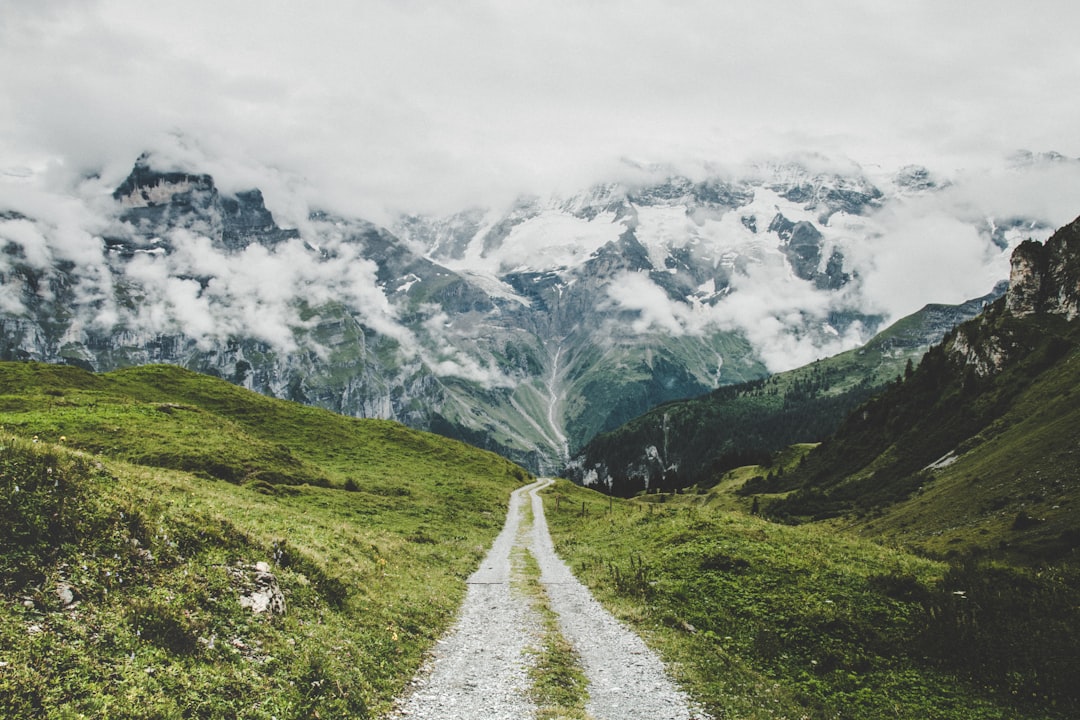
Monchique is the only place in the Algarve where you experience a genuine mountain ecosystem — **cork oak forests, rhododendrons, and cloud-draped peaks** — rather than the region’s trademark limestone and beach scenery. At **398m elevation in the town itself** and **902m at Fóia**, temperatures run **5–8°C cooler** than the coast in summer, which draws Portuguese city-dwellers specifically to escape Algarve heat. What surprised me is that medronho distillation is still a cottage industry here — you can walk into working home distilleries in villages like **Alferce**, 10km north, in a way that has completely disappeared from coastal Algarve.
How many days should I spend in Monchique?
**2 nights and 3 full days** is the sweet spot. Day 1: arrive, walk the old town, visit the convent ruins, eat dinner at a local tasca. Day 2: drive Fóia at sunrise, then descend to **Caldas de Monchique** for the thermal spa in the afternoon. Day 3: day trip to **Silves or Sagres** before heading south to the coast. One day is not enough — you will barely scratch the surface. Four days risks running out of structured things to do unless you are dedicated to hiking. My tip: use the town as a **3-night base** to avoid repacking while doing coastal day trips.
When is the best time to visit Monchique?
**June, July, and August** are the best months based on climate analysis — clear skies, warm days around **28°C at town level**, and all accommodation and restaurants operating at full capacity. My personal preference is **early June** — the hillsides are still green from spring rain, the cistus flowers are blooming pink across Fóia, and crowds are a fraction of August levels. **September** is excellent if you missed summer. The honest warning: July and August bring serious wildfire risk to the Serra de Monchique — some forest trails close during red alert periods, which Portuguese authorities declare on short notice.
What local festivals in Monchique are worth attending?
The **Feira dos Enchidos e do Medronho** — a sausage and brandy fair — typically runs in **February** and is the most authentic local festival, drawing Portuguese visitors rather than international tourists. Stalls sell smoked meats, local cheeses, and poured medronho shots for **€1–€2 each**. In **August**, the town holds a smaller summer market weekend with live folk music in the main square. I recommend checking the **Câmara Municipal de Monchique** website before visiting as dates shift year to year. What surprised me is that the February festival is entirely indoors and genuinely lively despite the off-season timing.
Eating & Drinking in Monchique
How does the weather in Monchique affect what I can do there?
Summer heat on the Algarve coast — regularly **38–40°C** at sea level — becomes a comfortable **28–32°C** in Monchique town and a breezy **22–25°C** at Fóia summit. This makes hiking and outdoor activity genuinely pleasant when coastal Algarve is unbearable. In winter, the Serra de Monchique receives real rainfall and occasional frost at altitude — the **N267 road to Fóia can ice** in January. Spring brings the most dramatic landscapes: waterfalls run full, wildflowers cover the hillsides. The honest caveat: August **wildfire smoke** occasionally reduces visibility at Fóia to near zero — always check the Portuguese **IPMA fire warning map** before heading up.
How crowded does Monchique get in peak season?
The town itself never reaches the gridlock of **Lagos or Albufeira** — Monchique’s limited parking and narrow streets act as a natural cap. However, **Fóia summit** becomes genuinely congested between **10am and 3pm in August**, with tour buses from coastal resorts disgorging passengers for a **15-minute photo stop**. My tip: arrive at Fóia before **8:30am** or after **4:30pm** to have it nearly to yourself. **Caldas de Monchique** on weekends in July fills its handful of restaurant terraces by noon — book lunch in advance. The surrounding hiking trails remain uncrowded even in peak August.
How safe is Monchique for travellers?
Monchique is extremely safe — petty crime is virtually nonexistent in a town of **6,045 people**. The main genuine safety concern is driving: the mountain roads, especially the **N267 to Fóia**, have blind hairpin bends and are shared with agricultural vehicles. Drive well below the posted limits. The second real hazard is **wildfires in summer** — in **2018, the Serra de Monchique suffered a catastrophic fire** that destroyed thousands of hectares and killed livestock. Evacuation orders do happen. Download the Portuguese civil protection app **SIRESP** and register your accommodation address with the local câmara if visiting in July or August during dry spells.
Is English widely spoken in Monchique?
Less than in coastal Algarve — this is an honest difference worth knowing. In **Caldas de Monchique spa hotels**, English is spoken confidently. In the town tascas, markets, and older local shops, Portuguese is essential. My tip: learn **10 basic Portuguese phrases** — even a broken attempt at **’queria uma medronho, se faz favor’** opens doors immediately with locals who are used to being ignored by passing tourists. Google Translate with offline Portuguese downloaded works perfectly as a backup. Younger staff at petrol stations and supermarkets usually speak basic English. Do not assume the level of English you find in **Albufeira or Lagos**.
Practical Tips for Monchique
What is the daily budget for visiting Monchique?
Budget travellers can manage on **€60–€80 per day** covering a simple guesthouse room, two meals at local tascas, and coffee and medronho. A mid-range day — boutique hotel, sit-down lunch and dinner with wine, thermal spa entry — runs **€130–€170 per person**. The spa at **Termas de Monchique** charges around **€25–€40** for basic thermal pool access. Petrol for driving to Fóia, Caldas, and a coastal day trip adds roughly **€15–€25 per day**. What surprised me is how affordable the food is compared to coastal Algarve — a full **prato do dia** (lunch special with drink) costs **€8–€11** at most local restaurants.
What public transport options exist within Monchique?
Within the municipality, public transport is minimal. The **Eva Transportes** bus runs between **Monchique town and Caldas de Monchique** a handful of times daily, but schedules are posted at the bus stop rather than reliably online. Between Monchique and Fóia there is no public bus at all — you walk, drive, or hire a taxi locally. Taxis exist but must be pre-arranged through your accommodation; there is no Uber coverage here. In my experience, relying on public transport within the municipality means spending hours waiting rather than exploring. This is one destination where the **€35–€55 daily car rental** is not optional luxury but practical necessity.
Which apps do you recommend for visiting Monchique?
**Komoot** or **AllTrails** for hiking routes in the Serra de Monchique — both have offline map downloads essential for areas with patchy mobile signal at altitude. **Google Maps** works but lacks trail-level detail on smaller forest paths. **IPMA** (Instituto Português do Mar e da Atmosfera) for fire warnings and daily mountain weather — non-negotiable in summer. **MB Way** is the Portuguese mobile payment system used at local markets and smaller shops where international cards are sometimes refused. Download **Google Translate** with offline Portuguese. My tip: download the **Via Michelin** app specifically for the mountain road route to Fóia — it gives better gradient warnings than Google Maps.
Monchique at a Glance
| Population | 6,045 |
|---|---|
| Currency | EUR (€) |
| Official language | Portuguese |
| Time zone | UTC±00:00 |
Source: Wikidata, retrieved September 2026.
Portugal › Monchique
More Destinations in Portugal
Essential Resources for Planning Your Trip to Monchique
- How to get to Monchique — official visitor information, passes & events
- Wikipedia: Monchique — history, geography & background
- Wikivoyage: Monchique — community travel guide & practical tips
- Monchique travel – The Algarve — expert itineraries & travel inspiration
- THE 15 BEST Things to Do in Monchique (2026) — hotels, restaurants & traveller reviews
- How to get to Monchique — how to get around
- Numbeo: Cost of Living in Monchique — current prices & cost comparison
- Timeanddate: Monchique Weather & Climate — forecasts & climate statistics
More Perspectives on Monchique
- Alternative Algarve: Monchique and Fóia
- Monchique, Portugal: Best Things to Do, Map & 1-Day …
- Discover Monchique, Portugal | Algarve Travel Guide
Monchique Travel Videos
Watch these videos for a visual preview before your trip:
- EXPLORING MONCHIQUE TOWN | ALGARVE PORTUGAL HOLIDAY #travel #portugal #tour #explore
- You MUST Visit Monchique WHEN in Portugal
- Escape to Paradise: Discovering the Tranquil Beauty of Monchique, Portugal!
Monchique Travel Discussions on Reddit
Real traveller experiences and community advice:
- Best things to do near Monchique : r/Algarve
- Sagres, Aljezur or Monchique for a solo traveler? No car
- Monchique, Portugal : r/hiking
Data Sources
This page was compiled using data from Wikipedia, Wikidata, Open-Meteo (climate), Numbeo (cost of living) and REST Countries. Information is updated regularly.