
Albufeira: The Complete Travel Guide (2026)
Last reviewed: September 2026 · key facts checked against Wikidata
Albufeira Travel Guide: Everything You Need to Know (2026)
Albufeira is a coastal city of 44,168 residents on Portugal’s Algarve coast, sitting just 22 metres above sea level and stretching across 140.66 square kilometres of Atlantic-facing terrain. Once a quiet Moorish fishing village, it transformed into southern Europe’s most visited beach resort after the 1960s tourism boom, now drawing over 1 million visitors annually to its golden limestone cliffs and lively strip. The old town retains genuine Portuguese character, while the Strip — just 2 kilometres north — delivers nightlife that runs until sunrise.
Three Things Not to Miss in Albufeira
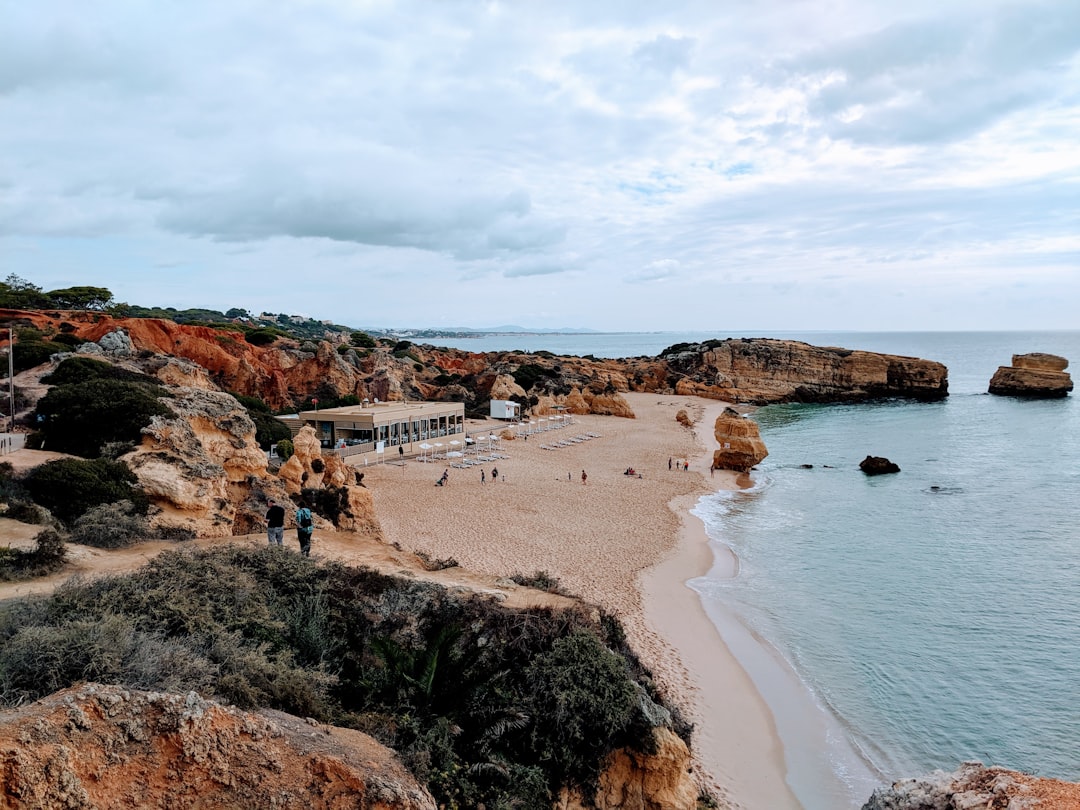
- Praia dos Pescadores (Fisherman’s Beach) — Albufeira’s most iconic beach sits directly below the old town, framed by 30-metre ochre cliffs and accessible via a pedestrian tunnel.
- Albufeira Old Town (Bairro dos Pescadores) — A labyrinth of whitewashed alleys descending to Largo Cais Herculano, where working fishing boats once launched — genuinely historic amid the resort buzz.
- Benagil Sea Cave (day trip) — Just 35 kilometres east, this cathedral-domed sea cave is one of Europe’s most photographed geological formations, accessible only by boat or kayak.
Scroll down for our complete travel guide with tips on getting there, where to stay, costs and more.
Getting to Albufeira from the Airport
How do I get to Albufeira from major hubs?
Fly into Faro Airport (FAO), located 40 kilometres east of Albufeira — it is the only practical air entry point. I recommend booking direct flights from London, Amsterdam, or Lisbon, as connections via Porto add unnecessary time. In my experience, the bus from Faro to Albufeira via EVA or Rede Expressos costs around €5–€7 and takes 1 hour, making it the cheapest option. The honest caveat most guides skip: Faro Airport gets severely congested in July and August, with baggage carousels sometimes taking 45 minutes — build that buffer into your transfer plan.
Which airport is closest to Albufeira?
Faro Airport (FAO) is the closest airport, exactly 40 kilometres from Albufeira’s old town centre. It handles 12+ million passengers annually and has direct connections from across Europe. My tip: Ryanair and easyJet dominate routes from the UK, while TAP Air Portugal connects via Lisbon. The warning most guides omit: FAO has limited Terminal lounge capacity, so arriving early for departures in peak season — especially on summer Sunday afternoons — is non-negotiable. There is no second airport option; Lisbon is 270 kilometres north, making it genuinely impractical.
How long does the journey from Faro Airport to Albufeira take?
By taxi or rideshare the journey takes 35–45 minutes and costs approximately €35–€50 depending on time of day. The public bus from Faro’s bus terminal (a 15-minute shuttle ride from the airport itself) takes 1 hour total. I recommend the Transfercar or Welcome Pickups private transfer for groups of 3+, as splitting the €45 flat rate beats individual bus tickets and the taxi metered fare. The honest caveat: in July and August, the EN125 coastal road runs slow with holiday traffic, and the 40-kilometre journey can stretch to 75 minutes on a Saturday afternoon arrival.
Do I need a rental car to explore Albufeira and the Algarve?
For Albufeira town itself, no — the old town and Praia dos Pescadores are walkable within 15 minutes. For the wider Algarve, a rental car transforms your trip completely. I recommend hiring from Faro Airport rather than Albufeira town, where drop-off surcharges apply. Expect to pay €25–€45 per day for a compact car including basic insurance. The honest caveat most guides skip: parking in Albufeira old town in August is effectively impossible without a hotel garage — factor in €10–€15 per day in paid parking fees if you bring a car into the centre during peak season.
Moving Around Albufeira
What are the best base towns in Albufeira for different travel styles?
Albufeira splits into two distinct zones. The Old Town (Bairro dos Pescadores) suits couples and culture seekers — whitewashed alleys, genuine tascas, and a 10-minute walk to the beach. The Strip (Avenida São João de Deus) is 2 kilometres north and suits party travellers, with bars open until 6am and package-holiday hotels dominating. My strong recommendation: base yourself in the Old Town and visit the Strip by choice, not by accident. What surprised me: the area around Olhos de Água, 6 kilometres east, offers a genuinely quieter village atmosphere while still being 20 minutes from Albufeira’s centre.
What does good accommodation cost per night in Albufeira?
In my experience, expect to pay €80–€140 per night for a solid 3-star hotel in the Old Town during shoulder season (May or October). Peak July–August rates jump to €150–€250 for the same rooms. Budget guesthouses on Rua Cândido dos Reis start around €55 per night. The honest caveat: many Albufeira hotels quote rates excluding the mandatory €2 per person per night Portuguese tourist tax — always check whether it is included in your booking. Booking.com and direct hotel websites in Albufeira often differ by 10–15%, so comparing both pays off.
How far in advance should I book accommodation in Albufeira during high season?
Book at least 3–4 months ahead for July and August — Albufeira is one of Europe’s most visited beach resorts and quality central rooms genuinely sell out. For the Easter week (Semana Santa) and the last week of August, book 5–6 months in advance. I once arrived in Albufeira in mid-August without a reservation and spent 90 minutes finding a room at triple the normal rate. My tip: shoulder season (May, June, September) allows 4–6 weeks advance booking and you will find 30–40% lower rates without sacrificing sunshine — Algarve September averages 10+ hours of daily sun.
What special accommodation types are worth trying in Albufeira?
Albufeira’s hillside villa rentals on platforms like Airbnb offer private pools with Atlantic views for €120–€200 per night — genuinely competitive against hotels once you factor in self-catering savings. The Salgados Golf & Spa resort 8 kilometres west delivers a true Algarve resort experience with direct beach access. For solo travellers, the handful of boutique guesthouses in the Old Town’s pedestrian zone offer en-suite rooms with balconies from €60. What surprised me: Albufeira has very few genuine hostels — Albufeira Lounge Hostel is the best-rated, but dorm beds still cost €25–€35 in August, which barely undercuts budget hotels.
Choosing a Neighbourhood in Albufeira
What are the absolute must-sees in Albufeira?
My non-negotiable top 3: Praia dos Pescadores (Fisherman’s Beach) accessed through the old town tunnel — arrive before 10am in summer to secure a spot. Miradouro da Atalaia viewpoint above the town gives the classic Albufeira clifftop panorama at zero cost. And Zoomarine Algarve, 7 kilometres west on the N125, is genuinely world-class for families, with dolphin shows and a water park in one — adult tickets run €34. The honest caveat: the Strip itself is not a sight; it is a phenomenon best experienced at night, not as a daytime priority.
What can I experience for free in Albufeira?
The Old Town pedestrian labyrinth and its clifftop views cost nothing and deliver more authentic Algarve character than any paid attraction. Praia da Galé, 8 kilometres west, is free, quieter than town beaches, and flanked by dramatic sea arch formations. The Albufeira Municipal Market on Rua da Mobilidade runs weekday mornings — watching locals shop for fresh Algarve fish and ceramics costs nothing and reveals more than any guided tour. In my experience: the evening passeio (promenade walk) along Avenida 25 de Abril at sunset is one of the Algarve’s truly underrated free experiences — locals out in force, zero tourist hustle.
Which day trips from Albufeira are most worthwhile?
The Benagil Sea Cave by boat (35 kilometres east, €15–€25 per person) is a non-negotiable Algarve experience. Silves — a Moorish hilltop city with a 12th-century castle — sits just 25 kilometres north and is reachable by bus in 40 minutes for €3.50. Lagos, 45 kilometres west, offers the Algarve’s most dramatic cliff formations at Ponta da Piedade and a well-preserved historic centre. What surprised me: Alte, a whitewashed inland village 30 kilometres north, is one of Portugal’s most beautiful hamlets yet 90% of Albufeira visitors never visit — it rewards the half-day detour completely.
What local specialities should I eat in Albufeira?
Order cataplana de marisco (seafood cataplana) in any Old Town restaurant — it is the definitive Algarve dish, a copper pot of clams, prawns, and fish simmered in white wine, typically priced €18–€28 per portion. Percebes (barnacles) and amêijoas à Bulhão Pato (clams with garlic and coriander) are the honest local benchmarks for seafood quality. My tip: eat at Restaurante A Ruína, built into the Old Town cliff face — it is touristy but the cataplana is legitimately excellent and views are unbeatable. The caveat: beware beachfront restaurants displaying photos on menus — they charge 30–40% more for inferior fish.
Top Sights in Albufeira
What makes Albufeira unique compared to other Algarve towns?
Albufeira is the only Algarve destination that successfully — if chaotically — layers a genuine 800-year-old Moorish-origin fishing village with Europe-scale resort infrastructure. The tunnel through the cliff connecting the old town to Fisherman’s Beach is an architectural quirk found nowhere else on the coast. In my experience: the coexistence of elderly Portuguese fishermen mending nets at dawn and 10,000 British package tourists ordering pints by noon creates a genuinely bizarre and entertaining cultural collision. No other Algarve city replicates this tension. Lagos is prettier; Tavira is more authentic — but neither has Albufeira’s raw energy.
How many days should I spend in Albufeira?
3 full days is the sweet spot for Albufeira itself. Day 1: old town, Fisherman’s Beach, clifftop walk. Day 2: Benagil cave boat trip by morning, Praia da Galé afternoon. Day 3: day trip to Silves or Lagos. If you are using Albufeira as an Algarve base, 5–7 days lets you explore the entire western coast from Sagres to Tavira without rushing. The honest caveat: Albufeira rewards short stays — beyond 4 days, the repetitive Strip nightlife and crowded beaches start to grate. I recommend combining it with 2 nights in Lagos for a more rounded Algarve experience.
When is the best time to visit Albufeira?
Late May, June, and September are my top recommendations. June delivers 28°C averages, 11 hours of daylight, and 30% fewer crowds than August. September sea temperatures hit their annual peak at 23–24°C, making it the best month for swimming — counterintuitively warmer than July. April and May suit hikers and culture travellers. Avoid July 20 – August 20 unless you thrive on maximum crowd density and premium prices. What surprised me: Albufeira in late October still delivers 22°C daytime temperatures and open restaurants, while most northern European beach resorts have long shut — a genuinely underrated late-season window.
What local festivals in Albufeira are worth planning around?
The Festival Med in nearby Loulé (35 kilometres east) in late June draws world-music acts to a 700-year-old castle courtyard — tickets run €20–€35 per night and it is one of southern Portugal’s most atmospheric events. Albufeira’s own Nossa Senhora da Oura religious festival in August fills the old town with processions and free open-air fado performances. The Algarve International Motorbike Rally in Faro each July brings 70,000+ motorcyclists to the region — spectacular if you enjoy it, unavoidable noise if you do not. My tip: book accommodation 6 months ahead if the motorbike rally overlaps your dates.
Where to Eat in Albufeira
How does weather affect activities in Albufeira throughout the year?
Summer (June–September) is beach-dominant — 28–32°C and virtually zero rain makes outdoor activities straightforward. The Levante (easterly wind) occasionally drops temperatures 5 degrees and raises surf by late August, which thrills bodyboarders but frustrates sunbathers. Winter (December–February) is mild at 15–17°C — cold for swimming but excellent for golf, hiking the Via Algarviana trail, and birdwatching at the Ria Formosa lagoon system 40 kilometres east. The honest caveat: winter Albufeira is dramatically quieter with many Strip restaurants closed entirely — plan meals around the handful of year-round tascas in the Old Town.
How crowded does Albufeira get in peak season?
August is brutal — Fisherman’s Beach at 11am has zero towel space, Old Town restaurants quote 45-minute waits, and the Strip is shoulder-to-shoulder from midnight to 5am. The municipality of 44,168 residents hosts an estimated 1+ million tourist visits annually, concentrated into 10 peak weeks. My honest advice: if you arrive in August, reach any beach before 9am and retreat inland by 1pm. Praia do Castelo, 4 kilometres east and accessible only via a cliff path, stays 60% quieter than town beaches even in August because the 15-minute walk deters mass tourism. Plan accordingly.
How safe is Albufeira for tourists?
Albufeira is generally very safe — Portugal consistently ranks in Europe’s top 5 safest countries by the Global Peace Index. Petty theft (bag snatching, pickpocketing) occurs on the Strip after midnight; I have seen phones grabbed from tables at outdoor bars. Keep valuables in your hotel safe after dark on the Strip. The Old Town is safe at all hours. The honest warning most guides avoid: excessive alcohol-fuelled confrontations among tourists (predominantly British and Irish groups) on the Strip in summer are common — the Portuguese police presence is visible but incidents happen. Stay alert between 2am and 5am specifically.
Is English widely spoken in Albufeira?
Yes — Albufeira has the highest English-language proficiency of any Portuguese city outside Lisbon and Porto, driven by 50+ years of British mass tourism. Every restaurant, hotel, and shop on the Strip and in the Old Town operates fluently in English. In my experience, some older locals in the municipal market and inland villages speak only Portuguese — learning 5 basic Portuguese phrases earns disproportionate goodwill. The honest caveat: Albufeira is so English-saturated that some travellers report feeling they never left Britain — menus in English only, British pub food dominant on the Strip, and Portuguese spoken only among locals themselves.
Before You Go to Albufeira
What is the daily budget for a trip to Albufeira?
A realistic mid-range daily budget runs €90–€130 per person, covering a 3-star Old Town hotel (€80 split between 2), 3 meals, drinks, and one paid activity. Budget travellers staying in guesthouses and self-catering can manage €50–€65 per day. Luxury travellers at resort hotels with seafood dinners and boat trips should expect €200–€300 per day. The hidden cost most guides skip: boat trips to Benagil run €15–€25 per person and tours to Portimão or Silves add €10–€20 each — day-trip costs accumulate fast. My tip: the €2 tourist tax per night is mandatory and is charged separately at check-out in most properties.
How does public transport work in and around Albufeira?
Within Albufeira, the PRÓXIMO urban bus network connects the Old Town, the Strip, and Galé beach for €1.50–€2 per ride. The regional EVA Transportes network links Albufeira to Faro (€5, 1 hour), Portimão (€4.50, 50 minutes), and Lagos (€6, 75 minutes). The Algarve’s coastal rail line stops at Albufeira train station, which is 6 kilometres north of the old town — a taxi or bus connection is still needed. My honest caveat: the train station’s distance from the centre makes it awkward for first-timers. I recommend buses over trains for all Algarve inter-city hops — they drop at central bus stations, not suburban rail yards.
Which apps do you recommend for visiting Albufeira?
Google Maps works reliably throughout the Algarve — offline maps for the Albufeira municipality are a 200MB download and worth it for beach-track navigation. Bolt (rideshare) operates in Albufeira and is 20–30% cheaper than taxis — I use it exclusively for late-night Strip returns. The Fork lists Albufeira restaurant reviews with real-time table bookings in English. Visitportugal.com (the official tourism app) has verified Algarve hiking trail maps. The honest addition most travel articles omit: AccuWeather with hourly Algarve forecasts is essential — afternoon sea breezes can shift beach conditions within 90 minutes and the app’s hourly granularity beats generic daily forecasts.
Albufeira at a Glance
| Population | 44,168 |
|---|---|
| Currency | EUR (€) |
| Official language | Portuguese |
| Time zone | UTC±00:00 |
Source: Wikidata, retrieved September 2026.
Portugal › Albufeira
More Destinations in Portugal
Essential Resources for Planning Your Trip to Albufeira
- Wikipedia: Albufeira — history, geography & background
- Wikivoyage: Albufeira — community travel guide & practical tips
- Albufeira travel – The Algarve — expert itineraries & travel inspiration
- THE 15 BEST Things to Do in Albufeira (2026) — hotels, restaurants & traveller reviews
- 2026 Albufeira Travel Guide: must-see attractions, popular … — how to get around
- Numbeo: Cost of Living in Albufeira — current prices & cost comparison
- Timeanddate: Albufeira Weather & Climate — forecasts & climate statistics
More Perspectives on Albufeira
- Albufeira Algarve, Portugal : What No One Tells You Before …
- Albufeira, Portugal: A Weekend Guide + Travel Tips
- 4 Best things to do in Albufeira, Portugal
Albufeira Travel Videos
Watch these videos for a visual preview before your trip:
- Albufeira, Portugal 2026: What Things REALLY Cost
- Albufeira Portugal What To See And What To Do
- ALGARVE Ultimate Travel Guide 🇵🇹 Best Towns & Beaches | Portugal
Albufeira Travel Discussions on Reddit
Real traveller experiences and community advice:
- Need help quickly planning a vacation in Albufeira/Faro
- A couple of days in Albufeira : r/travel
- Why is Albufeira so popular among foreigners every year?
Data Sources
This page was compiled using data from Wikipedia, Wikidata, Open-Meteo (climate), Numbeo (cost of living) and REST Countries. Information is updated regularly.