
Assisi: The Complete Travel Guide (2026)
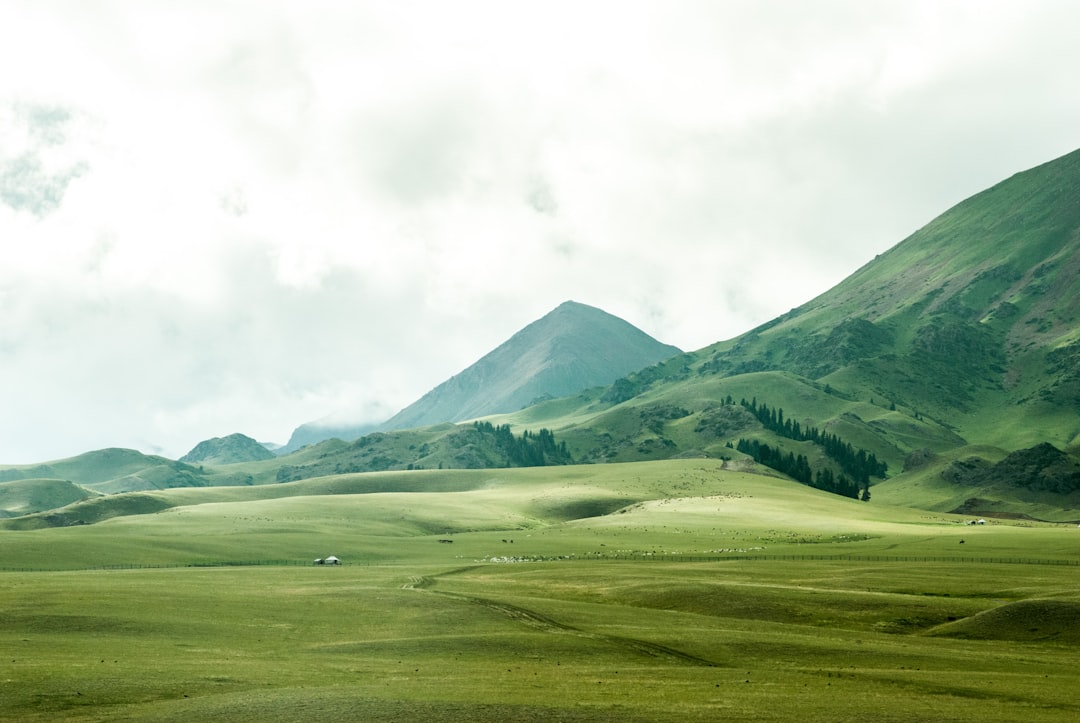
Assisi Travel Guide: Everything You Need to Know (2026)
Assisi sits at 424 metres above sea level on the western flank of Monte Subasio in Umbria, a town of 27,605 residents that has drawn pilgrims and travellers for over 800 years since St. Francis founded his order here in 1209. The entire medieval hilltop centro storico is a UNESCO World Heritage Site, making nearly every cobblestone street a living monument. July and September are the statistically best months to visit, offering warm temperatures without the suffocating August crowds.
Three Things Not to Miss in Assisi
- Basilica di San Francesco — A double-decker 13th-century basilica housing Giotto’s 28-fresco cycle — one of the most important art collections in all of Italy.
- Rocca Maggiore — A fully intact 14th-century fortress with 360-degree panoramic views over the Umbrian valley for just €6 entry.
- Eremo delle Carceri — A cliff-carved hermitage 4 km above town where Francis actually prayed — free to enter and almost always crowd-free.
Scroll down for our complete travel guide with tips on getting there, where to stay, costs and more.
Arriving in Assisi: Airport & Transfers
How do I get to Assisi?
Fly into **Perugia Sant’Egidio Airport (PEG)**, roughly **12 km** from Assisi, or into **Rome Fiumicino (FCO)**, about **180 km** south, for far more international connections. From Perugia airport, a taxi costs around **€35** to Assisi. From Rome, the fastest route is a **Trenitalia train to Foligno or Terontola**, then a regional connection to **Assisi station** in Santa Maria degli Angeli — the full journey takes roughly **2.5 hours**. My tip: book Trenitalia tickets at least a week ahead to lock in cheaper fares. What surprised me is how many travellers fly into Florence instead — it adds unnecessary time when Rome or Perugia serve the route far better. Avoid arriving by car if you plan to stay in the centro storico; parking requires ZTL permits that catch foreigners out constantly.
Which airport is closest to Assisi?
**Perugia Sant’Egidio (PEG)** is the closest airport, sitting just **12 km** from Assisi — in good traffic, that is a **20-minute** taxi ride costing roughly **€35**. The honest caveat: PEG is a tiny regional airport with very limited direct international routes, mostly connecting to London Stansted via Ryanair and a handful of other European cities. In my experience, most travellers flying long-haul land at **Rome Fiumicino (FCO)** and take the train north. If you are coming from Germany or the Netherlands, check seasonal Ryanair routes into PEG first — they can save 3 hours of travel time. There is no direct bus from PEG to Assisi; taxis or a pre-booked transfer are your realistic options from that airport.
How long does the journey to Assisi take from major hubs?
From **Rome Termini**, budget roughly **2.5 to 3 hours** total by train, changing at Foligno or Terontola onto a regional service to **Assisi station** in Santa Maria degli Angeli. From **Florence**, the journey takes around **2 hours** with a connection. From **Milan**, expect **3.5 to 4 hours** via fast train to Perugia, then onward. My tip: the Assisi train station sits **4 km downhill** from the medieval hilltop, so add another **€10 to €15** for a local bus or taxi up to the centro storico. What surprises most travellers is that Assisi has no high-speed rail connection — regional trains only, which are slower and less predictable. Book regional Trenitalia tickets in advance during Easter and the **Calendimaggio festival in May** when trains fill up fast.
Do I need a car to explore Assisi?
For Assisi itself, **no — you do not need a car**. The hilltop centro storico is almost entirely pedestrianised and walkable in under **30 minutes** end to end. In my experience, a car becomes genuinely valuable if you want to explore the surrounding **Umbrian countryside** — Spello, Bevagna, Montefalco, and Spoleto are all within **40 km** and poorly connected by public transport. The critical warning: Assisi has a strict **ZTL (Zona a Traffico Limitato)** zone covering most of the historic centre, and cameras automatically fine foreign-plated cars that enter without a permit — fines typically arrive weeks after you return home, running **€80 to €100** each. If you do rent a car, park in the designated lots at **Porta San Pietro or Piazzale dell’Unità d’Italia** and walk or take the shuttle up.
Getting Around Assisi
What are the best areas to stay in Assisi?
Stay **inside the medieval walls** for the best experience — the area around **Piazza del Comune** puts you within a 10-minute walk of every major sight. Via Frate Elia and the streets below the Basilica di San Francesco are the most atmospheric spots, though also the most expensive. My tip: the quieter **eastern quarter near the Cathedral of San Rufino** offers calmer streets, cheaper hotels, and the same walkability. If budget is tight, stay in **Santa Maria degli Angeli**, the modern town at the base of the hill where the train station sits — it is less charming but saves **€30 to €50 per night**. What most guides omit: the entire centro storico goes nearly silent after 8 pm when day-trippers leave, which is either atmospheric or isolating depending on your travel style.
What does accommodation cost per night in Assisi?
A clean **3-star hotel inside the walls** runs **€90 to €140 per night** for a double room in high season (July–August). Boutique guesthouses and converted monastery accommodations — Assisi has several historic religious residences offering rooms — range from **€70 to €120**. Budget travellers can find a bed in a hostel or pilgrim hostel for **€25 to €40 per person**. The honest trade-off: the most charming properties — like **Hotel Giotto** or smaller agriturismi on Monte Subasio slopes — book out months in advance for September and Easter. Luxury options like **Nun Assisi Relais** go well above **€250 per night**. I recommend booking the centro storico accommodations at least **2 to 3 months ahead** for summer, and even earlier for the Feast of St. Francis on **October 4th**, when the town fills entirely.
How far in advance should I book accommodation in Assisi during high season?
For **July and August**, book at least **2 to 3 months ahead** — quality rooms inside the walls sell out fast. For **Easter week and the Calendimaggio festival in early May**, I recommend booking **4 to 6 months in advance**; Assisi’s Easter pilgrimage is one of the largest in Italy and every decent room within **10 km** fills up. The **Feast of St. Francis on October 4th** is equally manic — book as soon as your dates are confirmed. What most guides omit: even mid-week stays in September can catch you out, because Assisi attracts significant Italian domestic tourism on weekends year-round. My tip: if you find the centro storico fully booked, check **Agriturismo Malvarina** or similar farmhouses on the Subasio slopes — they are beautiful alternatives within **5 km** of town.
Are there special accommodation types worth seeking out in Assisi?
Assisi’s most distinctive accommodation option is staying in a **religious house or monastery guesthouse**. The **Casa Papa Giovanni** and several Franciscan retreat centres offer simple but deeply atmospheric rooms, often with breakfast included, from **€55 to €80 per night**. These are open to all travellers, not just pilgrims. Another unique option is the **agriturismi** on Monte Subasio itself — stone farmhouses with olive groves and views across the Umbrian valley, typically running **€80 to €120** per night for a double. In my experience, waking up outside the town walls at sunrise and walking 20 minutes down into Assisi before the tour groups arrive is one of the best decisions you can make. The caveat: monastery guesthouses often have a **10 pm or 11 pm curfew**, which rules them out if you plan late evenings.
Where to Stay in Assisi
What are the absolute must-sees in Assisi?
Three places are non-negotiable. First, the **Basilica di San Francesco** — a double-decker 13th-century church with Giotto’s complete 28-fresco cycle in the Upper Basilica and the crypt containing Francis’s tomb below. Entry is free; arrive before **9 am** to beat tour groups. Second, **Rocca Maggiore**, the fortress above town dating to 1367, costs **€6** and delivers the best panoramic view in Umbria. Third, the **Eremo delle Carceri** — a cliff-carved hermitage 4 km above town where Francis prayed, accessible on foot via a forest trail and free to visit. What surprises most travellers: the **Basilica di Santa Chiara** is far less visited than San Francesco but contains the original **San Damiano Cross** that inspired Francis’s conversion — do not skip it.
What can I experience for free in Assisi?
More than you would expect. The **Basilica di San Francesco** — Upper and Lower basilica, the crypt, and the Giotto frescoes — is entirely **free to enter**, though donations are welcomed. The **Eremo delle Carceri hermitage** 4 km above town is free. Walking the **Via di Francesco pilgrimage path** through the olive groves below the town walls costs nothing and takes you away from tourist crowds entirely. The **Piazza del Comune** with its Temple of Minerva facade — a remarkably intact Roman temple front — is free to admire externally. In my experience, Assisi’s greatest free experience is simply **arriving before 8 am** when pilgrims begin the day quietly and the pink-stone streets glow in early light. The caveat: the Basilica interior requires modest dress — shoulders and knees covered — so pack a scarf or you will be turned away at the door.
Which day trips from Assisi are worth doing?
**Spello**, just **12 km south**, is my top recommendation — a smaller, less-visited hilltop town with extraordinary Roman gates and flower-decorated streets, reachable in **15 minutes** by regional train. **Perugia**, the regional capital, is **25 km northwest** and offers the **National Gallery of Umbria**, an excellent chocolate festival in October, and a lively university-town energy — about **30 minutes** by train. **Spoleto**, **47 km south**, is spectacular for its **Ponte delle Torri** medieval aqueduct and the Rocca Albornoziana fortress. For wine lovers, **Montefalco**, 20 km away, produces the best **Sagrantino DOCG** in Italy. The honest trade-off: without a rental car, day trips to Montefalco and Bevagna require taxi or infrequent local buses — factor in **€30 to €50** for a return taxi if you are going off the rail line.
What local specialities should I eat in Assisi?
Umbrian cuisine is honest, hearty, and underrated. Order **strangozzi al tartufo nero** — thick handmade pasta with Norcia black truffle — as your first meal; a generous portion costs **€14 to €18** in a proper trattoria. **Porchetta** (whole roasted pig with herbs) is sold from street stalls near **Piazza del Comune** for around **€4 a roll**. Umbrian **lentils from Castelluccio** — a DOC-protected product grown at high altitude — appear in soups and as side dishes everywhere. For meat, try **piccione** (pigeon), a traditional Umbrian preparation that most tourists hesitate over but should not. Drink local **Montefalco Rosso** or a glass of Sagrantino. My tip: eat lunch at **Trattoria da Erminio** on Via Montecavallo — it is off the main tourist drag, family-run, and serves a 3-course lunch with wine for around **€25 per person**.
Assisi Highlights & Must-Sees
What makes Assisi unique compared to other Italian hilltowns?
Three things set Assisi apart. First, the **spiritual density** is unmatched — this is the birthplace of St. Francis and St. Clare, and the Franciscan presence gives the town a genuine contemplative atmosphere that places like **San Gimignano** or Orvieto simply do not have. Second, the **pink Subasio stone** used in every building creates a visual coherence rare in Italy — the entire town glows rose-gold at sunset. Third, unlike most hilltowns, Assisi hosts **living religious pilgrimage traffic year-round**, not just tourism, which means you encounter monks, nuns, and international pilgrims alongside tour groups — a layered human experience. What surprises most visitors: after the day-trippers leave by **5 pm**, Assisi becomes extraordinarily quiet and atmospheric — a completely different town from its midday self. In my experience, that evening Assisi is the real one.
How many days should I spend in Assisi?
**2 full days is the honest minimum** to see Assisi properly without rushing. Day 1: Basilica di San Francesco in the morning, Rocca Maggiore by midday, Basilica di Santa Chiara in the afternoon. Day 2: hike up to the Eremo delle Carceri hermitage (a **4 km** forest trail), then explore the quieter eastern quarter around San Rufino cathedral. A 3rd day allows a day trip to **Spello or Perugia** by train. What most guides omit: trying to do Assisi as a **single-day trip from Rome or Florence** is technically possible but misses everything — you arrive with the crowds, leave with the crowds, and see only the Basilica. I recommend at least one overnight to experience the town after the tour buses depart. Solo travellers and pilgrims often find themselves staying longer than planned — the pace is genuinely restorative.
When is the best time to visit Assisi?
**September is my top recommendation**, based on verified climate data confirming it as one of Assisi’s two best months alongside July. In September the summer heat has softened, the hillside vineyards turn golden, crowds drop by roughly half compared to August, and the light across the Umbrian valley is extraordinary. July is equally good climatically but busier. **April and early May** are beautiful for spring wildflowers on Monte Subasio, though **Calendimaggio (first weekend of May)** brings a medieval festival that fills every hotel. **Avoid August 10–20** — it is the hottest and most crowded period of the year, with Italian domestic tourism at its peak. The honest caveat: Assisi’s pilgrimage calendar creates spikes in **October (Feast of St. Francis, October 4th)** and **Easter week** that rival summer in terms of accommodation pressure. Book early or choose shoulder weeks deliberately.
What are local festivals in Assisi worth attending?
**Calendimaggio** (first weekend of May) is the unmissable one — a medieval pageant where the town divides into two factions (Parte de Sotto and Parte de Sopra) competing in music, theatre, and processions across the hilltop streets. It has run every year since 1954 and tickets for the main evening show cost around **€15 to €25**. The **Feast of St. Francis on October 4th** draws international pilgrims and the Pope occasionally attends — a deeply moving experience but accommodation books out **6 months in advance**. **Infiorata di Spello** in June (a short **12 km** drive away) fills the streets with flower-petal carpets on Corpus Christi. In my experience, Calendimaggio is the one that genuinely transforms Assisi — even sceptics find it captivating because locals take it extraordinarily seriously. My tip: book your hotel before buying festival tickets, not after.
Eating & Drinking in Assisi
How does the weather in Assisi affect what activities are possible?
Assisi sits at **424 metres** on Monte Subasio’s flank, which means it is noticeably cooler than Perugia in the valley and prone to low cloud in winter. Hiking the Monte Subasio plateau — a spectacular high open landscape reaching **1,290 metres** — is only realistically enjoyable from **April through October**; in winter it is cold, wind-exposed, and sometimes snowed under. The Basilica di San Francesco and indoor sights are year-round regardless of weather. Summer afternoons (July–August) push above **32°C** in direct sun, making midday sightseeing uncomfortable on the exposed hilltop. My tip: in summer, follow the Italian approach — be out by **8 am**, rest between noon and 4 pm, then go back out in the evening. The **Eremo delle Carceri forest trail** stays cool even in July thanks to the oak canopy — a relief on hot days.
How crowded does Assisi get in peak season?
**August is genuinely overwhelming** — the Basilica di San Francesco queue can stretch **45 minutes or more** by 10 am, and the main lanes between Piazza del Comune and the basilica feel like a funnel of tour groups. Italian domestic tourism peaks in the week around **August 15th (Ferragosto)**, compounding the international visitor pressure. The blunt truth most guides skip: Assisi has a relatively small medieval centre, so crowd density feels more intense here than in larger cities. **July is busy but manageable** if you arrive early. My strong recommendation: visit the Basilica at **7:30 am** when it opens — you will have the Giotto frescoes nearly to yourself. September drops crowds noticeably. If you are locked into August travel, staying overnight means you can access the major sights before **9 am** when day-tripper coaches from Rome and Florence begin arriving.
How safe is Assisi for travellers?
**Assisi is extremely safe** — it is one of the lowest-crime towns in Umbria and Italy generally. In my experience walking the centro storico at all hours, the main risk is purely practical: uneven medieval cobblestones causing twisted ankles, particularly on the steep lanes around **Via San Francesco** after rain when they become slippery. Pickpocketing is rare compared to Rome or Florence, though keep standard precautions in the crowded Basilica di San Francesco during peak season. The pilgrimage character of the town creates a calm, respectful atmosphere that filters the visitor demographic significantly. There are no neighbourhoods to avoid. The one safety note worth mentioning: if you hike Monte Subasio, mobile signal drops above **1,000 metres** — tell someone your route and carry water, as the open plateau offers no shade or shelter. Emergency services are accessible via **112** throughout Umbria.
Is English widely spoken in Assisi?
**Yes, more than in most Italian towns of this size.** The pilgrimage and international tourism traffic means hotel staff, basilica guides, and most restaurant workers in the centro storico speak functional to fluent English. The **Franciscan friars at the basilica** routinely give explanations in English, German, Spanish, and French. In my experience, the only language barrier appears in smaller local bars and alimentari shops away from the tourist circuit — a handful of basic Italian phrases go a long way there. **Menus are almost universally bilingual** in tourist-facing restaurants. My tip: downloading the **Google Translate camera function** offline before you arrive handles any remaining gaps instantly. The honest caveat: in Santa Maria degli Angeli (the lower town near the station), English coverage drops considerably — useful to know if you are staying down there and need pharmacy or supermarket assistance.
Practical Tips for Assisi
What is a realistic daily budget for travelling in Assisi?
On a **budget of €60 to €80 per person per day** you can travel comfortably: a bed in a pilgrim hostel at **€30 to €40**, a sit-down lunch at a trattoria for **€15 to €20**, a street porchetta roll and gelato for dinner at **€7 to €10**, and entry to Rocca Maggiore at **€6** — with the Basilica and Eremo free. Mid-range travellers spending **€130 to €180 per day** can stay in a 3-star hotel inside the walls, eat two proper restaurant meals, and take a day trip to Spello. What surprises budget travellers: Assisi is **noticeably cheaper than Rome or Florence** for equivalent quality — a glass of house Sagrantino wine costs **€3 to €4** in a local bar versus **€8+** in major cities. The hidden cost to anticipate: the mandatory **tourist tax (tassa di soggiorno)** of **€1.50 to €3 per person per night**, always paid separately in cash at your hotel.
How does public transport work in and around Assisi?
The **Assisi train station** sits 4 km below the hilltop in Santa Maria degli Angeli, served by **Trenitalia regional trains** on the Foligno–Terontola line — connections to Perugia take **25 minutes** and to Spello **10 minutes**. A **local bus (Line C)** runs between the station and Piazza del Comune roughly every **30 minutes** and costs **€1.30**. Within the hilltop centro storico, electric **minibuses (Line A and B)** connect key points and are included in the same €1.30 ticket. The honest limitation: bus frequency drops sharply after **8 pm**, so evening returns to the station require a taxi (around **€10 to €12**). For destinations like Montefalco or Bevagna, public transport is impractically infrequent — a rental car or taxi becomes the only realistic option. My tip: buy a block of bus tickets at the **tabacchi near Piazza del Comune** rather than paying on board.
Which apps do you recommend for visiting Assisi?
**Trenitalia** is non-negotiable — book all regional train connections directly in the app and save tickets offline before you travel, as station Wi-Fi is unreliable. **Maps.me** with Umbria downloaded offline gives you walking routes even without signal — essential on Monte Subasio trails above **1,000 metres** where cell coverage cuts out. **Google Translate** with Italian downloaded offline handles menus and shop signs instantly using the camera function. For the Basilica di San Francesco, the official **Franciscan Basilica app** provides a self-guided audio tour of the Giotto frescoes in English at no cost — I recommend it over the paid audio guides rented at the entrance. **Komoot** is useful if you plan to hike the Monte Subasio plateau — trails are mapped accurately with elevation profiles. One practical addition: **Moovit** covers Umbria’s regional bus network and shows live departure times for the local Santa Maria degli Angeli to Assisi centro route.
Assisi at a Glance
| Population | 27,605 |
|---|---|
| Currency | EUR (€) |
| Official language | Italian |
| Time zone | Europe/Rome |
Source: Wikidata, retrieved September 2026.
Italy › Assisi
More Destinations in Italy
Essential Resources for Planning Your Trip to Assisi
- Official tourist information site for Assisi — official visitor information, passes & events
- Wikipedia: Assisi — history, geography & background
- Wikivoyage: Assisi — community travel guide & practical tips
- Assisi travel – Umbria, Italy, Europe — expert itineraries & travel inspiration
- THE 15 BEST Things to Do in Assisi (2026) — hotels, restaurants & traveller reviews
- Numbeo: Cost of Living in Assisi — current prices & cost comparison
- Timeanddate: Assisi Weather & Climate — forecasts & climate statistics
- Assisi, the Basilica of San Francesco and Other Franciscan …
More Perspectives on Assisi
- Assisi: a complete guide through the birthplace of San …
- Assisi
- The Catholic Traveler’s Guide to Assisi
Assisi Travel Videos
Watch these videos for a visual preview before your trip:
- Assisi, Italy: Legacy of St. Francis – Rick Steves’ Europe Travel Guide – Travel Bite
- Assisi, Italy – 14 Must See Attractions
- Top 10 Best Things to do in Assisi, Italy [Assisi Travel Guide 2026]
Assisi Travel Discussions on Reddit
Real traveller experiences and community advice:
- Assisi, Italy is so amazing! (December 2023) : r/travel
- Travel to Assisi? : r/florence
- Day trip from Rome – Assisi or Orvieto? : r/RomeTravel
Data Sources
This page was compiled using data from Wikipedia, Wikidata, Open-Meteo (climate), Numbeo (cost of living) and REST Countries. Information is updated regularly.