
Bergamo: The Complete Travel Guide (2026)
Last reviewed: September 2026 · key facts checked against Wikidata
Bergamo Travel Guide: Everything You Need to Know (2026)
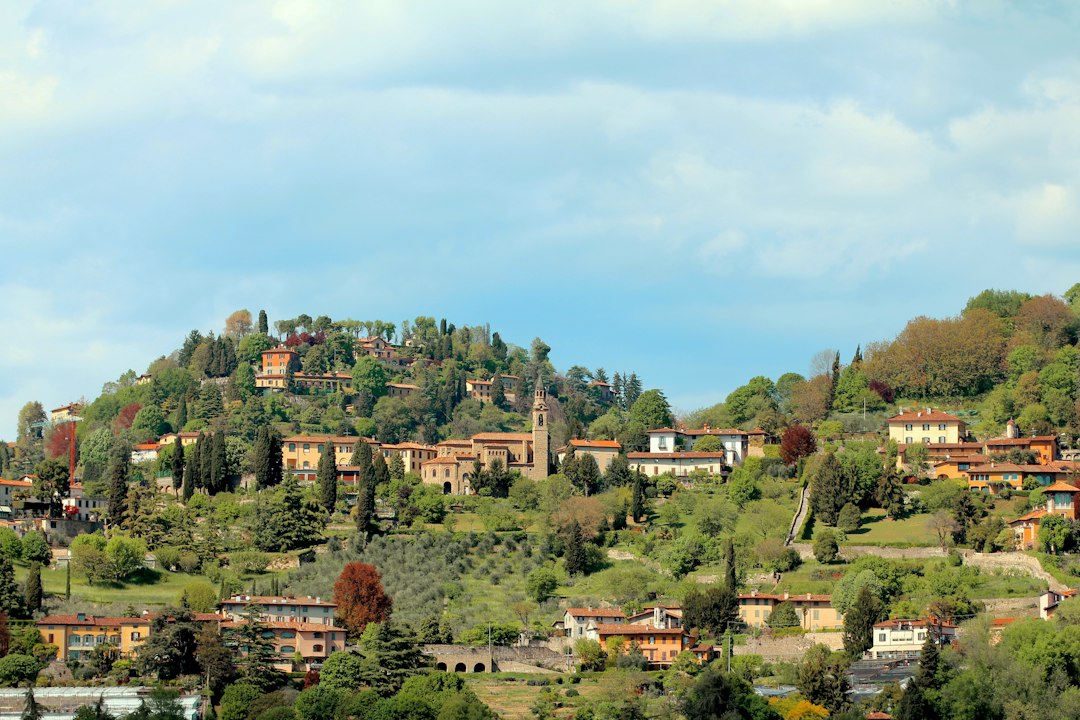
Bergamo, a Lombard city of 119,534 residents sitting at 249 metres above sea level, is one of northern Italy’s best-kept secrets — split between a medieval hilltop Città Alta and a modern lower town. Founded as the Roman settlement Bergomum, it sits just 40 km northeast of Milan yet feels worlds apart, with Venetian-era walls encircling its upper city that UNESCO recognised in 2017.
Three Things Not to Miss in Bergamo
- Città Alta & Venetian Walls — A UNESCO-listed medieval hilltop enclave with 6 km of intact 16th-century Venetian fortifications.
- Piazza Vecchia — Bergamo’s showpiece Renaissance square, flanked by the Palazzo della Ragione built in 1199.
- Funicolare Bergamo Alta — A historic funicular operating since 1887 linking the lower city to the magical upper town in 4 minutes.
Scroll down for our complete travel guide with tips on getting there, where to stay, costs and more.
Getting to Bergamo from the Airport
How do I get to Bergamo?
Fly into Orio al Serio Airport (BGY), located just 5 km from Bergamo’s centre — one of Europe’s busiest low-cost hubs. By train, Milano Centrale connects to Bergamo station in around 50 minutes for roughly €5–€8. From Venice, direct trains take approximately 2.5 hours. My tip: Ryanair and easyJet use BGY as a major Italian base, so flights from across Europe are genuinely cheap. What surprised me is how few visitors arriving at BGY actually spend a night in Bergamo — they bus straight to Milan, missing an extraordinary city entirely.
Which airport is closest to Bergamo?
Orio al Serio International Airport (BGY), branded ‘Milan Bergamo Airport,’ is the closest at just 5 km from the city centre. In my experience, this is one of the most convenient airport locations in Italy — a taxi costs €15–€20 and takes under 15 minutes. The honest caveat: the airport’s ‘Milan’ branding confuses first-timers who assume they need to travel on to Milan. If Bergamo is your destination, you are already there. Bus line 1 connects BGY to Bergamo station for €2.50.
How long does the journey to Bergamo take from major hubs?
From Milan Centrale by direct train, the journey is 50–55 minutes and costs €5–€8. From BGY airport to the city centre, allow just 15 minutes by taxi or 25 minutes on bus line 1. From Venice Santa Lucia, direct trains run in roughly 2.5 hours. What most guides omit: Friday evening trains from Milan to Bergamo are packed with weekenders — I recommend booking a seat reservation even though it is technically a regional service, or travelling before 17:00 to guarantee a seat.
Do I need a car to explore Bergamo?
No — you do not need a car inside Bergamo itself. The Città Alta is a pedestrian-only zone and cars are actively banned for non-residents. The funicolare and city buses handle the Città Alta–Città Bassa connection efficiently. Local transport costs around €1.96 per journey. I recommend a car only if you plan day trips into the Bergamo Alps or to Lake Iseo (30 km away). The honest warning: parking in the lower city is expensive and scarce — arriving by car adds genuine stress that arriving by train completely avoids.
Moving Around Bergamo
What are the best areas to stay in Bergamo?
Stay in Città Alta for atmosphere — waking up inside the medieval walls with zero traffic noise is unforgettable. However, Città Bassa near Piazza Matteotti is more affordable and better connected to trains and the airport. My tip: Città Alta accommodation sells out weeks ahead in summer, so book early or accept staying in the lower town and commuting up by funicolare. I recommend Via Gombito in the upper city for the most central Città Alta position. The caveat: Città Alta streets are steep cobblestones — genuinely difficult with large luggage.
What does accommodation cost per night in Bergamo?
A solid mid-range hotel in Città Bassa runs €80–€130 per night. Inside Città Alta, expect to pay €120–€200 for a characterful boutique property, with the premium justified by location inside the UNESCO walls. Budget travellers can find B&Bs near Bergamo station from €55–€75. A mid-range dinner for two costs around €28.60, so the overall nightly cost is reasonable by northern Italian standards. The honest caveat: Città Alta has fewer than 20 hotels total — it is a small inventory, and summer availability disappears fast.
How far in advance should I book accommodation in Bergamo during high season?
Book Città Alta properties at least 6–8 weeks ahead for June through August — I have seen them sell out entirely in late May for July. Città Bassa hotels are more forgiving, typically available 2–3 weeks before arrival even in peak season. What most guides skip: Bergamo hosts the Festival Pianistico Internazionale in May and a busy Christmas market in December — both periods spike demand sharply. My tip: if you find Città Alta fully booked, properties on Via Borgo Palazzo in the lower town offer the next-best value-to-location ratio.
Are there special accommodation types worth trying in Bergamo?
Absolutely — agriturismo farmhouses in the Bergamo Alps foothills, reachable in 20–30 minutes by car, offer a completely different experience from urban hotels. Several Città Alta palazzi have been converted into boutique rooms inside genuine 15th-century buildings. In my experience, the locanda format — a small inn above a restaurant — is particularly rewarding here; you eat downstairs and climb to your room after dinner. I recommend asking specifically for rooms with a Città Bassa panoramic view in upper-town properties — the best ones overlook the entire Po Valley and cost no more than standard rooms.
Choosing a Neighbourhood in Bergamo
What are the must-see sights in Bergamo?
The Città Alta itself is the unmissable experience — walk the Venetian walls (6 km circuit) at sunset for the definitive Bergamo moment. Piazza Vecchia is the centrepiece, anchored by the Palazzo della Ragione (built 1199). The Cappella Colleoni is one of the finest Renaissance funerary chapels in Italy, free to enter. Accademia Carrara holds a world-class art collection with works by Raphael, Botticelli and Tiepolo. What surprised me: the funicular ride itself — departing from Viale Vittorio Emanuele II — is a proper attraction, not just transport, operating since 1887.
What can I experience for free in Bergamo?
Walking the Venetian walls circuit (6 km) costs nothing and delivers some of Lombardy’s finest views. Piazza Vecchia, the Cappella Colleoni exterior, and the entire Città Alta street network are free to wander. The Funicolare Bergamo Alta costs just €1.40 one way — effectively free for what it delivers. My tip: the Basilica di Santa Maria Maggiore charges no entry fee despite being one of the richest Romanesque interiors in northern Italy. The honest caveat: the Accademia Carrara charges €10 and is worth every cent — do not skip it to save money.
Which day trips from Bergamo are worth doing?
Lake Iseo (30 km, 35 minutes by car) is dramatically less crowded than Como or Garda and genuinely beautiful. Lake Como (30 km) is the prestige option — reachable in under 1 hour by car or 1.5 hours by train via Lecco. Milan (40 km, 50 minutes by train) works perfectly as a day trip in reverse — Bergamo as base, Milan as excursion. I recommend Crespi d’Adda, a UNESCO-listed 19th-century factory village 15 km southwest, taking under 30 minutes by car — almost no tourists and completely fascinating.
What local specialities should I try in Bergamo?
Casoncelli alla bergamasca — pasta stuffed with meat, raisins and amaretti, dressed with browned butter and sage — is the dish that defines this city. Try it at Ristorante Ol Giopì e la Margì in Città Alta, where a generous portion costs around €12–€15. Polenta e osei is a confectionery version of a traditional game-bird dish — a sweet marzipan cake shaped to look savoury, sold in every pasticceria. Stracchino and Taleggio cheeses both originate in the Bergamo valleys. The honest caveat: tourist-facing restaurants near Piazza Vecchia charge a premium — walk one street back and prices drop noticeably.
Top Sights in Bergamo
What makes Bergamo unique compared to other Italian cities?
Bergamo is the only major Italian city with a fully intact, pedestrianised UNESCO-listed Venetian upper town sitting above a functional modern lower city — the contrast between the two is architectural and social theatre. It was also the birthplace of Gaetano Donizetti, and the city takes its operatic heritage seriously, with a dedicated museum and annual festival. What genuinely surprised me: Bergamo has a strong local identity that resists the tourist-factory atmosphere plaguing comparable Lombard towns. Locals eat in Città Alta every day — it is not a museum piece. A cheap meal costs around €15.89, which is honest value for this quality.
How many days should I spend in Bergamo?
2 full days covers Bergamo thoroughly — Day 1 for Città Alta (walls, Piazza Vecchia, Cappella Colleoni, Basilica), Day 2 for Accademia Carrara and a half-day trip to Lake Iseo (30 km). Add a third day if you want to hike into the Bergamo Alps or take the second funicolare up to San Vigilio for panoramic views stretching to Milan on clear days. My honest assessment: one day is not enough — most visitors who spend only a half-day arrive via Milan, rush Piazza Vecchia, and leave without understanding what makes the city exceptional.
When is the best time to visit Bergamo?
June through September are the optimal months based on climate data — warm, sunny and ideal for Città Alta walking. May is my personal favourite: lower crowds, the Festival Pianistico Internazionale running, and the alpine views are sharpest before summer haze. October offers spectacular autumn colour in the Bergamo Alps and comfortable temperatures around 15–18°C. The honest caveat: July and August bring genuine heat to the lower city — Città Alta, at 249 metres, stays marginally cooler, but afternoon walking on cobblestones in 32°C heat is more demanding than most guides admit.
Are there local festivals in Bergamo worth attending?
The Festival Pianistico Internazionale di Brescia e Bergamo runs through May and June, attracting world-class pianists to venues inside the medieval upper town — ticket prices range from €15–€45. The Donizetti Opera Festival in November fills the Teatro Donizetti for three weeks of serious opera programming. The Festa di Sant’Alessandro in August includes a historical parade through Città Alta in full Venetian costume. My tip: book accommodation at least 8 weeks ahead for the Donizetti Festival — November is otherwise low season and hotels are cheap, but festival weekend rooms disappear.
Where to Eat in Bergamo
How does weather affect activities in Bergamo throughout the year?
The Venetian walls walk is comfortable from April through October but genuinely cold and occasionally icy from December through February — the exposed circuit at 249 metres catches wind off the Bergamo Alps. Summer afternoons above 30°C make the cobblestoned Città Alta streets punishing — I recommend visiting the Accademia Carrara between 13:00–15:00 as a climate-controlled midday refuge. Spring snowfall in the Alps (visible from the city) can occur as late as April. What most guides omit: autumn fog in the Po Valley below creates a dramatic effect where Città Alta floats above a white sea — genuinely one of northern Italy’s great visual spectacles.
How crowded does Bergamo get in peak season?
Piazza Vecchia gets genuinely busy on July and August weekends, with day-trippers from Milan arriving by the trainload from 09:00. Weekday mornings before 10:00 remain peaceful even in high summer. The Venetian walls circuit rarely feels overcrowded even in peak season because most visitors do not walk the full 6 km. In my experience, Bergamo remains significantly less congested than Verona or Lake Como despite comparable beauty. The honest warning: Città Alta restaurants fill completely by 12:30 on Sundays — either book ahead or arrive by 12:00 to secure a table without a reservation.
How safe is Bergamo for tourists?
Bergamo is very safe — I have walked Città Alta at midnight without a single concern. Città Bassa around Bergamo station has the usual petty theft risk common to all Italian train stations — keep bags in front and do not leave luggage unattended. Pickpocketing in Piazza Vecchia targets distracted tourists, particularly during summer. The Funicolare lower station area in Viale Vittorio Emanuele II is fine but worth staying alert in the evening. My honest assessment: Bergamo is substantially safer than Milan for day-to-day street experience, which is one underrated advantage of basing yourself here rather than the larger city.
Is English widely spoken in Bergamo?
In Città Alta tourist zones, English is spoken competently in restaurants and hotels. Step into Città Bassa neighbourhood bars or local alimentari and you will encounter limited English — Italian is essential or at least appreciated. In my experience, Bergamaschi respond warmly to even basic Italian phrases and are patient with learners. The honest caveat: the local Bergamasco dialect is genuinely distinct from standard Italian — even Italian visitors from other regions sometimes struggle with older locals. A translation app is useful insurance. The Accademia Carrara provides English audio guides at no extra charge, which I recommend.
Before You Go to Bergamo
What is the daily budget for visiting Bergamo?
Budget travellers can manage on €60–€75 per day — a cheap meal costs around €15.89, accommodation near Bergamo station from €55, and local transport at €1.96 per journey. Mid-range travellers spending nights in Città Alta and dining properly should budget €130–€160 per day. A mid-range restaurant dinner for two runs about €28.60. My tip: the Accademia Carrara (€10) and the funicolare are the only meaningful paid sights — Bergamo is unusually affordable for its cultural density. The honest caveat: wine markups in Città Alta restaurants are steep — ordering a carafe of house wine rather than bottled saves €8–€12 per meal.
How does public transport work within Bergamo?
ATB (Azienda Trasporti Bergamo) operates city buses with a single journey costing €1.96, validated on boarding. The Funicolare Bergamo Alta runs every 12 minutes from 07:00 to 00:30 and costs €1.40 one way. A second funicolare continues from Città Alta up to San Vigilio for €1.40 more. Day passes cost approximately €4.50 and cover all city buses. My tip: buy tickets at tabaccherie (tobacco shops) before boarding — the driver does not sell them. What surprised me: the bus network in Città Bassa is genuinely efficient and covers the train station, airport bus stop, and major sites without needing a taxi.
Which apps do you recommend for visiting Bergamo?
Trenitalia or Italo for train bookings from Milan — book at least 3 days ahead for cheaper regional fares. ATB Mobilità is the official Bergamo bus app for real-time departures and route planning. Google Maps works reliably for Bergamo navigation, including the pedestrian Città Alta lanes. Duolingo or Google Translate camera mode handles Italian menus effectively. My tip: download Musei Italiani for Accademia Carrara ticket information and opening hours — it aggregates Italian museum data cleanly. The honest caveat: offline maps via Maps.me are worth downloading before arrival since roaming data can be patchy inside some Città Alta stone corridors.
What is the daily budget for visiting Bergamo and is it good value compared to Milan?
Bergamo delivers significantly better value than Milan across every category. A cheap meal costs €15.89 versus Milan’s €20–€25 equivalent. Mid-range hotels in Città Bassa run €80–€130 against Milan’s €150–€220 for comparable quality. Local transport at €1.96 is identical in price to Milan but covers a more manageable, walkable city. In my experience, you get a richer medieval atmosphere, lower prices and less urban stress in Bergamo. The honest caveat: if nightlife, Michelin dining or fashion shopping are priorities, Milan wins — Bergamo’s evening scene closes earlier and is authentically local rather than internationally cosmopolitan.
Bergamo at a Glance
| Population | 119,534 |
|---|---|
| Currency | EUR (€) |
| Official language | Italian |
| Time zone | Europe/Rome |
Source: Wikidata, retrieved September 2026.
Italy › Bergamo
More Destinations in Lombardy
More Destinations in Italy
Related Travel Guides
Essential Resources for Planning Your Trip to Bergamo
- Visit Bergamo: Home — official visitor information, passes & events
- Wikipedia: Bergamo — history, geography & background
- Wikivoyage: Bergamo — community travel guide & practical tips
- Bergamo travel – Lonely Planet | Italy, Europe — expert itineraries & travel inspiration
- THE 15 BEST Things to Do in Bergamo (2026) — hotels, restaurants & traveller reviews
- What to do in Italy near Bergamo without a car? — how to get around
- Numbeo: Cost of Living in Bergamo — current prices & cost comparison
- Timeanddate: Bergamo Weather & Climate — forecasts & climate statistics
More Perspectives on Bergamo
- Bergamo Travel Guide: Best Things to Do & See
- One day in Bergamo: a day trip itinerary
- How to Spend 24 Hours in Bergamo, Italy
Bergamo Travel Videos
Watch these videos for a visual preview before your trip:
- Bergamo Italy Travel Guide: 13 BEST Things To Do In Bergamo
- Bergamo Italy 🇮🇹 ITALY’S BEST KEPT SECRET
- Bergamo, Italy – Top 10 – Travel Guide
Bergamo Travel Discussions on Reddit
Real traveller experiences and community advice:
- Bergamo – most breathtaking italian City I’d never heard of
- Bergamo is better daytrip than Milan : r/ItalyTravel
- What to do in Bergamo? : r/ItalyTravel
Data Sources
This page was compiled using data from Wikipedia, Wikidata, Open-Meteo (climate), Numbeo (cost of living) and REST Countries. Information is updated regularly.