
Al Hoceima: The Complete Travel Guide (2026)
Last reviewed: September 2026 · key facts checked against Wikidata
Al Hoceima Travel Guide: Everything You Need to Know (2026)
Al Hoceima is a Mediterranean coastal city of 50,225 residents perched at just 37m above sea level on the northern edge of Morocco’s Rif Mountains, with Mount Tidghin (2,452m) looming dramatically inland. Founded as Villa Sanjurjo by Spanish colonists in 1926, it remains one of North Africa’s most underrated seaside destinations, combining turquoise Mediterranean coves with Berber mountain culture. The city sits roughly 240km east of Tetouan and serves as the capital of Al Hoceima Province.
Three Things Not to Miss in Al Hoceima
- Al Hoceima National Park — Morocco’s only coastal national park protects 48,000 hectares of pristine cliffs, coves, and Mediterranean scrubland accessible from the city.
- Plage Quemado — The central city beach curves around a sheltered bay with calm turquoise water just a 5-minute walk from the medina.
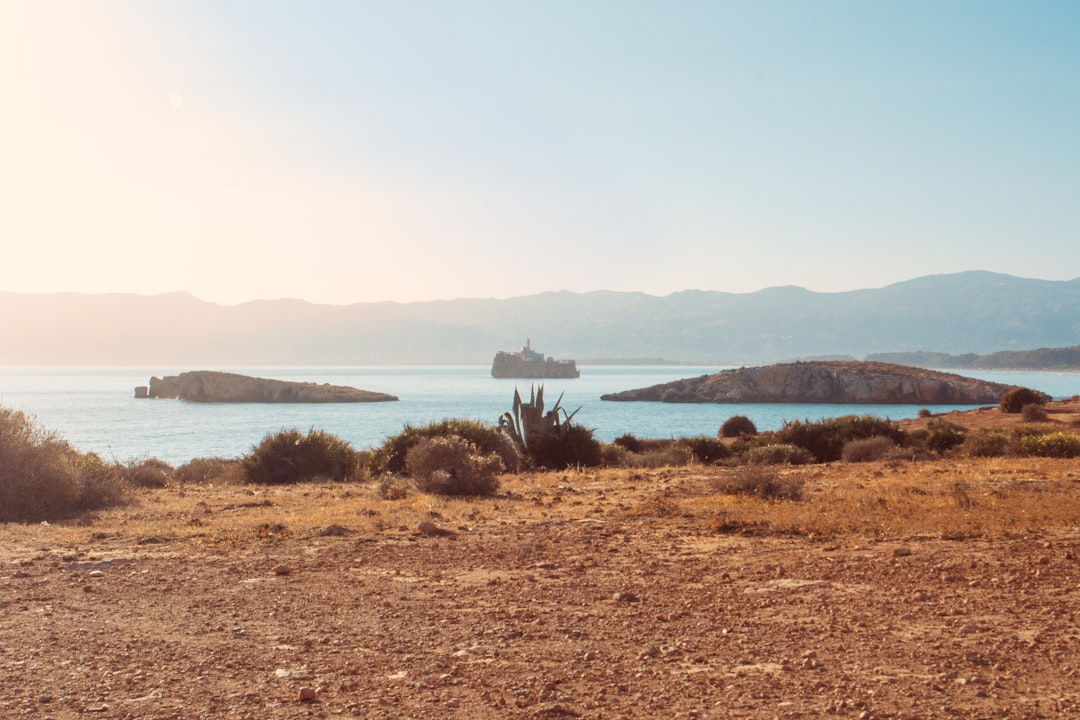
- Peñon de Alhucemas — A Spanish-administered island fortress sits just 300 metres offshore, visible from the corniche — a geopolitical curiosity unlike anywhere else in Morocco.
Scroll down for our complete travel guide with tips on getting there, where to stay, costs and more.
Getting to Al Hoceima from the Airport
How do I get to Al Hoceima from inside Morocco or abroad?
Fly in or drive — Al Hoceima has its own airport, making it straightforward. Cherif Al Idrissi Airport (AHU) sits 17km southeast of the city centre and receives direct flights from Brussels, Amsterdam, and Paris in summer, plus domestic connections from Casablanca. Alternatively, CTM buses run from Fes (approximately 4 hours, around DH 90) and from Tetouan. The coastal road N16 from Tetouan is stunning but takes 5-6 hours by car. My honest warning: bus schedules thin out dramatically in winter, so flying is the only reliable year-round option for international visitors.
Which airport is closest to Al Hoceima?
Cherif Al Idrissi Airport (AHU) is the gateway — it’s 17km from the city centre, roughly 20 minutes by taxi. I recommend agreeing on the fare before you get in: expect to pay DH 80-120 for the ride into town. The airport is small — one terminal, no luggage carousel chaos — which I genuinely appreciate after dealing with Casablanca’s Mohammed V. The trade-off is limited year-round connectivity: outside summer, direct European routes disappear almost entirely, meaning a connection through Casablanca (CMN) or Fes becomes necessary for most travellers.
How long does the journey to Al Hoceima take from major Moroccan cities?
Journey times vary significantly depending on your starting point. From Fes by CTM bus it’s roughly 4 hours; from Casablanca by road it’s approximately 6-7 hours. The fastest option is flying — a domestic flight from Casablanca takes around 1 hour. From Tetouan by car, allow 5-6 hours along the scenic but winding N16 coastal road. What most guides omit: the mountain roads approaching Al Hoceima through the Rif are genuinely challenging after dark, with sharp switchbacks and no lighting. I strongly recommend completing that final stretch before sunset.
Do I need a rental car to explore Al Hoceima properly?
Yes — a car is essential if you want to explore beyond the city itself. The medina and Plage Quemado are walkable, but Al Hoceima National Park, the hidden coves at Cala Iris, and the hilltop village of Torres de Alcalá are unreachable without wheels. Local rental agencies near the port charge from DH 300-400 per day for a basic Dacia Sandero, which is your best option on mountain roads. My tip: book in advance in July and August — cars sell out completely. The honest caveat: Rif mountain roads require confident driving; narrow hairpin sections genuinely catch unprepared tourists off guard.
Moving Around Al Hoceima
What are the best areas to stay in Al Hoceima?
Stay in the city centre near Place du Rif or directly on Plage Quemado — these two zones cover the vast majority of what you need. The area around Avenue Mohammed V puts restaurants, the beach, and transport connections within a 10-minute walk. In my experience, the beachfront strip along Quemado is ideal for families and beach-focused travellers. Avoid booking in the outlying residential suburb of Ajdir unless you have a car — it looks cheap online but leaves you stranded without transport. The medina quarter is atmospheric but very compact; accommodation options there are limited to a handful of guesthouses.
What does accommodation cost per night in Al Hoceima?
Budget rooms in Al Hoceima start at DH 150-200 per night for a clean guesthouse near the medina. A solid mid-range hotel with air conditioning and sea views — like the Hotel Mohammed V on the corniche — runs DH 400-600. Expect to pay DH 800-1,200 for the best beachfront options in peak July and August. Compared to Agadir or Marrakech, this is excellent value. The trade-off: even top-end hotels here are 3-star equivalent in facilities; Al Hoceima has no luxury 5-star resort product. What surprised me is how dramatically prices jump in August — book early or budget accordingly.
How far in advance should I book accommodation in Al Hoceima during high season?
Book at least 6-8 weeks ahead for July and August — Al Hoceima fills faster than its size suggests. The city hosts a large Moroccan diaspora from Belgium and the Netherlands who return home every summer, occupying accommodation in July through mid-August almost entirely. In my experience, waiting until 2 weeks before peak season means zero beachfront availability. Shoulder months of April, May, June, September, and October allow bookings 1-2 weeks out comfortably. My tip: use Booking.com rather than local phone bookings for confirmation and cancellation protection — verbal reservations here are not always honoured.
Are there special or unique accommodation types in Al Hoceima?
Al Hoceima offers a handful of genuinely local experiences beyond standard hotels. Maisons d’hôtes (Berber-style guesthouses) in the old medina quarter provide rooftop terraces and home-cooked breakfasts for around DH 250-350 per night. Several families in the village of Imzouren, 15km inland, rent out rooms during summer — basic but deeply authentic, with mountain views instead of sea. On the coast, villa rentals through local Facebook groups offer better value than hotels for groups of 4 or more, from around DH 600 per night total. The honest warning: most unique accommodation lacks English-speaking hosts, so French or basic Arabic helps enormously.
Choosing a Neighbourhood in Al Hoceima
What are the absolute must-sees in Al Hoceima?
Three experiences define Al Hoceima. Plage Quemado is the obvious centrepiece — a sheltered bay with calm Mediterranean water right in the city. Al Hoceima National Park is the real gem: 48,000 hectares of coastal cliffs, sea caves, and hidden coves accessible by boat from the port for around DH 150-200 per person. Finally, the corniche viewpoint above town at dusk — looking across to the Spanish island of Peñon de Alhucemas — is genuinely surreal and completely free. Most tourists skip the national park because it requires effort; that is precisely why you should not.
What can I experience for free in Al Hoceima?
Quite a lot, honestly. Plage Quemado has no entry fee — just show up. The corniche walk from the port to the beach takes 20 minutes and gives postcard views of the Peñon island for free. The medina souk on Friday mornings is worth an hour of wandering at zero cost — Berber produce, live chickens, and Rif mountain spices fill the stalls. The Spanish-era colonial architecture along Avenue Mohammed V is an open-air history lesson. My tip: the viewpoint above Bades village, 25km east along the coast road, offers the most dramatic cliff scenery in the region and costs nothing but fuel.
Which day trips from Al Hoceima are most worthwhile?
Cala Iris is my top recommendation — a pristine fishing cove 55km west that takes about 1 hour by car and feels a decade behind the rest of Morocco in the best possible way. Torres de Alcalá, a hilltop medieval tower overlooking the sea near Cala Iris, pairs perfectly with that drive. Inland, the Beni Snassen gorges near Berkane are 3 hours east but justify a long day. The mountain village of Ketama, famous for its cedar forests and Rif culture, sits 90km south — allow a full day and be aware the area has a reputation for hash vendors aggressively approaching tourists on the roadside.
What are the local culinary specialities of Al Hoceima?
Al Hoceima’s food reflects its dual Berber and Mediterranean identity. The standout is fresh grilled fish at the port — sea bream, red mullet, and octopus cost DH 60-100 per plate and were swimming hours earlier. Mechoui (whole roasted lamb) appears at family celebrations and some restaurants for around DH 80 per portion. Uniquely local is Rif-style harira — thicker and spicier than the Fes version — served with dates and honey pastries for DH 15-20 at medina cafes. What most food guides miss: the sfenj (fried dough rings) sold outside the morning market for DH 2 each are the best breakfast in the city.
Top Sights in Al Hoceima
What makes Al Hoceima unique compared to other Moroccan coastal cities?
Al Hoceima sits at the intersection of three identities found nowhere else combined in Morocco: Mediterranean beach town, Berber Rif mountain capital, and former Spanish colonial outpost — all in one compact city of 50,225 people. The Spanish influence is visible in the grid-plan streets and the offshore Peñon island still administered by Madrid. The Rif Berber (Tarifit-speaking) culture dominates daily life in a way that feels distinct from Arab Morocco. In my experience, it also has the most genuinely turquoise Mediterranean water of any Moroccan coastal city — cleaner and calmer than Tetouan’s beaches. The 2016 Hirak Rif protest movement originated here, giving the city a strong political identity that locals are proud to discuss.
How many days should I spend in Al Hoceima?
3 days minimum, 5 days ideal to do the city and its surroundings justice. Day 1: city beaches and corniche. Day 2: boat trip into Al Hoceima National Park — book the morning boat at the port by 8am. Day 3: drive to Cala Iris and Torres de Alcalá. Days 4 and 5 allow for a Ketama mountain excursion or simply extra beach time. In my experience, travellers who give Al Hoceima only 1-2 days as a stopover consistently regret it — the national park alone justifies a dedicated day. One honest caveat: 5 days is probably the ceiling before you exhaust the main attractions.
When is the best time to visit Al Hoceima?
April through October offers the best conditions based on verified climate data for Al Hoceima. June and September hit the sweet spot — warm enough for swimming (sea temperature around 22-24°C), far fewer crowds than July and August, and fully open restaurants and boat tours. July and August deliver peak Mediterranean heat and the most vibrant atmosphere, but prices spike and beaches crowd with returning diaspora. April and May are my personal favourites: wildflowers on the Rif hillsides, empty coves, and DH prices at their lowest. Avoid January through March unless you enjoy a very quiet city with reduced services — the national park boat trips stop running entirely.
What local festivals or events happen in Al Hoceima worth attending?
The Festival de la Mer (Sea Festival) runs in August and centres on the port, with local music, fish markets, and boat races — it’s the single biggest annual event and genuinely worth timing a trip around. Eid al-Adha transforms the city entirely: markets overflow, families gather, and the atmosphere is electric but tourist infrastructure shuts down for 2-3 days — budget travellers should prepare for closed restaurants. The Amazigh New Year (Yennayer) in mid-January is celebrated locally with Berber music and traditional food, particularly in the inland villages around Imzouren. My tip: the port’s informal summer evening fish grills from June onward function as a nightly food festival of their own.
Where to Eat in Al Hoceima
How does weather affect activities in Al Hoceima throughout the year?
Weather dictates almost everything here. June through September: swimming, boat trips, national park excursions, and beach days are all fully viable. April and May: hiking in the Rif foothills and coastal walks are superb, sea slightly cool at around 18-20°C. October: still warm enough for swimming (21°C sea temperature), hiking excellent, boat tours beginning to wind down by late month. November through March: most boat operators suspend national park trips due to choppy seas — this is the biggest practical impact. Rainfall concentrates in December and January. My honest warning: the Rif Mountains can experience flash flooding on the access roads in winter; check conditions before driving south toward Ketama.
How crowded does Al Hoceima get in peak season?
July and August are genuinely packed — the city’s 50,225 residents effectively doubles in population as Moroccan-Dutch and Moroccan-Belgian diaspora descend for summer. Plage Quemado becomes shoulder-to-shoulder by 11am in August; arrive by 8am for space. Hotel prices jump 40-60% above shoulder rates. Restaurants queue. The port boat operators run multiple daily trips but still fill up. The silver lining: the energy is fantastic and the city feels fully alive. My tip: book the national park boat trip the evening before — morning spots sell out by 7am in August. Outside July-August, Al Hoceima is refreshingly uncrowded for a Mediterranean destination of its quality.
How safe is Al Hoceima for tourists?
Al Hoceima is safe for tourists — petty crime is low and violent incidents targeting visitors are extremely rare. The city has a cohesive community atmosphere; locals are protective of their reputation after the Hirak movement put the city under national scrutiny. Solo female travellers should be aware that persistent male attention on the corniche at night is common and can feel uncomfortable — walking with a companion after 10pm is my recommendation. The road to Ketama passes through areas where hash vendors aggressively approach cars — do not stop and do not engage. The national park boat areas and beaches are entirely trouble-free in my experience.
Is English widely spoken in Al Hoceima?
English is minimally spoken — this is primarily a French and Tarifit Berber city. Most hotel receptionists manage basic English; restaurant menus in tourist areas include French translations. In my experience, even French gets you dramatically further here than English — the Spanish colonial legacy means some older residents also speak Spanish, which can be a surprisingly useful bridge. My honest tip: download Google Translate with Moroccan Arabic and French offline packs before you arrive — pointing at translated text gets you through 90% of situations. Markets and medina vendors communicate through gesture, numbers, and calculators regardless of language barriers.
Before You Go to Al Hoceima
What is the daily budget for travelling in Al Hoceima?
Budget travellers can manage on DH 250-300 per day covering a guesthouse bed, street food, and local transport. A comfortable mid-range day — decent hotel, sit-down meals, and one paid activity like a boat trip — runs DH 500-700 per person. Add a rental car at DH 350 per day and a restaurant dinner with fresh fish and that climbs to DH 900-1,100. Al Hoceima is meaningfully cheaper than Agadir or Tangier for equivalent quality. The unavoidable splurge is the national park boat trip at DH 150-200 — worth every dirham. My tip: eat lunch at port-side fish stalls rather than restaurant tables and save DH 60-80 per meal instantly.
How does public transport work within Al Hoceima and to surrounding areas?
Within the city, petits taxis (small blue taxis) cover any urban journey for DH 8-15 — they’re metered but drivers often quote a flat fare; insist on the meter or agree the price before departing. CTM and Supratours buses connect Al Hoceima to Fes (DH 90, 4 hours) and Nador (DH 50, 2 hours) reliably. Local grand taxis run shared routes to nearby towns like Imzouren for DH 10-15 per seat. There is no train line anywhere near Al Hoceima — the nearest rail connection is Fes station, 220km south. My honest assessment: public transport covers the city fine, but exploring the coast and national park without a car is genuinely impractical.
Which apps do you recommend for getting around and navigating Al Hoceima?
Google Maps works well for Al Hoceima city navigation — offline maps are essential since mobile data can drop in mountain areas. Maps.me is my backup for rural Rif roads where Google loses detail. For transport bookings, CTM’s official website handles bus reservations more reliably than third-party aggregators. Google Translate with offline French and Arabic packs is non-negotiable here given the language situation. For accommodation, Booking.com has better Al Hoceima inventory than Airbnb. One app most travellers overlook: Windy for checking Mediterranean sea conditions before booking boat trips into the national park — choppy days make the experience genuinely unpleasant and operators sometimes cancel without advance warning.
Al Hoceima at a Glance
| Population | 50,225 |
|---|---|
| Currency | Moroccan dirham (DH) |
| Official language | Arabic, Standard Moroccan Tamazight |
| Time zone | UTC+01:00 |
Source: Wikidata, retrieved September 2026.
Morocco › Al Hoceima
More Destinations in Morocco
Essential Resources for Planning Your Trip to Al Hoceima
- Transport — official visitor information, passes & events
- Wikipedia: Al Hoceima — history, geography & background
- Wikivoyage: Al Hoceima — community travel guide & practical tips
- Port | Attractions — expert itineraries & travel inspiration
- Al Hoceima, Morocco: All You Must Know Before … — hotels, restaurants & traveller reviews
- Transport — how to get around
- Numbeo: Cost of Living in Al Hoceima — current prices & cost comparison
- Timeanddate: Al Hoceima Weather & Climate — forecasts & climate statistics
- Preserving the ecosystem of the Al Hoceima National Park …
More Perspectives on Al Hoceima
- Guide of Al Hoceima – Netferry
- Exploring Al Hoceima, Morocco – Journey Beyond Travel
- Things to do in Al Hoceima Province
Al Hoceima Travel Videos
Watch these videos for a visual preview before your trip:
- Charming Al Hoceima, Summer 2026 Kickoff | The Complete Guide 🇲🇦
- Top 10 Best Tourist Places to Visit in Al Hoceima | Morocco – English
- Exploring Al Hoceima, Morocco 🇲🇦 | Green Mountains, Boat Trip & Mediterranean Beaches 🌊
Al Hoceima Travel Discussions on Reddit
Real traveller experiences and community advice:
- Thoughts and Recommendations on Al Hoceima : r/Morocco
- Traveling to Northern Morocco (Assilah, Tangier, Al …
- Morning at Playa Quemado in Al Hoceima, Morocco. : r/travel
Data Sources
This page was compiled using data from Wikipedia, Wikidata, Open-Meteo (climate), Numbeo (cost of living) and REST Countries. Information is updated regularly.